REVIEW · DURBAN
Hluhluwe Game Reserve Safari from Durban
Book on Viator →Operated by Cullinan Guided Journeys · Bookable on Viator
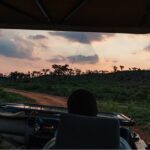
That early drive out of Durban turns into a full safari day. This trip takes you from the coast to Hluhluwe–iMfolozi Game Reserve, one of Africa’s oldest nature areas, where the big star is the white rhino story—once near extinction, now a major stronghold. You’ll ride in a closed vehicle game drive for hours, then scan for crocs, hippos, and birds as your guide keeps hunting through the bush.
What I like most is the guide focus. I’ve seen how experts like Wendy, Jan Jordaan, Prince, and Thabo can read the situation fast—spotting animals early and knowing when to reposition for better (and safer) viewing.
One thing to plan around: you’re not guaranteed to see every animal in the Big Five lineup. The reserve is huge, sightings change daily, and some animals (like lions) can be harder depending on conditions.
In This Review
- Key things to know before you go
- A long Durban-to-Hluhluwe day: why the 6:30am start works
- The closed-vehicle game drive in Hluhluwe–iMfolozi: Big Five odds, real expectations
- Rhinos, crocs, hippos, and the birds you’ll actually notice
- Lunch and pacing: what happens during the long day
- Optional open-vehicle safari: higher thrills, real rules
- How the vehicle and group size change your safari experience
- Professional guidance: what makes this safari feel high-touch
- Season, sightings, and the “not seeing lions” reality check
- Who should book this Hluhluwe safari from Durban
- Is it worth $241.84 per person?
- Should you book this Durban to Hluhluwe safari?
- FAQ
- What time does the Hluhluwe safari pick up and start?
- How long is the safari from start to finish?
- What’s included in the price?
- Is an open-vehicle game drive part of the trip?
- Are there age limits for the open-vehicle game drive?
- Can I get a refund or change my booking if my plans change?
Key things to know before you go
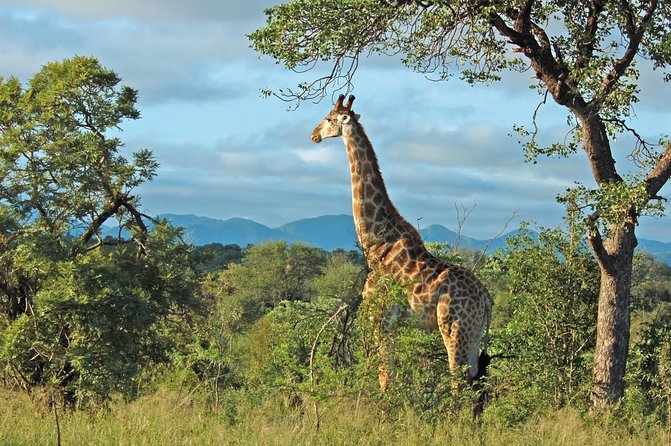
- White rhino country: Hluhluwe–iMfolozi is a world-famous stronghold for this species
- Long closed-vehicle game drive: built for comfort and steady spotting time
- Birding from the road: expect stops to clock smaller action like bee-eaters and Klaas’s cuckoo
- Water-edge wildlife: crocs and hippos are on your radar, not just the grazing mammals
- Open-vehicle option: available for an extra surcharge, but it has age rules and limited availability
- Max 12 people: smaller group size helps keep the trip feeling personal
A long Durban-to-Hluhluwe day: why the 6:30am start works
This safari is a classic “get moving early” setup. The start time is 6:30am, with hotel pickup in Durban, and you’re looking at roughly 12 hours total from start to finish. For some people, that sounds brutal. For me, it’s the whole point: wildlife activity often picks up when temperatures are still manageable.
After pickup, you’ll drive away from the city and into farming country. One of the nicer surprises is how you get context for what you’re passing: you’ll see sugarcane and eucalyptus farms stretching toward the reserve. It’s not just a transfer. It’s the intro scene for the day you’re about to have.
That drive also buys you the advantage of time inside Hluhluwe–iMfolozi. Even though the road takes a while, the safari portion is set up to keep you moving slowly through good viewing zones, rather than rushing.
You can also read our reviews of more tours and experiences in Durban.
The closed-vehicle game drive in Hluhluwe–iMfolozi: Big Five odds, real expectations
Your main event is a closed vehicle game drive in the Hluhluwe–iMfolozi Park Wilderness Area. The safari time is listed as about 6 hours, and it’s where you’ll spend most of your “spotting budget.”
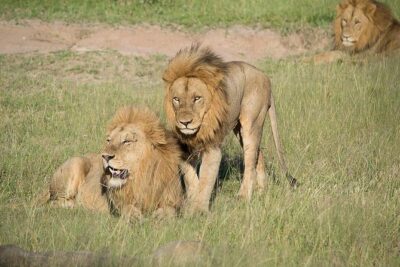
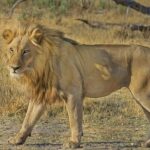
The tour description frames this as a Big Five search—elephants, buffalo, rhinos, lions, and leopards. Here’s the honest way to think about it: you can absolutely see major animals, but you’re never in a video-game mode where the Big Five are scheduled on demand. One safari can be rhinos and buffalo all day; another can add cats; another can be more about elephants and water-edge surprises.
What helps here is the guide skill level. In real-world safari terms, the best guides don’t just point. They reposition. They choose angles. They read when animals are calm versus alert. In the feedback you shared, guides like Wendy stood out for quickly removing the vehicle from risk when animals seemed stressed or challenged. That’s not a small detail. It changes your odds of seeing more—because the car doesn’t hang around when it’s likely to get pushed out of a good situation.
Also, a closed vehicle is comfortable in a practical way. It keeps you protected from dust, wind, and sun glare. You get steadier viewing too, which matters when you’re scanning for movement that could be gone in seconds.
Rhinos, crocs, hippos, and the birds you’ll actually notice
Hluhluwe–iMfolozi isn’t only about the Big Five checklist. It’s known for the white rhino population, and that alone gives the reserve a special pull. Even when rhinos are far, the presence of that species is part of the reason people come here.
From the animal mix mentioned in the tour description and supported by what guides help you look for, I’d treat the day like three overlapping hunts:
1) Grazers and giants
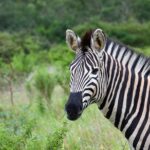
Expect a good chance at elephants, buffalo, giraffes, zebras, and warthogs. Several safari days in the feedback show exactly that style of success—lots of big, obvious mammals, even when one of the Big Five is missing.
2) Water-edge surprises
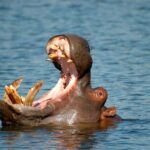
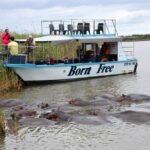
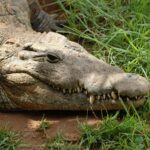
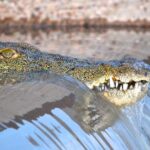
You’re told to scan for crocs and hippos. This is one of those safari moments where your guide’s ability to read the terrain pays off. Crocodiles and hippos are often spotted not by staring at the open water, but by catching small signals: movement near the banks, a head surfacing, a shift in the shoreline scene.
3) Birds and small action
It’s easy to ignore birds until you realize they’re basically running commentary. The tour specifically calls out the little bee-eater and Klaas’s cuckoo. Birds like these are perfect for short, sharp attention bursts—so you’re not only hunting huge animals.
Here’s my practical tip: keep your eyes on the guide’s cues as much as your own scanning. When an experienced driver says look left, it’s usually because something has already been spotted, just not at human-easy distance.
Lunch and pacing: what happens during the long day
Lunch is included. That’s a big deal on a 12-hour schedule, because you don’t want the day turning into a scavenger hunt for snacks. The exact meal details aren’t listed here, but at least you know food isn’t a surprise expense.
The pacing is also built around a full safari block. You’re not just doing a quick loop. You’re out long enough that you’ll have a rhythm: spot, stop, watch, reposition. That rhythm helps you learn what the bush is doing—because the reserve isn’t a single straight line of action.
One more practical point: drinks aren’t included. Plan on buying water and any sodas on your own during breaks if needed. For a long morning start and a hot reserve, staying hydrated matters more than you think—especially once you’ve been staring through dust for hours.
Optional open-vehicle safari: higher thrills, real rules
If you want a bigger sensory experience—wider sightlines and more of that “right there” feeling—there’s an optional open vehicle game drive at a surcharge. It’s subject to availability, and it needs to be pre booked and pre paid.
This is the part where you need to check your group details. No children under 8 years are permitted on the scheduled open vehicle game drives. For younger kids, the tour mentions car seats: children up to age 3 must sit in a car seat, and car seats are subject to availability at booking.
My take: if the open drive is available for your dates and your group fits the age rules, it’s worth asking about early. An open vehicle can make animals feel closer because you get more direct sight and hearing. But if you’re traveling with kids, prioritizing comfort and safety might mean sticking with the closed vehicle drive that’s included.
How the vehicle and group size change your safari experience
This tour caps at a maximum of 12 travelers. That’s not just a number. A smaller group tends to mean fewer internal slowdowns—less jostling for window views and more time for the guide to find the best vehicle position without constant crowd management.
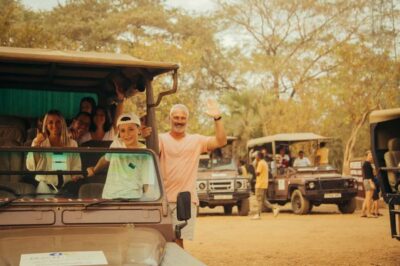
Also, you’re not in a tiny ride. One piece of feedback describes air-conditioned Mercedes van comfort and punctual pickup. Even if your vehicle type varies by departure, the theme stays the same: the trip is set up for daytime comfort over bare-minimum transport.
That matters because this isn’t a 2-hour excursion. It’s a full day that includes a long safari drive plus the Durban back-and-forth. Comfortable transport turns “long” into “bearable,” and sometimes into “actually enjoyable.”
Professional guidance: what makes this safari feel high-touch
The guide is included, and the reviews back up that your guide is a real part of the value. Names like Wendy, Jan Jordaan, Prince, and Thabo show up with consistent themes: spotting ability, calm decision-making, and a knack for giving useful info rather than generic animal facts.
One standout detail is safety-minded repositioning. In one example, Wendy removed the vehicle from harm’s way when game seemed nervous or challenged. That’s a practical skill, not a nice-to-have. It helps protect you, and it likely helps keep the animal behavior manageable so you can continue viewing.
Guides in this area also tend to share context on what you’re seeing right then—why an animal might be moving, what tracks or calls might mean, and how the reserve’s terrain shapes where sightings happen. Even without a long lecture, that kind of real-time commentary makes you see more because you know what to look for.
Season, sightings, and the “not seeing lions” reality check
You should treat the day like a successful safari when you see a lot of wildlife, not only when you collect a perfect Big Five set. The feedback you provided includes multiple examples of strong days even without lions, and one example calling out that only a few Big Five were seen.
That’s not a failure. It’s how safari nature works. Huge parks, changing animal moods, and shifting conditions mean you might miss one animal and still get a fantastic day.
If you really want to maximize your odds, think in terms of flexible goals:
- If you care most about rhinos, this reserve is a strong fit.
- If you care about variety, you’ll likely see plenty beyond the headline animals.
- If you care about the most famous predator sightings, keep your expectations elastic and plan your mindset for surprise.
Also, you’ll get better results if you’re emotionally ready for scanning. Wildlife sightings often depend on whether you can spot the small movement that means something big is nearby.
Who should book this Hluhluwe safari from Durban
This tour fits best if you want a guided day that’s:
- Comfort-focused (closed vehicle included, lunch included, small max group size)
- Animal-forward (game drive time is substantial, not a quick photo stop)
- Logistics-light (hotel pickup and drop-off means you don’t have to manage transport)
- Rhino interested (white rhino is a major highlight of Hluhluwe–iMfolozi)
You might skip it if:
- You only want one specific Big Five animal and would be truly disappointed without it.
- You’re hoping for an open-vehicle experience as your main plan. The open drive is optional and availability-based, and it has age rules.
Is it worth $241.84 per person?
For a day like this, the price is mainly about what’s bundled together: hotel pickup/drop-off, a professional guide, lunch, and a closed vehicle game drive that runs for hours inside the reserve. When you add up those costs on your own—transport, guide time, entrance-type fees, and meals—the packaged value starts to make sense.
The tour also gives you a chance to upgrade your experience with an open vehicle drive for a surcharge, if it’s available. That’s a flexible value lever. Pay extra only if it fits your vibe.
So I’d judge the cost on this: you’re paying for a full-day structure and someone experienced driving and positioning you for animal viewing. If that’s what you want, $241.84 feels reasonable for a Durban-based safari day.
Should you book this Durban to Hluhluwe safari?
If you want a well-run, guided safari day from Durban with real time in Hluhluwe–iMfolozi, I’d book it. The reserve’s rhino strength, the long closed-vehicle drive, and the guide-driven spotting approach all work in your favor.
Just go in with two smart expectations:
You might not see all Big Five animals in one day, and the open vehicle upgrade depends on availability and age rules. If you can handle that, you’ll likely come away with a full day of wildlife sightings, better-than-random chances at rhinos and other mammals, and the kind of guide attention that makes the hours feel worth it.
FAQ
What time does the Hluhluwe safari pick up and start?
The start time is 6:30am, with hotel pickup in Durban.
How long is the safari from start to finish?
The total duration is about 12 hours.
What’s included in the price?
Lunch, a closed vehicle game drive, hotel pickup and drop-off, and a professional guide are included.
Is an open-vehicle game drive part of the trip?
An open vehicle game drive is optional for an additional surcharge. It is subject to availability and must be pre booked and pre paid.
Are there age limits for the open-vehicle game drive?
Yes. Children under 8 years are not permitted on the scheduled open vehicle game drives. Children up to age 3 must sit in a car seat (car seats are subject to availability at booking).
Can I get a refund or change my booking if my plans change?
No. The experience is non-refundable and cannot be changed for any reason. If you cancel or ask for an amendment, the amount you paid is not refunded.