REVIEW · ST LUCIA
Hluhluwe-Imfolozi Park Full Day Big 5 Safari Tour
Book on Viator →Operated by Heritage Tours & Safaris · Bookable on Viator
Rhinos start your morning alarm. This full-day safari from St Lucia is built around an early 5am start and ranger-led open-air game viewing, so you’re in the right place when animals are most active. I also like that the day is thoughtfully planned with breakfast and a traditional braai lunch, so you’re not stuck hunting for food halfway through the wild.
One catch: it’s a long, early outing. If you hate mornings before the sun is up, the 05:00 pickup will feel like your alarm clock has a grudge.
In This Review
- Key things to know before you go
- Hluhluwe–iMfolozi Park: Where the Big Five Hunt Makes Sense
- The 5:00 AM Start: Why Predators Win the Timing Game
- Getting In: From St Lucia to Nyalazi Gate Wilderness Area
- Ranger-Led Game Drives: How You Actually Improve Your Odds
- What You’ll Likely See: Big Five Plus the Extra Charge of Predators
- Breakfast, Picnic Breaks, and a Traditional Braai Lunch
- The Photo Advantage of Open-Air Vehicles
- Small Group Size: Less Waiting, More Questions
- Duration and Pace: What a Full Day Feels Like
- Price and Value: Why $96.05 Can Be a Good Deal
- Weather, Timing, and Comfort: Your Smart Prep Checklist
- Who Should Book This Safari From St Lucia
- Should You Book This Full-Day Big Five Safari?
- FAQ
- What time is pickup in St Lucia?
- Where does the safari take place in the park?
- How long is the safari?
- Is breakfast and lunch included?
- Are drinks provided during the day?
- Do I get a ranger on the safari drives?
- Is there a limit on group size?
- Are children allowed?
- What if the weather is poor?
Key things to know before you go
- 05:00 hotel pickup in St Lucia gets you to the park while predators are most active
- Open-air safari vehicles plus provided blankets for cooler early hours
- Breakfast and braai lunch are included, with bottled water on board
- Big Five target plus wild dogs and cheetahs guided by a ranger
- Small group (max 9 travelers) means more time to ask questions during drives
Hluhluwe–iMfolozi Park: Where the Big Five Hunt Makes Sense
Hluhluwe–iMfolozi Park is famous for good reasons, and this tour is designed for the people who want maximum wildlife time instead of just a quick drive-by. You’re visiting Africa’s oldest game reserve, and the focus isn’t only on scenery. It’s about seeing animals close-up with a ranger who can steer you toward the day’s best chances.
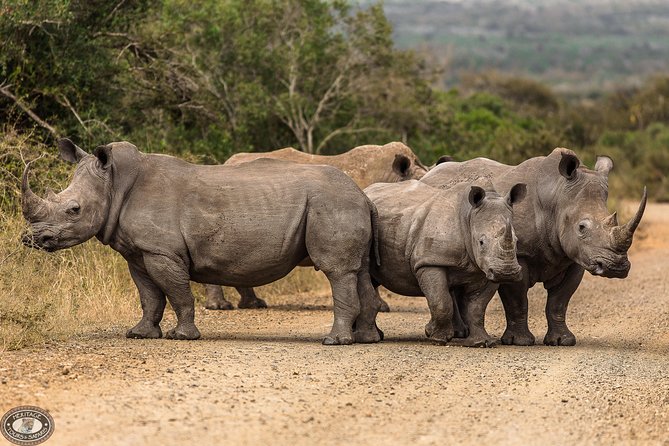
I like the clear wildlife priorities. This isn’t a generic safari where you hope for everything and learn nothing. You’re targeting classic names like elephants, rhinos, lions, leopards, and buffaloes—plus the higher-odds excitement of cheetahs and wild dogs. The ranger part matters here, because animals aren’t on a schedule. A good guide can read signs, adjust routes, and help you understand what you’re actually looking at.
The park also has a real conservation story. You’ll learn how the rhino population was brought back starting in the 1960s, which helps the Big Five viewing feel more than just a bucket-list checklist. It turns your photos into context, and that makes the whole day stick with you after the dust settles.
You can also read our reviews of more tours and experiences in St Lucia.
The 5:00 AM Start: Why Predators Win the Timing Game
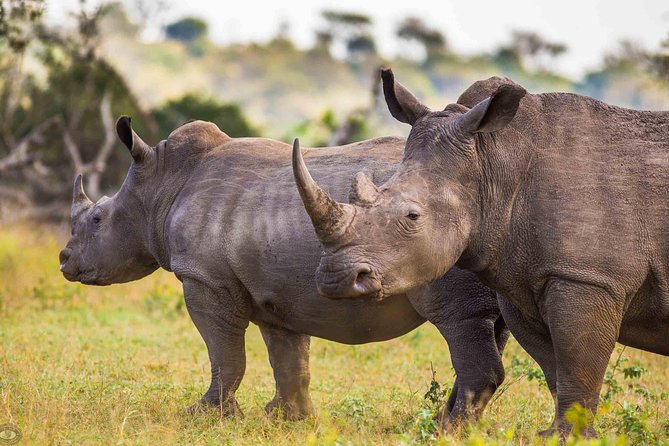
This is a sunrise safari, plain and simple. Your day starts with pickup from your St Lucia accommodation at 05:00, and you head toward the park’s Nyalazi Gate area. The tour notes that early departures are more productive, especially because predators are most active earlier in the day.
That timing isn’t just trivia—it changes your odds. Early hours often mean animals are moving, feeding, and searching, which tends to create better viewing opportunities. Later on, you can still see plenty, but the action can spread out or slow down, especially in warmer parts of the day. If you’re serious about seeing lions, leopards, or wild dogs, you want the day to start before you’re fully awake.
Bring a willingness to be a little uncomfortable. You’ll be up early, and you may feel the chill before the sun does its job. That’s where the provided blankets help. They’re not a luxury add-on; they make the early viewing hours more bearable without breaking the focus of the day.
Getting In: From St Lucia to Nyalazi Gate Wilderness Area
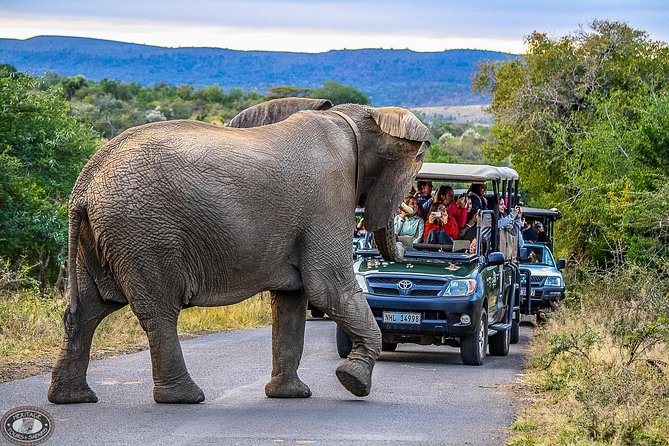
You’ll be transferred from your hotel to Hluhluwe–iMfolozi Park at Nyalazi Gate, which is in the southern section of the park. If you’re meeting the tour at Nyalazi Gate rather than being picked up, you’re asked to be there by 06:00. Either way, the goal is the same: arrive early enough to start spotting before the day gets noisy with heat.
Once everyone is onboard, your ranger gives an introduction and sets expectations for where you’ll spend time that day. This is more useful than it sounds. A ranger-led day is about decisions, not just driving. When you know the plan, you can ask better questions and notice patterns—like how different animals behave depending on temperature, water, and cover.
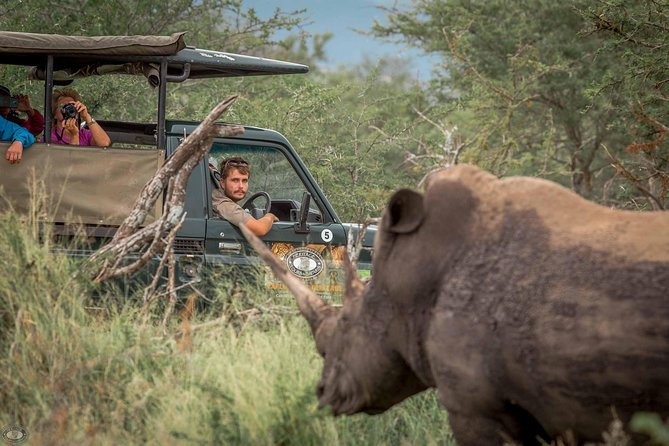
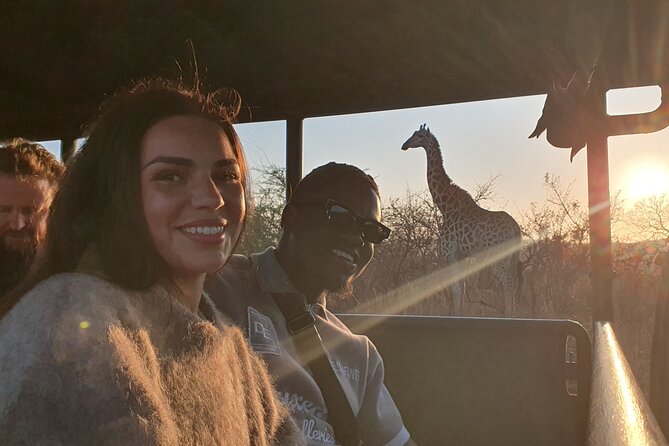
The vehicle setup also matters. You’ll ride in an open-air safari vehicle, which gives you better visibility for photos and wildlife spotting. It’s more exposed than a closed vehicle, so you’ll want to dress for sun and shade. The tour provides blankets on the game drives, and that’s a practical touch for those early morning chill moments.
Ranger-Led Game Drives: How You Actually Improve Your Odds
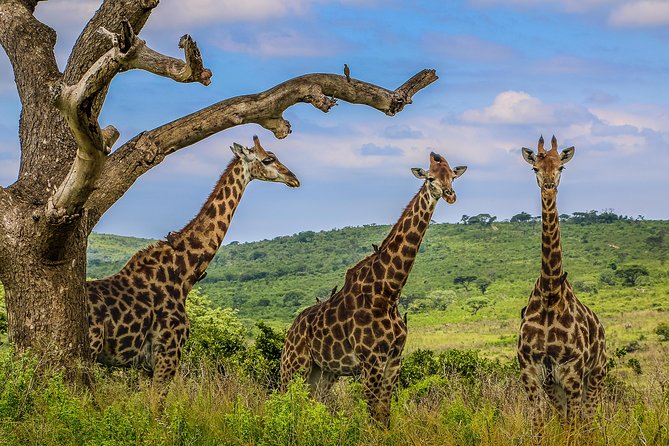
The big promise here is simple: you go with a game ranger, and you target the Big Five along with cheetahs and wild dogs. In the real world, that means you’re not just scanning randomly. You’re looking at what the ranger points out, and you’re learning how wildlife interacts with the landscape.
The tour also emphasizes close-up viewing. Open vehicles help, but it’s the ranger’s skill that really turns sightings into something you can photograph and understand. The guide’s ability to interpret behavior is what helps you spot animals you might miss from the road alone—like noticing tracks, listening for calls, or identifying subtle movement in brush.
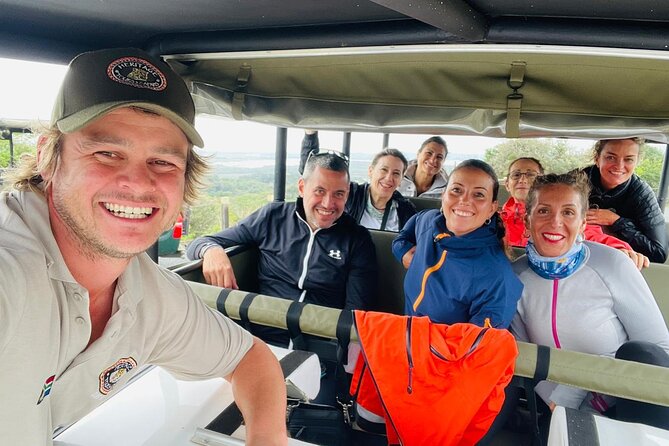
A standout from the experience is the ranger communication. In the feedback you’ll see the same theme: guides like Arnaud have a smile, answer questions, and provide a lot of information. That matters because safaris can be noisy and confusing if you don’t know what you’re seeing. When the ranger explains what’s going on, your time stops feeling like luck and starts feeling like learning.
And yes, animals are still animals. Some days are better than others. But a strong ranger day gives you more than just sightings—it gives you a better chance at the right locations at the right times.
What You’ll Likely See: Big Five Plus the Extra Charge of Predators
Let’s talk targets, because targets shape your expectations. The safari is set up to look for the Big Five—elephants, rhinos, lions, leopards, and buffaloes—and it also specifically calls out cheetahs and wild dogs. Those last two are the real thrill seekers, because they’re not always easy to find.
When you’re actually on the drives, the experience becomes a rhythm: spotting, slowing down, watching, and learning. Lions and leopards often require patience because they may be resting or partially hidden. Elephants can show up suddenly and then change the whole pace of the drive. Rhinos can be tricky too, and the park’s conservation effort adds extra meaning to the moment you spot one.
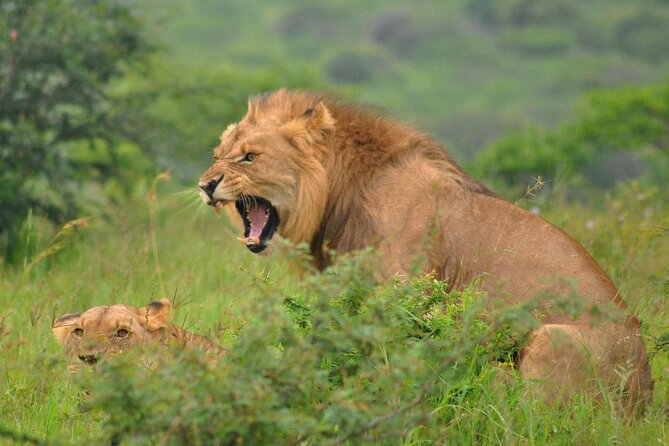
Wild dogs and cheetahs are different. They can be active, but they’re also often moving fast and may be visible for short windows. That’s why the early timing and ranger skill matter so much. This tour is designed around giving those predator windows time to happen.
Even when you don’t see every target, a ranger-guided day still delivers value because you’re learning how to recognize species and behavior in real time. That means you leave with a better eye for wildlife, not just a stack of photos.
Breakfast, Picnic Breaks, and a Traditional Braai Lunch
This is a full-day safari, and food can make or break the experience. The good news: breakfast and lunch are included, and you’ll eat at picnic spots while you’re out driving.
Breakfast is served with refreshments, and then later you’ll stop for a traditional South Africa braai (barbecue) with salads and refreshments. I love this approach because it keeps you in the park and keeps you focused on wildlife instead of losing half the day waiting for lunch in a town. You’re also not stuck with dry snacks and guesswork.
Water is part of the included setup too. The vehicles carry coolers with bottled water for everyone. That’s a small detail that really helps on a long morning and into midday, especially if you’re wearing layers for the early hours.
Plan for the pace. You’ll likely eat quickly and get back out there. If you prefer long sit-down meals, this might feel fast. But on a safari day, moving efficiently often means you gain more wildlife time. That’s the trade.
The Photo Advantage of Open-Air Vehicles
If photos are your thing, you’ll appreciate the open-air vehicles. They can make framing easier because you’re not dealing with window reflections. You’ll also have a better view of movement, which is huge for fast animals like cheetahs or any animal that decides to cross the road at the last second.
That said, open vehicles also mean dust and breeze. You’ll want to protect your gear. A hat helps for sun and reduces glare. If you’re using a camera, consider a strap you can keep secure during stops and turns.
The blankets are another practical photo helper. They keep you comfortable in the early hours, and comfort means you’re more likely to stay patient when the ranger stops the vehicle for a sighting. Wildlife spotting often rewards the person who can keep watching instead of the person who checks their watch every ten minutes.
Small Group Size: Less Waiting, More Questions
This tour runs with a maximum of 9 travelers, and that’s a big deal for safari quality. In a small group, it’s easier to hear your ranger, and it’s easier to adjust when someone spots something. You also get more chances to ask questions as the day moves along.
When you’re in a group that’s too large, you can lose details because the ranger has to move fast. With a smaller number of people, the ranger can slow down to explain. That lines up with what shines in the feedback: guides like Arnaud keep answering questions and share stories tied to what you’re seeing.
If you’re traveling solo or as a couple, this small size feels even nicer. You get the communal safari vibe without the chaotic feel that sometimes comes with bigger buses.
Duration and Pace: What a Full Day Feels Like
This is described as a 7 to 8 hour safari experience, and the day includes transportation plus breakfast and lunch stops. Realistically, a safari day doesn’t move at the pace of a city tour. Stops depend on animal activity, and the ranger’s best plan for the day comes from what’s happening out there.
You should expect a schedule shaped by nature, not a stopwatch. The early departure is fixed at pickup time, and then the rest of the day stretches based on wildlife sightings and driving conditions inside the reserve.
Pack your patience along with your sunscreen. If you go in thinking you’ll see every Big Five animal within an exact timeframe, you’ll be frustrated. But if you go in knowing this is a hunt for moments—and that the ranger is working the problem—you’ll enjoy the flow much more.
Price and Value: Why $96.05 Can Be a Good Deal
At $96.05 per person, this tour can be good value when you look at what’s included. It’s not just a seat on a vehicle. Your fare covers round-trip transport from St Lucia hotels, a ranger, breakfast and lunch (including a braai), bottled water on board, and blankets during game drives.
It also includes admission and conservation levies. Those costs can add up fast when booked separately, and it’s nice not to have to piece together multiple vendors. Add in that you’re paying for time inside Hluhluwe–iMfolozi Park, which is the heart of the experience.
One thing to plan for: gratuities aren’t included. For many safari travelers, tipping is a personal decision based on service and how much you learned from your ranger. The tour won’t force it, but it may still be part of your normal travel habits.
Weather, Timing, and Comfort: Your Smart Prep Checklist
The tour notes that it requires good weather. That’s a reminder that safaris are nature-based. If weather turns, the plan can change, and you should be flexible.
For comfort, think in layers. Early morning can be cooler, especially if you’ll be sitting in an open vehicle. Later in the day it can warm up quickly, so bring something that you can remove or adjust without turning the side of the vehicle into your personal dressing room.
Also, don’t forget the basics for a wildlife day:
- sun protection (hat and sunscreen)
- a camera/phone you can protect from dust
- water-friendly habits (you’ll have bottled water, but you’ll still need to stay hydrated)
- a light layer even if it seems warm when you leave St Lucia
If you’re sensitive to early wake-ups, treat this as a serious day trip. Set yourself up the night before so you’re not scrambling at 4:45 am.
Who Should Book This Safari From St Lucia
This is the right fit if you want:
- a ranger-led Big Five focused day, not a casual wildlife drive
- early timing for predator activity
- included meals so you can stay in the park
- a small group safari experience with time for questions
It’s also a good choice for visitors who care about conservation context, since you’ll learn about the rhino population recovery effort that began in the 1960s.
There’s one clear limitation: no children under age 6 are allowed. If you’re traveling with young kids, you’ll need a different option.
Finally, if you’re short on time in South Africa and want one strong wildlife day rather than piecing together multiple partial tours, this full-day format is efficient.
Should You Book This Full-Day Big Five Safari?
I’d book it if you’re serious about wildlife viewing from St Lucia and you want a day that’s structured around the best chances: sunrise timing, ranger guidance, and time inside Hluhluwe–iMfolozi Park. The value feels solid when you count what’s included—transport, park access, breakfast, a braai lunch, water, and blankets.
I would think twice only if you’re not okay with very early mornings or you dislike long days outdoors. This safari rewards patience and flexibility. If you bring that mindset, you’ll likely leave with more than photos—you’ll leave with a better understanding of how this park works and why the rhino recovery story matters.
FAQ
What time is pickup in St Lucia?
Pickup starts at 05:00 am.
Where does the safari take place in the park?
You’ll head to Hluhluwe–iMfolozi Park, entering via Nyalazi Gate in the southern section.
How long is the safari?
It runs about 7 to 8 hours.
Is breakfast and lunch included?
Yes. Breakfast is included, and lunch is a traditional South Africa braai with salads and refreshments.
Are drinks provided during the day?
Yes. Bottled water is included, and vehicles carry coolers with water for all clients.
Do I get a ranger on the safari drives?
Yes. You’ll go with a game ranger for the day.
Is there a limit on group size?
Yes. The tour has a maximum of 9 travelers.
Are children allowed?
Children under the age of 6 are not allowed.
What if the weather is poor?
The tour requires good weather. If it’s canceled due to poor weather, you’ll be offered a different date or a full refund.