REVIEW · MOSHI
7 Days Safari. Serengeti, Tarangire, Lake Manyara & Ngorongoro Crater.
Book on Viator →Operated by Habari Adventure · Bookable on Viator
A crater sunrise makes this safari feel like a reset button. The route pairs Tarangire’s elephant-and-baobab scenery with long Serengeti game drives, then finishes with Ngorongoro’s famous caldera wildlife. I especially like that the days are built around real time in the parks, not constant check-ins. You’ll also get a team approach, with guides like Michael, Steve, Shirima, and Hillary repeatedly praised for spotting animals and explaining what you’re actually looking at.
My favorite part is the balance: early starts for action, then slower evening time at camp. Still, the one thing to think about is the early mornings and the cold air around Ngorongoro’s high altitude—even when the days look sunny.
In This Review
- Key highlights you should clock before you go
- Tarangire First Stop: Elephants, Giraffes, and Baobabs by a River
- Serengeti National Park: Long Drives, Big Wildlife Energy
- A Full Day of Serengeti: Why Extra Hours Beat Extra Stops
- Central Serengeti Morning Hunts: Predators on Their Own Schedule
- Ngorongoro Conservation Area: Rim Views and the Cold-Air Setup
- Ngorongoro Crater Descent: The 600m Walls and Rhino Possibility
- Lake Manyara Wrap-Up: Birds, Flamingos, and Tree-Climbing Lions
- Value and what you actually get for $1,850
- Should you book this 7-day Serengeti and Ngorongoro route?
- FAQ
- What locations are included in this 7-day safari?
- How long is the safari, and where does it start?
- Are park entry tickets and related fees included in the price?
- What meals are included during the trip?
- Is WiFi provided in the vehicle?
- Will you sleep inside the Ngorongoro Crater?
- Is the Ngorongoro area cold?
Key highlights you should clock before you go
- Tarangire River pull: elephants and giraffes gather where the habitat funnels life toward water
- Serengeti time that matters: multiple full drives give you more chances for predators, not just a quick loop
- Ngorongoro descent day: you’ll go down the crater floor after spending time outside the rim the day before
- No overnight inside the crater: lodging stays outside, so you sleep closer to the rim than at the floor
- Big Five aim with real odds: rhino is possible at Ngorongoro, and sightings in Serengeti vary day to day
- Guide quality shows in the details: names like Michael, Steve, Shirima, and Hillary come up for a reason
Tarangire First Stop: Elephants, Giraffes, and Baobabs by a River
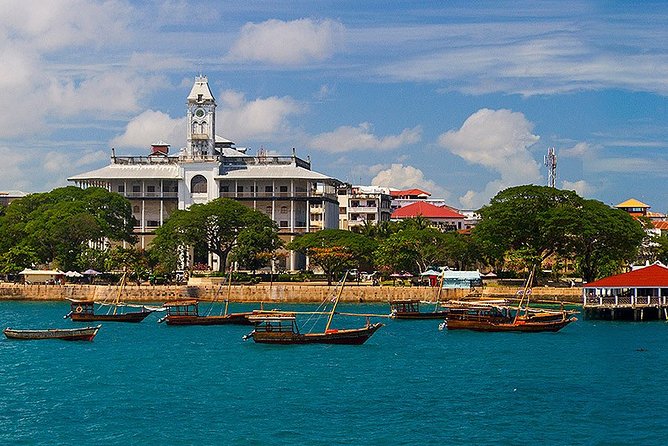
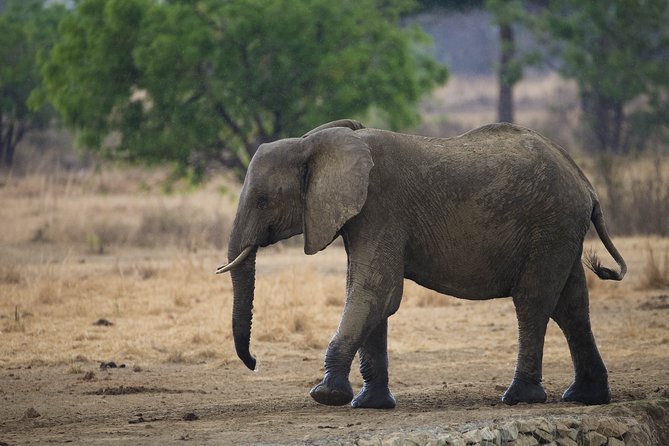
Day 1 starts early, with pickup in the morning and a drive into Tarangire National Park. Expect around 3–4 hours of driving, then about 3 hours in the park for your first game drive. This is a smart opening day because Tarangire’s wildlife can feel instantly “different” from the big-open plains you’ll see later in the Serengeti.
What I like here is the setting. Tarangire is known for the way animals concentrate along the Tarangire River, which snakes through the park like a natural meeting point. When water is the anchor, you tend to spend less time scanning empty savanna and more time watching real behavior—feeding, moving in small groups, and gathering near the best sightlines.
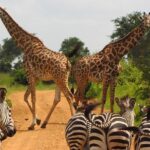
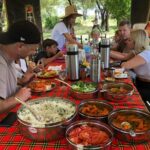
Tarangire also has a strong “Africa in one glance” vibe: elephants, giraffes, and big baobab trees that make even a short drive feel cinematic. You’ll do a box lunch inside the park, which matters more than it sounds. You don’t lose the best light waiting for a stop outside the action.
Practical note: Tarangire is only part of your whole circuit, so don’t panic if the first day doesn’t feel like peak predator drama. For many safaris, the best start is just seeing lots of animals in the right habitat—and learning how your guide wants you to scan.
You can also read our reviews of more tours and experiences in Moshi.

Serengeti National Park: Long Drives, Big Wildlife Energy
On Day 2 you head to Serengeti National Park, with another 3–4 hour drive. The route passes through the Ngorongoro Conservation Area at highlands (not the crater itself), then you enter Serengeti for a game drive that runs into the evening.
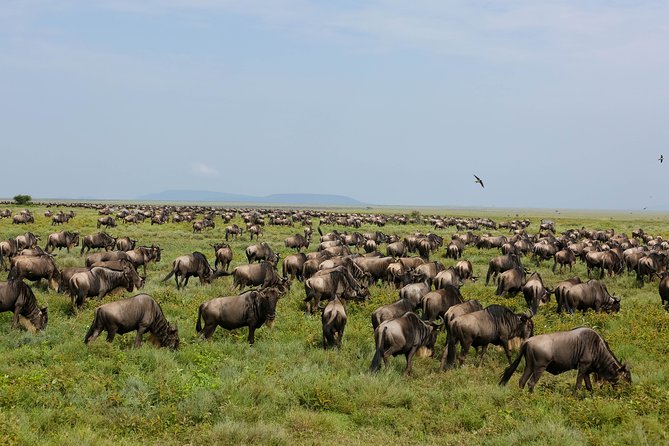
Serengeti is where your safari changes gears. Tarangire often feels like a focused wildlife stage; Serengeti tends to feel like a moving city of animals. You’re likely to see everything from large grazing herds to predators working the edges of those herds, and the light shifts quickly between morning and late afternoon.
This is also where guide skill shows up. In the feedback you provided, guides such as Michael and Hillary are repeatedly described as patient, experienced, and quick to identify what’s in front of you. That matters because Serengeti sightings can be fast—motion in the brush, a tail flick, a head lift—so having someone who can tell you what you’re seeing saves time and makes the whole drive more rewarding.
Your overnight stays in the Serengeti at a campsite, lodge, or tented camp (the exact style can vary), which helps you avoid extra transfers. Less driving usually means more wildlife time and fewer “where do we go next” moments.
A Full Day of Serengeti: Why Extra Hours Beat Extra Stops
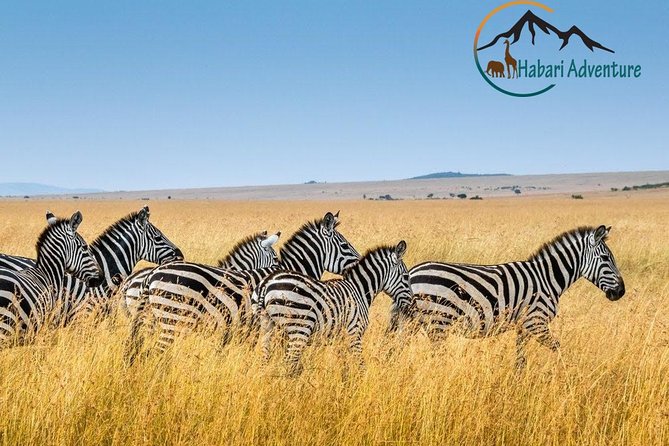
Day 3 is built as a full day in Serengeti, with meals included across the day and time for a lunch box break. Since Serengeti is huge, the value of this day is simple: you get more chances to move with animal patterns. Predators don’t follow a schedule, so longer coverage improves your odds.
I like how the day is paced. You’re not just doing drive-by sightseeing; you’re actually spending the day on the hunt for sightings. You’ll likely go farther from camp than on shorter outings, and you’ll have time to relax a bit in between scans, which keeps your eyes fresh.
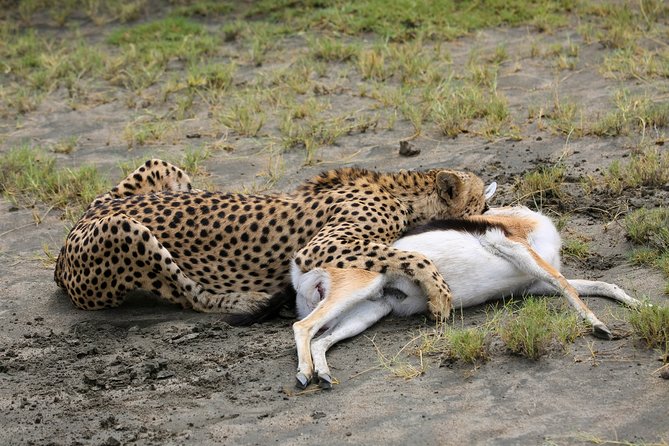
This is also where you’ll start recognizing “signals” your guide points out. Even without special effects, Serengeti can feel intense when you understand why animals are behaving the way they are—grazing routines, tracks, and where attention concentrates. One review described moments like a leopard up in a tree with a kill during a Serengeti drive, which is the kind of high-impact behavior you only catch when you have enough time behind the wheel.
Potential drawback: a full day means you’ll sit for long stretches, often on uneven ground. If you’re the type who gets sore, plan ahead with supportive clothing and don’t underestimate hydration.
Central Serengeti Morning Hunts: Predators on Their Own Schedule
Day 4 brings another game-drive focus, starting in the morning with the chance to see predators during hunting activity. The plan is about 10 hours in the park, with meals included for a long day and an overnight still inside Serengeti.
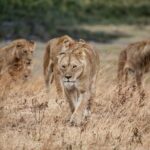
The morning window is valuable because predator behavior often shifts with light and temperature. You’re less likely to see a lion resting in perfect view at noon than you are to catch a moment early, when movement and focus are sharper. This is when guides can work the landscape for the behavior you want—watching for cues like breaks in herd movement or sudden stillness in a group of grazers.
In the reviews you shared, the repeated praise is that guides don’t just drive; they interpret. Names like Steve and Michael show up in that pattern: knowledgeable in the real-time way, not just reading facts off a page. That’s why a longer day can feel more satisfying than another tick-the-box itinerary.
If you’re traveling with kids or multigenerational groups, this day structure can work well. You get big moments early, then return to camp to reset.
Ngorongoro Conservation Area: Rim Views and the Cold-Air Setup
Day 5 shifts gears again. You’ll leave Serengeti and head back toward the Ngorongoro Conservation Area, with about 4 hours in the area and roughly 1 hour driving to get there. The big idea: this day sets up your crater experience without dropping inside yet.
This matters because the crater is unique. You’ll learn the “rim world” first—where you can spot wildlife and understand the scale—then descend the next morning. That two-step approach usually makes the crater day feel more dramatic and less like a one-time checkbox.
You’ll also get context here: the crater is listed as a UNESCO World Heritage Site, and the area can hold big numbers of grazers and carnivores. One detail that can help you plan mentally is that overnights are not permitted inside the crater. So even though the crater is the star, your sleep will be outside, usually near the rim.
There’s a practical comfort issue to take seriously: this is a cold location with altitude around 7,500 ft / 2,286 m, and it tends to be windy. Even if you’re wearing a T-shirt in the morning sun at lower elevation, you’ll likely want layers here. Light gloves and a knit cap can make the difference between enjoying the view and rushing back to the vehicle.
Ngorongoro Crater Descent: The 600m Walls and Rhino Possibility
Day 6 is the headliner: an early rise to descend the 600m high walls into the crater floor for about 6 hours of wildlife time. The crater itself is described as one of Africa’s most beautiful and unique natural wonders, and it’s also connected to UNESCO World Heritage status.
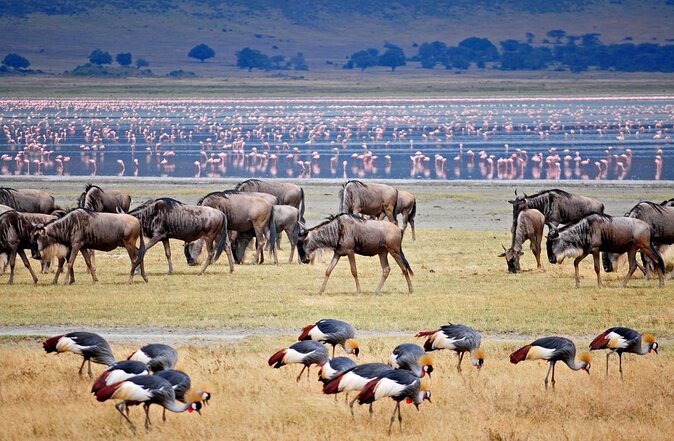
This is one of those places where the setting becomes part of the wildlife story. The crater floor can concentrate animals, and you’re effectively watching a whole ecosystem operating in a bowl. If you’re aiming for the Big Five, this is the day where the odds can get interesting—especially for rhino, which is mentioned as a possible sighting.
Your overnight is at Heaven nature campsite, outside the crater. Remember: you’re sleeping above the crater floor, so expect colder temperatures than the heat you might associate with Tanzania at lower elevations. Bring layers even if the weather looks friendly during the day.
Also, make peace with the reality that crater wildlife can be both spectacular and unpredictable. You might see large groups quickly, or you might spend longer scanning before something dramatic appears. Either way, the payoff comes from the combination of scenery and the way animals use the crater floor like a working stage.
Lake Manyara Wrap-Up: Birds, Flamingos, and Tree-Climbing Lions
Day 7 finishes at Lake Manyara National Park, with about 4–5 hours in the park and then a drive back to Moshi/airport area (around 4 hours). This day is a nice contrast to the long-drive Serengeti rhythm.
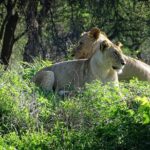
Lake Manyara’s setting is tied to the Great Rift Valley, and the park is famous for tree-climbing lions and a soda-ash lake setting. Even when you’re not watching big cats, the lake environment tends to deliver variety—especially with birdlife.
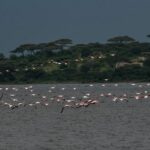
The bird numbers here are impressive on paper: over 400 species of birds, including waterfowl and migrants. Flamingos show up around the shoreline, which turns the landscape into something you notice even when you’re not actively searching for predators.
This makes Lake Manyara a good final day if you want more than just mammals. It’s also a gentle landing back into travel mode, since you aren’t stacking another overnight in the middle of the safari.
Trade-off: because it’s your last day, you’ll likely move faster than you did earlier in the trip. If you’re the type who hates being rushed, keep your expectations realistic and plan on enjoying the big moments rather than chasing every possible species list.
Value and what you actually get for $1,850
At $1,850 per person for about 7 days, this safari can feel like solid value, mainly because park fees and related costs are included. The package lists fees like admission, fuel surcharge, gratuities, and parking as included, and it also includes meals (breakfast 6 times, lunch 7 times, dinner 6 times).
What you should compare, though, is the total “all-in” reality. Entry visa and flights aren’t included, so your true cost depends on where you’re coming from and your visa situation. Also, while transportation is included (hotel pickup, air-conditioned vehicle, and on-board WiFi), your ability to stay comfortable still depends on how you pack for altitude and wind, especially near Ngorongoro.
Where the price feels fair is in the time you get. You’re not just jumping from one park gate to another; you’re spending meaningful blocks in Tarangire and multiple day segments in Serengeti, then dedicating a full crater descent day. That kind of structure is hard to replicate if you try to self-plan, especially when you factor in guide driving, entry coordination, and meal timing.
Finally, the operator reputation in your notes leans heavily on guides and trip planning. Names like Stan (planning support), Innocent (airport pickup mentioned), and drivers/guides including Michael, Steve, Shirima, Hillary, and Living show up across positive accounts. That doesn’t guarantee every day is perfect, but it does suggest you’re choosing a business that takes people seriously.
Should you book this 7-day Serengeti and Ngorongoro route?
Book it if you want a classic Tanzania circuit with real park time and you care about Big Five odds rather than optional add-ons. It’s a good match for couples, families, and first-time safari riders because the itinerary gives you early starts, long drives inside parks, and a clear end-of-trip rhythm at Lake Manyara.
Don’t book it if you’re trying to keep costs ultra-low or you hate cold mornings. Ngorongoro can feel brisk and windy at altitude, and the schedule is active. Also, if you only want the most famous sightings guaranteed, no safari can promise that—but this route is set up to maximize opportunity where wildlife tends to concentrate.
If you do book, pack for temperature swings, plan for long sitting days, and trust the guide’s call on where to look next. On safaris like this, your best days usually come from patience plus enough time to let the animals reveal themselves.
FAQ
What locations are included in this 7-day safari?
You’ll visit Tarangire National Park, Serengeti National Park, Ngorongoro Conservation Area and Ngorongoro Crater, and Lake Manyara National Park.
How long is the safari, and where does it start?
It’s listed as about 7 days. The meeting point is Kilimanjaro Airport with a start time of 8:00 am, and pickup is also offered from your area/hotel in Moshi.
Are park entry tickets and related fees included in the price?
Yes. The tour price includes fees (admission, fuel surcharge, gratuities, parking, etc.), so park entry costs are handled as part of the package.
What meals are included during the trip?
Meals are included throughout: breakfast 6 times, lunch 7 times, and dinner 6 times, with additional lunch arrangements like box lunch mentioned during park days.
Is WiFi provided in the vehicle?
The transportation list includes on-board WiFi, along with an air-conditioned vehicle.
Will you sleep inside the Ngorongoro Crater?
No. Overnights are not permitted inside the crater, and accommodations are outside the crater, typically near the rim (with one listed overnight at Heaven nature campsite).
Is the Ngorongoro area cold?
Yes. The crater rim area is described as cold due to altitude (about 7,500 ft / 2,286 m) and it can be windy, so bringing warm layers helps.