REVIEW · NEW DELHI
Private 4-Day Golden Triangle Tour with Ranthambore Tiger Safari
Book on Viator →Operated by India Tour Solution - ITS · Bookable on Viator
One day you’re counting minarets in Delhi, the next you’re scanning for tigers. This private 4-day Golden Triangle blends major sights with a proper wildlife morning in Ranthambore, and you keep the same guide-plus-driver team across the trip for less stress. I like the way the schedule mixes big landmarks with smaller moments, like a real Old Delhi rickshaw ride.
What I love most is the built-in comfort: pickup, an air-conditioned car, and your guide and driver with you the entire way. Second, the day-to-day guidance matters. You get local guides for the monuments, and you also get help with entry-ticket buying so you don’t burn time in ticket lines.
The main drawback to plan for: long car days. Distances between Delhi, Agra, Jaipur, and Ranthambore are real, and one review note called out the same thing—travel time takes up a chunk of the trip even when the driving team is strong.
In This Review
- Key highlights in plain terms
- Day 1 in Delhi: Jama Masjid, Chandni Chowk, and Qutub Minar in one flow
- Day 1 practical notes
- Day 1 to Agra: the drive that turns sightseeing into a road trip
- Day 2 Agra: sunrise at the Taj Mahal plus Agra Fort
- Day 2 practical notes
- Day 3 Ranthambore tiger safari: what shared jeep vs canter really means
- Day 4 Jaipur: Amber Fort, Jal Mahal, City Palace, and the classics
- Price and logistics: what $230 covers and what costs extra
- What makes the logistics feel easy anyway
- Who this private Golden Triangle with Ranthambore is best for
- Should you book it?
- FAQ
- FAQ
- Are monument entrance fees included in the price?
- Does the tour include the Taj Mahal?
- What happens if I travel on a Friday?
- Is the Ranthambore safari private?
- Will I have a guide during the safari?
- What is the biggest extra cost besides the tour price?
- Does the itinerary include a rickshaw ride?
- Are there any other monument closure days I should know?
- How long does the trip take back to Delhi on the last day?
- What do I need to bring for this tour?
Key highlights in plain terms
- Old Delhi rickshaw ride right where you want it: near Chandni Chowk and Jama Masjid
- Taj Mahal sunrise tour in Agra with a guided visit inside the monument area
- Ranthambore safari (shared) in a government-assigned zone, usually a shared jeep
- Jaipur fort-and-palace mix: Amber Fort plus City Palace, Jantar Mantar, and Hawa Mahal viewpoints
- A guide who helps with tickets, so you spend less time figuring out logistics on-site
- Customizable pacing: you can add, remove, or swap monuments after booking
Day 1 in Delhi: Jama Masjid, Chandni Chowk, and Qutub Minar in one flow
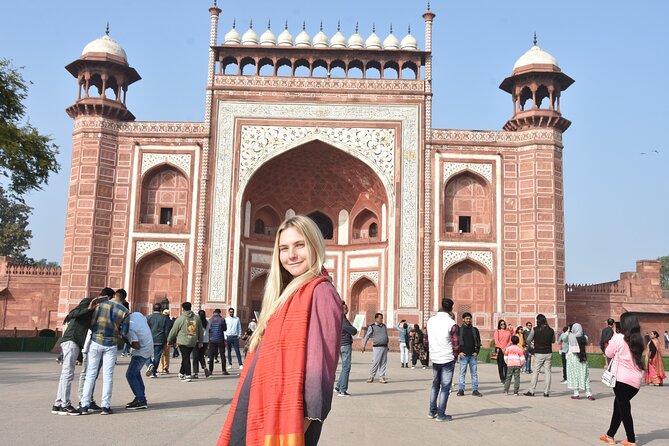
Day 1 is all about getting your bearings fast in Delhi—especially Old Delhi. You start at Jama Masjid, one of the Mughal-era heavy hitters (built under Shah Jahan in the 1600s). It’s big, serious, and easy to understand once someone frames it for you. Budget time because it’s a working mosque: dress neatly and move with respect.
Next is Chandni Chowk, the famous old shopping district. Think spices, dried fruits, silver jewelry, saris, and narrow lanes that feel like a living marketplace. This stop is more than shopping; it’s how Delhi looks and sounds at street level. You’ll also see why your guide’s timing matters—this area can get crowded, and you’ll want to walk, not fight crowds.
Then comes the moment most people remember: a rickshaw ride in Old Delhi. It’s included and timed at about 30 minutes, which is long enough to feel the streets without exhausting you. The best use of this ride is to stop and look at what you pass: lanes, small stalls, and the way the city’s historic core breathes.
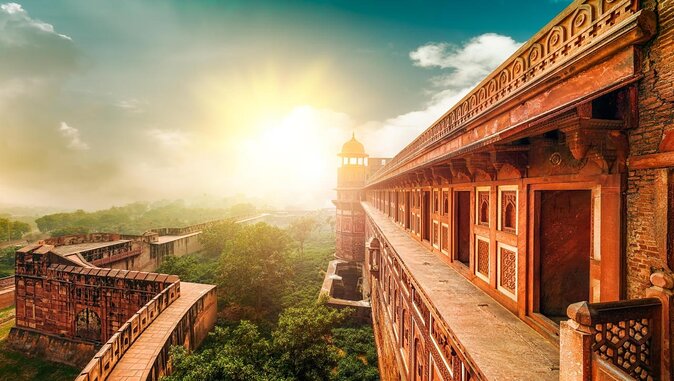
After that, you swing to Red Fort. The fort served as a Mughal seat for nearly two centuries, and even when you don’t spend hours there, it’s worth it as a landmark. It also acts like a visual reset—less bazaar, more history in stone.
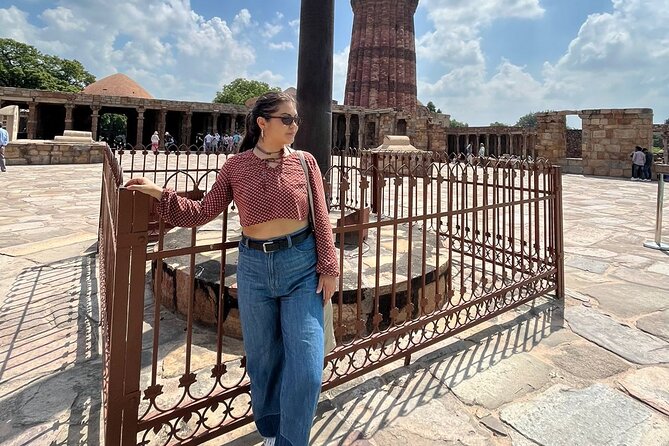
From there, the itinerary turns to Qutub Minar. Qutub Minar is a UNESCO site tied to early Delhi Sultanate history, and it’s the kind of monument that makes you appreciate how old the city is. You’ll likely spend about an hour here. One thing to know: the admission fee isn’t included, so you’ll want to keep your budget ready. The spiral staircase legend gets mentioned often because it’s part of the structure’s reputation, but the real win is simply seeing it in person.
You also hit the Lotus Temple, known for its flower-like shape. The visit is short, which is fine—this is a “see it once, appreciate the design” stop. Then India Gate for the war memorial context and photo-friendly layout. You finish the day with a couple of government-building viewpoints (Parliament House and Rashtrapati Bhavan area) and a break from temple-and-fort intensity with AgraSen Ki Baoli, a stepped well that feels calmer than most of the day’s busy streets.
You can also read our reviews of more tours and experiences in New Delhi.



Day 1 practical notes
- Wear comfortable walking shoes. You’ll move more than you might expect.
- Some monuments have closure days (for example, Red Fort and Lotus Temple close on Mondays—on those days, the plan swaps in Gurudwara Bangla Sahib).
- Ticket costs are not included, so you’ll likely pay entry fees across multiple stops.
Day 1 to Agra: the drive that turns sightseeing into a road trip
At the end of Day 1, you’ll have a lunch stop near the Yamuna sports area and then head toward Agra via expressway. The drive segment is listed as around 3 hours. On paper, that looks manageable. In real life, traffic and the time of day decide how you feel—so treat this as a “settle in” transition, not a bonus sightseeing block.
When you arrive, check in and get the rest of the evening free. Your hotel stay includes breakfast on the next days, depending on which hotel category you pick (3-star or 4-star options are listed). If you’re the type who likes to recharge early, this is a good structure. If you like wandering at night, you’ll still have a pocket of free time to do it.
Day 2 Agra: sunrise at the Taj Mahal plus Agra Fort
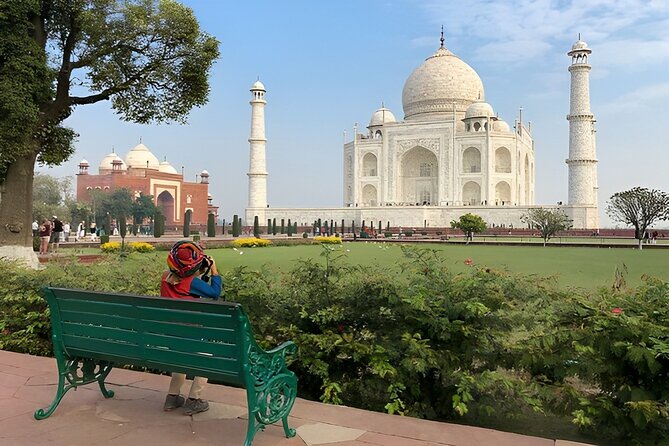
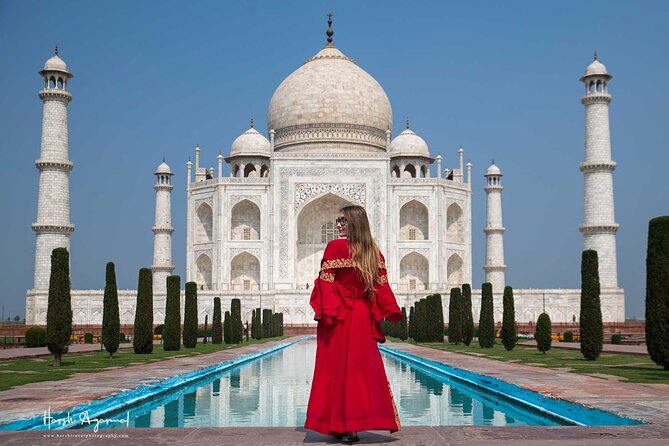
Day 2 is where the trip earns its name recognition. You start with early morning for the Taj Mahal sunrise view. The plan includes a guided visit inside, with about two hours allocated there. Sunrise changes the mood—light softens the marble, and crowds can be easier to manage. Even if you’ve seen pictures a hundred times, the scale lands differently when you’re standing close.
A guide makes a difference here. The monument is so iconic that it’s easy to treat it like a stop-and-snap. With a guide, you can connect the dots on why the Taj looks the way it does and what you’re looking at as you move through the complex. Also remember: the Taj Mahal is closed on Fridays, so your start day matters.
After Taj, you visit Agra Fort, another UNESCO site. You get roughly an hour here, which is tight but doable with a guide who knows what sections are most important. This is a history-forward stop—less about one view, more about how the fort functioned and what it protected.
Then the day shifts to Ranthambore. You’ll travel from Agra to Ranthambore and check in. The afternoon is left free so you’re not rushing on tired legs. Overnight in the Ranthambore-area hotel with breakfast included.
Day 2 practical notes
- Entrance fees for Taj Mahal and Agra Fort are not included in the package price.
- If you’re traveling on a Friday, expect schedule adjustments. The operator notes that if you start on Thursday, the route can change to Delhi – Jaipur – Ranthambore – Agra – Delhi, specifically to work around the Friday closure.


Day 3 Ranthambore tiger safari: what shared jeep vs canter really means
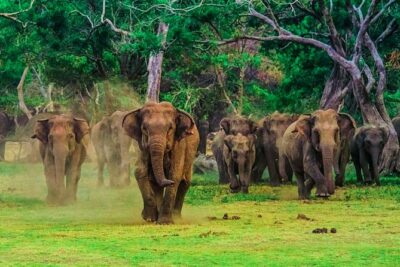
Day 3 is the wildlife payoff: a Ranthambore National Park safari. You wake up early and go out for about 2 to 3 hours, typically in a shared jeep. The key word here is shared—this is not a private vehicle for your group.
The safari vehicle can switch to a shared canter if a jeep isn’t available. A canter is larger, which changes how you see and how you photograph. You’re still in the park with a guide and other safari vehicles, just in a different “seating layout” reality. Plan for a more collective experience when that happens.
One detail I appreciate in the provided info: safari zones are assigned based on availability, because safari operations are managed by the government. That means your tiger sightings aren’t “guaranteed by the tour.” The best you can do is show up early, go in with patient energy, and follow the guide’s instructions.
Also note the guide language situation. Safari guides are local government-appointed guides, and English may be limited. You might get basic information clearly, but fluent English isn’t promised. Still, tiger spotting depends more on scanning skill, animal behavior awareness, and local knowledge than on perfect commentary.
The safari includes a dinner at the hotel on Day 3, which helps because you’re not hunting for food after an early start.
Then you head to Jaipur and get the evening free. That’s a smart design: it keeps you from wasting your Ranthambore morning energy on a too-long transit day without rest.
Day 4 Jaipur: Amber Fort, Jal Mahal, City Palace, and the classics
Jaipur day is a structured sightseeing loop through the city’s signature scenes. You start at Panna Meena ka Kund, a stepwell that’s smaller than the big-ticket forts, but it’s exactly the kind of stop I like when a tour doesn’t rush you through everything. It’s short (around 20 minutes), so it works as a palate cleanser before heavier sites.
Then comes Amber Fort, a UNESCO site and one of the strongest reasons people come to Jaipur. The allotted time is about 2 hours. This is where your guide’s storytelling helps: you don’t just walk past walls and gates—you understand how Amber fits into Rajput power and architecture.
Next up is Jal Mahal. It sits in the middle of Man Sagar Lake, and the views are part of why it’s photographed so often. The visit is brief, around 30 minutes, which is fine for a stop that’s mostly about exterior views and understanding how the palace relates to the water.
You then visit City Palace, the royal administrative and ceremonial hub turned into a museum complex. You get about 2 hours. City Palace is a better “learn and look” stop than a “quick photo” stop, because there’s lots to observe up close and a guide can point out details that you’d otherwise miss.
After that, it’s Jantar Mantar, another UNESCO site. The plan includes about an hour here, focused on the astronomical devices built under Sawai Jai Singh II. This is one of those places where a guide helps you shift from “cool shapes” to “what these shapes were trying to measure.”
Then you finish with the Jaipur icons:
- Hawa Mahal (Palace of Wind) for its red and pink sandstone façade and five-story shape
- Gaitore Ki Chhatriyan, the royal crematorium area with Rajput cenotaph architecture
The day is packed, but it’s also efficient. You get the major Jaipur hits without spending the entire day in a car.
Finally, you return to Delhi around 9 pm on the last day. If you want to arrive earlier or later, the operator says you can request schedule adjustments, which is useful for airport timing.
Price and logistics: what $230 covers and what costs extra
At $230 per person, the value comes from the bundle: private transportation with an air-conditioned vehicle and driver, guide-led sightseeing across multiple cities, 3 nights with breakfast at a selected hotel category, plus the Ranthambore tiger safari and one dinner at the hotel.
The big “extra” is monuments. The information provided says entrance fees are about $180 per person and are not included. That’s the cost you should expect to pay on top of the base price, and it’s worth planning for rather than being surprised at ticket counters.
One more logistics factor: this isn’t a slow, museum-only trip. It’s built for efficiency. Distances are long, and the tour gives you private transport, but the time behind the wheel is still time away from walking and exploring. If you’re sensitive to car time, you’ll want to mentally budget for it.
What makes the logistics feel easy anyway
- You have a guide and driver together during the day, reducing decision fatigue.
- Guides also help with buying entrance tickets so you don’t get stuck waiting.
- Hotel check-ins are built into the itinerary, so you’re not juggling where to sleep between cities.
Who this private Golden Triangle with Ranthambore is best for
This tour fits best if you want classic India highlights with fewer planning headaches.
You’ll likely love it if:
- You’re on a first trip and want the main hits: Delhi + Agra + Jaipur plus Ranthambore.
- You prefer a private plan with just your group and a dedicated driver.
- You want guided context at major monuments (Taj Mahal, forts, UNESCO sites) rather than trying to piece it together alone.
You might want to rethink it if:
- You hate long drives and want more time on foot in each city.
- You need a guaranteed tiger sighting. Safari zones and wildlife viewing depend on conditions, and the park doesn’t promise outcomes.
Should you book it?
If your goal is a well-paced starter tour that still includes the tiger safari reality (shared jeep/canter, early mornings, and variable sightings), this is a strong pick. The private guide-and-driver setup reduces stress, and the combination of Old Delhi rickshaw + Taj Mahal sunrise + Amber Fort + Ranthambore safari hits the big emotional moments.
My advice: budget for monument entry fees, keep expectations flexible for the safari vehicle type, and plan your energy around the car time. Do that, and you’ll get a trip that feels organized without feeling sterile.
FAQ
FAQ
Are monument entrance fees included in the price?
No. Monument entry fees are listed separately as about $180 per person.
Does the tour include the Taj Mahal?
Yes. The itinerary includes a guided Taj Mahal visit at sunrise in Agra.
What happens if I travel on a Friday?
The Taj Mahal is closed on Fridays. The operator notes that if you start on Thursday, the order of cities can change to work around the closure.
Is the Ranthambore safari private?
No. The safari is in a shared jeep or, if a jeep is not available, a shared canter.
Will I have a guide during the safari?
Yes, the safari includes a guide, and it’s stated that the safari guide is English speaking in the information provided. At the same time, the operator also notes that government-appointed guides may have limited English, so expect basic communication.
What is the biggest extra cost besides the tour price?
Entrance fees for monuments are the main extra listed.
Does the itinerary include a rickshaw ride?
Yes. A rickshaw ride in Old Delhi is included.
Are there any other monument closure days I should know?
Yes. Red Fort and Lotus Temple are listed as closed on Mondays, and the plan swaps in Gurudwara Bangla Sahib on that day.
How long does the trip take back to Delhi on the last day?
On Day 4, you return to Delhi around 9 pm, with the option to adjust earlier or later if you inform the operator.
What do I need to bring for this tour?
A current valid passport is required on the day of travel.