REVIEW · KHAO LAK
Khao Lak Eco-Safari: Elephants, Tsunami Museum, and Turtles
Book on GetYourGuide →Operated by Khao Lak Ethical Elephant Sanctuary · Bookable on GetYourGuide
Elephants, turtles, and tsunami lessons in four hours. I like that this tour mixes ethical elephant walking with the International Tsunami Museum, where you learn what Khao Lak went through in 2004. It’s also guided by friendly pros I’ve seen mentioned by name, like Win and Tony, who keep the whole route clear and respectful.
Second biggest win: the sea-turtle stop at the Royal Thai Navy Third Fleet Turtle Nursery feels hands-on in a good way, not like a tourist trick. I also love that you get a real lunch break at the sanctuary, including time to cool off for some people. One thing to consider: part of the day includes a waterfall/temple stop (Wat Lak Kaen), and if the water is low and swimming isn’t possible, the experience can switch to Khaolak Waterside without advance notice.
In This Review
- Key highlights worth planning for
- Getting to the sanctuary: the short drive that sets the tone
- Ethical elephant walking: close, calm, and rules-based
- Feeding bananas, learning body language, and what “caretaker life” really means
- Lunch at the sanctuary: a Thai set meal plus a chance to cool off
- Wat Lak Kaen temple and waterfall stop: quick culture, real scenery, possible water changes
- Patrol Boat 813 and the International Tsunami Museum: plan for feelings
- Royal Thai Navy turtle nursery: breeding programs you can actually see
- Timing and group size: why small-group matters on this route
- Price check: what $112 buys you (and when it’s worth it)
- Who should book this elephant-turtle-tsunami combo
- Should you book this Khao Lak Eco-Safari?
- FAQ
- How long is the Khao Lak Eco-Safari?
- Where does pickup happen?
- Is lunch included?
- How big is the group?
- What language is the guide?
- Is elephant riding allowed?
- What should I bring?
- What if swimming at the waterfall is not possible?
- Are hotel pickup and drop-off included?
- When can I cancel?
Key highlights worth planning for
- Free-roaming elephant time (ethical setup) with an English-speaking guide and lots of time to watch quietly
- Bananas and cane sugar feeding paired with clear “no riding” rules
- International Tsunami Museum plus Patrol Boat 813, displaced 2 km during the disaster
- Royal Thai Navy turtle nursery with the breeding program and baby turtles (on some days, hundreds are mentioned)
- Small-group comfort limited to 10, with highly rated transport timing
Getting to the sanctuary: the short drive that sets the tone
Your half-day starts with hotel pickup in either Khao Lak or Bang Sak. The transfer time matters here because the whole schedule is packed into about four hours, and the tour runs as a tight sequence rather than an all-day stroll.
What I appreciate about this style of outing is the pacing. You don’t spend hours “between places.” You get moved from site to site, but you also get structured time at each stop, led by your guide.
The transport gets good marks too, with 85% of reviewers giving a perfect score. That’s not just a comfort detail; it helps when you’re going to emotional places like the tsunami memorial and want the day to feel smooth rather than stressful.
You can also read our reviews of more tours and experiences in Khao Lak.
Ethical elephant walking: close, calm, and rules-based
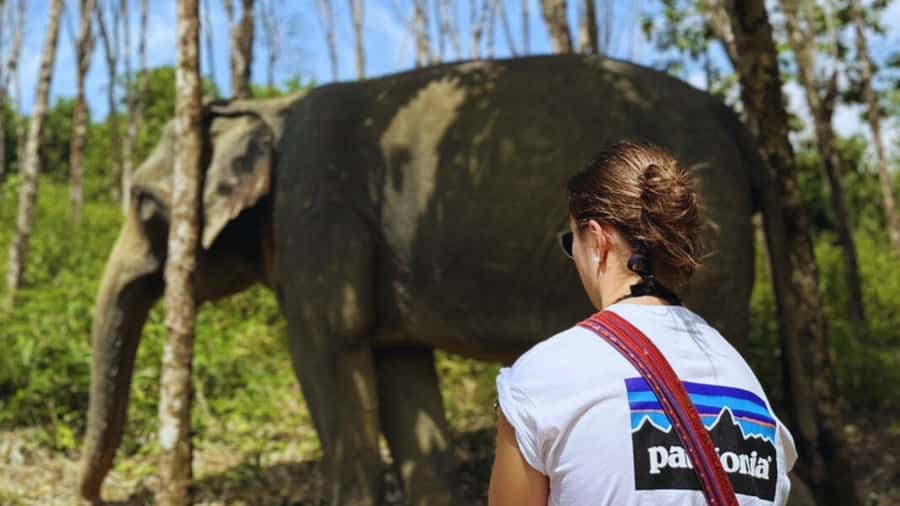
The elephant portion is the main event, and it’s designed around observing and walking with elephants rather than riding them. You’ll meet your guide at the Khao Lak Ethical Elephant Sanctuary, then spend about an hour walking through the park with free-roaming elephants nearby.
Here’s what to expect on the ground: you’ll gather bananas and cane sugar, then feed the elephants while your guide talks through elephant behavior and the individual stories of the animals. You’ll also have time to photograph and observe at your leisure, which I love because you can watch without feeling like you’re being rushed for the next photo.
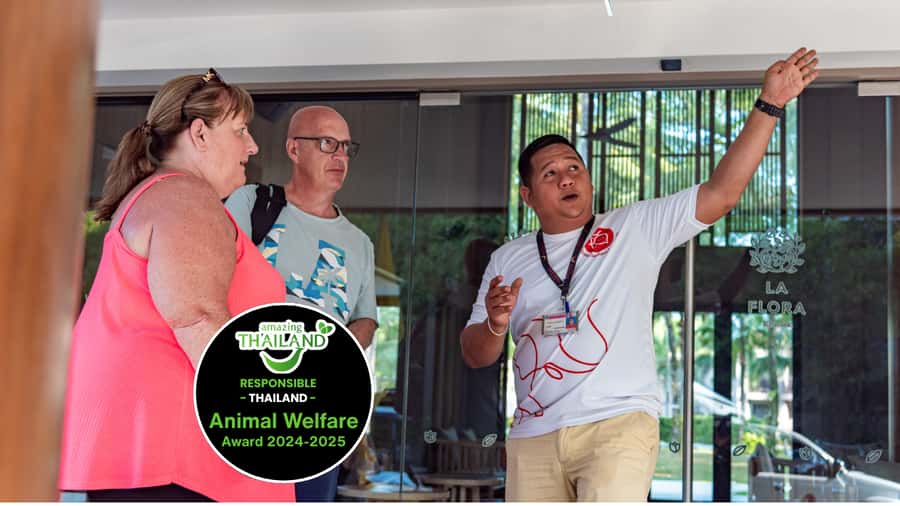
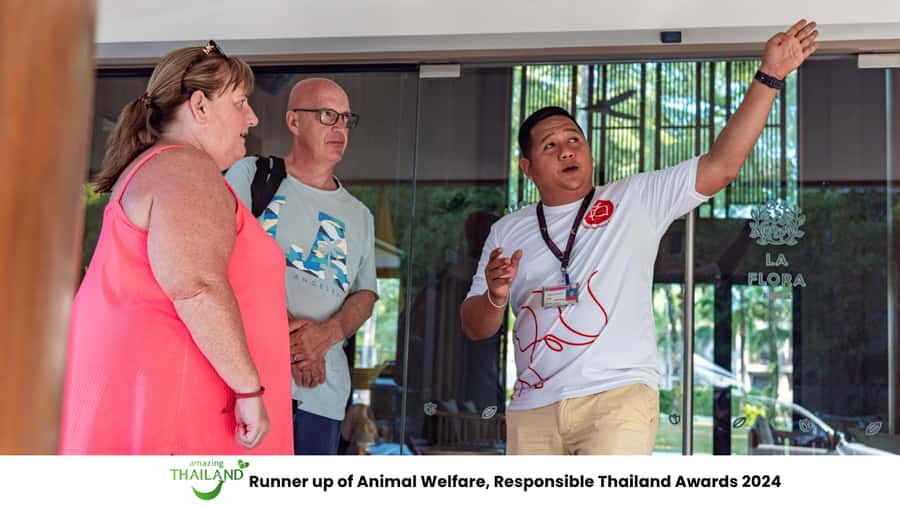
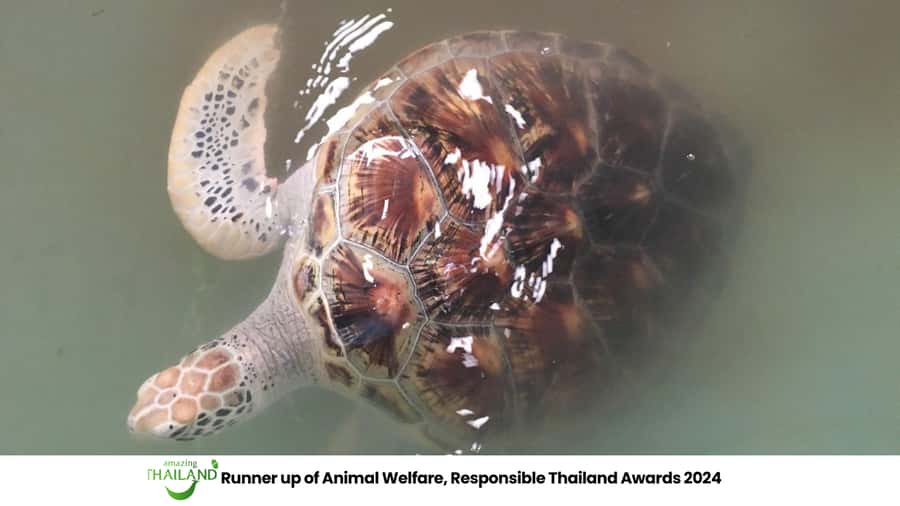
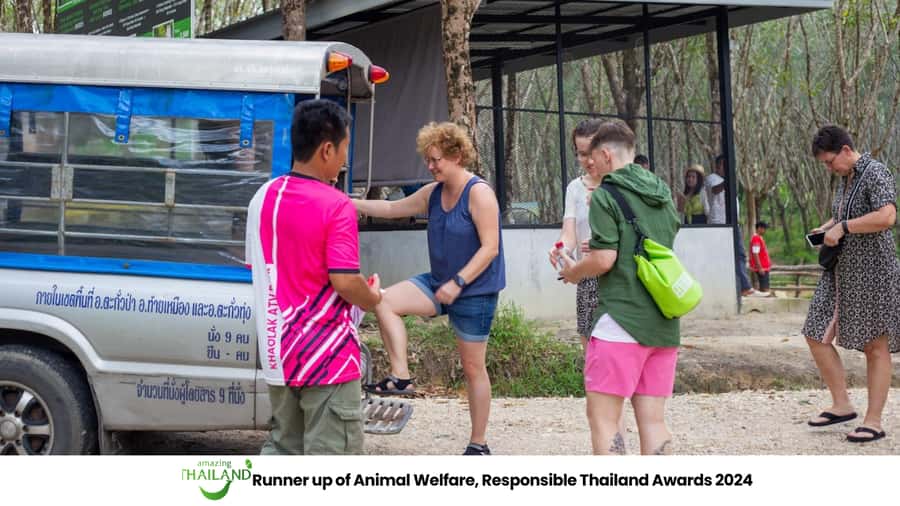
The sanctuary format is also recognized for animal welfare, noted as runner-up for Animal Welfare at the Responsible Thailand Awards 2024. Even if you don’t care about awards, that signals the intent: this isn’t about performing for tourists. It’s about keeping elephants in a safer, more natural environment with trained caretakers on hand.
Two practical notes to keep your expectations right:
- You are walking. Wear something comfortable and prepared for sun.
- You won’t be “on” an elephant. That’s explicitly not allowed, and it’s the whole point for an ethical visit.
Feeding bananas, learning body language, and what “caretaker life” really means
Some tours say you’ll learn how elephants live. This one leans harder into how you act around them.
The guide will explain behaviors you can actually notice during your visit: how elephants approach, how they move when they’re relaxed, and what changes when they’re attentive. That kind of basic “read the room” learning is what makes the walking feel more meaningful than just watching animals eat.
You’ll also get a taste of “caretaker life” for the day, at least in the practical sense of interacting responsibly and following caretaking rules. You’re not operating a barn full of chores, but you are acting like a careful visitor who respects space, timing, and the animals’ comfort.
If you’ve ever felt frustrated by animal encounters that feel staged, this is a different vibe. The elephants are allowed to roam, and your job is to observe and interact in a way that doesn’t force anything.
Lunch at the sanctuary: a Thai set meal plus a chance to cool off
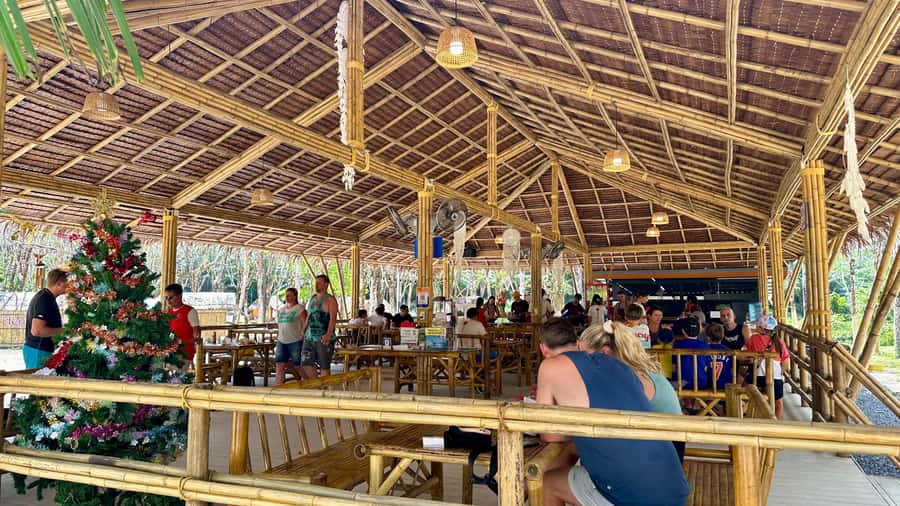
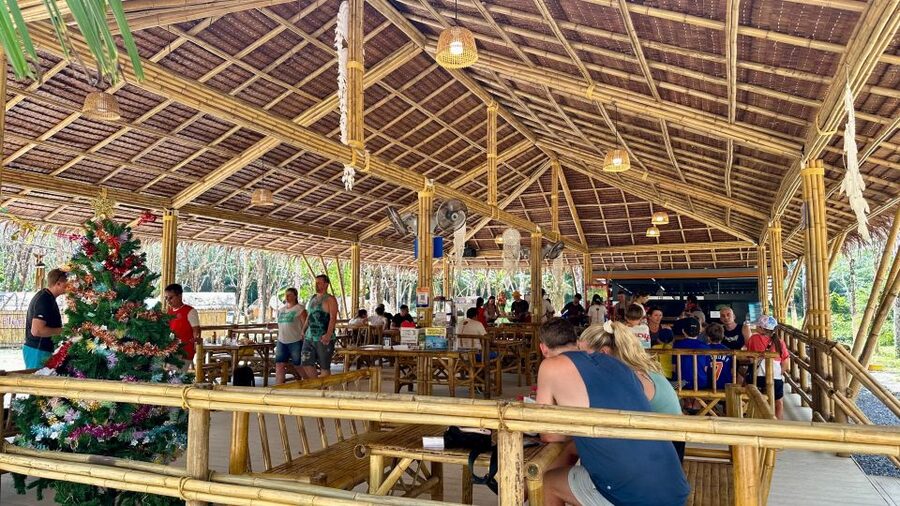
After the elephant time, you shift into lunch at the sanctuary. This is included, and it’s a proper Thai set lunch rather than a sad snack you eat while standing.
One review specifically notes the lunch location as a spot where you can swim while waiting, which suggests the meal isn’t just “food and back on the bus.” It can also be a short reset from heat.
This matters more than you’d think. Your brain processes the elephant experience better when you’re not fried by the afternoon sun. A cool break helps the rest of the tour land in a calmer way, especially when you then move into the tsunami memorial, which can be emotional.
Tip: bring sunscreen even if you think you’ll duck into shade. The day has outdoor time built in, and Wat Lak Kaen is also a warm-weather kind of stop.
Wat Lak Kaen temple and waterfall stop: quick culture, real scenery, possible water changes
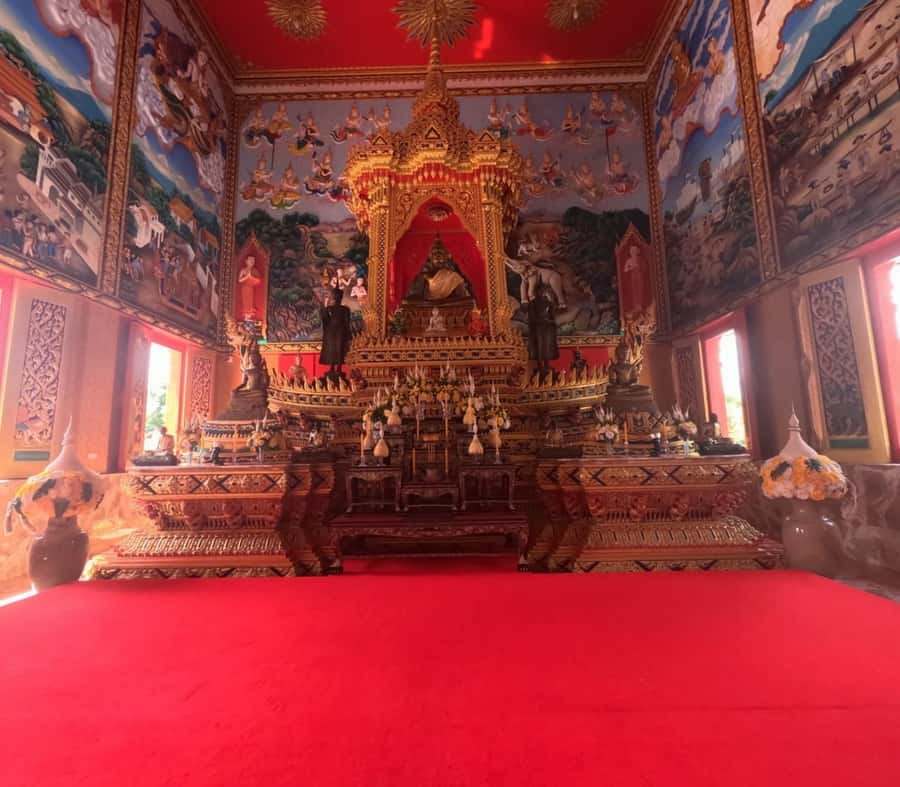
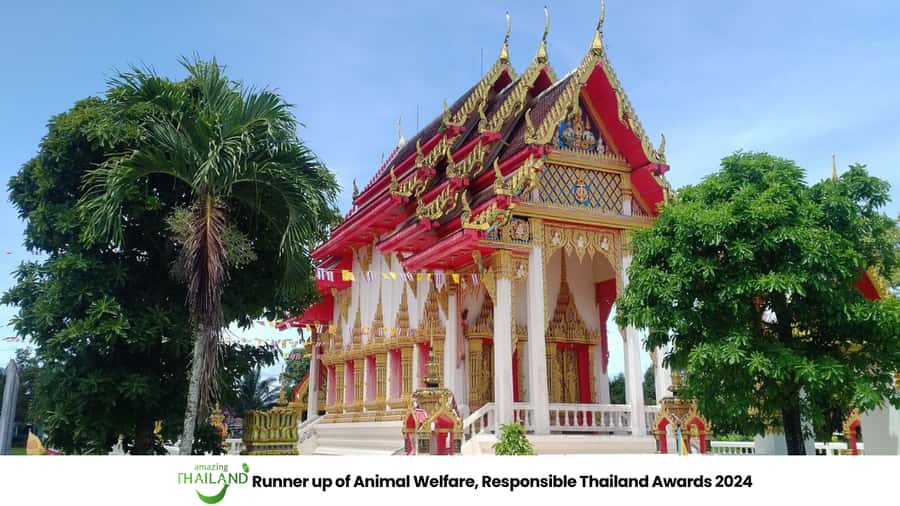
Next comes Wat Lak Kaen, with a guided visit of about 30 minutes. Reviews mention temple time with explanations of what engravings and paintings mean, so expect more than just a quick photo stop.
Then there’s the waterfall aspect. This is where timing can shift based on water levels. The tour notes that if the water level at the waterfall is low and swimming isn’t possible, the operator will offer an alternative experience at Khaolak Waterside.
Two things to know so you don’t get caught off guard:
- The change can happen without advance notice.
- That means the “water” part of your expectations may not play out the same way every day.
If you’re the type who hates surprises, plan mentally for “we’ll make the best of it” rather than counting on a specific waterfall moment.
Patrol Boat 813 and the International Tsunami Museum: plan for feelings
After the calmer earlier stops, the tour turns serious at the Police Boat Tsunami memorial and then the International Tsunami Museum. You’ll see Patrol Boat 813, displaced 2 km during the 2004 tsunami, and you’ll learn about the recovery of Khao Lak after the disaster.
This stop is only about 30 minutes in the schedule, but it’s not light content. One review even says to be prepared to cry. That’s not a marketing line; it’s a heads-up that the museum hits emotionally.
What makes this memorial stop valuable is that it ties the story to a specific physical artifact. You’re not just looking at a timeline. You’re standing with a boat that was pushed by the disaster, and that makes the scale feel real.
Then the nearby temple visit adds a different emotional tone. You get reflection, not just shock.
Royal Thai Navy turtle nursery: breeding programs you can actually see
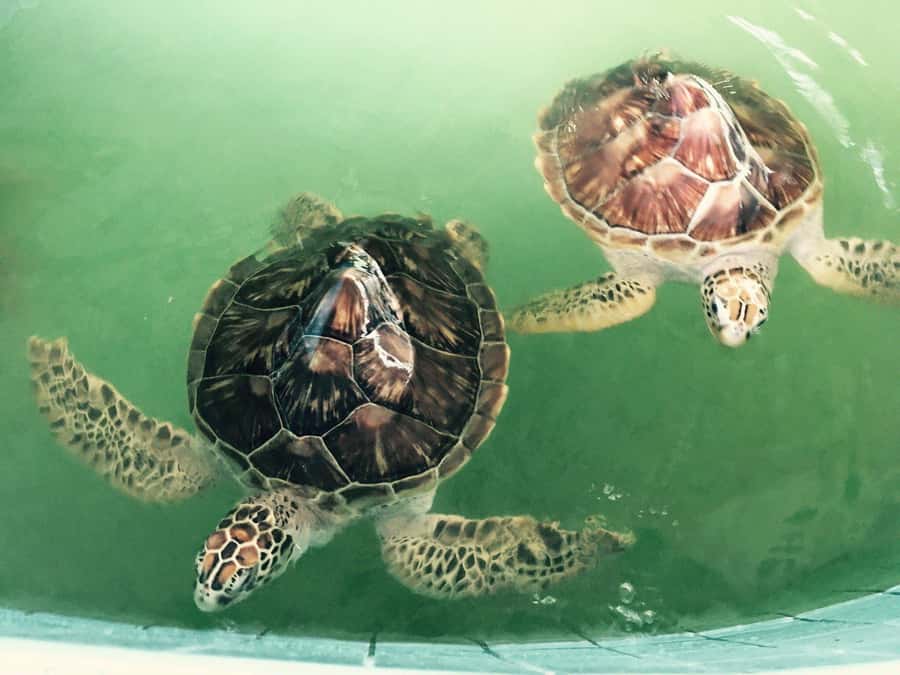
After the tsunami memorial, the day softens with an uplifting stop: the Royal Thai Navy Third Fleet Turtle Nursery. You’ll visit with a guided tour for about an hour.
The focus here is conservation, and you’ll learn about local efforts to protect sea turtles. A key detail from reviews: it’s not vague. People mention seeing the breeding program up close and even witnessing hundreds of newly born sea turtles.
That matters because conservation can feel like a distant concept. Seeing tiny hatchlings (when available) makes it concrete. You get the sense that this isn’t only about “cute baby turtles,” but about a real lifecycle and a protected process for releasing turtles into the ocean when they’re ready.
It also helps that the stop is run by the Royal Thai Navy Third Fleet, which adds a formal, institution-backed conservation angle. In plain terms: someone is responsible for these turtles day after day.
Timing and group size: why small-group matters on this route
This is a small-group tour capped at 10 participants. That size is perfect for what the day asks of you: elephant walking, a series of short guided stops, and then a museum moment that benefits from calm attention.
A small group also helps at the elephant sanctuary, where your guide can keep a closer eye on spacing and behavior. And if you’re the only one booked (a solo traveler mention exists), a small-group format can turn into a more personal experience, with the guide adjusting the pace.
English is the working language, and the tour is run by a live guide. Reviews name guides like Win, Tony, Sai, and Wi-Wi, and the common thread is clear communication and a willingness to answer questions.
The half-day timing works best if you want variety. You’ll cover elephants, tsunami history, a temple stop, and turtle conservation without needing a full day—or multiple separate tickets.
Price check: what $112 buys you (and when it’s worth it)
At about $112 per person for a 4-hour outing, you’re paying for a packed route with included lunch, guided time at multiple sites, and hotel pickup/drop-off when you choose that option.
Is it cheap? No. But value here comes from the combination:
- Elephant walking in an ethical, observed format (not riding)
- A real conservation stop with the navy-run turtle nursery
- A serious memorial + museum portion that doesn’t feel like a random drive-by
- Lunch included, at the sanctuary
If you only cared about elephants, you could find cheaper “see animals” tours elsewhere. But if you want a rounded day that includes both nature and history, the price starts to make sense.
This tour also tends to run on schedule. Reviews highlight punctual pickups and smooth transport, which helps when you’re trying to see a lot in a short window without losing half your day.
Who should book this elephant-turtle-tsunami combo
You’ll likely love this tour if:
- You want ethical elephant interaction through walking and observing, not riding
- You’re okay with an emotional stop at the tsunami memorial
- You like a compact route that mixes animals, conservation, and culture
- You want lunch included and don’t want to plan food between sites
I’d reconsider if:
- You want an all-animal day with no serious museum content
- You hate walking in warm weather and don’t have comfortable shoes
- You’re counting on swimming at Wat Lak Kaen and can’t handle the possibility of an alternative at Khaolak Waterside
Should you book this Khao Lak Eco-Safari?
If you’re deciding between “a quick elephant stop” and “a meaningful half-day,” this one leans toward the second option. The elephant segment is the heart of the day, and it’s framed with ethical rules and observation time. Then the tsunami memorial adds context you don’t get from beach-only days, and the turtle nursery brings the day back to hope.
Book it if you want variety in a short time, appreciate guided explanations, and can handle the emotional weight of the tsunami museum. Skip it if you’re only interested in elephants and turtles and would rather avoid the memorial content.
Either way, pack for sun, wear comfy shoes, and go in with the mindset that this is about learning how things work here, not just collecting photos.
FAQ
How long is the Khao Lak Eco-Safari?
It lasts about 4 hours.
Where does pickup happen?
Pickup is available from Khao Lak and Bang Sak.
Is lunch included?
Yes. A Thai set lunch is included.
How big is the group?
The group is limited to 10 participants.
What language is the guide?
The live tour guide speaks English.
Is elephant riding allowed?
No. Riding the animals is not allowed.
What should I bring?
Bring sunglasses, a hat, and sunscreen.
What if swimming at the waterfall is not possible?
If water levels are low and swimming isn’t possible, the tour offers an alternative experience at Khaolak Waterside.
Are hotel pickup and drop-off included?
Hotel pickup and drop-off are included if you select that option.
When can I cancel?
You can cancel up to 24 hours in advance for a full refund.