REVIEW · HAZYVIEW
Kruger National Park Afternoon Safari
Book on GetYourGuide →Operated by GAP Tours & Transfers · Bookable on GetYourGuide
A short safari with big sightings. In Kruger National Park, a half-day can still feel like a full scene change, thanks to experienced field guides and the chance to ride in an open safari vehicle where you can actually smell the dust and hear the bush work.
What I like most is how much guide time you get with living animals, not just driving past them. Guides often slow down for photo moments, and you can also end up with guides like Vusi for lively creature talk or Edward for steady, on-time park know-how. The main drawback is simple: with only about 5 hours, you may cover just one stretch of the park, so the Big Five can’t be guaranteed and wildlife can be hit-and-miss.
In This Review
- Key takeaways before you go
- Kruger in the afternoon: what 5 hours really means
- The ride from Hazyview: open vs air-conditioned safari vehicle
- Inside the park: how your guide finds animals (and why it matters)
- Big Five expectations without the stress
- More than mammals: birds, trees, and historic sites
- What you should pack for a 5-hour afternoon safari
- Price and extra park fees: is $100 good value?
- Who this safari fits best (and who should book longer)
- Should you book the Kruger National Park Afternoon Safari?
- FAQ
- What is the duration of the Kruger National Park afternoon safari?
- Where are you picked up and dropped off?
- Is the safari done in an open vehicle or a closed vehicle?
- What is included in the price?
- Are meals included?
- Are the Kruger National Park entrance fee and conservation fees included?
- How much are the conservation fees?
- What language is the live guide?
- Is there free cancellation?
- Can I reserve now and pay later?
- What if I don’t receive confirmation directly from the tour operator?
Key takeaways before you go
- 5 hours sounds short, but it’s built for an afternoon schedule with pickup and drop-off in Hazyview.
- Open vehicle vs air-conditioned vehicle: choose comfort in heat or the full sensory safari feel.
- Guide-led spotting pays off: the best sightings come when the driver stops and your guide explains what you’re seeing.
- Big Five odds, not promises: you’ll search for them, but animals move, and time is limited.
- You might add cultural/history stops if there’s time for bushman rock paintings or archaeological sites.
Kruger in the afternoon: what 5 hours really means
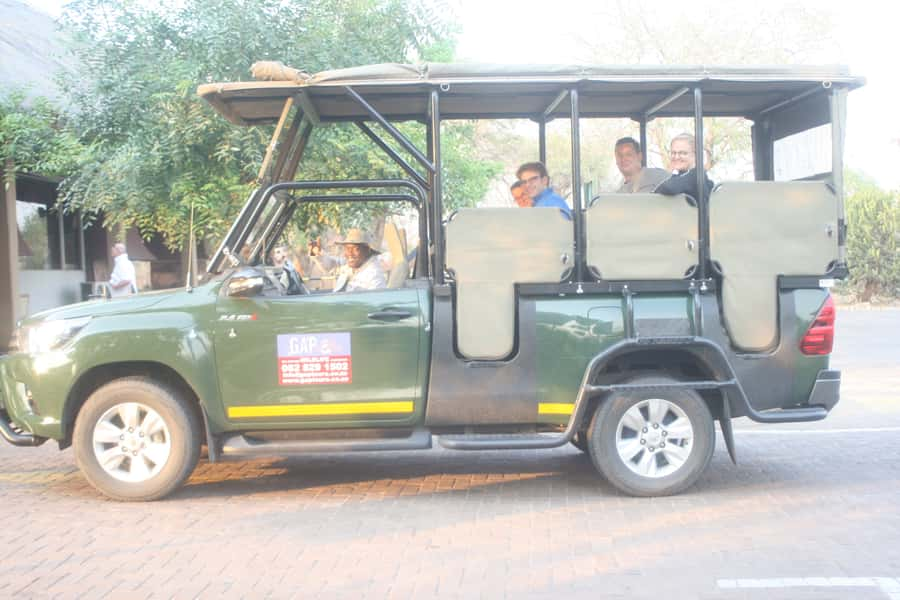
An afternoon safari in Kruger is a smart option when you have limited time, but it comes with a reality check: you’re not touring the whole park. The experience is designed around one outing window, and that means your day is mostly about finding and enjoying wildlife where the road, timing, and animal movement line up.
Typical timing looks like a mid-afternoon pickup pattern—often you’re fetched in the early part of the afternoon, you enter the park shortly after, and you’re back out by late afternoon. That’s plenty of time for several animal sightings, especially on days when roads are active with grazing and browsing. It’s also enough time to build a rhythm: drive, scan, stop, listen, check again.
The biggest value here is that you’re not rushing a checklist. A good guide will treat each sighting like a mini-lesson: what the animal is doing right now, what to watch for next, and how the local terrain and water sources shape where animals show up.
You can also read our reviews of more tours and experiences in Hazyview.
The ride from Hazyview: open vs air-conditioned safari vehicle
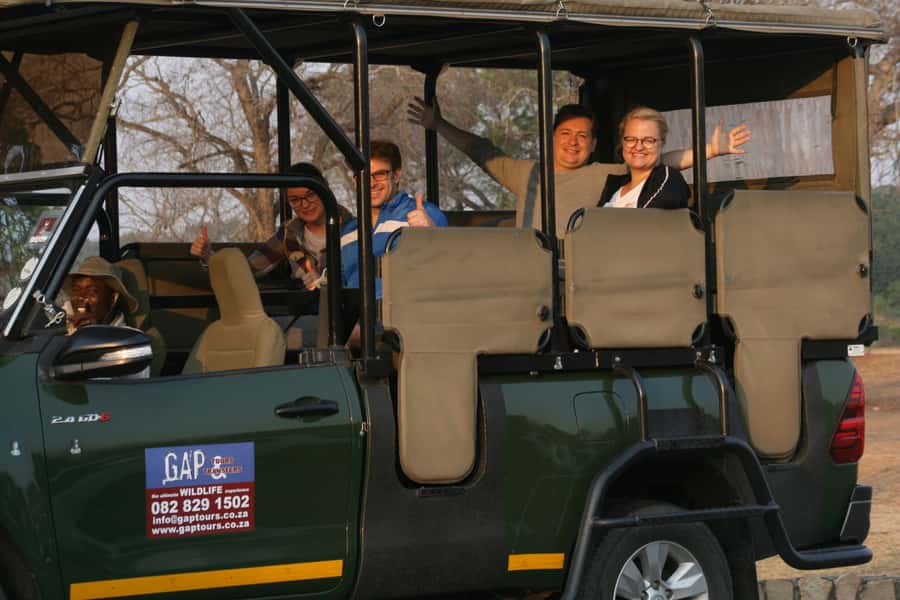
You get hotel pick-up and drop-off in Hazyview, and that matters because it removes the stress of figuring out transport. From there, you’ll head toward the park in the safari vehicle option you choose.
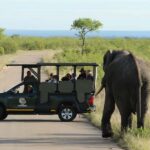
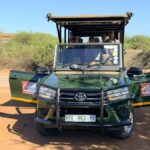
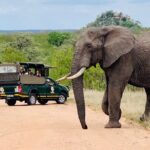
You may ride in an open safari vehicle, which is the classic way to experience the Kruger bushveld. The air feels different in an open vehicle. The wind and the dust are real. And you’ll pick up on the soundscape too—think cicadas and the cry of fish eagles. If you enjoy the sensory side of wildlife—hearing birds before you see them—that option is a treat.
For hot weather, some guests prefer a closed, air-conditioned vehicle. It’s also a comfortable call for older guests or families with young children who need a calmer ride. The trade-off is that the open-vehicle feel comes from being exposed to the elements, so the closed vehicle will feel more controlled and less “in the wind.”
A practical tip: if you’re prone to heat fatigue, choose the air-conditioned option even if you love the idea of an open truck. Afternoon Kruger can be bright and warm, and comfort helps you stay alert for the sightings.
Inside the park: how your guide finds animals (and why it matters)
Kruger is huge—about 2 million hectares—with an ecosystem that supports 147 mammal species, 500+ bird species, and 336 tree species. That’s the big-picture reason guides matter here. When you’re in one afternoon window, you need someone who can read signs fast: tracks, movement, bird calls, and the overall rhythm of the area.
This safari leans into that. Your guides are described as passionate about the bush, and the goal is not just spotting animals, but helping you understand them. That means you’ll likely spend time stationary enough to actually see behavior—like how a herd shifts, how a predator watches, or how birds react when something moves nearby.
You’ll also get a guided interpretation of the wider park beyond wildlife. The experience notes that human history is protected as part of the landscape: recorded presence of people, including bushman rock paintings and archaeological sites. If there’s time, you might stop for at least one of these during the outing.
One more thing I appreciate: the safari vehicle experience is time-limited, so you want stops that last. When the driver and guide take their time to explain what you’re looking at—rather than constantly creeping forward—you end up with more meaningful sightings and better photos.
Big Five expectations without the stress
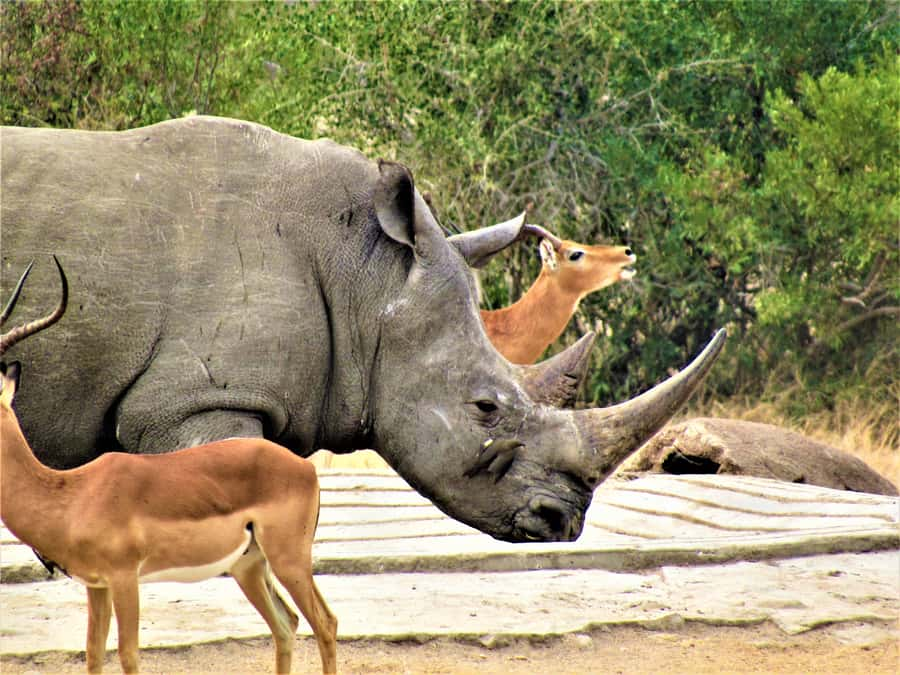
Yes, this is a “see the Big Five” safari option. But the most honest way to frame it is that you’ll look for them, not that you’ll automatically check them off.
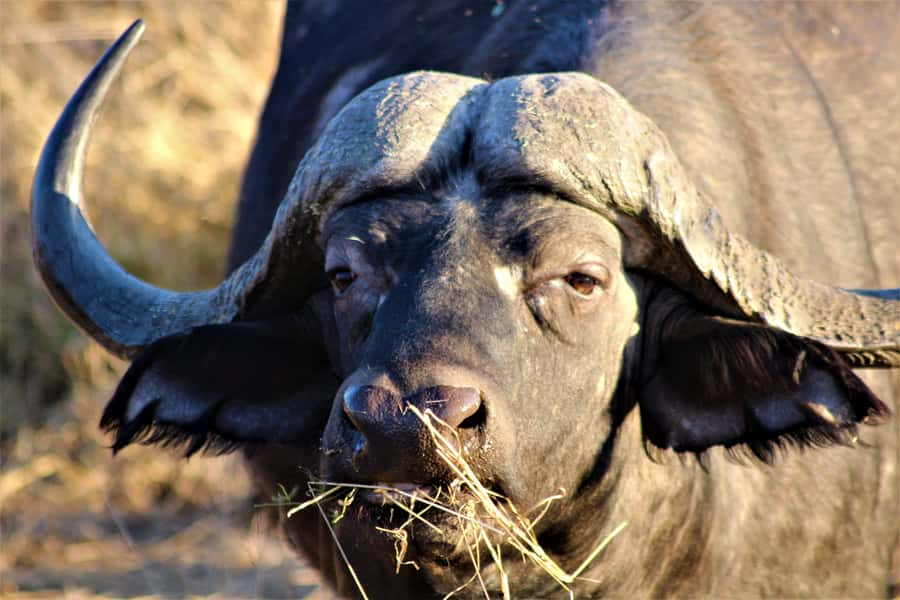
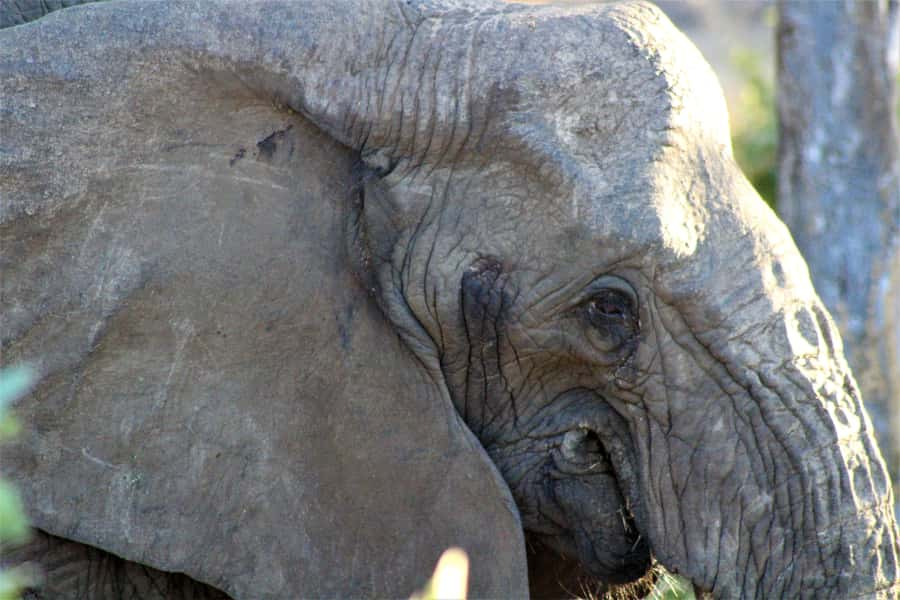
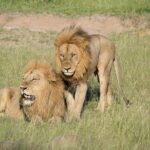
From the information here, the experience specifically highlights the chance to see wildlife’s Big Five up close. In practice, you can end up missing one or two—sometimes rhino or lion may not show during your exact route and timing. On other days, you might get standout moments like elephants and giraffes, plus a mix of grazers and predators.
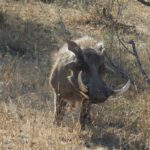
What you can count on more reliably is variety. In Kruger, even a short window can produce multiple species and different “layers” of wildlife: large mammals out on the open, plus birds and smaller animals moving through the edges of the road corridor. If your guide is alert and you’re in the right area for the time of day, you can also be lucky with group action—like herds crossing or animals appearing close to the roadway.
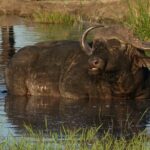
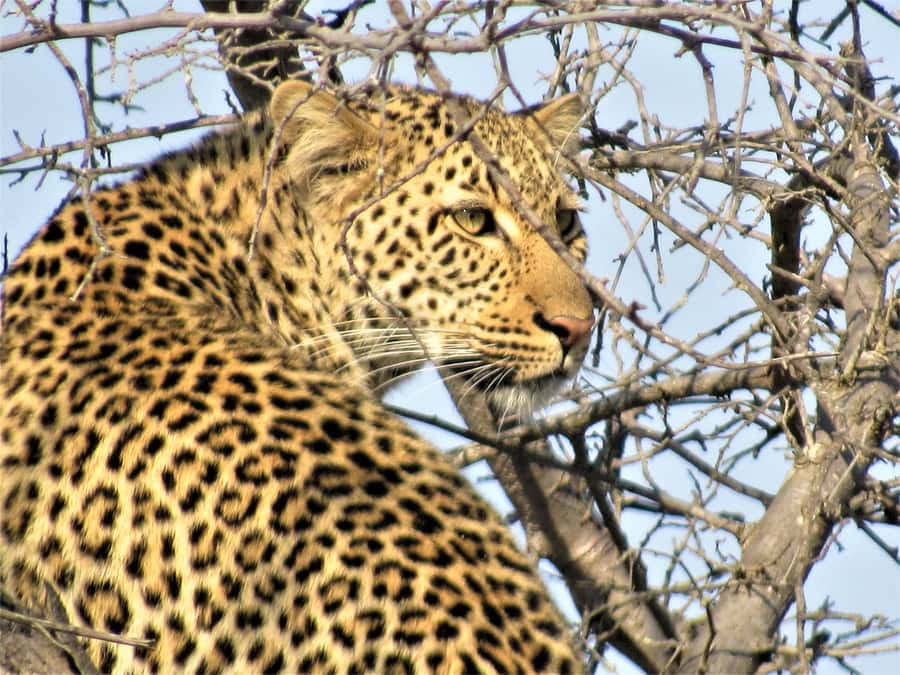
If you’re the kind of traveler who needs a guaranteed lion, rhino, elephant, buffalo, and leopard in one afternoon, you may feel disappointed. If you enjoy the chase, love learning in real time, and want a strong chance at major sightings, this afternoon format can still be a win.
More than mammals: birds, trees, and historic sites
Kruger isn’t only about big animals. The park’s scale and biodiversity mean birds and plants are part of the story, not background noise.
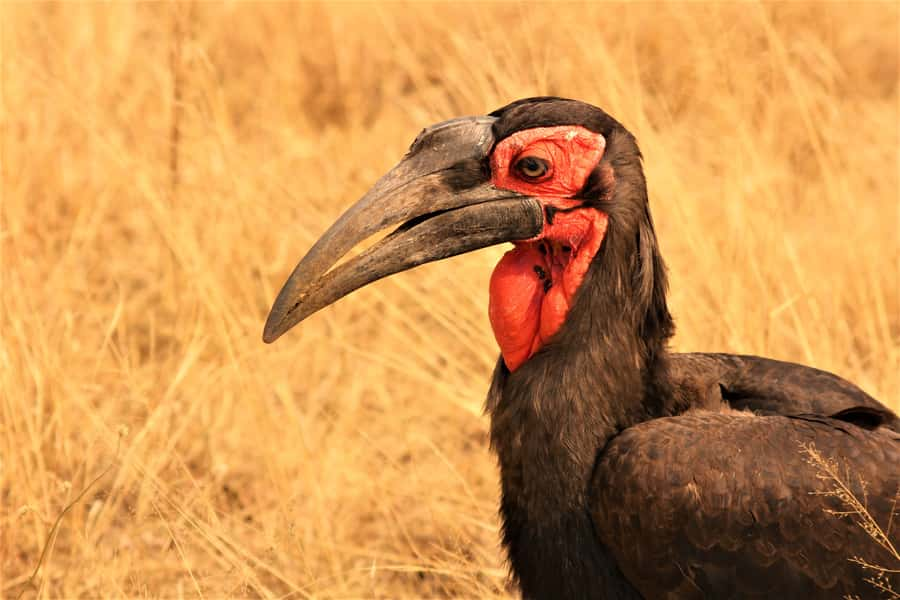
Your safari experience highlights listening and noticing. In an open vehicle, you’re positioned to hear calls and notice movement in the tree line. Bird spotting in Kruger can feel like a bonus hunt: you’ll often see birds first by sound, then locate them with your guide’s help. The fish eagle call is one of the sounds mentioned, and that’s a clue to water and larger habitats nearby.
Trees also matter. The park protects a huge range of tree species—336 is a specific number given here—so animals use shade, cover, and food sources in very different ways. When you understand that, wildlife sightings make more sense. For example, you’ll start linking where you see browsing animals with the vegetation type and where you might spot predators waiting.
And if there’s time, you may include at least one cultural stop: bushman rock paintings or an archaeological site. This isn’t a lecture in a classroom. It’s a chance to see that people have been part of this environment for a long time, and that the park conserves those traces alongside natural assets.
What you should pack for a 5-hour afternoon safari
This outing is built around being out in the sun and moving through a wild environment for a few hours. Even with pick-up and drop-off included, you’ll want to show up ready to enjoy what the bush throws at you.
Bring:
- Sunscreen and sunglasses. Afternoon light in Kruger can be intense.
- A hat that stays on. Wind can be a factor, especially in open vehicles.
- A light layer. If you go in the later afternoon, temps can shift as you move.
- A charged phone/camera and a way to protect it from dust.
You’ll have bottled water included, which is a nice baseline for comfort. Still, plan to sip steadily, because warm weather makes you underestimate thirst.
Also, arrive mentally flexible. Your best sighting might come right when you least expect it—after a quiet stretch when everyone thinks nothing’s happening.
Price and extra park fees: is $100 good value?
The base price listed here is $100 per person for a 5-hour experience. That includes hotel pick-up and drop-off in Hazyview and bottled water. You also get a live English-speaking tour guide and safari time inside the park.
But there’s an important cost reality: park entry and conservation fees are not included. The KNP entrance fee is extra, and conservation fees vary based on citizenship/residency and whether you’re a child under 12.
The specific fee structure provided here is:
- Conservation fees per child under 12:
- South African citizens/residents (with ID): R 64.00
- SADC nationals (with passport): R 128.00
- International conservation fee: R 267.00
- Conservation fees per adult:
- South African citizens/residents (with ID): R 128.00
- SADC nationals (with passport): R 257.00
- International conservation fee: R 535.00
So is $100 “worth it”? Often, yes—especially if you value guided spotting and want transport handled end-to-end. The key is to budget for those extra fees so the total doesn’t surprise you at the gate.
A quick way to judge value for yourself: compare what you’d pay for independent transport plus entry, then ask whether you’d be able to replicate the guide-led spotting you’re paying for. In Kruger, that guide skill is often what turns a drive into a memory.
Who this safari fits best (and who should book longer)
This Kruger afternoon safari is a strong match if:
- You’re staying around Hazyview and want an efficient day plan.
- You want a guided wildlife experience without losing an entire day.
- Your priority is learning in the field—hearing what to watch for and why.
- You’re okay with Big Five odds rather than guarantees.
It may not be ideal if:
- You only want the Big Five in one outing.
- You need more time for multiple areas of the park. With limited hours, you might cover less ground than you’d like.
- You get frustrated when a drive doesn’t instantly produce a dramatic sight. Wildlife timing is part of the deal.
It’s also worth thinking about vehicle choice. If heat is a concern, the closed air-conditioned option is a comfort upgrade that can keep your attention sharp when the action starts.
Should you book the Kruger National Park Afternoon Safari?
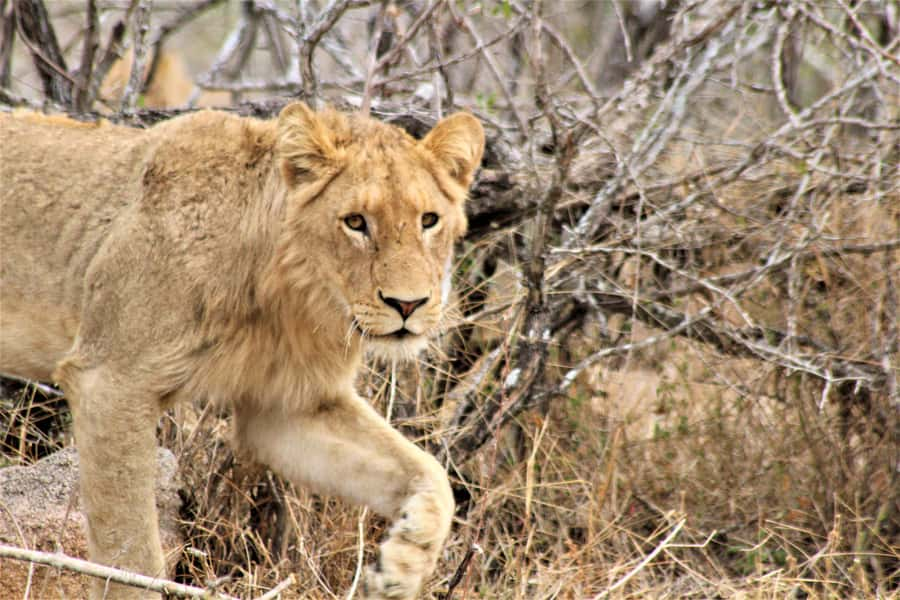
If your goal is a high-probability afternoon wildlife outing with guided help, I’d say this is an easy yes. The combination of hotel pickup/drop-off in Hazyview, a live English guide, and the chance to see major animals in a short window is good value—especially when you consider the included bottled water and the focus on what the animals are doing right now.
The one thing to get right before booking is expectations. This is a 5-hour safari. That means you should plan for strong sightings, not a guaranteed Big Five tally. If that fits your travel style, you’ll likely come away feeling you got your money’s worth in time, comfort, and learning.
FAQ
What is the duration of the Kruger National Park afternoon safari?
It lasts 5 hours.
Where are you picked up and dropped off?
Hotel pick-up and drop-off are included for any hotel in Hazyview.
Is the safari done in an open vehicle or a closed vehicle?
Both options are offered: an open safari vehicle and a closed, air-conditioned vehicle.
What is included in the price?
Included items are bottled water and hotel pick-up/drop-off in Hazyview.
Are meals included?
No meals are included.
Are the Kruger National Park entrance fee and conservation fees included?
No. There is an additional KNP entrance fee, and conservation fees apply based on nationality and age category.
How much are the conservation fees?
The conservation fee amounts provided depend on whether you are a child under 12, a South African citizen/resident, an SADC national, or an international visitor, and they are listed in rand.
What language is the live guide?
The live tour guide operates in English.
Is there free cancellation?
Yes. You can cancel up to 24 hours in advance for a full refund.
Can I reserve now and pay later?
Yes, there is a reserve now & pay later option.
What if I don’t receive confirmation directly from the tour operator?
If you have not received direct confirmation from the Tour Operator, please reach out to the provider.