REVIEW · HAZYVIEW
From Hazyview: Kruger National Park Full-Day Safari
Book on GetYourGuide →Operated by Legend Safaris · Bookable on GetYourGuide
Waking up early is worth it. This full-day Kruger National Park safari from Hazyview gets you into the park at sunrise, when wildlife tends to move and you can photograph the African bush in warm golden light. You’ll spend the day chasing Africa’s Big Five and other native species on roads that are often quieter than the main routes.
I love the spotting skills. Multiple guides praised how they can find animals fast, even smaller wildlife like geckos and snakes in trees. I also like the day’s pace: an open-vehicle game drive, then a breakfast break, then more driving with bottled water so you’re not stuck scrambling for comfort.
One thing to plan for: the price you see is not the full total. Kruger entry fees and your meals are extra, so budget for the park charges and food you’ll buy during the day.
In This Review
- Key Points I Think Matter Most
- From Hazyview to Phabeni Gate: Sunrise Timing That Works
- Open-Vehicle Safari: The Views, the Vibes, and the Photo Advantage
- Breakfast, Lunch, and the Pace of a 10-Hour Day
- Chasing the Big Five: How Guides Stack the Odds
- Cheetahs, Wild Dogs, and the Value of Secluded Roads
- Price and Logistics: What You Pay For, What You Don’t
- Rain or Shine: What to Pack for Kruger Full-Day Reality
- Should You Book This Full-Day Kruger Safari from Hazyview?
- FAQ
- What time is pickup for this tour?
- Where does the safari enter Kruger?
- How long is the tour?
- What is included in the price?
- Are Kruger entry fees included?
- Do I pay for breakfast and lunch?
- What should I bring?
- Does the tour run in bad weather?
Key Points I Think Matter Most
- Sunrise entry via Phabeni Gate: You start when animals are often most active, and the light is great for photos.
- Open safari vehicle: Better views, easier spotting, and you feel close to what’s happening.
- Guides who work hard to find sightings: Names like Bradley, Sipho, and Remember show up in standout stories for their eye and persistence.
- Two real breaks (breakfast and lunch): You get a reset for energy without giving up the whole day.
- Chance to go off the main tracks: The tour aims for harder-to-spot animals like cheetahs and African wild dogs.
- Long, full 10-hour loop: Pickup before sunrise, park time, then return transfer back to Hazyview.
From Hazyview to Phabeni Gate: Sunrise Timing That Works
This is a true morning-first safari. Pickup is arranged before sunrise, around 5:00 AM from October to March and around 5:30 AM from April to September, and you head for Kruger’s Phabeni Gate. Starting early matters because the park cools down overnight, animals tend to feed and move sooner, and you can often spot more with less heat haze.
There’s also a practical upside to going in first: less of the day has passed, so your guide can spend more time actually driving and searching instead of waiting around. That said, you should expect gate logistics—one guide story notes a queue at the gate and about an hour before the safari drive really got going. In plain terms, set your expectations as flexible. The day is timed around sunrise, but the first driving stretch can shift a bit depending on how things move at the entrance.
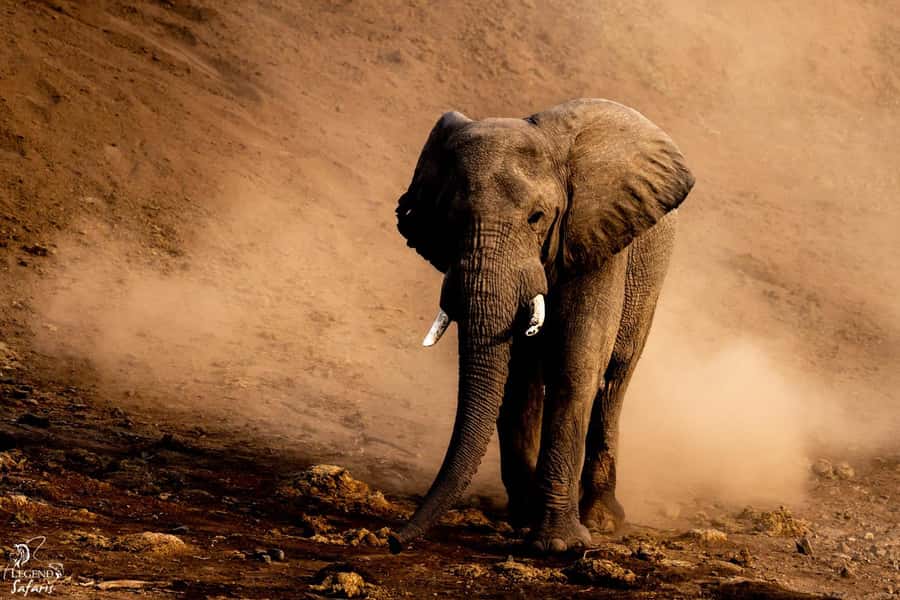
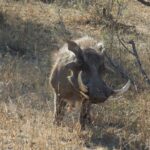
Once you’re inside, you’ll begin a full-day game drive with stops and repositioning based on sightings. The plan is to look for common Kruger wildlife like impala, kudu, wildebeest, zebra, elephants, and lions, plus other native species. And because you’re going at the start of the day, you’re more likely to catch action when animals are alert and not just sheltering from the sun.
You can also read our reviews of more tours and experiences in Hazyview.
Open-Vehicle Safari: The Views, the Vibes, and the Photo Advantage
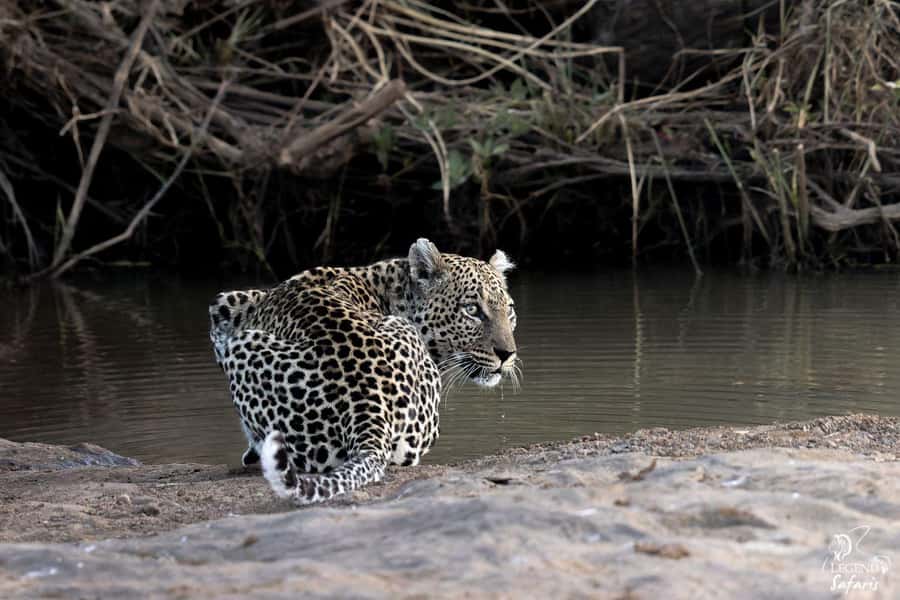
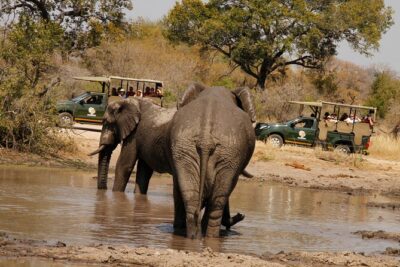
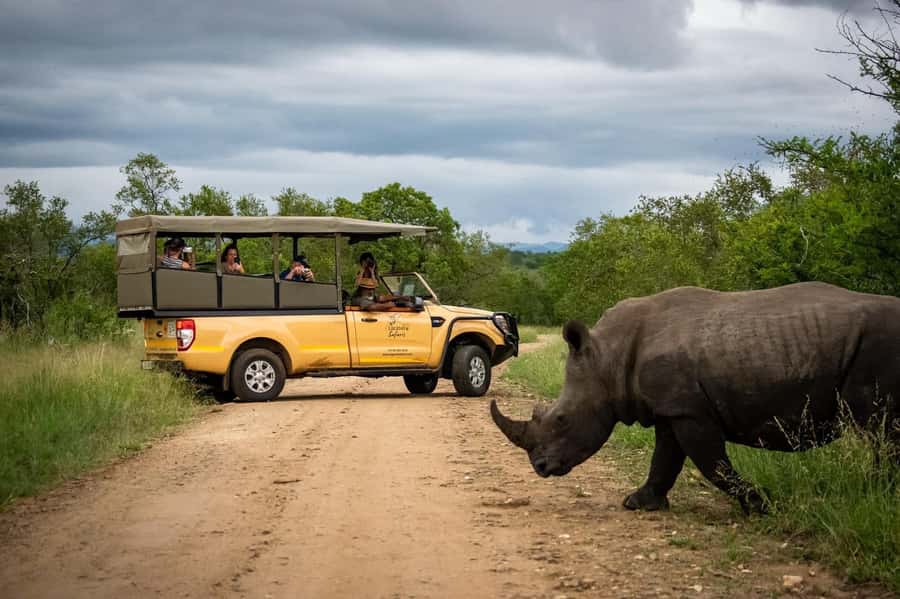
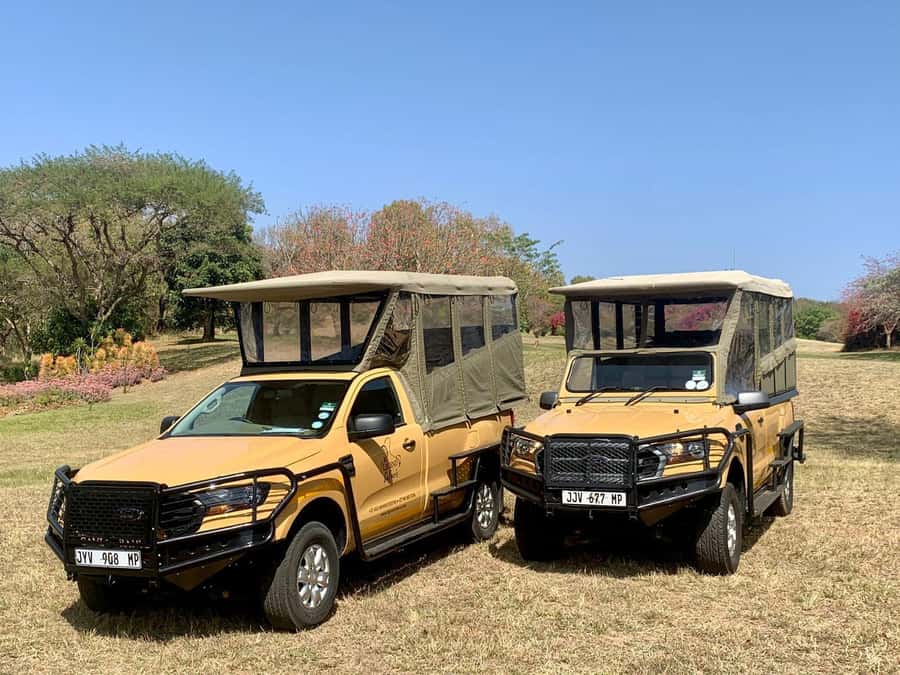
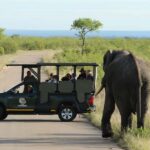
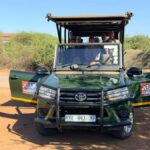
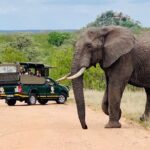
You’ll ride in an open safari vehicle. That sounds like a small detail until you’re there. Open seating usually means better sightlines, less window glare, and a stronger sense of motion as you travel. It also changes how you photograph. You can frame animals more cleanly without fighting reflections, and you’ll feel the “bush” in a way that’s hard to replicate from an enclosed car.
Guides in the stories were praised for quick scanning and accurate instincts. One driver was described as spotting small animals high in trees, and others were credited with consistently finding Big Five opportunities despite challenging conditions like rain. That’s the real value of an open vehicle paired with a sharp guide: you notice more, and you lose fewer chances.
You should also know what to expect for comfort. The tour includes bottled water, and guides may offer help when weather turns—some guests mentioned blankets or rain gear provided during wet conditions. Still, don’t rely on that. Bring your own practical layering and be ready for cool mornings and warmer afternoons.
Finally, keep your eyes moving. Even when you’re hunting lions, leopards, and rhinos, the best moments can come from the in-between sightings: a cluster of elephants moving along the road, zebra grazing beside a thicket, or birds and reptiles perched where they’re easy to miss if you’re only staring at the horizon.
Breakfast, Lunch, and the Pace of a 10-Hour Day
This is a 10-hour day with built-in breaks, not a nonstop sprint. After pickup and entry, you’ll drive for the early-morning wildlife window. Then you’ll stop for breakfast, with roughly one hour of free time. Breakfast is not included, so you’ll pay separately, but the timing matters: you’re fueling up right after the best early sightings, and you get a real chance to stretch instead of eating while driving.
After breakfast, the plan is to continue exploring, staying on the move enough to follow activity but with enough stops to keep the day enjoyable. Lunch is another break you’ll handle on your own cost. The goal is that you return to the safari feeling refreshed, not dragged down.
There’s also a subtle benefit to those lunch and picnic-style stops: they’re often where you can buy small souvenirs or curios. The tour includes opportunities to purchase mementos during rest stops, so you’re not left waiting until the end of the day to find a keepsake.
One pacing note: you’ll likely spend a lot of time on the road. That’s normal for Kruger day trips, and it’s part of the deal when you’re trying to maximize sightings. If you love structure, bring snacks for yourself only if allowed by your operator rules (the tour notes food and drinks are available to purchase, and bottled water is included). If you hate long days, consider that early pickup means you’ll feel the day’s length even if the driving is fun.
Chasing the Big Five: How Guides Stack the Odds
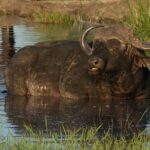
The heart of this tour is the hunt for the Big Five—lion, leopard, rhino, elephant, and buffalo—plus a broader menu of Kruger wildlife. In theory, seeing all five in one day is never guaranteed. In practice, what you can control is how efficiently you use daylight, and this tour is built around that.
Most of the praise in the stories focuses on guides who spot quickly and react fast. Several guides were named for their persistence and teamwork skills. One guest described how their guide kept in contact with other colleagues to check sightings, essentially improving the odds by acting on up-to-date information. That kind of coordination matters because animal positions can change fast, and a small reposition can be the difference between a missed leopard and a great view.
Your guide is also there to help you spot animals you might walk right past from the roadside. One guest credited their guide with finding even small reptiles. That’s not just cool trivia—it changes your experience. You stop thinking the park is random, and you start understanding patterns: how animals move at different times, where prey tends to gather, and why predators linger near certain cover.
In many itineraries like this, the lion and elephant opportunities often show up earlier, while leopard sightings can be more situational. Some guests reported strong Big Five progress even before breakfast, and others noted rain slowed down what they could add after. The main takeaway for you: the tour is most powerful when you trust the guide’s eyes and let the day play out, rather than expecting one animal to appear on schedule.
Cheetahs, Wild Dogs, and the Value of Secluded Roads
After breakfast and lunch breaks, the tour aims to go beyond the most obvious routes. You’ll drive along secluded roads in search of animals that are tougher to spot on typical drives, including cheetahs and African wild dogs.
This is one of the tour’s best ideas because it addresses a common safari frustration: you can see plenty of zebra and impala and still feel like you barely scratched the surface. When the route shifts into quieter areas, you get a better shot at the rarer sightings—the ones that make you say, I didn’t realize that was possible in one day.
Wild dogs in particular are often about luck and timing, since they don’t always show themselves cleanly. Cheetahs can be similar: if you happen on the right stretch at the right moment, you get a great view; miss it and the day keeps moving. That’s why guide hustle matters here. Guests praised guides who kept pushing to find sightings and who stayed flexible when weather or conditions changed.
A smart way to enjoy this part of the day is to think like a watcher, not like a checklist maker. If you’re focused only on Big Five count, you might miss the best memories: a close-up look at prey behavior, a moment when a predator is hinted at in the distance, or the sheer realism of animals moving through their daily routes.
Price and Logistics: What You Pay For, What You Don’t
The tour price is listed at $105 per person, lasting about 10 hours. What’s included is what most day trips should include: hotel pickup and drop-off, transport in an open safari vehicle, a professional guide, and bottled water.
What’s not included is where your final budget changes. Kruger National Park entry fees are charged separately. For international visitors, the listed entry fees are R486 per adult and R243 per child. South African citizens and residents also have a different rate. Either way, your final cost depends on your party and status.
Food and drinks are also not included. Breakfast and lunch are yours to purchase during the day. That’s not a flaw—it’s how these safaris are structured—but it affects value. If you want the trip to feel like a good deal, plan money for park fees plus two meals.
Where the value shines is in the guide-led effort. When guests describe their guides as actively working to find animals and adjusting routes based on real sightings, you’re paying for decision-making, not just transportation. With an experienced guide, you often spend more time actually looking at something than passing slowly by the same stretches.
Also, check that you’ll be able to make the pickup time. Pickup is very early, and if your accommodation is outside the pickup area, you may choose to be picked up at Phabeni Gate instead.
Rain or Shine: What to Pack for Kruger Full-Day Reality
This safari runs rain or shine. That matters in Kruger, where weather can change quickly and roads can get messy. The good news is that a serious safari day can still be rewarding in rain, but you’ll want to adjust expectations. Some guests noted fewer new animal sightings in rainy stretches. That doesn’t mean the day is wasted—it means wildlife activity patterns shift with conditions.
What to bring is straightforward:
- Passport or ID card (required for entry)
- Layers: cool mornings and warmer daytime
- A rain-ready outer layer, since the tour continues even when it drizzles
From guest stories, guides sometimes help with extras like blankets or raincoats if needed. You might get that support, but you shouldn’t count on it as your only plan. Your best strategy is to arrive prepared so you can stay comfortable and keep watching.
One more practical rule: alcohol and drugs are not allowed. If you were thinking of bringing drinks for morale, save that idea for later in town. The safari day is about staying alert and following the vehicle rules.
Also, remember you’re in an open vehicle. That means sun protection can matter after the morning starts, and chilly air can still be a factor before it warms up.
Should You Book This Full-Day Kruger Safari from Hazyview?
Book it if you want a focused Kruger day without the hassle of managing a self-drive plan. This tour is strongest for people who:
- Want a sunrise start to boost wildlife odds
- Prefer a guide who actively hunts for sightings, not just drives slowly
- Are happy with a long day and early pickup in exchange for more time in the park
I’d think twice if the extra costs will be tight. The base price is attractive, but park entry fees plus breakfast and lunch can change the math fast. I’d also be honest with yourself about weather: rain can reduce how much you add in later hours, even when the guide is working hard.
If you can make the pickup time and you’re comfortable paying for meals and entry, this is a solid value play for Kruger. The best days often come from trusting your guide, staying patient, and being ready for animals to show up when they want—not when your schedule says they should.
FAQ
What time is pickup for this tour?
Pickup happens before sunrise. It’s around 5:00 AM from October to March, and around 5:30 AM from April to September.
Where does the safari enter Kruger?
You’ll enter Kruger National Park via Phabeni Gate.
How long is the tour?
The tour runs for about 10 hours.
What is included in the price?
Hotel pickup and drop-off, transportation in an open safari vehicle, a professional guide, and bottled water are included.
Are Kruger entry fees included?
No. Kruger Park entry fees are not included, and they vary by visitor type (international vs. South African citizens/residents).
Do I pay for breakfast and lunch?
Yes. Breakfast and lunch are available to purchase during the day, and food and drinks are not included.
What should I bring?
Bring your passport or ID card.
Does the tour run in bad weather?
Yes. The tour takes place in rain or shine. Alcohol and drugs are not allowed.