REVIEW · SOUTH AFRICA
Kruger National Park: Full-Day Game Drive with Pickup
Book on GetYourGuide →Operated by Inn Africa Camp & Tours- Game drives · Bookable on GetYourGuide
Morning gets wild in Kruger. This full-day drive puts you in an open 4×4 so animals feel close and real, not like TV wildlife. The focus is on Kruger National Park’s roadside sightings, with your guide working to get you onto the best viewing spots for the Big Five.
I love the way the guides actually hunt for sightings, not just follow a fixed route. Names that come up again and again include Jerry, Advocat/Advocate, Louis, Mbosu, Rodger, and Gerry, and the common theme is sharp driving, smart positioning, and plenty of animal talk as you go.
One thing to plan for: the conservation fee and meals are extra, and the day starts early (rain or shine). Bring cash and dress for chilly morning air—Kruger can be cooler before the sun warms up.
In This Review
- Key Highlights You’ll Care About
- Pickup, Paperwork, and the Early-Morning Rhythm
- Riding in an Open 4×4: Why the Views Feel Different
- How the Guide Improves Your Big Five Chances
- Breakfast and Lunch at Kruger Rest Camps: When to Expect Stops
- What You Can Spot Beyond the Big Five
- Photography, Binoculars, and Comfort Tips That Pay Off
- Price and Value: What $109 Really Buys You
- Who This Tour Fits Best (And Who Should Rethink)
- Should You Book This Full-Day Kruger Drive?
- FAQ
- What’s included in the $109 per person price?
- Is food included?
- Do I need to pay a Kruger conservation fee?
- How long is the safari?
- When is pickup?
- What should I bring?
- What’s the language of the guide?
- Is alcohol allowed?
- Do I need to do any paperwork before entering?
- Does the tour run in bad weather?
Key Highlights You’ll Care About
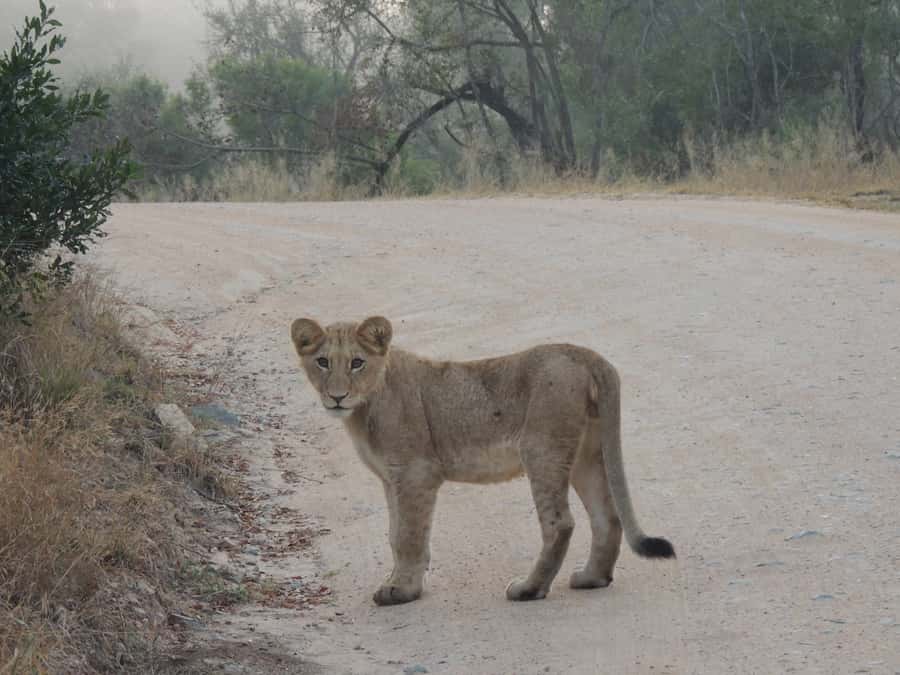
- Open vehicle viewing: You get a real “see it with your eyes” experience from an open safari truck
- Big Five odds, not a guarantee: You’ll keep an active lookout for lion, leopard, rhino, elephant, and buffalo
- Guide skill shows up fast: Guides coordinate and reposition quickly for the best angles
- Two food breaks in the park: Breakfast and lunch are built in, but the cost is on you
- Better chances on gravel roads: Getting off the paved flow can mean better sightings
- Bring-binoculars energy: You’re encouraged to bring your camera and binoculars for birdlife and detail moments
Pickup, Paperwork, and the Early-Morning Rhythm
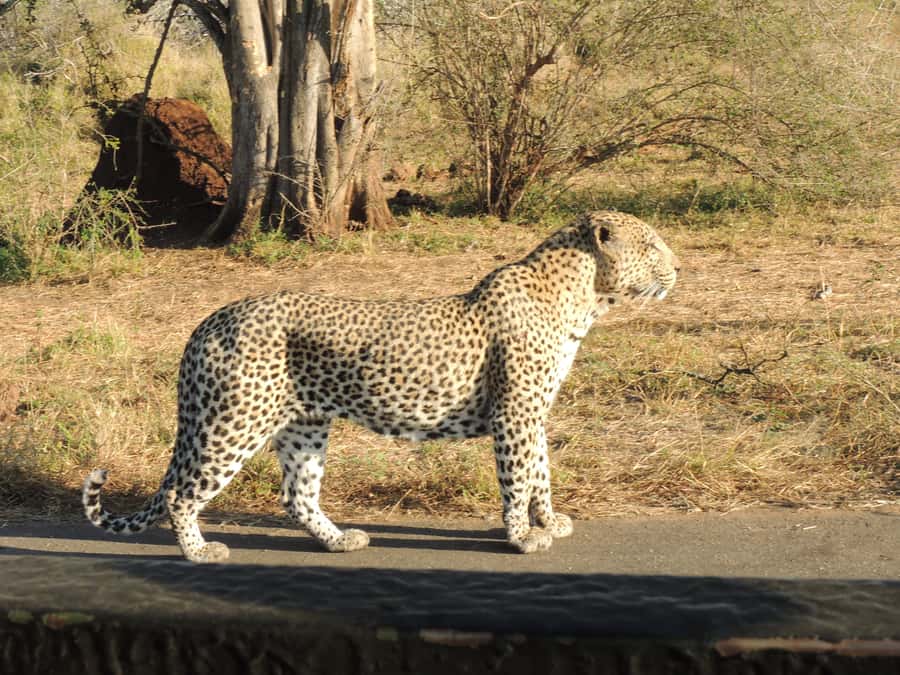
Your day begins with pickup from your hotel or from your chosen Kruger Park entrance gate. It’s an early start by design, because wildlife activity often shifts as the day warms. You’ll want to be ready in the lobby (or at the gate) about 10 minutes before your scheduled pickup.
Before you enter the park area, you’ll complete an indemnity form. It’s one of those forms that feels boring until you remember it’s part of the safety rules for the reserve. Then you’re on your way, with an English-speaking guide and a route planned for maximum time in the bush.
The tone here is practical: this is a “go, see, learn” day. You don’t get stuck in one place for long, and you’re not waiting around for nature to decide it wants to perform. If weather turns—yes, it runs rain or shine—your guide will still keep pushing for sightings when the conditions allow.
You can also read our reviews of more tours and experiences in South Africa.
Riding in an Open 4×4: Why the Views Feel Different
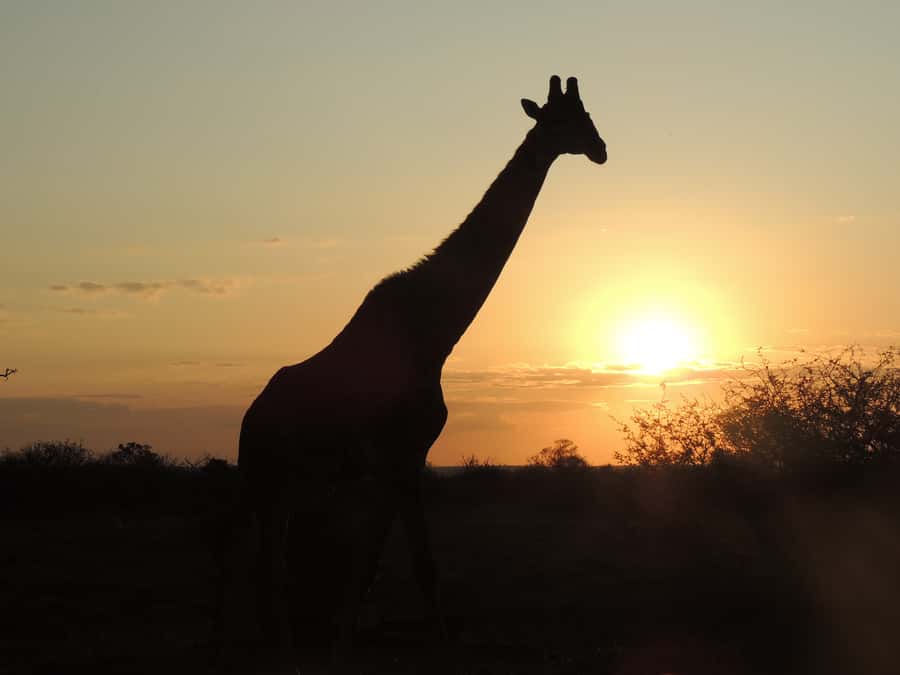
The transport is part of the appeal. You’re in an open safari vehicle, usually a 4×4 setup, built for game viewing rather than comfort theater. That means you’ll feel the air, hear the bush sounds, and see across the road without glass between you and the action.
It’s also why dressing matters. Several travelers noted the morning can be chilly before sunrise, and at least one guide provided blankets. Still, you should assume you’ll want layers and something warm for sitting still while you scan the grass and trees. One person also mentioned wind in the back—so the “sit ready for action” clothing plan is smart.
On the plus side, open-vehicle viewing is exactly how you catch quick moments: a sudden head turn, a blink of movement behind a thorn tree, or a bird that lands at eye level. Even when you’re not staring at the Big Five, you’ll likely notice more small life than you would on a closed vehicle.
How the Guide Improves Your Big Five Chances
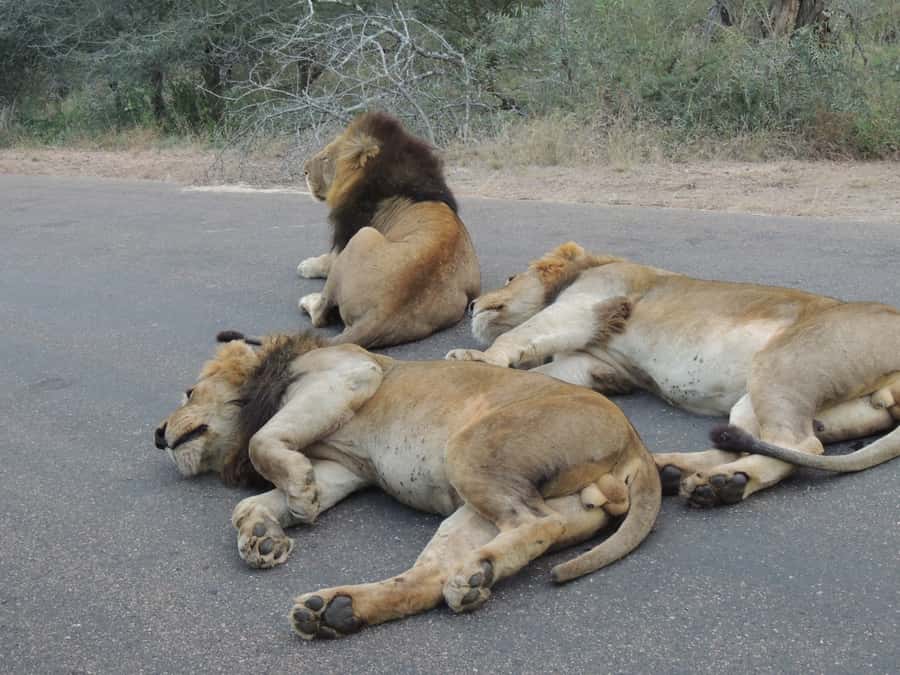
A full-day drive is about one thing: more chances. But in Kruger, chances only turn into sightings when your guide understands where to look and when to stop.
That’s where the guides earn the praise. Many reviews highlight guides like Jerry and Advocat/Advocate for knowing Kruger “like the back of his hand,” but the more useful takeaway is the method: they position the vehicle for viewing, read animal behavior, and keep searching for the next good moment rather than waiting for luck.
Some guides also coordinate with other drivers to track sightings in the wider area. One traveler described a guide using WhatsApp to coordinate with other guides to find lions. You don’t need to know the app name to understand the value: real-time updates mean faster repositioning when something breaks out along the roads.
And it’s not only about the Big Five. Great guides keep teaching while you watch. You’ll hear background stories about the wildlife and the reserve—plus practical guidance like where to look next and how to adjust your angle for photos. Several travelers also noted humor and patience, which matters when everyone’s scanning for movement and nobody wants to feel rushed.
Bottom line: you’re buying expert eyes and smarter driving, not just a seat on a truck.
Breakfast and Lunch at Kruger Rest Camps: When to Expect Stops
You’ll get two breaks during the day—one for breakfast and one for lunch. These stops are at Kruger rest camps, where you can refuel and warm up, then get back to scanning the roads.
Food is not included. So this is where your cash plan matters. Pack money for meals, and expect typical rest-camp pricing rather than restaurant deals in town. Travelers noted breakfast and lunch were provided at rest areas and described the food as reasonably priced, but cost still hits your wallet.
Some guides may stop at specific camps more often. One traveler mentioned the Lower Sabie rest camp twice for refreshments and food. Another mentioned Skukuza as an example of a rest camp they would have liked, which hints that the day’s stops can vary depending on sightings and route.
What I like about the two-stop structure is that it doesn’t waste the whole day indoors. You still get long stretches in the vehicle, but you’re not stuck hungry and cranky for ten hours. It’s a good rhythm for a full-day wildlife push.
What You Can Spot Beyond the Big Five
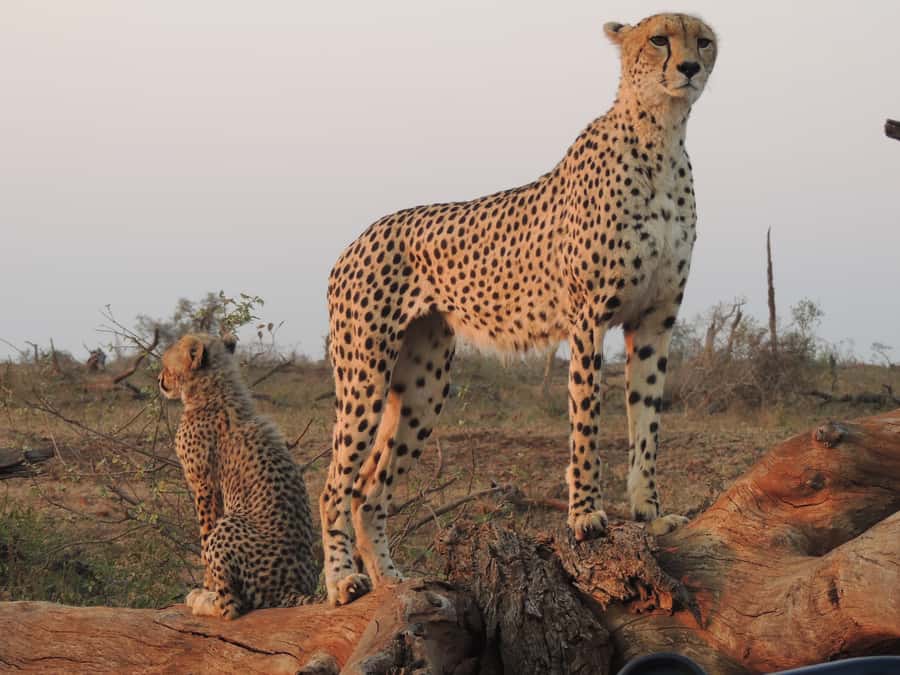
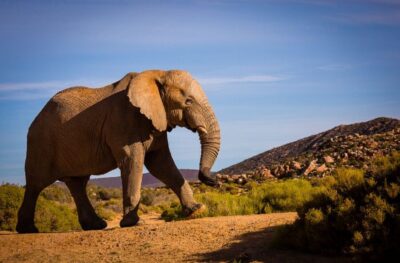
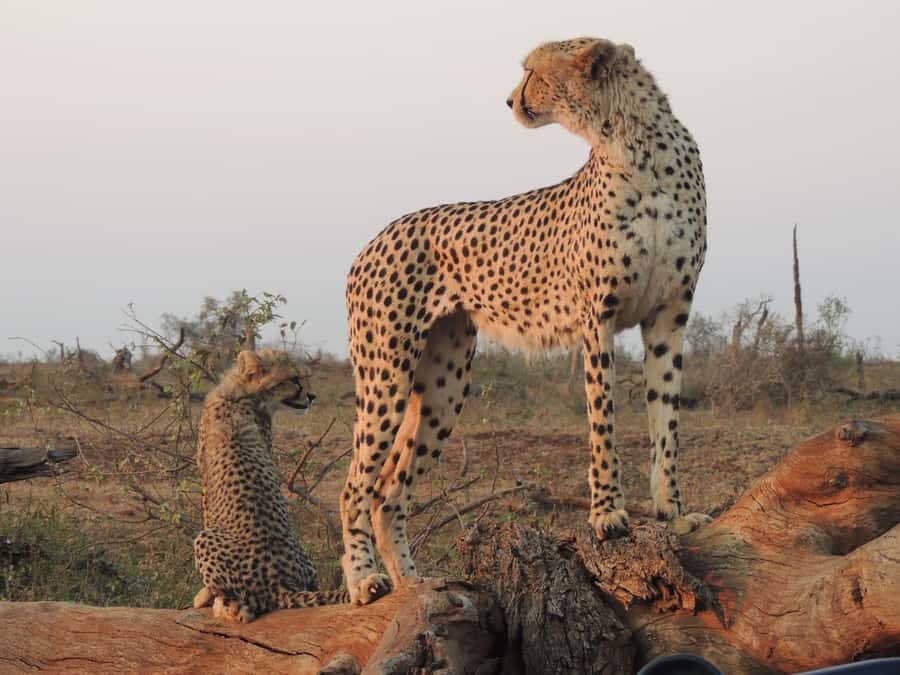
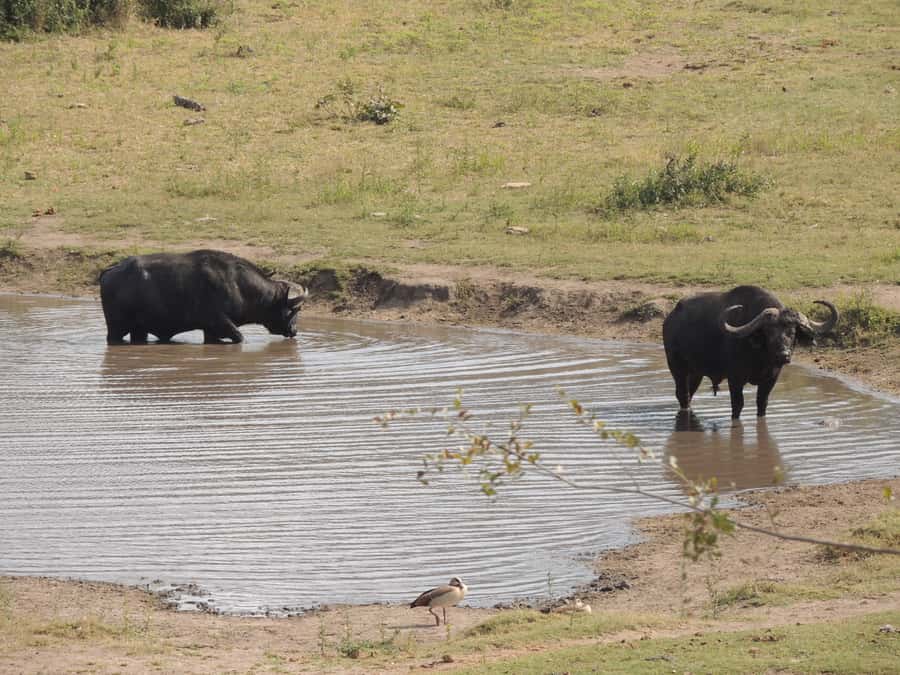
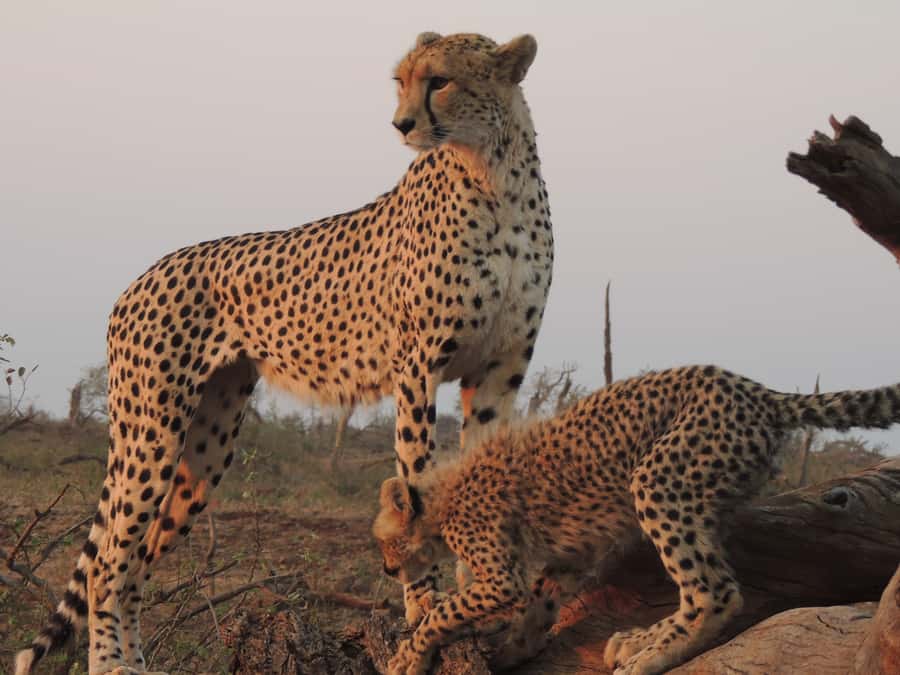
Yes, you’ll keep an eye out for the Big Five: lion, leopard, rhino, elephant, and buffalo. But Kruger is also full of everything around them—herbivores, predators, and birds that can be just as thrilling in a different way.
During the drive, you’ll commonly see herbivores along the road corridors. That includes animals like impalas, zebras, and wildebeest (and often in the same general zones). When herbivores show up, predators are never far behind—at least in the sense that guides can steer toward where hunting and movement patterns increase.
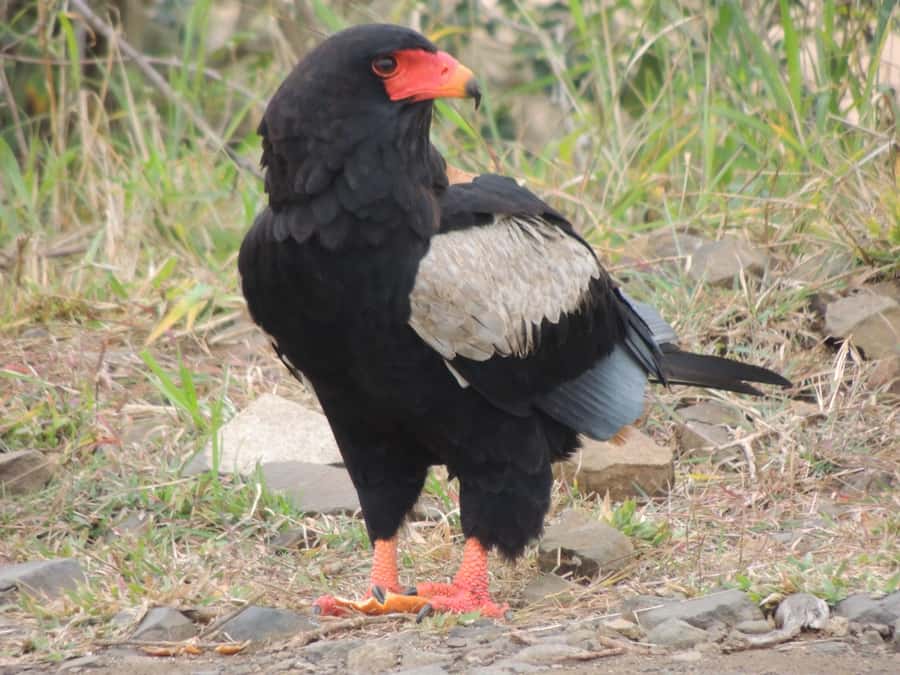
For birds, keep your binoculars ready. The park is known for species like the African fish eagle, hornbill, and kingfisher. Birdwatching can feel slow until you spot one at the edge of your vision—then you realize why birdlife matters to the ecosystem. Even if your Big Five list stays incomplete, a strong bird moment can turn the day into a memory you keep replaying.
Also, the drive uses gravel roads in addition to the main driving routes. That “off the beaten path” tactic matters. Gravel roads can open up different sightlines and reduce the feeling of being stuck in the same traffic pattern as everyone else.
Photography, Binoculars, and Comfort Tips That Pay Off
This isn’t a “point and shoot in autoplay mode” day. You’ll need to work a little. The open vehicle means you’ll likely be leaning forward, tracking movement, and adjusting your framing as the vehicle stops and starts.
Here’s what helps, based on what people say works in the real world:
- Bring binoculars if you have them. Spotting animals in trees and across distance gets easier fast.
- Bring your camera, and clean your lens before you head out. Road dust and wind happen.
- Dress in layers. Early morning chill plus long still-sitting time is the combo that catches people.
- Don’t expect vehicle conditions to be perfect for comfort. Open means open. A warm hat and gloves are your friends.
Etiquette is also part of making the day smooth. Feeding animals is not allowed, and alcohol is not allowed—plus alcoholic drinks in the vehicle are banned. That keeps focus where it belongs: on the animals and on safety.
One more practical tip: have a quick plan for where you’ll sit and where you’ll hold your gear. In the open setup, you don’t want bags sliding around while you’re trying to catch a rare movement.
Price and Value: What $109 Really Buys You
The price is $109 per person for a full-day game drive, including pickup and drop-off, transportation in an open vehicle, an experienced guide, and bottled water.
That’s a solid structure for Kruger days because it covers the big cost categories tourists often underestimate:
- You’re paying for park time and guide time.
- You’re paying for vehicle use in an open safari setting.
- You’re not responsible for arranging transport on your own.
But two costs are not included, and they matter for your budget:
1) Kruger National Park conservation fee (R454 per adult and R230 per child). South African citizens pay reduced rates (R115 per adult and R57 per child).
2) Food and drinks during the two rest stops.
So the real value question becomes: does the guide and the vehicle time justify your extra spend on meals and conservation fees? Based on the way guides are repeatedly praised for tracking, positioning, and making the day run smoothly, this price often feels fair—especially if you care about maximizing your number of chances in one day.
Also remember: Big Five sightings are never promised. But you are paying for the effort and skill that raises your odds.
Who This Tour Fits Best (And Who Should Rethink)
This is a great match if you:
- want a full day in Kruger without driving yourself
- like wildlife viewing from an open 4×4 where you can see and hear more
- appreciate guides who explain what you’re seeing and why it matters
- want the structured rhythm of two food stops during a long drive
It may be less ideal if you:
- have altitude sickness concerns, since the tour is not suitable for people with altitude sickness
- are very advanced in age. The tour is not suitable for people over 95 years
If you’re wheelchair using, the tour is listed as wheelchair accessible. Still, because you’re in an open safari vehicle, ask ahead about the exact vehicle setup and how boarding works for your needs.
Should You Book This Full-Day Kruger Drive?
If you want one strong Kruger day and you’d rather put your energy into seeing wildlife instead of navigating park logistics, I’d say book it. The combination of open vehicle viewing, a guide who can reposition quickly, and a full day spent on the roads makes this a practical way to chase lions, leopards, rhinos, elephants, and buffalo without guessing where to go.
Just go in with the right expectations:
- Bring cash for conservation fees and your two meals.
- Dress for early morning chill and open-vehicle wind.
- Treat Big Five sightings as a target, not a promise.
If that sounds like your style, this drive is a very good way to turn your Kruger visit into more than driving slowly behind other cars.
FAQ
What’s included in the $109 per person price?
Pickup and drop-off, transportation in an open vehicle, an experienced English-speaking guide, and bottled water are included.
Is food included?
No. Breakfast and lunch stops are included during the day, but food and drinks are not included in the price.
Do I need to pay a Kruger conservation fee?
Yes. The conservation fee is R454 per adult and R230 per child. South African citizens pay reduced rates of R115 per adult and R57 per child.
How long is the safari?
It’s a full day, listed as 1 day.
When is pickup?
Pickup is early in the morning. Exact times depend on starting availability, and you should wait about 10 minutes before pickup at your lobby or chosen entrance gate.
What should I bring?
Bring your passport or ID card, camera, cash, and binoculars.
What’s the language of the guide?
The live tour guide is in English.
Is alcohol allowed?
No. Alcohol and drugs are not allowed, and alcoholic drinks in the vehicle are not allowed.
Do I need to do any paperwork before entering?
Yes. You’ll need to complete an indemnity form before entering Kruger National Park.
Does the tour run in bad weather?
Yes. The tour starts early in the morning and takes place rain or shine.