REVIEW · SOUTH AFRICA
Private Full Day Safari (10 hours) in Kruger National Park
Book on Viator →Operated by Kedibone Safaris · Bookable on Viator
Big cats are easier when breakfast is real. This private Kruger safari is built around a full day of open-vehicle game drives, starting at Phalaborwa Gate and running long enough to give you real chances at the wildlife people come for. You’ll also get a guided route that balances morning concentration with late-day sightings.
I especially like the food plan: breakfast and light lunch (plus snacks and bottled water) so you stay focused instead of timing your day around meals. The first real stop at Letaba Elephant Hall also gives the day meaning beyond just spotting animals. The one drawback to think about is simple: it’s a long day, about 10–11 hours, and it starts early—so it’s best if you’re willing to commit.
In This Review
- Key highlights to know before you go
- Phalaborwa Gate start and the value of going private
- Letaba Rest Camp and Elephant Hall: more than a quick stop
- Satara savanna drives: where predator chances rise
- Olifants River high-water bridge: birds, banks, and calmer moments
- Wildlife photo habits for an open-vehicle day
- Price and logistics: what $172.25 really includes
- Who this Kruger private safari suits best
- Should you book this private full-day Kruger safari?
- FAQ
- FAQ
- How long is the private full-day safari in Kruger?
- Where does the safari start?
- Does the tour include meals?
- Is SANPARKS fee included?
- Is this tour private?
- Is pickup available?
- Are there any age limits for children?
Key highlights to know before you go
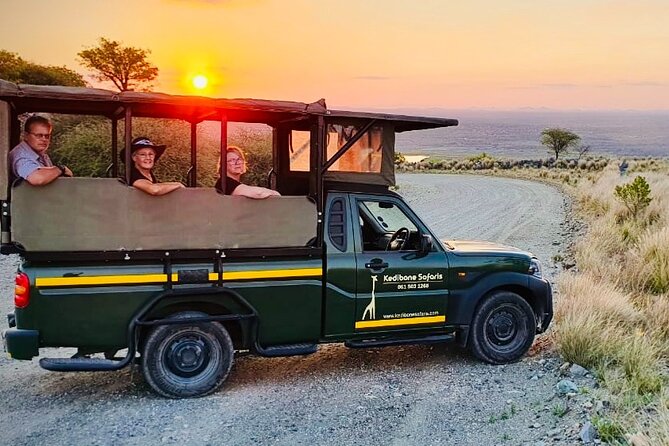
- Private group safari: only your group rides along, which usually means a calmer pace and fewer traffic jams.
- Letaba Elephant Hall first: you warm up with elephants and learn before you chase the Big Five out on the roads.
- Satara area focus: a long stretch in the savanna where predators like lion, leopard, and cheetah have a strong presence.
- Olifants River bridge time: slower, scenic looking time for birds and wildlife along the river banks.
- Comfort gear included: ponchos and beanbags for a more comfortable open-vehicle day.
- Meals are part of the plan: breakfast and light lunch keep energy steady through the hours on the vehicle.
Phalaborwa Gate start and the value of going private
Starting at Phalaborwa Gate is one of the practical advantages of this safari. It’s not the usual “show up, wait, then shuffle into a big group” setup. You go as your own private group, and that matters in Kruger, where the day can feel stretched if you’re stuck behind other vehicles or constantly changing plans.
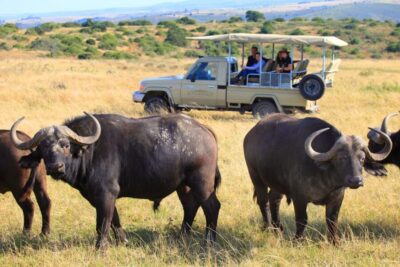
The other comfort factor is the transportation style. This is a full day open vehicle safari, which is what you want for wildlife viewing and photos. You’re not watching through glass, and the guide can position the vehicle for sightlines when an animal is moving or when the light turns dramatic. Because it’s private, you’re also more likely to stick with what the guide is seeing rather than getting pulled into someone else’s schedule.
Timing is part of the deal. The park start window runs early—about 5:30 AM to 6:30 PM for activity timing—so you’re not drifting in. If you’re the type who likes slow mornings and leisurely starts, this might feel like a commitment. But if you want morning wildlife energy, it’s a feature, not a bug.
Finally, it’s a full-day outing—roughly 10 to 11 hours—so you’re not just doing a taste. You’re doing a day with enough time to get beyond the first few roads and settle into what Kruger is doing that day.
You can also read our reviews of more tours and experiences in South Africa.
Letaba Rest Camp and Elephant Hall: more than a quick stop
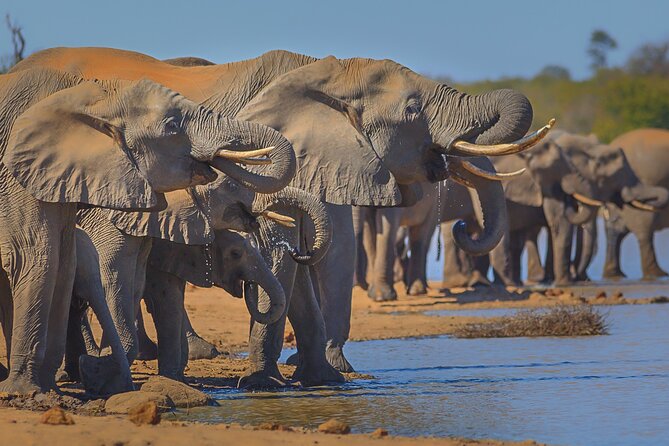
Your day begins in the Kruger landscape right away at Phalaborwa Gate, then you head into the bush toward Letaba Rest Camp. The first wildlife drive is about getting your “eyes on” early. Morning in Kruger can be brisk and busy with animal movement, so this is a smart start: you’re not rushing to a museum first; you’re seeing the park, then learning.
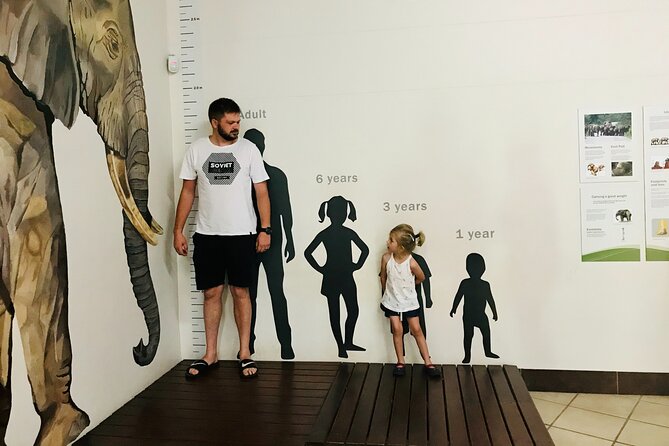
Then comes one of the most thoughtful parts of the route: Letaba Elephant Hall. You’ll have breakfast served first, and after that you visit the elephant museum. Even if elephants are not your only target, this stop changes how you watch. Elephants aren’t just big and obvious. They’re also influential in how the habitat looks and how other animals behave. When you take a moment to understand them, you often spot more detail out in the park—tracks, movement patterns, and the way the ecosystem responds.
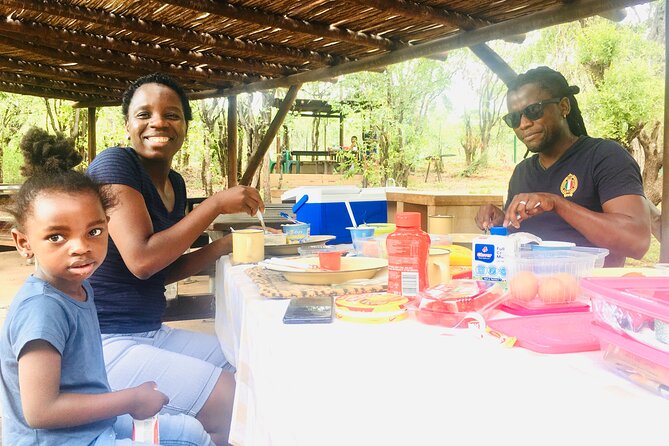
A practical bonus: you’re doing a sit-and-eat break early in the day. That helps a lot when the vehicle is open and the morning air can be cool. It also reduces the “hangry safari” problem. You’re fueled, then you go back out.
One consideration: museums aren’t everyone’s idea of fun on a safari day. If you only want strictly animal-on-the-road time, this can feel like an intermission. Still, for most people, it’s a good reset that adds context rather than just filling time.
Satara savanna drives: where predator chances rise
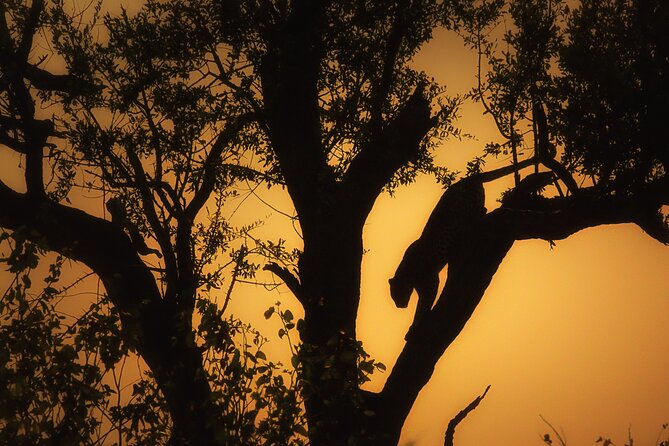
After leaving the denser mopani bush, your route shifts into the savanna plains. That change in habitat is one reason this itinerary works. Different ecosystems attract different animals, and the transition often comes with a different feel to the sightings—more open lines of sight, different bird activity, and predator hunting behavior that stands out in open ground.
This is where the day leans into the predator story. The Satara area is known for a high population presence of lion, leopard, and cheetah, and you’ll spend about five hours exploring this region. That’s a long enough block that you’re not just passing through. You can have a slow stretch, then suddenly the day clicks—an animal appears, and the guide has time to slow down, watch, and reposition.
At Satara, you also get a light lunch. I like this part of the plan because it keeps you from losing the afternoon prime-time to a long sit-down meal. It’s enough food to keep energy steady, and then you’re back out where the action tends to keep building into late day.
Possible drawback to keep in mind: leopard sightings are famously unpredictable. The route is designed to maximize chances, but you’re still in wild country. This is a “go looking with a plan” safari, not a guaranteed checklist safari. If your goal is the Big Five, your best strategy is to stay flexible—watch for movement, listen for the guide’s calls, and let the day unfold.
Olifants River high-water bridge: birds, banks, and calmer moments
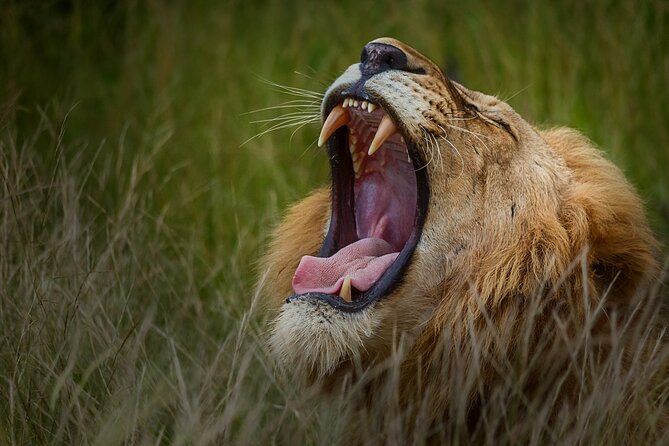
As the day continues, you start heading back toward Phalaborwa. The route includes a stop at the Olifants River high-water bridge, where you can slow down and focus on animals and birds along the river system and its banks.
This section is valuable because it breaks the “constant chase” feeling that long safari days can create. Along a river, you often get a different kind of viewing: animals approaching water, birds working the shoreline, and a more scenic, relaxed pace. Even if you don’t have a dramatic predator sighting, river time can still deliver strong wildlife encounters—and good photo opportunities too.
You’ll then continue by vehicle for several hours, with time for wildlife and birds while the light shifts into late afternoon. This is when small details start to matter: ripples in the water, movement behind reeds, and the way animals react to vehicles at a distance. If you’ve ever wondered why some safari days feel “full” even without a big headline animal at every stop, it’s often because this kind of river-banks viewing fills in the gaps.
One practical note: late day can bring cooler temperatures. The included ponchos help a lot if the weather turns, and having that comfort gear means you stay in the viewing mood instead of craving warmth.
Wildlife photo habits for an open-vehicle day
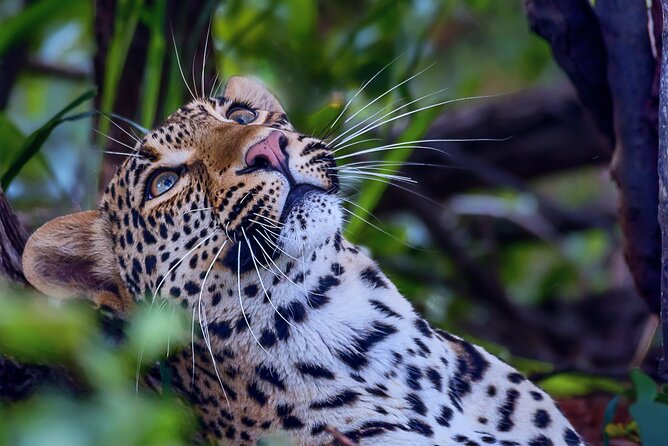
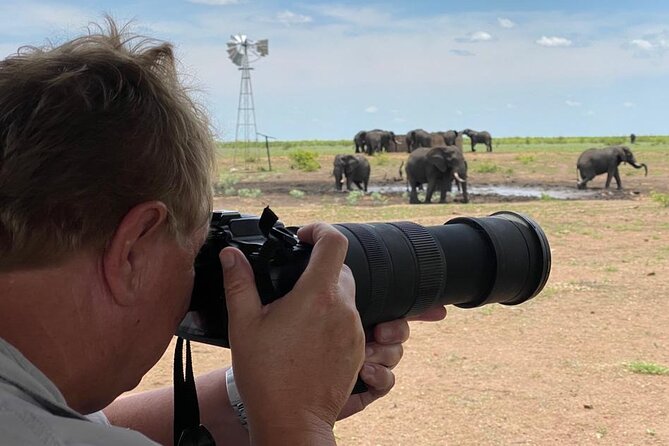
If you care about photos, this tour’s setup helps. Open vehicles mean fewer reflections and better angles, especially when animals are at a distance. Still, your own habits matter, so here are a few things I’d do to maximize your chances.
First, keep your camera settings ready before the guide slows down. In Kruger, the good moments don’t always last long. Second, remember that animals often appear around habitat edges: along roadlines, near water, or where grasses break. The guide’s job is to spot that first sign, and your job is to be ready when it happens.
Third, use the vehicle time wisely. Because this day includes breaks (breakfast, elephant museum, lunch), you can also pause your photo effort strategically. When you’re standing or sitting with your gear after a meal break, reset your lenses and power. A long day is easier if you treat it like one continuous workflow, not a series of separate mini-safaris.
Finally, don’t ignore birds. The park’s reputation includes around 500 bird species, and river sections are where birds can steal the show with movement and color. Even a “minor” bird sighting can give you a win for your memory set because the day has so many possible themes.
Price and logistics: what $172.25 really includes
At $172.25 per person, you’re paying for more than just a vehicle ride. The SANPARKS conservation fees are included, along with a friendly, qualified nature guide and a full day open vehicle safari. You also get breakfast and light lunch, bottled water, and comfort items like ponchos and beanbags.
When you look at it as a package, the value makes sense for a few reasons:
- You’re covering a full day of driving time, not a short outing.
- Meals are built in, which saves you the stress (and cost) of trying to feed yourself while in transit.
- Private format usually means less time wasted and more attention on your group’s pace.
- The elephant museum stop adds structure to the day, which can be a nice mental break after hours of scanning the bush.
The biggest logistics consideration is location. The meeting point is Phalaborwa Gate (with free pickup/drop-off in Phalaborwa town). If you’re staying in or near Phalaborwa, you’re in good shape. If you’re coming from farther away, double-check how your arrival time matches the early start, because this tour runs when the park is most active.
Also, this is designed for adults and young people who can manage a long day: no children under age 3.
Who this Kruger private safari suits best
This safari fits best if you want a focused day in Kruger without the big-group chaos. I think it’s especially good for:
- Couples and small groups who want time with a guide rather than bouncing between vehicles
- First-timers who want both driving and context at Letaba Elephant Hall
- People chasing predator chances in the Satara region
- Photo-minded visitors who value an open-vehicle setup and longer viewing blocks
It’s less ideal if you want only the fastest possible animal encounters with zero museum time. The elephant hall stop is part of the rhythm here, and it’s not trying to pretend it’s just another quick roadside stop.
If you’re the type who gets impatient in the middle of a long drive, you’ll need to treat the safari like a full-day experience. The structure—food breaks, ecosystem changes, then river time—helps, but you still have to enjoy the hunt.
Should you book this private full-day Kruger safari?
If you’re planning a Kruger day and you can handle the early start, I’d strongly consider booking. This route makes practical sense: start with morning driving, add context at Letaba Elephant Hall, focus long hours in the Satara predator area, then slow down at the Olifants River. The private format and included meals and comfort gear make it feel like a day someone designed for your actual enjoyment.
Book it if you want value that’s built into the experience, not value that comes from cutting corners. Skip it only if you’re sure you don’t want a museum stop or you need a shorter outing.
FAQ
FAQ
How long is the private full-day safari in Kruger?
It runs about 10 to 11 hours.
Where does the safari start?
The meeting point is Phalaborwa Gate at Kruger National Park. The activity ends back at the meeting point.
Does the tour include meals?
Yes. You get breakfast and light lunch, plus snacks and bottled water.
Is SANPARKS fee included?
Yes. SANPARKS conservation fees are included.
Is this tour private?
Yes. It’s a private tour/activity, so only your group participates.
Is pickup available?
Pickup and drop-off in Phalaborwa town is offered for free. Transfer from Phalaborwa gate is also available on request.
Are there any age limits for children?
Yes. No children under age 3 are allowed.