REVIEW · SOUTH AFRICA
Full Day Private Kruger Park Safari
Book on Viator →Operated by KPS Safaris & Tours · Bookable on Viator
If you only have one day in Kruger, this full-day private safari is built for maximum wildlife time. You’ll roll out before sunrise for better predator odds, ride in an open-top 4×4 for clear views, and let a guide steer the day based on what’s actually happening on the ground. Two things I especially like are the private format (no detours for other groups) and the open-top 4×4 setup, which makes it much easier to spot animals and actually see what the guide points out.
There is one catch to plan for: the price covers the safari experience, but it does not include Kruger entrance and conservation fees or lunch—so you’ll want to budget a bit extra when you get there.
In This Review
- The Private Kruger Safari, at a glance
- Key things that make this safari worth your time
- Early start: what 5:00 AM really buys you in Kruger
- Open-top 4×4 viewing: clearer shots and less missed action
- Your guide’s job: turning a huge park into a smart day
- The morning drive: entering Kruger and searching for the Big Five
- 10:00 brunch at a picnic site: the pacing reset
- 12:30 lunch at a rest camp: plan for your own meal
- Afternoon game viewing: 14:30 to 18:00
- What’s included vs. what you’ll pay for separately
- Price and logistics: is $143.78 a good deal?
- Who this safari fits best
- Should you book this private Kruger Park safari?
- FAQ
- What time does the safari start and finish?
- Which gates do you enter through?
- Is pickup included?
- What’s included in the price?
- What’s not included?
- What if weather is bad?
The Private Kruger Safari, at a glance
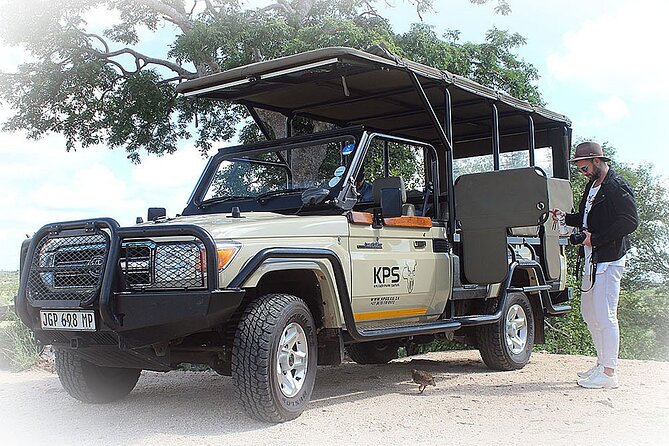
This is a 10-hour, early-start safari designed to help you see a wide range of animals, including the Big Five: lion, elephant, leopard, rhino, and Cape buffalo. You’ll also have a strong chance at sightings outside the Big Five—think giraffe, zebra, hippo, crocodile, and lots of birds—because the route and stops can shift with wildlife sightings.
The driver/guide also shares practical info about animals’ behavior, plus vegetation and the park’s history. That matters because Kruger is huge—7,523 square miles (19,485 square kilometers). A guide helps you make smarter stops instead of just driving aimlessly and hoping.
Key things that make this safari worth your time
- A 5:00 AM departure gives you the hours when predators are most active
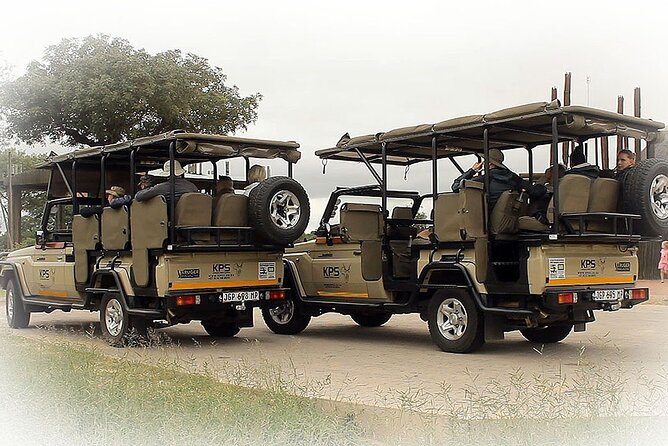
- Open-top 4×4 visibility helps you get clean sightlines from the vehicle
- Private vehicle = no pickup delays waiting on strangers
- A guide who reads the park so your day adapts to what you’re seeing
- Brunch at a picnic site keeps the morning going without rushing
- Lunch is on your own at a rest camp, so bring cash/plans for food
You can also read our reviews of more tours and experiences in South Africa.
Early start: what 5:00 AM really buys you in Kruger
The day begins before sunrise. That sounds intense, but in Kruger it’s the difference between spotting wildlife and just driving past it. Predators like lion and leopard tend to be more active early. Later in the day, they often slow down, and many sightings become more about what’s grazing or lounging rather than hunting or moving.
This tour leaves around 05:00 and enters the park around 05:30, so you waste very little daylight. You’re also starting early enough to beat the mid-morning crowds that can build up in popular areas.
A practical tip: in early morning safari light, animals can be dark silhouettes at first. Give yourself a minute to adjust your eyes, and keep your attention on the guide’s spotting cues. The best sightings often come after you’ve learned what to scan for: movement, stillness, tracks near water, and sudden bird reactions.
Open-top 4×4 viewing: clearer shots and less missed action
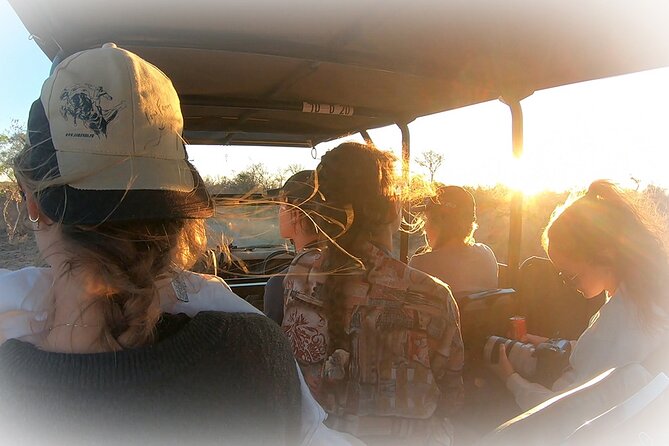
Kruger is one of those places where being inside a closed vehicle can feel limiting. Here you’re in an open-top 4×4, which means fewer visual barriers. It’s easier to track animals as they move across the road or shift into thicker brush. And when the guide stops and points out something small—like birds or a camouflaged animal—you’ll see it sooner.
There’s also a comfort upside. You’ll be in motion for hours, and open-air wildlife viewing keeps the experience from feeling sealed-off. You might still get dusty, cool, or sun-blasted depending on the season, but that’s just part of the real deal.
If you’re the type who loves photos, you’ll appreciate the freedom to look around the vehicle. If you’re more “spot it with your eyes first,” you’ll also feel less boxed in while scanning for movement.
Your guide’s job: turning a huge park into a smart day
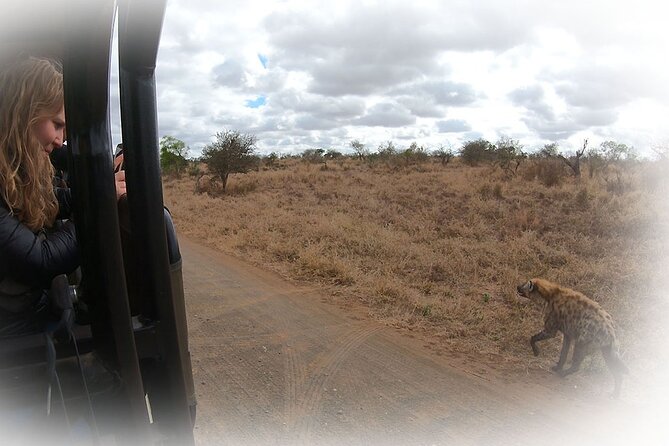
Kruger is massive. The tour covers plenty of terrain over the day, and the exact parts you visit can vary based on sightings. That flexibility is important because wildlife doesn’t stick to your schedule.
This safari is driven by your private professional guide and driver, who shares information throughout the day. Based on the details provided, the guide focuses on animal behavior in the wild, plus vegetation and area history. That’s not just trivia. It helps you understand why animals are where they are—especially around water sources and feeding areas—and it makes the sightings feel connected instead of random.
One of the strongest pieces of feedback centered on the guide experience. The name Heine stands out in the review highlights, described as doing a great job at making the day successful for many animal sightings, while also staying careful about safety. The guide also gets credit for keeping the day comfortable with snacks.
The morning drive: entering Kruger and searching for the Big Five
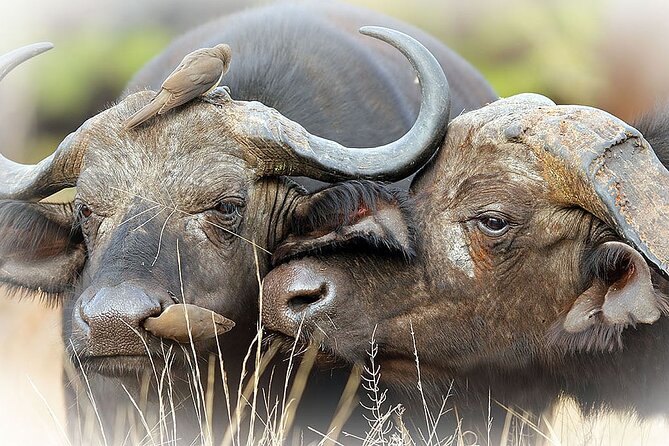
After departure, you enter Kruger through either Orpen Gate or Phalaborwa Gate (depending on your route). Getting in early matters because it gives you time to cover different possibilities before the day warms up and animal movement changes.
The goal of the morning is simple: find active animals and maximize predator odds. That’s when you’re most likely to see lions and leopards during more active hours. You’ll also watch for elephants and Cape buffalo, which can show up in different kinds of habitats and near roads depending on the day.
As the morning progresses, you can also pick up other species—birds, plus larger mammals like giraffe and zebra. Water-adjacent sightings are possible too, and the day’s description specifically includes chances to see hippo and crocodile, along with other animals you might spot while moving between areas.
A key point: you’re not just doing one straight-line route. You’ll travel through various parts of the park across the day. That approach increases your chance of different sightings rather than banking everything on one area.
10:00 brunch at a picnic site: the pacing reset
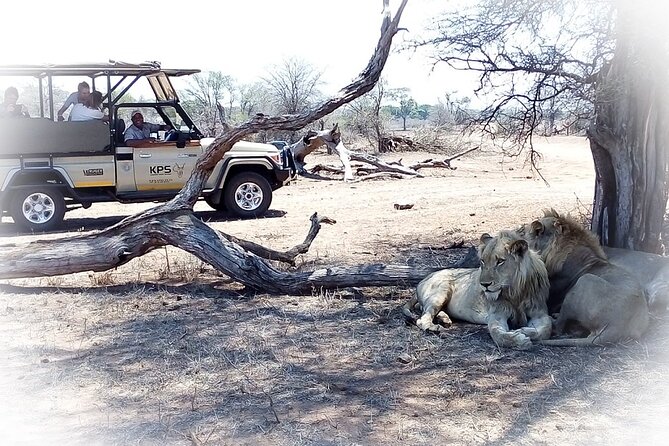
Around 10:00, the tour stops for brunch at a picnic site. This is a smart mid-morning break. Early safari hours can be intense—your brain is scanning constantly—and a meal break gives you a moment to recover without losing the momentum of the drive.
In the included items, you’ll get a packed breakfast, plus soft drinks, water, and snacks. That makes the brunch stop feel less like a random interruption and more like part of a steady rhythm.
What I like about this setup is that it keeps you from turning the day into a long waiting game. You’re not burning the best wildlife hours with a late, rushed food plan.
12:30 lunch at a rest camp: plan for your own meal
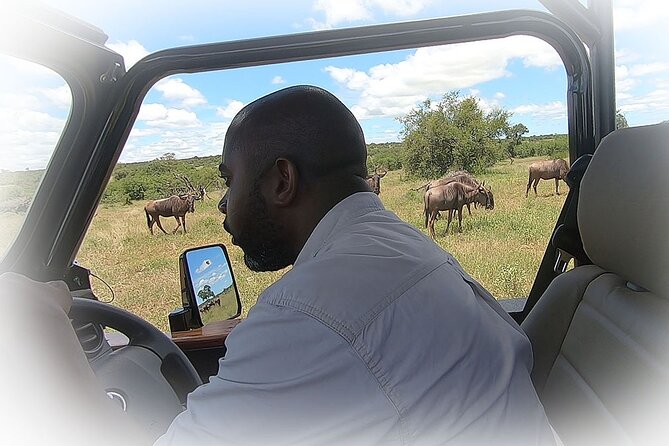
Lunch happens around 12:30 at a rest camp, but it’s listed as own account. That means your safari cost covers the driver/guide and key refreshments, but not the meal itself.
This is worth planning for. Rest camp lunches can be convenient, but they can also take time—time you’d rather spend watching for animals. The good news is you still get a full afternoon of game viewing after lunch.
If you want to keep your day smooth, eat at a steady pace and be ready when the group is called back to the vehicle. In safari terms, downtime is fine. Long, slow meals can steal wildlife hours.
Afternoon game viewing: 14:30 to 18:00
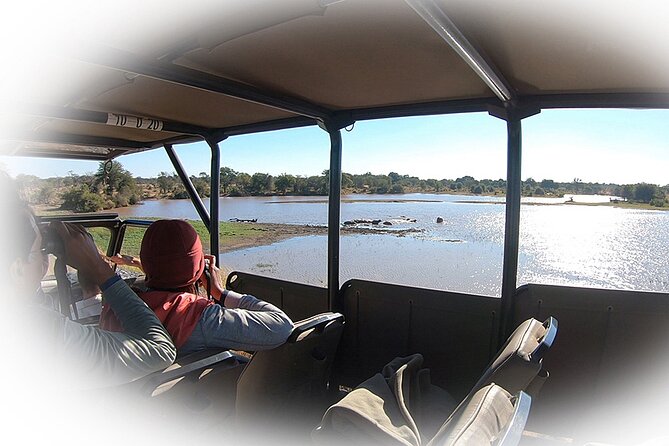
After lunch, you head back out around 14:30 for more game viewing. Midday can be slower for predators, but the afternoon still offers plenty of opportunities—especially for elephants, buffalo, giraffe, zebra, and bird life. Plus, animals often move in patterns around water and shade, so you can still get excellent sightings even if it’s not prime hunting time.
You’re back at your lodge around 18:00, which works well for a full-day safari. It keeps the day from stretching into fatigue territory and ensures you still have a bit of evening energy afterward.
Also, because the tour can shift based on what you’re seeing, your afternoon isn’t locked into one idea. If the morning produced certain sightings, your route later may follow the most promising areas at that moment.
What’s included vs. what you’ll pay for separately
The pricing structure here is straightforward once you separate the safari service from the park costs.
Included:
- Qualified guide/driver
- Packed breakfast
- Snacks
- Soft drinks and bottled water
- Fuel
- Mobile ticket (and pickup is offered)
Not included:
- Kruger Park entrance and conservation fees
- Lunch (you pay at the rest camp)
Here’s how I think about value. You’re paying for the guide skills, the vehicle, and the food/water support that keeps you comfortable during long hours. The extra park fees and lunch are the “choose-your-spending level” part. If you’re budget-conscious, consider packing your own extra snacks beyond what’s provided, especially if you have dietary needs—your guide supplies snacks, but you control the extras.
Also note the minimum booking requirement: the service requires at least 4 passengers per booking. That doesn’t usually matter for you if you’re booking with a group, but if you’re booking solo, it may affect availability.
Price and logistics: is $143.78 a good deal?
At $143.78 per person for an approx. 10-hour private safari, you’re not buying a “drive-by” experience. You’re paying for time, vehicle access, guide interpretation, and the comfort layer (breakfast, snacks, water, soft drinks).
The standout value piece is the private format. No waiting on other parties means you can actually stick to the early schedule. Since Kruger wildlife doesn’t care about human calendars, that time matters.
One more practical note: confirmation is received within 48 hours of booking, subject to availability. That’s good if you’re planning ahead, and it also signals the tour isn’t guaranteed until the operator checks availability.
Who this safari fits best
This safari is a strong fit if:
- You want a full-day Kruger experience without sharing the vehicle with strangers
- You value a guide’s wildlife insights rather than pure sightseeing
- You’re serious about early predator chances, but you still want variety throughout the day
It’s also a good choice if you want simple comfort support. The tour includes breakfast, snacks, and drinks, which helps you focus on wildlife rather than logistics.
If you hate early mornings, you might feel the 5:00 AM start. But if you can handle one early wake-up, you get a day tailored for animal sightings instead of midday luck.
Should you book this private Kruger Park safari?
I’d book it if your priorities are clear sightlines, early timing, and a guide-led day that adapts to sightings. The open-top 4×4 and the private vehicle structure make this feel like a focused outing, not a long bus ride with stops.
I’d think twice if you’re looking for a fully all-in package. You’ll still need to budget for entrance/conservation fees and lunch on your own. Also, this experience requires good weather; if weather turns bad, the plan may shift to another date or a full refund.
If you want the best chance at seeing a lot in one day—and you like the idea of getting serious about Kruger early—this is a solid choice.
FAQ
What time does the safari start and finish?
The safari departs at about 05:00 and returns to your lodge around 18:00, for an approx. 10-hour full day.
Which gates do you enter through?
You’ll enter the park through either Orpen Gate or Phalaborwa Gate, depending on the route.
Is pickup included?
Pickup is offered, and the service includes transport as part of the safari experience.
What’s included in the price?
The tour includes a qualified guide/driver, packed breakfast, snacks, soft drinks, bottled water, and fuel.
What’s not included?
Kruger Park entrance and conservation fees are not included, and lunch at the rest camp is listed as own account.
What if weather is bad?
This experience requires good weather. If it’s canceled due to poor weather, you’ll be offered a different date or a full refund.