REVIEW · HERMANUS
Marine Big 5 Safari with transport from Hermanus
Book on Viator →Operated by Marine Dynamics Whale Tours · Bookable on Viator
Waves, whales, and penguins in one morning. This cruise-style outing aims for the Marine Big 5—dolphins, African penguins, Cape fur seals, great white sharks, and whale species—guided by a marine biologist and a crew built around safety and sea conditions. It’s the kind of tour where you’re not just looking out at the water; you’re learning what you’re seeing while you go.
I especially like the way the day is set up so you don’t spend your energy on logistics. Hotel pickup and drop-off in Hermanus makes it simple, and the crew keeps things organized in a small group (up to 45 people). The other big plus for me is the comfort-minded gear and food rhythm: inflatable life-jackets and wet-weather gear are provided, plus tea and coffee on arrival and warm soup and bread after.
One thing to keep in mind: the boat experience depends on weather. When it’s choppy, you’ll feel it, and you’ll be out in the elements since seating is open (no roof/indoor refuge). Plan to dress for wind and spray.
In This Review
- Key Things I’d Pay Attention To
- Getting From Hermanus to Dyer Island: Faster Than You Think
- The Marine Big 5: What You’re Chasing (And What You’ll Learn)
- Safety Gear and Sea Reality: Comfortable, But Dress for Spray
- Stop at the Great White House Area: Coffee, Briefing, Then Out to Sea
- On the Water With Marine Dynamics: Your Best Chances for Whales and Sharks
- The Return and the Warm-Up: Soup and Bread After the Waves
- African Penguin & Seabird Sanctuary (APSS): Conservation With a Human Purpose
- Price and Value: Why $164.49 Can Make Sense Here
- Who This Tour Fits Best (And Who Might Reconsider)
- Practical Tips to Get the Most Out of Your Marine Big 5 Day
- Should You Book This Marine Big 5 Safari From Hermanus?
- FAQ
- What is the duration of the Marine Big 5 safari with transport from Hermanus?
- What wildlife are you likely to see on this tour?
- Is hotel pickup and drop-off included?
- Is there a chance of seeing southern right whales?
- What about humpbacks and Bryde’s whales?
- Does the tour include safety equipment and weather gear?
- Is food included during the tour?
- Do you visit a penguin sanctuary during the tour?
- Is the APSS entrance included?
- What happens if weather is poor?
Key Things I’d Pay Attention To
- Hotel pickup from Hermanus saves you a headache and starts the day on time.
- Inflatable life-jackets and wet-weather gear are included, so you can focus on wildlife.
- Small group feel with a crew member for about every 6–7 guests.
- Open ocean spotting is the main event: whales, sharks, seals, penguins, and dolphin possibilities.
- African Penguin & Seabird Sanctuary (APSS) adds a real conservation layer to your trip.
- Food is built in: tea/coffee and muffins up front, warm soup and bread after.
Getting From Hermanus to Dyer Island: Faster Than You Think
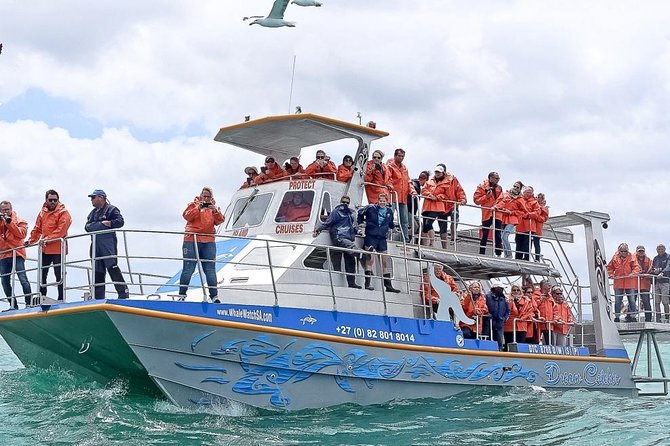
From Hermanus, this is set up as a transport-forward safari day. You get hotel pickup and drop-off, then you’re on your way toward the boat operation area around Dyer Island and Gansbaai.
Why I like this approach: whale and shark trips live or die by timing and weather. If you’re driving yourself, you can easily end up late, stressed, or stuck sorting parking while the sea state changes. With pickup included, you just show up and get briefed.
Also, expect an early start when conditions call for it. One common pattern is leaving the hotel around 6:00am when the team is working around forecasts. That means you should treat this as a morning commitment, not a relaxed late start.
The Marine Big 5: What You’re Chasing (And What You’ll Learn)
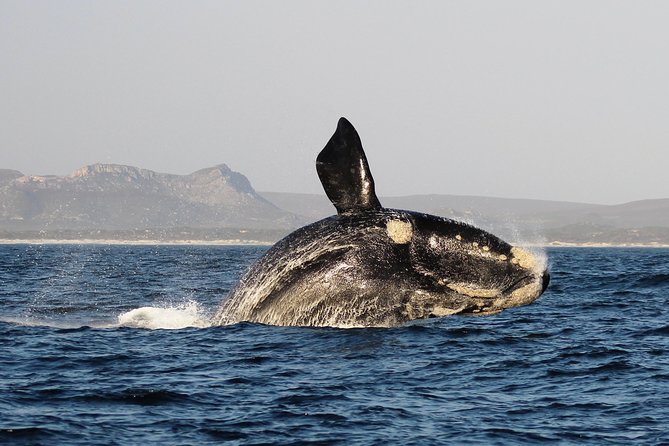
The “Marine Big 5” concept here is animal-focused, but it’s also learning-focused. The goal is to watch for:
- Dolphins (various visiting species)
- African penguins
- Cape fur seals
- Great white sharks
- Whale species (southern right, humpback, and Bryde’s, depending on season)
Here’s the practical context. Southern right whale season is typically June–December. Outside that peak window, you may still see humpbacks or Bryde’s whales sometimes, if conditions line up.
You’ll also hear guided commentary on the marine environment while you’re heading out. That matters because it turns a random “we saw something” into “I know why it’s here and what it’s doing.” And when the marine biologist is on board, the talk tends to connect directly to what’s floating past you.
Real talk: you can do everything right and still miss one species on a given day. That’s not a flaw in the experience. It’s the ocean. What makes this tour worth it is that the crew is working with local knowledge and safety-first protocols so you get your best shot.
Safety Gear and Sea Reality: Comfortable, But Dress for Spray
This is not a casual “sit and forget” boat trip. You’ll be out on the water in real sea conditions, so the included gear and the crew’s procedures are a big part of the value.
You’ll have:
- Inflatable life-jackets
- Wet weather gear
- All safety equipment provided
- A dedicated safety briefing and conservation talk
A key point from actual day-to-day experience: the boat is built so you’re in the elements. There isn’t inside seating or a roof cover. That means wind and mist can become part of the trip, especially in early hours.
So you’ll want to dress like you’re going to be damp and chilly, not like you’re going to dinner. I’d bring:
- Warm layers (even if it’s not cold on shore)
- A waterproof outer layer if you have one
- Hat and sunglasses for spray
- Non-slip shoes or sturdy footwear
And yes, it can get choppy. When it does, you’ll feel the motion. The flip side is that choppiness often comes with a bit of edge to the whole experience. You’re working harder to see, and then the first proper sighting hits you harder.
Stop at the Great White House Area: Coffee, Briefing, Then Out to Sea
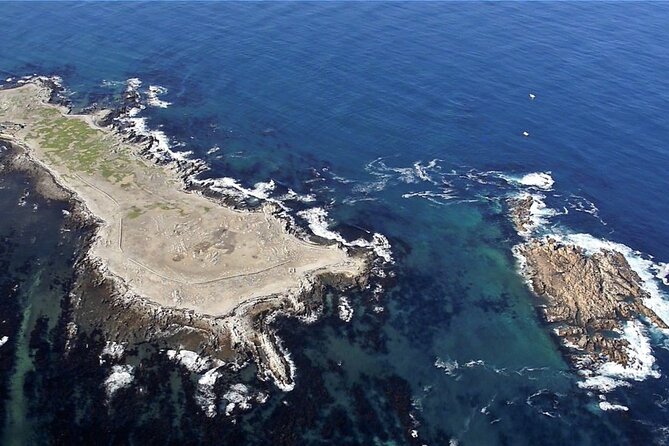
Before you’re launched on the water, you’ll spend time at the Marine Dynamics / Great White House area. This is where the day gets “serious” in a friendly way.
Expect:
- Coffee or tea and muffins on arrival
- A focused safety and conservation briefing
- Your group getting ready for the boat
This pre-boat time is useful. It helps you understand how the crew runs spotting, what to do when conditions change, and why they’re so strict about safety procedures. It also reduces that common first-trip confusion of where to stand, where to board, and what the plan is.
One small practical tip: if you’re with hotel transport, make sure you know where check-in happens once you reach the Great White House area. If something feels unclear, ask the staff directly. People can end up standing around waiting because the driver and the group meeting point aren’t always obvious at first glance.
On the Water With Marine Dynamics: Your Best Chances for Whales and Sharks
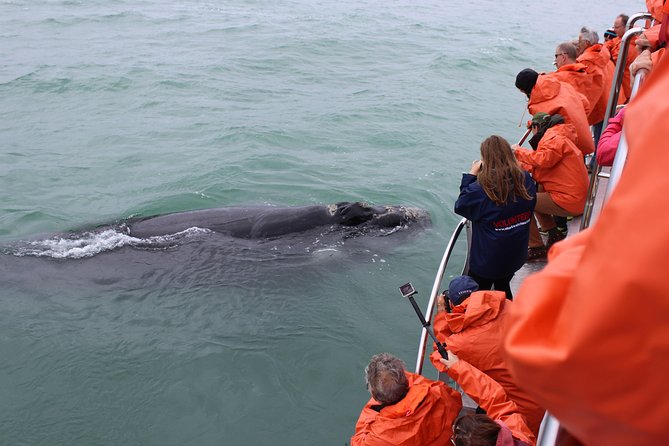
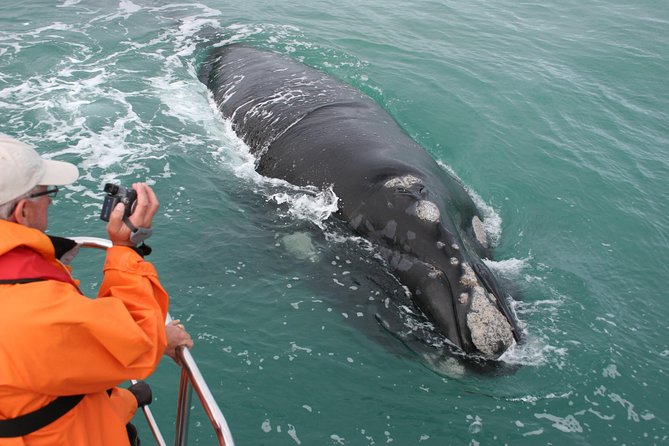
The heart of the experience is the cruise on Dyer Island waters. This is where the “big” sightings tend to happen because the area is famous for marine life concentrations.
As you head out, you’re not just searching blindly. The crew is looking in known zones, and the marine biologist helps interpret what you’re spotting. That can mean explaining behaviors—why a specific species might be circling, feeding, or surfacing.
You’re looking for:
- Southern right whales (seasonal peak)
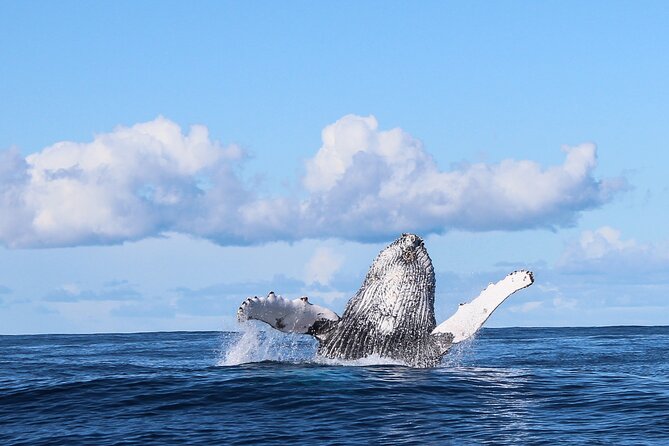
- Humpbacks and Bryde’s whales (more variable, depending on time of year)
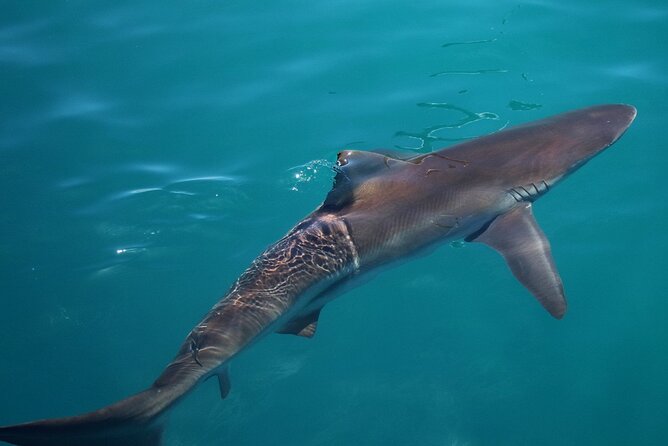
- Great white sharks near known areas such as Shark Alley
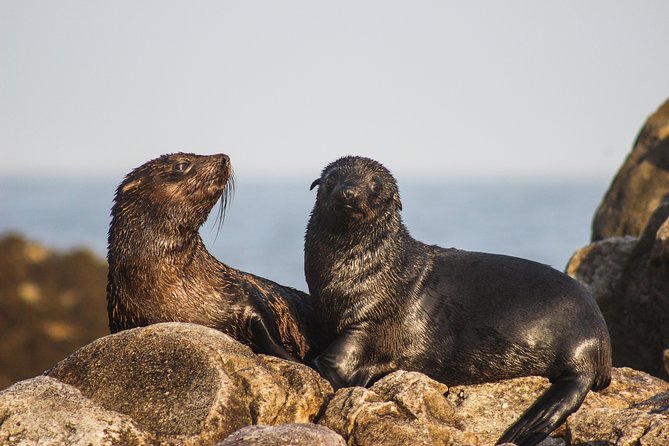
- Cape fur seals
- African penguins (endangered, so every sighting carries extra conservation meaning)
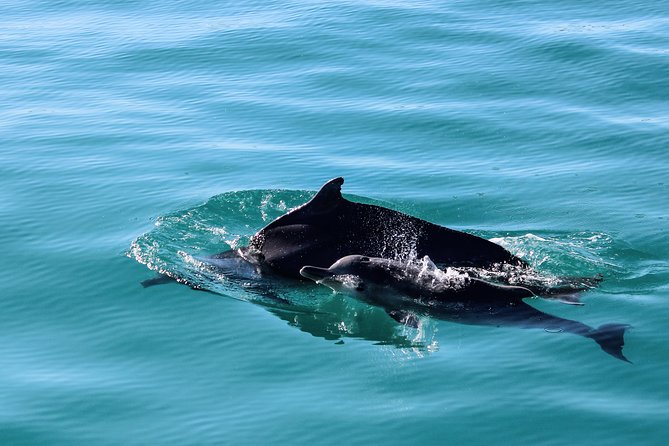
- Dolphins, depending on the day
What I’d call the “value move” here is how the tour is paced. There’s time to get underway, time for spotting, and time to absorb the commentary. And because the group is capped and crew support is strong, you’re not shoved into chaos where half the boat can’t see.
Boat comfort is also part of the equation. Reviews describe it as big and comfortable for the passenger count, even though you’re exposed to the weather. That combination—space plus gear—helps you stay focused on the view instead of fighting discomfort.
The Return and the Warm-Up: Soup and Bread After the Waves
When you come back, you’re not left to fend for yourself. The tour includes warm soup and bread after the trip, plus bottled water during the experience.
Why that matters: after time on open water, your body cools down fast. Warm food isn’t just a nice extra. It’s what makes you actually enjoy the post-sighting wrap-up instead of feeling chilled and hungry.
If you’ve had rougher seas, this warm stop can feel like a reset button. You’ve done the work of looking and bracing; now you get to thaw out.
African Penguin & Seabird Sanctuary (APSS): Conservation With a Human Purpose
One reason this tour feels more meaningful than a pure “spot the animal” outing is the built-in visit to the African Penguin & Seabird Sanctuary (APSS).
You get an included, focused visit (about 15 minutes). This is a custom-designed marine bird rehabilitation centre in the Overstrand area. The sanctuary provides temporary care for seabirds that are:
- Diseased
- Displaced
- Injured
- Oiled
- Abandoned
African penguins are the main focus, and the sanctuary ties rescue and rehabilitation directly into broader conservation management plans. Continued research and education are part of how they try to reduce human impacts on the colonies.
Why I’d prioritize this stop: it connects the wildlife you hope to see at sea to the real-world conservation work happening on land. Even if you only catch one penguin offshore (or none), you still leave with a clearer picture of why they’re endangered and how help is given when they’re in trouble.
Price and Value: Why $164.49 Can Make Sense Here
At $164.49 per person, this isn’t a budget activity, but it’s also not just a generic boat ride.
Here’s what you’re paying for in practical terms:
- Transport with hotel pickup and drop-off in Hermanus
- A small group experience (max 45)
- Included safety and comfort support (inflatable life-jackets and wet weather gear)
- Guided spotting with professional guide and marine biologist involvement
- Food included (tea/coffee and muffins, plus warm soup and bread after)
- A conservation-linked add-on: included entrance to APSS
- The boat ride itself targets premium wildlife zones around Dyer Island
If you tried to replicate this on your own—transport, boat, guides, and the sanctuary visit—you’d likely spend more in time and money. The bundled approach is the value play.
One extra cost to note in your mental math: the conservation fee is compulsory. The tour also notes that trip footage is available for purchase after, but that’s not included.
So I’d view the price as paying for access, planning, and interpretation—not just for “being on a boat.”
Who This Tour Fits Best (And Who Might Reconsider)
This works well for:
- Wildlife lovers who want a strong chance at multiple species in one outing
- People who enjoy learning while watching wildlife, not just snapping photos
- Families with children who can follow safety directions and tolerate sea conditions (children must be accompanied by an adult)
- Travelers who want both ocean sightings and a real conservation stop on land
You might reconsider if:
- You’re very sensitive to choppy water and motion
- You need constant indoor shelter during a boat ride (this one is open to the elements)
- You don’t have experience with early starts and quickly shifting plans based on weather
Practical Tips to Get the Most Out of Your Marine Big 5 Day
These are the small things that make a difference:
- Dress for wind and spray, not just sun.
- Bring a warm layer even when mornings look mild.
- Arrive with a “flex” mindset. Weather drives the day’s reality.
- If you want photos, plan for some waiting. Uploads can take longer than you expect.
- At the Great White House area, double-check where your group should go after pickup.
If you like calm organization, this tour generally delivers. The crew support ratio (about one crew member per 6–7 guests) helps keep people safe and oriented.
Should You Book This Marine Big 5 Safari From Hermanus?
I’d book it if you want a well-run marine wildlife outing that’s serious about safety and adds conservation context through the APSS visit. The combination of included transport, wet-weather support, real-time guided spotting, and the penguin sanctuary stop is a strong value package.
I’d think twice if rough seas would ruin the trip for you, or if you’re expecting a fully sheltered boat experience. This is an ocean trip first, not a comfortable day cruise.
If you’re the type who wakes up early for a chance at whales, shark country, and penguin conservation work, this one fits.
FAQ
What is the duration of the Marine Big 5 safari with transport from Hermanus?
The tour is listed as about 5 hours total. The time on the activity itself is approximately 2 to 2.5 hours, excluding travel and briefing time.
What wildlife are you likely to see on this tour?
The tour targets the Marine Big 5: dolphins, African penguins, Cape fur seals, great white sharks, and several whale species.
Is hotel pickup and drop-off included?
Yes. Hotel pickup and drop-off in Hermanus are included.
Is there a chance of seeing southern right whales?
Yes. Southern right whale season is normally June to December, and the tour operates with the possibility of seeing whales in that seasonal window.
What about humpbacks and Bryde’s whales?
Outside the southern right season, humpback and Bryde’s whales are sometimes spotted in the area.
Does the tour include safety equipment and weather gear?
Yes. You’ll be provided inflatable life-jackets and wet weather gear, along with all safety equipment.
Is food included during the tour?
Yes. Coffee or tea and muffins are served on arrival, and you’ll have warm soup and bread after the trip. Bottled water is also included.
Do you visit a penguin sanctuary during the tour?
Yes. You get a free visit to the African Penguin and Seabird Sanctuary (APSS), with about a 15-minute visit time.
Is the APSS entrance included?
Yes. Entrance to the African Penguin and Seabird Sanctuary (APSS) is included as part of the experience.
What happens if weather is poor?
This experience requires good weather. If it’s canceled due to poor weather, you’ll be offered a different date or a full refund.