REVIEW · MOOREA
Moorea : Safari Nature and Culture Tour with local guide
Book on GetYourGuide →Operated by TE MANA TOUR VR · Bookable on GetYourGuide
VR meets Polynesian culture on Moorea. I like the way this tour pairs Toatea Lookout and bay views with on-site virtual reality reconstructions, including a marae ceremony set in the 17th century.
I also love the small group pace (up to 8 people) and the patient, place-by-place storytelling from guide Christine, who helps you understand how sites like Cook’s Bay and Ōpūnohu connect to early Polynesian history. One catch: it is a half-day and does not include meals, so you’ll want to plan food around it.
In This Review
- Key highlights worth your time
- Why this Moorea VR tour works: history you can see, then visit
- Toatea Lookout: the quick photo stop that sets the tone
- Cook’s Bay: navigator stories and the first connections
- Ōpūnohu Bay and the Opunohu archaeological area: seeing early Polynesia
- Through the tropical forest and into the crater center
- The VR moment: 17th-century ceremony and a naval battle
- Belvedere: a big panorama to close the island loop
- Rotui Juice Factory & Distillery tasting: what you get and what to do with it
- Price and logistics: is $117 worth it for what you’re getting?
- Who should book this Moorea tour, and who should skip it
- Should you book TE MANA TOUR VR in Moorea?
- FAQ
- How long is the Moorea Safari Nature and Culture Tour?
- Where do you get picked up for this tour?
- Is the virtual reality experience included?
- What languages is the tour guide available in?
- Is lunch or a full meal included?
- How large is the group?
- Is food included at the distillery stop?
- What should I bring?
- Who should not book this tour?
- Is free cancellation or pay later available?
Key highlights worth your time
- VR helmet reconstructions on site, including a 17th-century marae ceremony and a naval battle scene
- Toatea Lookout start, with a photo stop over the reef and great orientation for first-timers
- Cook’s Bay guided history, focused on the first navigators linked to Tahiti and Moorea
- Ōpūnohu archaeological stop, with bay views plus guided context for the earliest Polynesians
- Rotui Juice Factory & Distillery tasting, with local fruit drinks and a chance to shop for bottles and juice
Why this Moorea VR tour works: history you can see, then visit
This tour is built for people who want more than a drive-by photo. You get a tight 4-hour route that starts with classic Moorea viewpoints, then moves into forest walks and archaeological areas—while the VR component gives you a “time-anchored” way to understand what you’re seeing in real life.
The big value for me is the combination: real sites on foot plus VR reconstructions supported by the Department of Culture. When you put on the headset, you’re not just watching random sci-fi scenes. You’re getting a guided interpretation tied to specific places—ancient village life, marae ceremonies, myths, and even a naval-battle moment in the bay.
And the small-group size matters. With a limit of 8 participants, your guide has room to answer questions without the whole day turning into a rushed conveyor belt. The tour runs in English or French, and guide Christine is repeatedly singled out for being warm, optimistic, and very clear.
You can also read our reviews of more tours and experiences in Moorea.



Toatea Lookout: the quick photo stop that sets the tone
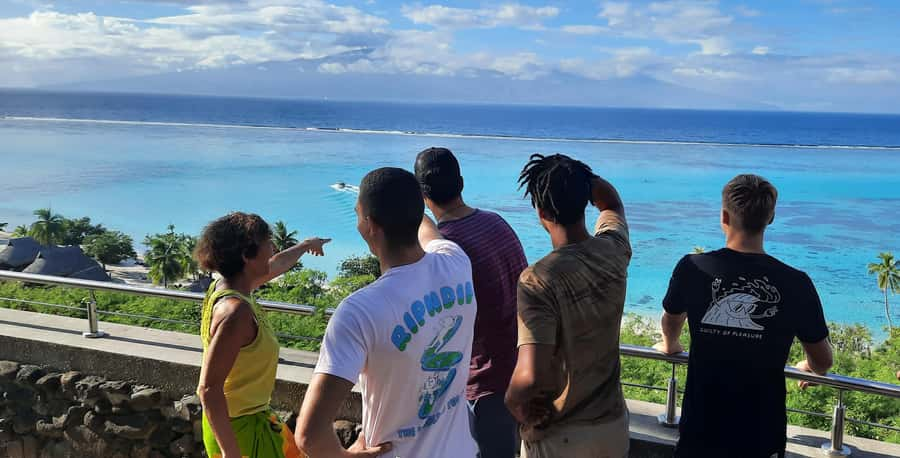
You begin with hotel pickup in the Moorea-Maiao area, then head to the Toatea Lookout for about 20 minutes of photos and orientation. If you’re new to Moorea, this first view helps you understand the shape of the island fast: bays, reef areas, and how the coastline folds into the interior.
Bring your camera for this stop. It is one of those “get your bearings” moments where the rest of the tour makes more sense afterward. Also, wear comfortable clothes that can handle sun and shade—you’ll be outside off and on for the full morning/afternoon block.
Cook’s Bay: navigator stories and the first connections
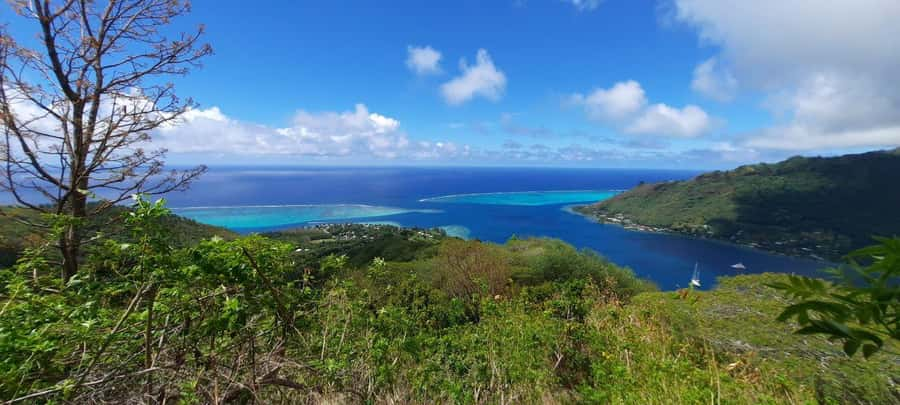
Next comes Cook’s Bay for a guided segment of about 25 minutes. This is where the tour turns from views into story. You’ll hear about the first navigators who discovered Tahiti and Moorea—an angle that feels grounded because it connects travel routes and island knowledge to real geography.
What I like here is that the guide doesn’t treat history as a list of dates. The story is tied to place, and you keep moving so the ideas stay attached to what you’re looking at.
If you prefer factual, place-based explanations, this stop is a good fit. If you’re expecting heavy museum-style detail, you might find it more like a thoughtful introduction that you can build on later.
Ōpūnohu Bay and the Opunohu archaeological area: seeing early Polynesia
You’ll then head to Ōpūnohu Bay with a photo stop and a guided visit of about 25 minutes. From here, the tour starts leaning harder into the archaeological side: the Opunohu site is presented as a way to understand the first Polynesians, their presence, and how the island’s locations mattered.
This is also where the day starts to connect forward to the VR portion later. You’re not just getting one “cool headsets” experience. You’re getting a path: bay views today, reconstructed ceremonies and stories soon after.
Tip: wear shoes you trust. Even when stops are “only” 20 to 25 minutes, you’ll likely stand, walk short distances, and move on uneven ground at viewpoints and heritage areas.
Through the tropical forest and into the crater center
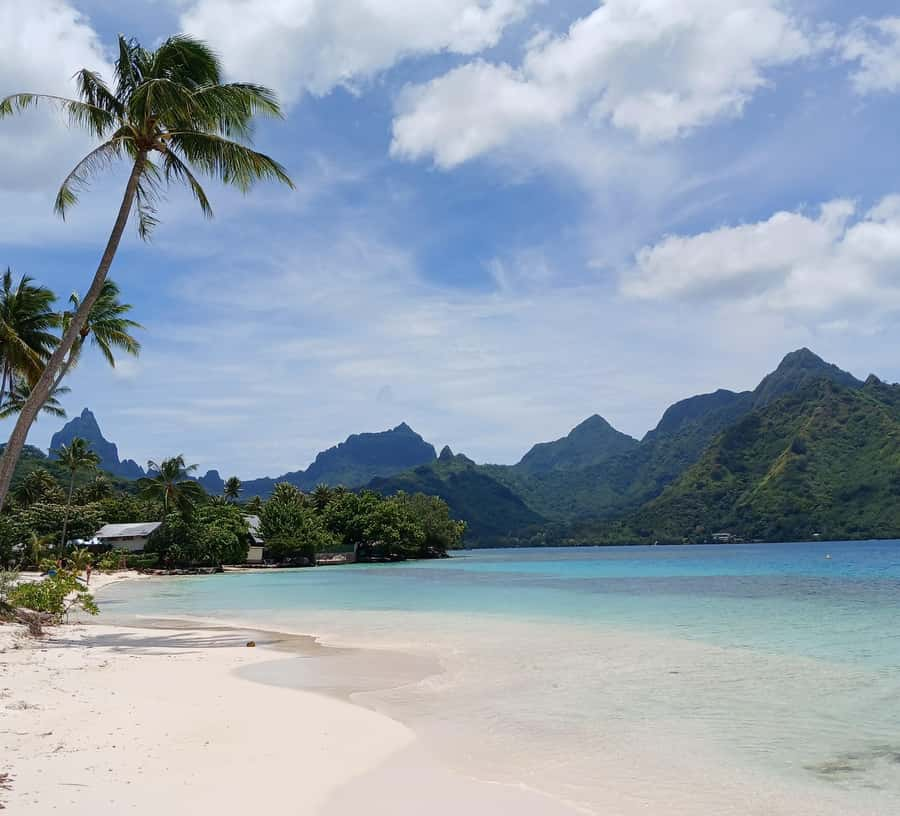
After Ōpūnohu, you get a scenic drive with views plus welcome refreshments for about 35 minutes. This section helps the route feel like more than a checklist. You get glimpses that bridge coast and interior—exactly what you want on Moorea, where the island’s shape is part of the story.
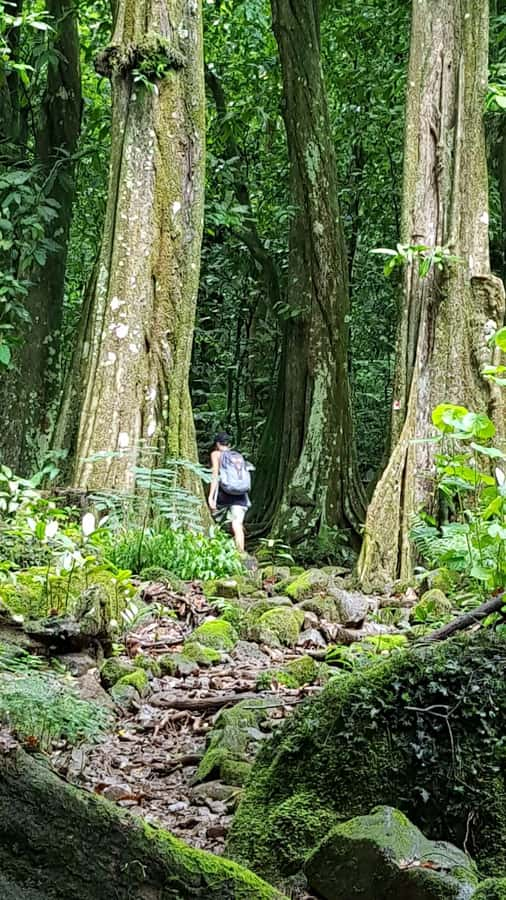
Then comes a longer guided walk of about 45 minutes. The tour description places you after a river crossing in the center of the island’s crater, where you can see the caldera view along with pineapple fields, and there’s also a tasting session tied to this part of the day.
One of the most useful takeaways here is practical: you hear how plant products were used through history, not just that “plants were important.” In particular, there’s focus on agricultural crops and how they connect to everyday life. With the famous Moorea backdrop and the dramatic horizon often described as the Bali Hai view, this part of the tour has that “Moorea in your head” effect: you understand why people remember these shapes.
Possible drawback to keep in mind: this portion is more walking than the earlier photo stops. It’s not described as a strenuous hike, but it is active enough that the shoe choice and insect repellent matter.
The VR moment: 17th-century ceremony and a naval battle
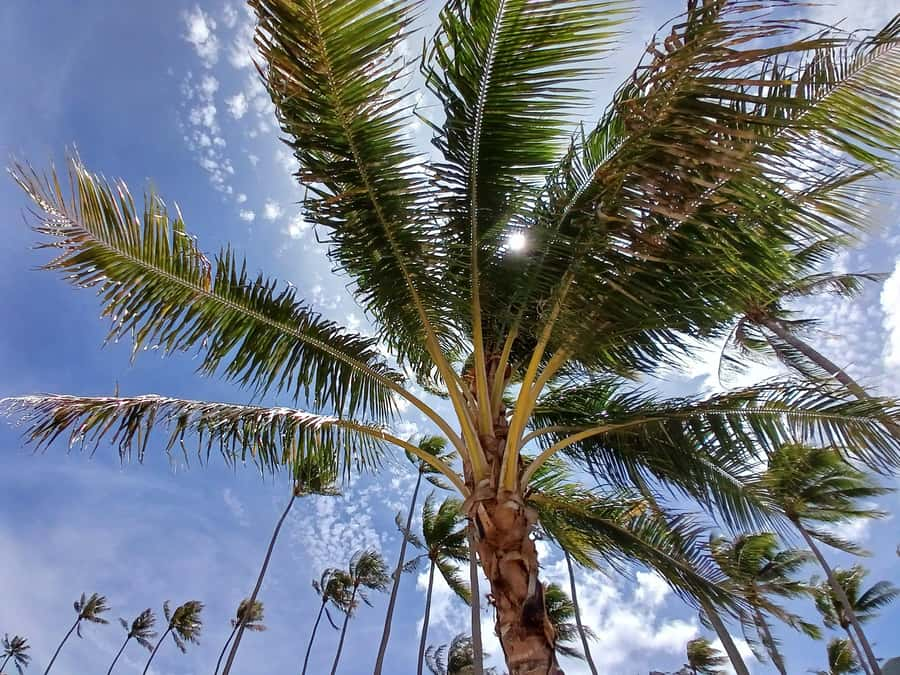
The tour’s headline feature is the on-site VR experience. You’ll put on the VR headsets provided on location and follow reconstructions designed with scientific support from the Department of Culture.
The day’s VR stories are tied to multiple ideas:
- a step back into a reconstructed ancient village
- a ceremony on a marae
- a 17th-century-era naval battle scene in the bay
- myths and legends explained alongside what you’re seeing
This is the main reason I think the VR works better here than it often does elsewhere. The reconstructions aren’t floating on their own. They’re paired with physical places on Moorea, so your brain has something to anchor to.
One practical note: VR can be visually intense for some people. If you’re sensitive to motion, headaches, or you simply don’t enjoy headset time, you might want to arrive with realistic expectations for how long you’ll wear it and what it feels like.
Belvedere: a big panorama to close the island loop
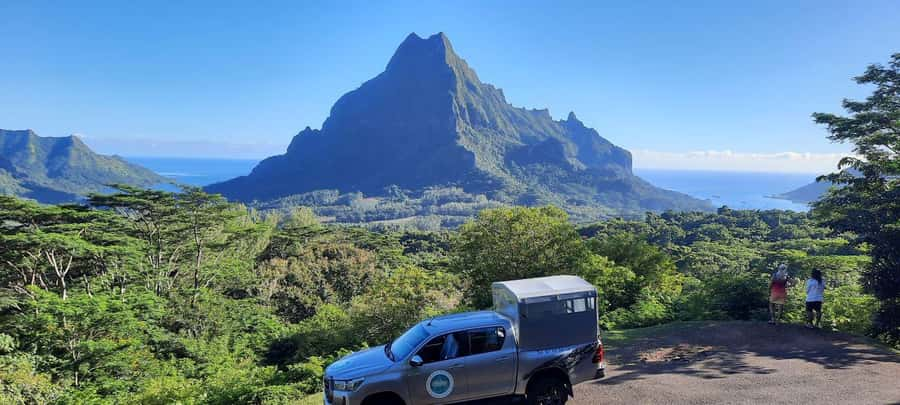
After the VR and crater-area experiences, you head to the Belvedere lookout for about 15 minutes of photo stops and scenic views along the way. This is one of those classic “look at Moorea from above” finishes that helps everything click into place.
The view is specifically framed around Moorea’s two bays. If your mind has been juggling stories about navigation, early Polynesian sites, and changing religious history, this lookout becomes the visual payoff.
And if you’re a person who likes a calm moment at the end, this stop delivers. You get time to look, take photos, and reset before the tasting phase.
Rotui Juice Factory & Distillery tasting: what you get and what to do with it
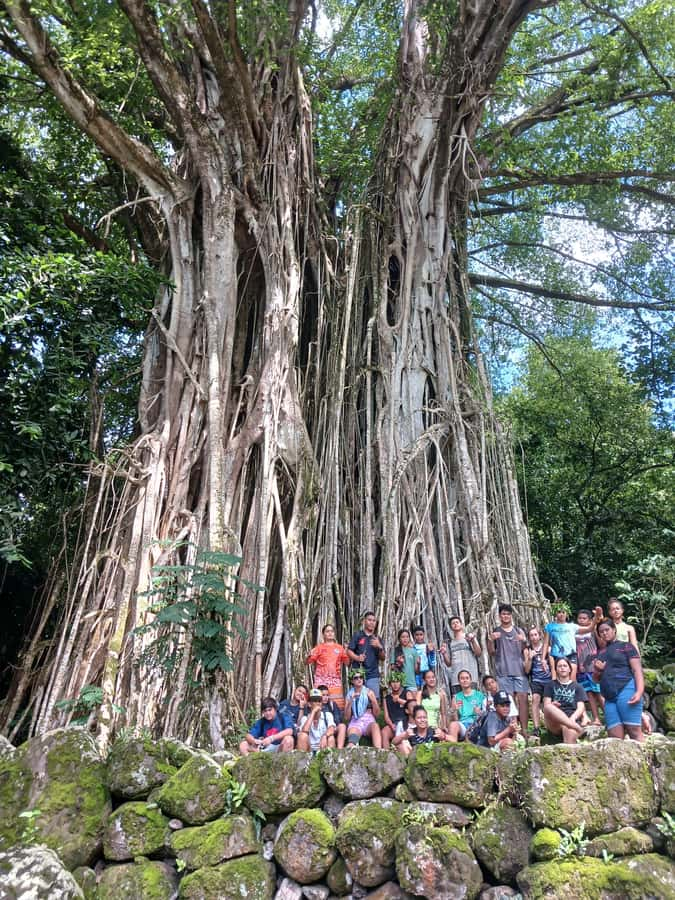
The tour ends with a stop at Rotui Juice Factory & Distillery. Expect a break of around 20 minutes with shopping, and tastings that fit the island’s flavor: tropical fruit juices, punch, and local beer, plus a champagne tasting listed as part of the experience.
This is also where you can turn knowledge into souvenirs. If you like what you taste, you’ll have a brief window to pick bottles or juice to take back. Just remember the tour time is limited, so you’ll need to move briskly if you want both tastings and shopping.
Food-wise, the day does not include meals. That means the tasting is more of a finish and a sampler than a substitute for lunch. Bring water, pace yourself during the walk sections, and plan where you’ll eat after you’re dropped back at your hotel.
Price and logistics: is $117 worth it for what you’re getting?
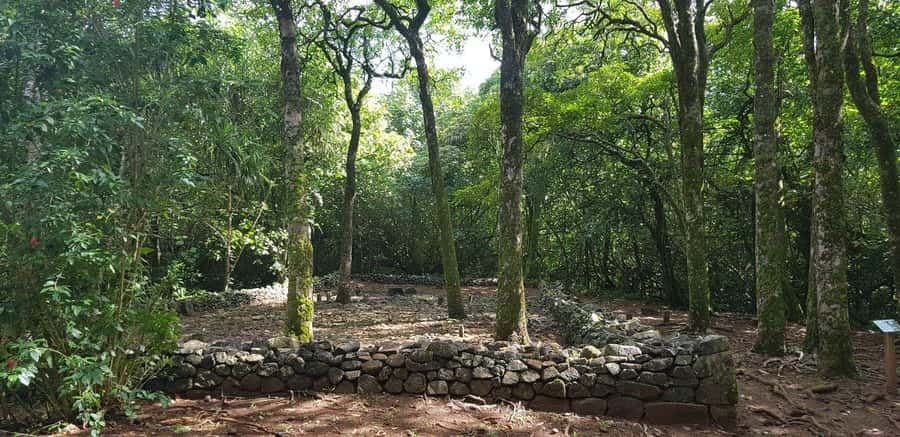
At $117 per person for about 4 hours, the value comes from the package, not from a single “thing.” You’re paying for:
- hotel pickup and drop-off
- a live guide in English or French
- a small group (max 8)
- VR helmet access for the reconstructions
- fruit and juice tasting included in the experience
- transportation connecting viewpoints, archaeological areas, forest sections, and the distillery stop
If you were to pay separately for guided transport, admission-style VR access, and guided interpretation at multiple sites, it would likely add up quickly. Here, the money is spent on cutting down your decision fatigue: you don’t have to figure out which viewpoints pair best with cultural sites, and you don’t have to manage the VR experience yourself.
Where the price can feel less attractive is if you only want one type of experience. If you don’t care about history or you’re not interested in VR, you might feel like the day packs too much into too little time.
Who should book this Moorea tour, and who should skip it
This works best for:
- first-timers on Moorea who want orientation plus culture
- people who enjoy guided stories with a clear link to specific places
- travelers curious about VR history but who want it tied to the real island
- couples and small groups who prefer a max-8 feel rather than big coach chaos
It’s not suitable for people under 5, for pregnant women, for wheelchair users, and for anyone with mobility impairments or back problems. The same age limits apply for very young babies and older adults (not for babies under 1, and not for people over 70 or over 80 depending on the category listed). If any of those apply to you, you’ll likely be better off with a more flexible plan that’s less walking-focused.
Should you book TE MANA TOUR VR in Moorea?
If you want a smart half-day that mixes views, walking, and culture, I’d book it. The VR component is the reason this doesn’t feel like a standard nature-and-photo tour, and the small-group format helps the guide keep it human and interactive.
Book it especially if you like learning that connects the island’s geography to stories: navigators, first Polynesians, marae ceremonies, myths, and how religious change arrived in the early 19th century through Protestant and Catholic missionaries and their temples.
Skip it if you need a meal-included full day, or if walking plus a VR headset sounds like a poor match for your body or comfort level. In that case, Moorea can still be great—just choose a different pacing.
FAQ
How long is the Moorea Safari Nature and Culture Tour?
The tour lasts about 4 hours.
Where do you get picked up for this tour?
Pickup is listed for the Moorea-Maiao area, with hotel pickup and drop-off included.
Is the virtual reality experience included?
Yes. VR helmets are provided on site for the archaeological reconstructions.
What languages is the tour guide available in?
The live tour guide is available in English and French.
Is lunch or a full meal included?
No. The tour does not include meals. Fruit and juice tasting is included, and there is a distillery tasting at the end.
How large is the group?
It is a small group limited to 8 participants.
Is food included at the distillery stop?
Tasting is part of the experience, but meals are not included. The distillery stop focuses on tastings and includes time for shopping.
What should I bring?
Bring comfortable shoes, a camera, water, comfortable clothes, and insect repellent.
Who should not book this tour?
It is not suitable for children under 5, pregnant women, people with back problems, people with mobility impairments, wheelchair users, people over 80, and babies under 1 (and people over 70, based on the listed limits).
Is free cancellation or pay later available?
Yes. You can cancel up to 24 hours in advance for a full refund, and you can reserve now and pay later.