REVIEW · ARUSHA
2 days Mid Range Safari in Ngorongoro and Tarangire Big 5 Parks
Book on Viator →Operated by Moorland Safari and Trekking · Bookable on Viator
Big cats in a two-day sprint. This mid-range safari packs Tarangire and Ngorongoro into one tight plan, so you can chase herds in the heat of the day and then work the famous crater at first light. I like that it’s a small-group trip with everyone getting a window seat in the 4×4, which keeps the views constant instead of bouncing between people.
What I really like is how much is handled for you. Your English-speaking guide manages the driving rhythm, timing, and park details, while meals and camping basics are included—so you’re not juggling logistics at sunrise. One thing to consider: a 5:00 am start means an early night, and you’ll be camping in a tent (with a mattress), not in a hotel room.
In This Review
- Key Takeaways at a Glance
- Two Days to Chase Big Wildlife in Tarangire and Ngorongoro
- Arusha Morning Pickup and the 4×4 Game-Drive Flow
- Tarangire National Park: Elephants, Baobabs, and Dry-Season Drama
- What might be a drawback?
- Ngorongoro Conservation Area Crater: First-Light Density and 500+ Bird Species
- Why the crater feels different
- Seasonal note worth knowing
- Another key cultural detail
- Camping Overnight: Tent and Mattress Comfort on Safari Time
- Small-Group Safari Value: Guides, Seats, and How Sightings Happen
- What You’re Paying For: The $680 Price in Real Terms
- Who This Safari Fits Best (and Who Should Think Twice)
- Quick Tips So You Enjoy It More
- Should You Book This 2-Day Safari?
- FAQ
- What parks are included on this 2-day safari?
- How long is the safari and when does it start?
- Where is the meeting point in Arusha?
- Is pickup and drop-off in Arusha included?
- What transportation is included?
- What meals and camping items are included?
- Are national park fees included in the price?
- What is the cancellation policy?
Key Takeaways at a Glance
- Small-group safari (max 7): more sightings per stop, less crowding inside the vehicle.
- Window-seat viewing in a 4×4: easier to spot animals without constantly shifting positions.
- Two iconic habitats: Tarangire for elephants and baobabs, Ngorongoro for dense crater wildlife.
- Camping included: you sleep with a provided tent and mattress after the game drives.
- Park fees and meals covered: fewer add-ons to budget for during your days out.
- English-speaking guide support: smoother timing on drives and clearer explanations in the parks.
Two Days to Chase Big Wildlife in Tarangire and Ngorongoro
This safari is built like a short, high-impact course in Tanzanian wildlife. You’ll spend Day 1 in Tarangire National Park, then early on Day 2 you’ll be in the Ngorongoro Conservation Area for crater wildlife viewing. The whole thing is designed around maximizing the time you’re actually looking for animals, not sitting around.
The value here is practical. For $680 per person, you’re not only paying for game drives—you’re also getting a 4×4 vehicle, an English-speaking guide, meals across the itinerary, mineral water, national park fees, and camping gear (tent plus mattress). When you strip it down, you’re buying days of driving plus park access plus the “basics you’d otherwise have to organize.”
One small detail that matters: you start at 5:00 am. That early departure is typical for wildlife, but it’s also the main thing that will affect your comfort. Plan on being ready before dawn, and don’t schedule anything intense the night before.
You can also read our reviews of more tours and experiences in Arusha.
Arusha Morning Pickup and the 4×4 Game-Drive Flow
You’ll meet at Shoppers Supermarket in Arusha, and pickup and drop-off in Arusha can be arranged. From there, the plan is straightforward: breakfast, then drive into Tarangire on Day 1, and head back out early for Ngorongoro on Day 2.
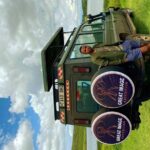
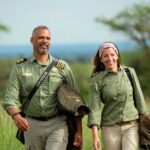
Inside the vehicle, the trip’s small-group setup really changes how it feels. With a maximum of 7 travelers and everyone getting a window seat, you’ll spend less time squeezing for a view. In places like Tarangire and the Ngorongoro crater rim, that matters because sightings can be quick and the best viewing points change as animals move.
Also, you’re not managing the “how” of safari logistics. The guide is doing the timing and park-side decision-making, so you can focus on the actual experience—watching behavior, not paperwork.
Tarangire National Park: Elephants, Baobabs, and Dry-Season Drama
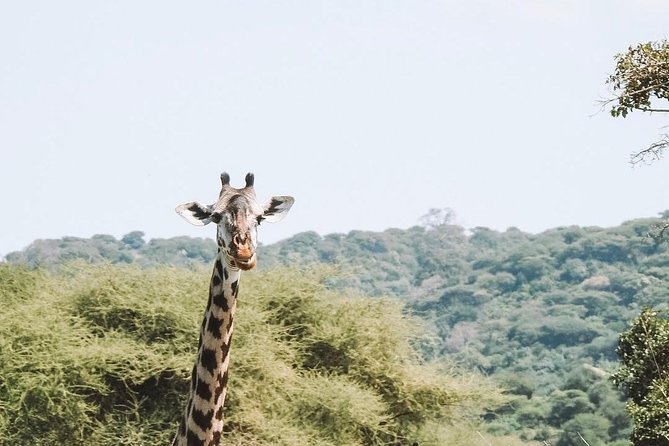
Tarangire is a great choice for a short safari because the park has a distinct look and a strong wildlife focus. Your Day 1 starts with a scenic drive into the park (about 8 hours total day time, with roughly 3 hours at the park itself listed for the stop).
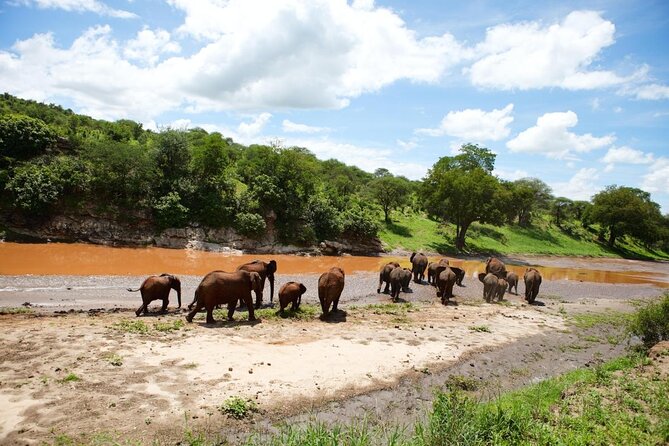
This is where you’ll likely see elephants early and often—especially during the dry season when water draws wildlife in. Tarangire’s “wow” factor isn’t only animals. It’s the mix of classic savanna trees and feeding behavior: baobabs and the way animals use the park’s thorny vegetation. The itinerary description calls out how elephants and other wildlife move through the area, and that’s exactly what makes Tarangire feel alive even before you hit peak sightings.
What you can expect to look for:
- Elephants, often seen soon after entering the park during drier periods
- Zebra groups and plains animals moving between watering areas
- Buffalo and oryx
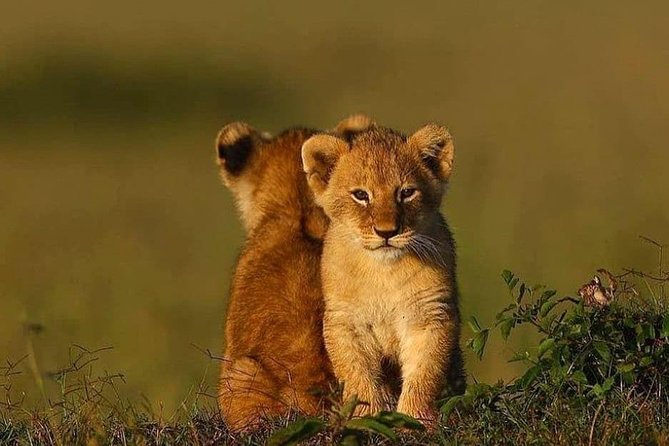
- Predators like lions that can appear when the big herbivores are active
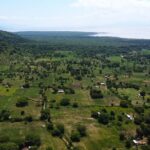
There’s also a nice “human scale” advantage to Tarangire on a tight schedule. Even if you only have a limited amount of time in the park, the habitat is varied enough that you’re not stuck staring at one type of scene all day. You’ll also get those signature savanna views toward the Masai steppe and mountains to the south, which helps break up the long hours of scanning.
What might be a drawback?
Tarangire rewards patience, but you’re on a schedule. If you’re the type who hates early starts and long drives, the day can feel like one long stretch—drive, scan, reposition, scan again. The upside is that the route is set up to deliver real sightings, and the guide’s job is to keep the time productive.
Ngorongoro Conservation Area Crater: First-Light Density and 500+ Bird Species
Ngorongoro is the safari heavy-hitter. Day 2 is structured for crater viewing with a morning feel—your itinerary notes early coffee and a “kill to chill” style morning game drive, which is a fun way to say: expect action early, then watch the crater’s rhythms slow.
You’ll spend about 6 hours on Day 2, with roughly 3 hours 20 minutes listed for the Ngorongoro stop. The total driving distance is also longer than Day 1, so you’ll want to stay relaxed and let the guide manage the day.
Why the crater feels different
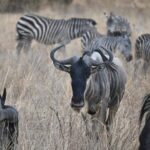
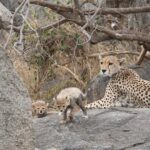
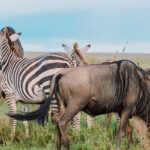
The Ngorongoro description includes wildlife numbers that explain the sensation people talk about: tens of thousands of animals living in the caldera environment. That concentration is why sightings can feel so close together. The itinerary estimates include large populations of wildebeest and zebras, plus other species like hyena, elephants, and even large predator counts.
Specific things you might focus on inside the crater:
- Herbivore movement—especially wildebeest and zebra patterns
- Predators like lions (the description even references over 60 lions as part of the crater population estimate)
- Rhinos presence is mentioned (along with the note that the crater has a protected, conservation-focused setup)
- Birding opportunities: the itinerary says 500 bird species are found in the caldera
The bird angle is a real plus if you like more than just mammals. Ostriches, kori bustards, and secretary birds are specifically referenced, which means you’ll likely get chances to watch behavior beyond the big-cat chase.
Seasonal note worth knowing
If your trip dates fall between November and April, the itinerary highlights migratory birds moving into the area. That can add variety to the bird list and make the crater feel even more “alive.”
Another key cultural detail
Ngorongoro is a conservation area, not a sealed-off park. The description notes indigenous tribes are permitted to live in the conservation area. You’ll see the way people share space with wildlife—so it doesn’t feel like a theme park. It’s a real working landscape where rules and limits matter.
Camping Overnight: Tent and Mattress Comfort on Safari Time
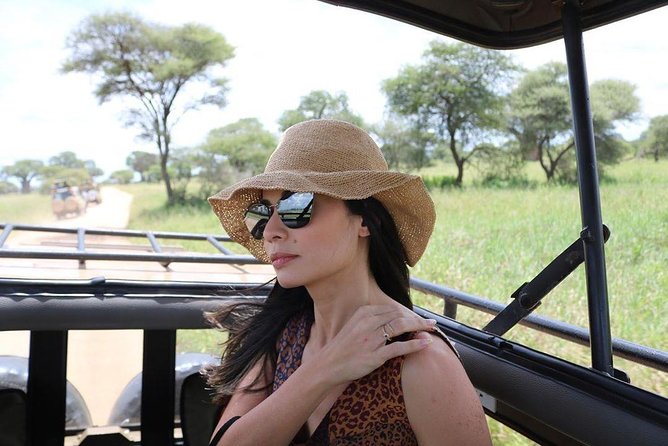
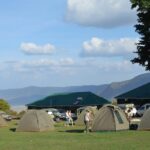
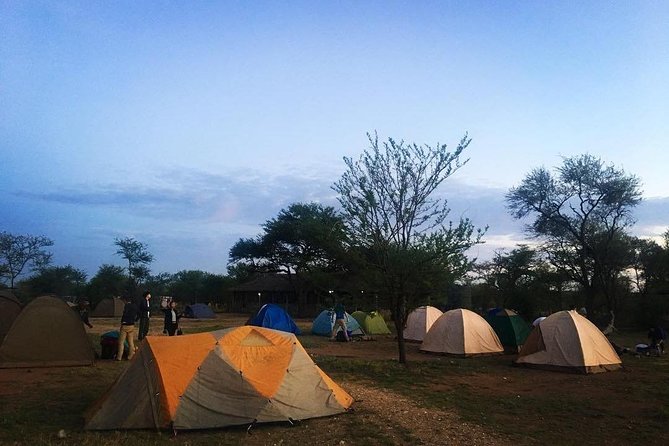
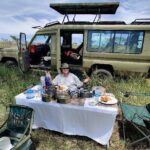
You’ll sleep on the ground after the day’s driving and wildlife searching. The itinerary includes camping with a provided tent and mattress, plus dinner and the rest of your meals based on the schedule.
This is “camping safari” comfort, not luxury hotel comfort. But it’s not barebones either. The practical value of this setup is that you avoid the back-and-forth travel that longer safaris sometimes require. For a 2-day trip, camping lets the plan stay packed with wildlife time.
What to expect:
- Your sleeping gear is included (tent and mattress)
- Dinner is provided, so you’re not hunting for food after a long day
- Mineral water is included in the trip package
If you’re sensitive to early mornings, build in extra sleep time whenever possible before this safari starts. Camping can be totally fine if you come prepared, but the whole experience is timed tightly around animal behavior.
Small-Group Safari Value: Guides, Seats, and How Sightings Happen
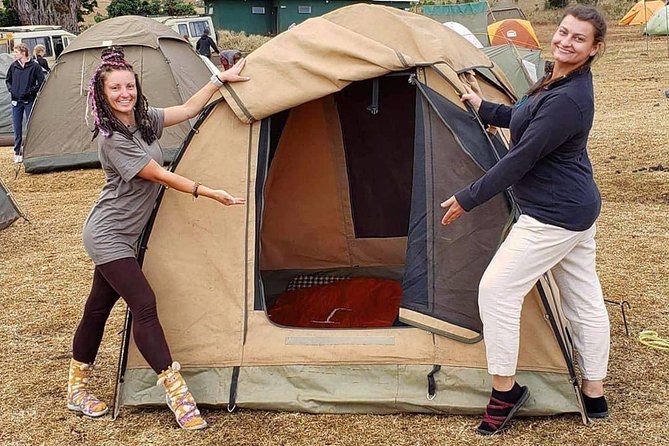
This trip gets a lot right on the “how” of safari guiding. English-speaking guides, handled transport, and included park fees remove a lot of friction. In short: you spend your energy on spotting.
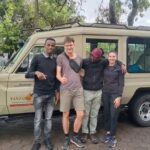
The reviews give a useful clue about what you’ll probably feel most during the drives: guides working hard to find animals and explaining what you’re seeing. Names like Nasri, Nuru, David, and Simon show up in guest stories, and they’re linked with the same themes: good communication, professional organization, and getting animals on the radar.
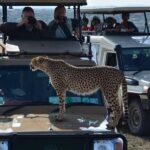
You should also know this: in Ngorongoro, sightings can be huge and sometimes fast-moving. One review mentions an incredible count of 33 lions, which fits the “density” reputation of the crater. That’s not something you can demand, but it’s a sign that the guiding style aims for serious predator-spotting when conditions allow.
For your expectations, here’s a grounded way to frame it:
- You’ll have time on the ground for meaningful observation
- The guide’s job is to move you to where animals are active
- The crater’s concentration can produce big outcomes even on a short schedule
Window seats aren’t a small detail. On bumpy roads and during quick sightings, they help you keep your eyes on the scene instead of arguing with your elbow for a better angle.
What You’re Paying For: The $680 Price in Real Terms
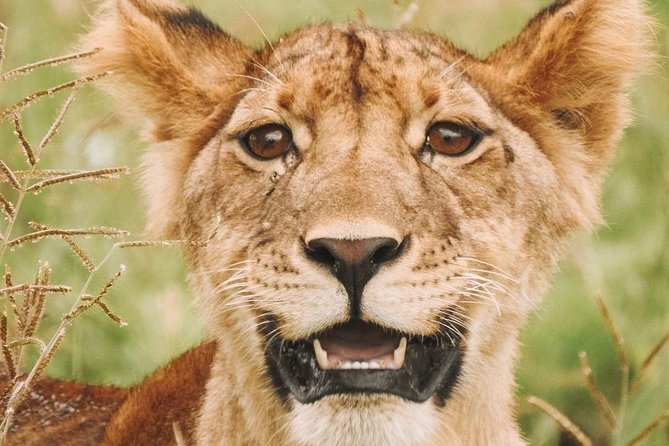
Let’s translate the price into what you’re actually getting. At $680 per person for about two days, the package includes:
- 4×4 safari transportation
- An English-speaking guide
- All national park fees
- Meals listed as breakfast (2), lunch (2), and dinner
- Mineral water
- Camping: tent and mattress
- Pickup/drop-off arrangements in Arusha can be made
Tips aren’t included, which is normal for safari guiding and is the one item you’ll usually plan for separately.
So is it “good value”? For a short safari, it often is, because the two expensive parts—park fees and the organized vehicle/guide setup—are included. If you tried to cobble this together yourself, you’d likely spend more time coordinating and still risk paying separately for access, transport, and basic camping arrangements.
Also, “mid-range” makes sense here. You’re getting a real safari experience without buying a multi-day luxury package that might go deeper into lodges and upgrades. If you’re short on time but still want the big Tanzanian parks experience, this hits a sweet spot.
Who This Safari Fits Best (and Who Should Think Twice)
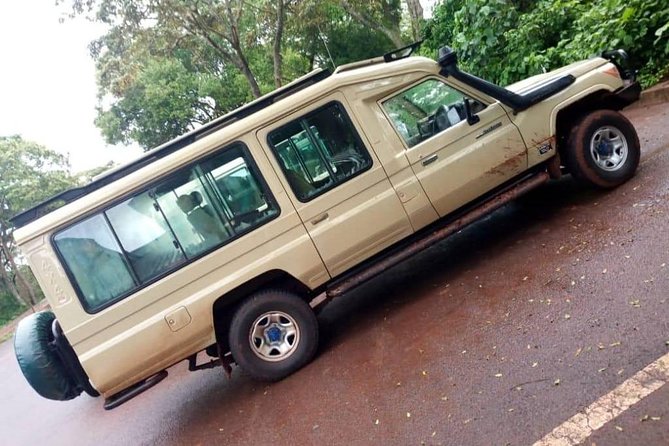
This safari is a strong match if you want:
- A 2-day introduction to Tanzania’s best-known wildlife areas
- A short plan that still includes both Tarangire and Ngorongoro
- A small-group experience with window seats
- Included camping so you’re not hunting for your own overnight setup
It can feel like a lot if you:
- Hate early starts (the listed start time is 5:00 am)
- Want a slow, relaxed pace with lots of free time
- Expect hotel-style bedding and quiet rooms all night
But if you’re the type who packs early, loves animal spotting, and can handle a tent night, this is exactly the kind of safari format that works.
Quick Tips So You Enjoy It More
You’ll enjoy this more if you prepare for the reality of safari days:
- Bring layers for early morning and cooler air near dawn
- Expect long days split between driving and game drives
- Keep your phone/camera gear ready, but don’t over-manage it while the guide is repositioning for sightings
- If you’re sensitive to bumps, sit in a way that lets you stay stable and watch smoothly out the window
And one more practical thing: hydrate. Mineral water is included, but you’ll still want your body to feel good, especially on a schedule that starts before sunrise.
Should You Book This 2-Day Safari?
If your goal is a focused wildlife hit—Tarangire for elephants and savanna scenes, Ngorongoro crater for dense crater life—this is a smart way to do it in only two days. The package pricing is helped by the fact that park fees, meals, and camping basics are included, so you’re not constantly adding costs or coordinating separate services.
I’d recommend booking if:
- You want serious time in the parks instead of long staging
- You prefer a small group and easier viewing
- You’re comfortable with camping and an early start
I’d think twice if you want a more relaxed pace or you’re not comfortable with tent overnight sleeping. But for most people planning a first Tanzania safari, this hits a great balance of value, variety, and real wildlife odds.
FAQ
What parks are included on this 2-day safari?
You visit Tarangire National Park on Day 1 and the Ngorongoro Conservation Area on Day 2.
How long is the safari and when does it start?
It runs for about 2 days and starts at 5:00 am.
Where is the meeting point in Arusha?
The listed meeting point is Shoppers Supermarket in Arusha, Tanzania. The tour ends back at the meeting point.
Is pickup and drop-off in Arusha included?
Pickup and drop-off in Arusha can be arranged, and pickup is offered. The tour also specifies a return to the meeting point.
What transportation is included?
All transportation is included in a 4×4 safari vehicle, with a small group format and window seats for everyone.
What meals and camping items are included?
The package includes breakfast (2), lunch (2), dinner, mineral water, and camping with a provided tent and mattress.
Are national park fees included in the price?
Yes. All national park fees are included.
What is the cancellation policy?
You can cancel for a full refund up to 24 hours before the experience’s start time. If you cancel less than 24 hours before, the amount paid is not refunded.