REVIEW · NAIROBI
Nairobi: 4 Day Masai Mara and Lake Nakuru Camping Safari
Book on GetYourGuide →Operated by Perfect Wilderness Tours and Safari · Bookable on GetYourGuide
You get real game-drive time and big-animal odds in one trip. This safari strings together Maasai Mara and Lake Nakuru, with long spotting hours, pop-up-roof vehicle viewing, and self-contained camp comfort. I like that the plan gives you multiple chances at key species, not just one rushed park day.
My other favorite part is how practical it feels day to day: hotel pickup in Nairobi, timed departures for wildlife viewing, and lodging that includes private bathrooms plus electricity. The one thing to consider is that camp utilities can be inconsistent at times, so plan for the possibility of minor water or electricity interruptions.
In This Review
- Key points that matter before you book
- Safari math: what you really pay for the Mara + Nakuru loop
- From Nairobi to the Maasai Mara: Rift Valley stop and a classic sunset drive
- A full day in the Mara Reserve: Big Five odds with Mara River sightings
- Transfer day to Lake Nakuru: optional Maasai culture and Naivasha water magic
- Lake Nakuru game viewing: white rhinos, Rothschild giraffes, and flamingo chances
- Where you sleep: self-contained Mara tents and a Nakuru hotel base
- Vehicles, guides, and communication that keeps you comfortable
- What to bring (and what to skip) for a smoother 4 days
- Who this safari suits best
- Should you book the Nairobi 4-day Masai Mara and Lake Nakuru camping safari?
- FAQ
- Are park fees included in the safari price?
- How much are the park fees in low and high season?
- What lodging do I get during the 3 nights?
- What optional activities can I add?
- Is a hot air balloon ride included?
- What time does the safari start in Nairobi?
- Does the tour have a guide and language options?
Key points that matter before you book
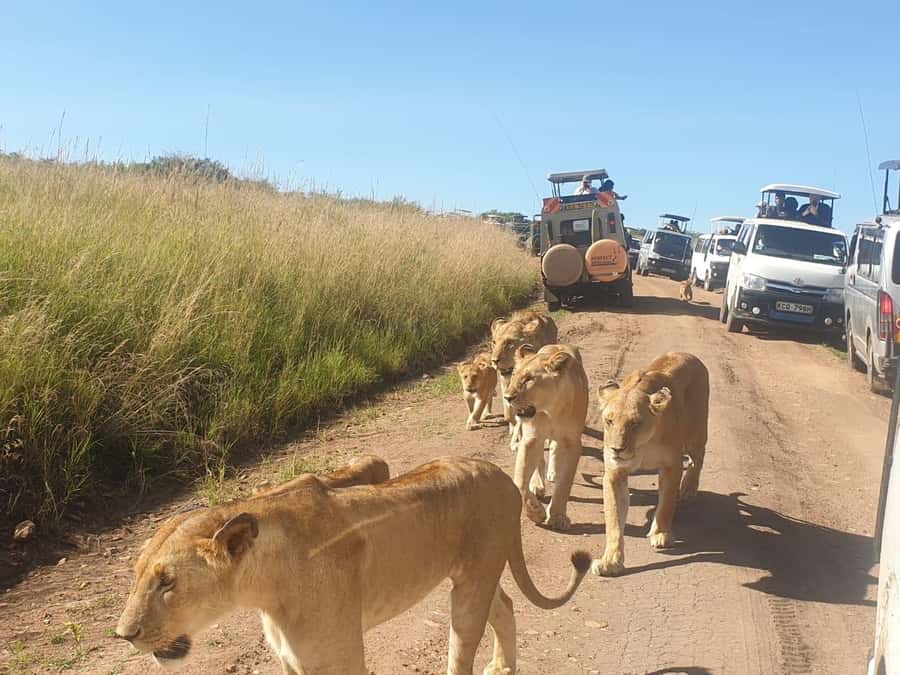
- Big Five focus in Maasai Mara with a full day of drives plus a sunset session
- White rhinos and Rothschild giraffes are a major reason to choose Lake Nakuru
- Self-contained tents in the Mara area, with showers and electricity
- Optional extras like a Maasai village visit and a Lake Naivasha boat ride
- Good safari value when you compare what’s included versus park fee add-ons
Safari math: what you really pay for the Mara + Nakuru loop
The advertised price is $360 per person for a 4-day, 3-night experience. But the real total depends on whether park fees are included in your booking.
Here’s the clean way to think about it:
- If your option includes park fees, that part is handled for you.
- If it does not include park fees, you pay $290 per person for 3 nights in low season (January 1 to June 30).
- In high season (July 1 to December 31), park fees rise to $490 per person for 3 nights.
- Optional add-ons can push the cost up: balloon ride is $435 per person, Maasai village visit $20, and Lake Naivasha boat ride $30.
So for many people, the true baseline cost ends up around:
- About $650 per person in low season (price plus park fees), or
- About $850 per person in high season (price plus higher park fees).
Is it a good value? In my view, yes—because the included package covers the parts that usually cost money on their own: guide time, safari vehicle transport, and the food program (4 lunches, 3 dinners, 3 breakfasts), plus bottled water.
You can also read our reviews of more tours and experiences in Nairobi.
From Nairobi to the Maasai Mara: Rift Valley stop and a classic sunset drive
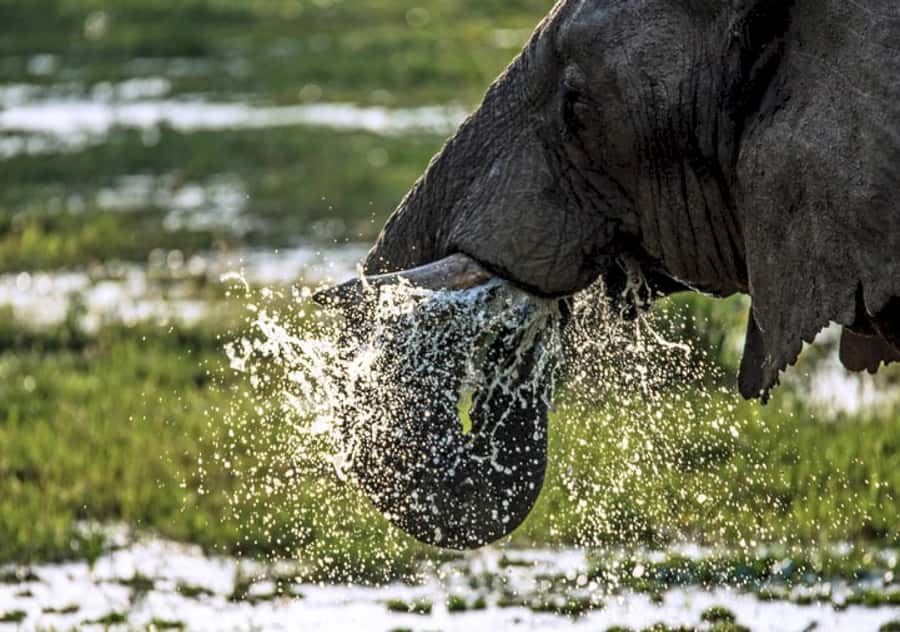
Your day starts with hotel pickup around 8:00 from Nairobi (including hotels within Nairobi CBD; airport pickup is also covered). You then head out toward the Great Rift Valley area, with a quick 10–15 minute viewpoint stop. It’s short, but it’s the right kind of stop: enough time to get oriented and take photos without throwing off your whole day.
Lunch is served at camp in the Mara area. Then comes the part that makes safaris feel like safaris: once you check in, you go out for a sunset game viewing drive in the Maasai Mara Reserve.
This first-drive timing matters. Late afternoon light often makes animals easier to spot, and predators and grazers tend to become more active as the day cools down. It’s also when the Mara’s open plains look their most dramatic—long views, animals scattered across grassland, and skies that change fast.
You’ll return for a buffet dinner and a night of rest in the Mara area, in either a budget camp setup like Enkajiang Camp or Rhino Tourist Camp (or similar), depending on your exact stay.
A full day in the Mara Reserve: Big Five odds with Mara River sightings
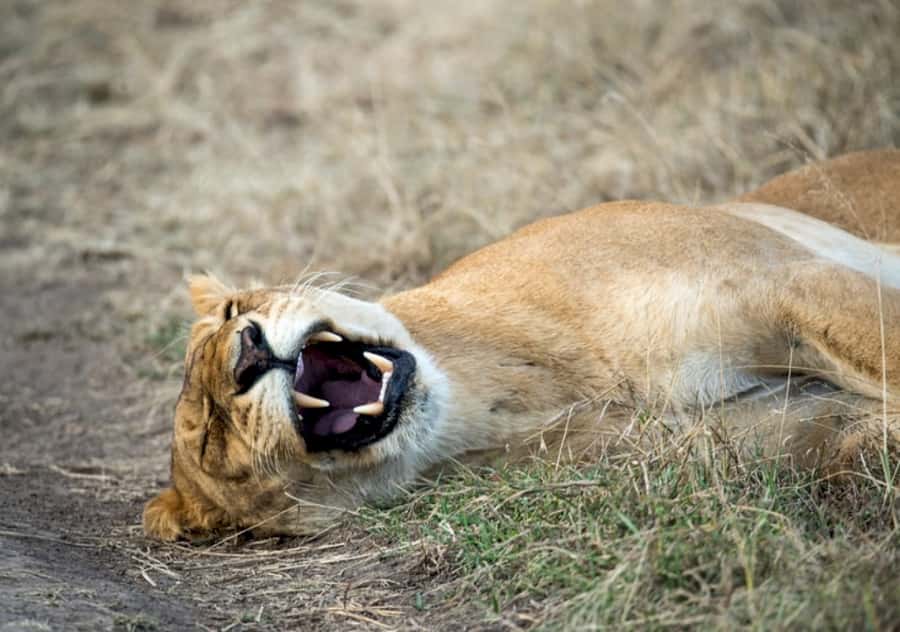
The next morning is built for serious wildlife time: after breakfast, you head out around 7:00 for a full day exploring the Maasai Mara Reserve.
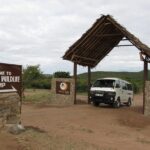
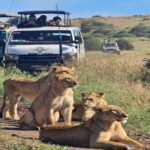
This is where your game-drive quality really shows up. The vehicle is a safari setup with a pop-up roof, which helps you spot animals without getting blocked by a seatback. It also makes it easier to take photos when you’re trying to shoot across grassland at animals at different distances.
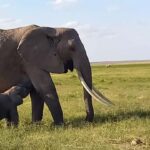
During the day, you’re looking for the Big Five game animals in natural habitat. You also get specific Mara elements in the plan:
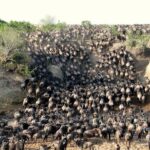
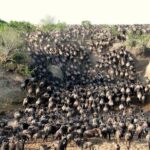
- A stop at the site associated with the yearly wildebeest migration (the exact mix of animals you see depends on conditions at the time you go).
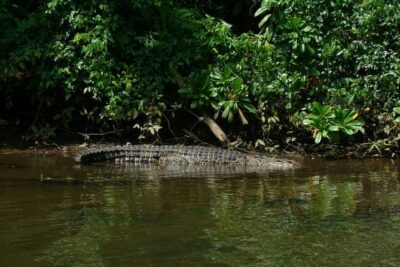
- Time near the Mara River where you can see resident crocodiles and hippos along the banks.
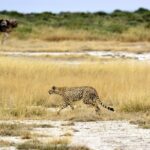
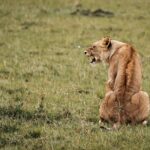
- Predator potential across the savanna: lions, cheetahs, jackals, hyenas, and vultures are all part of the search plan.
The key idea here isn’t that you’re guaranteed every species. It’s that the day is structured to keep you moving where wildlife concentrates and to keep you out long enough that you’re not stuck with only one chance at prime sightings.
Tip that will help you on a full day: keep your schedule “head up.” Don’t just watch where the group looks in front of you—scan the edges of the grassland too. In open country, animals often appear where you didn’t expect them, and a good guide helps you understand what you’re looking at.
Transfer day to Lake Nakuru: optional Maasai culture and Naivasha water magic
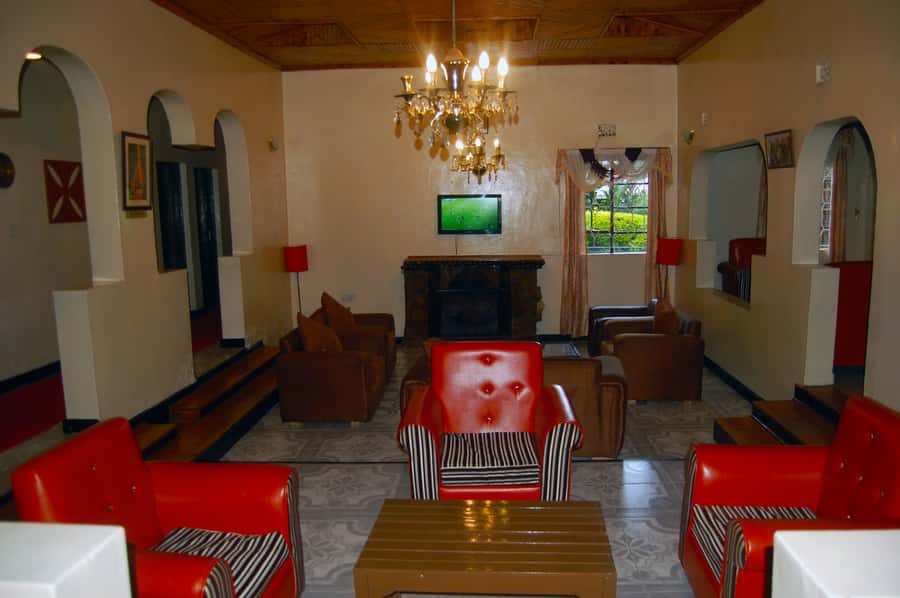
After an early breakfast, you check out of the Mara area and start the drive toward Lake Nakuru National Park. Lunch is on the way at a travelers motel.
This is also the day you can add cultural and water-based options, depending on your interest and the route:
- Maasai village visit is available as an optional add-on for $20.
- On some routes, your guide is happy to arrange an optional boat ride on Lake Naivasha for $30 per person, aimed at hippo viewing and bird watching.
A few practical thoughts on these options:
- The boat ride is worth it if you like slower pace viewing. From the water, you can often spot hippos and a mix of waterbirds without the constant scanning you do from a vehicle.
- The Maasai village visit can add context to what you see in the Mara. Even if you’re not trying to learn every detail, it helps you understand why local culture and wildlife share the same region.
Either way, the day’s big job is the transfer. You’re not spending your whole day “stuck in a bus,” but you are spending enough time traveling that it’s smart to bring something comfortable for the ride and to stay hydrated.
Dinner and overnight are in the Nakuru area at Lanet Matfam Resort, on the outskirts of town.
Lake Nakuru game viewing: white rhinos, Rothschild giraffes, and flamingo chances
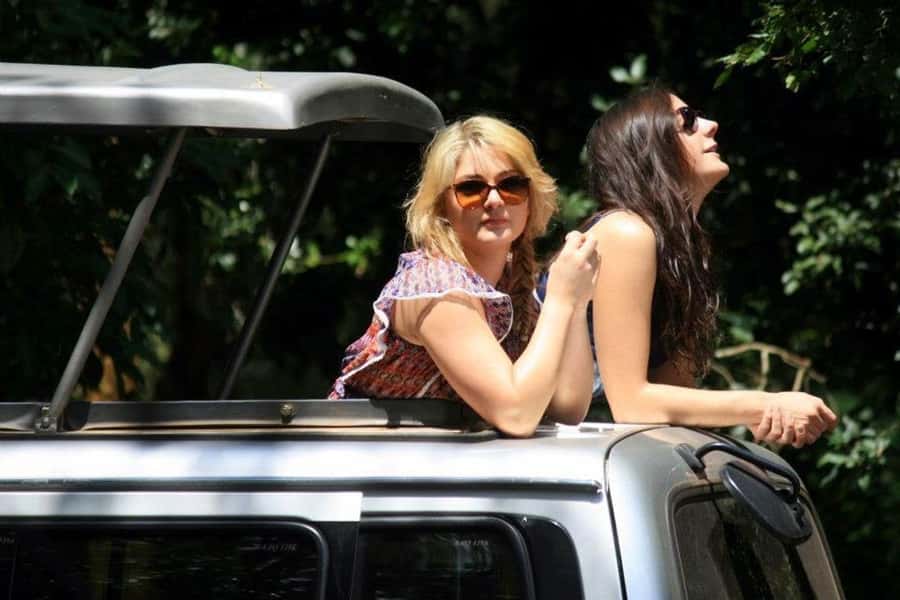
Your final day starts early again—departing around 7:00 for Nakuru National Park.
This is a smaller park than the Mara, but it’s famous for the kind of sightings that feel almost specific to a checklist. The highlight species and bonuses include:
- Rare white rhinos (part of the Big Five lineup)
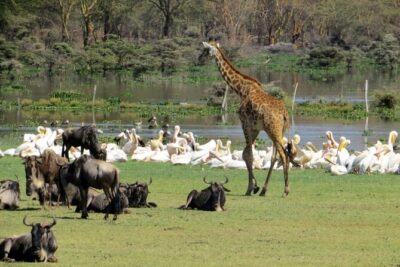
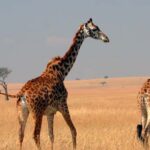
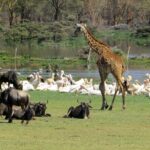
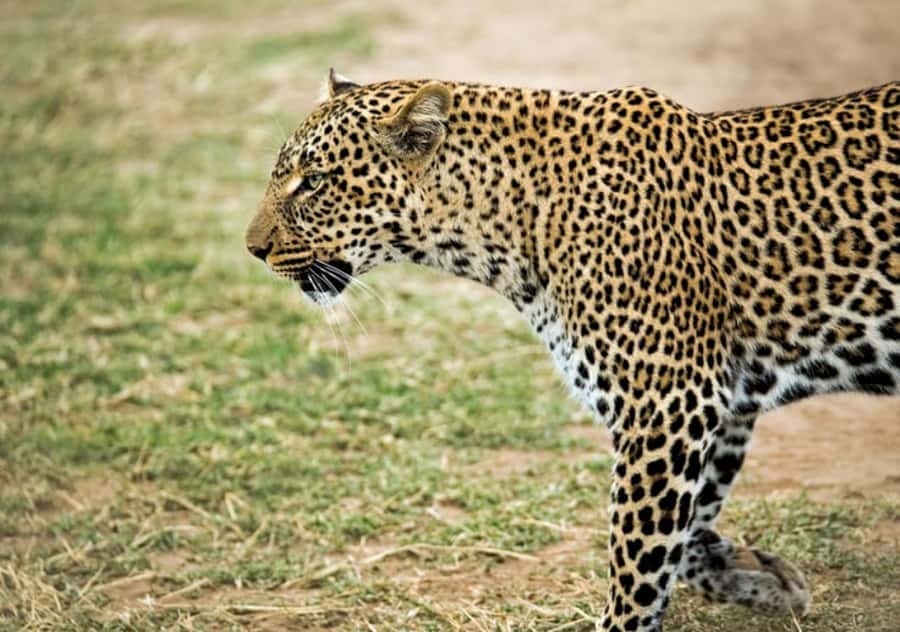
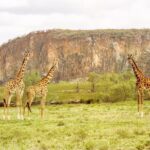
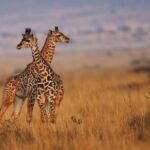
- Rothschild giraffe, also nicknamed white socks because of the lack of markings below the knee
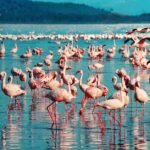
- A possibility of pink flamingos, depending on conditions
The planned game drive in Nakuru runs about 3 to 4 hours. That timing is good because it gives you a concentrated window for rhinos and giraffes without burning the whole day. Once you’re done, you head back toward Nairobi with lunch provided at a travelers motel, arriving around 4:00 to 5:00 pm depending on traffic.
One reality check: wildlife is wildlife. Flamingos can be seasonal and conditions matter. But rhinos and giraffes are strong reasons to choose Nakuru as a second stop, especially if you want your Big Five chances to feel more balanced across two very different ecosystems.
Where you sleep: self-contained Mara tents and a Nakuru hotel base
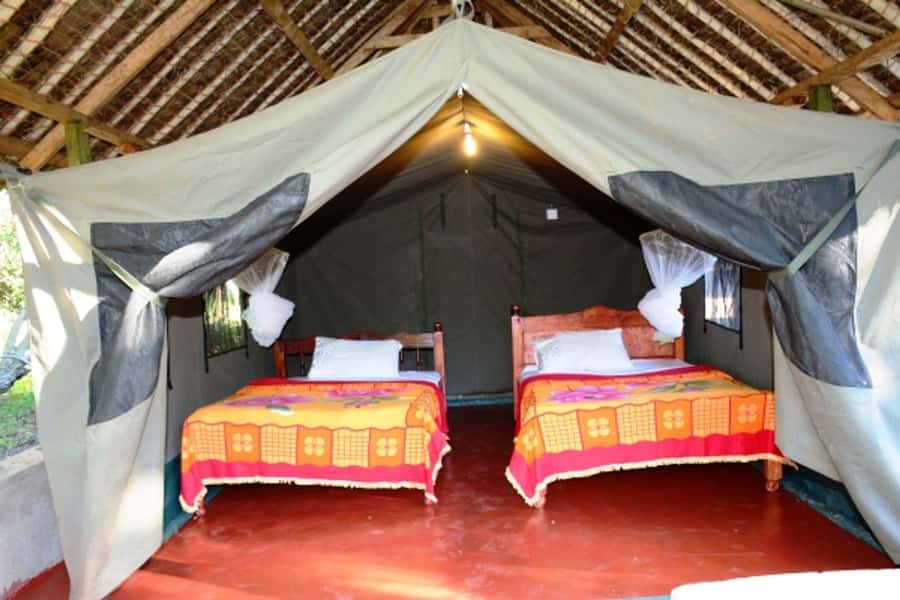
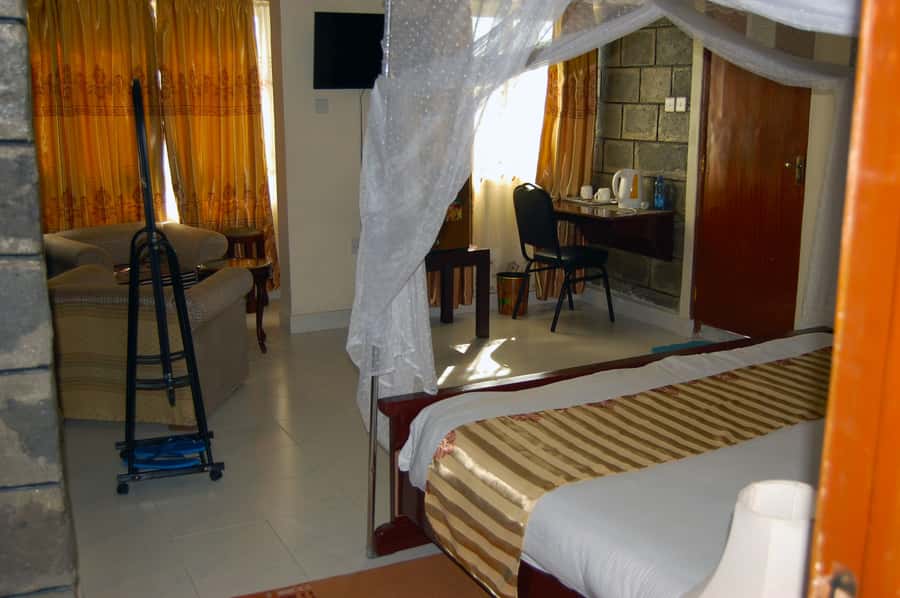
In the Mara area, your stay is in a budget camp or similar property such as Enkajiang Camp or Rhino Tourist Camp. The important part isn’t the label “budget.” It’s the comfort basics:
- Spacious, self-contained tents
- Bathrooms and showers
- Electricity
That combo is a big deal on safari. It means you can freshen up properly after long dusty drives, and you can charge your phone and camera gear without hunting for power outlets.
For the final night, you stay at Lanet Matfam Resort in the outskirts of Nakuru town, which tends to feel like a step up from camping for some travelers due to the hotel-style setup.
One practical consideration: utilities can vary in camp-style settings. A past booking specifically flagged times when water and electricity were not working, which is exactly the kind of thing that can happen when you’re in more remote lodging. If this is a concern for you, ask how reliable water and electricity are during your travel dates—then mentally plan for the possibility that you’ll need to stay flexible.
Vehicles, guides, and communication that keeps you comfortable
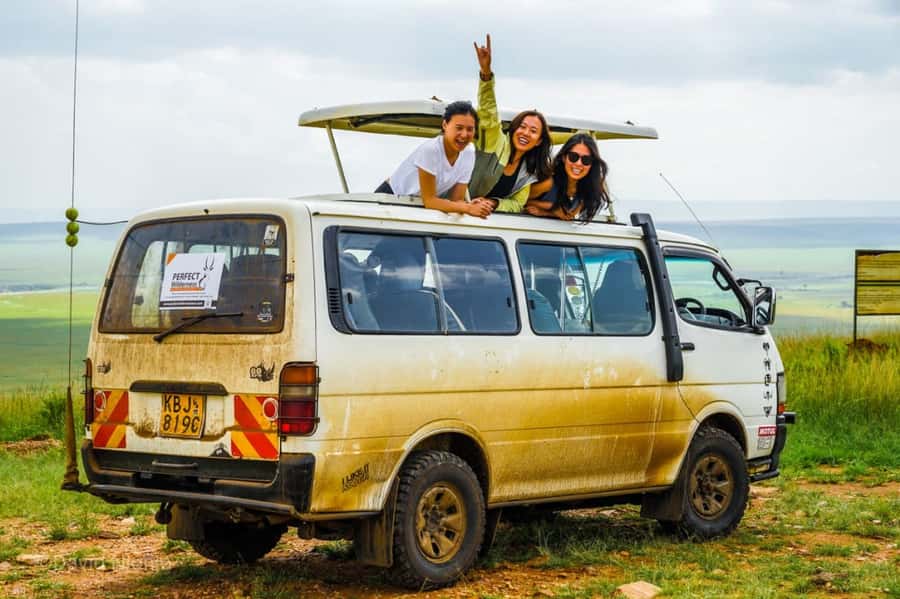
Your transportation uses a safari vehicle with a pop-up roof for better viewing and photography. There’s also an option for a 4×4 Land Cruiser Jeep if selected. In real-world safari terms, that matters because rough roads and muddy conditions are common, and the right vehicle helps keep game drives smooth.
Guides are also part of the value here. The experience is led by professional safari guides, and the language list includes:
- English, Spanish, French, German, Russian, Italian, Swahili
One guide name that shows up as a standout in past experiences is Bernardo, described as attentive, knowledgeable about mammals, birds, and plants, and quick to answer questions. Even if you don’t get the same guide, you’ll want that same vibe: calm spotting skills, good explanations, and a focus on safety.
Also, you’re not left in the dark. There’s a 24-hour mobile phone line you can call, text, or use WhatsApp if questions come up.
What to bring (and what to skip) for a smoother 4 days
Safari packing is mostly common sense, but it helps to keep it focused.
Bring:
- Comfortable shoes (you’ll be getting in and out of the vehicle during drives and at camp)
Skip:
- Pets (not allowed on this safari)
For everything else, use your usual safari logic: lightweight layers for morning and evening game drives, a hat for sun, and a small bag you can keep organized without digging through pockets every time the guide calls a sighting.
And because you’re moving between ecosystems—Mara grassland and Nakuru’s different environment—expect it to feel cooler or windier in parts of the day. Dress in layers so you can adjust fast.
Who this safari suits best
This is a great fit if you want:
- First-time safari energy with structured game-drive time
- A balance of action (Mara drives) plus focused wildlife (Nakuru rhino and giraffe time)
- Comfort that doesn’t require luxury prices: self-contained tents with showers and electricity in the Mara
It may be less ideal if you want:
- A totally hands-off “no surprises” comfort level all the way through. Camp utility issues can happen, even when the setup is described as self-contained.
- A private, slow-travel style with lots of flexible stops for wandering on foot. This is a safari by vehicle with wildlife viewing as the priority.
If you like animals, want to maximize sightings over multiple drives, and can handle the reality of remote camp conditions, this tour style is a smart way to spend 4 days in Kenya.
Should you book the Nairobi 4-day Masai Mara and Lake Nakuru camping safari?
I’d book it if your top goal is serious wildlife viewing time across two famous parks, and you want a setup that includes guided drives, meals, and practical camp comfort. The Mara full-day drive plus the Nakuru rhino-and-giraffe-focused morning is a strong pairing, especially if you’re aiming for Big Five odds without doing a longer, more complex itinerary.
I’d pause and ask a few questions before paying if:
- You’re sensitive to small lodging inconveniences like water or electricity reliability in camp areas.
- You’re going during high season and park fees will be added on top—run the math so the final total feels right for you.
- You want balloon or boat add-ons; those are optional, so confirm timing and costs match what you want.
If you like game drives, can accept that wildlife timing is never 100 percent, and you’re budgeting correctly for park fees, this is a solid way to see Kenya’s best wildlife concentration in a tight 4-day window.
FAQ
Are park fees included in the safari price?
It depends on your chosen option. Park fees are included if you select the option that includes them, otherwise you pay park fees separately.
How much are the park fees in low and high season?
Park fees are $290 per person for 3 nights in low season (January 1 to June 30). In high season (July 1 to December 31), park fees are $490 per person for 3 nights.
What lodging do I get during the 3 nights?
In the Maasai Mara you stay in a budget camp or similar property with big, self-contained tents that include bathrooms and electricity. In Nakuru you stay at Lanet Matfam Resort on the outskirts of Nakuru town.
What optional activities can I add?
You can add a Maasai village visit for $20. You can also add a boat ride in Lake Naivasha for $30 per person, depending on route and your guide’s plan.
Is a hot air balloon ride included?
A balloon ride is not included by default. It’s an optional add-on priced at $435 per person.
What time does the safari start in Nairobi?
Pickup begins around 8:00 am from your Nairobi hotel (and pickup from the airport is also available at no extra cost).
Does the tour have a guide and language options?
Yes. You get a live tour guide, and languages available include English, Spanish, French, German, Russian, Italian, Swahili.