REVIEW · NAIROBI
Safari Tour : Nairobi National Park
Book on Viator →Operated by Majestic Quest Tours and Travel · Bookable on Viator
Wildlife next to the city is the real magic here. I love that Nairobi National Park is the only wildlife national park in the world inside a capital city, and I also love how the tour packs in both the famous Ivory Burning Site and a proper game drive for big mammals. My one heads-up: park entrance fees are not included, so your final total will be higher than the $78 tour price.
Expect wide grass plains with scattered acacia and that cinematic “everything can happen” feeling when you’re driving slowly. You’ll look for black rhinos, lions, leopards, hippos, buffalo, crocodiles, giraffes, and plenty of birds—over 400 species have been recorded. The drive also includes a short break at a viewpoint that’s usually the easiest place for photos.
From a comfort standpoint, this is built for real sightseeing: pickup from your hotel or the airport, an open-roofed van for game views, bottled water, and free Wi-Fi during the tour. The main drawback is simple math and time: with a 4 to 5 hour safari, you’re aiming for a great mix of sightings, not a guarantee of one specific animal.
In This Review
- Key things to know before you go
- Why Nairobi National Park feels different in the city
- Getting picked up and ready for a 4 to 5 hour safari
- Entering the park: East Gate and the Ivory Burning Site
- The game drive hunt: plains, acacia, and real sightings
- Photo viewpoint and the quick picnic break that keeps the safari fun
- What you get for $78, and what costs extra
- Who this Nairobi National Park safari is best for
- Practical tips to get more from your sightings
- Should you book this Nairobi National Park safari?
- FAQ
- How long is the Nairobi National Park safari?
- What does the $78 price include?
- Are Nairobi National Park entrance fees included?
- Is food or drinks included?
- Do you get picked up from the airport or hotel?
- Will there be Wi-Fi during the tour?
- What kind of vehicle is used for the game drive?
- Is this tour private?
- What are the cancellation terms?
Key things to know before you go
- Open-roof game drive: You’ll be in a van designed for viewing while you search the plains for wildlife.
- Ivory Burning Site stop: A meaningful first taste of Kenya’s anti-poaching efforts.
- Photo viewpoint break: You get a short rest and a spot that helps you frame shots.
- Big-animal focus, city backdrop: It’s “national park” rules, with city activity sitting close by.
- Free Wi-Fi and bottled water: Small comforts that make a long day easier.
Why Nairobi National Park feels different in the city
Nairobi National Park has a cool contrast that you can feel right away. One moment you’re dealing with the sights and movement of Nairobi, and the next you’re out on open grass plains where wildlife is the main event. That mix is part of the draw: it makes the safari feel accessible and immediate, without needing a full-day road trip to get into “real bush” territory.
The park itself is fairly easy to read from the vehicle: wide open grass, scattered acacia, and lots of space for animals to move. That matters because it affects how you spot wildlife. When the ground is open, you can scan farther, and when acacia breaks up the view, you’ll learn to slow down and watch for movement at the edges.
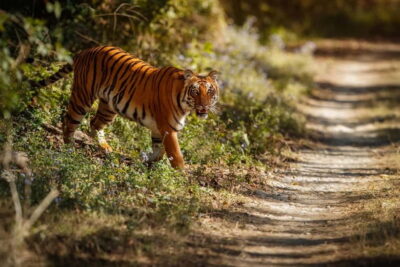
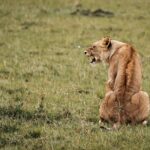
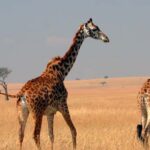
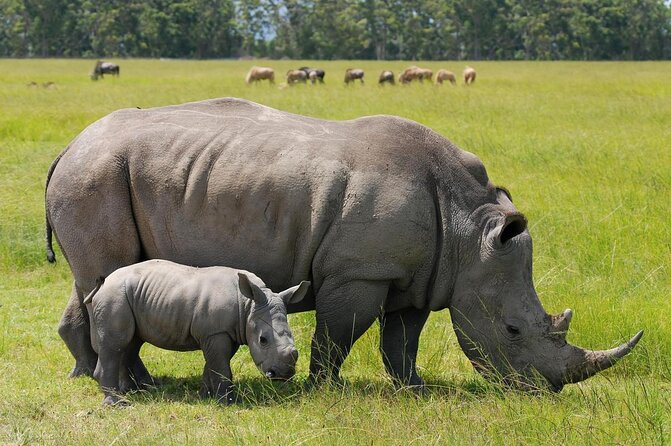
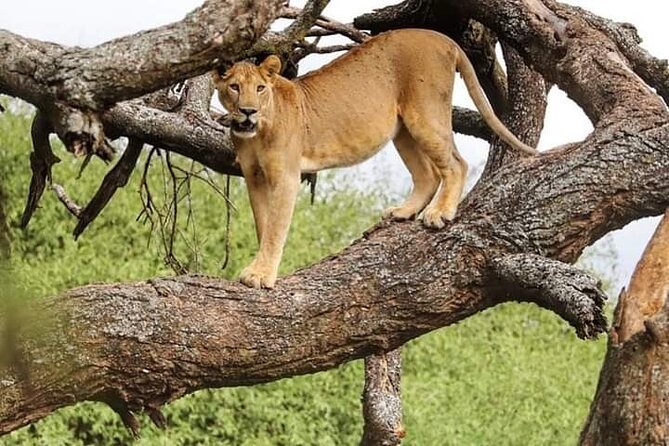
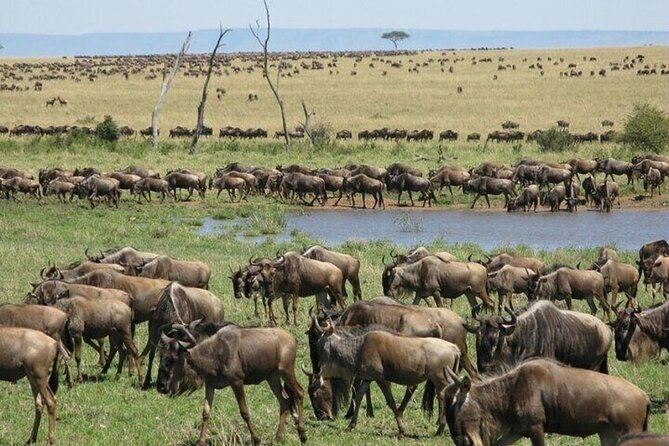
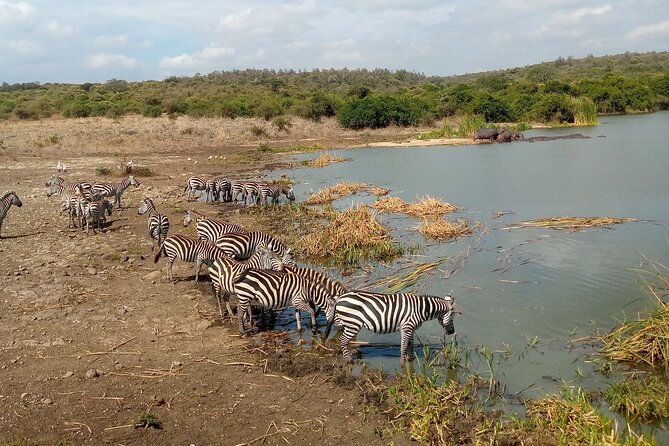
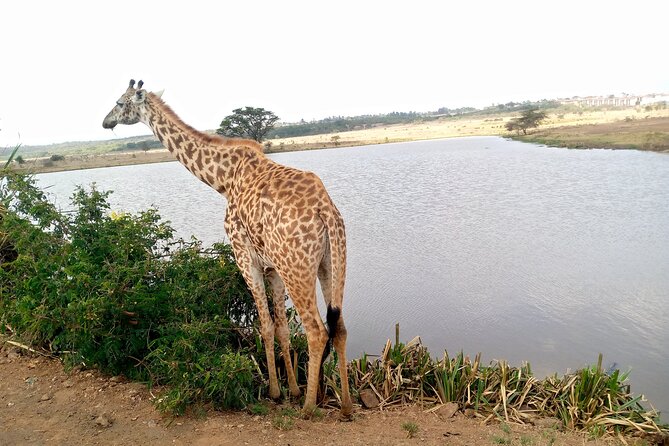
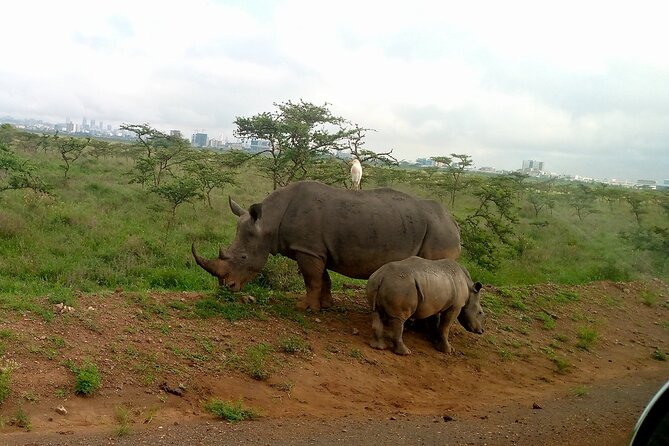
And yes, the wildlife list is serious. You’re not just hoping for a few birds. The park is known for species like endangered black rhinos, lions, leopards, giraffes, hippos, crocodiles, buffaloes, plus a strong lineup of smaller predators and lots of birdlife (over 400 species recorded). In practice, that means your guide can keep shifting tactics—sometimes hunting for “happenings” near water, other times checking for grazers and the predators that follow.
You can also read our reviews of more tours and experiences in Nairobi.
Getting picked up and ready for a 4 to 5 hour safari
This tour is built around convenience. You’re picked up from your airport or hotel, and you’re dropped back off afterward. That’s a big deal in Nairobi, where time can disappear fast once you start arranging transport on your own.
The tour time is about 4 to 5 hours, so it’s enough for a satisfying game drive, but it’s not a multi-day expedition. With that timing, the guide’s job is to keep the schedule tight: drive in search of sightings, make a couple of meaningful stops, and use the best photo time without turning the outing into a long waiting game.
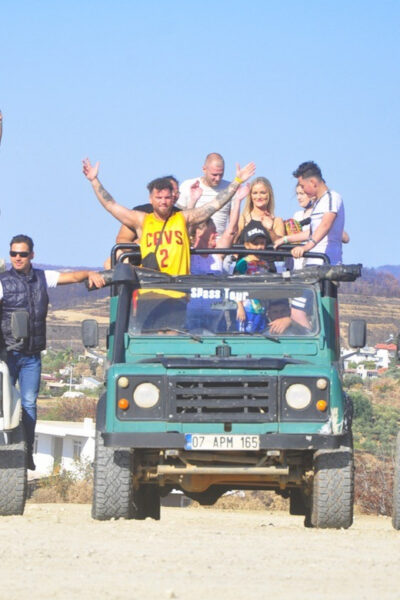
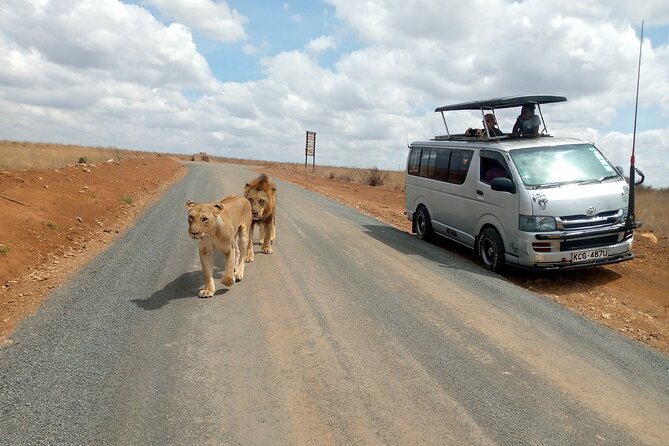
You’ll ride in an open-roofed van, which is exactly what you want for a safari. It helps with sightlines and gives you that classic viewing angle for animals, plus it’s easier to photograph than being fully closed in. Bottled water is included, and there’s free Wi-Fi during the tour, which can help if you want to check maps, message home, or just share quick updates while you’re on the move.
If you’re sensitive to sun and wind, bring something to cover up. Open-roof vehicles can mean bright light, dust, and wind-chill when the breeze is strong.
Entering the park: East Gate and the Ivory Burning Site
The first major stop is the Ivory Burning Site. This is not a random roadside photo stop—it’s part of Kenya’s message against poaching. Elephant tusks and rhino horns were torched by Kenyan presidents as a public commitment to stop illegal wildlife trade.
If you care about conservation, this stop lands harder than people expect. It turns the safari from just “spot animals” into something that connects wildlife with the real human choices that affect it. You’ll get a short, focused way to understand why endangered species like the black rhino matter so much.
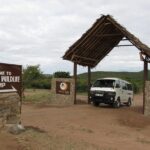
After that, the drive continues through the park with wildlife searching. You’ll head in through the East Gate and then settle into the rhythm of safari driving: slow, deliberate scanning, plus route changes as the guide spots signs—movement, grazing patterns, or areas where animals are likely to gather.
The game drive hunt: plains, acacia, and real sightings
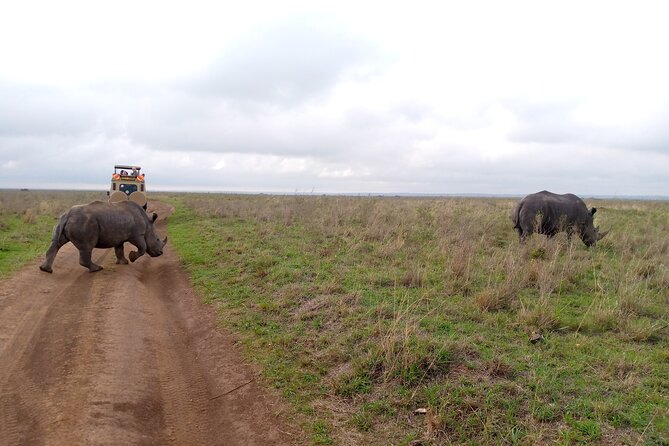
This is the heart of your outing, and the park’s scenery supports it. You’ll spend time on those wide grass plains with scattered acacia bush. That combo is good for scanning. You can see far across open areas, and you also know to check the acacia edges where animals might pause or where the light changes can hide motion.
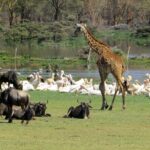
From the animal side, the tour is aimed at a broad mix. Expect your guide to look for major grazers and predators, since the predators often show up after the prey animals. The park includes species like lions, leopards, cheetahs, hyenas, buffaloes, giraffes, hippos, and crocodiles, plus smaller primates and lots of birdlife.
One thing I like about this format is that it’s flexible. You’re not stuck at one location waiting for the same thing to happen. The guide can shift between checking open ground and areas where animals are more likely to be active.
The best evidence of how this plays out comes from the feedback about guides putting people on standout wildlife encounters. The tour guide Joseph is specifically praised for finding animals like rhinos and buffalos, and even seeing more unusual moments like crocodiles and lion cubs with their mothers. That tells me the team doesn’t just follow a checklist—they adjust on the fly based on what the park gives that day.
Photo viewpoint and the quick picnic break that keeps the safari fun
You’ll have short breaks during the drive, and one of them is at a viewpoint inside the park—the best place for photos. The value here is that it’s planned downtime, not random time killing. You get a chance to reset, catch your breath, and take shots when the light and angles tend to be better.
There’s also a picnic-style stop during the game drive. These short pauses can sound like “extra minutes,” but in practice they help keep everyone alert. Safari viewing is all about focus. When you’re scanning for movement for hours, even a quick break can make the next stretch of driving more rewarding.
If you’re photographing, this is where to slow down and work your shots. Wildlife can appear fast. A good photo viewpoint break helps you be ready—camera settings, posture, and patience—so you don’t miss the moment because you were busy adjusting things while driving.

What you get for $78, and what costs extra
The headline price is $78.00 per person, and it includes a lot of the practical safari essentials. You get a professional guide, bottled water, airport or hotel pickup and drop-off, a private transportation setup, and a drive in an open roofed van for game views. Free Wi-Fi is also included, which is a nice bonus.
But here’s the key value equation: park entrance fees are not included. The park entrance fees are listed at $43 USD. So if you’re budgeting, plan for the combined total rather than assuming $78 is your final number.
Also note what isn’t covered: food and drinks aren’t included, and souvenir photos are available to purchase separately. That matters because even if the safari is short, hunger and thirst can cut into your attention. I’d plan to have a simple plan for your own snacks or drink situation before you go, especially since the tour time is just a handful of hours.
Is this good value? For Nairobi, yes—because you’re paying for the guide, the vehicle setup for wildlife viewing, and door-to-door pickup. You’re also getting a meaningful conservation stop at the Ivory Burning Site, not just a drive with no context.
Who this Nairobi National Park safari is best for
This is a strong fit if you want wildlife without a long detour out of the city. Nairobi National Park lets you do a true safari feel with a schedule that stays manageable.
You’ll likely enjoy this most if:
- you want a big-animal chance in a short time window (4 to 5 hours)
- you appreciate the conservation story behind the Ivory Burning Site
- you like photography and want a planned viewpoint break
- you prefer having pickup and drop-off handled
It’s also a good choice for first-time safari folks because the experience is focused and structured. You’re not forced into endless hours. Instead, you’re guided through the key parts: entry, conservation context, game drive, and photo time.
On the other hand, if you’re traveling for one specific animal and you’re extremely timing-sensitive, no single safari can guarantee a particular sighting. What you can control is the quality of the guide and the time you spend searching—which is exactly what this tour aims to deliver.
Practical tips to get more from your sightings
Safari success often comes down to small habits. Here are a few that match how this kind of Nairobi drive works.
- Dress for sun and wind. Open-roof vans can be bright fast, and airflow can be surprising.
- Bring a camera strap or secure your phone. Quick movements happen when animals appear.
- Use your viewpoint time wisely. That planned photo stop is your easiest moment for steady framing.
- Stay flexible mentally. A great safari can still include a few less “headline” sightings that lead to the big moments.
One smart approach: when you’re looking for action, don’t only search the center of the plains. Check the edges of acacia bushes too. Wildlife often uses cover, and it might show up first as movement at the boundary.
And if Joseph-style guiding is part of your plan, you’ll want to ask questions. The guide feedback shows the team answers questions and keeps the experience enjoyable, not stiff or scripted.
Should you book this Nairobi National Park safari?
If you want a practical safari experience with real context, I’d book it. The biggest strengths are the door-to-door pickup, the open-roof game drive, and the inclusion of the Ivory Burning Site so the trip isn’t just about spotting animals—it’s also about why protection matters. The planned photo viewpoint and short break also make the timing feel fair, not rushed.
Your main reason to pause is budgeting: the tour price is $78, but you should plan for $43 USD park entrance fees on top. If that fits your budget, the experience is a strong way to see Nairobi’s wildlife without burning a whole day on logistics.
If you’re someone who likes a focused outing—4 to 5 hours, with a guide doing the driving and searching—this is a good match.
FAQ
How long is the Nairobi National Park safari?
The safari lasts about 4 to 5 hours.
What does the $78 price include?
It includes a professional guide, game drive in an open-roofed van, bottled water, free Wi-Fi, and airport or hotel pickup and drop-off with private transportation.
Are Nairobi National Park entrance fees included?
No. Park entrance fees are listed at $43 USD and are not included in the $78 tour price.
Is food or drinks included?
No. Food and drinks are not included.
Do you get picked up from the airport or hotel?
Yes. Pickup and drop-off from the airport or your hotel is included.
Will there be Wi-Fi during the tour?
Yes. Free Wi-Fi is offered during the tour.
What kind of vehicle is used for the game drive?
You’ll ride in an open-roofed van for better views during the wildlife drive.
Is this tour private?
It’s described as private in the sense that only your group participates.
What are the cancellation terms?
Free cancellation is offered. You can cancel up to 24 hours in advance for a full refund, and cancellations within 24 hours are not refunded.