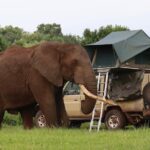
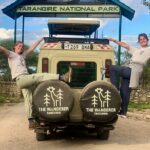
Three parks in four days. This 4-day Tanzania camping safari takes you through Tarangire, Serengeti, and Ngorongoro Conservation Area in a custom pop-up roof safari jeep, with a driver-guide guiding the game drives. You also get airport pickup and drop-off in the mix, so you spend less time sorting logistics and more time watching wildlife.
I especially like the way the route is built around the big moments: elephants at Tarangire, game drives in Serengeti’s Seronera area, and a very early Ngorongoro crater descent. I also like that the trip is packaged as real value, with park entrances, accommodation, and meals plus bottled water included for the full number of days stated.
One drawback to think about: you are doing long days and early starts. Day 4 starts with a crater descent at 6:15 am, and since parts of the trip involve camping, you’ll want to be comfortable with basic tent life even though feedback highlights clean facilities and good camp setups.
In This Review
- Key highlights that matter on this safari
- Entering the north circuit: what this 4-day route really gives you
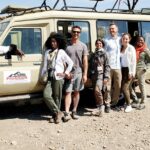
- The pop-up roof safari jeep: comfort for wildlife viewing
- Day 1 Tarangire National Park: elephants, river life, and camp inside the park
- Day 2 Serengeti (Seronera): when the game drive rhythm clicks
- Day 3 Early Serengeti plus Ngorongoro rim lodging
- Day 4 Ngorongoro crater descent: the early start you feel in your bones
- What you actually get included: value at $915
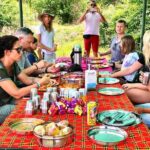
- Food, water, and campsite comfort you can plan around
- Guides and group size: why the service style matters
- Price and logistics: the tradeoffs of “budget safari” done right
- Who should book this 4-day camping safari
- Should you book? My practical take
- FAQ
- What parks are included on this 4-day safari?
- What is the start time for the safari?
- Does the price include park entrances and taxes?
- Are meals included?
- Is airport pickup and drop-off included?
- What kind of accommodation is provided?
- Are game drives included?
- Is the tour refundable if my plans change?
Key highlights that matter on this safari
- Pop-up roof jeep for easier wildlife spotting on bumpy tracks
- Seronera focus in Serengeti to maximize time on the best-known area
- Ngorongoro crater plan built around an early descent to improve viewing chances
- Tented camping experience with comfort improvements noted in feedback
- Meals, park fees, and water included so the price feels more predictable
- Guide-driven searching with names like Humphrey, Omari, Amos, Arnold Francis, and Eliis showing up often
Entering the north circuit: what this 4-day route really gives you
This safari is designed as a classic north Tanzania loop: Tarangire first, then Serengeti, then Ngorongoro. The big idea is simple—you don’t just visit parks, you spend multiple drives in the most wildlife-rich zones.
Arusha is your launchpad. On Day 0, you’re picked up from the airport and taken to your hotel in Arusha (Tulia spa & boutique). Later that evening, you get a tour briefing. That matters more than it sounds. When people arrive the same day and jump straight into safari without a plan, they miss the small stuff. Here, you get your bearings first.
You’ll also see that the tour is built for group travel (maximum 36 travelers) while still feeling structured—especially with a custom safari jeep and a guide/driver. That balance is what makes this kind of budget-focused trip work: you get the essentials handled, without paying for private-only service.
You can also read our reviews of more tours and experiences in Arusha.
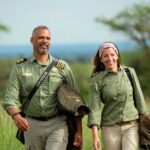
The pop-up roof safari jeep: comfort for wildlife viewing
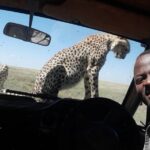
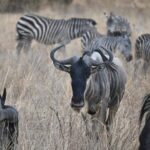
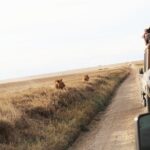
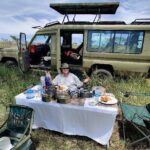
This is a custom safari jeep with a pop-up roof. Practically, that means you get better sightlines when animals appear close or when the scenery gets uneven. It’s one of the details that can change your whole experience on safari, because most of the action happens fast.
The route also runs on long drives between parks and conservation areas. A pop-up roof helps because you’re not stuck craning down for every moment. You’re set up to watch properly, even when you’re bouncing along roads that are far from smooth.
Day 1 Tarangire National Park: elephants, river life, and camp inside the park
Day 1 starts with a safari briefing, then you head southwest to Tarangire National Park. Tarangire is the park many people fall for because it feels different from Serengeti—more varied ground, acacia woodlands, and key areas where animals gather.
What you’re chasing here:
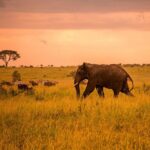
- big elephant herds, often concentrating around river and swamps
- a mix of grazers and browsers like giraffes, kudu, buffalo, and eland
- smaller birds too, including yellow-breasted lovebirds
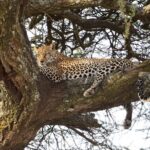
- predators that show up later in the day, like lions, leopards, and hyenas
- rarer wild dogs (so don’t plan your expectations around guaranteed sightings)
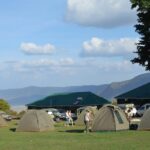
In the late afternoon, you arrive at a campsite inside the park and spend the night in tents. That’s the “camping safari” part you actually feel: sleeping in the safari setting instead of commuting back to Arusha.
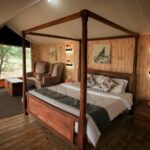
Based on feedback, the campsite setup holds up better than you might expect from a budget-style trip. People highlighted clean bathrooms at campsites, and others specifically mentioned comfortable camping with electricity and hot water. That doesn’t mean luxury, but it does mean you’re not dealing with the worst-case scenario.
Day 2 Serengeti (Seronera): when the game drive rhythm clicks
After breakfast, you drive from Mto Wa Mbu to Serengeti. The drive takes about 6 hours including stops, and it goes through the Ngorongoro conservation area on the way. That timing matters because it keeps Day 2 from turning into pure transit.
A quick pause at the gate and a viewpoint is included, aimed at giving you that big crater look in the distance—before you get the real thing later.
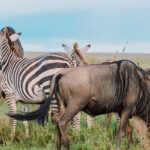
In Serengeti, your focus is on Seronera, described as the center of the park for game viewing. Serengeti is enormous—14,750 square kilometers—and it’s famous for the wildebeest and zebra migration. The itinerary ties into that star power, but the day-to-day value is the time on the ground. You arrive late afternoon, eat lunch, then go on a game drive in Seronera to late evening.
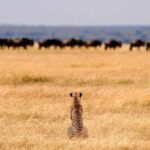
Late evening drives are where you often get calmer light and different animal behavior. Even if you already know the headlines about the migration, Serengeti is still about moments: a lion crossing your path, a herd moving together, or a predator tracking quietly in the grass.
Food timing helps here too. You get lunch on arrival and then dinner back at camp, so you aren’t scrambling for snacks while the best wildlife minutes pass you by.
Day 3 Early Serengeti plus Ngorongoro rim lodging
Day 3 starts with an early breakfast and an early game drive in Serengeti. Morning drives are where many sightings happen because animals tend to be active, and the temperatures are kinder.
The plan then shifts in the afternoon: you head out of Serengeti and drive toward the Ngorongoro rim. The itinerary specifically notes a drive of about 2 hours to Ngorongoro Rhino Lodge, which puts you in a good position for the crater experience on Day 4.
This is also a good day for pacing. If you’ve had two intense days already, leaving Serengeti before the evening can prevent the “all gas, no sleep” feeling. You still get more driving and another camp/lodge night, but you’re not trying to cram crater logistics into the same day you’re still searching the Serengeti grasslands.
Day 4 Ngorongoro crater descent: the early start you feel in your bones
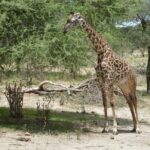
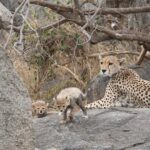
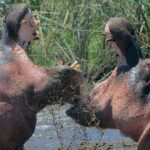
Day 4 begins early: a crater descent at 6:15 am. Ngorongoro is one of those places where timing matters. From above, you can spot movement, but from the crater floor you generally get more animal action because the area opens up.
Rhinos are the hardest animals to see, and the plan reflects that reality. The goal is to find the black rhino, while also knowing that from the floor crater you’ll usually have better odds of seeing other animals too.
After the morning descent and crater viewing, you return for lunch, then do a game drive and ascend the crater for your trip back to Arusha or the airport. If you have a late flight, you’ll be handled accordingly; if not, you’ll typically head to the airport the next day(s) (based on your flight timing).
If you’re the type who wants one moment that feels surreal, this is the day. The crater is often described as unreal because it’s a natural bowl with dense wildlife potential—and early entry puts you in the right rhythm.
What you actually get included: value at $915
At $915 per person, the value is largely in what’s covered. This isn’t a situation where you pay a base price and then discover you also need to buy separate park entries, accommodation, and most meals.
Included highlights:
- All park entrances and taxes
- Accommodation (plus the safari meal plan)
- Meals and water (bottled water, 3 liters or more per day)
- Airport transfers to and from Arusha
- Soft drinks
- Game driving
- Breakfast (4), lunch (4), dinner (4)
Not included:
- Tips
- Visas
- Personal items
That last part matters for budgeting. Safari tips aren’t always optional in the spirit of how the service works, so I’d plan for them rather than treating them as a surprise.
Also note the tour mentions an upgrade path: lodges inside the park are comfort-focused, and you can opt for upgrades to lodges of your choice at an extra charge, with examples like Serena or Sopa lodges in Serengeti or Ngorongoro. If you want the same route but a more upscale sleep, this is the lever you can pull.
Food, water, and campsite comfort you can plan around
This package is heavy on what you need to keep going on safari: meals and water. Bottled water is included in large daily amounts, and you’re also provided soft drinks.
On the camping side, feedback stands out. People called out:
- good food quality from the safari cook
- clean bathrooms at campsites
- camping comfort, including electricity and hot water (mentioned by multiple visitors)
Chef and guide names show up often enough to be more than luck: Emanuel is referenced as a chef in one account, Halid in another, while guides include Humphrey, Omari, Freddy, Amos, Arnold Francis, David, and Eliis (among others). I take that as a sign the company tends to staff consistently and assign people who care about the details.
Still, camping is camping. You can expect tent nights where listed, plus practical facilities and routines. You’re there for animals first; comfort supports that mission.
Guides and group size: why the service style matters
The tour caps at a maximum of 36 travelers, with group discounts offered. In a safari context, group size can affect how often you’re stuck waiting for other vehicles. Here, the presence of a custom safari jeep helps keep movement coordinated, and the guide/driver role is central.
What you should look for in this kind of trip is not just navigation, but how the guide explains what you’re seeing. Feedback repeatedly highlights guides who explain animals and help search actively. Names like Omari, Humphrey, and Arnold Francis show up with that theme, and that kind of guiding turns a sighting into a story you remember later.
Price and logistics: the tradeoffs of “budget safari” done right
A budget safari usually means one of two things: either you lose quality somewhere, or you manage tradeoffs intelligently. This trip leans toward the second option.
You still get:
- the big three areas (Tarangire, Serengeti, Ngorongoro)
- park entries and meals handled
- airport pickup and transfers
- game drives on a proper safari vehicle setup
Where the tradeoff shows up is your schedule intensity and the camping/lodge mix. Long drives between parks are part of the north circuit. And Day 4 is early.
If you’re the kind of traveler who wants a relaxed safari with late mornings and slow afternoons, this route may feel like a sprint. If you’re okay with getting up early to maximize animal odds, the structure makes sense.
Who should book this 4-day camping safari
This works best for you if:
- you want a full north circuit taste in a short window
- you’re price-sensitive but still want solid inclusions
- you’re comfortable with tent nights and basic camping routines
- you prefer a driver-guide who actively helps you spot and understand wildlife
You might want a different format if:
- early starts feel like punishment
- you want fully private vehicle time
- you’re very picky about lodge class at every stop (though upgrades are offered for some lodge choices)
Should you book? My practical take
Book it if you want the classic north parks with a strong “what’s included” package, and you’ll handle an early-day schedule for Ngorongoro. The pop-up roof jeep, the Seronera-focused Serengeti time, and the structured Day 4 crater plan are the kind of details that usually separate an okay safari from a memorable one.
Skip it or compare prices if you’re hoping for a slower pace or you want to control lodge choices without extra costs, since upgrades are an add-on. Also, don’t forget tips and visa planning since they’re not included.
If your goal is to maximize wildlife time without getting buried in separate tickets and add-ons, this is a straightforward pick.
FAQ
What parks are included on this 4-day safari?
The trip covers Tarangire National Park, Serengeti National Park, and the Ngorongoro Conservation Area, including the Ngorongoro crater.
What is the start time for the safari?
The meeting start time is 6:00 am.
Does the price include park entrances and taxes?
Yes. The tour includes all park entrances and taxes.
Are meals included?
Yes. Breakfast (4), lunch (4), and dinner (4) are included, along with meals and water (bottled water, 3 liters or more a day) and soft drinks.
Is airport pickup and drop-off included?
Yes. Transfers to and from the airport are included.
What kind of accommodation is provided?
The itinerary includes camping inside the park on Day 1 in tents. The tour overview also notes that lodges inside the park are comfort, and you can opt for lodge upgrades (for an extra charge).
Are game drives included?
Yes. Game driving is included as part of the safari.
Is the tour refundable if my plans change?
There is free cancellation. You can cancel up to 24 hours in advance of the experience start time for a full refund.