REVIEW · MAASAI MARA NATIONAL RESERVE
Samburu, Lake Nakuru & Masai Mara 6 Days Private 4×4 Jeep Safari
Book on Viator →Operated by Natural World Kenya Safaris · Bookable on Viator
A sunrise safari with big wildlife energy. This private 4×4 Jeep route strings together three famous parks—Samburu, Lake Nakuru, and Maasai Mara—so you get different habitats (and different animals) in just one week. I also like that your driver brings real context, not just a route, so each drive feels like you understand what you’re seeing.
Key terms: private 4×4 Jeep, three ecosystems
What I like most is the mix of game drives across river country and the Rift Valley, then finishing in Maasai Mara where sightings can be intense. I also appreciate the straightforward plan: admissions are included, your lodging is pre-booked, and meals are all part of the package.
Key terms: game drives, Rift Valley birdlife
One thing to consider: this is a lot of time in the Jeep, and some days start early and run long. If your body hates long drives, plan for sore shoulders and a more chill pace afterward.
Key term: lots of driving
In This Review
- Key highlights from this Samburu, Lake Nakuru & Maasai Mara safari
- Kenya in one week: how this route stacks the odds for sightings
- Day 1: Nairobi to Samburu with Mount Kenya views and an afternoon hunt
- Day 2 in Samburu: focus on the Ewaso Nyiro river corridor
- Day 3: Lake Nakuru’s bird life plus rhinos in the Great Rift Valley
- Day 4: Nakuru to Maasai Mara, arriving for an afternoon drive
- Day 5: A full day in Maasai Mara plus Mara River hippos and crocodiles
- Day 6: sunrise viewing, then out to Nairobi by late afternoon
- Guides and driving: why private feels different in these parks
- Lodges, all-inclusive meals, and the comfort factor you actually feel
- Price and value: what $5,980 per person is buying you
- Who this Samburu–Nakuru–Mara safari is best for
- Quick answers: the timing and highlights you should plan around
- Should you book this private 6-day safari?
- FAQ
- What parks does this 6-day safari include?
- Do I get pickup in Nairobi?
- What time does the safari start each day?
- Is this tour private?
- What’s included in the price?
- Are there game drives each day?
- Is there a stop for waterfalls?
- Will I see hippos and crocodiles?
- Is there a Maasai village visit?
- Is there a cancellation window for a refund?
Key highlights from this Samburu, Lake Nakuru & Maasai Mara safari
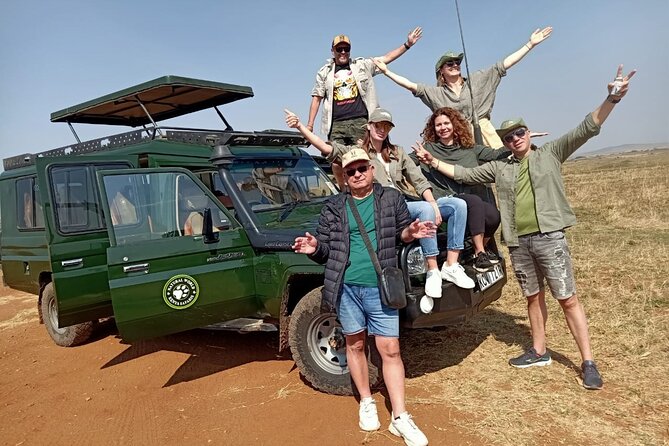
- Three parks, three wildlife styles: Samburu’s dry riverbanks, Lake Nakuru’s Rift Valley bird life, and Maasai Mara’s savannah action
- Private guiding that helps you read animal behavior: the best days come when your guide can position you and explain what’s happening
- Maasai Mara game-drive focus: a full day of serious driving plus a final sunrise-to-exit drive
- Lake Nakuru as a birding stop: you’re in a place known for birds, with flamingos sometimes showing up in groups
- Culture option at Maasai village: a chance to meet local people beyond the parks’ fences
- Big wildlife targets, including rhinos and migration season: the itinerary calls out black and white rhinos, and the Mara River area for hippos and crocodiles
Kenya in one week: how this route stacks the odds for sightings
This safari is built like a greatest-hits album, but for wildlife. You start in Samburu, where the Ewaso Nyiro river corridor concentrates animals. Then you shift into the Great Rift Valley at Lake Nakuru, a bird magnet. Finally, you land in Maasai Mara, where the savannah rhythm makes big moments more likely.
The smart part is pacing. Instead of trying to force one park into your whole trip, you’re moving between ecosystems. That matters because animals don’t scatter evenly across the map. Rivers, open plains, and lake edges each pull different species.
And since this is private, you’re not stuck with constant stop-start group logistics. Your guide can time drives around what’s working that day, which is huge when you’re trying to catch fast action—like predators moving in short bursts.
You can also read our reviews of more tours and experiences in Maasai Mara National Reserve.
Day 1: Nairobi to Samburu with Mount Kenya views and an afternoon hunt
Your day starts with pickup in Nairobi—either from the airport or your Nairobi hotel—and then it’s off through Kenya’s central highlands. You’ll pass farms and homesteads, with views of coffee, tea, sisal, pineapple, and everyday subsistence scenes. It’s a good first taste of Kenya, and it breaks the trip up so you don’t feel like you’re only traveling.
Along the route, you may spot Mount Kenya with snow-capped peaks in the distance. That’s the kind of view that makes the drive feel like a part of the safari, not just a transfer.
By afternoon, you’ll roll into game viewing in the Samburu-related reserves (including Samburu, Shaba, and Buffalo Springs). Then you sleep at your Samburu lodge or tented camp.
What to watch for on day 1: your best sightings often come after the first settle-in drive. When your guide starts positioning the Jeep along the best areas, things can click quickly.
Day 2 in Samburu: focus on the Ewaso Nyiro river corridor
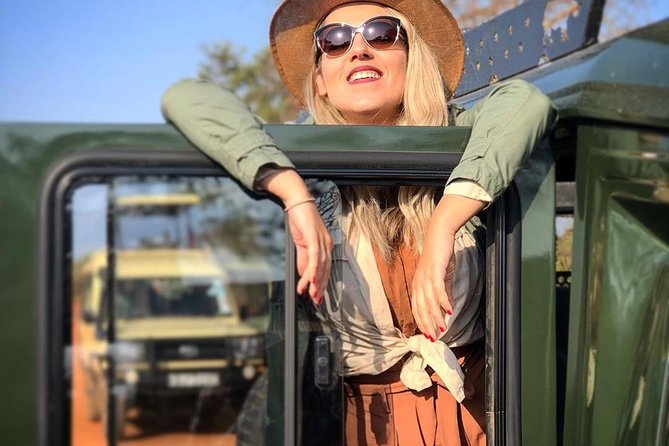
Day 2 keeps you in Samburu National Reserve, but it’s where the safari starts feeling more focused. The plan is game drives plus breaks, with most wildlife concentrated along the banks of the Ewaso Nyiro river.
This is dry-country safari logic: when water and food concentrate, animals concentrate too. It’s not about standing in one spot and waiting. It’s about moving deliberately, scanning carefully, and letting your guide’s experience steer you toward the most productive angles.
Samburu is also a place where you can get a distinctly different feel from the Mara later. You’ll likely notice the environment is drier and more sculpted, and the animal cast can feel more unique to this region.
Practical note: this is a day that rewards good patience. A lot of wildlife happens in motion—small signals first, then the payoff.
Day 3: Lake Nakuru’s bird life plus rhinos in the Great Rift Valley
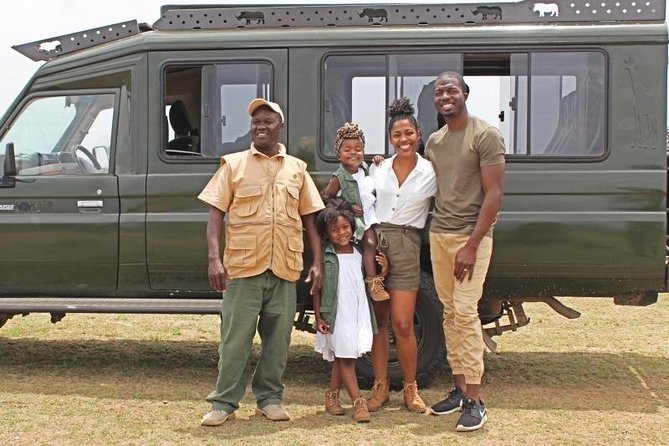
You leave Samburu early with another drive to set you up for the Rift Valley day. On the way out, you stop to view Thompson Falls at Nyahururu, which is a nice mid-route reset. It gives you a break from the Jeep rhythm before you jump into the park.
Then comes Lake Nakuru National Park, known as a birdlife heaven sitting in the Great Rift Valley. In the lake area, birds can be nonstop, and the itinerary calls out flamingos (sometimes seen together), along with pelicans and other species. Even if you’re not a serious birder, you’ll probably find the sheer volume of birds a fun change from the big-cat tempo.
Wildlife in the park is also highlighted: the itinerary points to black and white rhino species, plus warthogs, lions, zebras, giraffe, and even hippos.
The balanced truth: rhino sightings can’t be guaranteed like a train schedule. But Lake Nakuru is on many safari checklists because when the conditions line up, you can get close and learn a lot about behavior quickly.
Day 4: Nakuru to Maasai Mara, arriving for an afternoon drive
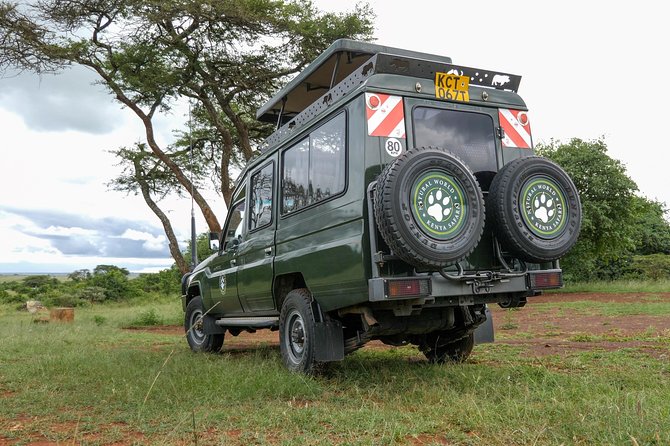
Day 4 begins with an early bird-and-sightings drive at Lake Nakuru, then you head onward to Maasai Mara National Reserve.
Once you arrive, the plan is to get you into Mara time for an afternoon game viewing drive. That’s a smart move. Mara often rewards the late-day light—when animals start to shift their patterns and the savannah feels extra alive.
Your overnight stays in a Masai Mara lodge or tented camp, and you’ll likely feel the setting shift from lake/river focus to open plains.
One consideration: transfers between parks take real time. The payoff is that you’re not wasting a day trying to do everything in one place.

Day 5: A full day in Maasai Mara plus Mara River hippos and crocodiles
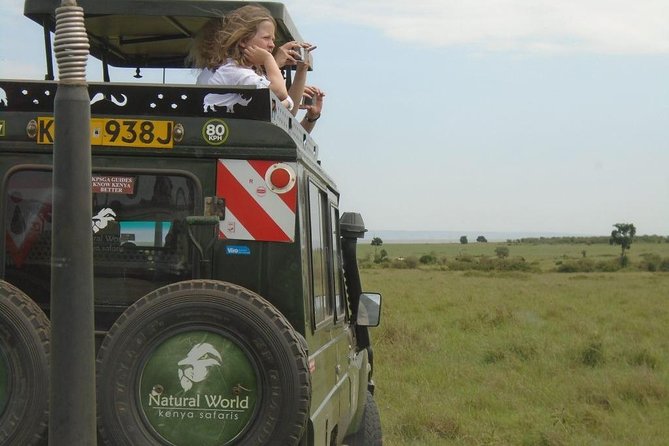
This is the day you’re aiming for. The itinerary calls it a game viewing extravaganza, and it’s built as a full day of unlimited-style exploring in the Masai Mara reserve.
Maasai Mara is described as having one of the highest and most varied concentrations of wild animals in the region. Practically, what that means for you is more frequent chances to see different animals in the same general day. You can go from large grazers to predators to surprise moments without feeling like you’re stuck waiting.
The plan specifically mentions the Big Five and more, and it also flags the Mara River area. This is where you may watch hippos and crocodiles. It’s also the area connected to the great migration timing (July to October), though your actual chance to see it depends on the exact month and conditions.
In terms of how to make the most of a day like this:
- Bring a flexible mindset. Animals don’t follow schedules, even if you do.
- Use your breaks well. A full day in a Jeep is tiring, and a calm moment helps you enjoy the next drive, not just survive it.
Day 6: sunrise viewing, then out to Nairobi by late afternoon
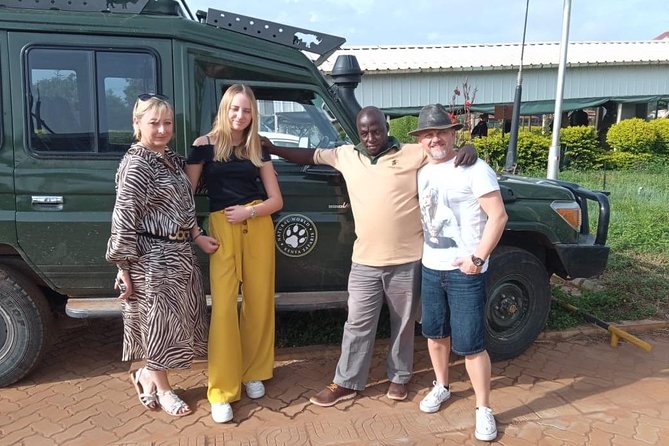
On day 6 you go for an early pre-breakfast game viewing drive—then you’ll do an extra final drive as you exit the Maasai Mara. This last push matters because it’s when you often catch the park at its most awake.
After that, you depart for Nairobi and you’re set to arrive in the late afternoon, with safari finishing around 4:30 PM.
This ending shape is useful. You get wildlife time on the final morning, and you’re not left wondering what would’ve happened if you’d gone out one more hour.
It’s also a practical close if you have plans later in Nairobi.
Guides and driving: why private feels different in these parks
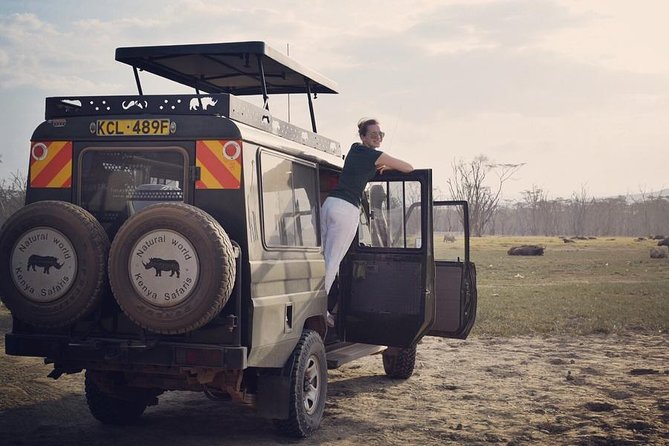
This tour is private, and that word matters more in Kenya than in most places. Here’s why: the best wildlife viewing often comes from small decisions—where to stop, when to move, how to position the Jeep, and when to keep scanning versus when to chase a lead.
From the feedback I reviewed, guiding quality is a big theme. Names that came up include Peter, Joseph Koikai, Robinson, Joseph (described as very experienced), Caleb, Michael, Ben, Fred, Ken, and Kim Ngare. The common thread is safety plus animal-finding skill, with guides who work hard to get you to the right sightings and stay within park rules.
So what should you look for before you fully commit? Ask how the guide plans to manage drive time and sighting opportunities across the three parks. A good guide will talk about behavior, not just species lists.
Also, start thinking about your body now. The itinerary includes long drive days (some listed around 6–8 hours). You’ll sit a lot, bounce a bit, and spend the day in a warm outdoor world. Bring layers for early mornings and something comfortable for rough seating.
Lodges, all-inclusive meals, and the comfort factor you actually feel
This safari includes pre-booked accommodation at each stop (lodge or tented camp) and all-inclusive meals. That’s not a tiny detail. It reduces decision fatigue. You’re not trying to hunt down dinner plans after a full day in the field.
In past experiences tied to this operator, food and lodge service have been mentioned positively, including spot-on service and food and overall satisfaction with accommodations. While lodging style can vary, the package approach helps you avoid awkward surprises like missing meals or scrambling for late check-in arrangements.
One more comfort note: you’ll appreciate having a predictable routine—wake early, drive, breaks, then lodge downtime. That rhythm is what makes a multi-park safari feel like a trip instead of a logistics problem.
If you’re someone who hates waiting rooms and lines, private safari structure can feel like a relief.
Price and value: what $5,980 per person is buying you
At $5,980 per person, this isn’t a budget safari. This is a premium price point, and the value depends on what you want out of the week.
Here’s what the package includes, based on the tour details:
- Private Jeep safari across three major reserves
- Pickup offered in Nairobi (airport/hotel)
- Ground transfers
- Admission ticket(s) included each day as listed
- All-inclusive meals
- Pre-booked lodging at each overnight stop
- Guide context during drives
- A start time of 7:00 am
So you’re not paying only for driving. You’re paying for time saved, admissions covered, meals handled, and a private framework that gives the guide room to work.
Where the cost can sting is if your group is small and you’re paying solo in spirit (even if the trip is private by contract). But if you value private guiding, you want flexible drive pacing, and you’re trying to hit Samburu + Nakuru + Mara in one week, this pricing often lines up with what you’d pay for that level of convenience.
Who this Samburu–Nakuru–Mara safari is best for
This itinerary fits best if you:
- Want multiple ecosystems without adding extra days.
- Like the idea of heavy game-drive time (and can handle long days).
- Want a private safari where your guide’s role is front and center.
- Care about both big wildlife and the Rift Valley bird angle.
It may be less ideal if you want a low-motion trip with minimal driving. This safari is built for wildlife time, not rest stops and slow sightseeing.
Quick answers: the timing and highlights you should plan around
- Start time: 7:00 am
- Key wildlife settings: Ewaso Nyiro river (Samburu), Lake edges (Nakuru), Mara plains and Mara River (hippos/crocodiles)
- Seasonal note in the plan: migration timing is July to October
- Optional culture: an optional visit to a Maasai village
If you’re traveling during migration season (July–October), you can be especially excited about Mara’s Mara River area. Outside that window, the Mara still delivers wildlife variety, just with different movement patterns.
Should you book this private 6-day safari?
I’d say book it if you want a focused, high-time wildlife circuit—Samburu, Lake Nakuru, and Maasai Mara—run with a private 4×4 and guided drives that aim for real sightings. The structure is efficient, admissions and meals are included, and the itinerary hits distinct habitats instead of repeating the same scenery.
I’d hesitate if you’re sensitive to long Jeep days or if you’re hoping for a perfectly calm, low-drive pace. Also, keep expectations realistic: rhinos and big cats can be amazing, but wildlife depends on conditions.
If you’re flexible, ready for early mornings, and excited by the idea of stacking three iconic parks into six days, this is the kind of safari plan that can turn into a lifetime memory.
FAQ
What parks does this 6-day safari include?
It includes Samburu National Reserve, Lake Nakuru National Park, and Maasai Mara National Reserve.
Do I get pickup in Nairobi?
Yes. Pickup is offered from Nairobi, either from the airport or your Nairobi hotel.
What time does the safari start each day?
The listed start time is 7:00 am.
Is this tour private?
Yes. It is a private tour/activity, so only your group participates.
What’s included in the price?
The tour details list pre-booked accommodation, all-inclusive meals, ground transfers, and admission tickets included (as indicated for each day). A mobile ticket is also mentioned.
Are there game drives each day?
Yes. The itinerary includes multiple game viewing drives, including an afternoon drive on Day 1, drives in Samburu on Day 2, wildlife time at Lake Nakuru on Day 3, drives at Maasai Mara on Days 4 and 5, and final drives on Day 6.
Is there a stop for waterfalls?
Yes. On the way to Lake Nakuru, there is a stop to view Thompson Falls at Nyahururu.
Will I see hippos and crocodiles?
The itinerary specifically mentions a stop at the Mara River where you may watch hippos and crocodiles.
Is there a Maasai village visit?
The tour overview says an optional visit to a Maasai village may be included.
Is there a cancellation window for a refund?
Yes. You can cancel up to 6 days in advance for a full refund. Less than 6 days typically reduces the refund amount, and within 2 days there is no refund, based on local start time rules.