REVIEW · MAASAI MARA NATIONAL RESERVE
From Nairobi: 3 Days, 2 Nights Maasai Mara Group Safari
Book on GetYourGuide →Operated by Perfect Wilderness Tours and Safari · Bookable on GetYourGuide
Your fastest way into the Mara starts at dawn. This 3-day group safari from Nairobi turns the long drive into part of the adventure, with a guaranteed daily departure and a self-contained tent setup waiting for you at camp. I like that the schedule builds in serious time on the plains (not just a quick drive-by), plus a Maasai community stop where you can see inside traditional huts. One consideration: the headline price is $199, but park fees are extra, and that can noticeably change your real total.
On the wildlife side, you’re aiming for big cats and the classic Maasai Mara scenes, including the Mara River crossing where wildebeest activity is part of the drama. Your game drives are run in a 4×4 Land Cruiser style vehicle with a pop-up roof for better viewing, and groups run small (7–8 people) so you’re not stuck behind a crowd.
In This Review
- Key moments that make this Maasai Mara trip worth it
- Nairobi pickup to the Rift Valley viewpoint: start strong
- Your camp reality check: big private tent, hot water, and the small comfort trade-offs
- Day 1 sunset game drive (4:00–6:00 PM): why that timing works
- Big Five days are about more than one checklist
- Mara River crossing: wildebeest movement, plus hippos and crocodiles
- Maasai village stop and traditional huts: what you’ll gain (and what to watch for)
- Price and logistics: where the $199 value really lands
- Who should book this Maasai Mara safari from Nairobi
- Should you book this 3-day Maasai Mara group safari?
- FAQ
- What time does the safari pickup start in Nairobi?
- How many people are in the group?
- What’s included in the tent accommodation?
- Are park fees included in the $199 price?
- Is the hot air balloon included?
- When do you do the sunset game drive?
- Is there a Maasai village visit?
Key moments that make this Maasai Mara trip worth it
- Guaranteed daily departure with your own setup: the operator uses their own cars and camp, so you’re not left hunting for last-minute alternatives.
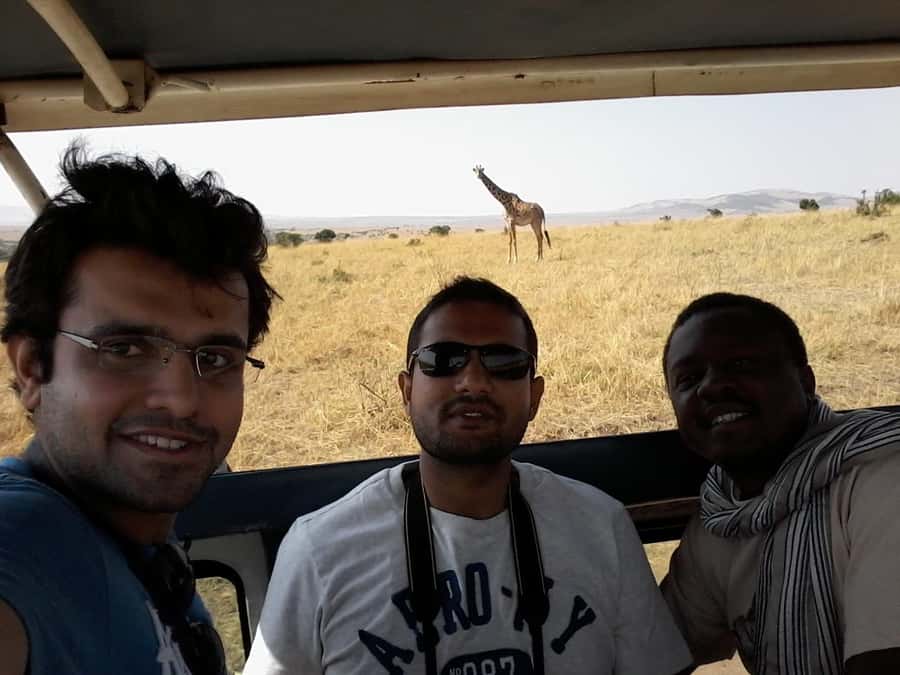
- 4×4 safari vehicle with pop-up roof: better sightlines for wildlife and photos, even when animals are higher up or moving.
- Big, private tents with shower + toilet: real comfort for a camping-style safari, plus mosquito nets and hot water in the evenings.
- Sunset drive on Day 1 (4:00–6:00 PM): prime timing for predators and active herds before night falls.
- Mara River crossing stop: a dedicated moment for wildebeest movement and the hippo/crocodile banks.
Nairobi pickup to the Rift Valley viewpoint: start strong
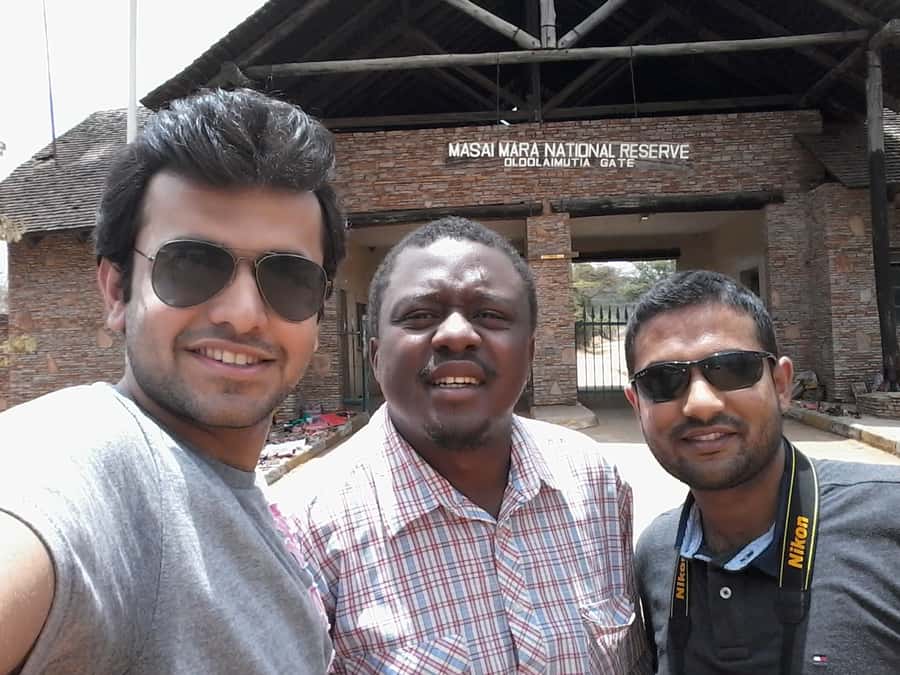
The safari begins early, with hotel pickup in Nairobi City Centre or Westlands around 8:00 AM. If you’re coming from the airport on Day 1, airport pickup is available, which makes the start less stressful if your arrival lands late or you’re figuring out where to meet.
The drive itself matters. You’ll pass a Great Rift Valley viewpoint, and this is one of those quick stops that helps you understand why the Mara works the way it does—wide skies, huge space for animals to roam, and that sense that you’ve finally left city life for real wilderness.
Here’s what I’d plan for: the ride is a long one. Even though the vehicle is built for off-road game viewing, you’ll want to dress for bumps and bring something for dry air and dust. A light layer helps for morning departures and cooler late-day temperatures.
You can also read our reviews of more tours and experiences in Maasai Mara National Reserve.
Your camp reality check: big private tent, hot water, and the small comfort trade-offs
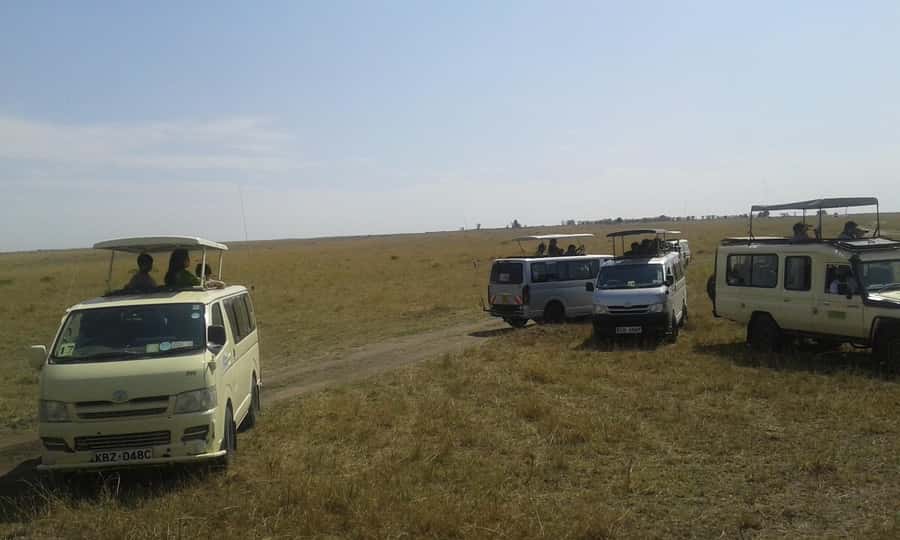
Check-in is timed so you can arrive, settle, and eat without feeling rushed. Your base is a big private tent with a bed, linen, inside shower and toilet, and mosquito nets. Electricity is available in the evenings so you can charge a phone or camera, which is the practical difference between an enjoyable safari night and a frustrating one.
This tour is camping-style, not luxury lodge-style. That doesn’t mean it’s uncomfortable—it just means your expectations should match the setting. One theme that shows up is that power can be a bit unreliable at times. The camps may use a backup generator in the morning and evening, so charging can still be workable, but it’s smart to come with a power bank if you rely on your phone for photos and maps.
Food is part of the deal: you’ll have dinner at Rhino Tourist Camp or a similar camp, and breakfast is included on the final morning. If you care about meal rules, note that the camp has been reported to offer halal food, so it’s worth confirming your needs when you book.
Day 1 sunset game drive (4:00–6:00 PM): why that timing works
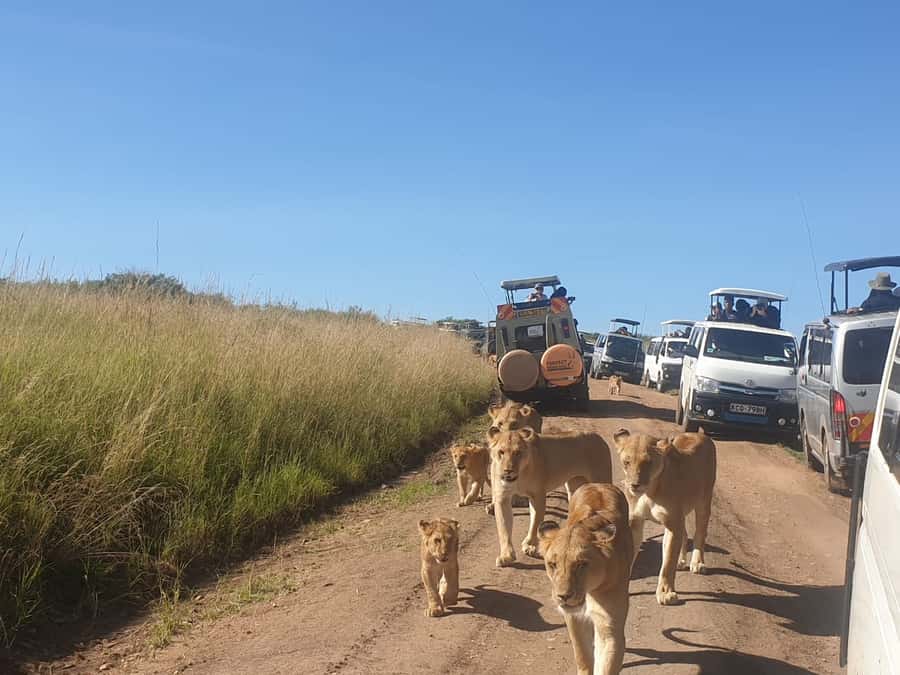
Once you check in, you head out for a sunset game drive from 4:00 to 6:00 PM. This slot is popular for a reason: light is softer for viewing, many animals are more active, and predators often move more at the day’s edge.
Because you’re in a 4×4 vehicle with a pop-up roof, your vantage point improves when:
- animals are on the move across open ground
- herds bunch near water and cover
- cats sit higher on termite mounds or in thorny edges
This is also your first chance to learn the rhythm of Maasai Mara. You’ll get a feel for where guides tend to position the vehicle—close enough for real viewing, but not so close that you spend the whole drive bumping and stopping.
Dinner follows back at camp, and you retire early. That’s not a weakness here. It sets you up for the full-on Day 2 safari.
Big Five days are about more than one checklist
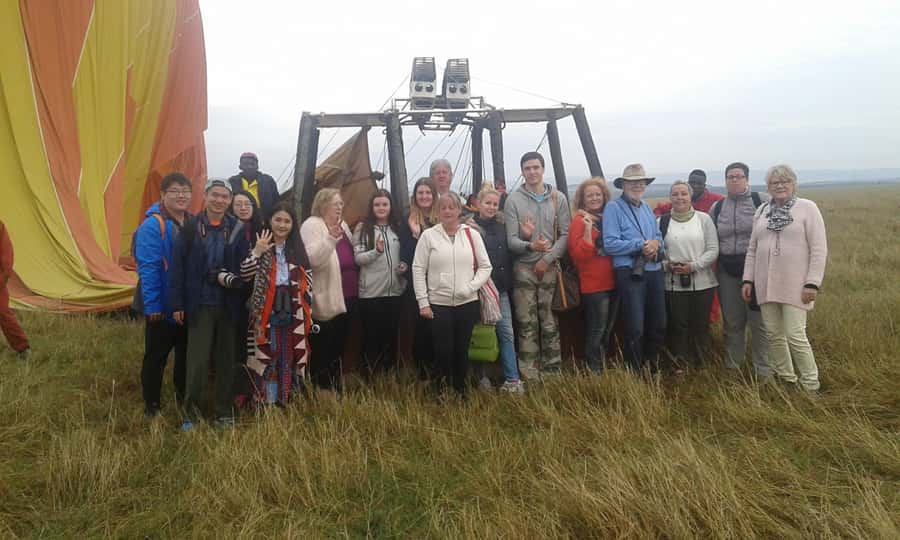
Day 2 is built for a proper Mara experience: after breakfast, you spend the full day exploring the Maasai Mara National Reserve looking for the Big Five and the rest of the wildlife mix that makes the Mara famous.
You’ll have a picnic packed lunch inside the reserve. That detail is underrated. Eating inside the park saves you from losing prime daylight to roads and it lets you stay in the wildlife tempo instead of treating the reserve like a short stop.
About the Big Five: I think it helps to treat this as a target, not a guarantee. Maasai Mara sightings depend on animals’ routes, weather, and luck. What this tour does well is maximize your time on the ground and keep you in the right zones across the day rather than spreading your drive time too thin.
Your guide also makes a big difference. The experience includes a professional guide, and depending on your departure, you might travel with drivers/guides such as Sammy Charo, Robert, Paul, Castro, Calvin, Peter, or James (names vary by date). The strongest trips tend to come from guides who can spot movement early and reposition quickly when animals appear.
Mara River crossing: wildebeest movement, plus hippos and crocodiles
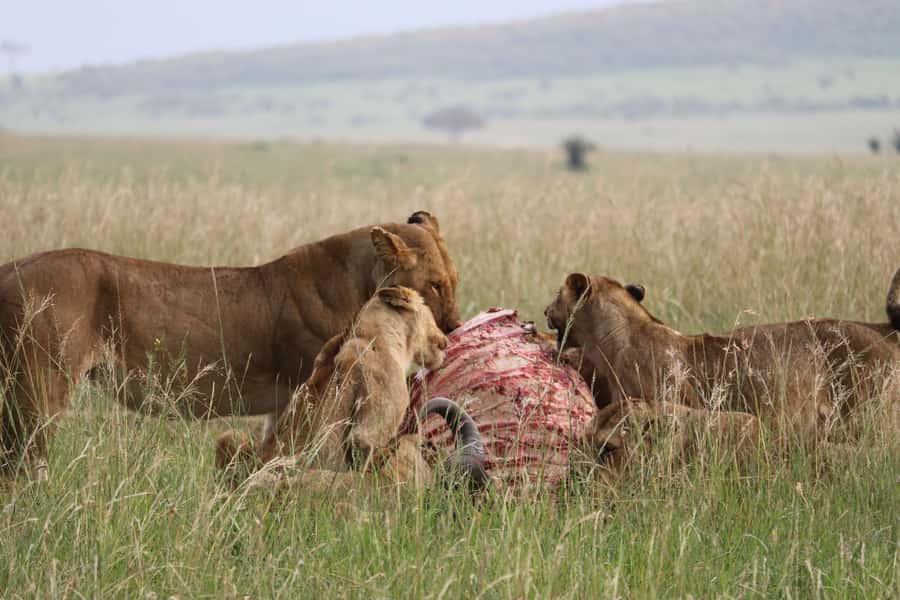
The Mara River crossing is a featured moment on Day 2. You’ll go right to the river to see wildebeest crossing into the Mara from Serengeti, with activity possible all year round.
What I like here is that the stop isn’t just about one animal species. The riverbanks are also a hotspot for resident hippos and crocodiles, so even when you’re waiting for the biggest movement, you still have strong wildlife to watch—snorts and splashes from hippos, and crouched crocodiles blending into the edges.
Practical tip: keep your camera ready and your patience longer than you expect. River scenes can start fast, then pause, then surge again. If you’re traveling with someone who gets antsy, agree ahead of time that this is a watch-and-wait kind of moment.
Dinner comes back at camp after the game drive, followed by another overnight.
Maasai village stop and traditional huts: what you’ll gain (and what to watch for)
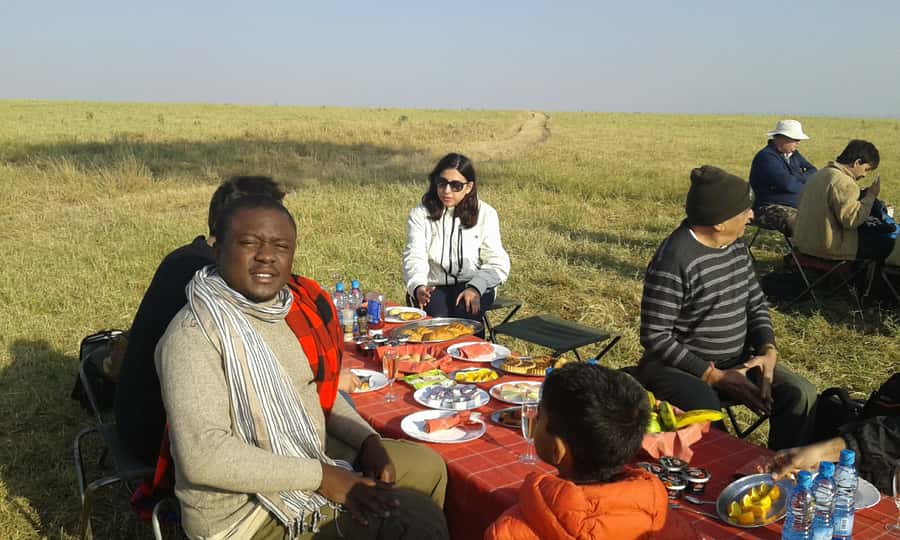
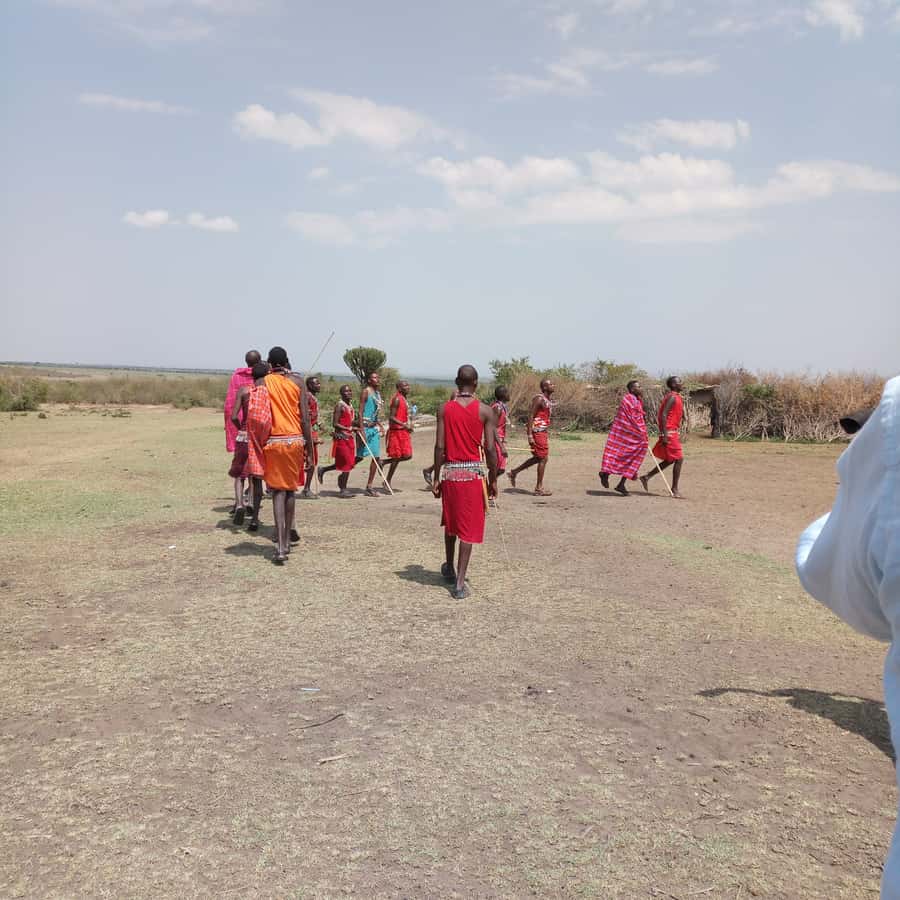
There’s an optional Maasai village tour on the way back to Nairobi. When selected, you’ll get a cultural encounter with the Maasai community and you can see the inside of traditional houses (huts).
This is one of the best ways to balance a wildlife-heavy itinerary. The Mara gives you nature. The village stop gives you context about people who have lived alongside this ecosystem for generations.
That said, cultural visits can vary from date to date and from village to village. Keep the mindset practical: ask questions, go slowly, and avoid treating the experience like a quick photo checklist. If you’re hoping for something deeply personal, you’ll get more out of respectful conversation than staged demonstrations.
Price and logistics: where the $199 value really lands
At $199 per person for 3 days, this safari is priced like a budget-friendly way to reach Maasai Mara fast from Nairobi. The value comes from what’s included:
- Hotel pickup/drop-off within Nairobi CBD (and Westlands area near the highway)
- Professional guide
- Safari vehicle: 4×4 Land Cruiser with pop-up roof
- 2 nights in a private tent with toilet and shower
- All meals as per the itinerary
- Picnic lunch on Day 2
- Bottled water in the car
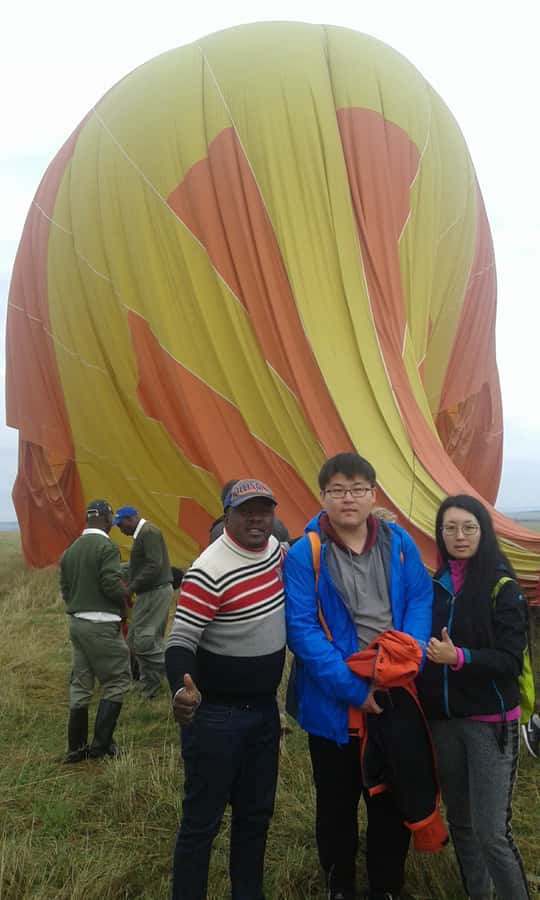
- Optional add-ons like hot air balloon and Maasai village tour (when selected)
But the big reality check is the park fees. Park fees for 2 nights are listed as:
- $200 per person for Jan 1 to June 31
- $400 per person for July 1 to Dec 31
So your real total can jump a lot depending on season. Also, drinks are not included, so budget for soft drinks and anything beyond meals.
Two more logistics notes that matter:
- Groups are small (7–8 people), which makes it easier to move and find space for everyone.
- Pickup is only guaranteed within the City Centre/Westlands area; if you’re outside those zones, you’ll meet at outside the City Market on Muindi Mbingu Street.
Who should book this Maasai Mara safari from Nairobi
This is a strong fit if you:
- want short, high-impact time in Maasai Mara
- prefer a group trip with small numbers
- like the idea of a real safari tent with private shower/toilet (not just a basic camp bed)
- care about not wasting daylight, because the schedule is built around game drives
It may not be your best match if you:
- need a fully lodge-level experience with stable electricity and polished dining
- hate long road time (the Nairobi-to-Mara drive is part of the package)
- are very sensitive to early-morning noise, since camp routines can be affected by local church service timing on Sundays (some departures can wake early around 5:00 AM)
Should you book this 3-day Maasai Mara group safari?
If you’re trying to get to Maasai Mara without spending luxury money, I’d say this is a smart booking choice. The big winners are the daily departure reliability, the small group size, and the tent comfort that’s more than bare-bones. The Mara River crossing stop is also a highlight that can pay off in a big way when the timing aligns with animal movement.
Just go in with the right math and expectations. Confirm the park fees for your travel month, plan for dust and early starts, and remember that wildlife is always wildlife. If you can accept that nature decides the final sightings order, you’ll likely come away with exactly the kind of Mara story you came for.
FAQ
What time does the safari pickup start in Nairobi?
Pickup is typically 8:00 AM from hotels in Nairobi City Centre or Westlands near the highway (or you meet at the City Market area on Muindi Mbingu Street if you’re outside the pickup zone).
How many people are in the group?
The safari starts with a small group of 7–8 people.
What’s included in the tent accommodation?
You sleep in a big, private tent with a bed and linen, plus a shower and toilet inside, mosquito nets, and hot water and electricity available in the evenings.
Are park fees included in the $199 price?
No. Park fees are not included, and they are listed as $200 per person for Jan–June and $400 per person for July–Dec for the 2 nights.
Is the hot air balloon included?
A hot air balloon tour is included only if you select the option.
When do you do the sunset game drive?
The sunset game drive runs 4:00 to 6:00 PM on Day 1.
Is there a Maasai village visit?
Yes, there is an optional Maasai village tour (including a cultural encounter and seeing inside traditional huts) on the way back to Nairobi if you choose it.