REVIEW · SAN DIEGO ZOO SAFARI PARK
San Diego: San Diego Zoo Safari Park 1-Day Ticket
Book on GetYourGuide →Operated by GetYourGuide Tours & Tickets GmbH · Bookable on GetYourGuide
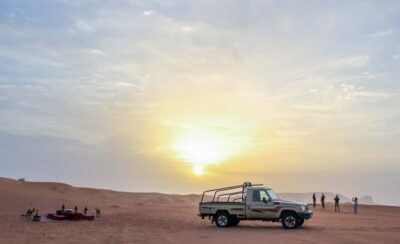
One day here feels like Africa.
San Diego Zoo Safari Park turns Southern California into a real-life safari stop, spread across 1,800 acres with open-field animal habitats. I love how the park uses wide enclosures so you feel close to the animals without the usual fence-closeness vibe.
Two highlights I keep thinking about are the Lion Camp nose-to-nose moments and the elevated Elephant Overlook view from the Elephant Cam area. A potential drawback: you’ll cover a lot of ground, and some exhibits or rides can be affected by weather or animal-health needs, with the Africa Tram Safari subject to availability.
In This Review
- Key things that make this ticket worth your time
- Why San Diego Zoo Safari Park feels different from a standard zoo
- Ticket value: what about the $76 price buys you
- Plan your day around the Africa Tram Safari hours
- A realistic route: where to go first and why
- Lion Camp: the nose-to-nose moment you should build your day around
- Heart of Africa and Jamison Research Island: where walking turns into meaning
- Sumatran Tiger Trail and the Hidden Jungle greenhouse stop
- Elephant Overlook and the aerial view that makes the day cooler
- Wings of the World Aviary and Condor Ridge for bird lovers
- Shows and animal encounters: how to fit them into a 1-day plan
- The kid-friendly comfort stuff you’ll thank yourself for
- Navigation, crowds, and walking: what to prepare for
- Accessibility and older legs: what helps if you can’t do long distances
- Should you book this San Diego Zoo Safari Park 1-day ticket?
- FAQ
- Is the San Diego Zoo Safari Park ticket valid for a year?
- What’s included with the ticket?
- Does the ticket include food or drinks?
- Is parking included in the ticket price?
- What time does the Africa Tram Safari run?
- Can I skip the ticket line with a mobile voucher?
- Are kids free?
- Where do I go for the start of the experience?
Key things that make this ticket worth your time
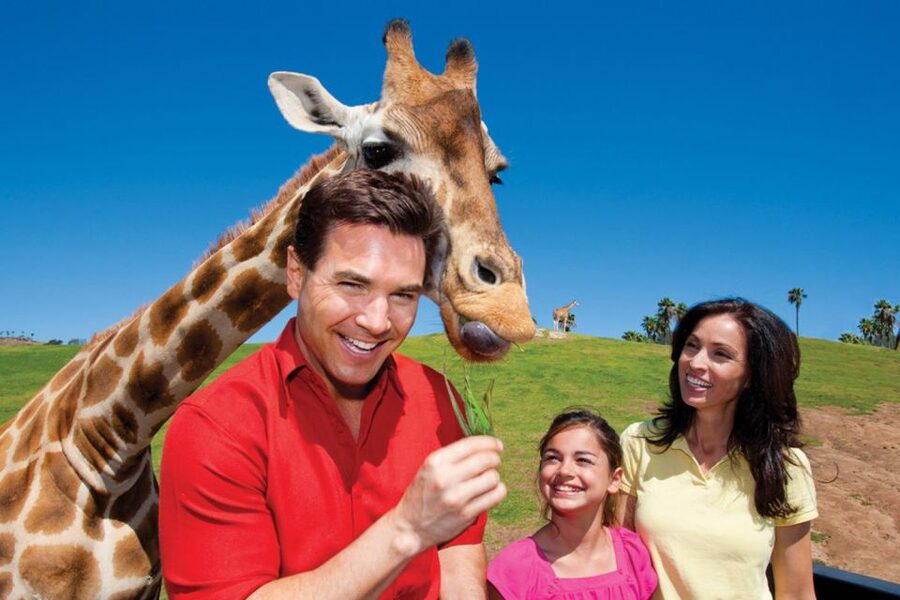
- Open-field animal habitats that feel more safari-like than traditional zoo pens
- Lion Camp with close-up viewing as animals approach the glass
- Elephant Overlook plus a guided Africa Tram Safari that helps you see more with less backtracking
- Wings of the World Aviary featuring free-flight birds (140+ species noted)
- California condor focus along Condor Ridge trails
- Family-friendly add-ons like Discovery Station, Savanna Cool Zone, and Lorikeet hand-feeding (food sold separately)
Why San Diego Zoo Safari Park feels different from a standard zoo
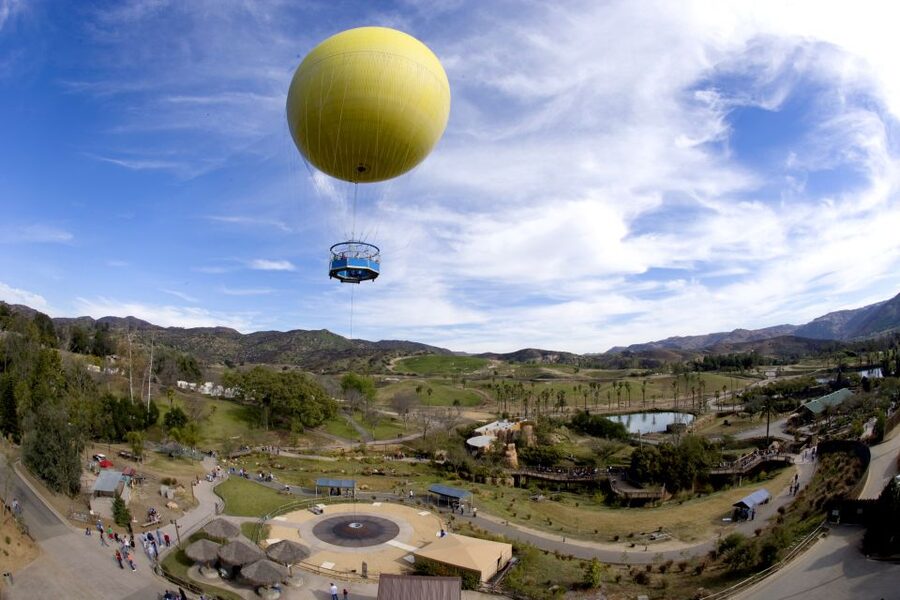
This park is big on space, and you feel that right away. With open enclosures instead of tight cages, animals look like they’re actually living in a place—not performing in a display. It’s the kind of zoo visit where your brain keeps saying, Wait, this is Southern California?
I also like the way the experience is built around themed areas rather than just a list of animals. You’re not hopping randomly; you’re moving through settings like African forests and savannas, a greenhouse-style Hidden Jungle, and North American habitats on Condor Ridge. That structure helps you understand what you’re seeing and why conservation matters.
The park’s size also means you should plan your day like a mini adventure. I wouldn’t assume you can do everything slowly while stopping for snacks every few minutes—though there are built-in breaks like shaded paths, the Savanna Cool Zone, and kid-friendly stops.
Ticket value: what about the $76 price buys you
At about $76 per person, you’re paying for a full admission day plus a set of included safari-style experiences. Your ticket includes entrance to the Safari Park, the Africa Tram Safari, Cheetah Run, and all shows.
What makes that feel like good value is the “bundle” effect. You’re not just buying a ticket to walk and hope you catch something interesting; you get access to structured experiences that guide your route and keep the day from becoming repetitive. On top of that, there are extra animal-facing moments throughout the day, including enrichment activities and interactive encounters with animal ambassadors.
One practical caution: parking, food, and drinks aren’t included. If you’re budgeting, plan on either bringing what’s allowed (not specified here) or treating meals like a separate line item. If you’re trying to keep costs predictable, you’ll want to eat before the lines build up and bring a refill plan for water.
Plan your day around the Africa Tram Safari hours
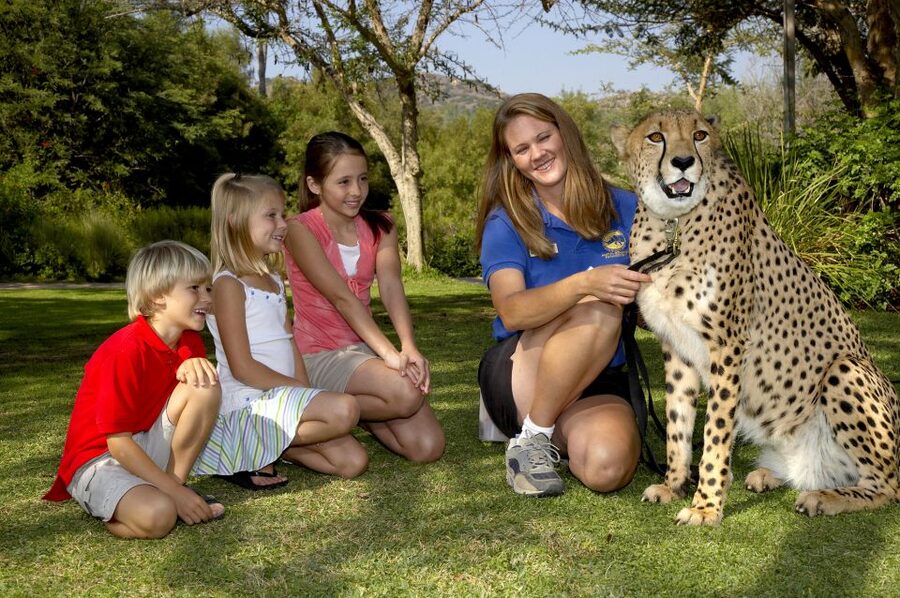
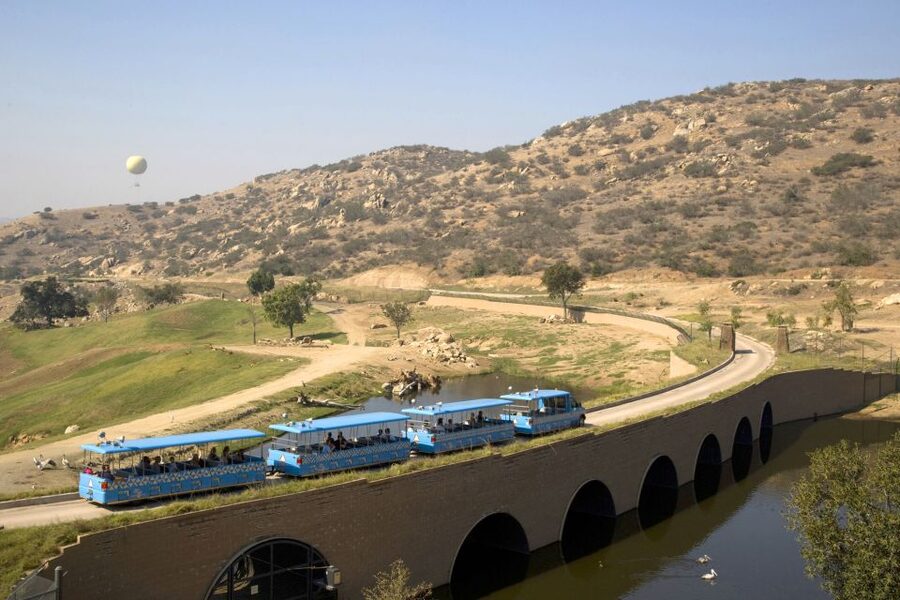
Even if you love walking, the Africa Tram Safari is your best friend for covering the park efficiently. Tours run daily from 10 a.m. to 4:15 p.m., but availability can vary, so keep some flexibility in your schedule.
Here’s the smart approach: aim to get onto the tram earlier rather than later. The park is massive and the later you go, the more crowds and heat can pile up. One big win from the experience is that the tram helps you connect what you see from the ground with what you see from above and distance—so the day feels more coherent.
If the tram ends up not running (it can happen due to availability), you can still have a strong day by focusing on the anchor areas: Lion Camp, Heart of Africa, Elephant Overlook, the aviary, and Condor Ridge. The tram just makes it easier to hit more without exhausting yourself.
A realistic route: where to go first and why
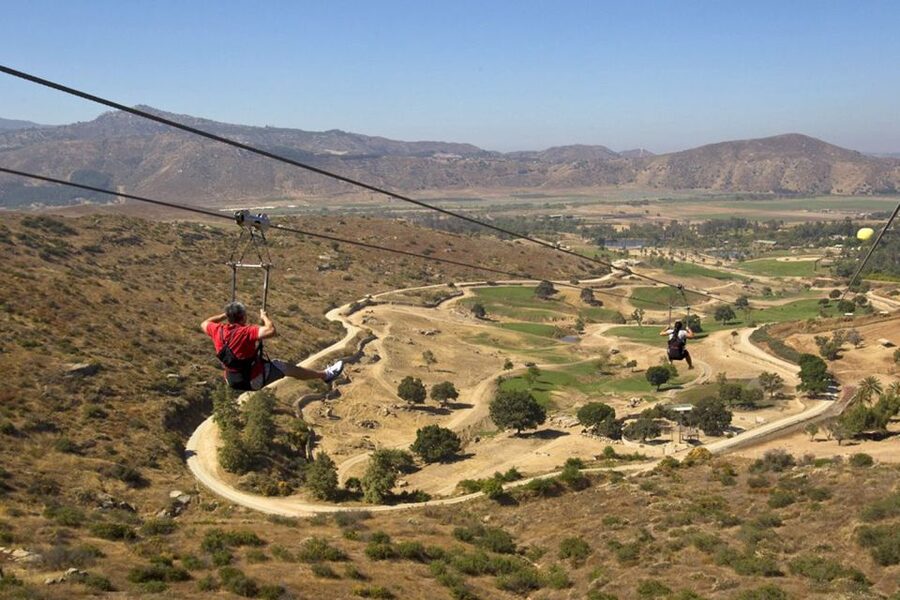
I like building a route that reduces backtracking. Start by heading to the “big anchors” early, then fill in the smaller stops as you work your way through.
If you arrive at opening, you’re more likely to get calmer viewing for the most popular areas. Many people find the park becomes noticeably busier later in the day, so early momentum pays off. Also, you’ll dodge some of the harshest sun and get your bird and animal encounters out before you’re tired.
A smooth flow often looks like this:
- Focus first on Lion Camp and major savanna views.
- Move through Heart of Africa to Jamison Research Island.
- Catch Elephant Overlook.
- Save greenhouse and bird-heavy areas (Hidden Jungle and Wings of the World Aviary) for when you want a break from heat.
- Finish with Condor Ridge trails and any remaining shows.
That’s not the only route. But with a park this size, route logic matters more than you’d expect.
Lion Camp: the nose-to-nose moment you should build your day around
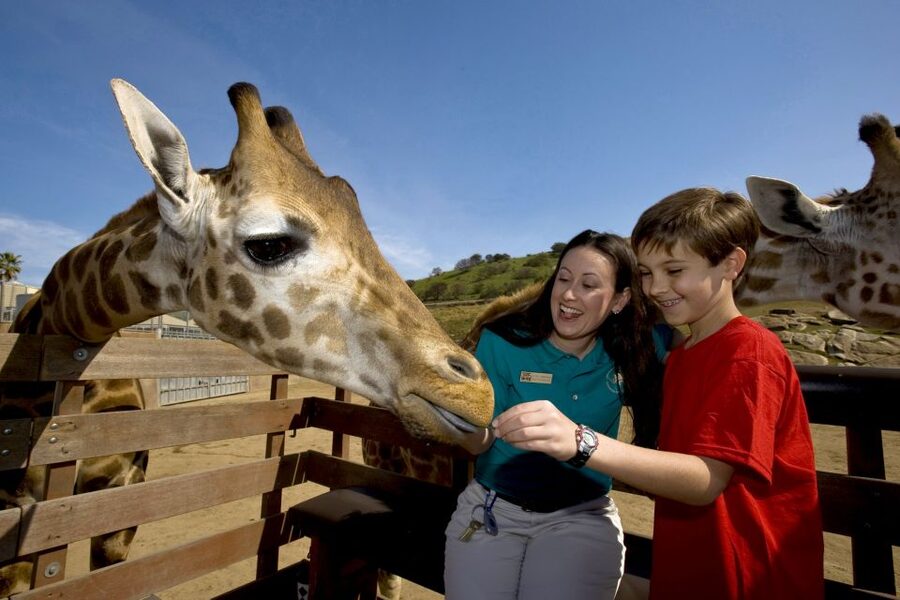
Lion Camp is the standout if you want a true close-up encounter. The big thrill is that you can get nose to nose with lions as they approach the glass, and it reads as more direct contact than most zoo lion exhibits.
This area also tends to be a magnet for families, so going early helps. If you want that wow moment without feeling surrounded by bodies, plan to arrive before the midday surge. The good news is that there’s staff around to point you in the right direction, and the park is set up with plenty of volunteers to help you navigate.
One more tip: bring patience and expect that the lions won’t always be doing their most dramatic moves at the exact minute you arrive. The payoff comes from staying long enough to catch natural behavior, not from sprinting past the exhibit.
Heart of Africa and Jamison Research Island: where walking turns into meaning

Heart of Africa is built around winding trails through African forests and savannas, leading to a serene lake and a stop at Jamison Research Island. This is where the safari feeling grows stronger because you’re not just staring at animals in place; you’re moving through habitat-style paths that change your perspective.
Jamison Research Island adds a research and interpretive layer. The point isn’t only to see animals; it’s to understand how institutions work on conservation and study, and how that links back to real-world species survival.
If you’re traveling with kids, this part of the route often works well because it gives you something to look at besides the next enclosure. Birds, vegetation, and changing sightlines keep younger eyes engaged, and the trails tend to be shaded in places (helpful in Southern California sun).
Sumatran Tiger Trail and the Hidden Jungle greenhouse stop
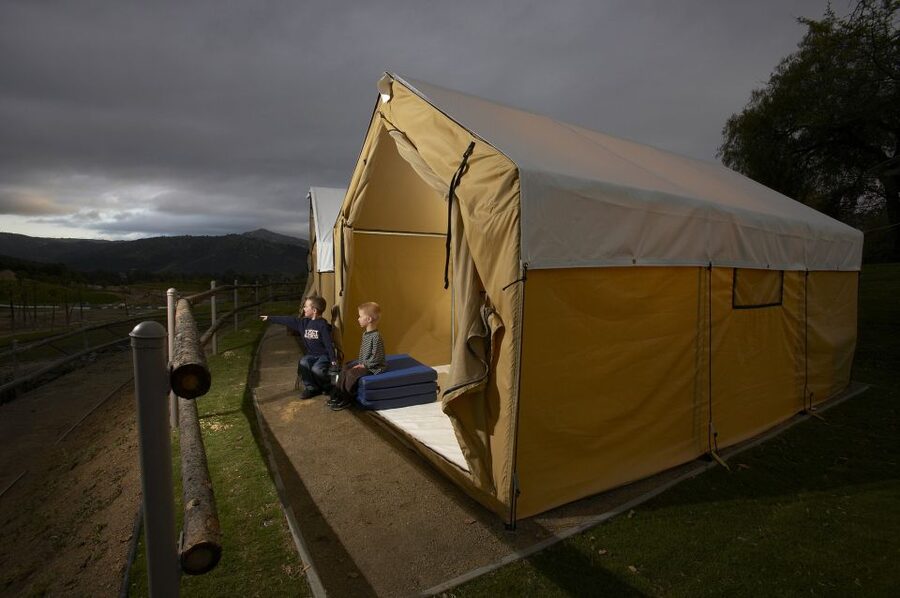
The park blends in a few different worlds, and two of the most interesting stops are the Tiger Trail and Hidden Jungle.
Tiger Trail centers on Sumatra’s themes—volcanoes, rainforests, and biodiversity—with the critically endangered Sumatran tiger as the focal species. The value here is that the park connects animals to their living conditions rather than treating them like static exhibits.
Hidden Jungle shifts the tone with a tropical greenhouse feel. You’ll find exotic birds, insects, and plants, plus it’s home to an annual Butterfly Jungle event. Even if you don’t see that event, the greenhouse atmosphere is a useful reset from open-air walking.
If you’re hot or tired, these indoor-ish breaks can keep your day enjoyable without turning it into a “power through at all costs” mission.
Elephant Overlook and the aerial view that makes the day cooler
The Elephant Overlook gives you a closer perspective on the elephant herd through an elevated walkway. It’s tied to the Elephant Cam stars, including young births at the park, and that long-view setup can make elephants feel more present.
I also like that this stop breaks up the day’s pacing. You get a different angle, and the elevated walkway often draws people in without requiring sprinting across the grounds. It’s a “pause and watch” moment, which matters when you’re spending the whole day walking.
One more plus: the park’s emphasis on viewing from different heights and distances makes it feel less repetitive. If you’ve spent the morning watching from trail level, the overlook gives you a fresh look.
Wings of the World Aviary and Condor Ridge for bird lovers

If you care about birds, this park is a strong day. Wings of the World Aviary is described as a free-flight aviary with over 140 bird species from about 40 species—meaning you’re not just seeing birds behind glass.
This is also one of the easiest areas to make your time count. Bird movement is unpredictable, so you’ll want to stay long enough to catch a few flights rather than checking it off quickly. Going earlier tends to help with viewing calmness, too.
For a change of pace, Condor Ridge trails connect North American habitats and highlight conservation behind the California condor. This part works best if you like the story side of wildlife—how recovery efforts and habitat learning connect to survival.
Shows and animal encounters: how to fit them into a 1-day plan
Your ticket includes all shows, and the day has built-in moments that don’t require you to chase schedules endlessly. One show highlighted is Frequent Flyers Bird Show, including the East African crowned crane plus other birds. Another theme is animal ambassador encounters like cheetahs, alligators, and servals.
Two encounter-style stops specifically named:
- Cheetah Tales in Heart of Africa
- Animal Encounters with ambassadors and trainer interactions
This matters for families because it adds human explanation to what you’re already seeing. It also helps adults, because trainers typically translate behavior into understandable conservation context.
Also keep an eye out for smaller “in-between” moments:
- Elephant enrichment at the morning treats time
- Lorikeet Landing, where you can watch lorikeets swoop for nectar (feeding food is purchase-based)
- Petting Kraal for gentle deer and antelope interactions
The kid-friendly comfort stuff you’ll thank yourself for
The park isn’t only about animal exhibits. It includes stops designed to keep energy from crashing.
Discovery Station is described as a kid-friendly area with musical instruments, puppets, books, crafts, and wildlife-themed toys. If you’re traveling with little ones, this can be the perfect mid-day reset when legs and attention start to fray.
Savanna Cool Zone is another practical win: palm trees, a gentle mist, and water-spouting critters. It’s exactly the kind of relief you want when the sun is doing its job too well.
There’s also Robert the Zebra, a digital zebra on a large screen that interacts with visitors and delivers zebra insights with humor. It’s not a must-see, but it can be a smart break between big viewing areas.
Navigation, crowds, and walking: what to prepare for
This park is huge, and you should treat it like a walking day, not a quick drive-by. Expect lots of walking between themed sections. The upside is that the pathways are set up to be pleasant, and you’ll find shaded routes in places.
A practical takeaway from people’s experiences: carry a hat. Shade trees exist, but not everywhere, and you’ll be outside most of the day.
Also be ready for some planning friction. The map experience can be tricky for some visitors, but there are plenty of staff and volunteers in red shirts who can guide you. If you pause and ask, you’ll lose less time than you think.
Crowd control is mostly on you. If you want a calmer rhythm, aim to arrive when the park opens. One helpful pattern is that the first stretch of the day often feels much more manageable, while later hours can become wall-to-wall busy.
Accessibility and older legs: what helps if you can’t do long distances
The park is marked as wheelchair accessible, which is great. In addition, one review described renting an electric chair for travel around the park. If you anticipate walking limits, it’s worth planning for that option early so you don’t end up improvising.
If the Africa Tram Safari isn’t in service when you go, that’s where having mobility support makes a big difference. A comfortable plan lets you still enjoy the animals rather than forcing yourself to “push through” fatigue.
Should you book this San Diego Zoo Safari Park 1-day ticket?
Yes—if you want a full-day safari-style experience without juggling multiple admissions or complicated add-ons. This ticket is a strong value when you’ll use the included Africa Tram Safari, shows, and Cheetah Run, plus you’ll spend real time in the anchor areas like Lion Camp, Elephant Overlook, and the aviary.
Book it if:
- You want a family-friendly day with lots of animal viewing plus kid activities
- You care about birds, elephants, and cats like cheetahs and lions
- You’re going for a full day, not a two-hour checklist
I’d reconsider if:
- You dislike heavy walking and aren’t planning mobility support
- You’re expecting every exhibit and ride to be operating perfectly on the day (weather and animal health can affect schedules)
If you’re flexible and show up early, you can turn one ticket into a surprisingly complete safari day—Africa vibes, a lot of shade breaks, and a serious amount of wildlife watching.
FAQ
Is the San Diego Zoo Safari Park ticket valid for a year?
Yes. The ticket is valid for 1 year. You’ll want to check availability to confirm starting times.
What’s included with the ticket?
The ticket includes entrance to the San Diego Zoo Safari Park, the Africa Tram Safari, Cheetah Run, and all shows.
Does the ticket include food or drinks?
No. Food and drink are not included.
Is parking included in the ticket price?
No. Parking is not included.
What time does the Africa Tram Safari run?
Africa Tram Safari guided tours run daily from 10 a.m. to 4:15 p.m., and it’s subject to availability.
Can I skip the ticket line with a mobile voucher?
Yes. Your GetYourGuide voucher can be used for entrance, letting you bypass the ticketing window and go to the entrance point. You can skip only the admission ticket line; this does not apply to the Africa tram.
Are kids free?
Kids are free in October. Children 11 years and younger receive free admission all month long with a paid adult ticket.
Where do I go for the start of the experience?
The meeting point is 15500 San Pasqual Valley Road, Escondido, CA 92027. You should proceed directly to the turnstiles rather than waiting at the ticket booth.