REVIEW · YALA NATIONAL PARK
Special leopards safari Yala National park – 04.30 am to 11.30 am
Book on Viator →Operated by Yala Safaris - Private Tours · Bookable on Viator
Yala is a place where the morning feels like a race, but in a good way. This special leopard safari runs early, before crowds build up, and you get binoculars plus a small group setup so your guide can spend real time where it counts. Two things I really like: the early park access strategy and the built-in wildlife viewing kit (jeep + binoculars + driver who knows how to position you).
The main drawback to plan for is simple: leopard sightings are never guaranteed. Even when you’re close, you might only get a short window before the jeep line moves on, so keep your expectations flexible.
In This Review
- Key things to know before you go
- Why Yala’s early leopard hunt feels different
- Entering the park early: what that really means on the ground
- Your jeep setup and viewing tools
- What you can realistically see besides leopards
- Breakfast on safari: small comfort, big impact
- Small group dynamics: why max 6 travelers matters
- The pace of sightings: expect short windows
- Price and tickets: what value looks like
- Logistics that affect your morning (without the headache)
- Who this leopard safari is best for
- Should you book this special leopard safari?
- FAQ
- What time does this Yala leopard safari run?
- Is pickup included?
- Is breakfast included?
- Are binoculars provided?
- How much does the safari cost, and what’s included?
- Is the Yala National Park entry ticket included?
- How many travelers are in the group?
- Do I get a mobile ticket?
- Can I cancel for a full refund?
- What animals might I see besides leopards?
Key things to know before you go
- Early entry timing helps you catch the park before other jeeps arrive
- Small group size (max 6) usually means more attention from your guide
- Binoculars included so you can actually track movement and details
- Breakfast on safari keeps the morning comfortable during long drives
- Leopard-focused routing but you’ll also see elephants, birds, and more
Why Yala’s early leopard hunt feels different
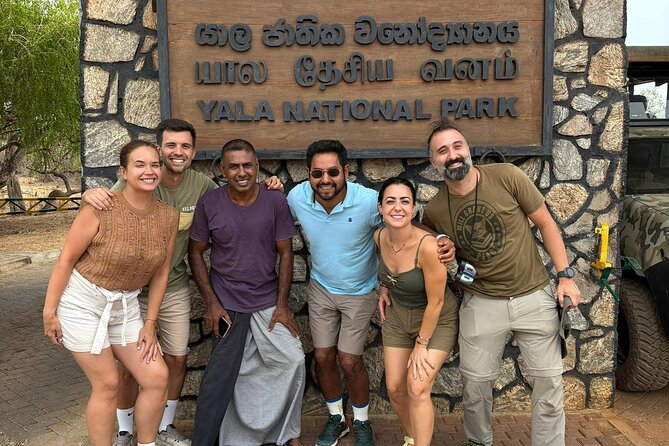
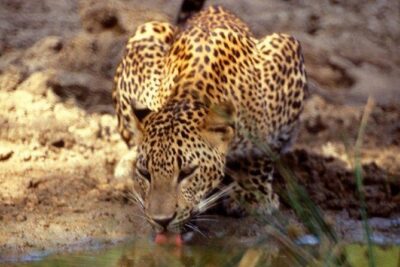
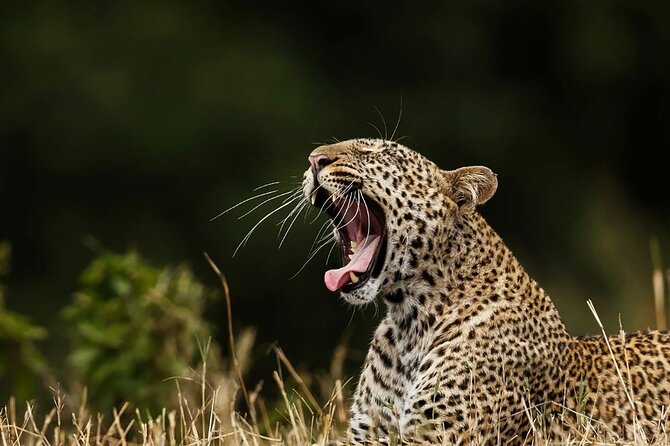
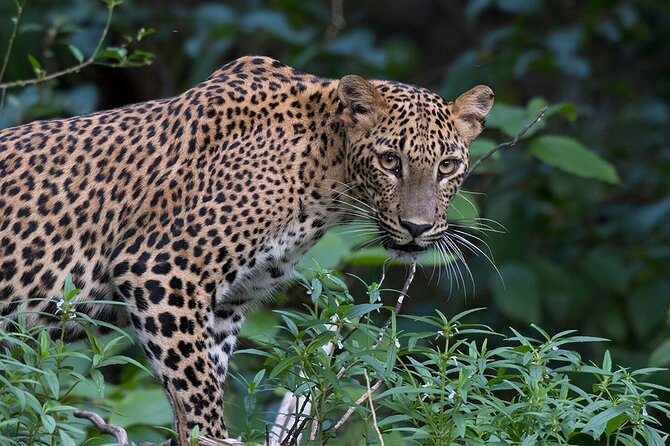
Yala National Park is famous for big sightings, but leopards are different. They’re harder to spot, they move unpredictably, and the best chances often come when the light is still new and the day isn’t noisy yet.
That’s why the schedule matters here. The safari runs from 04:30 to 11:30, and the strategy is to get to the park early—before many other groups. The payoff is practical: you waste less time sitting behind a crowd, and you spend more time where animals actually show up.
Also, you’re not in a giant bus. This experience keeps things tight with a maximum of 6 travelers, so you’re less likely to feel like a number. It’s the kind of setup where your guide can keep an eye on everyone, explain what you’re seeing, and adjust the route without feeling rushed.
You can also read our reviews of more tours and experiences in Yala National Park.
Entering the park early: what that really means on the ground
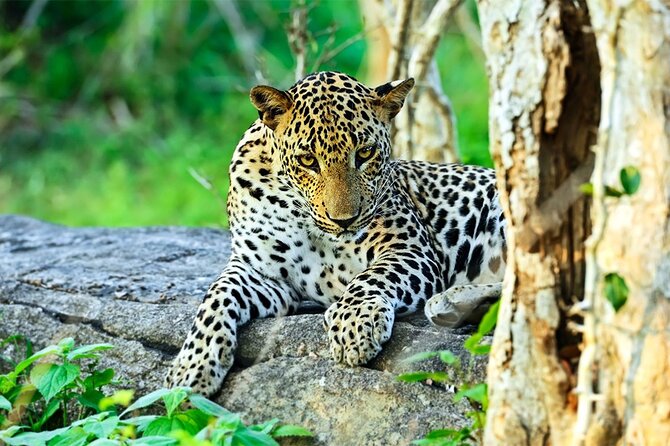
Getting to the gate early is not just a nice idea. In Yala, animals don’t care about your itinerary, but the flow of vehicles inside the park does matter. The point of arriving early is to reduce the “traffic effect,” when you see a target but everyone is lined up too.
One thing to consider is that you may not be inside the park immediately no matter how early your pickup is. The park has access timing, and sometimes you’ll arrive at the gate well before entry opens. When that happens, you’re essentially waiting for the park clock—so go in expecting some downtime before the driving starts.
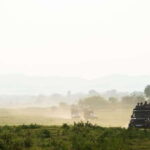
Once you do get in, the whole morning becomes about pacing. You’ll drive, scan, stop when you find something promising, and move again. The good news is that this safari is built for the leopard hunt, not a long sightseeing circuit.
Your jeep setup and viewing tools
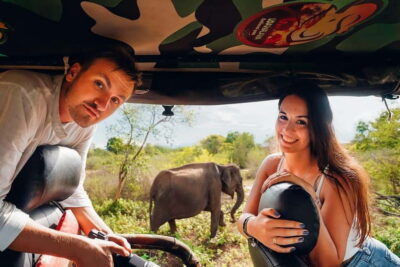
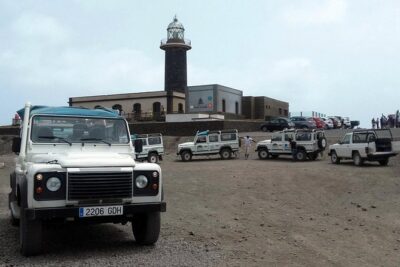
This safari includes a luxury safari jeep, plus water and a driver who handles the roads and the routing. In Yala, you want a vehicle that can take you to the spots where leopards actually live: not just the easy pull-offs.
Even more important, you get binoculars. That changes the whole experience because birds and small mammals aren’t just background noise—you can track motion, spot patterns, and read the landscape from a distance. With binoculars, you’re not waiting for an animal to step into your lap. You’re watching for signs: stillness in a bush, movement along a path, or a shape that doesn’t belong.
Binoculars also help when the sighting is brief. One of the risks in wildlife safari culture is that you might catch something for a few seconds and then the jeeps move on. Binoculars help you “make the moment last,” even if the animal disappears quickly.
What you can realistically see besides leopards
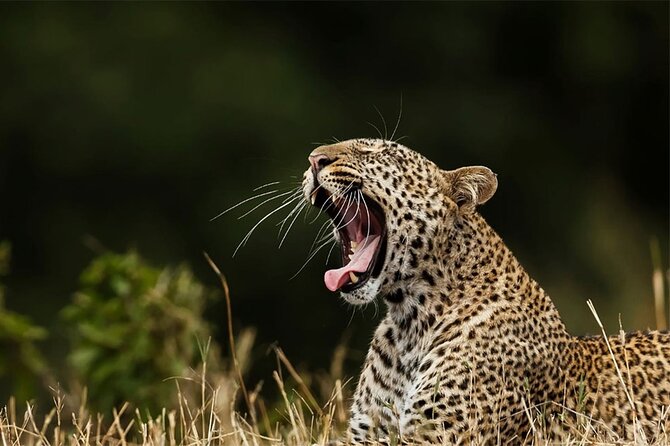
Leopard is the target, but Yala is never only about one animal. This safari is set up so you learn the broader ecosystem while you drive, and that makes your sightings more meaningful.
Here are common animals you might spot on this kind of morning, based on the park’s variety and the wildlife list you’ll encounter:
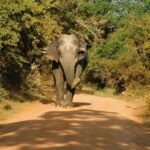
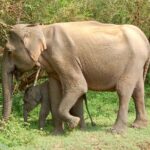
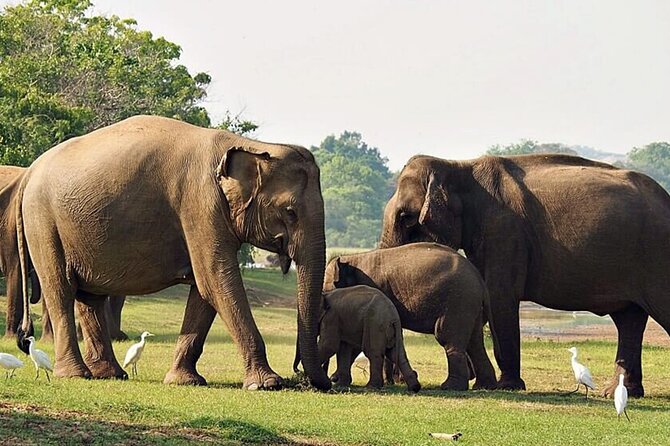
- Elephants, including smaller family groups
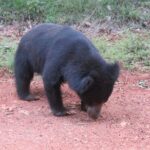
- Sloth bears
- Wild boar and jackal
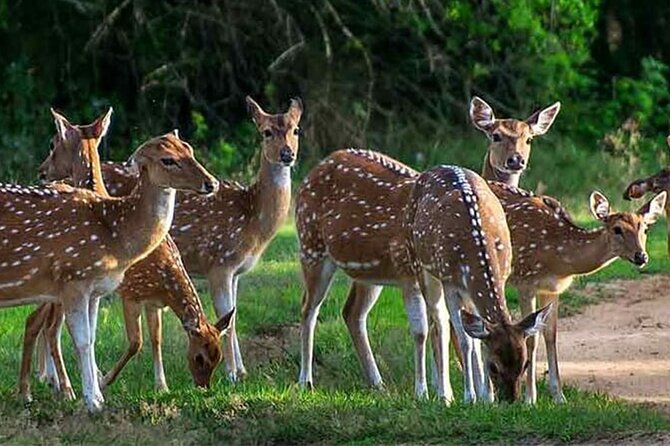
- Spotted deer and samba deer
- Mongoose, plus land monitor lizards
- Wild buffalo
And it’s not just mammals. Yala is loaded with birds. You may see peacocks, bee-eaters, eagles, kites, falcons, king fishers, and more. There are also snakes and other small creatures (like beetles), plus aquatic life depending on where you pass.
In other words: even if leopard time is short, you’re not spending the morning watching nothing. The best mindset is to treat leopards as the highlight, and birds and mammals as the constant entertainment.
Breakfast on safari: small comfort, big impact
A safari without food can turn into a grumpy math problem: how long until lunch? This one includes breakfast, plus water, which matters during a long morning run.
I like this kind of included meal because it changes how you experience the hours. Instead of spending the day hungry or rushing to stay energized, you can focus on watching. If you’ve ever been stuck on wildlife time—when you can’t control stops—then you know how important it is to be fed before the action.
Also, the included breakfast tends to keep the group calm. When everyone is satisfied, it’s easier for your guide to manage the pace and for you to concentrate during potential animal sightings.
Small group dynamics: why max 6 travelers matters
When the group is small, the safari feels more personal. With up to 6 travelers, your guide can:
- check in on where everyone is looking
- adjust for who needs help spotting movement
- keep the jeep positioned for the best view
This shows up in the way people talk about their experience—especially about getting good placement for sightings. Some of the guide names that come up for great driving and careful safety include IG, Suthu, and Janaka. Even if you don’t get those exact names, it’s a clue about the standard you’re aiming for: safe driving, smooth positioning, and attention to what you came for.
One more point: safari driving in Yala often includes lines of jeeps. When your group is smaller, you’re less likely to feel rushed by the crowd and more likely to get a clear explanation of what you’re seeing.
The pace of sightings: expect short windows
Wildlife safari reality check: you can’t stay parked forever. Vehicle queues move, and the safari flow is designed to rotate the viewing spots.
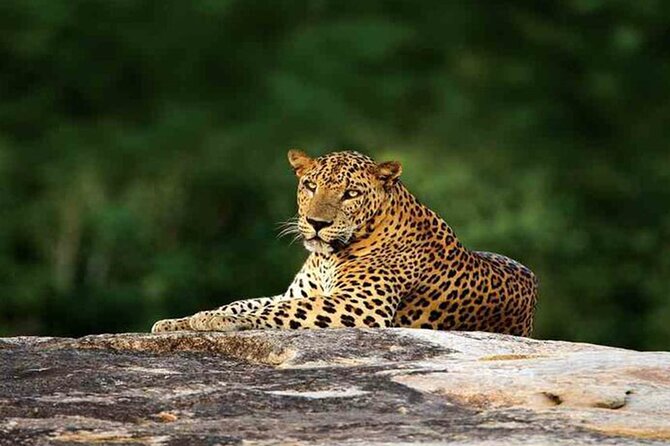
If you’re lucky, you might see a leopard quickly. On other mornings, the sighting might be delayed, or the cat might appear briefly and then vanish. That’s normal for leopard behavior and normal for safari logistics.
So here’s my practical advice: treat each stop like a chance, but don’t lock your whole mood onto one animal. If you only focus on leopards and everything else seems like a distraction, you’ll end up stressed. If you’re curious about the ecosystem, you’ll still enjoy the morning even when leopard time is short.
Price and tickets: what value looks like
The tour price is $36.24 per person, and that’s for a package that includes:
- Luxury safari jeep
- Breakfast
- Water
- Binoculars
- Experience driver
- All taxes
The one cost you should plan for separately is the Yala National Park entry ticket, which is not included. The entry is listed as either 30 EUro per person or 12,000 LKR per person, and card payment is accepted.
So the real value question is: does the package coverage matter to you? For a leopard-focused safari, I’d say yes. You’re buying convenience (the jeep, the morning logistics, and the guide’s positioning) plus the viewing tools. Most of your day happens in the vehicle and at sightings, so having binoculars and a driver who can place you well is not a small detail.
If you’re trying to keep costs down, confirm the exact entry price at the time you go, because local currency and ticket lines can vary. But based on what’s listed, your total cost will be your safari price plus the park ticket.
Logistics that affect your morning (without the headache)
This experience includes pickup offered, and you’ll get a mobile ticket. It’s also noted as being near public transportation, which is useful if you’re not staying at a hotel that’s easy to reach by safari vehicle.
Duration is listed as about 7 hours, with the safari window running 04:30 to 11:30. That makes it a solid half-day plan—early enough to hunt prime wildlife activity, but not so long that the rest of your day is gone.
Because it’s a small group and pickup is part of the plan, I’d treat it like a firm schedule. Wear comfortable clothes and shoes you’re happy to walk in if you need to reposition, since safari moments don’t always come with perfect timing.
Who this leopard safari is best for
This is the right fit if you:
- want a leopard-focused Yala morning instead of a generic animal tour
- like the idea of early entry before crowds build
- enjoy birds and small wildlife as part of the experience
- prefer a small group with more guide attention
It’s also a good option for most travelers since it’s described as suitable for most travelers can participate. If you’re traveling as a couple or solo and want better odds of personal attention, max-6 is a strong plus.
If you’re the type who needs guarantee-level leopard time, you’ll have to adjust your expectations. This safari is designed to maximize your chance, but the park is still the park.
Should you book this special leopard safari?
I’d book it if your priority is a smart early-morning leopard search with the practical tools that make wildlife viewing easier: binoculars, a good jeep setup, breakfast, and a max-6 group.
Skip it only if you’re chasing a guaranteed leopard sighting or you hate any chance of a short stop window. Yala’s wildlife doesn’t work like a show, and the safari flow keeps it moving.
If you want value, add up the package and remember the park ticket is separate. Once you’re comfortable with that, this is a strong way to spend your morning in Yala: focused on leopards, but still packed with animals and birds that keep the drive interesting all the way to late morning.
FAQ
What time does this Yala leopard safari run?
The safari is scheduled from 04:30 am to 11:30 am (about 7 hours total).
Is pickup included?
Yes, pickup is offered.
Is breakfast included?
Yes, breakfast is included, along with water.
Are binoculars provided?
Yes, binoculars are included.
How much does the safari cost, and what’s included?
The tour price is $36.24 per person, and it includes a luxury safari jeep, breakfast, water, binoculars, an experience driver, and all taxes.
Is the Yala National Park entry ticket included?
No. The Yala park entry ticket is not included. It’s listed as 30 EUro per person or 12,000 LKR (card payment is accepted).
How many travelers are in the group?
This experience has a maximum of 6 travelers.
Do I get a mobile ticket?
Yes, you’ll receive a mobile ticket.
Can I cancel for a full refund?
Yes. Free cancellation is available if you cancel at least 24 hours in advance for a full refund.
What animals might I see besides leopards?
Besides leopards, you may see elephants, sloth bears, wild boar, spotted deer, mongoose, land monitor, wild buffalo, samba deer, jackal, and many bird species like peacocks and bee-eaters, plus snakes and other wildlife.