REVIEW · ARUSHA
5 day safari Tarangire Serengeti and Ngorongoro crater
Book on Viator →Operated by Bestday Safaris · Bookable on Viator
Three parks in five days.
This private safari is built for nonstop wildlife time: you start in Tarangire among acacia and giant baobabs, roll into the Serengeti plains for big-cat odds, then descend into Ngorongoro Crater for one of Africa’s densest wildlife scenes. What I like most is the comfort upgrade—self-contained stays with hot showers—so you’re not just surviving after long days. The other win is the pace and flexibility of a private setup, with a driver-guide and a 4×4 vehicle focused on your group’s sightings.
One thing to think about: the days are long and travel-heavy, so this is best if you’re happy with early starts and lots of time on the road. Weather can also matter; the experience requires good conditions, and if it’s canceled due to poor weather, you’ll be offered a different date or a full refund.
In This Review
- Key highlights to know before you go
- Tarangire National Park: elephants, baobabs, and rare antelope
- Serengeti National Park: Seronera water, lion odds, and birds that never stop
- Another Serengeti day and then the move toward Ngorongoro
- Ngorongoro Crater: dense wildlife, high drama, and black rhino potential
- Lodges, tents, and the comfort choices that matter
- Your private safari team: the driver-guide makes the difference
- Price and value: what $2,211.29 is really buying
- Logistics that help you have a smoother safari
- Should you book this Tarangire–Serengeti–Ngorongoro circuit?
- FAQ
- What time does the safari start, and where is the meeting point?
- Is this safari private?
- Which parks are included in the 5 days?
- What’s included in the tour price?
- What is not included?
- Can I cancel for a full refund?
Key highlights to know before you go
Hot shower comfort after dust-and-sun days in self-contained rooms
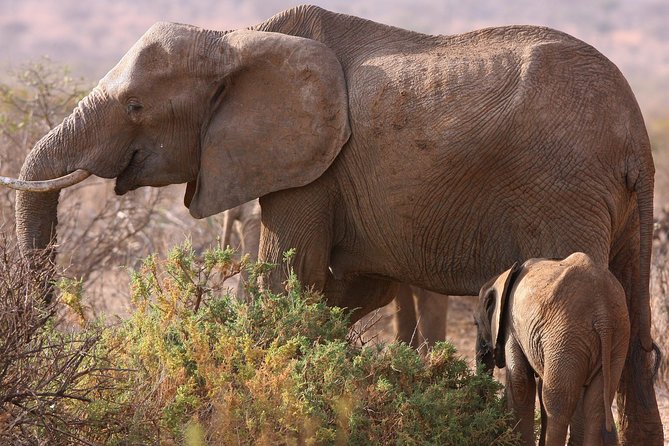
Tarangire’s elephant herds and baobab scenery plus rare species chances
Seronera area timing for wildlife tied to the Seronera River water source
Ngorongoro’s crater-floor density where rhino and predators can show up
Guides praised for spotting—names like Jackson, John, Joseph, Muro, and Sixie come up often
Tarangire National Park: elephants, baobabs, and rare antelope
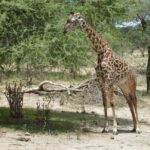
You’ll begin with a drive from Arusha to Tarangire after breakfast, then settle into full-day game driving with a picnic lunch. Tarangire is known for big, old trees—acacia woodlands with giant African baobabs—and that mix of shade and open areas helps make scanning for animals feel easier than you might expect.
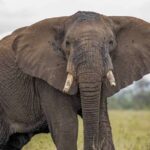
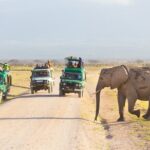
This park is also a dry-season favorite for a simple reason: water concentrates wildlife. In the south, swamps and the river act like magnets, so you often see more animals clustered than you’d get in places where water is more scattered. Tarangire’s elephant viewing reputation is a big draw too, especially when you’re hoping for herds rather than a lone individual. You’re not guaranteed a specific herd size, but the odds are set up in your favor.
And it’s not only elephants. Tarangire has a short list of standout species that many people plan around. Keep your eyes open for Greater Kudu and fringe-eared oryx, plus the occasional ashy starlings. Even when sightings aren’t nonstop, the birdlife and the way animals move between woodland and water can make the day feel full.
How I’d judge value here: Tarangire is one of the most rewarding “first park” stops because it’s visually dramatic and wildlife-dense without demanding perfect luck. If you’re nervous about getting skunked on day one, this park usually helps you relax.
You can also read our reviews of more tours and experiences in Arusha.
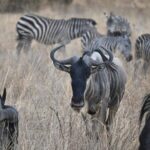
Serengeti National Park: Seronera water, lion odds, and birds that never stop
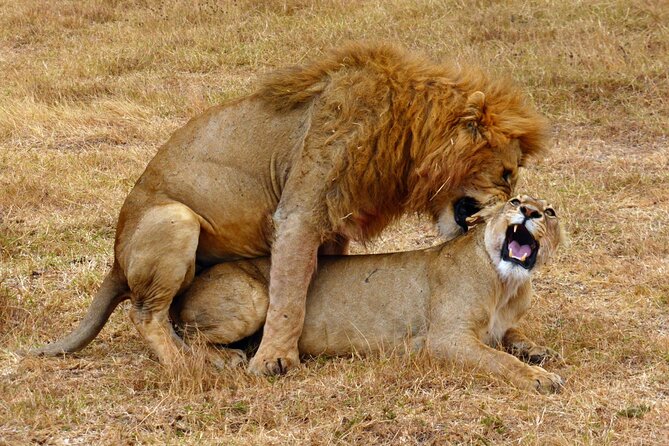
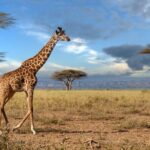
After day one, you’ll travel toward the Serengeti through the Karatu area and the Ngorongoro Conservation Area, then drop down into the “endless plain” feel people talk about. The terrain shift matters. In the highlands, you see farms and patches of settlement; once you reach the Serengeti, the horizon opens and the wildlife viewing style changes from “spot and check close-up” to “scan wide and watch patterns.”
You’ll spend time in the central Serengeti region around Seronera, one of the richest wildlife areas because of the Seronera River. Water is the engine here. When animals know where food and water are reliable, your game drives become less about random searching and more about anticipating where animals will show up.
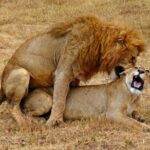
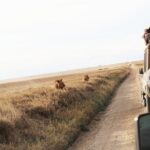
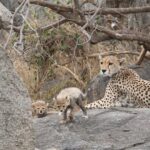
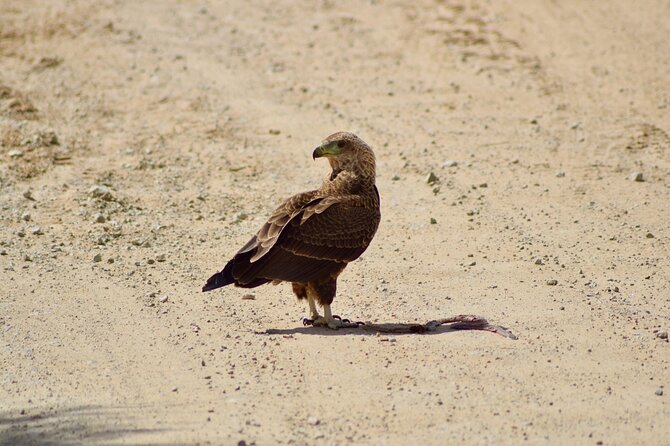
Expect a serious day of game driving. The Serengeti offers a classic mix: lions, leopards, elephants, cheetahs, buffalo, and wildebeest migration. You also have chances at wild dogs, eland, gazelles, and crocodiles. Birds are a real bonus—your ears will pick up different calls as you move between habitats.
A practical note: the Serengeti can feel like a lot of watching. That’s not a complaint; it’s the nature of the place. Bring patience. If you’re the type who wants action every five minutes, you’ll still get action, but the best moments often start with quiet observation. Then suddenly you’ll spot movement that turns into a full-on scene.
One consideration: because this park is huge, long drives between sightings are normal. That’s part of the trade for seeing many species across different habitat edges. The private format helps because your driver-guide can adjust timing for what’s happening, not what fits a schedule designed for a larger group.
Another Serengeti day and then the move toward Ngorongoro
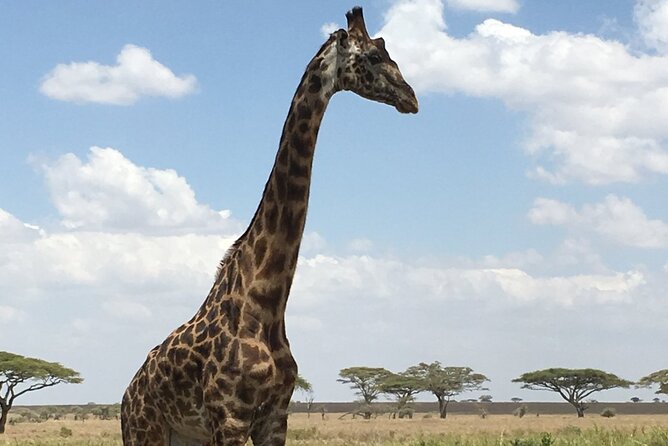
You’ll return for another day in the Serengeti with a full game drive format. This is the day that often “locks in” the safari memories: the first day helps you get oriented, while the second helps you catch different animals in different moods and habitats. It’s also when you might notice more of the small details that make the Serengeti feel alive—trackways in dust, birds reacting to movement, and the way animals share space without always meeting.
After an early breakfast and a morning game drive, you’ll depart toward the Ngorongoro Conservation Area. This in-between day matters because it breaks the journey. You still get game driving en route, so you’re not only transferring—you’re still viewing.
If you like structure, this part of the trip is ideal. You don’t have the feeling of “we’re just driving to the next place.” You’re building the safari story: Tarangire’s water magnets, Serengeti’s river-linked central area, and then Ngorongoro’s crater ecosystem.
Ngorongoro Crater: dense wildlife, high drama, and black rhino potential
On day five, you’ll descend into Ngorongoro Crater after breakfast for a crater-floor game drive and picnic lunch. This is the moment many people save their best expectations for. Ngorongoro is famous for being one of the most densely crowded wildlife areas in the world, with estimates around 30,000 animals. The big draw is the crater’s ability to support wildlife year-round, helped by access to water and fodder.
One of the headline species here is the black rhino, with the crater home to some of the last remaining in Tanzania. You’re not guaranteed a rhino sighting, but the whole system is designed for spotting—animals are concentrated, and the crater bowl gives you that “every turn could be something” feeling.
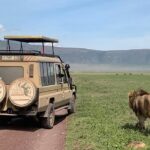
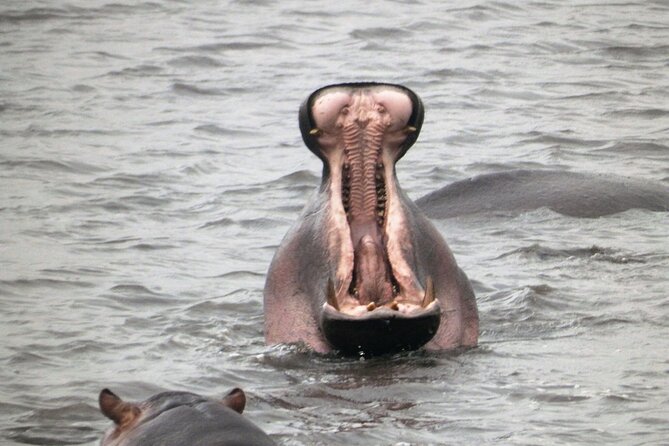
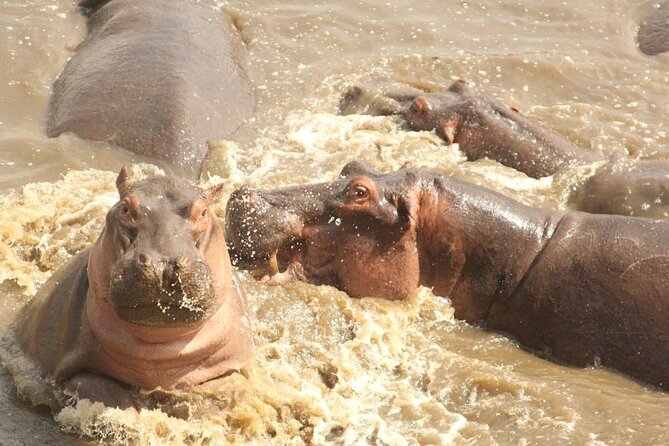
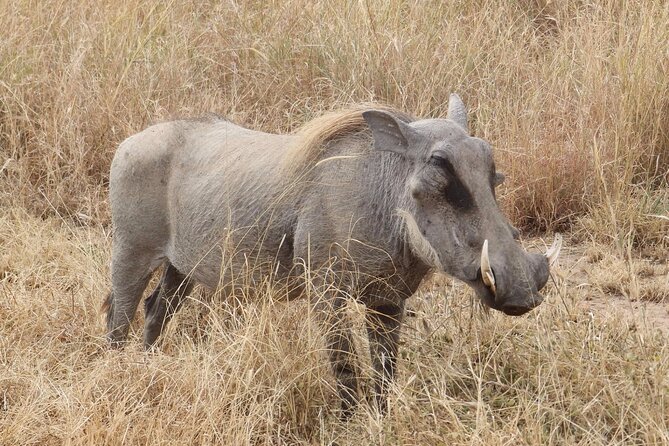
On the crater floor, you can see wildebeest and zebra herds, buffalo, eland, warthog, hippo, and giant African elephants. Predators are also a major part of the equation: lions, hyenas, jackals, cheetahs, and the elusive leopard. The point isn’t that you’ll definitely check every box. The point is that the odds are shaped by the landscape and animal density, so your chance of memorable sightings improves.
What I like about this structure: ending with Ngorongoro gives your trip a climax. Tarangire and Serengeti set the stage with variety; Ngorongoro compresses it into a high-density final act. Then you’ll drive back to Arusha late afternoon.
Lodges, tents, and the comfort choices that matter
A big part of making safaris enjoyable is how you recover between long driving hours. This tour includes overnight stays in lodges and tents, and the comfort level is specifically described as self-contained rooms with hot showers. That detail isn’t trivial. After dust, sun, and early mornings, a hot shower changes how you feel the next day.
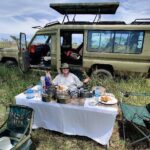
Meals are also included across the days: breakfast is provided four times, lunch five times, and dinner four times. Drinking water is included at 1.5 liters per person per day. When you’re on safari, those are real value items, because buying bottled drinks and snacks all day can add up fast.
Your private safari team: the driver-guide makes the difference
A safari isn’t only about where you go—it’s also about who reads the land and the animals. In the experience, the driver-guide is included, and past guests have praised guides who are sharp at spotting and timing drives based on what’s happening.
Names that come up in guest feedback include Jackson (praised for knowledge), John (described as an eagle-eye spotter), Joseph (experienced with animals), Muro (keeping an ear out for sightings and handling the little details), Peter (helpful planning support), and Sixie (strong animal know-how). Even if you don’t have the same guide, the consistent pattern is clear: you want someone who can find sightings efficiently and explain what you’re seeing without rushing you.
Practical tip: on game drives, don’t just stare where you last saw something. Ask your guide what to watch for next—water points, movement patterns, or predator behavior—then adjust your scanning. That small habit makes the drive feel more satisfying.
Price and value: what $2,211.29 is really buying
The listed price is $2,211.29 per person for the five-day safari circuit. On the surface, it’s a lot. In practice, the value comes from what’s bundled.
You’re covered for all fees and taxes, safari transport in a 4×4 vehicle, the included driver-guide service, and the accommodations during the safari. You also get the meal plan and water, which is a meaningful part of comfort. If you were to piece together a similar experience yourself—parks, vehicle, guiding, and lodging—you’d likely spend far more in total.
Where the money may feel tighter is what’s not included. Nights in Arusha, airport transfers, flights, optional extras (like balloon rides or visiting a local village), personal expenses, and tips are on you. Tips are not included, so budget for them if you want to follow local expectations for rewarding excellent guiding and support.
Who the price makes the most sense for: couples, small groups, or anyone who values a private pace over “big bus safari” dynamics. If you’re traveling with a partner and you want flexibility in where you spend time searching for animals, this format usually justifies the cost.
Logistics that help you have a smoother safari
The tour starts from Msumbi CoffeesTFA Shopping Complex on Sokoine Road in Arusha at 8:30 am, and it ends back at the meeting point. The experience offers pickup and uses a mobile ticket, and it’s available daily throughout the year.
If you’re planning your flights, remember: this tour does not include nights in Arusha. You’ll want to plan at least one night either before or after the safari so you’re not dragging yourself through the day without rest.
Also: this experience requires good weather. If conditions aren’t right, you may be offered another date or a full refund, so keep an eye on forecasts close to departure.
Should you book this Tarangire–Serengeti–Ngorongoro circuit?
Yes, if you want a classic Tanzania highlight route with a strong chance of big-animal sightings and you don’t want to sacrifice comfort. The combination of Tarangire elephants and rare antelope chances, Serengeti river-centered wildlife viewing, and Ngorongoro’s crater density is a smart mix for a short window.
You might hesitate if you’re sensitive to long driving days or if you prefer a more relaxed schedule with fewer transfers. Also, if you’re the type who hates uncertainty, understand that wildlife spotting is never guaranteed—though this itinerary improves your odds by focusing on proven wildlife zones.
If you’re ready for a hands-on safari style where your guide actively works the game drives, this one fits well.
FAQ
What time does the safari start, and where is the meeting point?
It starts at 8:30 am from Msumbi CoffeesTFA Shopping Complex, JMFH+RR3, Sokoine Rd, Arusha, Tanzania. The activity ends back at the meeting point.
Is this safari private?
Yes. It’s a private tour/activity, and only your group participates.
Which parks are included in the 5 days?
The tour covers Tarangire National Park, Serengeti National Park, and Ngorongoro Crater in the Ngorongoro Conservation Area.
What’s included in the tour price?
Included are all fees and taxes, drinking water (1.5 liters per person per day), a driver-guide, safari transport in a 4×4 vehicle, accommodation during the safari, and meals (breakfast 4 times, lunch 5 times, dinner 4 times).
What is not included?
Not included are nights in Arusha, airport transfers, flights, personal expenses like laundry and beverages, tips for the driver guide and cook, and optional add-ons such as balloon rides or a visit to a local village.
Can I cancel for a full refund?
Yes. You can cancel up to 24 hours in advance for a full refund. If you cancel less than 24 hours before the start time, the amount paid is not refunded.