REVIEW · COLOMBO
Udawalawe National Park: Elephant Safari with Expert Guide
Book on GetYourGuide →Operated by Udawalawe Wild Safari Tours · Bookable on GetYourGuide
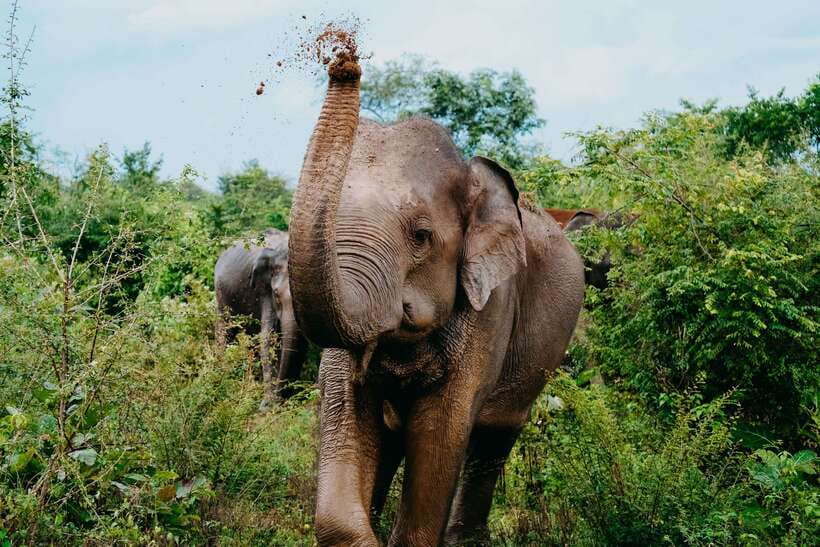
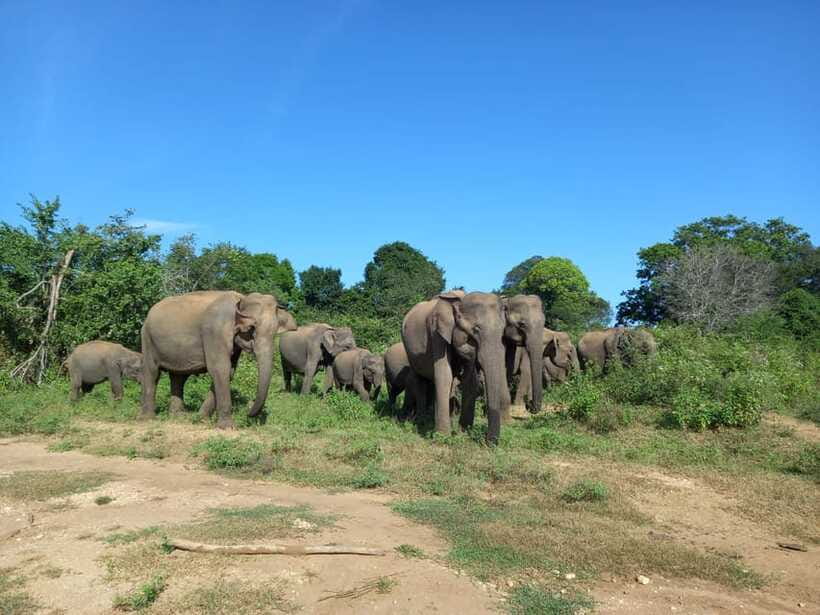
Elephants are the main character here. At Udawalawe National Park, you’re chasing wild herds across open grasslands and water areas on a guided safari. I like that the park is huge (308 square kilometers) and set up to protect the reservoir watershed, so you’re seeing animals in a real, working ecosystem, not a fenced zoo.
What really makes this safari work for you is the guide focus. I love the way the driver-guide hunts for good sightings and keeps your time moving, with plenty of chances to stop for photos and for the smaller stuff too—birds, tracks, and movement you’d miss on your own.
One thing to keep in mind: the park is massive, so elephant sightings can take a bit to line up. Even with a strong guide, you might wait around 10–15 minutes between moments, especially when animals are shifting across the grass.
In This Review
- Key things that make this Udawalawe safari special
- Udawalawe National Park: elephants plus real Sri Lanka nature time
- How long you go changes the whole feel (4 to 10 hours)
- Pickup, private 4×4 jeep, and why transport matters
- Inside the park: how elephants usually show up
- More than elephants: crocodiles, deer, jackals, and possible leopards
- Birding bonus: Sri Lankan junglefowl and spurfowl moments
- Respect on the road: what “expert guide” looks like in practice
- Price and value: what $30 really buys, plus the park fee
- Who should book this Udawalawe elephant safari
- Practical tips: how to enjoy the ride and not miss the good moments
- Should you book this Udawalawe elephant safari with an expert guide?
- FAQ
- What is the duration of the Udawalawe elephant safari?
- Where does hotel pickup and drop-off happen?
- Is this a private tour?
- What vehicle is used during the safari?
- Is lunch included?
- What is the national park entry fee?
- What languages are the live guides?
- Are drones allowed during the safari?
- Is alcohol or drugs allowed?
- What’s the cancellation policy?
Key things that make this Udawalawe safari special
- Wild herds in open grasslands where elephants roam naturally
- Expert driver-guides with 10+ years of safari experience, including names like Gimhana, Lasindu, and Deneth
- A 4×4 jeep and transport that many people rate at the top
- Birding built in, with a real chance at Sri Lankan junglefowl and spurfowl
- Respectful animal driving, including stopping at a distance and turning off the engine when close
- Private pacing, so your trip doesn’t feel like a cattle line
Udawalawe National Park: elephants plus real Sri Lanka nature time
Udawalawe National Park sits in Sri Lanka’s Eastern Province, on the border of Sabaragamuwa and Uva Provinces. The reserve was established to protect the Udawalawe Reservoir’s watershed, which matters because it means the habitat is treated as something living and protected—not just a backdrop for photos.
Your safari is designed around that reality. You’ll ride through grasslands, forest edges, and wet areas while your guide looks for wildlife. The big draw is elephants—Udawalawe is famous for one of the largest populations in Sri Lanka, and you can often see adults, herds, and calves during the drive.
And yes, the birds are part of the point. When you’re already in elephant country, it’s easy to forget how much else is happening. But this park rewards the people who slow down a little and watch what’s moving beyond the obvious.
You can also read our reviews of more tours and experiences in Colombo.
How long you go changes the whole feel (4 to 10 hours)
The safari window is flexible: you can choose a shorter outing (about half-day) or a longer one that gives you more time to chase sightings. In practice, that means the shorter option can feel like a focused highlight hunt, while the longer option gives you the breathing room to hit multiple zones of the park.
Timing also affects what you notice. Many people book early starts (like the 6 AM safari slot) because animals are often more active then and the park can feel less crowded. Others choose afternoon departures (like the 2 PM option), which can be a nice choice if you want a later, more relaxed pace.
If you select the 10-hour option, lunch and water are included. For early starts, some guides have also provided a simple breakfast before you head in, which is handy because Udawalawe mornings can be cold and dusty before the sun warms up.
Pickup, private 4×4 jeep, and why transport matters
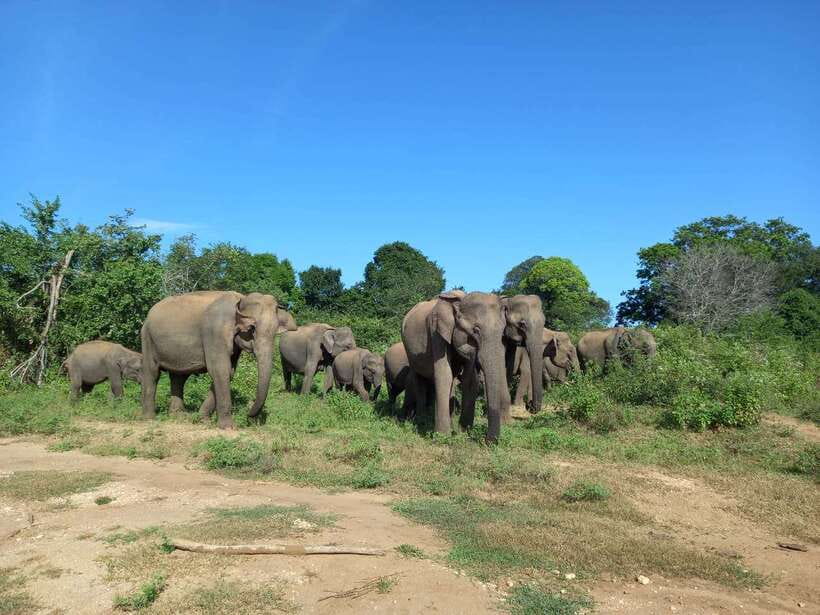
You get hotel pickup and drop-off in the Udawalawe area, and you’ll travel by private 4×4 jeep. For a safari, transport isn’t just comfort—it’s strategy. The right vehicle and the right driver make it easier to reach good tracks, take smarter routes, and position for sightings without pushing animals.
There’s also a practical quality score here: transport gets strong marks, with many people giving top scores for the ride experience. That’s reassuring when roads are bumpy and you’ll spend hours seated and scanning.
You’ll also want to know what’s not allowed. Drones are off-limits, and alcohol or drugs aren’t permitted. Keep it simple: camera, water, and a clear head.
Inside the park: how elephants usually show up
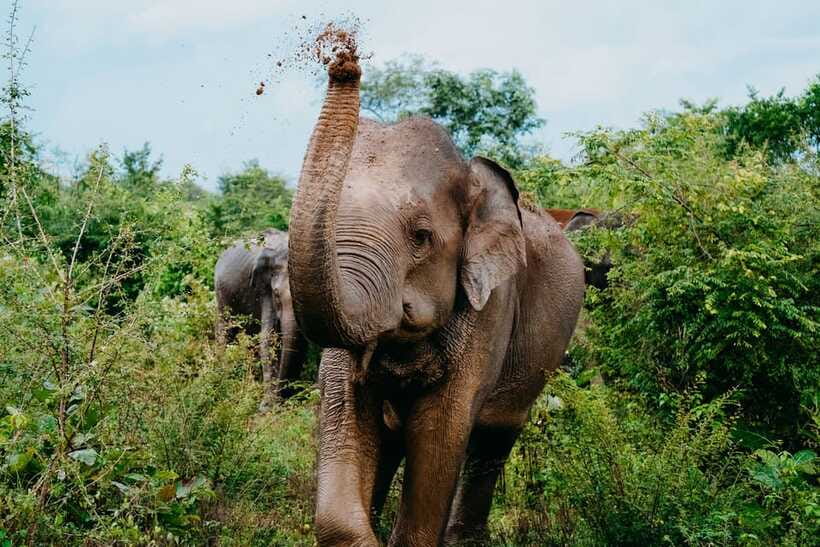
Udawalawe is set up for frequent elephant encounters. You’re not just waiting for one miracle herd. The park’s open grasslands make it possible for elephants to roam in ways you can actually watch from a vehicle.
What I like most about this safari style is how your guide manages the search. The best moments often come when the guide recognizes movement early and positions you without crowding the animals. That’s where years of safari experience show.
In many of the experiences I’m basing this on, guides also drive with a “let them come” mindset. You’ll see respectful distance, the jeep slowed down when animals are near, and in several cases the engine is turned off while you observe. That kind of quiet makes a huge difference for both animal comfort and your own viewing.
One small reality check: elephants can move fast when they decide to. So the guide may spend time waiting for the next shift rather than constantly driving. That’s not wasted time. It’s how you get the calm, clear moments that make the trip feel worth the effort.
More than elephants: crocodiles, deer, jackals, and possible leopards
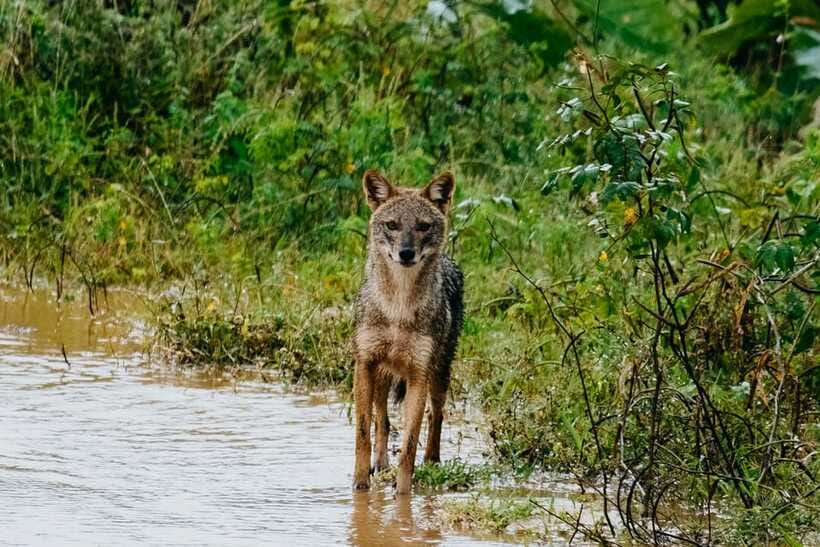
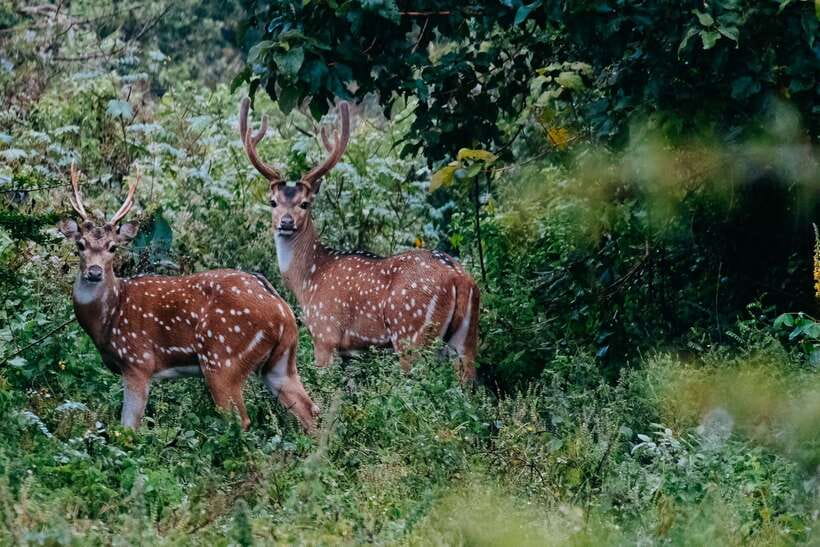
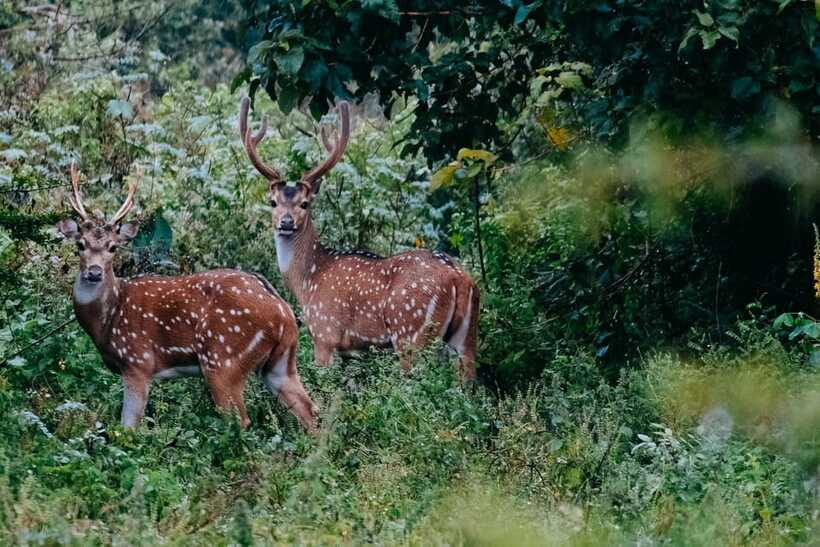
Udawalawe is often described as an elephant safari, but it’s also a wildlife safari. Your highlight list includes crocodiles, jackals, sambar deer, and even the chance at leopards.
Crocodiles are one of those “you’ll probably see them if you’re in the right area” animals. They’re a reminder that Udawalawe isn’t just grassland—it has wet zones that pull in reptiles and other wildlife.
You may also spot wild boar, monitor lizards, and mongoose. Deer sightings can be especially fun because they tend to be smaller and harder to notice unless your eyes and guide are on high alert.
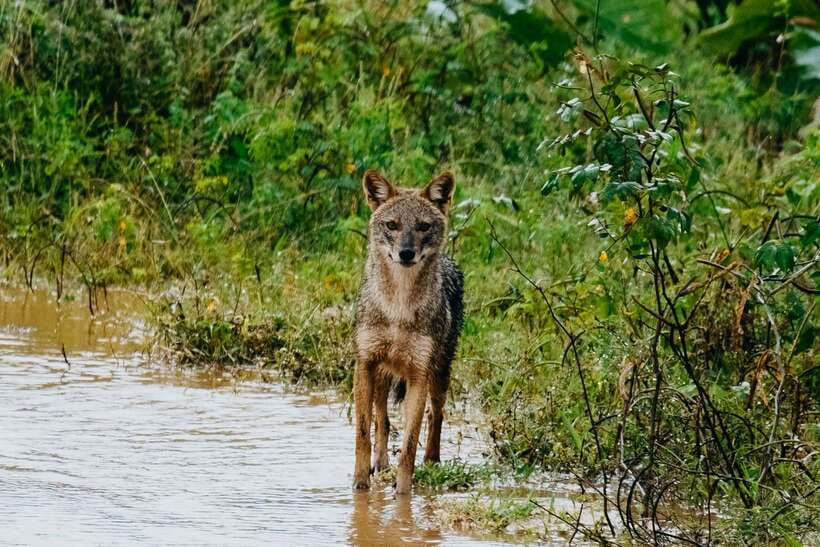
Jackals add another layer to the day. If you get lucky with a sighting, it can feel like finding the park’s secret track system—quick, alert, and gone before you think to relax.
And leopards? You’re not promised one. But the guide’s job is to maximize your odds by reading the habitat and keeping you in the right areas at the right time.
Birding bonus: Sri Lankan junglefowl and spurfowl moments
If you care about birds, Udawalawe is a smart stop. The safari explicitly calls out endemic birds like Sri Lankan junglefowl and spurfowl, and that’s where many people end up surprised.
Here’s why this matters for you: when your guide stops for a bird, you often get a quieter moment in the day. Instead of chasing just one animal, you slow down and learn the shape of the day’s wildlife rhythm.
A good guide will also help with quick identification. Several safari guides associated with this experience are praised for spotting birds quickly and turning small movements into clear, named sightings. On some trips, extra gear like binoculars has been provided, which makes a difference if you’re trying to see the details of small birds without straining your eyes.
If you want the full bird effect, pick a time when you can stay alert—early morning tends to be the best bet, mainly because you’re fresh and animals are moving.
Respect on the road: what “expert guide” looks like in practice
Real safari skill is not just finding animals. It’s finding animals while keeping the behavior right—for the animals and for the people.
In these safari experiences, the best guides are careful about distance. Several people mention that guides avoid forcing outcomes, let elephants and other wildlife move naturally, and keep the jeep positioned in a way that doesn’t feel like pursuit.
You’ll also see the “engine off” habit when animals are close. That’s not just respectful; it’s practical. With less noise, it’s easier to hear subtle movement and easier for animals to stay calm.
Safety shows up too. Your guide is a driver-guide with a long track record, and people repeatedly note safe driving and calm handling over bumps and turns. That matters when you’re spending hours focused on spotting wildlife.
And the tone matters. Guides like Gimhana are often praised for staying friendly, funny, and relaxed while still doing the job—spotting, explaining, and adjusting without turning the trip into a stressful race.
Price and value: what $30 really buys, plus the park fee
Let’s talk value in plain numbers.
You’re paying $30 per person for the safari portion, which includes hotel pickup and drop-off (Udawalawe area), a private safari tour, a driver-guide with 10 years of experience, and transportation in a private 4×4 jeep. For the 10-hour option, lunch and water are also included.
Then there’s the separate Udawalawe National Park entry fee: $37 per person. So your all-in total is typically $67 per person before any extras.
Is that expensive? Not if you’re thinking about what’s included:
- Private jeep time is costly, and you’re spending hours inside the park rather than hopping from stop to stop.
- The entry fee is a big chunk, but it applies to every safari operator because it’s the park cost.
- The driver-guide component is what you’re paying for most: spotting ability, positioning, and respectful behavior that helps you see more without pushing animals.
If you’re traveling with one or two people and want flexibility, a private setup can feel like better value than joining a large group that has to move as one unit.
Who should book this Udawalawe elephant safari
This safari fits best if you:
- Want elephant-heavy time with a strong chance of also seeing crocodiles, deer, jackals, and reptiles
- Care about birding and want a real shot at endemic species like Sri Lankan junglefowl
- Prefer a private pace where your guide adjusts routes and stops for what you’re seeing
It’s also a good pick if you’re the kind of person who enjoys learning on the spot. Many guides here explain what you’re looking at—elephants, birds, and other animals—and help you notice things you’d miss while just scanning randomly.
Skip it (or choose a different format) if you have mobility constraints. This experience is listed as not suitable for people with mobility impairments. It’s also listed as not suitable for pregnant women.
Practical tips: how to enjoy the ride and not miss the good moments
Udawalawe days have two realities: animals move, and the park is big. So your main job is to stay sharp without panicking.
- Expect short waiting gaps. If it takes a bit to get the next sighting, that’s normal in a massive park.
- Ask your guide what you want to prioritize. Some guides are praised for adjusting routes to meet requests like seeing more elephants.
- Dress for sun and dust, especially if you start early. One guide-handling story mentioned how dust can be an issue with small kids, so plan for it.
- Bring layers for morning cold. Early safaris can feel chilly before the day warms up.
- If you don’t have binoculars, ask. At least one guide has provided them on tour.
- Use your photo time smartly. Getting on a good elephant moment is one thing. Getting a calm, respectful shot is the real win.
Should you book this Udawalawe elephant safari with an expert guide?
I’d book it if your goal is a balanced, wildlife-focused day where elephants are the headline and birds are a real bonus. The combination of a private 4×4 jeep, long-experience driver-guides, and a respectful approach to animal viewing is exactly what you want in Udawalawe.
I’d think twice if you’re expecting guaranteed sightings of every species. Udawalawe gives strong odds for elephants and a lot of other wildlife, but nature doesn’t run on our schedules. Also, if mobility or pregnancy is part of your situation, this specific experience is not recommended.
If you’re trying to choose between a quick stop and a longer day, lean longer when you can. Extra hours usually means more chances for elephants, more bird time, and more time for your guide to reposition intelligently when the action shifts.
FAQ
What is the duration of the Udawalawe elephant safari?
It runs for 4 to 10 hours, depending on the option you choose.
Where does hotel pickup and drop-off happen?
Hotel pickup and drop-off are included for hotels in the Udawalawe area.
Is this a private tour?
Yes. A private safari tour and a private group option are available.
What vehicle is used during the safari?
You travel by private 4×4 jeep.
Is lunch included?
Lunch and water are included if you choose the 10-hour option.
What is the national park entry fee?
The Udawalawe National Park entry fee is $37 per person, and it is not included in the safari price.
What languages are the live guides?
The live tour guide is available in English and Singhalese.
Are drones allowed during the safari?
No, drones are not allowed.
Is alcohol or drugs allowed?
No. Alcohol and drugs are not allowed.
What’s the cancellation policy?
Free cancellation is available up to 24 hours in advance for a full refund.