REVIEW · COLOMBO
Tuk Tuk Private Safari Tour Exploring Sri Lanka’s Capital Colombo
Book on Viator →Operated by BLAZE TUK TUK SAFARI · Bookable on Viator
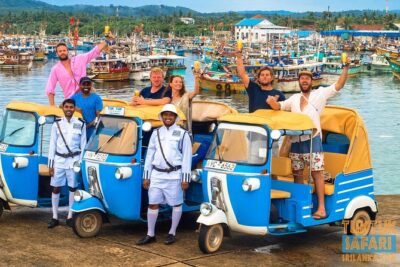
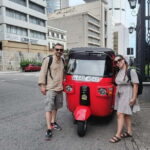
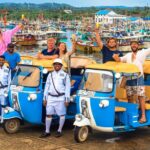
A tuk tuk makes Colombo feel readable fast. In about 4.5 hours with Vinoth Blaze, you’ll bounce between historic temples and modern-city landmarks, with extra time in Pettah to see how locals actually live. You’ll ride a comfortable Blaze cabrio tuk tuk, chat in English (and often Sinhala or Tamil), and get the kind of practical city context that helps the rest of your trip click.
I love the comfort and photo-friendliness: this tuk tuk is convertible, so you can keep your camera angle up even in traffic. I also like how the tour mixes places that are religious, civic, and everyday—so you’re not just ticking off views, you’re learning what each spot means in Colombo.
One consideration: not everything is ticketed. Gangaramaya Temple entry isn’t included, and the Colombo Lotus Tower admission isn’t included either. Also, one past booking noted extra shopping stops that weren’t on their wish list, so I’d plan your expectations and speak up early.
In This Review
- Quick reasons this tuk tuk safari works in Colombo
- Meet Vinoth Blaze’s Colombo route: temples, ports, and the street level of history
- Price and value: why $33 can make sense for a 4.5-hour private day
- The route in plain terms: what you’re really doing in 4.5 hours
- Gangaramaya (Vihara): a major Buddhist landmark where modern architecture shows up
- Sri Ponnambalam Vanesar Kovil and Jami Ul-Alfar Mosque: Kotahena to Pettah in one multi-faith sweep
- Independence Square and the Colombo Lighthouse: civic pride meets port-city reality
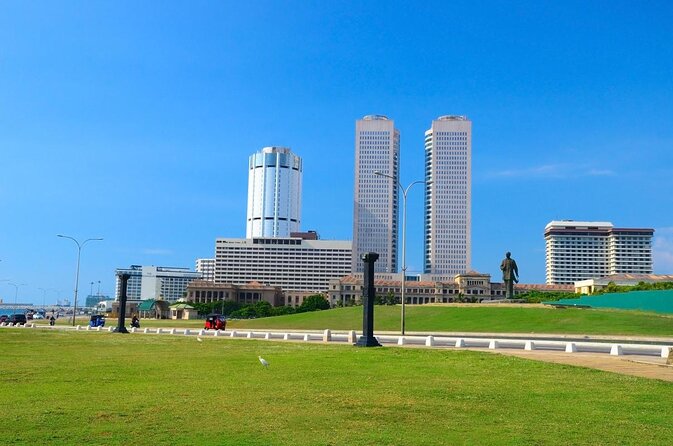
- Galle Face Green and Colombo Fort Clock Tower: the waterfront plus the old marker
- Viharamahadevi Park and Seema Malakaya Temple at Beira Lake: breathing room and quiet focus
- Colombo Lotus Tower: a quick photo stop with an optional upgrade
- Pettah Market and Pettah Floating Market: where Colombo turns loud (and interesting)
- Dutch Hospital Shopping Precinct and Cargills Department Store: colonial buildings, modern stops
- What the guide adds: comfort, safety, flexibility, and the little touches that matter
- Practical tips so you’re comfortable in Colombo traffic and crowds
- Should you book this Colombo tuk tuk safari?
Quick reasons this tuk tuk safari works in Colombo
- Private and paced: only your group, in a half-day window that fits real schedules
- Convertible cabrio tuk tuk: easier photos and better views without leaving the ride
- Real neighborhood stops: Pettah, Pettah Floating Market, and the areas around Beira Lake
- Multi-faith city map: Buddhist, Hindu, and Muslim landmarks in the same route
- Coastal and colonial mix: Galle Face Green, Colombo Fort Clock Tower, and Dutch Hospital area
- Small comforts included: bottled water, king coconut, umbrella, portable Bluetooth speaker
Meet Vinoth Blaze’s Colombo route: temples, ports, and the street level of history
Colombo can feel like two cities at once. There’s the “official” side with monuments, parks, and colonial-era structures. Then there’s street Colombo—loud, colorful, crowded, and deeply local. This private tuk tuk safari is built to connect those dots fast, without making you spend your whole day in a vehicle.
Vinoth Blaze runs the tour, and his style shows up in the details. You get pickup offered, and the experience is designed for a smooth, straightforward flow. In real bookings, people highlighted clear pre-tour communication and even meeting made easier with a visible sign. If you’re starting from a hotel or arriving from a cruise port, that kind of organization matters more than you’d think when you’re dropped into a sea of tuk tuks and drivers.
The other big piece is language and context. The tour experience is described as conversations in English, and also Sinhala or Tamil. Even when you can’t follow every local phrase, you’ll catch what matters: who built what, why neighborhoods are named the way they are, and how daily life around you connects to the sights you’re stopping for.
You can also read our reviews of more tours and experiences in Colombo.
Price and value: why $33 can make sense for a 4.5-hour private day
At $33 per person, this is priced like a smart “half-day overview” option rather than a full-day driver rental. The value comes from three things:
First, it’s private. You’re not bargaining for space in a crowded group van. That helps you actually use the time for quick stops and photos instead of losing minutes to herd logistics.
Second, key inclusions reduce add-ons. You get free Wi‑Fi, bottled water, and parking fees covered. You also get a king coconut and an umbrella, plus a portable Bluetooth speaker—small extras that make the ride feel less like a rushed commute and more like a guided day out.
Third, a few admissions are included. Specifically, admission is covered for Sri Ponnambalam Vanesar Kovil and Independence Square. Dutch Hospital Shopping Precinct and Cargills Department Store are also listed as included for that part of your visit. Two spots are not included: Gangaramaya Temple and Colombo Lotus Tower admissions.
So the value math is simple: if you’re okay paying for those two extras, you’re getting a structured route with practical comforts already handled.
The route in plain terms: what you’re really doing in 4.5 hours
This tour is a tight circuit through Colombo’s “big recognize” landmarks and the neighborhoods that give them meaning. You’ll start with a major Buddhist site, then shift to Hindu and Muslim landmarks. After that, the route pivots to civic monuments and the waterfront side of the city, before sliding into parks and Beira Lake.
Later, you’ll hit Pettah—the place where Colombo’s energy is easiest to feel. That includes time at Pettah Market and the Pettah Floating Market, with stalls set up on boats on Beira Lake. Then you finish in areas that blend colonial-era architecture with modern shopping, including the Dutch Hospital precinct and Cargills Department Store.
The key point: you’re not asked to do long hikes or complicated logistics. Most stops are short (often 10–30 minutes), which is exactly what a tuk tuk day should be. You’re using stops like “chapters,” not trying to read the entire book in one sitting.
Gangaramaya (Vihara): a major Buddhist landmark where modern architecture shows up
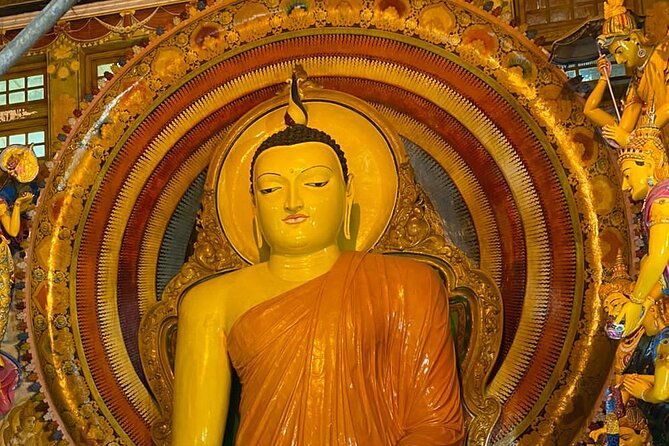
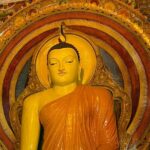
Your first big stop is Gangaramaya (Vihara) Buddhist Temple, a major temple in Colombo. Expect about 30 minutes here. It’s described as a mix of modern architecture and cultural essence, which is one reason this stop works so well on a tuk tuk route: it breaks the stereotype that religious sites only look old.
Admission for Gangaramaya isn’t included, so if you’re budgeting, plan for that extra. When you’re paying for only a portion of the day’s admissions, it helps to arrive mentally prepared to cover that one ticket and move on.
This is also the kind of stop where a guide explanation makes your photos better. You’ll likely understand the layers of meaning behind what you’re seeing, instead of just capturing buildings and decorations.
Sri Ponnambalam Vanesar Kovil and Jami Ul-Alfar Mosque: Kotahena to Pettah in one multi-faith sweep
Next, you get a Hindu temple stop in Kotahena: Sri Ponnambalam Vanesar Kovil. It’s listed as a 20-minute stop and admission is free. The current structure is described as built entirely of granite, which gives you a solid visual detail to watch for while you’re there.
Then the tour shifts to Jami Ul-Alfar Mosque, also known as the Red Mosque. This is in Pettah, on Second Cross Street, and it’s described as one of the oldest mosques in Colombo and a popular tourist site. Expect around 20 minutes.
Together, these two stops do something useful: they show you Colombo as a shared city of multiple faith communities, not isolated “sight boxes.” If you like your travel to feel like learning, this pairing is a good pattern.

Independence Square and the Colombo Lighthouse: civic pride meets port-city reality
From there you move into the civic and coastal side.
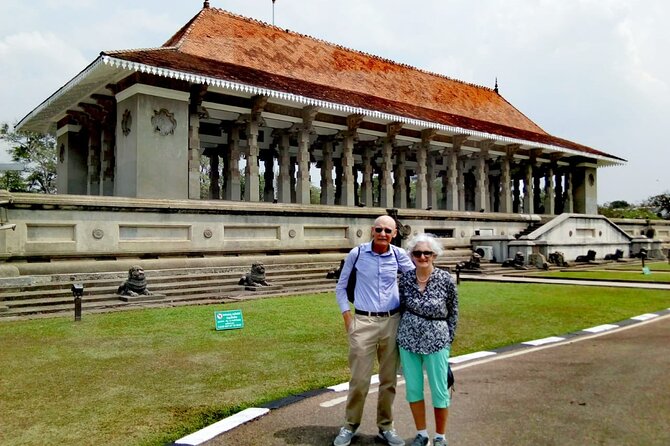
Independence Square (with the Independence Memorial Hall) is a national monument built to commemorate Sri Lanka’s independence from British rule. Your stop is about 20 minutes, and admission is listed as included. This is a short visit, but it’s a high-impact one because it gives you a political and cultural time anchor for the rest of the day.
Next up is Colombo Lighthouse, located at Galbokka Point south of the Port of Colombo. It’s maintained by the Sri Lanka Ports Authority. The stop is listed as 20 minutes, and admission is free. If you like your city photos with a little industrial context, this one helps.
Galle Face Green and Colombo Fort Clock Tower: the waterfront plus the old marker
Then you’re out at Galle Face Green, an ocean-side urban park. It stretches along the coast in central Colombo and includes a promenade feel. The stop time here is about 15 minutes.
After that comes the Colombo Fort Clock Tower, also known as a former lighthouse structure. It’s no longer operational as a lighthouse, but the tower remains and now functions as a clock tower. Expect around 15 minutes.
These two stops work well back-to-back because you get variety. One gives you the ocean edge and wide open space. The other gives you a tighter historic landmark in the city weave.
Viharamahadevi Park and Seema Malakaya Temple at Beira Lake: breathing room and quiet focus
In the Cinnamon Gardens area, you’ll visit Viharamahadevi Park for about 30 minutes. It’s described as being in front of the colonial-era Town Hall, which is a neat connection between nature and architecture—without turning the stop into a long park day.
Then it’s time for Seema Malakaya Temple in Beira Lake, about 20 minutes. This temple is described as mainly used for meditation and rest rather than worship. That detail matters. It changes the tone from a “look and move” temple visit into something closer to a calm pause in your day.
If your schedule is tight and you want at least one quiet, slower moment, this is the one to notice.
Colombo Lotus Tower: a quick photo stop with an optional upgrade
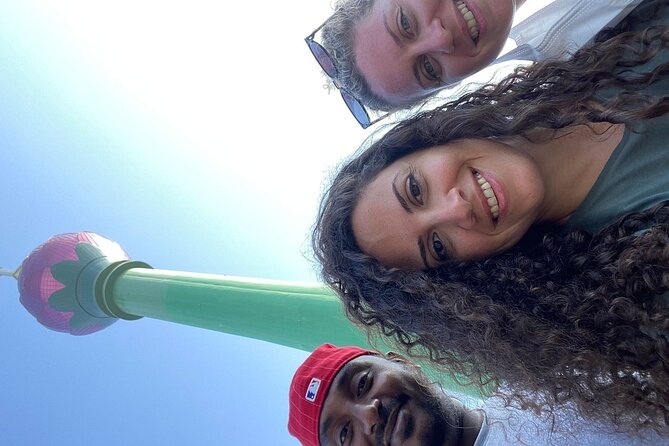
Colombo Lotus Tower is a short stop (about 10 minutes). Admission for this is not included. It’s described as the 2nd tallest tower in South Asia.
In practical terms, this stop is mainly about seeing it from the outside and snapping a few photos before you head back into the city flow. If you want to go up or do an internal experience, you’ll need to pay separately since admission isn’t covered.
Pettah Market and Pettah Floating Market: where Colombo turns loud (and interesting)
Now you reach the heart of the action: Pettah.
Pettah is described as the madness of Colombo’s market area, and it’s positioned as a great place to get initiated into the local hustle and bustle—the sounds and smells kind of place. Your stop is about 30 minutes, and admission is free.
If you’re the type who gets nervous in crowds, treat this as a camera-and-people-watching zone rather than a “try to browse everything” zone. Short time plus fast movement beats standing still when the market is at its busiest.
Next comes Pettah Floating Market on Bastian Mawatha in Pettah. It’s described as having 92 trade stalls, with many stalls established on boats on Beira Lake. The stop is about 20 minutes.
This is a rare combo: a traditional market street experience, then the water-based version. Even if you’ve seen markets in other countries, the floating element is the kind of detail that makes this stop feel different.
Dutch Hospital Shopping Precinct and Cargills Department Store: colonial buildings, modern stops
To finish, you go into shopping areas built into older architecture.
The Dutch Hospital Shopping Precinct is a 10-minute stop, and admission is listed as included. You then have a very short stop at Cargills Department Store—about 5 minutes—with colonial buildings listed and admission included for that stop.
These are “see it, look around, move on” stops. They’re useful if you want one last dose of Colombo’s layered look: colonial-era shapes paired with today’s retail.
What the guide adds: comfort, safety, flexibility, and the little touches that matter
A good tuk tuk tour is half driving, half guidance. In this experience, the guiding side shows up in several repeat themes.
People highlighted Blaze’s communication. He’s described as punctual and as contacting before the tour to arrange pickup and meeting. He also made it easier to spot him by using a visible sign with pictures on it.
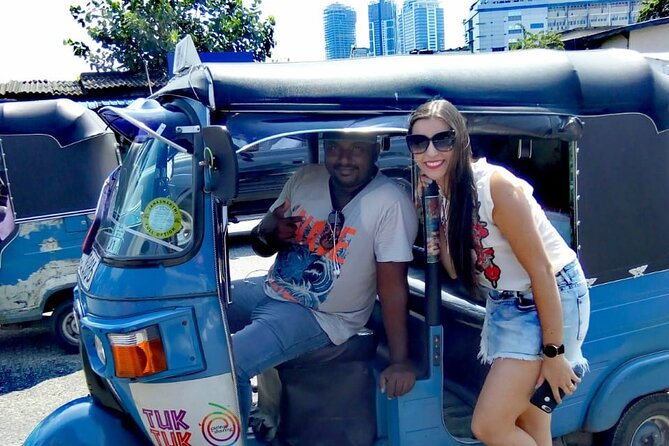
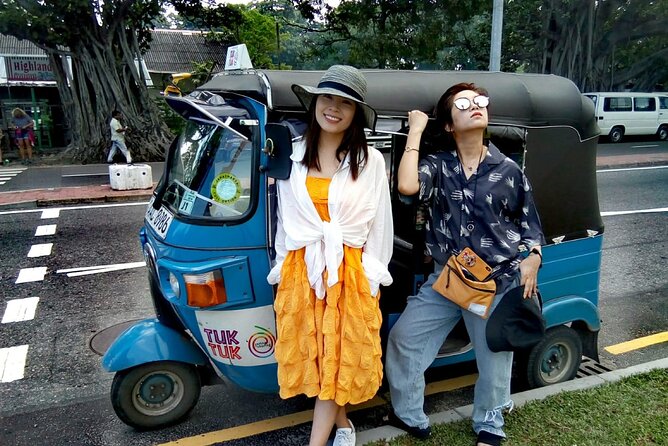
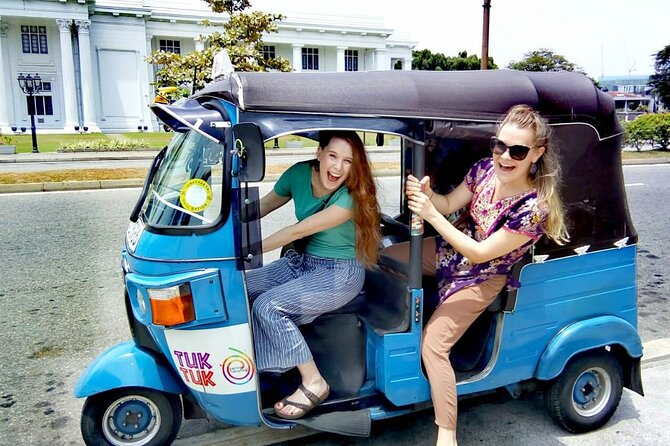
The tuk tuk itself is part of the value. The convertible top makes it easier to photograph landmarks without crouching or losing your angle to other vehicles. Plus, bottled water is part of the included package, and the king coconut stop breaks up the ride with a local treat.
There’s also a safety factor. Multiple bookings mention feeling safe, including solo female travelers and travelers who needed accommodation for mobility issues. That tells me this isn’t just a “go fast and hope” operation. It’s built around careful handling and respectful pace.
One more thing: flexibility. In some cases, bookings mention adjusting around personal interests, including adding cricket-related stops or finding good places to eat. That doesn’t mean you’ll get unlimited detours, but it suggests the guide isn’t locked into a robot script.
The main drawback to keep in mind is shopping pressure. One earlier booking noted extra jewelry shops that were not expected or wanted. If shopping isn’t your style, ask about it upfront. A private guide is supposed to tailor your day, not tow you through sales floors.
Practical tips so you’re comfortable in Colombo traffic and crowds
You’re moving through real streets, so your comfort will come from a few simple choices.
First, plan for short stops in busy areas. Pettah is crowd-heavy by nature, and temple areas can include more walking inside the grounds. Wear shoes that don’t hate you after 4.5 hours.
Second, since Gangaramaya Temple and Colombo Lotus Tower admissions aren’t included, keep a little extra money ready. Don’t count on every ticket being covered.
Third, the experience notes it requires good weather. If you get rain, expect a reschedule or refund. If you can control your dates, aim for a day when skies are stable.
Finally, use the included items. You’ll have an umbrella, bottled water, and a guide who typically brings small comforts like music via the portable Bluetooth speaker. Those little things can make Colombo traffic feel less exhausting.
Should you book this Colombo tuk tuk safari?
I’d book it if you want a smart, time-efficient way to see major sights plus neighborhood texture in one half day. It’s especially good for first-timers who want a guided map of Colombo’s religious sites, parks, and waterfront landmarks without wrangling buses. The private format, pickup option, and included comforts make it feel like you’re paying for a working plan, not just transport.
I’d think twice if you strongly dislike shopping stops, or if you expect every single admission to be covered. Gangaramaya and Lotus Tower are not included, and one booking flagged unexpected jewelry shop time.
If your goal is a friendly, photo-ready Colombo orientation with a guide named Vinoth Blaze who knows how to explain what you’re seeing, this tour fits the bill. If your goal is a strict no-extra-stops sightseeing run with zero surprises, message your preferences before you go.