REVIEW · YALA NATIONAL PARK
Yala National Park: Half, 7-Hour, or Full-Day Safari & Meals
Book on GetYourGuide →Operated by Shehan Safari Jeep Tours · Bookable on GetYourGuide
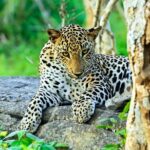
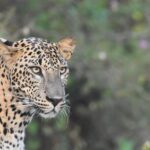
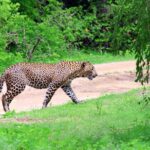
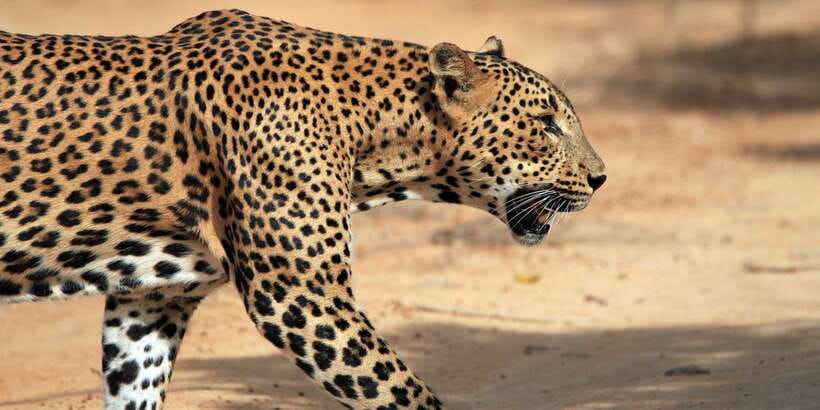
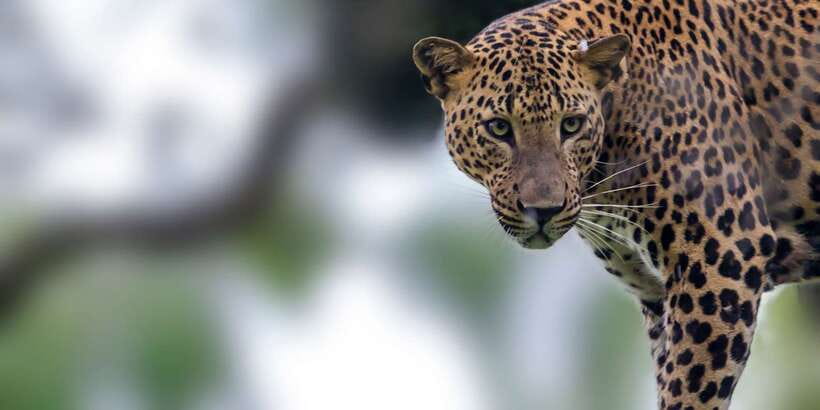
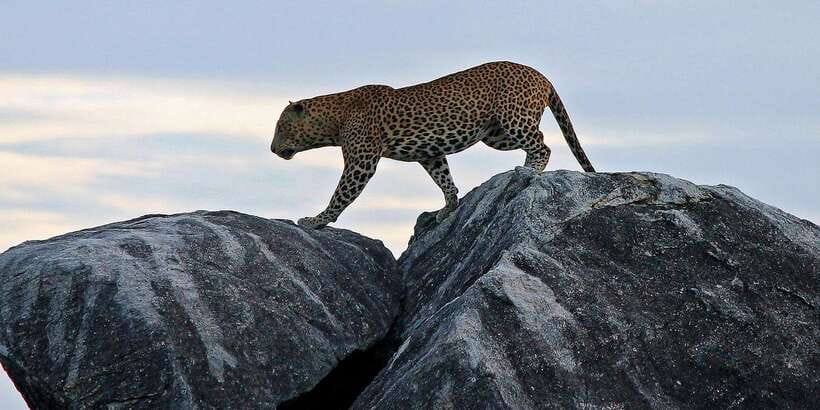
Leopards are the reason you wake up early. Yala National Park is built for those heart-thumping game drives, with a serious chance to see predators and big mammals in the same day, often with helpful stops for food and a reset.
I especially love the focus on golden-hour viewing. Early morning and late-afternoon light helps animals feel less hidden, and it also makes the whole park feel like a living movie set.
Second, I like the guide-driven hunt for sightings, with names like Muthu, Ishan, and Dilan showing up again and again in guides’ standout moments. One real consideration: the big Yala entrance & service fee (about SR 13,000 / ~US$43) is not included, and you’ll need to pay in Sri Lankan rupees in cash at the gate.
In This Review
- Key highlights that make this Yala safari worth planning
- Yala’s golden-hour schedule: why those early starts matter
- Booking choices: half-day, 7-hour, or full-day (and what you really gain)
- Pickup and drop-off: where you’ll meet the jeep
- The 4WD jeep drive: what riding is like in Yala
- Morning safari flow: arriving early and scanning fast
- Afternoon safari and sunset light: second chances that matter
- Full-day safari structure: the midday Palatupana break and meal payoff
- Wildlife beyond leopards: elephants, sloth bears, crocodiles, and birds
- Meals, water, and value: what you’re paying for (and what you’re not)
- Guides and small-group dynamics: why names keep coming up
- Park rules that affect your day (and your photos)
- What to pack for Yala (so you don’t suffer for the views)
- Comfort and safety notes: who should choose carefully
- Should you book this Yala safari?
- FAQ
- Is the Yala National Park entrance fee included in the safari price?
- What durations are available for this Yala safari?
- How do pickup and drop-off work?
- Are meals included?
- What kind of vehicle do you use?
- What should I bring and what is not allowed?
Key highlights that make this Yala safari worth planning
- Leopard odds in Yala: Yala is known for extremely high leopard density, so your timing and route choices matter.
- Two wildlife sessions (on full-day options): you get morning and afternoon-style searching, not just a rushed drive.
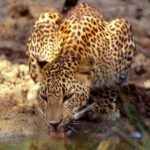
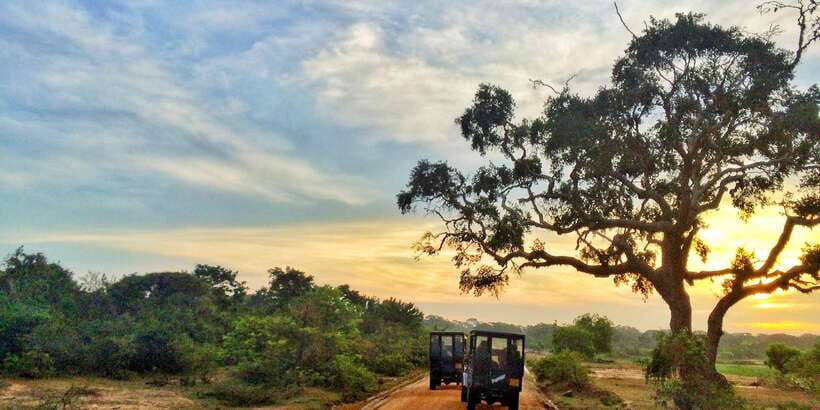
- 4WD jeep game drives: you’ll roll through forest patches, open plains, and water-side areas where animals come to drink.
- Birding bonus: the park is listed with 215 bird species, and guides often point out standout raptors and waterbirds.
- Meal stop included on longer options: lunch and water are part of the day on meal-included formats.
- Small-group feel: this can help you get better viewing moments without feeling herded.
Yala’s golden-hour schedule: why those early starts matter
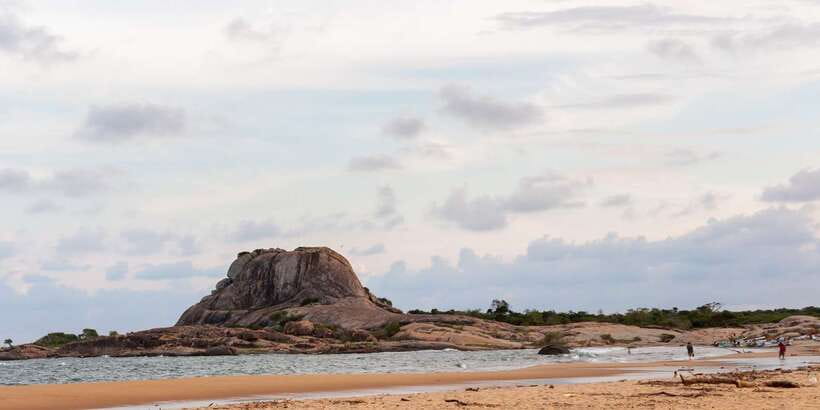
Yala National Park is one of those places where the day’s light changes the wildlife mood. In the morning, you often get animals moving when temperatures are lower and visibility is good. In the afternoon, you frequently see animals return toward water and shade, plus you get the softer light that helps with photos and spotting.
This safari is designed around those “golden hour” windows. Even if you pick half-day, the goal is the same: arrive at the park at a smart time and spend real time out on the tracks, not just sitting around.
The best practical tip: pack for the fact that early starts can be cool and bright fast. Sunglasses and a hat aren’t just comfort items—they help you keep scanning without squinting.
You can also read our reviews of more tours and experiences in Yala National Park.
Booking choices: half-day, 7-hour, or full-day (and what you really gain)
The duration options stretch from about 4 hours to up to 12 hours, and the best choice depends on how you handle waiting and how serious you are about leopard searching.
A shorter option is usually best if:
- you’re tight on time,
- you want the safari experience without a long day,
- you’re comfortable with the idea that wildlife encounters can be hit-or-miss.
A longer option is better if:
- you want multiple chances across conditions (morning light vs late-day light),
- you’d rather have time on the ground than feel rushed in and out,
- you’re traveling as a bird lover and want more time to notice smaller species and water edges.
For meal-inclusive formats, the full-day approach is a clear advantage: you get at least one planned break, plus additional game-drive time after lunch. One of the most common “sweet spot” schedules you’ll see shared is a morning session and then a second run later in the day, with a midday break between.
Pickup and drop-off: where you’ll meet the jeep
This tour is built around hotel-area pickup. Pickup is available from the Tissamaharama / Kirinda / Yala / Katarahama / Weerawila region, and the activity lists multiple pickup options, including Weerawila, Tissamaharama, Debarawewa, Palatupana, Kirinda, and Kataragama.
Drop-off options are similarly flexible, including Debarawewa, Kataragama, Kirinda, Tissamaharama, Palatupana, and Weerawila.
Why this matters for value: you’re not paying for a private driver all the way, and you’re not stuck coordinating two separate transfers. Still, you should plan to be ready early—this kind of safari timing is everything, and the instructions ask you to be in the lobby about 10 minutes before pickup.
The 4WD jeep drive: what riding is like in Yala
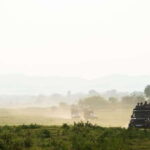
You’ll be in a 4WD jeep / SUV and you should expect a bumpy, dusty ride at times. Yala’s roads can be rough, and a couple of guide-and-vehicle notes from real-world experiences line up with that reality. One traveler called out that a Hilux-style vehicle felt less comfortable, while another mentioned a Land Cruiser was smoother.
So here’s the practical move: if comfort matters for you, mentally budget for a rugged ride. And if you’re sensitive to dust, bring a light face mask or cloth for those moments when wind kicks up.
Also bring your camera properly secured. Flash photography is not allowed inside the park area, so you’ll want settings that work in daylight and a camera strap that keeps you hands-free while scanning.
Morning safari flow: arriving early and scanning fast
Morning safari time is usually where you get the highest payoff for effort. Animals often look more active, and predators can be moving through open patches or near quieter cover.
On a longer format, the schedule can include a full park block, with guided game drive time after entry. You’ll also have a bit of transfer time before you’re fully in the park area—about 30 minutes is noted in the general itinerary structure.
What you’re likely to see in the early drive:
- Leopards in Yala are the big target, and guides often time their searching around where leopards may cross and wait.
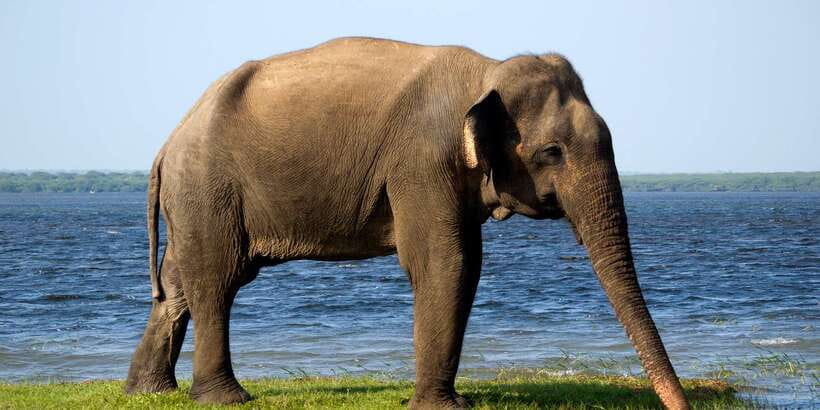
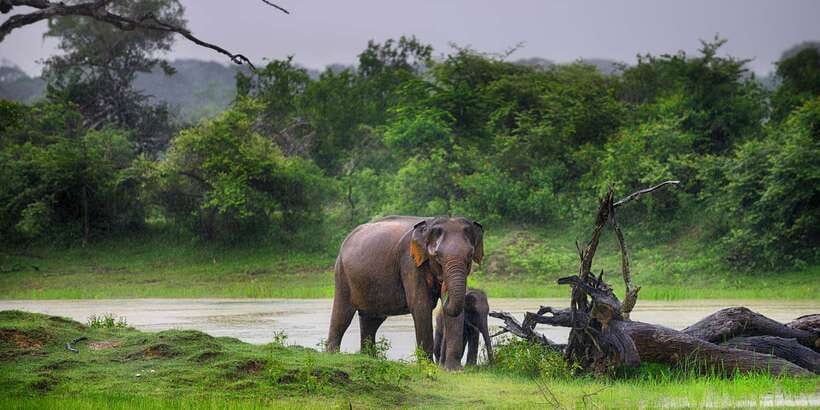
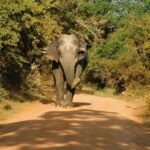
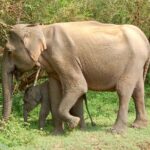
- Elephants can appear as herds or single adults moving between grasslands and forest edges.
- Crocodiles can be spotted near water where they bask.
- Smaller mammals (and lots of birds) show up when you slow down and look at edges: waterlines, shrubs, and open sandy patches.
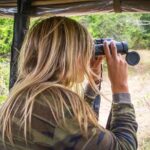
One of the best “spotting” habits I like to encourage: don’t only stare at the far horizon. In Yala, the best clues can be mid-distance motion and sudden stillness—those “something is watching” moments.
Afternoon safari and sunset light: second chances that matter
The afternoon session isn’t just a repeat. The light is different, and the animals often reposition toward water and cover as the day changes.
This is the window when you can get:
- dramatic backlit views,
- fresh tracks and repeat sightings,
- a chance to see what you missed earlier—especially if the morning was quiet for predators.
One standout detail from real-world experiences: some guides worked hard to find leopard sightings by comparing notes and moving quickly between likely zones. That kind of persistence is easier when you have a longer day and time for multiple attempts.
If you’re chasing photos, use this logic: sunrise-to-midday favors clarity, while late-day favors mood and contrast. You’ll still want binoculars if you have them, but even without gear you can get plenty by letting the guide stop when there’s movement—not when you feel impatient.
Full-day safari structure: the midday Palatupana break and meal payoff
If you choose the full-day option, the structure is more forgiving and more comfortable. A typical flow includes:
- pickup and transfer into the park,
- a guided game drive session,
- a break stop at Palatupana for lunch and a reset,
- another guided game drive session,
- return transfer and drop-off.
The break isn’t just for food. It gives you a chance to hydrate, cool down, and recharge your eyes before the second round of scanning. The itinerary lists lunch time as part of the midday break, and longer options include breakfast and lunch depending on the selected format.
What to do during the break:
- eat what you can before heading back out (the second drive can be just as intense),
- drink water,
- take a few minutes to check your camera batteries and lens cover before you’re back in dusty air.
Wildlife beyond leopards: elephants, sloth bears, crocodiles, and birds
Yala is famous for leopard viewing, but the day becomes better when you treat it like a full ecosystem safari, not a single-species mission.
Here’s the realistic “what you might see” mix based on the tour description:
- Elephants roaming in herds or singles,
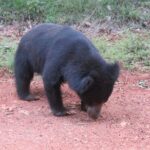
- Sloth bears (these are often more secretive, so timing helps),
- Crocodiles near water,
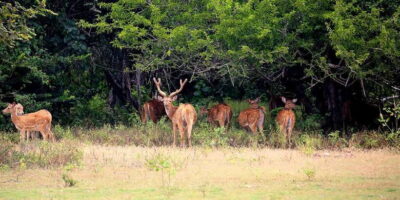
- Jackals, deer, and water buffalo in the park’s grasslands and wetlands,
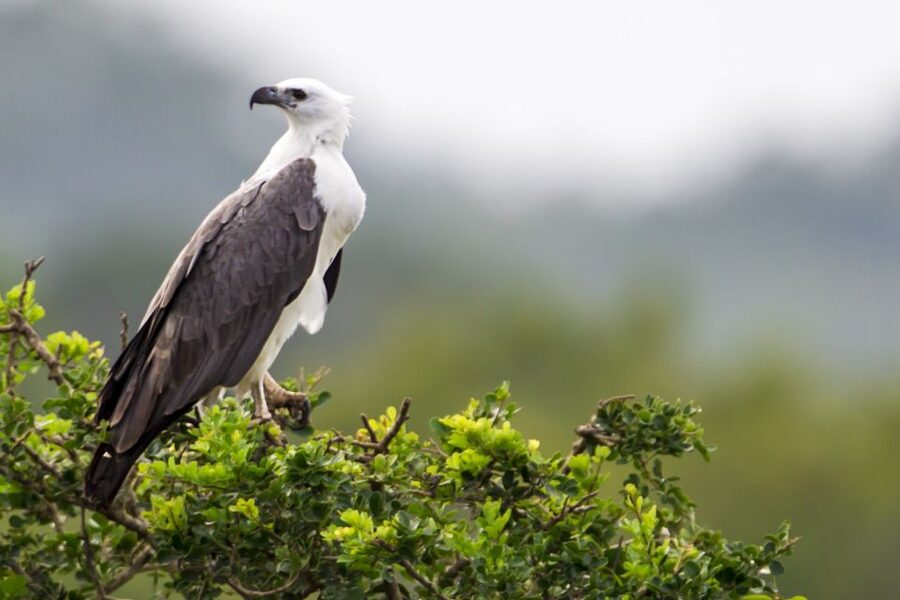
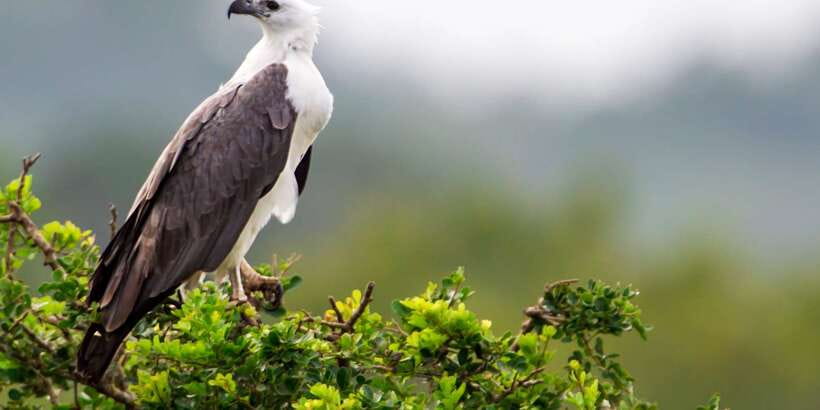
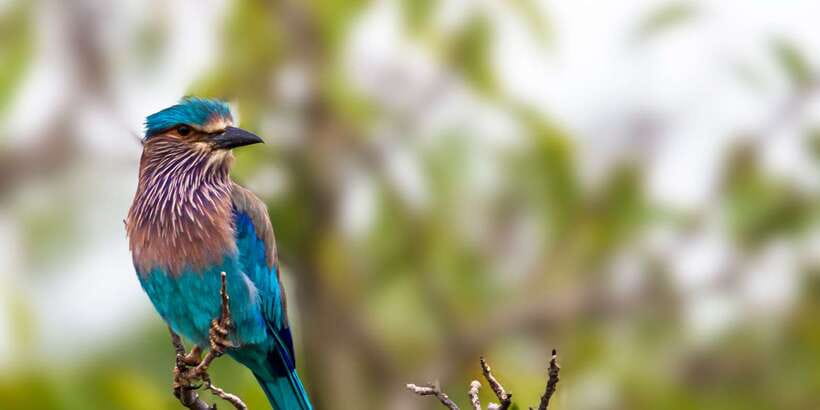
- A wide bird list, including peacocks and raptors.
In multiple real-world moments, guides also pointed out unusual bird sightings—one example mentioned a rare black-necked stork staying in Yala. That kind of detail is exactly why I like longer drives: more scanning time means more small wins, not just the big-ticket predator.
If you’re a birder, I’d plan your day like this: watch your guide for their bird calls and pointing habits, then force yourself to look for movement near shrubs and water edges. A lot of bird action is subtle.
Meals, water, and value: what you’re paying for (and what you’re not)
The listed price is US$14 per person, which is the big reason many people choose this format. But the entrance and service fee is not included. The fee is listed as SR 13,000 (about US$43) per person, paid in cash at the entrance in Sri Lankan rupees.
So your real “budget math” often looks like:
- Safari cost + entrance fee, paid separately.
That can still be good value if you’re getting:
- hotel pickup and drop-off within the listed areas,
- a 4WD jeep game-drive experience,
- guide/driver service,
- breakfast and water and/or lunch depending on option selected.
What you should do with that info: don’t compare the safari price alone. Compare the total day cost including the entrance fee, then decide whether the half-day or full-day time fit your wildlife goals.
Also note: water is included depending on your selected option. Bring extra if you know you drink a lot.
Guides and small-group dynamics: why names keep coming up
Small-group formats can make the safari feel less chaotic. When you’re limited by park rules and viewing spots, you want your guide to be decisive and your group to stay calm.
Real-world guides highlighted include Muthu, Ishan, Dilan, Vishva, Nalaka, and Chikuri. The consistent theme is effort: taking time to scan, changing location when the park tells them it’s time, and pointing out animals you might otherwise miss.
One practical advantage: good guides help you interpret behavior. Leopards aren’t always visible at once, but a guide can help you read the scene—where animals are likely to move, which water edges matter, and why certain stops pay off.
If you can, ask your guide early what they’ll prioritize for your session. A clear plan makes the drive feel smoother.
Park rules that affect your day (and your photos)
A safari is fun until you hit a rule mid-drive. Here are the key ones you should know ahead of time:
- Flash photography is not allowed.
- Smoking and vaping are not allowed.
- Alcohol and drugs are not allowed.
- Feeding animals is not allowed.
- Pets are not allowed.
- Don’t touch animals, and don’t make fires.
- Keep quiet and don’t bring speakers.
This matters because it affects how you photograph and how you manage comfort. Plan your camera settings for daylight, keep snacks squared away (but don’t try to feed animals), and treat the park like a working habitat—not a place for distractions.
What to pack for Yala (so you don’t suffer for the views)
Bring what the activity list calls for:
- Sunglasses
- Sun hat
- Camera
- Sunscreen
- Insect repellent
Then add two smart extras based on real conditions:
- A light face mask or cloth for dusty moments.
- A small day bag that you can keep close while you scan.
You’ll be sitting in a jeep, moving between sunny areas and shade, and scanning for long periods. Comfort items are worth it because fatigue makes it harder to spot motion.
Comfort and safety notes: who should choose carefully
This safari is not suitable for:
- pregnant women,
- people with back problems.
Also, the vehicle ride can be bumpy. That doesn’t mean it’s dangerous, but it does mean comfort is not like a city transfer. If you have a sensitive back, it’s worth reconsidering.
If you’re traveling with kids, follow the rules about unaccompanied minors and plan ahead for the early timing. This is also the kind of day where you’ll be sitting still enough to spot wildlife, then suddenly moving again as sightings happen.
Should you book this Yala safari?
If your main goal is leopard spotting and you want a practical value safari with real wildlife time, this is a strong pick—especially if you can do a longer day option. The entrance fee is separate, but the safari price still makes the day feel budget-friendly compared to how much guided safari time can cost elsewhere.
I’d book it if:
- you want sunrise or sunset-style searching,
- you’re okay with a rugged ride,
- you care about birds and big mammals, not just one species,
- you can handle early pickup and flexible viewing.
I’d think twice if:
- your back limits how you can sit for long stretches,
- dust and rough roads will be a major problem for you,
- you want full comfort and don’t want to pay the entrance fee on top.
If you’re ready for a true wildlife day in southeast Sri Lanka, this Yala safari is a smart way to spend it.
FAQ
Is the Yala National Park entrance fee included in the safari price?
No. The Yala entrance & service fee is not included. It’s listed as SR 13,000 (about US$43) per person, and you must pay in cash in Sri Lankan rupees at the entrance.
What durations are available for this Yala safari?
The experience is listed as 4 to 12 hours, with options such as half-day, 7-hour, or full-day formats depending on availability.
How do pickup and drop-off work?
Hotel pickup and drop-off are included in selected areas. Pickup options include Weerawila, Tissamaharama, Debarawewa, Palatupana, Kirinda, and Kataragama. Drop-off options include Debarawewa, Kataragama, Kirinda, Tissamaharama, Palatupana, and Weerawila.
Are meals included?
Breakfast and water are included depending on the option selected, and lunch and water are included depending on the option selected. Full-day formats include breaks for breakfast and lunch.
What kind of vehicle do you use?
You’ll ride in a 4WD jeep / SUV for the safari game drives inside the park.
What should I bring and what is not allowed?
Bring sunglasses, sun hat, camera, sunscreen, and insect repellent. Flash photography, smoking, vaping, alcohol/drugs, pets, and feeding or touching animals are not allowed.