REVIEW · NAIROBI
3 days masai mara safari from Nairobi
Book on Viator →Operated by simba paka safaris · Bookable on Viator
Maasai Mara hits fast, even on day one. This 3-day safari is built around pop-top safari van viewing and a small group (max 8), so you spend less time figuring things out and more time spotting animals in good light. It also includes hassle-free Nairobi transfers and park access details that help keep your day moving.
What I like most is how the days are structured for real game viewing: an afternoon drive to get you started, then a full day in the reserve with flexible timing. And you’re not rolling your own logistics either, because you get a professional driver guide, mineral water, and all meals during the safari nights.
One heads-up: camp WiFi can be limited. In one case noted from real experiences, a basic camp setup had no WiFi and power may be cut for part of the day, so plan your downtime accordingly.
In This Review
- Key things to know before you go
- Nairobi-to-Maasai Mara: the drive that sets the tone
- Your full day in Maasai Mara: Big Five odds, without a rigid schedule
- The tented camp setup: comfort, meals, and the WiFi reality
- Why the small group (max 8) makes the drives better
- Price and logistics: what your $600 really covers
- Optional Maasai village visits and the hot air balloon add-on
- Who this Maasai Mara safari suits best
- Should you book this Maasai Mara safari from Nairobi?
- FAQ
- How long is the Maasai Mara safari from Nairobi?
- What’s included in the $600 per person price?
- What isn’t included?
- How many people are in the group?
- Where does the safari start in Nairobi?
- What is the cancellation policy for a full refund?
Key things to know before you go
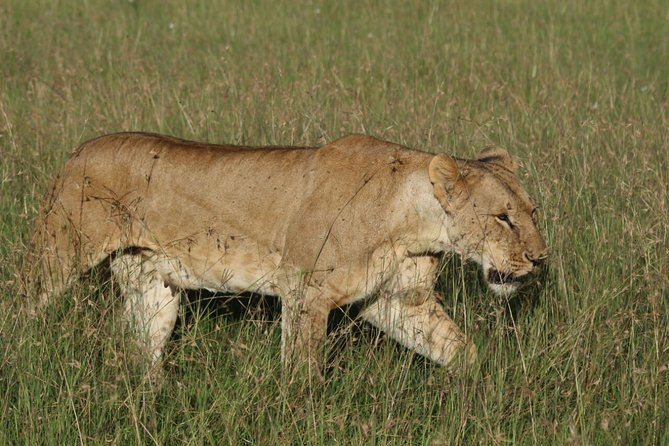
- Pop-top safari van helps you see clearly from your seat on bumpy roads
- Max 8 travelers means you’re less likely to get lost in a crowd
- Two nights in a tented camp with meals included keeps the trip simple
- Big Five focus on the full day drive, with flexible options for longer time in the park
- Maasai village is optional (and not included), so you can decide how cultural time fits your style
Nairobi-to-Maasai Mara: the drive that sets the tone
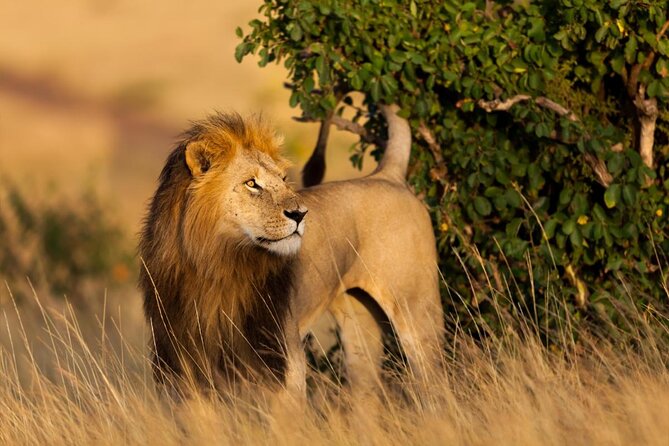
Day 1 is about getting from city life to the Mara without wasting daylight. You leave Nairobi in the morning and head down toward the Rift Valley area, with about a 6-hour transfer. You stop for lunch in Narok town, described as the biggest Maasai town, then continue on to the reserve.
That afternoon arrival is key. A lot of first-time safari trips lose the first half-day to travel. Here, you’re set up to do at least one game drive as the light turns warmer and animals start moving more predictably. Even if your first sightings aren’t the full Big Five list, you’re already in the right place at the right time.
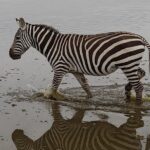
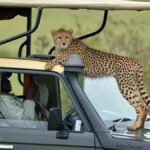
You’ll be traveling in a 4×4 safari van with a pop-top, which matters more than people think. When you’re scanning across open plains, the height helps you pick out movement early. It also makes spotting far-off zebra and gazelle herds a lot easier, so you can start learning the reserve’s rhythms on day one.
One practical tip: the drive is long, so keep your essentials easy to reach. Bring a light layer for early mornings and late afternoons, and keep your camera battery and phone charger organized because you’ll want to switch between wide shots of the savanna and quick close-ups when the action starts.
You can also read our reviews of more tours and experiences in Nairobi.
Your full day in Maasai Mara: Big Five odds, without a rigid schedule
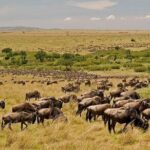
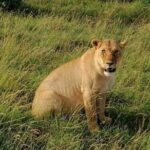
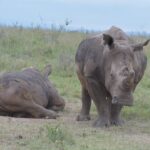
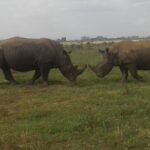
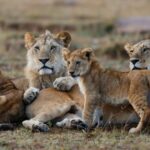
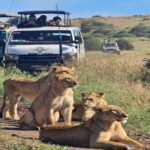
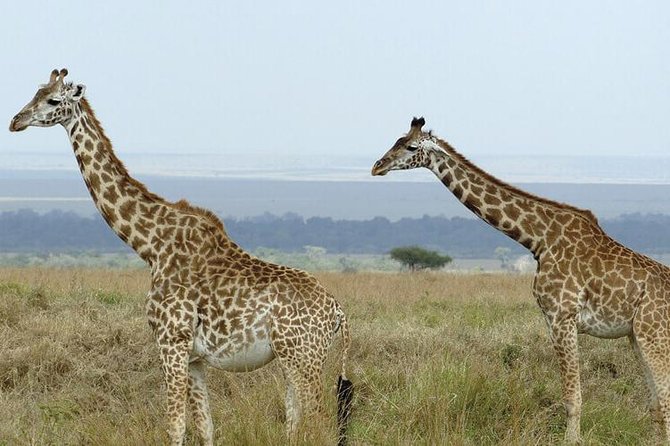
Day 2 is the heart of the safari. You spend the day in Maasai Mara, and this is where your best chance comes for the Big Five: lion, leopard, buffalo, rhino, and elephant. The tone here is practical: game drives are described as flexible, so your driver guide can adjust based on what’s happening in the reserve that day.
You’ll also have the option of doing a longer stretch by using picnic lunch boxes. That’s worth considering if you want to keep momentum instead of stopping back at camp too early. On a full-day schedule, losing even an hour can mean missing the best window of activity in a specific area.
This is also where the “guide skill” shows up. In experiences shared from the field, guides like Richard and Edwin were praised for being easygoing and for taking their time to show a wide variety of animals. That combination matters. Some guides push for speed; others slow down too much. You want the balance: slow enough to spot, scan, and check behavior, but sharp enough to move when something changes.
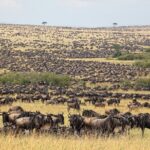
Candid expectation check: seeing every Big Five is never guaranteed in the wild. What you can control is the time you’re given and how intelligently it’s used. A full day with flexible drives gives you more shots at the sightings that matter, and it also increases your odds of seeing the animals that tell the real story of the ecosystem, like predators and their prey.
The tented camp setup: comfort, meals, and the WiFi reality
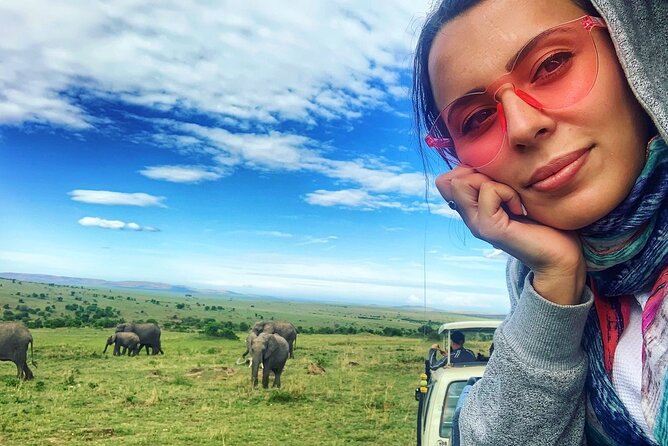
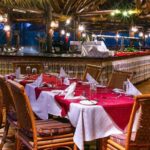
You’ll stay two nights in a tented camp, and meals are included on the safari days. That full-board style is one of the biggest value points of this trip because it removes restaurant hunting and saves you from budgeting meals in the reserve area.
On day 1, you’ll have lunch during the Narok stop, then dinner back at camp. Day 2 includes breakfast, lunch, and dinner with overnight at the camp. On day 3, you have breakfast before returning to Nairobi. Mineral water is included, which sounds small until you’re out on game drives in warm conditions.
Now the part you should actually plan around: connectivity. One shared experience noted that a basic camp choice had no WiFi, and power may be limited during the night or part of the day. That doesn’t spoil the safari, but it does change how you should pack mentally. I’d treat this like your phone-free reset time and bring offline essentials: saved maps, downloaded music, and offline photos if you want something ready.
If you care about basic comforts, consider asking what kind of tented camp setup you’re choosing before you pay the full amount. The trip includes “accommodation on full board,” but camps can vary. Your goal is simple: book for wildlife time first, then pick the comfort level that matches your tolerance.
Why the small group (max 8) makes the drives better
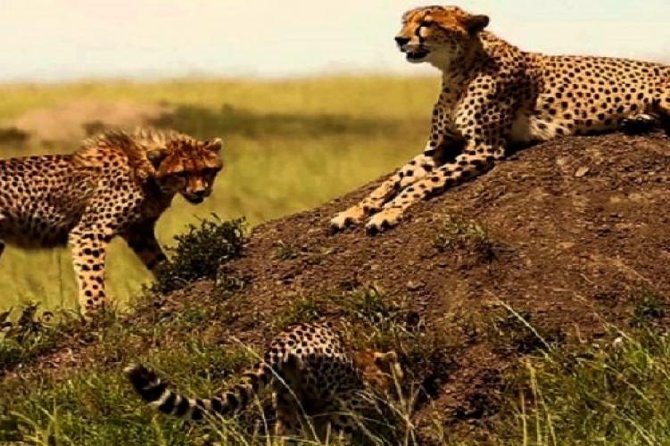
Safari vans can feel crowded fast, especially when you stop and look for action on the plains. With a group size capped at 8 travelers, you’ll usually get a calmer experience in the vehicle and more individualized guidance while scanning.
This also affects how your guide can manage time. When the group is smaller, it’s easier to do quick checks: are you ready for the next stop, do you need a hand getting a better view from the pop-top, did everyone see the same animal behavior that matters for identification? Those little things help you learn. And learning makes spotting faster and more satisfying.
It’s also one reason this format tends to work well for solo travelers who don’t want to be stuck in a huge tour bus. You get social energy without losing the quiet focus that wildlife watching requires.
Price and logistics: what your $600 really covers
At $600 per person for a 3-day safari, the key question isn’t just the number. It’s what you’re getting for it. This package includes:
- Transport in a 4×4 safari van with pop-top viewing
- Professional driver guide
- Two nights tented camp with meals (full board across the safari stays)
- Mineral water
- All fees and taxes, with park admission listed as free in the schedule
That means your biggest costs usually tied to safari travel—vehicle, guide time, lodging, and park access—are handled. For many people, that’s the real value: fewer surprise line items and less time spent comparing add-ons.
What’s not included is also straightforward: gratuities and the Maasai village option. If you’re considering a hot air balloon ride as an upgrade, remember that’s mentioned as an optional add-on, so it may not be covered in the base price.
Also note that the average booking timing is about 34 days in advance. That’s a useful clue. Booking earlier usually gives you more flexibility around which camp option you want and when seats become limited.
One more practical detail: this experience uses a mobile ticket. That’s helpful for less paper and faster check-in, especially when you’re doing transfers early in the morning.

Optional Maasai village visits and the hot air balloon add-on
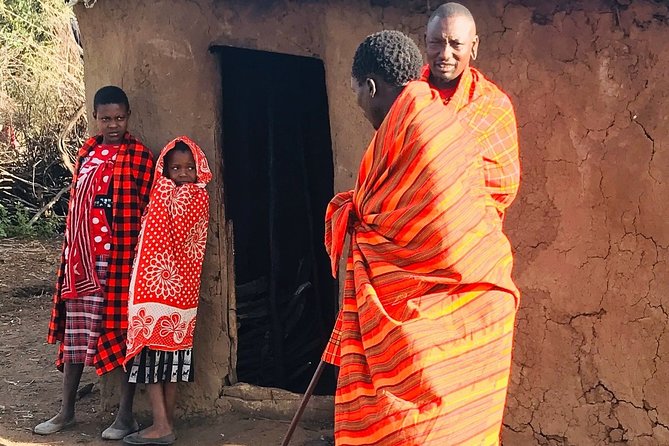
Cultural time around the Mara is optional here, which is how it should be. You’ll have opportunities to add a Maasai village visit during the safari days, but it’s not included, so you decide whether it fits your interests and budget.
A village visit can be meaningful if you go in with respectful curiosity and a willingness to learn. It can also feel like a distraction if your priority is purely wildlife time. The beauty of this trip is that the safari schedule leaves room for the choice without forcing it on you.
There’s also mention of a hot air balloon ride over the reserve as an optional upgrade. If weather and timing cooperate, balloon rides can add a completely different view of the plains—big scale, lots of wildlife movement patterns, and a different kind of awe. Since balloon specifics aren’t listed in the included section, I’d treat it as a separate decision and plan your budget accordingly.
Who this Maasai Mara safari suits best
This 3-day Maasai Mara trip works especially well if you want:
- A focused safari with Big Five game drive time
- A small group experience (max 8) that feels easier to manage
- The convenience of door-to-safari transfers in Nairobi
- Camp and meal coverage so you can travel light and worry less
It may be less ideal if you’re chasing nonstop action every hour. Day 1 starts with a long drive, and day 3 includes the return to Nairobi after breakfast. In exchange, you get two full safari nights (including dinner on day 1) and a full day dedicated to game viewing.
If you’re the kind of traveler who likes to photograph wildlife, identify tracks, and learn what predator-prey behavior looks like in real time, you’ll probably get a lot out of the flexible drives. And if you want a memorable first safari, this format is a solid match because it balances early arrival, full-day searching, and a comfortable camp base.
Should you book this Maasai Mara safari from Nairobi?
I’d book if you want an efficient, well-covered safari that handles the big pieces—transport, park access, and tented camp meals—and still leaves you room for optional culture. The small group size and pop-top viewing are the practical reasons you’ll enjoy the drives, not just the idea of them.
I’d think twice if WiFi and power access matter to you day-to-day. This trip can include tented camp options where connectivity is limited, and you may have hours when power is cut back. If that sounds annoying, decide before you go rather than after.
If your goal is wildlife time with smart scheduling and less logistical stress, this is a strong choice. You’ll arrive with daylight, spend a full day focused on the Mara, and return to Nairobi with the kind of sightings that stick in your memory.
FAQ
How long is the Maasai Mara safari from Nairobi?
It’s a 3-day safari. Day 1 includes a morning drive from Nairobi and an afternoon game drive, and day 3 returns you to Nairobi around 17:00.
What’s included in the $600 per person price?
The price includes transport in a 4×4 safari van with pop-top viewing, accommodation on full board (two nights in a tented camp), a professional driver guide, mineral water, and all fees and taxes, including park admission listed as free in the schedule.
What isn’t included?
Gratuities and the Maasai village visit are listed as not included.
How many people are in the group?
This safari has a maximum of 8 travelers.
Where does the safari start in Nairobi?
The meeting point is Mercantile House, 21 Koinange St, Nairobi, Kenya.
What is the cancellation policy for a full refund?
Free cancellation is offered. You can cancel up to 24 hours in advance of the experience for a full refund.