REVIEW · NAIROBI
Masai Mara 3 Days Tour Safari Private 4WD Landcruiser
Book on Viator →Operated by AXIS AFRICA SAFARIS · Bookable on Viator
That first game drive feeling hits fast. You’re set up for a smooth Nairobi-to-Maasai Mara trip with a private 4WD and your main logistics handled. I like the picnic lunch views built into the day plan and the way you’re given real time in the reserve (not just a quick drive-by). The one real consideration: the Maasai village walk/cultural visits are optional and cost extra, and the overnight stay is in a budget-style tented camp.
If you want wildlife time that feels efficient, and you don’t want to juggle tickets, transport, or timing, this is a straightforward choice. Expect early starts, long days inside the reserve, and a camp night that’s more about sleeping well after safari than luxury.
In This Review
- Key things I’d focus on before you go
- From Nairobi to the Mara: timing that actually works
- Great Rift Valley viewpoint stop: quick photos, big payoff
- Day 1 arrival and Lenchada budget tented camp: what to expect at night
- Late afternoon game drive until 6:30pm: why the first day feels special
- Day 2 full safari day: Mara River, Serengeti border areas, and a real picnic lunch
- The optional Maasai village walk: worth it, but budget for it
- Day 3 return to Nairobi with one last cultural stop option
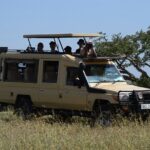
- The private 4WD advantage: why the guides’ tracking matters so much
- What $1,950 really buys you (and what you’ll pay extra)
- Practical tips to make your safari smoother
- Should you book this Masai Mara 3-day private tour?
- FAQ
- Where does the tour start in Nairobi?
- What time will you arrive back in Nairobi on Day 3?
- Is the Maasai village walk included?
- What meals are included?
- Does the tour include park admission?
- Is airport transfer included?
Key things I’d focus on before you go
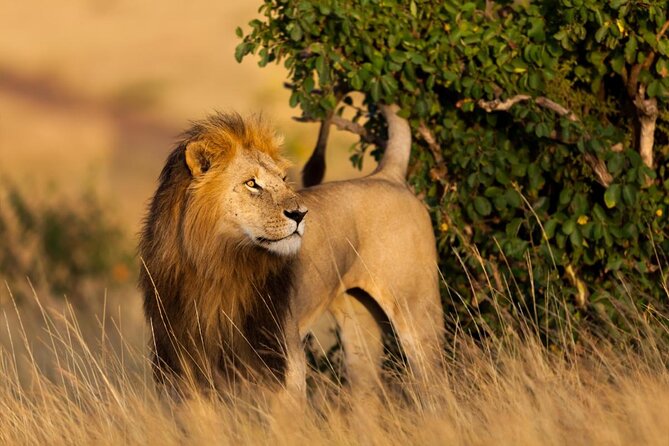
- Private 4WD for just your group means fewer compromises and more control over where you stop
- Great Rift Valley viewpoint is a quick photo break before you hit Maasai Mara
- Mara River + the Serengeti border area are part of the full-day game drive plan
- Picnic lunch is built into Day 2 while you’re out in/near the action
- Optional Maasai village walk/cultural visit runs extra (USD 10–20, negotiable)
- Lenchada budget tented camp sets expectations for comfort and style of lodging
From Nairobi to the Mara: timing that actually works
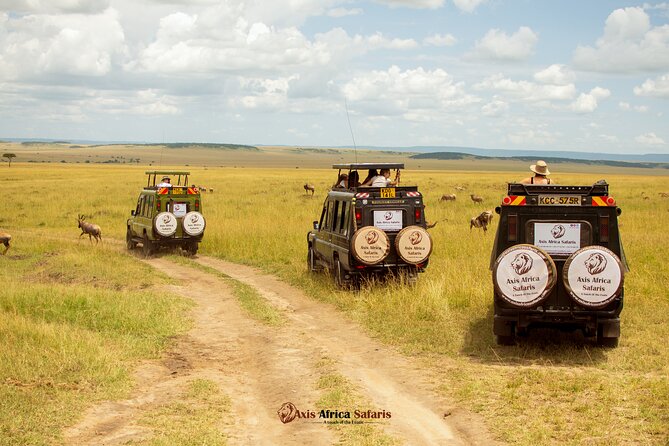
Your trip starts with pickup from your Nairobi base area, with the driver meeting you at the City Market Muindi Mbingu St in Starehe. You’ll assemble between 7:00 and 7:30am, then head out so the safari gets going around 8:30am.
That timing matters because Maasai Mara days move quickly. The longer you’re on the road and parked for transfers, the less time you spend scanning for animals. Here, you’re aiming to reach the reserve area around 1:30pm on Day 1, which gives you a true afternoon drive instead of just checking in and calling it a day.
The tour is private, too. That means you’re not sharing your vehicle with strangers, which usually makes it easier to manage kids, photo stops, or just keeping the group together when wildlife appears.
You can also read our reviews of more tours and experiences in Nairobi.
Great Rift Valley viewpoint stop: quick photos, big payoff
Before you reach Maasai Mara proper, you get a brief stop at the Great Rift Valley viewpoint. It’s scheduled early enough to break up the drive, but not so long that you lose a chunk of safari time.
This is one of those “small moment” stops that can make the trip feel like more than just driving straight to the reserve. Even if you only grab a few photos, it helps you get your bearings fast and understand the geography you’re about to enter.
Day 1 arrival and Lenchada budget tented camp: what to expect at night
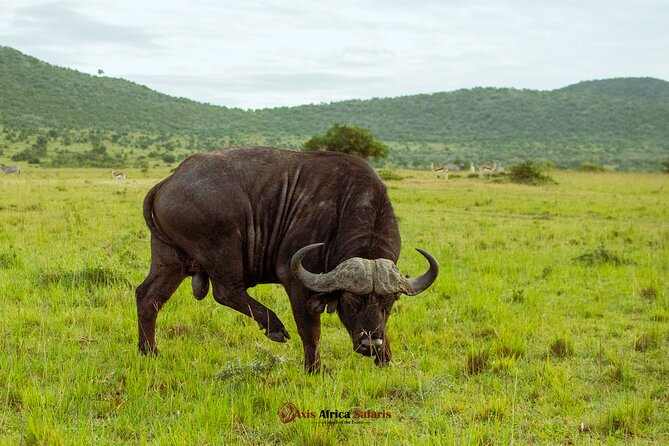
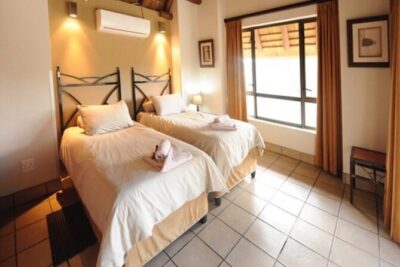
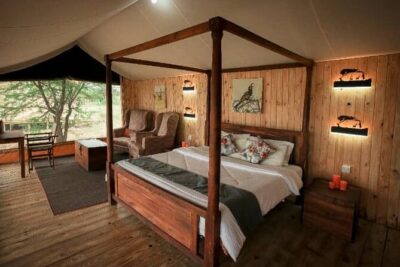
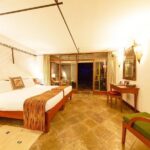
On Day 1, after pickup and the viewpoint stop, you arrive at Masai Mara around 1:30pm and check into Lenchada budget tented camp. The camp uses self-contained tents, so you’re not sleeping in a bare-bones setup with shared overnight chaos.
You’ll have lunch, then refreshments, then a late afternoon game drive that runs until 6:30pm (when the park closes). Dinner follows, and you sleep in your tented accommodation.
In the real world, “budget tented camp” can mean different things, but the good news is that your tent is described as self-contained. Also, multiple safari experiences with this operator highlight that food and overall comfort are part of the package, not an afterthought.
Just go in with the right mindset: you’re paying for safari time and vehicle tracking more than for spa-style luxury.
Late afternoon game drive until 6:30pm: why the first day feels special
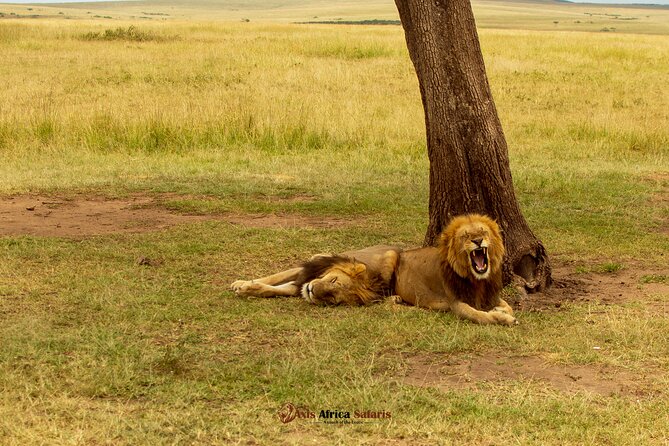
That first afternoon drive is more than a warm-up. It’s when the light can look dramatic, and animals often feel active as the day cools down.
Your Day 1 schedule keeps you from wasting time after arrival. You check in, eat, then head straight into the reserve, which is how you start building that slow confidence you want on safari—knowing the rhythm, spotting patterns, and learning how your driver reads the landscape and animal movement.
If you’re traveling with kids, this timing can also be a lifesaver. They get a chance to see animals sooner, rather than waiting until the next full day.
Day 2 full safari day: Mara River, Serengeti border areas, and a real picnic lunch
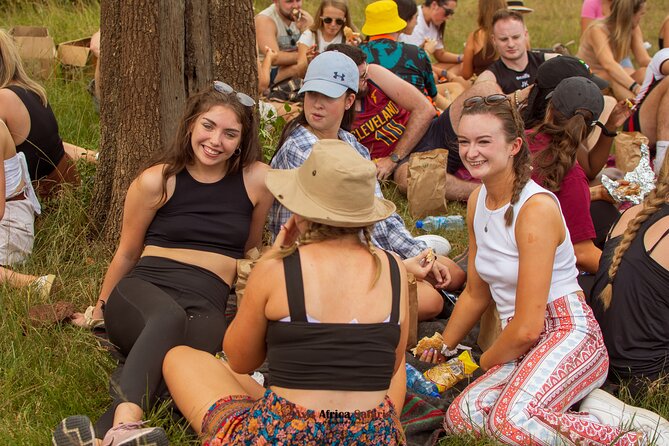
Day 2 is the big one. After an early breakfast, you head out for a full-day exploration of Masai Mara National Reserve, with a picnic lunch planned on-site.
You’ll spend time at the Mara River and in areas linked to the border with the Serengeti park concept. The tour description also emphasizes that this is a northern part of the Serengeti ecosystem, which is exactly what safari people are hoping for: lots of wildlife density in a connected region.
Lunch is part of the value here. Instead of eating after the best sightings are gone, your picnic happens by the river under a tree inside the park. That’s a practical win because it keeps you in “game drive mode” without turning lunch into a detour.
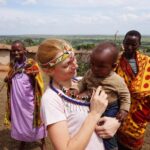
And yes, you also get flexibility near the end of the day. At camp, there’s an option for a walking safari leading to a Maasai village. It’s optional and costs USD 10–20 per person, negotiated locally, paid directly at the village.
The optional Maasai village walk: worth it, but budget for it
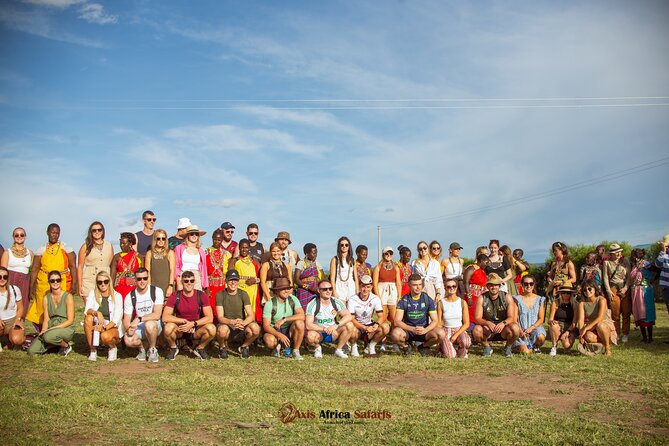
I like having this option because it lets you choose how much cultural time you want to trade for extra game drive time. If you’re into meeting communities and learning how people live alongside wildlife, the walking component can add meaning beyond just spotting animals.
But here’s the honest consideration: it costs extra, and the amount is negotiable. If you’re trying to keep the trip tight on budget, either plan for the extra cash or decide in advance whether you’ll skip it and go straight to relaxing at camp.
Also, one safari experience notes that a Maasai village stop wasn’t particularly special for some people. That’s not a reason to avoid it outright—just a reason to treat it as a choice, not a guaranteed highlight.
Day 3 return to Nairobi with one last cultural stop option
Day 3 starts with breakfast and a possible second look at Maasai culture. There’s an optional cultural visit to a Maasai village, then you check out and drive back to Nairobi via Narok Town.
The return drive is planned to get you back around 3:30pm, with drop-off at your hotel. That afternoon timing matters if you have dinner plans, a flight the next day, or you just want a normal-feeling evening after two safari-heavy days.
The private 4WD advantage: why the guides’ tracking matters so much
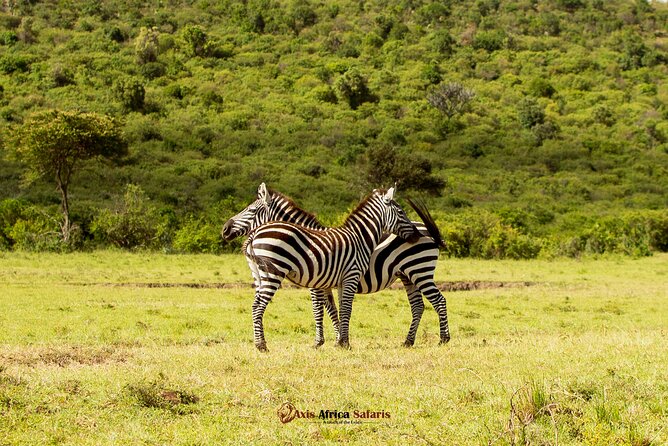
On safari, your vehicle isn’t just transport. It’s your platform for spotting, positioning, and getting good sightlines without wasting time.
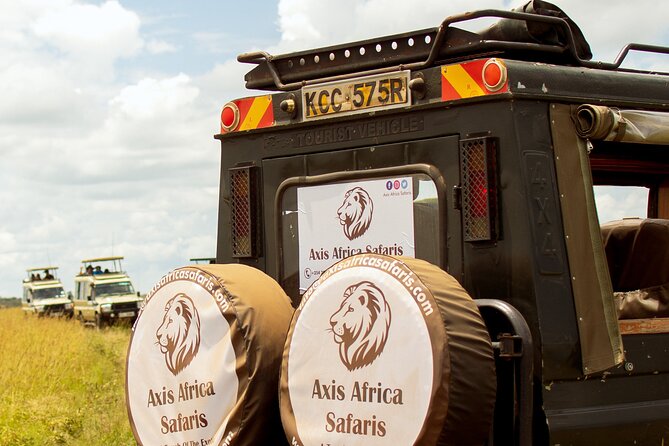
This operator is consistently praised for drivers who find animals and then move you quickly to strong viewing points. Names that came up include Yasin, Wycliffe, Tribon, Sadaam, Solomon, Marcus, Kikitu, Jack, Francis Ngugi, Kevin, and Peter. The common thread is how they work: scanning, tracking, and getting the vehicle close enough for proper viewing, not just a distant dot in the grass.
One of the best parts of a private-group setup is that the driver can respond to your group’s pace. If you want photo time, you’re not negotiating it with strangers. If you’re traveling with kids, it’s easier to keep everyone together when the driver sees something interesting.
Just remember: wildlife isn’t predictable. Even with excellent tracking, the right animal has to be in the right place at the right time.
What $1,950 really buys you (and what you’ll pay extra)
At USD 1,950 per person, you’re paying for a fairly complete package for a short trip: private transportation in a 4WD Land Cruiser, park time, guide/driver effort, and the included meals and accommodation.
Here’s what’s included based on the tour outline:
- Park admission tickets (noted as included on Day 1, and Day 2 marked as free)
- Accommodation at Lenchada budget tented camp
- Breakfast (2), lunch (3), and dinner (2)
- Activities that aren’t labeled as optional
What’s not included:
- The optional walking safari / Maasai village visit at USD 10–20 per person
- Personal items (souvenirs, travel insurance, visa fees)
- Round-trip airport transfer (not included)
So is it good value? Usually, yes, if you want convenience and time efficiency. You’re not organizing transport between towns, buying park entries separately, or worrying about where you sleep. You’re also getting a structured plan that keeps you out in the reserve during key daily windows, including the first-day drive until 6:30pm.
If you’re the type who prefers to DIY everything and you’re already confident with Kenyan logistics, you might find cheaper ways. But you’d be trading that convenience for planning stress.
Practical tips to make your safari smoother
A few things help the experience land the way you want:
- Bring layers for early mornings and late afternoons. Safari weather can change fast, and you’ll be outside during drives.
- Bring a hat, sunglasses, and sunscreen. You’ll spend long hours scanning for movement.
- Plan for dusty roads. If you’re sensitive to grit, a scarf or lens cloth is worth its weight in gold.
- Keep cash aside for the optional Maasai village walk. The stated cost range is USD 10–20 per person and is paid at the village.
Also, this is a “good weather” type of experience. If conditions are poor, the trip can be adjusted or canceled in line with the operator’s policy.
Should you book this Masai Mara 3-day private tour?
Book it if you want:
- A private-group safari where your time in the reserve is the priority
- A structured plan that covers the Mara River area and the Serengeti border region concept
- A balance of wildlife time plus optional culture without you planning the logistics
- A short safari built for efficient Nairobi-to-Mara movement
Skip or think twice if:
- You’re very price-sensitive and don’t want optional add-ons
- Budget tented camping isn’t your style and you need a more upscale lodge
- You have tight timing where a weather-related change could be risky
If your ideal safari is long drives in good hands, strong tracking from the driver seat, and meals and lodging handled so you can focus on the wildlife, this is an easy yes.
FAQ
Where does the tour start in Nairobi?
The meeting point is City Market, Muindi Mbingu St, Starehe, Kenya. Pickup is offered, with assembly between 7:00–7:30am, and the start time is listed as 8:00am.
What time will you arrive back in Nairobi on Day 3?
You’ll drive back via Narok Town and arrive in Nairobi at around 3:30pm for drop-off at your hotel.
Is the Maasai village walk included?
No. A Maasai village walk/cultural visit is optional. It costs about USD 10–20 per person and is paid directly at the village (negotiable).
What meals are included?
Breakfast is included for 2 days, lunch for 3 days, and dinner for 2 days.
Does the tour include park admission?
Yes. Park admission tickets are listed as included (noted as included on Day 1 and Day 2 marked as free in the tour outline). Optional activities are separate.
Is airport transfer included?
No. Round-trip airport transfer is not included.