REVIEW · NAIROBI
3 Day Maasai Mara & Migration safari
Book on Viator →Operated by Kenya Bush Expeditions Tour and Travel · Bookable on Viator
That first sight of the Mara can hit hard. This 3-day safari is built around classic park-adjacent timing: you’re in the Maasai Mara reserve on multiple outings, sleeping in a luxury safari tent with your days structured for animal sighting windows.
In This Review
- What I like most: the setup is practical
- One thing to weigh before you go
- Key highlights you’ll care about
- Why a 3-day Maasai Mara safari from Nairobi makes sense
- Getting out of Nairobi: pickup time and the escarpment stop
- Day 1 afternoon game drive: arrival timing and golden-hour odds
- Day 2 inside the Mara: big cats, the Mara River lunch, and packed time
- Day 3 return drive: final game drive before Nairobi drop-off
- Luxury safari tent stays: what the “park stay” changes
- Price and value: is $430 worth it?
- Group size, schedule, and who this safari fits best
- Potential snags to watch: water and park fee questions
- Should you book this 3-Day Maasai Mara safari?
- FAQ
- What does the $430 price include?
- How long is the safari?
- Is pickup available from Nairobi hotels?
- What time does the tour start?
- Is there a vegetarian meal option?
- Is this suitable for children?
What I like most: the setup is practical
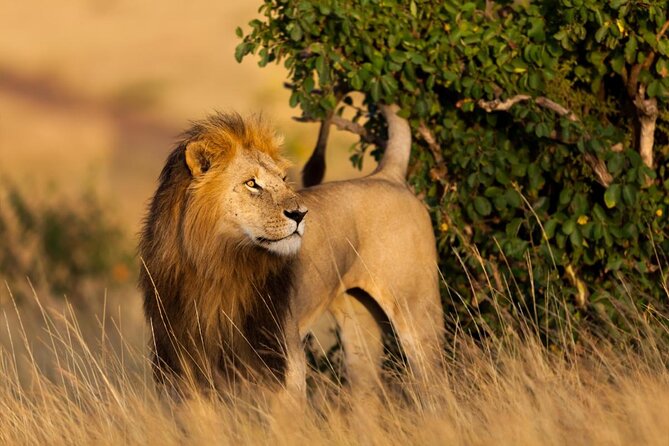
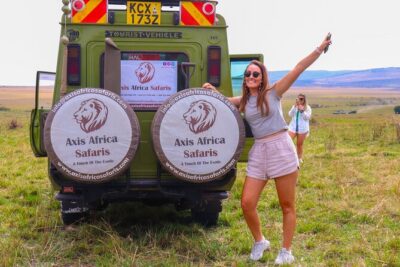
I really like the window-seat guarantee, so you’re not stuck behind poles or elbows during the drives. I also like how the package takes the guesswork out of logistics: meals, entrance fees, and accommodations are included, plus you get door-to-door pickup from Nairobi.
One thing to weigh before you go
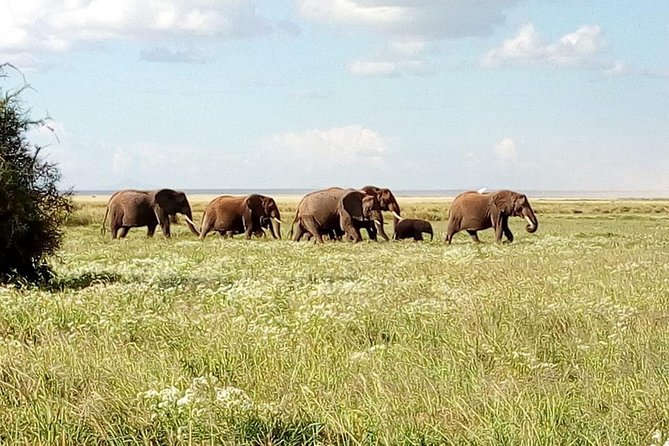
The main thing to watch is transparency. One past booking dispute mentioned extra charges related to water and park fees, so I’d confirm exactly what is covered before departure and keep receipts for anything paid.
You can also read our reviews of more tours and experiences in Nairobi.

Key highlights you’ll care about
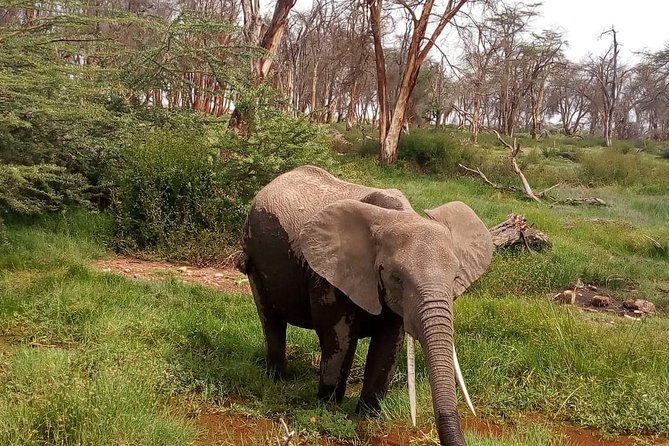
- Window-seat guarantee on the safari vehicle for clearer viewing during drives
- Luxury safari tent stays near/within the park experience for that true safari feel
- Daily game drives with afternoon timing for the prime golden-hour action
- Mara River lunch plan in the reserve area to turn downtime into viewing time
- Small group size (maximum 15) which usually means less crowding on drives
- Door-to-door Nairobi transport that reduces stress from day one
Why a 3-day Maasai Mara safari from Nairobi makes sense
A lot of people think you need a week in Kenya to feel like you did the Maasai Mara right. In reality, a well-timed 3-day itinerary can work if it gives you repeated time in the reserve and keeps travel days from swallowing the best wildlife hours. That’s the logic here: you leave Nairobi early, you’re back on the track again the next day, and you still get a final morning push before heading back.
The value is also in the design. You’re not just “going somewhere.” You’re staying in safari-tent accommodation connected to the Mara experience, and the schedule is built so you’re not constantly changing locations. That matters because animal sightings are never guaranteed—but repetition increases your odds, and it keeps the day from feeling rushed.
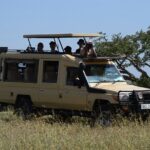
And yes, the views are a big deal. A vehicle that assigns window seats is small detail, but it changes the whole feel of the drive. You spend less time craning, less time negotiating position, and more time just watching.
Getting out of Nairobi: pickup time and the escarpment stop
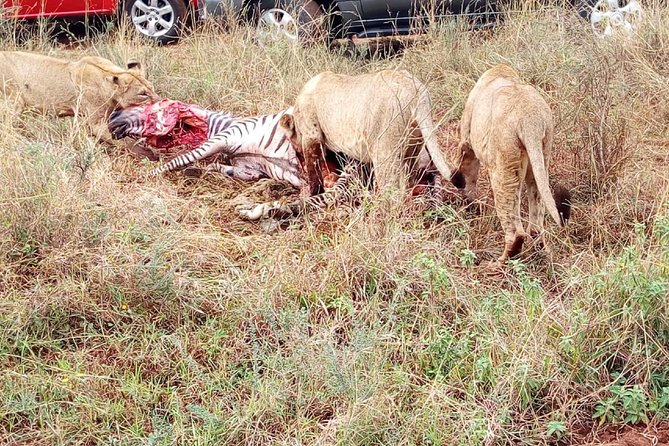
Your day starts with a 7:30am start, and you’ll get door-to-door transport from hotels in Nairobi. That’s not glamorous, but it’s the difference between relaxing into the safari and starting with stress and guesswork.
There’s also a smart little break early on: a stop at the escarpment for photographing. On safari days, you want small pauses like this because they stretch the journey and give you something visual before the reserve. Even if you only grab a few quick photos, it helps you shift mentally into safari mode.
Then the day’s route includes a lunch stop in Narok town before you continue to camp. That’s useful because it avoids the kind of “we’ll eat when we can” feeling that can ruin your appetite when you’re hungry and alert for wildlife.
What to consider: if you’re the kind of traveler who gets road-sore, the day is still a driving day. Plan to keep water and snacks handy in your own pack even if bottled water is included in the tour—just to stay comfortable if anything runs late.
Day 1 afternoon game drive: arrival timing and golden-hour odds
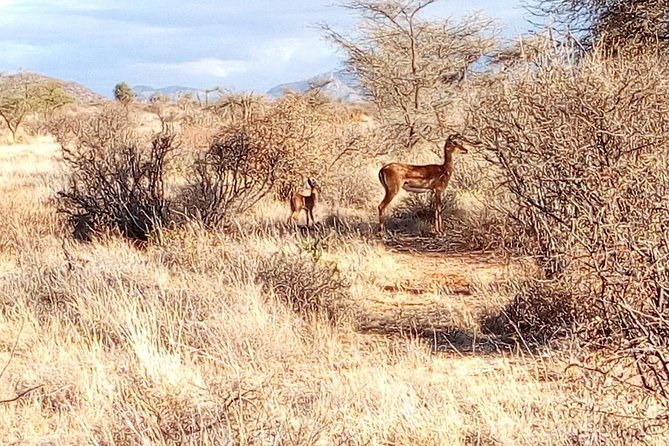
You’ll arrive at your camp around 3:00pm, then the first real safari time begins at 4:00pm until dusk. That timing is a big deal. Late afternoon and early evening often bring active behavior—predators hunting, herbivores moving, and all sorts of everyday drama that you miss at midday.
Because you’ll be in a safari vehicle with guaranteed window seating, you’ll have fewer obstacles to your sightlines once the excitement starts. That means you’re more likely to spot the quick moments: a cat pausing, a herd turning, birds lifting off, or a distant call that turns into a sighting when your eyes track correctly.
After the drive, you return for dinner and overnight at the camp. This structure is practical. You get your first time in the Mara, you don’t push the whole evening into pure driving, and you still get rest before the next day’s longer wildlife window.
Possible drawback: day 1 is shorter than day 2 (and the drive starts at 4pm). If your expectation is to spend most of day 1 deep in the reserve from morning onward, you might feel the first day is “warming up” rather than the full experience. The upside is that you still get a proper dusk session.


Day 2 inside the Mara: big cats, the Mara River lunch, and packed time
Day 2 is the main event day, with about 7 hours in the Maasai Mara reserve. This is where you build the safari story: not just one sighting, but multiple encounters and repeated chances for big-cat moments.
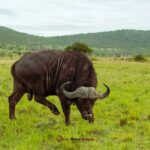
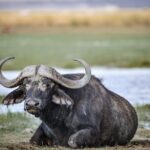
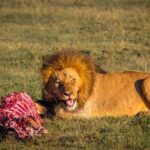
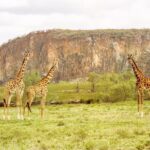
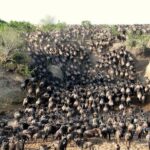
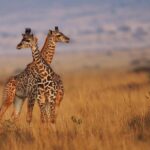
The plan focuses on the classic Mara lineup: lions, cheetahs, leopards, elephants, buffalo, rhinos, plus gazelles and elands. The word you want in your mind is probability. You won’t control where the animals are, but you can control how much time you’re in the right habitat—and you’re giving yourself a full day in the heart of the reserve.
There’s also a strong practical detail: packed lunch next to the Mara River. That’s valuable because lunch time can easily become wasted time on other tours. Here, you’re in the reserve environment while you eat, not trapped somewhere boring. Being near the river also increases the chance you’ll notice wildlife movement while you’re not “technically” on the drive.
You return late afternoon for dinner and overnight. That timing matters too. Wildlife days can be long and physically tiring. Getting back with enough time to rest means you’re more likely to enjoy the evening rather than feeling wrecked.
What I like about this setup: it keeps the day structured without squeezing you into a nonstop sprint. You’re out there early enough to catch activity, and you return at a human hour.
Day 3 return drive: final game drive before Nairobi drop-off
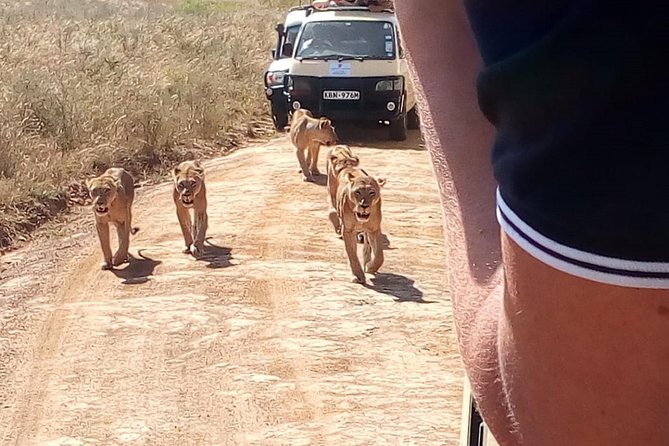
On day 3, you have breakfast at camp, then you head out for a last game drive on the way out of the park. You’ll exit the reserve and then stop for lunch before being dropped back in Nairobi—either at your hotel or at the Nairobi airport.
This day is about closure. It gives you one more attempt at sightings while the Mara is still fresh in your eyes. It’s also a gentler transition back to city life since lunch is planned and transport is handled.
If you’re the type who likes to compare sightings from day to day—where the herds were, what time things moved—day 3 is useful. You’ll often notice patterns: where you saw birds, where you saw tracks, and what terrain held more activity.
Consideration: because this is your departure day, your final drive may feel time-limited compared to a full morning in the reserve. Still, that’s the tradeoff for getting back to Nairobi efficiently.
Luxury safari tent stays: what the “park stay” changes
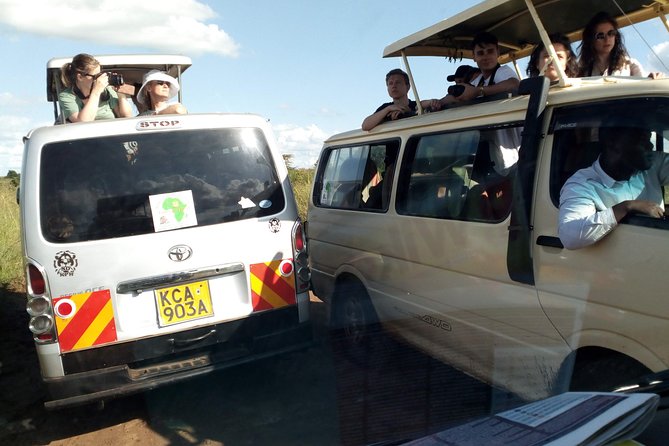
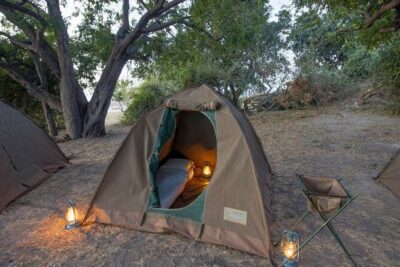
The biggest difference with safari tents is that you get the sound and rhythm of the reserve in the background of your trip. Even when you’re just walking to dinner, it feels like you’re living on safari rather than visiting it.
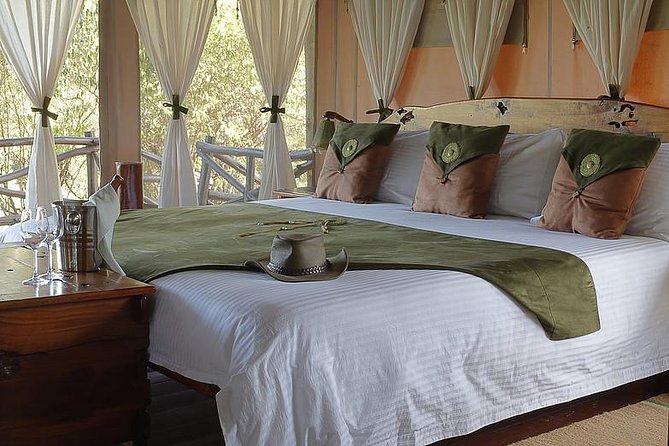
The tour describes luxury safari tent accommodations with the chance to sleep within park boundaries (or very close to the action). That’s exactly the kind of “small change, big feeling” detail that makes people remember the trip. It also improves practical value: you’re not spending the evening far from wildlife areas, which can help maintain that classic schedule where the reserve is part of your day from start to finish.
Meals are included—breakfast, lunch, and dinner—so you’re not scrambling to find food after long drives. In a three-day trip, that matters. It keeps your routine consistent and your energy steady.
What I’d be mindful of: the listing says dress code is casual. Still, safari camps can feel cool at night depending on conditions. I’d pack layers just in case, because you’ll be outside at odd hours and you’ll want to stay comfortable.
Price and value: is $430 worth it?
At $430 per person, you’re paying for a tight, guided circuit: transport from Nairobi, daily game drives, camp stay in a luxury tent setup, plus included entrance fees and meals. Whether it’s a good deal comes down to one question: how much of your safari budget are you trying to avoid spending on your own?
This package leans toward convenience. You don’t have to figure out entrance fees, meals, or where you’ll sleep after your drives. That’s a real value—especially if it’s your first time doing safari in Kenya.
Also, group size caps at 15 travelers, which can improve the experience compared with larger buses. Smaller groups often mean easier movement for everyone and less bottlenecking when spotting gets good.
One review complaint mentioned additional water purchases and a park-fee charge dispute. The tour data you have says meals and entrance fees are included, and it also lists bottled water as included. So if you book, make it simple: ask the operator to confirm what’s included in writing and check on arrival what you receive. I’m not saying to expect problems—I’m saying clarity protects you.
The bottom line on value: if you want a guided safari that removes the messy parts, this pricing can make sense. If you prefer total control and self-arranging everything, you might find a cheaper option elsewhere, but you’d also be taking on more planning.
Group size, schedule, and who this safari fits best
This is a 3-day safari with a maximum of 15 travelers. That’s a sweet spot for a shared experience: enough people to keep it social, but not so many that you feel like you’re packed in like luggage.
It’s also structured around a typical rhythm:
- Morning departure from Nairobi
- Afternoon first game drive until dusk
- A full day in the reserve with a river lunch
- A final morning drive on the way out
This trip suits you if you want the big attractions—especially the chance at big cats—without spending a week on the road. It’s also a good fit if you want someone else handling transport and camp logistics.
Who might find it less ideal: if you’re chasing a super long, uninterrupted wildlife day every single day, a three-day format will always feel shorter than a longer safari. Day 1 and day 3 are more “sessions,” while day 2 is the full wildlife window.
Potential snags to watch: water and park fee questions
Here’s the honest part. One negative review said they were charged for water and that park-fee logic didn’t match their understanding of time in the park. The operator’s response claimed water was provided and explained park-fee timing based on the full safari length rather than just the first day’s hours.
What does that mean for you? It means you should treat inclusion lists as important—but also treat confirmation as your best friend. If bottled water is included, ask what that means practically:
- How much water per person
- When it’s provided
- Whether it’s bottled throughout the drive or only at certain points
And about entrance fees: the tour data states admission is free and entrance fees are included. Still, having the operator confirm the fee structure before you travel can prevent misunderstandings.
It’s not about being skeptical. It’s about being prepared. Safari trips already run on wildlife timing and road timing; you don’t want extra friction from unclear paperwork.
Should you book this 3-Day Maasai Mara safari?
Book it if you want a guided, efficient safari with window-seat viewing, a real camp stay, and a schedule designed to maximize time in the reserve without turning your trip into logistics homework. The included meals and entrance fees are a strong convenience win, and the small group size supports a calmer experience than bigger tours.
Skip it or ask more questions first if you’re the kind of traveler who needs ultra-clear inclusion breakdowns and hates surprises around water or fees. In that case, contact the provider and confirm what’s included per day and whether anything might be collected in the field.
If you like the idea of a classic Mara story—afternoon dusk drive, full day in the reserve by the Mara River, and one last drive before Nairobi—this is a solid way to do it in just three days.
FAQ
What does the $430 price include?
The tour price includes accommodations (luxury safari tent), entrance fees, and meals (breakfast, lunch, dinner). Bottled water is also listed as included, and transport is provided.
How long is the safari?
The safari runs for about 3 days.
Is pickup available from Nairobi hotels?
Yes. The tour offers door-to-door transport from hotels in Nairobi, with pickup and drop-off included.
What time does the tour start?
The start time is 7:30am.
Is there a vegetarian meal option?
Yes. A vegetarian option is available, but you need to advise at the time of booking.
Is this suitable for children?
Children must be accompanied by an adult. The tour also states that most travelers can participate.