REVIEW · NAIROBI
3Days 2nights Masai Mara group joining safari
Book on Viator →Operated by Karibu Safaris in Kenya · Bookable on Viator
Three days is short, but the Mara hits hard. In this group joining safari, you get guided game drives from Nairobi plus meals and camp so you can spend your energy on spotting animals instead of logistics. You’ll travel through the Rift Valley, stop for a picnic lunch at Narok, then spend two big days in the reserve searching for the icons like lions, elephants, cheetahs, and more.
My two favorite parts are the pacing and the guidance. The plan stacks the best hunting hours into a morning drive and a full day, and several guides have impressed people with how hard they work for sightings. One possible drawback to weigh: camp and group details can vary in the real world, so you should confirm exactly where you’ll stay and how your group is handled before you go.
In This Review
- Key Things I’d Pin to Your Map
- Time Is the Real Luxury: What 3 Days Buys You in Maasai Mara
- Nairobi to the Mara: Rift Valley Road Trips, Picnic Lunch, and Arrival Timing
- Game Drives in Real Life: How Day 2 Targets the Big Five
- Camp Life at Mara Elephant Springs: Nights, Meals, and Weather Reality
- Big Five Odds and the Stuff That’s Even Better Than the Checklist
- Price and Value: Why $772 Can Be a Good Deal (or Not)
- Packing and Comfort: Cold Starts, Dust, and Photo-Friendly Habits
- Group Joining Safari Reality: Small Group (Max 8) but Confirm the Details
- Day 3 Back to Nairobi: Morning Drive, Narok Picnic, Late Afternoon Arrival
- Should You Book This 3-Day Group Joining Maasai Mara Safari?
- FAQ
- How long is the Maasai Mara safari?
- What time does the tour start?
- What is included in the price?
- Where do you stay overnight?
- Is the Masai Village visit included?
- Is bottled water provided?
- What is the group size?
- Is there free cancellation?
Key Things I’d Pin to Your Map
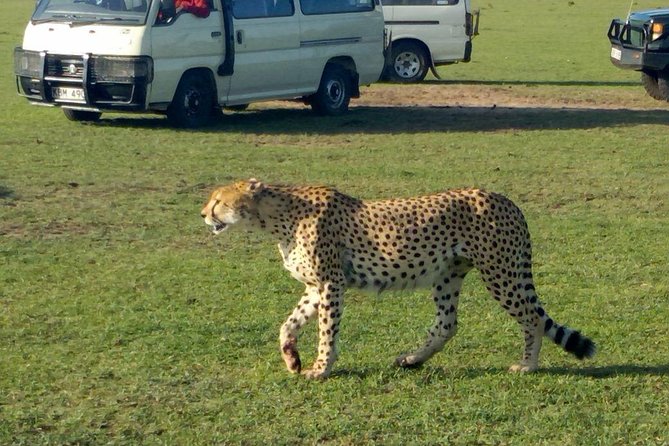
- Three game-drive windows: late afternoon, a full day, and a morning drive for maximum chances
- All meals + bottled water included: you’re covered for breakfast, lunch, dinner, plus water
- Camp included at Mara Elephant Springs Tented Camp: your “day ends where the safari starts”
- Small group size (max 8): quieter, easier than big tours when everything runs smoothly
- Big Five focus, plus extras: cheetahs, lions, hippos, and surprise sightings are the goal
- Masai Village is optional: helpful if you want it, but it’s not part of the base package
Time Is the Real Luxury: What 3 Days Buys You in Maasai Mara
You’re not signing up for a slow, leisurely safari. You’re signing up for intensity. In three days, you’ll be in the Maasai Mara for enough time to do more than just drive past animals—if you’re okay with early mornings, dust in your shoes, and the constant scanning of the grass.
This length is ideal for two kinds of travelers. First, if you’re short on vacation time and want the Mara experience without chaining together multiple long transfers. Second, if you like a guided plan because you’d rather spend your brainpower on wildlife than on schedules, park entry, and what to eat when.
Now, the tradeoff is simple: you won’t have “slow safari” flexibility. If you’re chasing a very specific animal at a very specific moment, three days can’t guarantee it. But what this tour can do is give you repeated chances in prime hours, plus a driver guide who can adjust your route on the fly.
You can also read our reviews of more tours and experiences in Nairobi.
Nairobi to the Mara: Rift Valley Road Trips, Picnic Lunch, and Arrival Timing
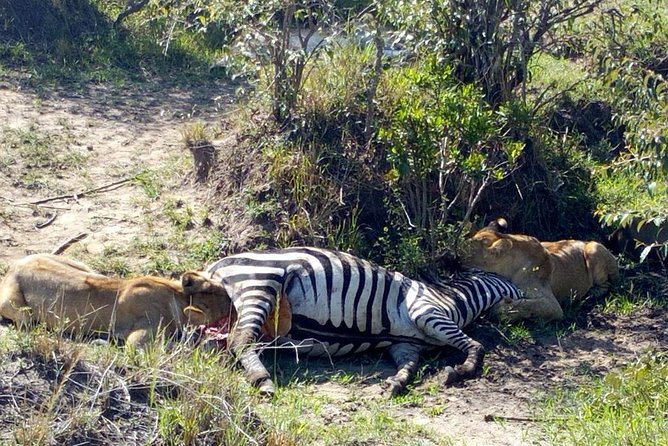
Day 1 is all about getting you there and into the action fast. You depart Nairobi in the morning and head south through the Rift Valley. It’s a long drive, but the route matters because it gets you into the Mara area without wasting your daylight hunting hours.
You stop at Narok for a picnic lunch. This is one of those details that sounds basic, but it’s actually good travel design: you’re fueled without needing to negotiate a restaurant at a random roadside location.
Then you arrive in the Mara late afternoon for game viewing enroute, followed by an early evening game drive. That timing is smart. Predators often move and feed when the light is changing, and the reserve tends to feel most alive around sunrise and sunset. If you’ve ever looked at photos and wondered why the colors look dramatic—that’s the answer. The Mara is a lighting machine.
Dinner and overnight happen at camp. This matters because you don’t return to Nairobi after sunset. You’re already in the environment when wildlife starts shifting again.
Game Drives in Real Life: How Day 2 Targets the Big Five
Day 2 is the heart of the safari: a full day in the park with game drives searching for the Big Five. In a three-day setup, this is where the experience earns its keep. You get multiple hours on the move, and you’re not forced to cram everything into a single short drive.
A guide’s role here is more than spotting animals from a distance. It’s reading the reserve like a living map: where sightings tend to cluster, how groups of vehicles behave, and when to push forward versus pause. In people’s accounts, guides such as Aruni have been praised for getting very close to the animals people wanted to see, and Harooni has been singled out for going after elusive sightings like cheetahs and a leopard chase.
That doesn’t mean the Mara delivers a perfect checklist every time. It means your odds are better when someone is actively working for sightings rather than just following a fixed route.
Also, there’s an optional add-on some people choose in the evening: a visit to the Masai Village. The village itself is not included in the base price, but if you want cultural context alongside wildlife, this is your chance to do it without adding an extra day.
Camp Life at Mara Elephant Springs: Nights, Meals, and Weather Reality
Your overnight is included at Mara Elephant Springs Tented Camp. You also get three meals a day and bottled drinking water. For a safari, that’s not a small thing. Food costs and meal timing can wreck your day if they aren’t handled. Here, your schedule stays simple: you’re on game drives when you’re supposed to be, and you eat when the day ends.
You should also plan for weather swings. The tour notes that mornings and late evenings can be really cold. That lines up with what you’ll likely feel in the Mara: cool air at dawn, warm sun later, then a chill again when you stop moving. Bring a few warm layers, especially for early starts and evening drives.
One more practical thought: tents mean you may hear sounds outside and you’ll want to be comfortable with a more “close to nature” setup than a city hotel. If your idea of comfort is very specific—like you need ultra-quiet sleep—then you should ask what the tent setup is like and what to expect.
Finally, note a potential wrinkle from real-world experiences: some people reported differences between promised camp options and what they actually received, or that group members ended up in different camps. That doesn’t prove it will happen to you. But it does mean you should confirm your exact camp assignment in writing before you board.
Big Five Odds and the Stuff That’s Even Better Than the Checklist
Let’s talk animals, because that’s why you came. This safari is built around a Big Five search. That typically means your day is structured around where lions, elephants, and other big mammals are most likely to show up.
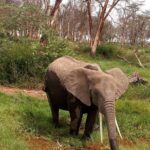
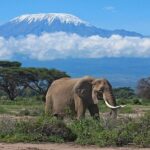
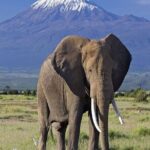
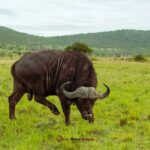
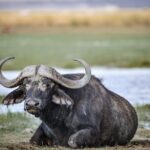
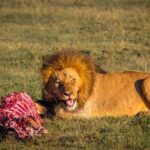
But the Mara is famous for more than the Big Five boxes on a brochure. This reserve rewards attention. You’ll likely see hippos near water, and sometimes you’ll get lucky with the predators that most people can’t easily predict. In accounts tied to this kind of itinerary, people have highlighted moments like spotting a pride of lions and tracking animals that can be harder to locate.
The best approach for you is to treat every sighting as a win and every “almost” as part of safari life. When the guide is actively searching—like the guides named Edward and Raymond in people’s stories—you’re more likely to catch animals on the move, not just animals standing still for a perfect photo.
Also, remember the Mara is a system. One good sighting often leads to another: predators attract attention, herbivores draw predators, and water sources can concentrate activity. A smart guide uses that chain reaction to keep your day productive.

Price and Value: Why $772 Can Be a Good Deal (or Not)
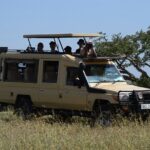
At $772 per person for three days and two nights, the value depends on what you compare it to. Here, the price includes park fees, transportation by safari van, accommodation, three meals a day, bottled water, and game drives. Tips and optional Masai Village visits are not included.
That’s the difference between a “cheap safari” and a usable safari plan. If you book separately, it’s very easy for costs to creep up: park fees, private transport, meals, and then camp upgrades. This package tries to wrap the core expenses into one total so you can budget without surprise line items.
Is it always perfect value? That’s where you need to be honest with yourself. If you’re picky about camp experience, or if you need your group to stay together exactly as promised, then the potential for real-world variation matters. In some accounts, people felt unhappy when accommodations didn’t match expectations or when group members were separated into different camps.
So my advice is simple: if the package details match your comfort needs, it’s a strong deal for the time you get in the Mara. If camp standards are a dealbreaker for you, then your homework should be heavier.
Packing and Comfort: Cold Starts, Dust, and Photo-Friendly Habits
Here’s what will make your safari easier without overpacking. The tour specifically reminds you to bring a few warm clothes because it gets cold early and late. That’s the core packing rule.
Beyond that, think practical safari basics:
- Wear layers you can remove as the day warms.
- Plan for dust: closed shoes help.
- Keep a small day bag for water and quick access to your camera.
Also, with group joining tours, you’ll spend time waiting for drives and gathering as you move between areas. Comfortable layers help you stay patient. Patience is wildlife fuel.
If you want photos, keep your camera ready during drives. Wildlife can pop into view fast—especially when your driver is positioning the vehicle. One of the biggest “photo killers” is fumbling with gear while the action is happening.
Group Joining Safari Reality: Small Group (Max 8) but Confirm the Details
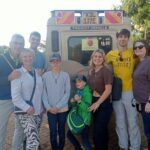
This safari runs with a maximum of 8 travelers. That’s usually a good sign. Smaller groups can mean less chaos at sightings and less time spent herding people.
But group joining can still get complicated. In real-world experiences tied to similar setups, some people reported being separated from the rest of their group or put into different camps. There were also complaints about vehicle crowding when capacity promises didn’t match what people experienced.
None of that means your safari will be a mess. It means you should show up informed. Before you go, I strongly recommend you confirm:
- your exact camp name and whether all group members stay together
- what vehicle capacity is in practice
- pickup location and timing details
One extra practical note: this tour includes pickup offered and a mobile ticket. That’s helpful, but it doesn’t replace the need to double-check where pickup happens and what time you should be ready.
If you do that, the small-group format is likely to feel smooth—and the guide’s skill becomes the main story, not logistics.
Day 3 Back to Nairobi: Morning Drive, Narok Picnic, Late Afternoon Arrival
Day 3 is designed to squeeze one last wildlife window out of your trip. You start with a morning game drive, then have breakfast. After that, you depart the Mara with picnic lunch at Narok and return to Nairobi late afternoon, around 15:00.
This timing is useful if you’re continuing your travel the same day or the next day with limited flexibility. You’re still getting an early drive before you leave, rather than burning your final morning sitting in traffic back to Nairobi.
Pack a little mentally for the end-of-safari feeling. You’ll likely be tired. That’s normal. But if you keep your expectations realistic—one last drive is a bonus, not a guarantee—it’ll land as a satisfying finish rather than a stressful scramble.
Should You Book This 3-Day Group Joining Maasai Mara Safari?
I’d recommend booking if you want:
- a time-efficient Mara hit (3 days)
- guided game drives with a driver guide who actively works for sightings
- a package that includes park fees, camp, and all meals so you’re not constantly calculating costs
I’d be cautious if:
- you’re very sensitive to accommodation matching what you were shown
- staying together with your group is a top priority
- you hate uncertainty about vehicle comfort and ride layout
My final advice: this kind of safari is at its best when you trust the plan for what it is—big wildlife days, camp nights, and a guide who’s focused on the reserve. If you confirm your camp assignment and key logistics before departure, you’re setting yourself up for the part you actually came for: seeing the Mara do what it does best.
FAQ
How long is the Maasai Mara safari?
It runs for 3 days (about 3 days) and includes 2 nights of accommodation.
What time does the tour start?
The meeting start time listed is 8:15 am.
What is included in the price?
The package includes park fees, transport by safari van, accommodation, 3 meals a day, bottled drinking water, game drives, and services of a qualified driver guide.
Where do you stay overnight?
Overnight accommodation is included at Mara Elephant Springs Tented Camp.
Is the Masai Village visit included?
No. The Masai Village visit is optional, and it is not included in the base package.
Is bottled water provided?
Yes. Bottled drinking water is included.
What is the group size?
This tour/activity has a maximum of 8 travelers.
Is there free cancellation?
Yes. You can cancel up to 24 hours in advance for a full refund. If you cancel less than 24 hours before the start time, you won’t get a refund.