REVIEW · NAIROBI
4 Days Safari Lake Nakuru NP Naivasha and Masai Mara
Book on Viator →Operated by Flexivel Kenya Safaris · Bookable on Viator
Rhinos, hippos, then Mara lions. This 4-day route strings together Lake Nakuru and Masai Mara with a Naivasha boat ride and a guided walking safari that’s a nice break from the usual game-drive routine. You also get Rift Valley views along the way, plus time on the savannah where animals don’t just show up—they linger.
I love the odds of seeing both black and white rhinos at Lake Nakuru, plus the chance to hunt for lions on the same day. I also like the mix: vehicle drives for big sightings, then water and feet for smaller, closer moments.
One thing to consider: the flamingo population at Lake Nakuru is currently low, so don’t build your trip around a pink-feather guarantee. You’ll still see plenty of other birdlife and mammals, but your “wow” moments may lean more toward rhinos, lions, and general wildlife than flamingos.
In This Review
- Quick hits before you go
- Entering Nairobi safari mode: pickup and your pop-top ride
- Rift Valley escarpment stops and scenic breaks that keep the drive sane
- Lake Naivasha boat ride: hippos, birds, and close-up water action
- Crescent Island walking safari: when your eyes do the hunting
- Lake Nakuru: rhinos and lions, plus the flamingo reality check
- Day 2 toward Masai Mara: 300 km of road, then afternoon drives
- Masai Mara full day: unlimited game viewing and a Mara River picnic
- Guide quality matters: the difference between seeing animals and really spotting them
- Day 4 back toward Nairobi: early drive, then the highway home
- Where you sleep: economy, standard, or luxury camps and lodges
- Included meals and what to budget for yourself
- Price and value: what $1,961.54 buys in 4 days
- Who should choose this safari route
- Should you book this 4 Days Safari Lake Nakuru NP Naivasha and Masai Mara?
- FAQ
- Where does the safari start and end?
- Is pickup from Nairobi included?
- What transportation is used during the safari?
- Is the tour private?
- What wildlife can I expect at Lake Nakuru?
- Are flamingos guaranteed at Lake Nakuru?
- Is there a boat ride included?
- What is included on Crescent Island?
- How long is the Masai Mara game viewing day?
- What meals are included, and what is not?
- Can I cancel and get a full refund?
Quick hits before you go
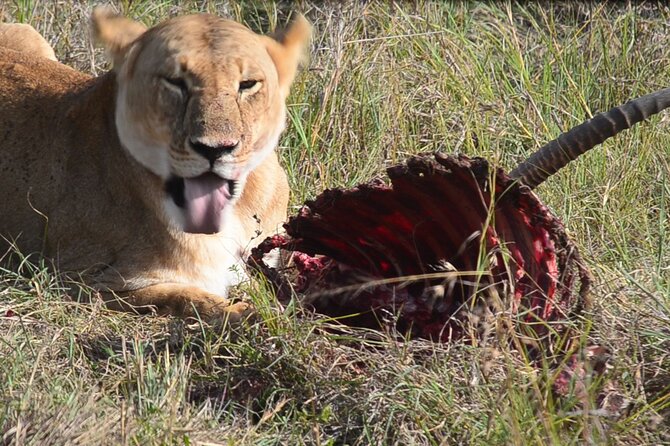
- Black-and-white rhinos plus lions at Lake Nakuru: two headline species in one park-day.
- Naivasha by boat, Crescent Island on foot: water views for hippos and birds, then a guided walk.
- Masai Mara full day with unlimited game viewing: long hours focused on big cats and the big-five style hunt.
- Mara River picnic lunch: hippos and crocodiles can share your lunch view; migration timing matters too.
- Long-drive reality between parks: 300 km toward the Mara and about 265 km back to Nairobi takes time.
Entering Nairobi safari mode: pickup and your pop-top ride
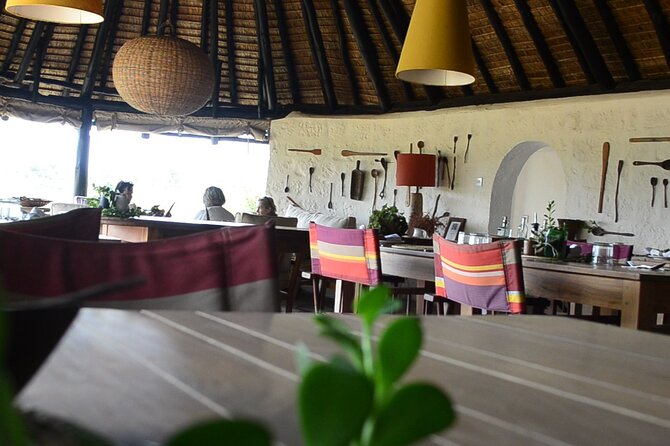
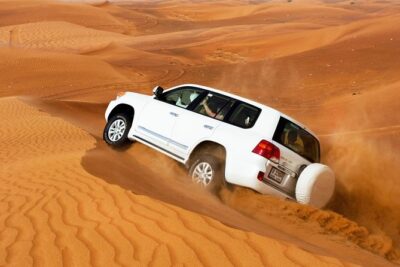
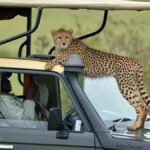
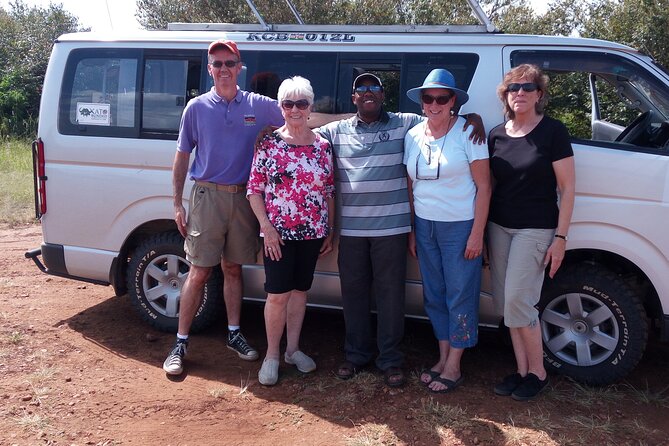
Your day starts in Nairobi, with pickup offered from your hotel or Nairobi Airport. On Day 1, the schedule points to a 07:00 departure, so expect an early start and a full day of motion. This is a driving safari with transport in a pop up top, which matters because it makes it easier to spot animals and get better photos without leaning or straining.
This trip is private, meaning only your group participates. That often makes a difference on safari, because you can move at your pace—within the driver’s judgment for where wildlife is active. You also get free Wi‑Fi during the experience, which is handy for uploading shots later (or just checking messages before you lose signal again).
You can also read our reviews of more tours and experiences in Nairobi.
Rift Valley escarpment stops and scenic breaks that keep the drive sane
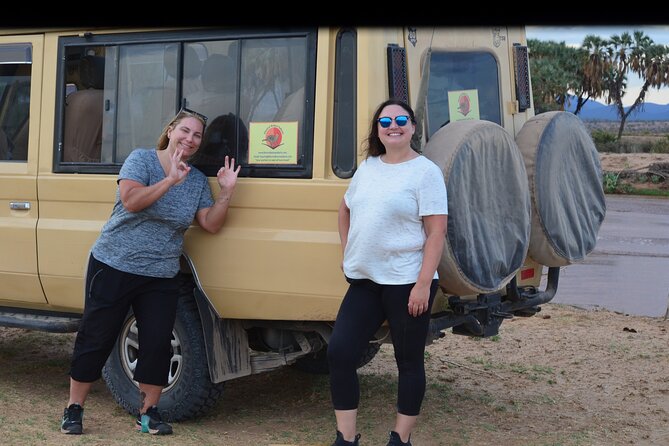
The road between Nairobi and Lake Nakuru is part of the experience. You’ll go via the Great Rift Valley escarpment, with stops to marvel at the dramatic drop-offs and views. It’s the kind of scenery that reminds you why Kenya’s geography shapes its wildlife—water basins, steep gradients, and changing habitats all affect where animals gather.
These breaks also help with safari fatigue. A long drive can turn into “where are we already?” if the day is only straight highway. Here, you get sightseeing stops built in, so the transfer doesn’t feel like wasted time.
Lake Naivasha boat ride: hippos, birds, and close-up water action
At Lake Naivasha, you’ll switch from road travel to an exciting boat ride. The goal is simple: see hippos, exotic birds, and small game from the water. This is a great contrast to the open savannah feel, because the Naivasha experience is about edges—shorelines, reeds, and animals moving in and out of view.
One practical note: wildlife from a boat is often less “chase the big cat” and more “wait for the splash.” If you’re the type who wants constant action, bring patience. If you’re happy scanning for movement and listening for what’s nearby, this part can be very satisfying.
Crescent Island walking safari: when your eyes do the hunting
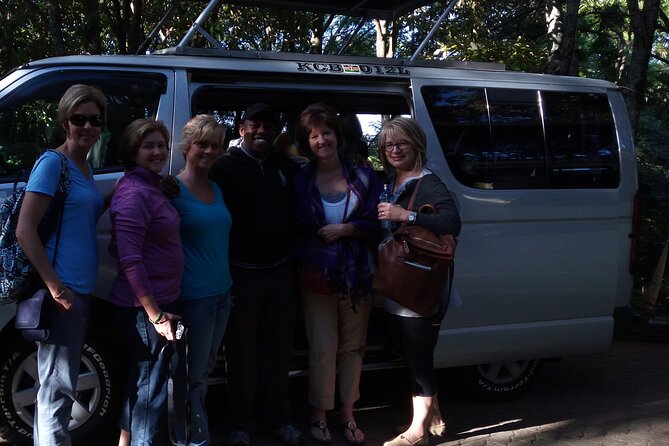
After the boat ride, you’ll do a guided walking safari at Crescent Island. Walking changes the game. You hear more, you notice tracks sooner, and you’re closer to small wildlife behavior than from a vehicle window.
From what’s been highlighted during past safaris with guides like George, this is also where great spotting can happen because the pace slows down and the guide pays close attention. You’re on a schedule, but it doesn’t feel rushed, and you get that rare safari moment where animals feel like neighbors instead of distant dots.
Also, this day’s rhythm is helpful for families and mixed groups. It breaks the day into different modes: drive, boat, then walking—so you’re not trapped in one long seating position the entire time.
Lake Nakuru: rhinos and lions, plus the flamingo reality check
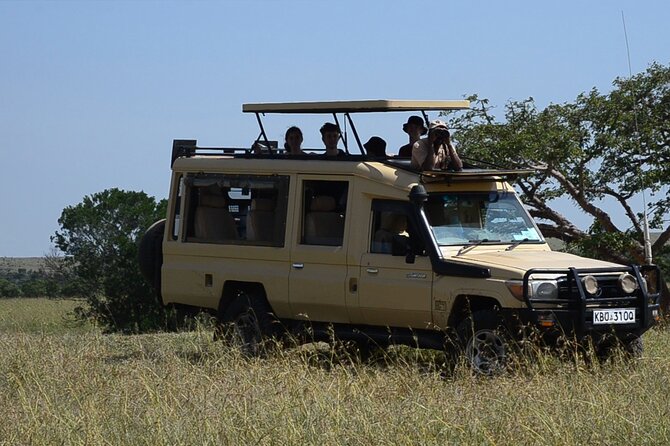
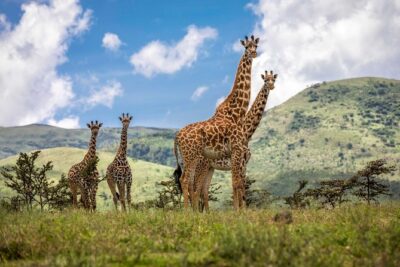
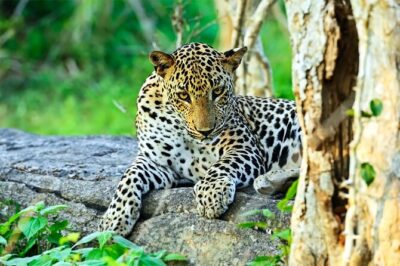
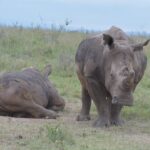
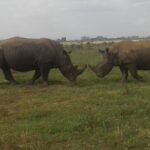
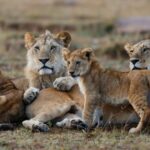
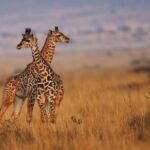
Lake Nakuru National Park is the headline stop on Day 1 and a key wildlife base for the route. This park is famous for both black and white rhino, and it also offers chances to see lions. Along with those star species, you might spot warthog, giraffe, zebra, and other plains game.
The flamingo situation is a major consideration right now. The flamingo population at Lake Nakuru is described as low currently, so you should treat flamingos as a bonus, not a target. Even with fewer flamingos, Lake Nakuru is still a solid bird destination, and the rest of the mammal list keeps the experience balanced.
Late morning arrival is also worth noting. You’re not just showing up at dusk hoping for luck. You arrive during the late morning and can start wildlife scanning before the day’s light runs out. That timing can help you maximize Day 1 without feeling like you lost half the day to logistics.
Day 2 toward Masai Mara: 300 km of road, then afternoon drives
Day 2 moves from Lake Nakuru to the Masai Mara, covering about 300 km and roughly 6 hours of travel. That’s a real chunk of time. However, the plan includes short game and bird watching drives at Lake Nakuru before departure, then scenic stops along the route.
When you’re heading to the Mara, what you’re really buying is time on the reserve once you arrive. The schedule targets afternoon game viewing drives in Masai Mara, which is smart because wildlife activity often shifts through the day. If you’ve ever had safari days that start too late, you’ll appreciate not wasting your first Mara afternoon.
Masai Mara full day: unlimited game viewing and a Mara River picnic
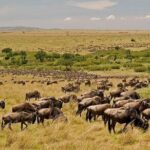
Day 3 is the big one: a full day in the Masai Mara National Reserve with unlimited game viewing. This is where the “this is why people come to Kenya” feeling usually lands. The Mara is described as having a very high and varied concentration of wildlife in the savannah ecosystem, and the driving style is built to keep you searching all day.
You’re in search of the Big Five style experience—so expect a mix of predators, prey, and sightings that come in waves. Sometimes you’ll get a clean, close look at something major. Sometimes you’ll get many smaller moments: interesting behavior, herds moving, birds calling, and the subtle signs that animals are near.
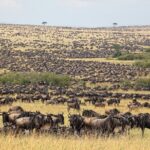
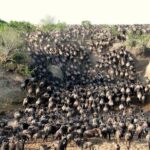
Lunch is a picnic by the Mara River. The plan notes that you could watch hippos and crocodiles there, and that the great migration can be a factor from July to October. If you’re traveling in those months, you may get migration action. If you’re outside those months, the Mara can still be lively—just think “animals today” rather than “migration spectacle every minute.”
Guide quality matters: the difference between seeing animals and really spotting them
A safari guide isn’t just a driver. They’re your translator for the landscape, the tracks, and the animal behavior. In the experience history linked to this operator, guides such as Mussa, David, George, Peter, Kamara, and James have been specifically praised for knowledge and for finding wildlife.
What I like about that pattern is that it points to spotting skill. Being able to predict where animals might move and then positioning well during drives is what turns random wildlife sightings into meaningful ones. If you end up with a guide like David or George, expect a strong focus on safety and careful driving along with serious animal searching.
If you want to get the most out of your guide, ask for what to watch for during each stop. Don’t just ask What have we seen? Ask what behavior signals might mean predators are nearby. It helps you scan with purpose instead of luck.
Day 4 back toward Nairobi: early drive, then the highway home
On Day 4, you get an early morning game viewing drive in the Masai Mara, then you depart mid-morning for Nairobi. The distance is about 265 km and roughly 6 hours back, with a lunch stop along the way. Arrival in Nairobi is targeted for around 4:30 pm.
That early morning drive is important. It gives you one more shot at wildlife before the long transfer. And because the Mara day already included a full day of game viewing, Day 4 acts like a finale—either a last predator encounter or a final sweep for something special.
Where you sleep: economy, standard, or luxury camps and lodges
Accommodation is provided in economy, standard, or luxury lodges or tented camps depending on your budget and style. This is one of those “read the fine print with your expectations” situations.
Economy or standard usually means you trade some creature comfort for affordability. Luxury usually means nicer rooms and more polished service. Either way, the big safari rule applies: most of your time is spent outside looking for wildlife, so the sleeping setup is best judged by practicality—hot water, decent beds, and a location that doesn’t waste your early starts.
Because the tour offers different accommodation levels, I’d treat the lodging choice as part of your value calculation. If you’ll spend more time resting and recovering, you may prefer the higher comfort tier. If you’re out early and in late, you might be fine with economy or standard.
Included meals and what to budget for yourself
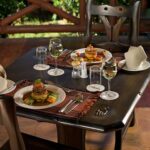
Meals are included as part of the package: dinner and lunch, plus breakfast on two mornings (and the itinerary also lists breakfast and lunch for Day 4). Bottled drinks are not included, and personal items and tips are also not included.
This matters because safari budgets get eaten by small purchases fast—water, soft drinks, snacks, sunscreen, and souvenirs. If you want fewer surprises, plan on buying bottled beverages and keeping small cash or card handy for personal needs.
Also, if your stomach is sensitive, stick to the provided meal routine and drink options. Safari days are active and a bit bumpy, so consistent food and hydration usually make everything more enjoyable.
Price and value: what $1,961.54 buys in 4 days
The price is $1,961.54 per person for approximately 4 days. That’s not a budget safari, but it’s also not a long, multi-country expedition—so the value comes from where your money goes.
Here’s what you’re paying for:
- Park time in Lake Nakuru and Masai Mara
- Transfers that include scenic Rift Valley stops and a boat ride plus a walking safari
- A private setup (only your group)
- Game drives in a pop-top vehicle for better viewing
- Meals and free Wi‑Fi connection
If you compare this to doing Nakuru and Mara separately with separate bookings, this kind of bundled route can be a time-saver. The trade-off is that you have less flexibility than a fully custom itinerary. You’ll still make good choices on the ground through your guide, but the core structure is already set.
I think this price makes sense if you want a solid wildlife hit in a short window and you value a guide who can help you find animals instead of just transporting you.
Who should choose this safari route
This safari fits best if you:
- Want Lake Nakuru rhino chances plus Masai Mara big-cat style game viewing
- Like variety: vehicle drives, a Naivasha boat ride, and a walking safari
- Prefer a private group experience
- Are okay with long drives between parks
It also says most travelers can participate, so it can work for a wide range of ages and fitness levels. The one consideration is that you’re on your feet during the walking safari segment and you’ll be in the vehicle during transfer days.
Should you book this 4 Days Safari Lake Nakuru NP Naivasha and Masai Mara?
I’d book it if your priority is a focused Kenya wildlife trip with built-in variety. The combo of black-and-white rhino odds, lions, a Naivasha boat ride, and a full day in the Mara gives you strong coverage for only 4 days.
I’d think twice if flamingos are your main goal. With the Flamingo population currently low at Lake Nakuru, you can’t count on that pink spectacle. Also, if you get grumpy about road time, remember you’ll do about 300 km toward the Mara and about 265 km back to Nairobi.
If you want your money to translate into time in the parks and you’re excited about the Mara’s long game drives, this is a practical route.
FAQ
Where does the safari start and end?
The tour starts at Jomo Kenyatta International Airport in Nairobi, Kenya. It ends at your hotel in Nairobi or at the airport (your exact end point is based on the hotels within Nairobi).
Is pickup from Nairobi included?
Yes. Pickup is offered from a Nairobi hotel or Nairobi Airport, and the plan lists a 07:00 departure from Nairobi for Day 1.
What transportation is used during the safari?
This is a driving safari with transport in a pop up top, designed for easier wildlife viewing.
Is the tour private?
Yes. It’s a private activity, and only your group will participate.
What wildlife can I expect at Lake Nakuru?
Lake Nakuru National Park is listed as home to black and white rhino and lions. You may also see warthog, giraffe, zebra, and other small game.
Are flamingos guaranteed at Lake Nakuru?
No. The flamingo population is currently described as low at Lake Nakuru, though other resident bird species may still be seen.
Is there a boat ride included?
Yes. The itinerary includes an exciting boat ride at Lake Naivasha to view hippos, exotic birds, and small game.
What is included on Crescent Island?
There is a guided walking safari at Crescent Island.
How long is the Masai Mara game viewing day?
Day 3 is a full day in Masai Mara National Reserve, with unlimited game viewing. There is also a picnic lunch by the Mara River.
What meals are included, and what is not?
Dinner and lunch are included, and the itinerary includes breakfast on two mornings. Bottled drinks, personal items, and tips/gratuities are not included.
Can I cancel and get a full refund?
Yes, free cancellation is allowed up to 24 hours in advance of the experience for a full refund. If you cancel less than 24 hours before the start time, you don’t get a refund.