REVIEW · NAIROBI
Adventure-fueled 3 Days Maasai Mara Safari
Book on Viator →Operated by African Home Adventure Safaris · Bookable on Viator
Three days in the Mara feels like real Africa. This fast, wildlife-first safari sends you from Nairobi into the Masai Mara with long game drives around the Mara River area, where birds of prey and big cats do their thing in open country. You start early, and you don’t waste daylight.
I especially like the small group size (max 7) and the way your days are built around real time in the bush, not constant transfers. You’ll get picnic-style lunch inside the park on day 2, and the odds of close sightings feel solid because the drives are full-day.
One consideration: you’re cramming a lot into 3 days, with a long travel day on day 1 and only two nights in camp. If you’re traveling outside the July to October peak window for Great Migration, don’t assume you’ll see the same huge movement of wildebeest in force, and a balloon ride is optional and costs extra.
In This Review
- Key Highlights You’ll Actually Feel
- Why the Masai Mara from Nairobi Works for a Short Trip
- Day 1: Mara River Game Viewing After a Rift Valley Viewpoint
- Day 2: Full-Day Safari Drives with Picnic Lunch Inside the Park
- Balloon Ride Option: Extra Cost, Worth Asking About
- Day 3: Maasai Market Stop and Carnivore Restaurant Lunch Back in Nairobi
- Wildlife Viewing Reality: Big Cats, Mara River Area, and Birds of Prey
- Camp Comfort and Nighttime Rhythm: Two Nights, Real Safety Focus
- Guides Make the Difference: Jared, George, Kennedy, and Joseph
- Price and Value: What You’re Paying For (and What You’re Not)
- Who This Safari Fits Best (and Who Should Rethink It)
- Should You Book This 3-Day Maasai Mara Safari from Nairobi?
- FAQ
- What time does the safari pick me up in Nairobi?
- Where is the meeting point in Nairobi?
- How long is the safari?
- Is park admission included?
- What meals are included in the price?
- Does the tour offer hotel or airport drop-off?
- Is a balloon ride included?
- What group size should I expect?
- Can I cancel and get a full refund?
Key Highlights You’ll Actually Feel
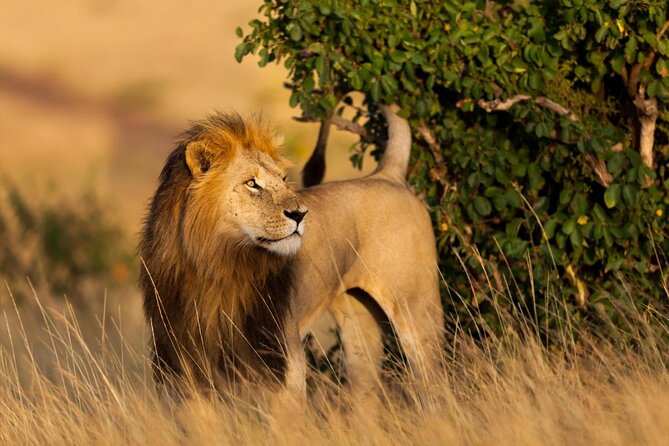
- Mara River focus for prime game-viewing time in rugged open savannah
- Small-group safari (up to 7 people) for a more relaxed, less chaotic pace
- Full-day game drive with picnic lunch inside the park on day 2
- Cheetah sightings can be surprisingly close, with some resting under safari vehicles
- Guides such as Jared, George, and Kennedy are praised for spotting animals and explaining what you’re seeing
- Maasai Market + Carnivore Restaurant lunch on the return day for a culture-and-food finish
Why the Masai Mara from Nairobi Works for a Short Trip
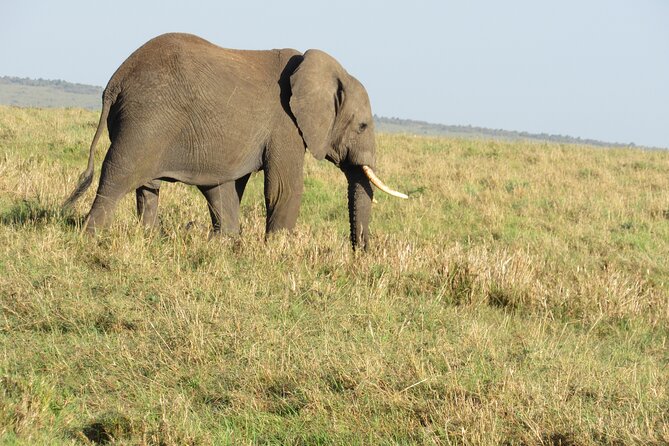
If you only have a few days in Kenya, this is one of the most efficient ways to reach the Masai Mara from Nairobi without turning your trip into a logistics project. The format is simple: you get picked up in Nairobi at 7:00 am, you spend two big days on safari, then you head back with a couple of meaningful stops.
What makes this plan feel especially practical is the balance between drive time and daylight on the ground. Day 1 is the long push out, but it still includes lunch in the area and afternoon game viewing. Day 2 is built like a classic safari day, with breakfast at camp and then a full run of time inside the reserve.
It’s also worth noting the included admission ticket and the built-in meal schedule. That matters because you’re not hunting down park fees or scrambling for lunch while you’re in transit or waiting for game drives to start.
You can also read our reviews of more tours and experiences in Nairobi.
Day 1: Mara River Game Viewing After a Rift Valley Viewpoint
Day 1 starts with pickup at YWCA Kenya – National Headquarter on Nyerere Rd in Nairobi. Expect a morning departure, plus a brief stop at a Rift Valley viewpoint to get your bearings before the drive continues into the Masai Mara.
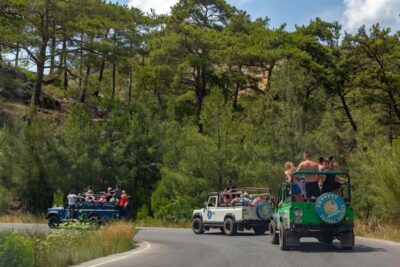
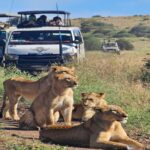
You arrive in time for lunch at Enchoro Wildlife Camp, then you head out for afternoon game viewing inside the park. This is the part I’d call the “set the tone” block of the trip. You’re already in safari mode, sitting in the vehicle when activity is most likely to pop up—lions, elephants, zebra, giraffe, buffalo, wildebeest, and the smaller stuff you often miss when you rush.
Your evening includes dinner and an overnight at camp, and the day runs long. The listing flags about 15 hours for day 1, which lines up with the reality of leaving Nairobi early and getting into the reserve in time for game drives. That means you’ll want to treat day 1 like a travel-heavy day, not a lazy arrival.
Day 2: Full-Day Safari Drives with Picnic Lunch Inside the Park
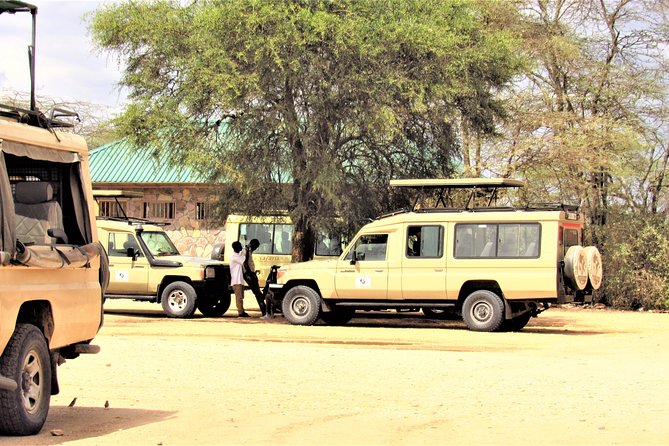
Day 2 begins with breakfast at camp, then you’re out for a full-day game drive. Lunch is served picnic-style inside the park, which is one of those details that quietly improves the whole day. Instead of losing prime viewing hours to a restaurant run, you keep your seat time where it matters: in the reserve.
This is also the day where the safari can get delightfully specific. You’re told that cheetahs in the Masai Mara can be unusually bold—sometimes sheltering from the heat under safari vehicles, and even climbing onto vehicle roofs to look for prey. That kind of behavior doesn’t happen everywhere every day, but it explains why the drive format matters so much here.
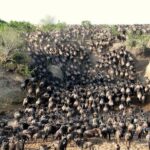
If you’re coming during the main Great Migration season—July through October is the highlight—you’ll be in the window where wildebeest numbers swell and follow the rains on a long, circular journey. Even if the full spectacle isn’t guaranteed on your exact day, the timing can dramatically shape what you’re likely to see.
You return to camp in the evening for dinner and overnight, and that’s a key rhythm. It means you don’t burn your legs walking between sightings—you’re built for long, slow searching from the vehicle with real time to react when animals appear.
Balloon Ride Option: Extra Cost, Worth Asking About
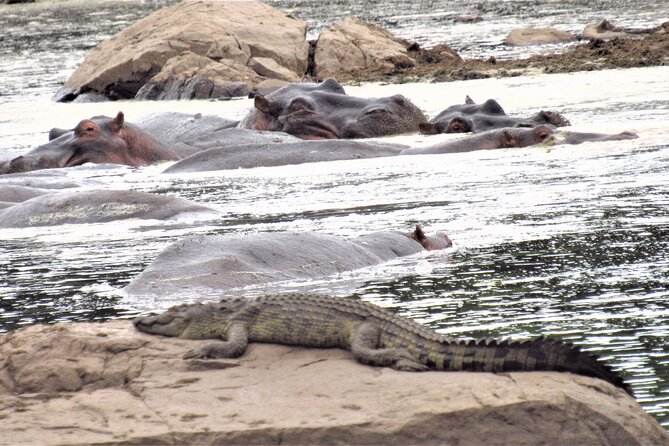
On day 2, a balloon ride can be arranged at extra cost. The data doesn’t confirm pricing or exact timing, but it clearly gives you an add-on option without forcing it into the package.
If you’re the type who wants the “big wow” moment from above, this is the window to consider it because you already have a full day in the reserve. If you’d rather protect your energy for maximum time on the ground, you can skip it and stick with the vehicle drives, which are the heart of this itinerary.
Either way, it’s smart to decide early what you want most: aerial views for the drama, or vehicle time for the detailed sightings and animal behavior.
Day 3: Maasai Market Stop and Carnivore Restaurant Lunch Back in Nairobi
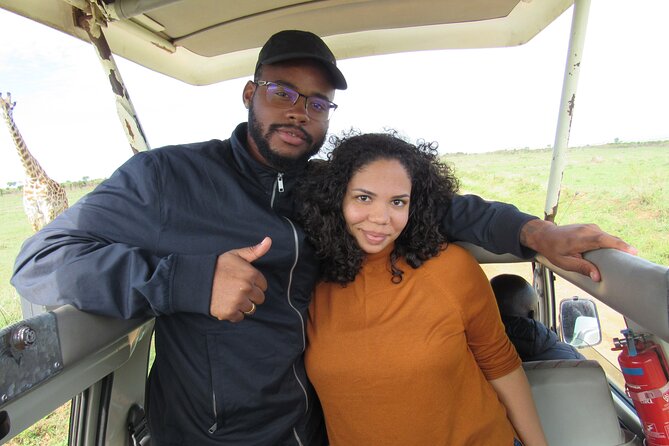
After breakfast on day 3, you leave the Masai Mara and drive back toward Nairobi. On the way, you stop at the Maasai Market, which is your chance to see local crafts and shop for souvenirs without turning the day into a full detour.
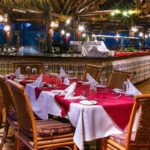
Once you arrive in Nairobi, you get a complimentary lunch at Carnivore Restaurant. That stop is surprisingly good value in practice because it handles one of the hardest parts of safari travel: feeding people well after a long drive day. Then you’re dropped back at your city hotel or JKIA airport, depending on your flight timing.
If you’re watching your schedule, keep in mind the day is built for departure after lunch. This is not a “linger in Nairobi” day—it’s more of a wrap-up day that still tries to give you culture and a satisfying meal before you head home.

Wildlife Viewing Reality: Big Cats, Mara River Area, and Birds of Prey
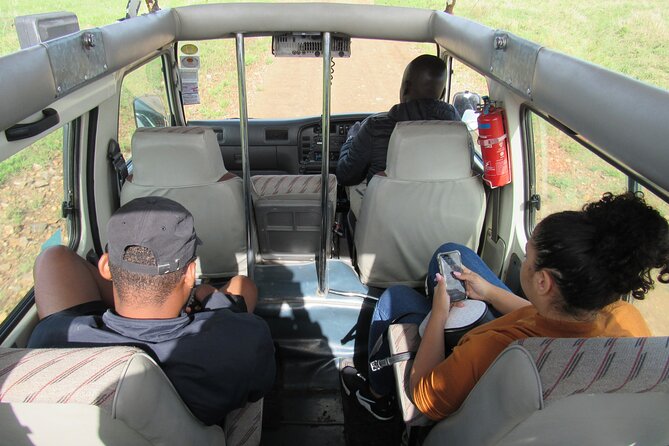
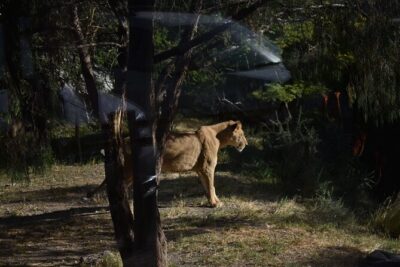
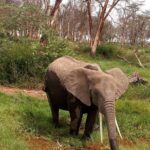
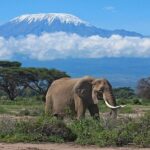
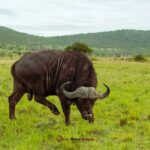
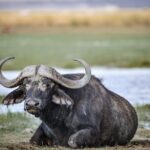
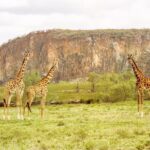
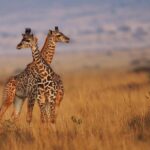
The Masai Mara is known for big mammals, and this safari doesn’t pretend otherwise. You’re explicitly guided toward the core lineup: lions, cheetah, elephant, rhino, African buffalo, wildebeest, giraffe, and zebra, plus more smaller sightings that show up when you stay alert.
What I like about how this tour is set up is that it doesn’t treat wildlife as a checklist. It builds in enough time—two dedicated safari days—so that the reserve can do what the reserve does. Some days reward you with predators, other days with elephants or mixed herds, and the best strategy is staying patient and keeping your eyes moving.
There’s also specific attention to birds of prey, including the idea that you can see raptors flying while they look for prey. That’s a useful mental shift. If you only focus on big mammals, you can miss the action in the sky, especially around open savannah and river corridors.
Season matters here. The data points out that Mara is great all-year-round, with July to October being a peak stretch for some of the most exciting wildlife viewing—especially related to the Great Migration. If you’re flexible with your timing, that’s where your odds improve.
Camp Comfort and Nighttime Rhythm: Two Nights, Real Safety Focus
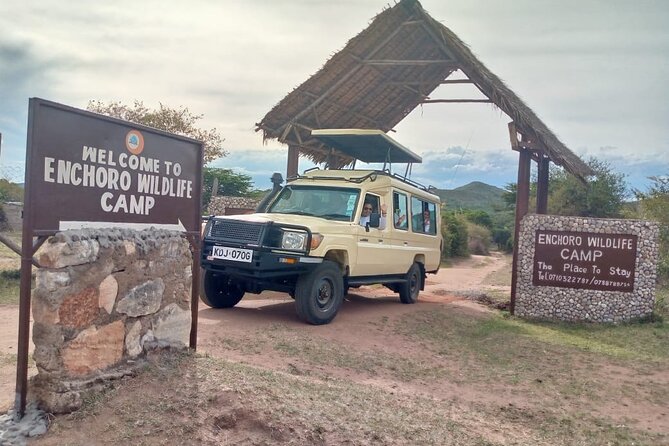
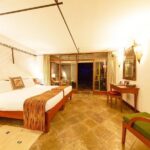
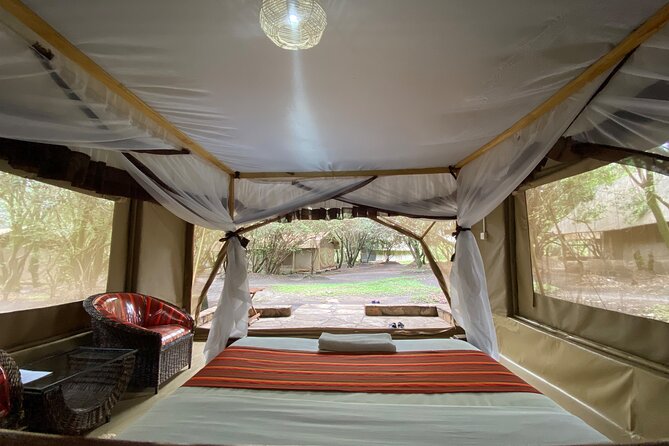
Your days are long, so camp matters. While the provided details don’t describe the lodge style in minute detail, the plan clearly includes dinner and breakfast and an overnight on day 1 and day 2.
In the feedback shared for this safari, Enchoro Wildlife Camp shows up as a solid part of the experience for at least some guests during their stay. Another camp name—Drunked Elephant—is also mentioned as very good. In other words: you’re not sleeping rough, and the experience is set up so you can recover before the next day’s game drive.
On safety and comfort, the overall message from guide-led experiences is that you feel well handled once you’re in the reserve. That comes down to driver skill, animal-distance rules, and knowing where to position the vehicle when activity starts.
Remember: this is a short safari. The camp isn’t the whole point. It’s your base between the big hours out in the park.
Guides Make the Difference: Jared, George, Kennedy, and Joseph
A safari lives or dies on how you’re guided. In the feedback connected to this experience, guides such as Jared, George, Kennedy, James, and Joseph are repeatedly praised for doing two things well: finding wildlife and explaining what you’re looking at.
I’d also call out an important pattern: the best guides don’t just point and say animal names. They help you read behavior—what animals are doing and why. That turns random sightings into something you can actually understand in the moment.
If you’re traveling with a family, it helps even more. One review describes a safari that worked for first-time kids because the guide stayed engaged and attentive. That’s a real advantage because it keeps the energy up over long drives.
Price and Value: What You’re Paying For (and What You’re Not)
At $1,176.48 per person for about 3 days, this safari sits in the “quality safari, short timeline” zone. The key value drivers are the inclusions:
- Pickup offered from Nairobi (starting at YWCA Kenya – National Headquarter)
- Admission ticket included
- All meals covered: 2 breakfasts, 2 dinners, and 3 lunches
- Mobile ticket is provided
- Group capped at 7 travelers, which reduces the stress of overcrowded vehicles
What’s not included is also important. The listing notes personal items only, and it flags that a balloon ride can be arranged on day 2 for extra cost. So if you want balloon time, budget that separately.
When I look at value for a safari like this, I focus on the total “time you get” rather than the sticker price. You’re buying two full safari days inside the reserve plus meals and transport coverage, all in a tight schedule. That’s usually a better deal than piecing together transport, park entry, and lodging yourself—especially with park rules and timing.
One more practical point: the experience includes free cancellation up to 24 hours in advance for a full refund. That’s worth keeping in mind if your Nairobi schedule might shift.
Who This Safari Fits Best (and Who Should Rethink It)
This safari fits best if you want:
- a short, high-impact trip into the Masai Mara without staying longer than 3 days
- a vehicle-based wildlife experience with a strong focus on game viewing time
- a pace that includes culture stops like the Maasai Market and a real dinner/lunch anchor with Carnivore Restaurant
It may not fit perfectly if you want a slow, restful pace or if you’re the type who hates long travel days. Day 1 is heavy, and the plan is designed for maximum safari time rather than lots of hotel comfort.
It also helps to align expectations with season. The data highlights July to October for the most exciting opportunities linked to the Great Migration. You can still see plenty outside those months, but if your #1 dream is seeing massive wildebeest movement, your timing matters.
Should You Book This 3-Day Maasai Mara Safari from Nairobi?
If you’re asking me whether to book, I’d say yes—if you’re ready for a compact, high-drive schedule and you want your days built around wildlife rather than slow travel.
The biggest reason to book is the combination of real game drive time, included meals, and a small max-7 group that keeps the safari feeling manageable. Add in strong guide names like Jared and George, plus the practical culture-and-food wrap-up on day 3, and it’s a smart way to see the Masai Mara without stretching your time in Kenya.
If you want to optimize your odds for standout sightings, pick your dates with the July to October window in mind, and consider the balloon ride only if it’s a must-have for you. Otherwise, the vehicle drives are the heart of the experience.
FAQ
What time does the safari pick me up in Nairobi?
Pickup starts at 7:00 am.
Where is the meeting point in Nairobi?
The meeting point is YWCA Kenya – National Headquarter on Nyerere Rd, Nairobi.
How long is the safari?
It runs for about 3 days.
Is park admission included?
Yes, admission tickets are included.
What meals are included in the price?
Dinner is included for 2 nights, breakfast for 2 mornings, and lunch for 3 days.
Does the tour offer hotel or airport drop-off?
Yes. On day 3, you’re dropped back to your city hotel or to JKIA, based on your flight timing.
Is a balloon ride included?
No. A balloon ride can be arranged on day 2 for an extra cost.
What group size should I expect?
The maximum group size is 7 travelers.
Can I cancel and get a full refund?
You can cancel up to 24 hours in advance of the experience for a full refund.