REVIEW · TANZANIA
4 days Tanzania group safari to Serengeti, Crater and Tarangire
Book on Viator →Operated by MyTrip2Tanzania · Bookable on Viator
That first sunrise call is the real deal.
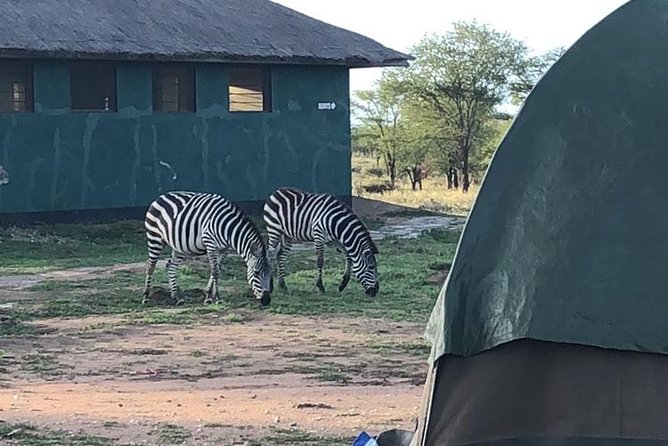
This 4-day group safari packs Tarangire, Serengeti, and Ngorongoro Crater into a tight route with lots of time on the road for real wildlife watching, not just passing through. You’ll start from Arusha, sleep at campsites, and chase classic moments like elephants at Tarangire and rhinos in Ngorongoro.
I love two things most: the chance at early wildlife viewing, especially the 6 a.m. crater start, and the camping feel that makes the bush sound part of your evening. In the same trips, guides named Ayubu and Philbert show up again and again, praised for patient spotting and clear animal explanations in English (and sometimes German too). That kind of guiding changes the safari from seeing animals to understanding them.
One thing to consider: this is a camping safari, so comfort won’t match a lodge stay. Expect long park days and early mornings, with the trade-off being real time in prime wildlife zones.
In This Review
- Key Highlights Worth Your Attention
- Planning Your 4 Days in Northern Tanzania
- Day 1 Tarangire National Park: Elephants, Baobabs, and a Real Full Day
- Day 2 Serengeti National Park: The Drive-Plus-Game-Drive Day
- Day 3 Serengeti to Ngorongoro Crater: Sunrise, Lions, and Simba Campsite Nights
- Day 4 Ngorongoro Crater: Rhino Odds, Hippos at the Lake, and Flamingo Time
- Price, What You Get, and What to Budget Extra
- The Guides and Group Dynamic: Why the Safari Feels Personal
- Practical Tips That Make This Itinerary Easier
- Should You Book This 4-Day Camping Safari?
- FAQ
- Where does this safari start?
- Is pickup included?
- Which parks are included in the 4 days?
- What kind of overnight stays are included?
- What meals are included?
- What’s not included in the price?
- Can I cancel for a full refund?
Key Highlights Worth Your Attention
- Up to 6 people per group: smaller group vibe, less crowd pressure during sightings.
- Early starts at key moments: including the sunrise drive for Ngorongoro and morning game time in Serengeti.
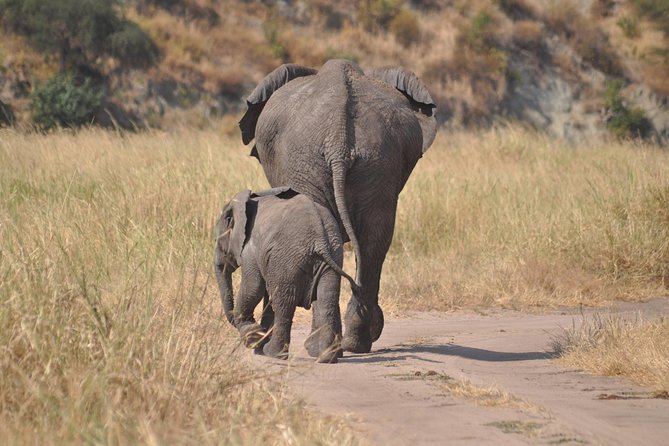
- Tarangire’s elephant focus and baobabs: classic tree-and-teeny-park-feel, plus great bird time.
- Serengeti views like Kopjes: rock formations tied to the Lion King look, with big-predator chances.
- Campsite nights with safari logistics built in: dinner and overnight included as you move between parks.
Planning Your 4 Days in Northern Tanzania
This safari is built around one core idea: maximize animal time without wasting the days. You’ll be picked up in the Arusha area and then you’ll work your way west and south through three major wildlife zones. The schedule is punchy, but it’s also realistic—roads take time, and the plan treats driving as part of the journey instead of a necessary nuisance.
The group size is small (up to 6), which usually means you’re not fighting for sight lines every time the vehicle stops. That matters when you’re trying to watch lions, follow a migration corridor depending on season, or scan for birds in Tarangire’s wetter-feeling pockets.
Also, you’re not just paying for “seeing wildlife.” You’re paying for the rhythm: timed gates, morning departures, and a crater strategy that starts early. You get meals built in (breakfasts, lunches, dinners), and that keeps the safari from feeling like you’re constantly searching for food mid-route.
You can also read our reviews of more tours and experiences in Tanzania.
Day 1 Tarangire National Park: Elephants, Baobabs, and a Real Full Day
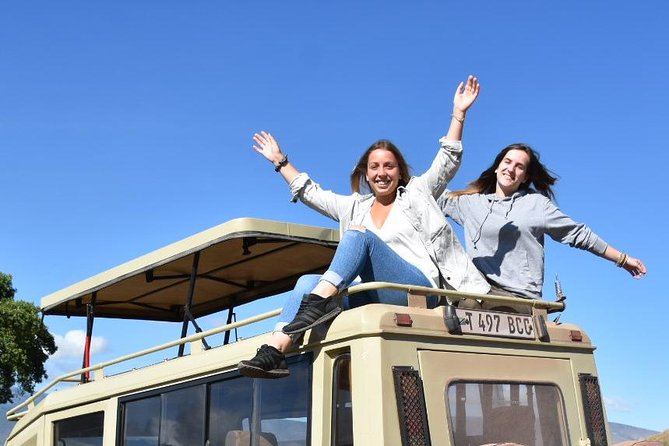
You’ll start around 8 a.m. after breakfast, with pickup from your Arusha hotel, lodge, or hostel. The drive to Tarangire is about 2 hours, and you’ll reach the park gate around 10 a.m. From there, it’s a full-day game drive.
Tarangire is famous for one big reason: it’s a strong elephant destination. You’re also in baobab territory, which means you get that unmistakable “ancient tree” look across the savanna. If you like birds, this park delivers, and it’s also a good place to spot smaller wildlife moving between shrubs and open ground.
What you’ll likely feel on day one is variety. One stop you’re admiring elephants and huge baobabs. The next you’re watching monkeys, looking for predators, or keeping an eye out for cheetahs, leopards, lions, giraffes, and zebras. Tarangire isn’t just about one animal species. It’s about a whole ecosystem that keeps changing as the day goes on.
At the end of the day, dinner and overnight are at Twiga campsite outside the park. That campsite placement is useful: you get access to the park’s timing, then you can reset for tomorrow’s long move.
Practical note: this is a full park day, so plan for a lot of time in the vehicle. Bring sun protection and expect it to get hot.
Day 2 Serengeti National Park: The Drive-Plus-Game-Drive Day
Day two is where the safari’s pacing becomes clear. After breakfast around 8 a.m., the drive to Serengeti takes about 3 hours. It sounds like “just transit,” but you’ll still be getting views along the way through colorful towns and villages.
You’ll arrive at the Serengeti Gate around 1 p.m. You get lunch and then a short walk. That pause matters because it breaks up the long vehicle time and lets you stretch before the afternoon game drive.
The break lasts about an hour, and then you start your half-day game drive. Around 6 p.m. you reach the campsite area.
This day has one extra payoff: the route includes stops near Ngorongoro Gate, where you can take a short break and you may spot baboons. There’s also a chance to learn a bit of crater history en route, which is helpful because it puts what you’ll see in Ngorongoro into context before you even get there.
On the Serengeti side, your day two focus is momentum. It’s not the longest game drive, but it puts you in the right habitat quickly—so by day three, you’re ready for the big morning push.
Day 3 Serengeti to Ngorongoro Crater: Sunrise, Lions, and Simba Campsite Nights
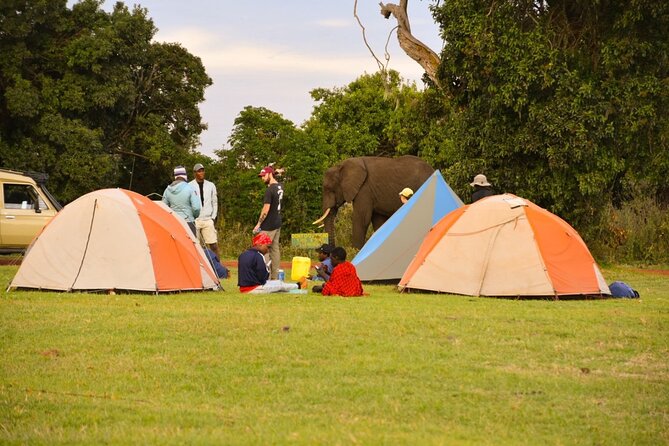
Day three starts early—around 6 a.m. for sunrise. If you’re wondering when the safari feels most alive, it’s usually the morning light. After about 2 hours of game drive, you head back to the lodge area for breakfast and to pick up your luggage. Then you rejoin the action with another game drive.
Later, you slowly drive back toward Ngorongoro to spend the night at Simba public campsite. That is the camping feel turning into full safari immersion—your day ends in a place that’s set up for this kind of travel, not a quick overnight stop in town.
Serengeti highlights on day three include the classic stuff you’ve heard about: strong lion possibilities (including large groups), and the Serengeti’s famed kopjes—the rocky outcrops that are the closest thing to a movie set in real life. If you’re there during migration season, you may also get big-movement sightings, though timing varies by year and rainfall.
Birding is also a serious part of Serengeti. More than 500 species of birds are noted for the area, so even if predators aren’t doing their best work at every stop, you’ll still have plenty to look at while you wait.
One more detail that’s worth appreciating: the plan includes time that’s actually designed to reduce stress. You’re not rushing from sunrise to a late-day checkpoint with zero recovery. Breakfast, luggage pickup, and another drive are built into the day.
The downside is the fatigue factor. Day three is long and feels like two safari days in one. If you bruise easily from lots of vehicle time, take it seriously: hydrate, take breaks at stops, and pace your energy.
Day 4 Ngorongoro Crater: Rhino Odds, Hippos at the Lake, and Flamingo Time
Ngorongoro is scheduled for an early start again, around 6:00 a.m. You’ll drive into the crater for a half-day game drive. This is the part of the itinerary that gives you the best chance at rhinos, and that’s why the morning timing matters.
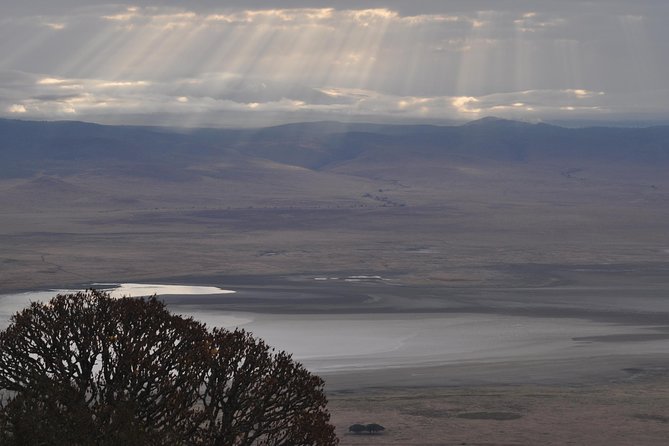
During the drive, you’ll have time to spot other crater wildlife too. At the lake, there’s a short break to observe hippos, and the crater is also famous for flamingos. This is one of those places where scenery and wildlife overlap in a way that feels specific to just this location.
Ngorongoro is a World Heritage Site and described as the largest intact, inactive volcano in the world. You don’t need to read geology to enjoy it, but understanding that the crater is essentially a massive natural bowl helps you see why animals gather here.
You’ll start heading back around 11:00 a.m. for brunch, pack up, and then transfer back to Arusha.
There’s also an option for extra accommodations if you want to soften the camping factor on this last stretch, though that would be an additional cost. If you’re sensitive to comfort, it’s worth asking about that as soon as you book.

Price, What You Get, and What to Budget Extra
At $950 per person for about four days, the best way to judge value is to look at what’s included and what’s not. This package includes meals: 3 breakfasts, 4 lunches, and 3 dinners. That’s big, because on safari days, getting your own food can be chaotic and expensive.
It also indicates park entry is handled as free on some days and included on others in the plan. The exact way that gets applied can vary by season and permit structure, so I’d still confirm at booking what’s covered for your dates. But in the itinerary itself, entry is marked as included/free rather than you paying at each gate.
What’s not included is also clearly stated:
- Domestic or international flights
- Travel to and from Tanzania beyond the safari
- Health insurance
- Tanzania entry visa
Also, note the “mobile ticket” mention. That usually helps you manage paperwork at the start of the trip, and it reduces the chance of last-minute confusion.
So is it a good deal? For many people, yes—especially because you’re getting three signature regions, camping nights, and a small-group structure. If you were to price meals, guides, vehicle time, and entry permits separately, the all-in structure often comes out competitive.
The Guides and Group Dynamic: Why the Safari Feels Personal
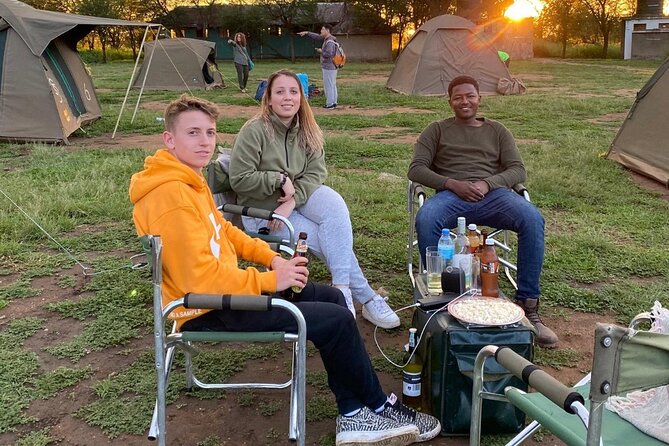
A safari lives or dies on the guide. You’re not just being driven—you’re being taught where to look, when to move, and how to read animal behavior.
In the experiences tied to this operator, guides like Ayubu and Philibert show up with strong praise for being friendly and professional and for explaining what you’re seeing in clear ways. One standout detail: Philibert has done explanations in English and can also handle German, which is a rare bonus on safari.
The other thing I like here is the patience angle. When you’re in places like Serengeti or Ngorongoro, animals can be unpredictable. A good guide keeps you calm and moving the right way instead of rushing you into empty stops.
And because the group is capped at 6, you typically get a more personal feel. That matters when someone has questions about why elephants behave a certain way at a water source or why you’re suddenly stopping in the middle of nowhere.
Practical Tips That Make This Itinerary Easier
This plan is built for people who want wildlife time over luxury. So you’ll enjoy it more if you plan around that reality.
- Pack for heat and sun. Long drives + midday game drives happen.
- Bring layers. Early mornings in the crater area can feel cooler, even if it’s warm later.
- Expect lots of sitting time. Comfortable shoes help for park stops and short walks like the Serengeti Gate break.
- If you care about comfort, think about what you can tolerate on campsites, especially the nights at Twiga and Simba.
- If you’re sensitive to food variety, you’ll be relying on the meals included in the plan. The food has been praised as good and often freshly cooked, but it’s still safari-style camping meals.
One more “small but important” detail: the itinerary includes short walks and breaks. Use them. It’s easier to enjoy the day when you’ve moved your body at least a few times.
Should You Book This 4-Day Camping Safari?
Book it if you want a classic Northern Tanzania sweep in a way that still feels hands-on. This route hits Tarangire elephants, Serengeti predator-and-copje country, and Ngorongoro’s rhino and lake wildlife in a schedule that’s built around morning viewing. The small-group limit helps, and the included meals remove a lot of logistical friction.
Don’t book it if you need lodge-level comfort every night. This is camping. You’ll still be well taken care of, but it won’t be the same as a hotel bed after every drive.
If you’re flexible, early starts don’t scare you, and you want the safari to feel like part of your day—not a chore—this is the kind of trip that can stick with you long after the photos fade.
FAQ
Where does this safari start?
It starts in Arusha, Tanzania.
Is pickup included?
Yes, pickup is offered from your hotel, lodge, or hostel in the Arusha area.
Which parks are included in the 4 days?
The itinerary covers Tarangire National Park, Serengeti National Park, and Ngorongoro Crater.
What kind of overnight stays are included?
It’s described as a camping safari, with overnights at campsites such as Twiga campsite outside the park and Simba public campsite.
What meals are included?
The package includes breakfast (3), lunch (4), and dinner (3).
What’s not included in the price?
Not included are domestic/international flights, travel to and from Tanzania, health insurance, and the Tanzania entry visa.
Can I cancel for a full refund?
Yes. You can cancel for free up to 24 hours in advance for a full refund. Canceling less than 24 hours before the start time means no refund.