REVIEW · JOHANNESBURG
7 Day Classic Kruger National Park Safari
Book on Viator →Operated by Viva Safaris · Bookable on Viator
This safari takes its time, not just stops. You get multiple open-vehicle game drives, bush walks, and even night-time spotlighting, all wrapped into six nights of chalet comfort.
Two things I really like about this trip: you don’t have to plan or pay for activities along the way, and the schedule is built around real animal behavior (sunrise, sunset, and night drives). Plus, it mixes Kruger with conservation at Moholoholo Wildlife Rehabilitation Centre, so you learn what happens to injured and orphaned wildlife.
One consideration: lunch is not included on transfer days and on days spent in Kruger. That means you’ll want a little spending money for quick stops when you’re out on the road.
In This Review
- Key moments you’ll actually care about
- Kruger National Park, without the glass and hurry
- Day 1: Balule Game Reserve sunset drive and a bush BBQ
- Day 2: Sunrise bush walk, sundowner drive, and another full night of wildlife searching
- Day 3: Full Kruger day with open-sided viewing in the Orpen–Satara–Nwanedzi area
- Day 4: Moholoholo Wildlife Rehabilitation Centre plus Balule game drive time
- Day 5: Sunrise drive with an Olifants River break, then Marula Boma bush braai again
- Day 6: Another full day of game viewing in Kruger
- Day 7: Sunrise drive in Balule, then the Panorama Route and back to Johannesburg
- Food, comfort, and what’s included (the value story)
- Wildlife expectations: Big Five chances, plus the reality check
- Who this safari suits best
- Should you book the 7 Day Classic Kruger Safari?
- FAQ
- Where does the tour pick you up and drop you off?
- What’s included in the price?
- Is lunch included every day?
- Do you pay extra for safari activities once you’re on the trip?
- Is there vegetarian food available?
- How big is the group?
Key moments you’ll actually care about
- Open-sided safari viewing in Kruger, so you’re not blocked by glass
- Bush walks at sunrise for close-up tracking and bush knowledge from rangers
- Night drives with spotlighting to increase your chances with nocturnal species
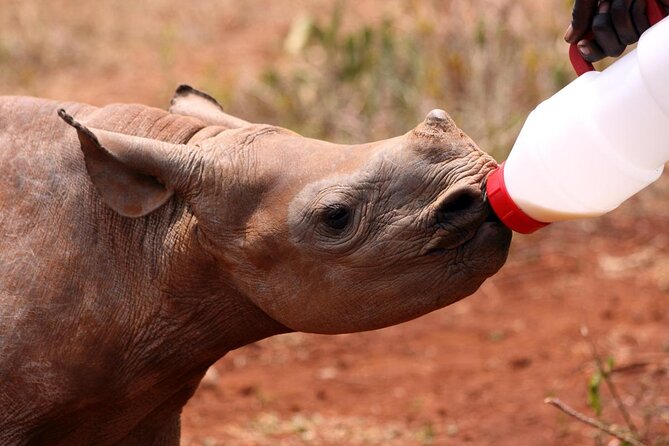
- Moholoholo conservation visit for real context on wildlife rehab and recovery
- Atmospheric Marula Boma bush braais after days of drives
- Small group size (max 9), which makes the whole experience feel more personal
Kruger National Park, without the glass and hurry
Kruger works best when you give it time. This trip spreads the safari days across the week instead of trying to cram everything into one long day, which helps you see more than just the “lucky” sightings.
You’ll also spend time in the Balule area (a private reserve beside Kruger), and that matters. Balule offers a different feel—more mix of habitat and constant animal movement—so your drives don’t all feel identical. Then you get into Kruger proper for additional full days of game viewing.
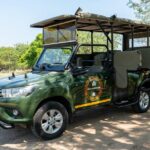
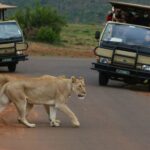
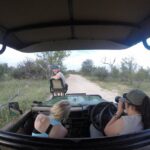
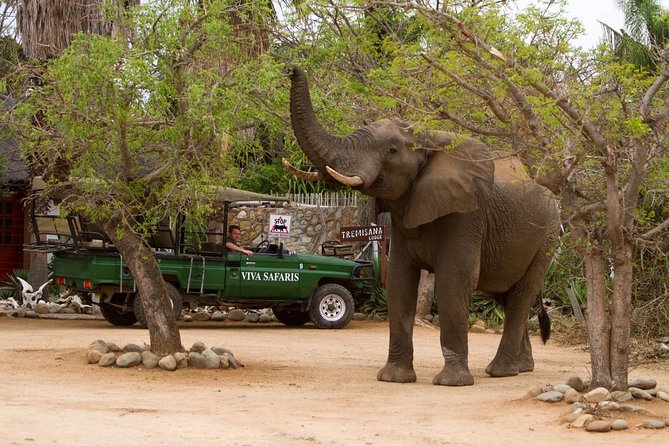
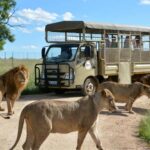
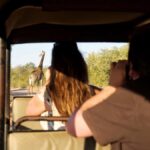
Transport is part of the value here. In the park, you travel in a custom-built open-sided game vehicle, which means better wildlife viewing and fewer barriers between you and what’s happening outside. In Balule, the adventure starts with open Land Cruiser drives too, including the first sunset session.
Practical note: open vehicles are great for sightlines, but they also mean dust and wind. If you’re the kind of person who hates that feeling, plan for it with a hat and some kind of eyewear.
You can also read our reviews of more tours and experiences in Johannesburg.
Day 1: Balule Game Reserve sunset drive and a bush BBQ
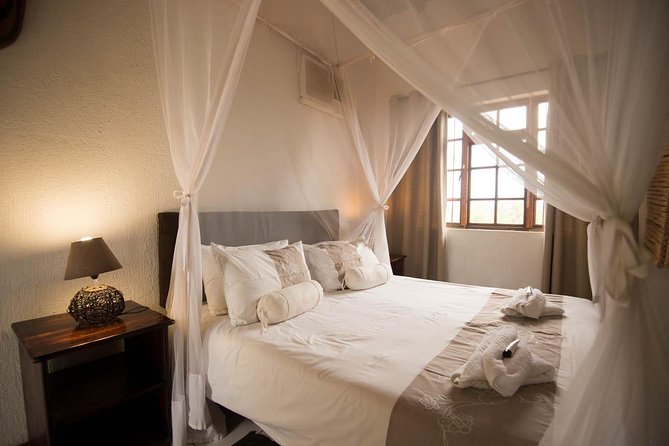
After pickup from Johannesburg hotels or O.R. Tambo Airport, you head toward the Kruger region via the Highveld. You’ll reach Tremisana Game Lodge and then begin with a 4-hour sunset drive in an open Land Cruiser.
This first drive is designed for those early wins. You’ll watch the African sunset shift the colors fast, and then after dark you use a spotlight to search for nocturnal animals. It’s one of those moments where everything feels new because you’re seeing the bush change in real time.
Dinner is at the Marula Tree Boma with a bush BBQ. It’s a classic safari dinner format, and it’s a good pacing choice: you’re tired, you’re out in the dark, and food plus a fire-based atmosphere helps you reset before you sleep.
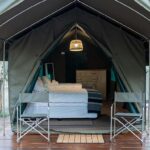
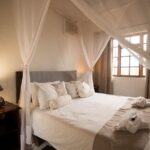
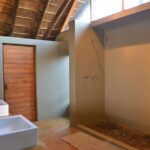
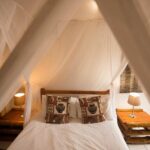
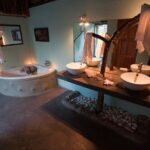
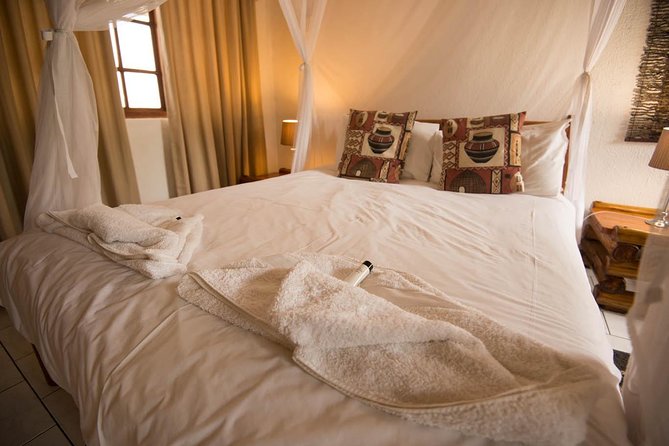
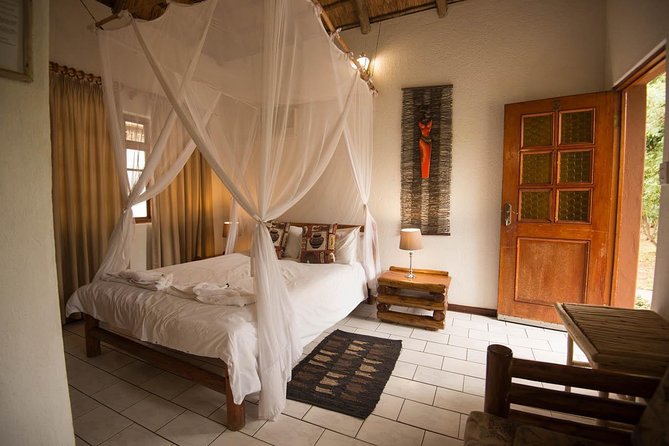
You overnight in en-suite, air-conditioned chalets, which is a big practical bonus. Safari days can be long, and having that comfort waiting for you makes the week easier.
Day 2: Sunrise bush walk, sundowner drive, and another full night of wildlife searching
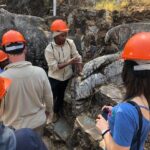
Day 2 starts early for a reason. At sunrise, you head to the Olifants River for a 4-hour bush walk. The idea isn’t just “a walk in the bush.” Your rangers show you how to read the landscape and spot what most people miss.
Even if you’re a calm person, a bush walk gets your attention. You’re close to real wildlife habitat, and your guides are armed, just as they should be. That mix of excitement and safety awareness is part of why bush walks feel more meaningful than sitting in a vehicle the entire day.
You return to Tremisana for brunch, then you have downtime—sleep if you want, swim, or just relax on-site. Around 15:30, you head out for a sundowner game drive, which is the time window many animals use to move with lower light and cooling temperatures.
Then it’s dinner and another overnight at Tremisana.
Day 3: Full Kruger day with open-sided viewing in the Orpen–Satara–Nwanedzi area
This is where you shift into Kruger National Park proper. You’ll travel in a custom-built open-sided gameviewer, so you’re not dealing with glass windows. That sounds like a small upgrade, but it changes how you feel about sightings—hearing and smelling the bush is part of the experience, not a gimmick.
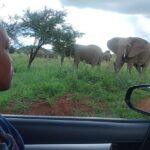
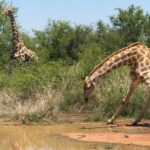
The route focuses on the Orpen–Satara–Nwanedzi region. The standout advantage of that zone, based on how animals use open plains, is that it can attract large herds of zebra, giraffe, and antelope. Those herbivores bring predators, and the region is described as having a high concentration of lions.
What to expect in real life: you’re still at the mercy of animal behavior. But two full days in the Kruger context (and additional Balule drives) give you more chances to catch different patterns—morning movement, midday resting, and late-day activity.
This is also where you’ll benefit most from bringing patience. If you came for constant action every hour, you might feel restless. If you like watching the ecosystem unfold, the long blocks of viewing help you settle in.
Day 4: Moholoholo Wildlife Rehabilitation Centre plus Balule game drive time
After breakfast, you visit Moholoholo Wildlife Rehabilitation Centre. This stop shifts the focus from safari spectacle to wildlife care, and it’s one of the most valuable parts of the whole itinerary.
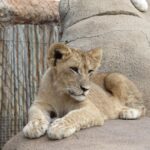
You learn about the work rehabilitating injured and orphaned animals, and you’ll get close to residents including lions and leopards. Even if your safari goal is Big Five viewing, this day gives you the bigger picture: animals aren’t just seen, they’re treated, monitored, and sometimes released back into the wild.
Then you return to Tremisana for lunch and head back to Balule Nature Reserve for a 3-hour game drive. That combination works well because it keeps the week balanced. You get your emotional wildlife connection, then you go back out for the classic spotting time.
Day 5: Sunrise drive with an Olifants River break, then Marula Boma bush braai again
Day 5 starts with coffee and rusks, then it’s out at sunrise again for a 4-hour morning drive. Like the bush walk day, the timing matters. Morning often offers the best combination of animal movement and visibility.
There’s also a drinks break along the Olifants River, which is a nice pacing reset. You’re not constantly in motion, and it helps you recharge before another chunk of viewing.
After brunch and some afternoon downtime (siesta time is encouraged here), the day finishes with another sunset drive followed by a bush BBQ at the Marula Boma.
If you’re wondering about repetition: it’s not “do the same thing twice.” The light changes, the animals move differently, and the habitat has its own rhythms. The structure also keeps stress lower—your day has shape, and you’re not trying to constantly figure out what’s next.
Day 6: Another full day of game viewing in Kruger
Another full day in Kruger National Park gives you the best chance to experience different sightings. Wildlife viewing isn’t linear. One day might reward you with herbivore herds and stalking patterns; another day might bring more predator activity. Having two Kruger days plus Balule drives gives you multiple setups for different outcomes.
This is also a day where you’ll appreciate the group size maxing at 9 travelers. Smaller groups tend to mean less chaos around sightings and better attention from the guide.
Think of this as your best shot day. Don’t plan to sprint through every moment. Sit with the view. Watch for movement along the edges of the road and in the distance. Predators often reveal themselves by what they’re responding to, not by walking out in front of you.
Day 7: Sunrise drive in Balule, then the Panorama Route and back to Johannesburg
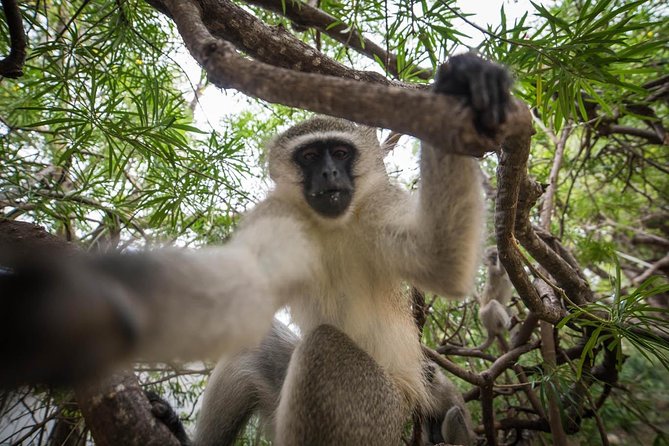
Your final morning is a sunrise drive in Balule Nature Reserve for about an hour. It’s short, but it’s a smart closing move—no abrupt ending, just one last light-filled safari moment.
Then you head out after breakfast for the Panorama Route. You’ll see classic viewpoints including the Three Rondawels and Blyde River Canyon, with about 45 minutes allocated for the scenic stop time listed. After that, you return to Johannesburg late afternoon, with airport drop-off by arrangement.
Even if you’re focused on Kruger, the Panorama Route is a strong way to “cap” the week with a landscape feel that isn’t about wildlife behavior. Just be ready for more driving at the end when you might be safari-tired.
Food, comfort, and what’s included (the value story)
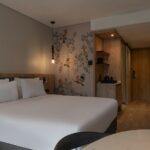
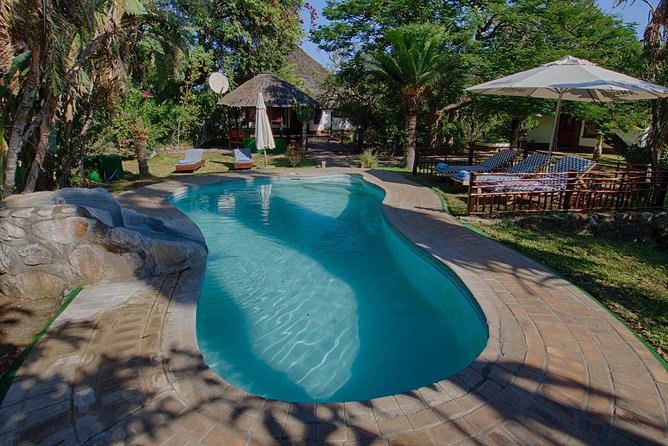
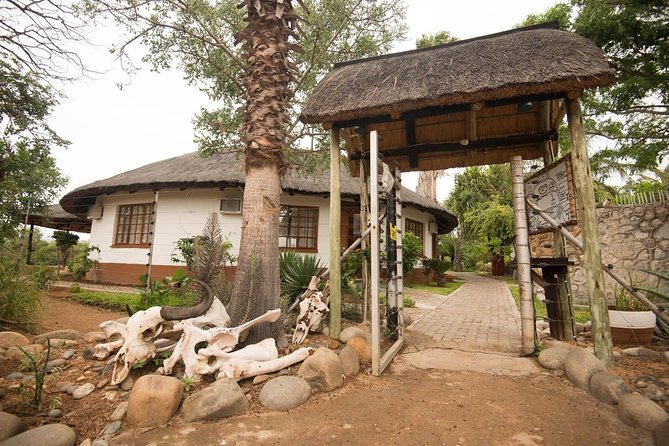
Accommodation is 6 nights of chalet stays at Tremisana, and you’ll sleep in en-suite, air-conditioned rooms. In a safari itinerary, that’s a big deal. Heat and long days add up. Having real cooling at night makes it easier to wake up for sunrise.
Food is included but not every meal every day. You get breakfasts (7) and dinners (7), plus lunch on non-transfer days and days not in Kruger (3). That means on transfer days and during Kruger days, lunch is not included, and you’ll stop where you can purchase it.
When you compare this to a DIY approach—where you’d still pay for park fees, guides, vehicles, and accommodation—the all-activity approach is where the price starts making sense. The trip also includes national park fees, taxes, and transport by an air-conditioned minivan, which reduces the hidden costs that catch people off guard.
At $1,419.58 per person for about 7 days, the most important question is: do you want your time to be spent choosing logistics, or watching animals? If you prefer the second, this package is built for that.
Wildlife expectations: Big Five chances, plus the reality check
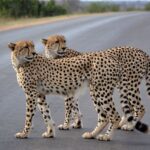
The itinerary is designed around the “Big Five” theme and includes multiple game drives and bush walking. You’ll also have spotlighting at night on at least the first drive block, which can help with nocturnal sightings.
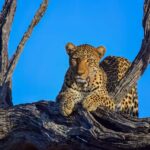
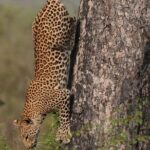
That said, no one can guarantee a specific animal. Even with great timing and good habitats, wildlife is unpredictable. If leopard sightings are your top priority, you may not get one even on a strong itinerary. The good news is you still get a lot of structured viewing time across different areas, so you’re not depending on one single moment.
The best mindset is to treat each drive like a different wildlife “chapter.” Some animals show up when the light is right. Others appear because the ecosystem shifts. With a full week pace, your odds improve naturally.
Who this safari suits best
This works especially well for:
- People who want multiple safari days without rushing
- Anyone who values guided bush knowledge, not just driving around
- Couples and small groups who like a calmer pace (max 9 travelers helps)
- Travelers who want a meaningful conservation connection through Moholoholo
It may be less ideal if:
- You hate early mornings. Sunrise bush walk and sunrise drives are core parts of this plan.
- You want lunch included every single day. Here, you’ll sometimes buy your own lunch.
Should you book the 7 Day Classic Kruger Safari?
If you want a classic, well-paced Kruger experience with included activities, comfortable chalets, and a conservation stop that adds depth, this is an easy yes. The value comes from the fact that you’re paying for the structure: vehicles, guides, park access, and the major wildlife-focused experiences already handled.
I’d book it if you’re the type who enjoys watching animals hunt, graze, and move through the landscape over time. If you’re chasing one perfect checklist item only, I’d still go—just keep expectations flexible. Safari works best when you let the bush surprise you.
FAQ
Where does the tour pick you up and drop you off?
Pickup is offered from your hotel in Johannesburg or from O.R. Tambo Airport. On the final day, airport drop-off is available by arrangement.
What’s included in the price?
The tour includes 6 nights accommodation, all activities, all taxes and park-related fees, hotel/airport pickup and drop-off, and transport by air-conditioned minivan. Meals included are breakfasts (7) and dinners (7), plus lunch on non-transfer days and days not in Kruger (3).
Is lunch included every day?
No. Lunch is not included on transfer days and on days spent in Kruger. Lunch will be available for purchase at stops.
Do you pay extra for safari activities once you’re on the trip?
No. The itinerary includes the activities, including bush walks and game drives, so you should not need to pay for those experiences along the way.
Is there vegetarian food available?
Yes. A vegetarian option is available if you advise at the time of booking.
How big is the group?
The tour has a maximum of 9 travelers. Most travelers can participate, and children must be accompanied by an adult.