REVIEW · JOHANNESBURG
Johannesburg: 3-Day Kruger Budget Glamping Safari
Book on GetYourGuide →Operated by MoAfrika Tours (Pty)Ltd · Bookable on GetYourGuide
Kruger from Johannesburg feels like a switch you flip. In three days you get open-vehicle safari time, a private Big Five sunset drive, and nights at Sekekama Tented Camp with stars overhead. It’s a smart way to see a lot without the luxury price tag.
What I like most is how the days are built around animal activity and good viewing—especially the focus on the Orpen-Satara area for lion chances. I also love the camp rhythm: you drive, you watch, then you eat, relax, and share stories around the fire. One thing to plan for: the schedule can be tight, so if you want the optional bush walk, keep an eye on registration timing and don’t assume it’ll be easy to fit in.
In This Review
- Key things that make this safari work
- From Johannesburg to Limpopo: the travel day that sets the tone
- Day 1: Sunset game drive plus boma dinner at Sekekama
- Day 2: The full Kruger day (7 to 8 hours) and why timing matters
- Day 3: Optional bush walk, then back to OR Tambo
- The glamping camp reality: what Sekekama gets right
- The safari style: what open vehicles do for your chances
- Big Five goals versus real wildlife days
- Price and value: what $511 per person really buys
- Logistics to watch: transport timing and walk registration
- Who should book this Kruger budget glamping safari
- Should you book Johannesburg to Kruger 3-Day Budget Glamping?
- FAQ
- FAQ
- What time do you arrive at Sekekama Tented Camp on Day 1?
- Is the Kruger safari in an open vehicle?
- Do you go to a private Big Five reserve on the first day?
- How long is the main safari day in Kruger?
- Where does the itinerary focus for better lion chances?
- Are meals included?
- Is wine included?
- Is Wi-Fi available?
- Can I do a bush walk on Day 3?
- What time will I be back in Johannesburg?
- Is cancellation flexible?
Key things that make this safari work
- Big Five sunset drive in a private reserve: A relaxed start with sundowners and a real chance at signature animals.
- 7 to 8 hours in an open vehicle in Kruger: Enough time to actually go looking, not just cruise the gates.
- Orpen-Satara focus for lion viewing: The itinerary steers you toward an area known for stronger lion odds.
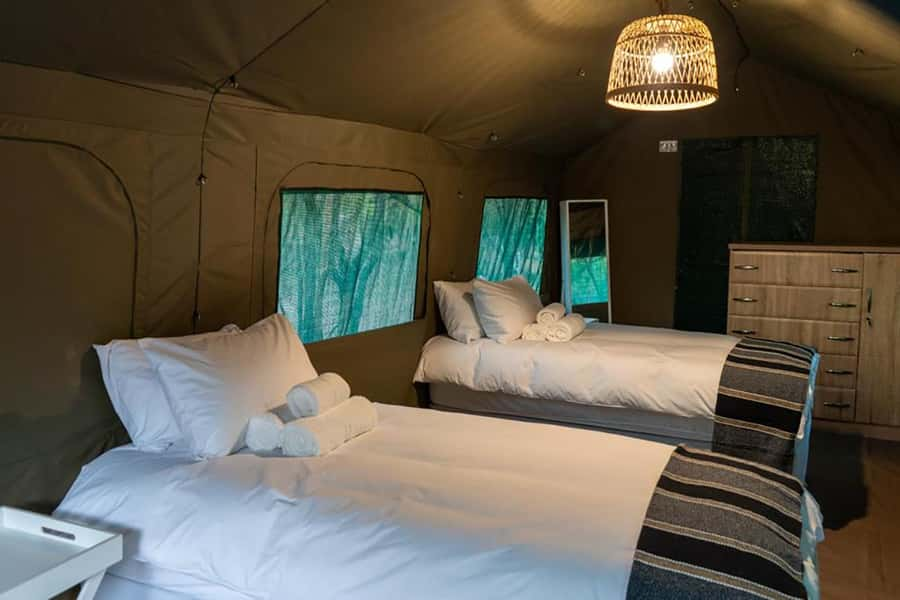
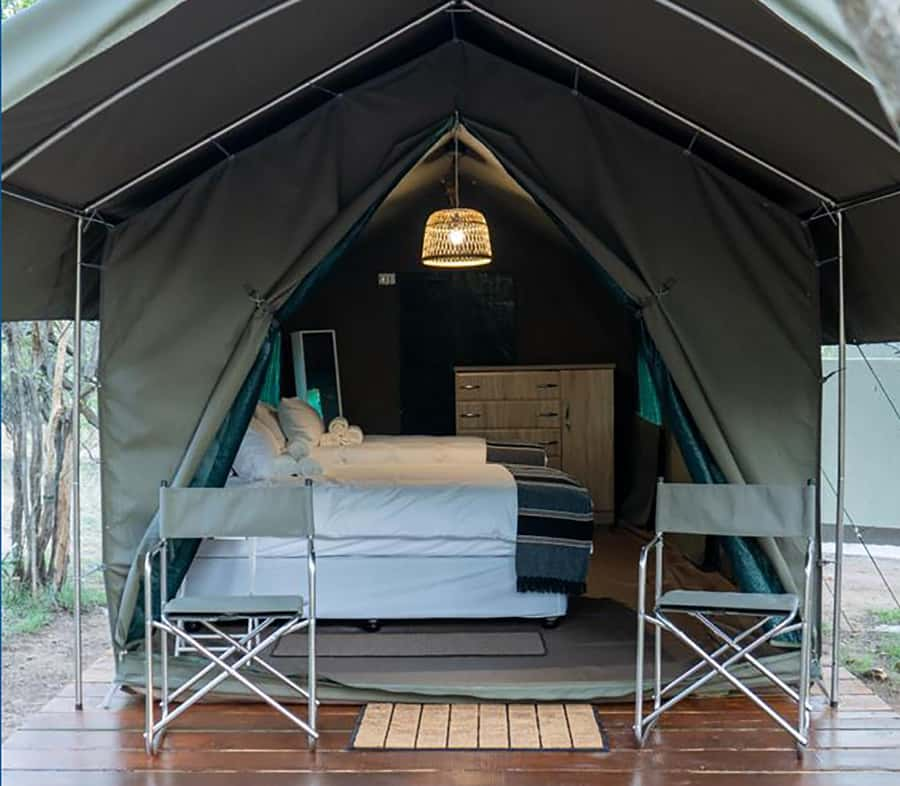
- Glamping at Sekekama Tented Camp: Comfortable, purpose-built tents plus dinners by the boma fire.
- Stargazing under an African sky: Night skies are part of the deal, not an afterthought.
- English-speaking support and attention from your guide (Jan): One reviewer specifically praised Jan’s care.
From Johannesburg to Limpopo: the travel day that sets the tone
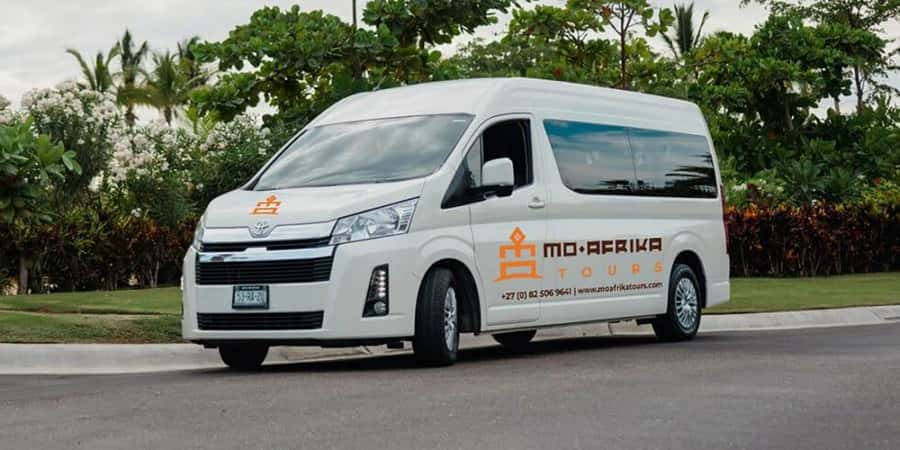
This trip starts with an early departure from OR Tambo International Airport, then you travel through South Africa’s Highveld and Lowveld regions of Mpumalanga before reaching the Sekekama Tented Camp area around 14:00. That midday arrival matters. It means you’re not just arriving tired at night—you get time to refresh before the safari fun starts.
On the road, expect the kind of long-haul logistics that come with budget group travel. One helpful lesson from real experience: transport coordination can be smoother than you expect, but it’s worth staying alert for transfers during the first leg. If you’re the type who gets stressed by unclear communication, bring patience and pack a simple day bag you can keep with you.
You can also read our reviews of more tours and experiences in Johannesburg.
Day 1: Sunset game drive plus boma dinner at Sekekama
Your first afternoon is built for an easy-to-get-into safari mood. After arriving around mid-afternoon, you refresh and then head out for a sunset game drive in the Greater Kruger Blue Canyon Reserve. This is a great time to be in the bush because animals often become more active as the light softens, and photographers tend to love the colors.
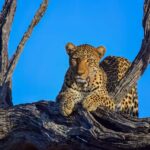
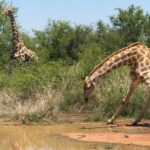
This part of the trip is also the Big Five warm-up. You’re actively watching for lions, leopards, elephants, rhinos, and buffaloes, but you’ll also be looking for the everyday stars too—giraffes, zebras, and hippos. Even if you don’t check off every species, you’re building the right instincts fast: scan distances, watch for tracks and movement near water, and don’t ignore the smaller action while you’re chasing the headline animals.
When you come back, the camp experience kicks in. You gather around the boma fire for dinner and story time. That structure is one of the underrated benefits of this format. It keeps the trip social without forcing you into constant group activity. Plus, you get a complimentary glass of wine with dinner, which is a nice little buffer between wild sightings and settling down.
Then you get the best kind of quiet: tent at Sekekama Tented Camp, and sky that makes you look up even if you usually don’t.
Day 2: The full Kruger day (7 to 8 hours) and why timing matters
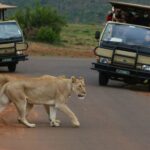
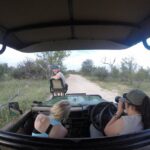
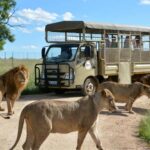
Day 2 is the core of the safari: an open-vehicle Kruger National Park drive lasting about 7 to 8 hours. The itinerary is designed so your departure and return can shift depending on animal activity. That’s not just fancy wording. In Kruger, the animals don’t follow a clock, and the best sightings often come from choosing the right time to be in the right places.
You’ll also have two possible morning rhythms. If conditions point toward early action, you may do an early departure with a bush breakfast along the route and return earlier. If the timing favors a later start, you’ll have breakfast first at the lodge, then head out and come back later. Either way, the goal stays the same: maximize game viewing.
Here’s the smart part: your drive aims for the Orpen-Satara area, where lion chances are better than anywhere else in the park. You should still keep expectations realistic—wild cats don’t perform on cue—but this geographic focus gives you a fighting chance. If your priority is to see lions, this is the day to mentally commit. Wear comfortable clothing for long sitting, bring sun protection, and keep your camera ready but your breathing calm.
Back at the camp you’ll have time to unwind before a starlit dinner around the fire. This is where Kruger stops being a one-day activity and starts feeling like a full experience. You’re not scrambling between transfers and ticket lines all evening. You’re watching the night happen.
Day 3: Optional bush walk, then back to OR Tambo
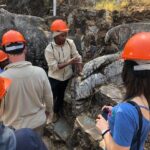
Your last morning starts early again. There’s an optional 1-hour bush walk before breakfast, which is a different lens than the vehicle drives. On foot, you notice things the car can hide: smaller movements, the texture of the ground, and sounds you’d normally miss when you’re focused on scanning from a seat.
One practical caution comes from a real snag: bush walk registration timing can be strict. If you want that option, don’t treat it like a casual add-on. Stay on top of registration well before the cutoff, especially if you’re still in Kruger during the afternoon. The bush walk can disappear fast if timing and communication don’t line up.
After breakfast, it’s good-bye time and return travel to Johannesburg. You should be back at OR Tambo International Airport not later than around 17:00 to 18:00.
The glamping camp reality: what Sekekama gets right
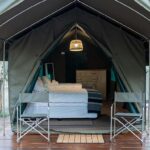
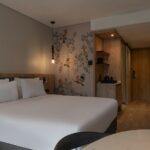
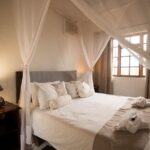
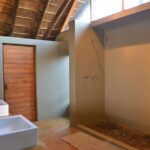
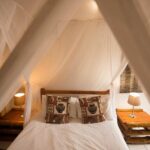
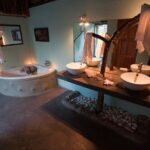
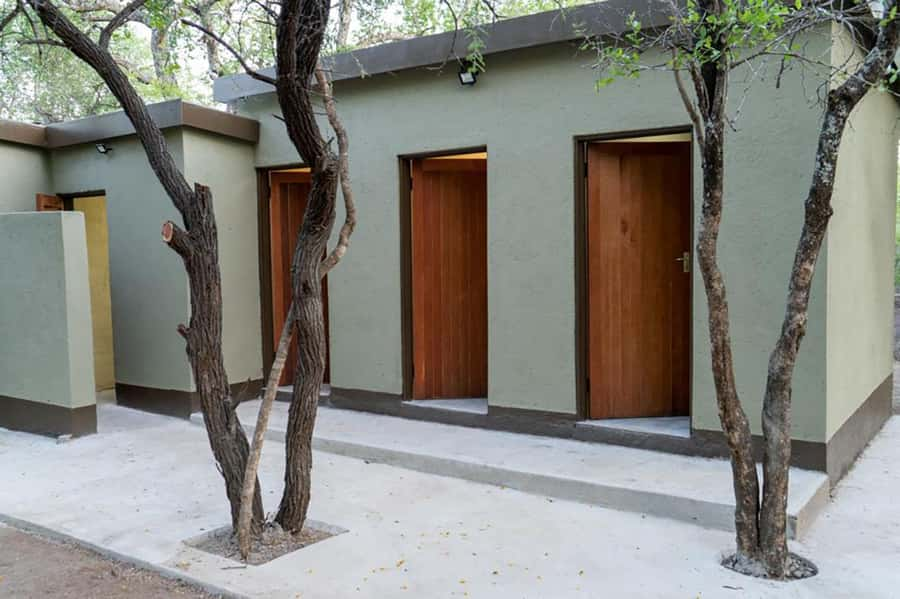
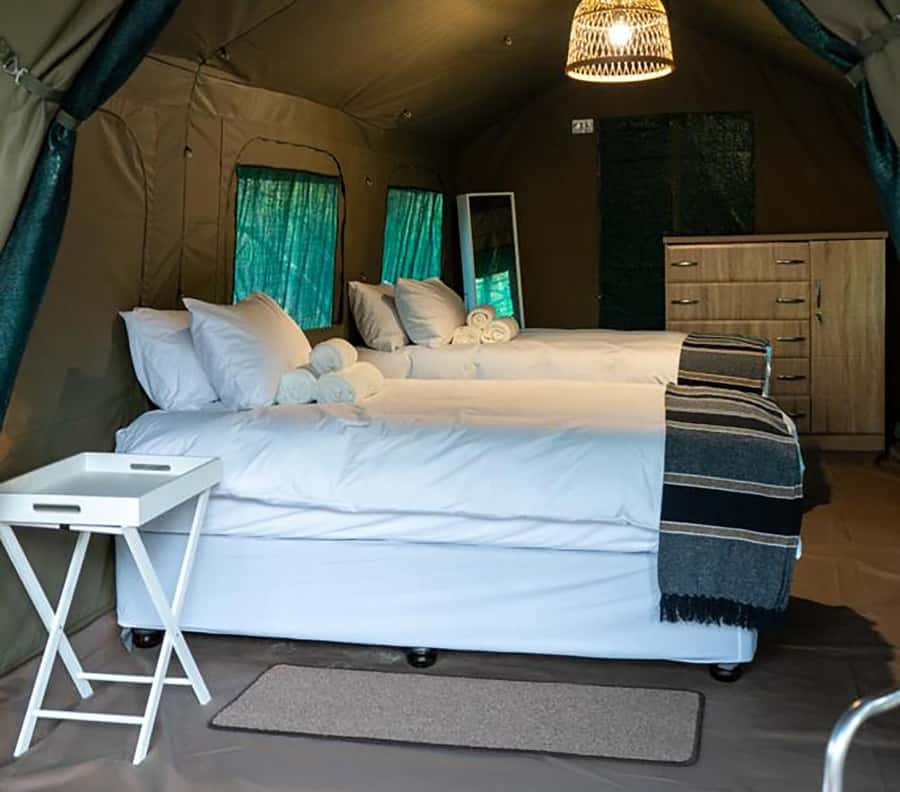
This trip uses glamping accommodation for two nights at Sekekama Tented Camp, which means you get a tent experience without going fully rugged. You’re sleeping in the bush zone, not in a city hotel, but you’re not dealing with the kind of camping setup where you’re managing everything yourself.
The best value here is the way the camp supports the safari rhythm. Meals are built in: two breakfasts and two dinners are included, and dinners happen in camp settings like the boma fire area. That keeps logistics simple and helps you avoid hunting for food after a long game drive. You also get free Wi-Fi around the lodge, which is perfect for a quick message home or uploading a few photos—without turning the night into a device marathon.
If you’re the type who likes comfort but still wants the real Africa feel, this camp style hits a sweet spot. And yes, it’s also easy to get caught staring at the sky once the lights dim.
The safari style: what open vehicles do for your chances
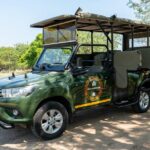
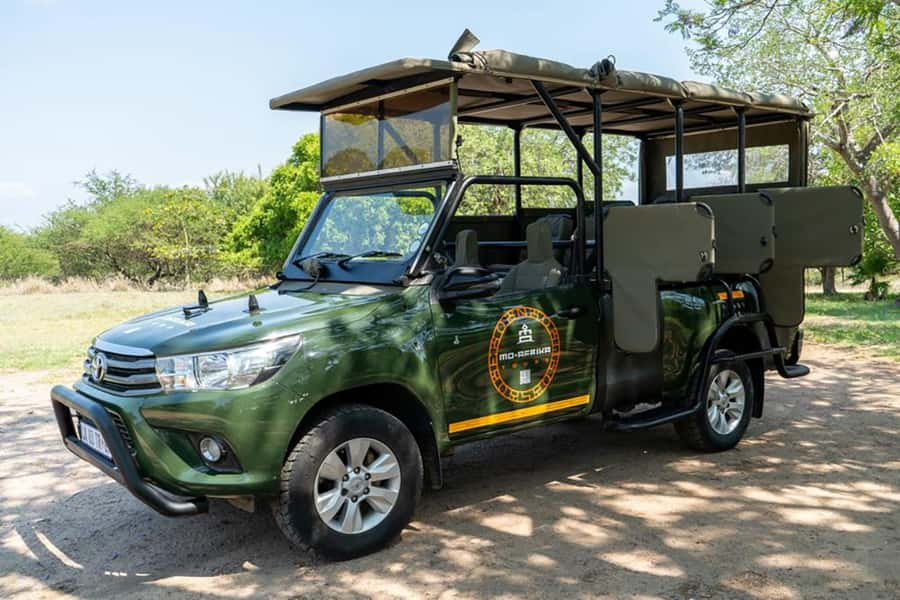
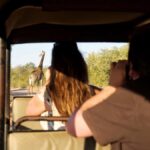
An open vehicle safari is one of the main reasons people choose Kruger trips in the first place. It changes what you can do with your eyes and your camera. You get better sightlines, more accurate scanning, and the feeling that you’re truly in the landscape, not behind glass.
In this itinerary, that open-vehicle format is included for the full day in Kruger (about 7 to 8 hours), plus the afternoon drive in a private Big Five reserve. That means you’re not spending the majority of your time transferring or doing short, underwhelming drives. Instead, you get long, purposeful search time.
One more practical tip: long open-vehicle days mean dust and sun. Bring a hat, sunglasses, and something light for wind and insects. Even on days that seem warm, the vehicle can create cooler airflow once the sun dips.
Big Five goals versus real wildlife days
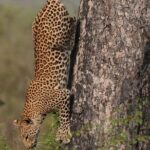
This safari promises real odds by focusing on Big Five areas and a lion-friendly region. You’ll be watching for lions, leopards, elephants, rhinos, and buffaloes, but you should also treat giraffes, zebras, and hippos as part of the success story.
That’s not just a mindset thing. It’s how you get satisfaction even when the Big Five mix is uneven. In Kruger, you can do everything right and still not get every target. But you can usually get plenty of incredible wildlife moments if you stay attentive.
If your target list is strict, prioritize the full Kruger day. That’s where the planning is strongest for lion chances, and it’s where you’ll spend the most time searching in an open vehicle.
Price and value: what $511 per person really buys
At $511 per person, this is a budget-glamping approach to Kruger that tries to pack in transportation, safari time, and camp meals without turning your trip into a luxury bill.
You’re not just paying for driving in a vehicle. Your included value includes:
- return transfers from OR Tambo
- two nights at Sekekama Tented Camp
- a private Big Five reserve sunset drive
- one full day open-vehicle safari in Kruger (7 to 8 hours)
- two breakfasts and two dinners
- a complimentary glass of wine with dinner
- free Wi-Fi around the lodge
For many travelers, the real money saver is what’s bundled. You’re avoiding separate booking headaches for transfers and guided drives. If you’re the kind of person who wants control, you might choose to book parts independently—but that often costs time, and you can easily lose the “optimized” timing that this itinerary uses.
So the value question becomes simple: do you want a guided, structured Kruger experience with included meals and camp nights? If yes, $511 feels more reasonable. If you want total independence and flexible day-by-day choices, this package may feel a bit scheduled.
Logistics to watch: transport timing and walk registration
Two real-world considerations stand out from experience with this kind of itinerary.
First, transport communication can be less clear during the first leg. If your language comfort is strong but you dislike fast speech and last-minute vehicle changes, plan for that possibility. Keep your basics accessible so you’re not fumbling when a transfer happens.
Second, the optional bush walk can be affected by scheduling. If the walk matters to you, treat registration as urgent. Don’t wait until you think it’ll work out during the day in Kruger. If you miss the window, you may not be able to do the walk.
These are not deal-breakers. They’re simply “pay attention” points.
Who should book this Kruger budget glamping safari
You’ll likely love this trip if you:
- want one full day in Kruger with ample time in an open vehicle
- like the camp rhythm of dinner by the fire and nighttime stargazing
- prefer a guided package instead of building your own Kruger logistics
- are budget-minded but still want comfort in glamping tents
It may not be the best fit if you:
- hate any tight timing or strict registration cutoffs
- want guaranteed bush walk participation without needing planning effort
- get stressed by possible transport transfers early in the trip
Should you book Johannesburg to Kruger 3-Day Budget Glamping?
If your goal is a solid Kruger experience with real safari time, this package is easy to recommend. The structure makes sense: a first sunset drive to get your eyes trained, then a full Kruger day aimed at stronger lion odds, then a final morning with an optional walk. Add meals, two nights at Sekekama, and starlit downtime, and you get a trip that feels like more than just “a safari tour.”
Book it if you’re ready to be flexible with timing and you care more about wildlife searching than ticking boxes on a strict schedule. Skip it only if the optional bush walk is essential and you know you won’t be able to manage registration timing.
FAQ
FAQ
What time do you arrive at Sekekama Tented Camp on Day 1?
You typically arrive at Sekekama Tented Camp around 14:00.
Is the Kruger safari in an open vehicle?
Yes. You get one full day (about 7 to 8 hours) in an open safari vehicle in Kruger.
Do you go to a private Big Five reserve on the first day?
Yes. You do an afternoon sunset drive in a private big 5 reserve in the Greater Kruger Blue Canyon Reserve.
How long is the main safari day in Kruger?
Your Kruger safari lasts about 7 to 8 hours.
Where does the itinerary focus for better lion chances?
The safari in Kruger ventures into the Orpen-Satara area, where lion viewing chances are better than elsewhere in the park.
Are meals included?
Yes. You get 2 breakfasts and 2 dinners included.
Is wine included?
Yes. There is a complimentary glass of wine with dinner.
Is Wi-Fi available?
Free Wi-Fi is available around the lodge.
Can I do a bush walk on Day 3?
There is an optional 1-hour bush walk before breakfast on Day 3.
What time will I be back in Johannesburg?
You should arrive back at OR Tambo International Airport not later than around 17:00 to 18:00 on Day 3.
Is cancellation flexible?
You can cancel up to 24 hours in advance for a full refund.