REVIEW · ARUSHA
Big Five Luxury Safari in Tanzania
Book on Viator →Operated by ZARA TOURS · Bookable on Viator
Few trips feel this focused and this alive.
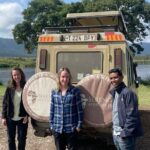
This 7-day Big Five luxury safari strings together Serengeti wildlife time, Ngorongoro Crater game drives, and hands-on local experiences with a custom-built 4×4. I like that you get full board meals (breakfast, lunch, dinner) and that park and entrance fees are included, so the days feel simple and you can stay present. I also like the small group size (max 12) and the professional English-speaking driver-guide who can spot animals and read the terrain. One consideration: flights, visa, and airport transfers aren’t included, so you’ll want to plan those separately.
You’ll base in comfortable lodges/hotels between parks, not in random overnight stops. On safari, you’re in a 4×4 with a viewing roof and bottled water in the vehicle, which makes a big difference when you’re out early and out late. I do think the schedule is active—full days in parks plus transfers—so it’s best if you’re happy with long drives for more wildlife time and less wasted waiting.
In This Review
- Key things that make this safari work
- Serengeti and Ngorongoro are the headline, but the plan is the secret
- Arusha morning start and the rhythm of a 7-day safari
- Day 1: Tarangire National Park and the “never dry” river idea
- Day 2: Lake Eyasi for birds, mammals, and a slower pace
- Day 3: Serengeti arrival, plus Maasai culture or Olduvai Gorge
- Day 4: Serengeti full day for predators and the Great Migration
- Day 5: Ngorongoro Crater and the black rhino factor
- Day 6: Lake Manyara late-afternoon game drive
- Day 7: a relaxed morning before Kilimanjaro departure
- Luxury without losing the safari feel
- Who this safari fits best
- Price and value: what $2,900 buys you
- Should you book this Big Five luxury safari?
- FAQ
- Is pickup included?
- What’s included in the price?
- Which parks are visited on this safari?
- Are meals included every day?
- Is a balloon excursion included?
- Can I request a vegetarian meal option?
Key things that make this safari work
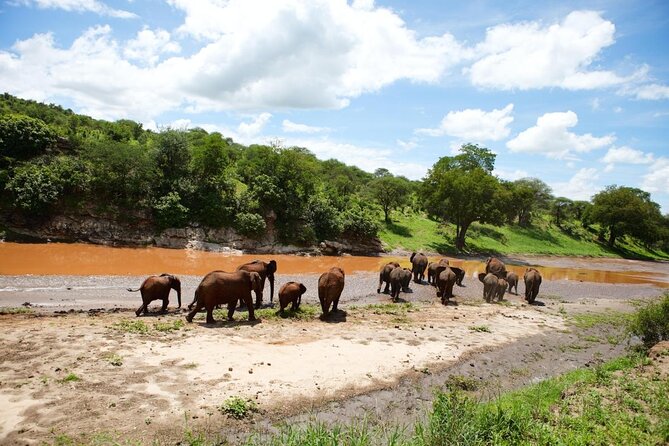
- Big Five targets with real variety: Serengeti predators, Ngorongoro black rhino, plus elephants and other plains animals
- Comfort without losing pace: lodge and hotel overnights with included meals keep you from feeling wiped out
- Park fees and game drive logistics handled: you’re not juggling tickets at the gate or debating add-ons each day
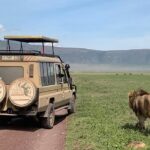
- Custom 4×4 with a view: a Safari Land Cruiser style setup helps you track animals without constantly shifting
- Guides matter here: feedback highlights drivers like Boni, Rashid, Atanas, Shabaan, Issa, Ally, and Makala for strong road skills and spotting ability
- A practical balance of wildlife and variety: Tarangire, Lake Eyasi, Serengeti, Ngorongoro, and Lake Manyara all play different roles
Serengeti and Ngorongoro are the headline, but the plan is the secret
This safari is priced at $2,900 per person and it leans into a common truth about Tanzania: the best sightings are a mix of timing, roads, and where you drive first. What makes this tour feel like good value is that it removes friction. Park and entrance fees are included, and your meals and accommodations while on safari are included. That means you can think about wildlife first, not math.
You’re also not stuck in one setting. Tarangire brings baobabs and a reliable dry-season water source. Serengeti adds predator-and-herd drama. Ngorongoro gives you a closed-basin ecosystem where lots of species concentrate. Manyara adds forests and a Rift Valley escarpment backdrop, with animals often easiest to spot late in the day. That variety is part of why the trip stays exciting instead of feeling repetitive.
Small group size helps too. With a maximum of 12 travelers, your day doesn’t turn into a traffic jam of multiple jeeps and loud schedules. And in the feedback, names like Boni and Atanas keep showing up as drivers who felt calm behind the wheel and quick when it came to finding the best angles for spotting animals.
You can also read our reviews of more tours and experiences in Arusha.
Arusha morning start and the rhythm of a 7-day safari
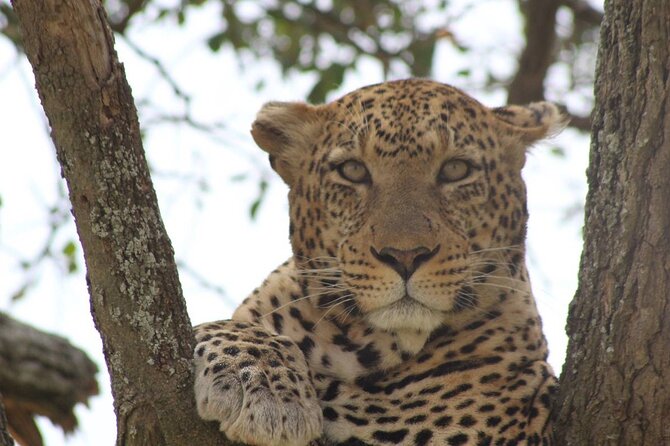
The tour starts at 8:30 am. That early start matters in East Africa, because animals often move more in the morning and park roads can get busy as later groups arrive.
Your days follow a simple rhythm:
- Start with a park-focused block of time (often early to catch animals when they’re active).
- Return for included lunch when the schedule calls for it, then head back out for an afternoon drive when conditions are best.
- Overnight in comfortable lodge/hotel options in the itinerary so you’re not spending evenings constantly traveling.
The tour is also structured so you’re not constantly changing “everything.” You move between a handful of major regions, with overnights that keep you close to the next driving plan. That helps when you’re tired from sun, wind, dust, and long days in a vehicle.
Day 1: Tarangire National Park and the “never dry” river idea
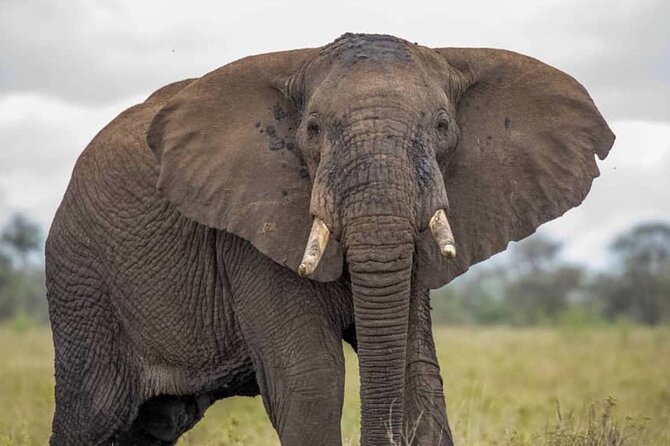
Tarangire is one of my favorite warm-up parks because it feels different from the classic Serengeti plains. It’s traversed by the Tarangire River, which never completely dries up in the dry season. That means animals keep showing up for water, and it’s a strong setting for both wildlife and bird viewing.
You’ll spend a full day in the park with game viewing. Expect varied scenery: grassy savanna plains, swamps, hills, and the iconic baobab trees. The baobabs aren’t just pretty—they give you natural landmarks that make it easier for a driver-guide to position your jeep for sightings.
Practical tip: Tarangire can be bright and dry in the sun. Even if the plan is a “full day,” you’ll feel better if you pack sunscreen, a hat, and light layers. The vehicle includes bottled water, but you’ll still want your personal comfort items.
You’ll overnight at Highview Hotel (or similar), with lunch, dinner, and breakfast included.
Day 2: Lake Eyasi for birds, mammals, and a slower pace
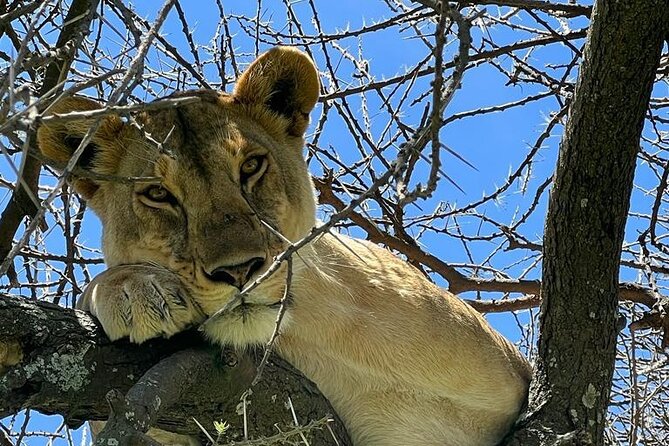
Lake Eyasi is where the safari shifts from big-park action to something more intimate. You’ll see strong birdlife along the shore, and the lake meadows and forest areas can hold wildlife.
The itinerary calls out possible animals and birds like leopard, hippos, monkeys, greater and lesser flamingoes, storks, and pelicans. You can also choose from pleasant, private campsite-style options in forest clearings. The important detail here is that these campsites offer grassy tent spaces and shower facilities made mostly from local materials. That’s not a dealbreaker—just different. It’s a good day if you want a break from constant game driving.
You’ll return to Highview Hotel (or similar) for a full board overnight, with all meals included.
Why this stop is valuable: a “Big Five” safari can get intense. Lake Eyasi gives you a day to reset while still staying in wildlife mode. It’s also the kind of day where an attentive guide makes a difference, because the best birds and mammals often show up in quieter pockets.
Day 3: Serengeti arrival, plus Maasai culture or Olduvai Gorge
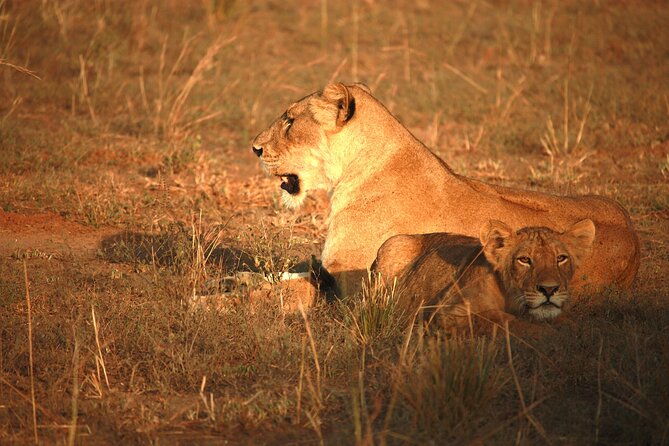
On day 3 you head toward Serengeti National Park, after breakfast. The name Serengeti comes from the Maasai language, meaning endless plain, and the drive in is part of the spectacle.
Before you fully settle into Serengeti game drives, you have a choice in your stop options en route:
- Visit a Maasai Village to explore Maasai culture and potentially participate in some tribal activities.
- Or visit Olduvai Gorge, known as the Cradle of Humanity, with a museum that traces a long human journey in East Africa.
Either way, you get game viewing en route to your camp. That matters, because you’re not just “transporting.” You’re using driving time to hunt for animals.
Overnight is at Serengeti Safari Lodge (or similar), again with lunch, dinner, and breakfast included.
A practical note: culture visits and museum stops can add structure to the day, but they can also affect how long you’re on safari that afternoon. If your top priority is animal sightings, ask your guide how the timing is likely to work on the day you travel.
Day 4: Serengeti full day for predators and the Great Migration
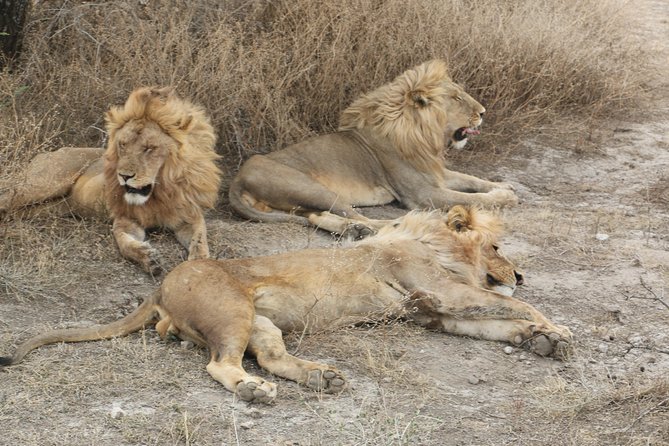
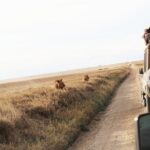
Day 4 is all about Serengeti. It’s described as one of the best places to see the Great Wildebeest Migration, and the reality on the ground is that Serengeti shines when herds and predators share the same space.
The plan is built for a full day of game drives, and it accounts for how the park looks in different zones:
- Open grass plains in the south,
- Savanna with scattered acacia trees in the center,
- Hilly wooded grassland in the north,
- Extensive woodland and black clay plains to the west.
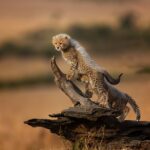
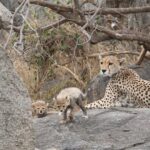
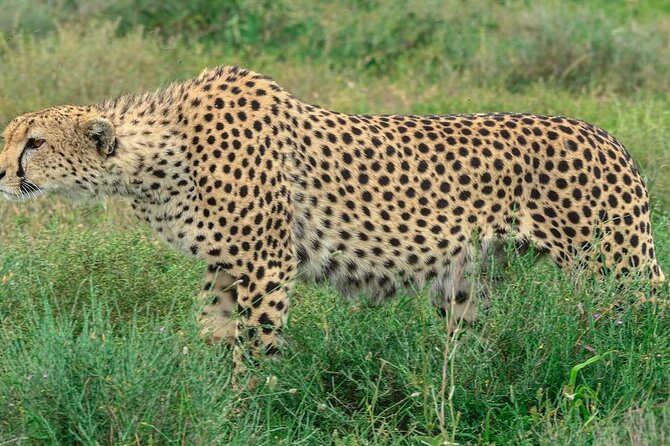
You’ll also be chasing a predator-and-prey pattern. Wildebeest, zebra, and antelope form the base, while predators like lion and cheetah can be found around kopjes—rocky outcrops that act like natural viewing platforms.
If you want the best odds of good sightings: you’ll want patience and a sharp eye when the jeep slows or turns suddenly. Serengeti can switch from quiet to dramatic fast, and the guide’s ability to read the ground makes a difference. In feedback, guides such as Rashid and Issa are praised for professionalism and for getting people safely and quickly to where the action is.
Overnight again at Serengeti Safari Lodge (or similar), with meals included.
Day 5: Ngorongoro Crater and the black rhino factor
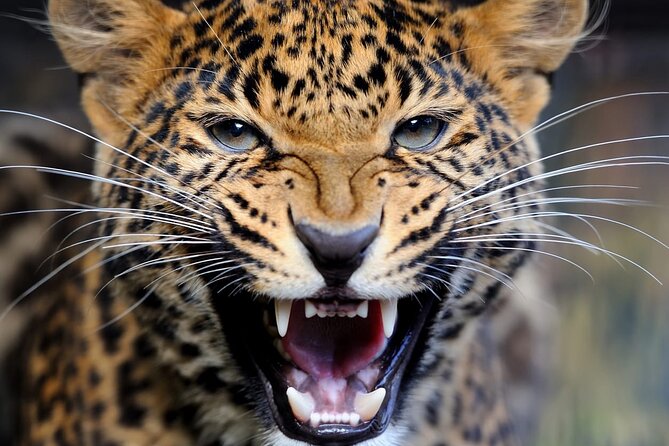
Ngorongoro Crater is the other headline. The itinerary notes the crater is about 600 meters deep, roughly 16 kilometers across, and about 265 square kilometers in area. What that means in practice: it’s a bowl where animals can concentrate, and when the sightings are good, they can be close and frequent.
A morning game drive takes you down into the crater. This is where the tour’s “Big Five” focus gets real. The plan specifically calls out many of Tanzania’s remaining black rhinos grazing on the open grassland of the crater floor. It also highlights that you might see about 20,000 large animals, including lion, cheetah, eland, zebra, and gazelle. Flamingos can also appear at Makat Soda Lake.
In other words, this day isn’t just scenery. It’s an animal density day, and you’re likely to feel like your eyes never rest.
Afternoon drive brings you to Highview Hotel (or similar) for dinner and rest.
Practical tip: crater drives can be cooler than the surrounding plains depending on time of day. Bring a light layer even if you pack for heat.
Day 6: Lake Manyara late-afternoon game drive
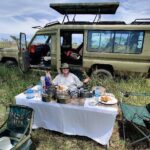
Lake Manyara is short on “transfer time” and long on atmosphere. The drive from the Highview Hotel to Lake Manyara National Park takes about 30 minutes. After a picnic lunch in Manyara, you start a late afternoon game drive. That timing is key because the late day often brings calmer light and more active animals.
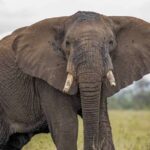
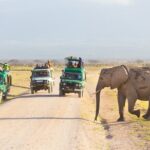
From the east, the Rift Valley escarpment looms on the horizon, which gives you an epic backdrop for viewing. In the tall trees of ground water forest, monkeys may leap branch to branch. On the escarpment, elephants can stand in the shade.
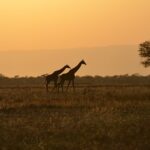
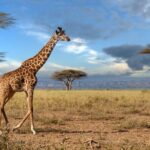
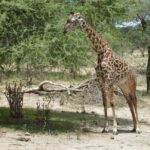
Other animals mentioned include zebras, impalas, giraffes, buffalos, hippos, and more. The mix of habitats is why Manyara can surprise you even if you’ve already had a strong week in Serengeti.
You’ll drive back to Moshi (Springlands Hotel or similar). Dinner and breakfast are included, and you’re set up for a calmer final day.
Day 7: a relaxed morning before Kilimanjaro departure
Day 7 is intentionally light: enjoy a morning of leisure before your transfer to Kilimanjaro airport for your flight home.
This is smart planning. A safari week ends in fatigue—sun exposure, dust, and constant scanning for wildlife. Having a built-in lighter morning helps you avoid the scramble that can happen when people try to cram one last excursion.
Luxury without losing the safari feel
Calling this a luxury safari makes sense here because the tour reduces the usual hassles:
- Included park fees and entrance fees,
- Included accommodations while on safari,
- Included meals every day on safari,
- A custom-built 4×4 with viewing roof and bottled water.
It’s not “luxury” in the sense of private helicopter transfers or a separate jeep for each person. It’s luxury in the sense of fewer hassles and better creature comforts after long days out.
And comfort is not just about softness. It affects your wildlife experience. If you’re not exhausted at night, you spot more the next morning.
Who this safari fits best
This tour is a strong match if you want:
- A Big Five style itinerary focused on major Tanzania parks,
- A guided experience with professional English-speaking support,
- Enough structure that you’re not tracking permits, fees, or day-to-day logistics,
- A balance of intense game drives and variety (including Lake Eyasi and a culture or Olduvai option).
If you hate long days and lots of vehicle time, you might find it tiring. But if you’re the kind of person who enjoys being in the field and letting wildlife set the pace, this fits well.
It also makes sense for couples and families who want a clear plan. The guide names that show up in feedback often describe safety and confidence behind the wheel—useful when you’re traveling with kids or someone who doesn’t love uncertainty.
Price and value: what $2,900 buys you
At $2,900 per person, the value comes from inclusions that add up fast on safari:
- Full board (breakfast, lunch, dinner) while on safari,
- Park and entrance fees,
- Accommodation in the itinerary regions,
- Transport in a 4×4 with viewing roofs,
- Professional English-speaking driver-guide,
- Bottled water in the vehicles,
- Ngorongoro Crater car supplement fee,
- 24-hour support from their office in Moshi.
What you’ll still need to budget for:
- International or internal flights,
- Tanzania visa,
- Travel and health insurance,
- Airport transfers (not included in the basic set of inclusions),
- Gratuities for guides, hotel staff, and porters,
- Balloon excursion (listed as an add-on),
- Any meals/drinks not described in the itinerary and personal items.
If you’re comparing operators, I’d focus on whether park fees and entry are genuinely included (not added later) and whether your safari vehicle and guide quality are built into the price. Here, the inclusions are clearly spelled out, and that’s the kind of pricing transparency that makes budgeting less stressful.
Should you book this Big Five luxury safari?
Book it if you want one trip that hits the big Tanzania icons with minimal planning stress. The combination of Serengeti time (including Great Migration context), Ngorongoro crater density, and the different habitat days at Tarangire and Lake Manyara gives you a week that feels varied while still staying safari-focused.
Think twice if you’re trying to travel ultra-budget or if you don’t want long driving days. Also plan your flights and visa ahead, since those are not included and airport transfers aren’t fully covered in the basic list.
If you do book, I’d do two things right away:
- Decide whether Maasai Village or Olduvai Gorge fits your interests more before you reach the day 3 choice.
- Pack for heat and dust, then also keep one light layer for cooler moments in Ngorongoro and early mornings.
FAQ
Is pickup included?
Pickup is offered, but transfers to and from the airport are not included. Plan your arrival and departure logistics around that.
What’s included in the price?
You get full board (breakfast, lunch, dinner), accommodation while on safari, all game drives in a custom-built 4×4 with viewing roofs, bottled water in safari vehicles, park and entrance fees, the Ngorongoro Crater car supplement fee, government taxes and levies, and 24-hour support from the office in Moshi.
Which parks are visited on this safari?
The itinerary includes Tarangire National Park, Lake Eyasi, Serengeti National Park, Ngorongoro Crater, and Lake Manyara National Park.
Are meals included every day?
Yes. Breakfast is included for 7 days, and lunch and dinner are included for the days listed in the itinerary while on safari.
Is a balloon excursion included?
No. A balloon excursion is listed as an optional add-on at US$600 per person.
Can I request a vegetarian meal option?
Yes. A vegetarian option is available if you advise at the time of booking.