REVIEW · OKAUKUEJO
Etosha National Park: Full or Half-Day Game Drive
Book on GetYourGuide →Operated by TOM SAFARI NAMIBIA · Bookable on GetYourGuide
You can feel Etosha before you even see it. A guided safari in an open 4×4 from Anderson Gate pairs close-up wildlife viewing with a local guide born in Etosha. One thing to plan for: mornings can be brutally cold in an open vehicle, so you’ll want proper layers.
I also like how the route isn’t stuck to a script. The guide shifts based on weather and the latest sightings, which boosts your odds of landing on the animals you came for. The start time matters too: going in at park opening helps you beat the crowd and get better photo moments.
There’s a bit of cash and cold-weather homework. The Etosha entrance fee is not included (paid on site in cash), and you’ll want warm clothing even if you think you’re dressed for Namibia.
In This Review
- Key things I’d bet on
- Etosha’s best start: why Anderson Gate opening time feels like an edge
- The open 4×4 game drive: close views, real sounds, and real cold air
- The guide factor: how a born-and-raised Etosha guide actually improves your odds
- Morning route logic: how flexible stops work in real Etosha time
- The midday break inside Etosha: why the timing feels smart
- Afternoon game drive: calmer roads, stronger behavior, better patience
- Price and value: what $123 buys (and what it doesn’t)
- What to pack for Etosha in an open vehicle
- Who this safari suits best
- Should you book this Etosha game drive?
- FAQ
- Where is the meeting point?
- Is the Etosha entrance fee included?
- Does the tour include lunch and drinking water?
- What about pick-up for half-day tours?
- What time does the safari start?
- What should I bring for cold mornings?
- Are binoculars and drones included or allowed?
Key things I’d bet on
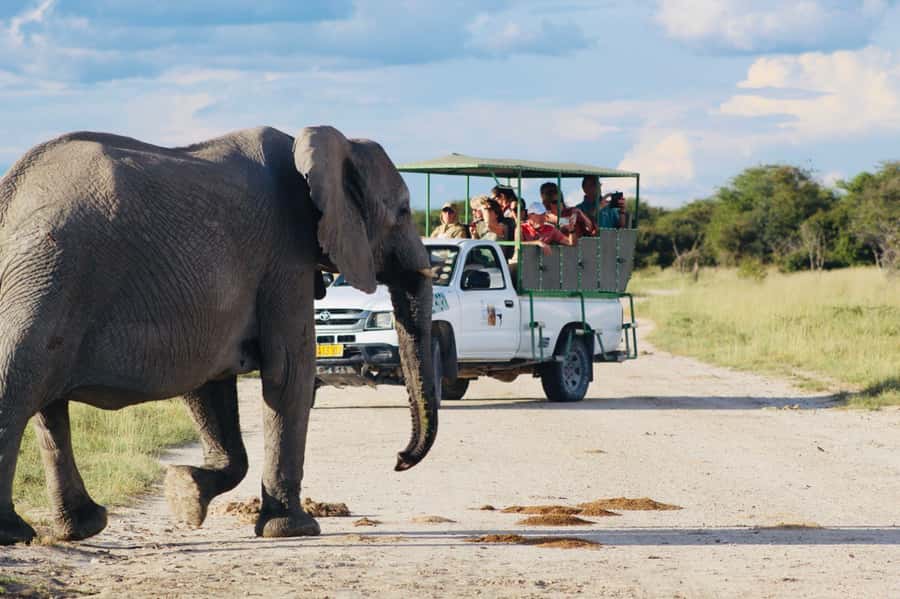
- Anderson Gate start: more quiet roads and better early viewing moments
- Open 4×4 safari: you get the animal drama up close, not from behind glass
- Local guide with real instincts: guides such as Ben, Amone, Matias, and Tom Safari teams use day-to-day spotting to adjust the route
- Flexible driving based on sightings: stops are guided by what’s actually happening that morning or afternoon
- Cold-morning support: a warm fleece poncho is provided, plus you’ll still need your own layers
- Midday reset inside the park: a planned break (about an hour) where you can eat at the park restaurant or bring lunch
Etosha’s best start: why Anderson Gate opening time feels like an edge
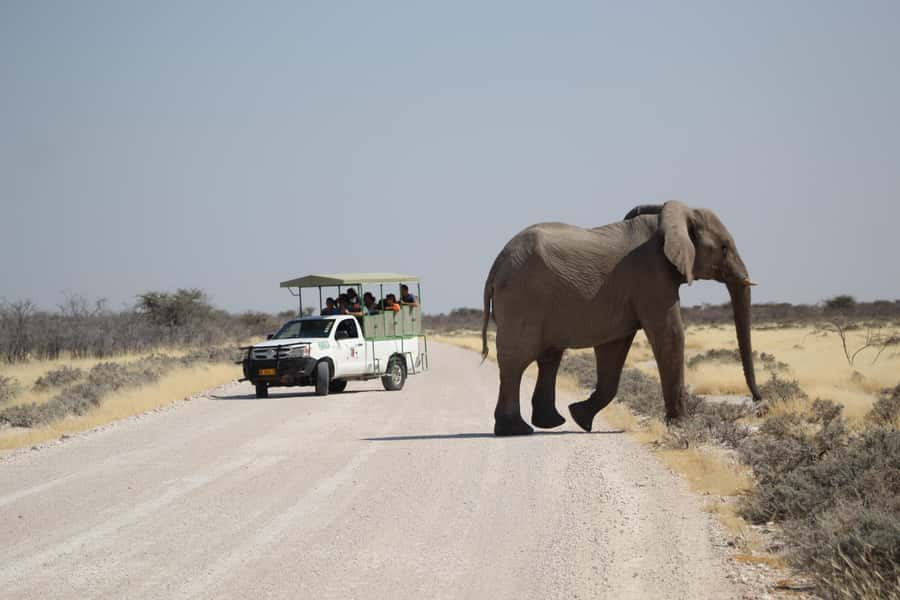
Etosha works on rhythm. You want to be in the park when animals are still moving and when the roads are less crowded, because the best viewing often comes down to timing and positioning.
This safari starts at park opening with departure from Anderson Gate, near Okaukuejo. You’ll also get free, secure parking on-site, which makes it easy if you’re driving yourself to the meeting point. If you’re staying right inside the park (like Okaukuejo Lodge or Okaukuejo Camp), you meet at Anderson Gate as well, since collection inside the park depends on clearance and scheduling.
The practical upside is huge. Fewer vehicles on the road means you can watch behavior longer, and you waste less daylight on delays.
The open 4×4 game drive: close views, real sounds, and real cold air
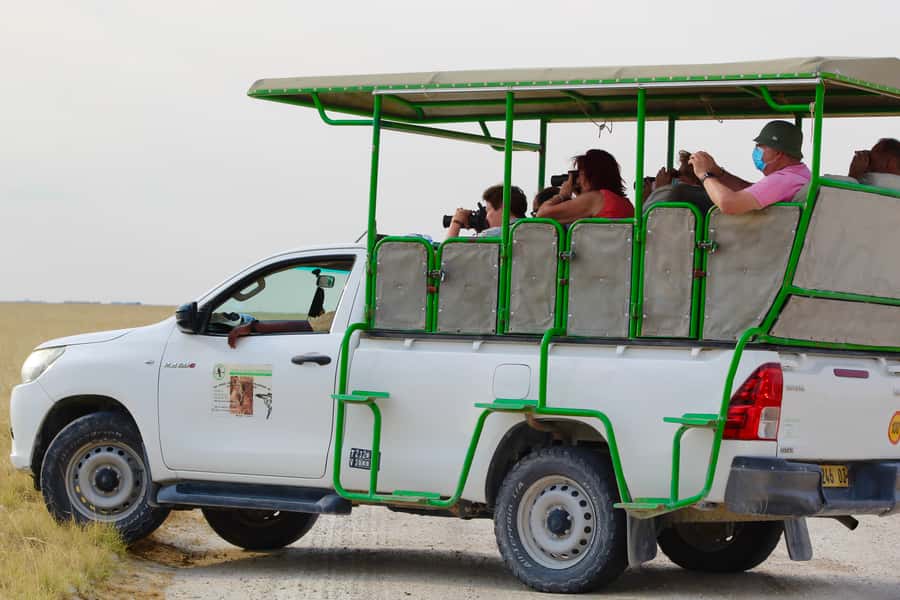
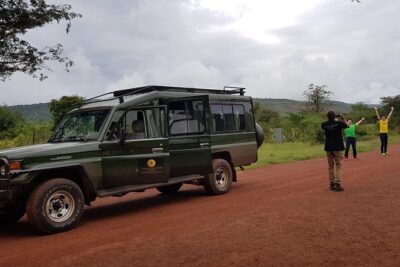
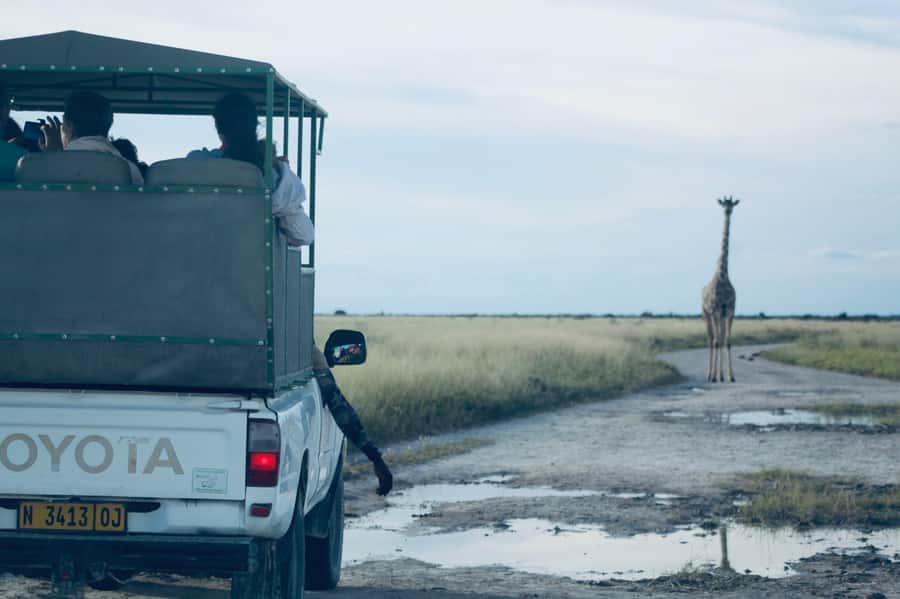
The vehicle is an open 4×4 designed for wildlife viewing. That matters in Etosha. When you’re riding higher and more exposed, you’re not just seeing animals—you’re reading them: how they move, where they pause, and how they react when another vehicle appears.
You’ll have binoculars on board (shared), which helps when animals are farther off around waterholes or along the edges of the pan. You’ll also get a warm fleece poncho for the cold mornings, which is a thoughtful detail if you’re the type to forget how chilly Africa gets before sunrise.
Here’s the drawback you should take seriously. Open vehicles plus morning wind can feel cold fast, especially in winter months (May to August). Bring warm layers and a windbreaker. In reviews, people specifically flagged the cold wind effect while driving—so don’t treat ponchos as your only plan.
The guide factor: how a born-and-raised Etosha guide actually improves your odds
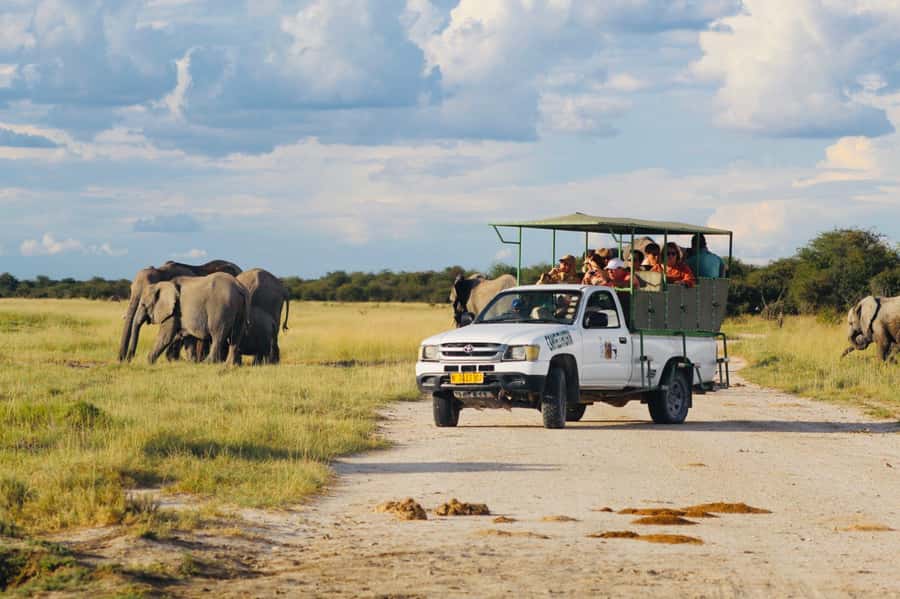
This is where the safari earns its value. The guide isn’t just passing along general wildlife facts; the experience is built around lifelong familiarity with Etosha. That shows in two ways: spot-and-stop decisions, and how information is delivered.
You’ll get deeper explanations as you drive—on animal behavior, the ecosystem, and why certain spots produce sightings at certain times. Guides linked to this experience, including Ben, Amone, and Matias, are repeatedly described as sharp spotters with instincts for where animals are likely to show up next. Some accounts also highlight how guides communicate with other guide teams to improve day-to-day results.
That network effect matters more than it sounds. In Etosha, animals don’t follow your schedule. The guide’s ability to connect the dots between tracks, waterhole timing, and what other vehicles are seeing helps you spend your hours on the right road instead of guessing.
You should also know the guide is attentive about safe driving and good viewing angles. People consistently mention smooth driving, stopping when it’s worth stopping, and giving enough time to watch and photograph.
Morning route logic: how flexible stops work in real Etosha time
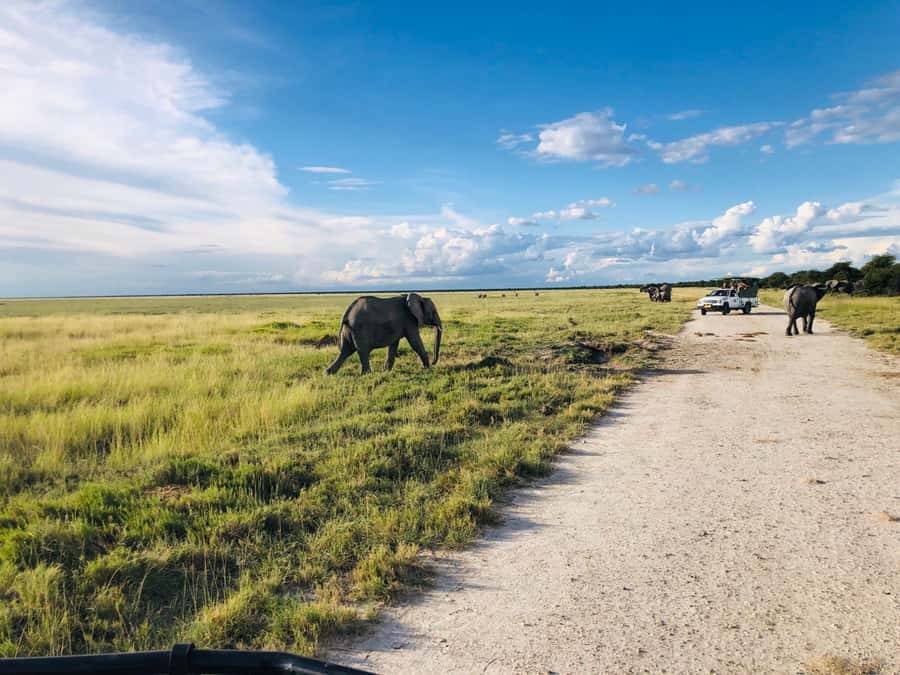
The route is not fixed. It’s adapted daily based on weather conditions and the latest animal sightings. In plain terms: you’re not going to the same checklist stops every day.
What that looks like in your day is a string of short “windows” where the guide makes a call. When the guide spots activity—or hears from other guides that something is moving—you change direction, shift positions, and settle in for observation.
You can expect a mix of big game and the smaller moments that make Etosha feel alive:
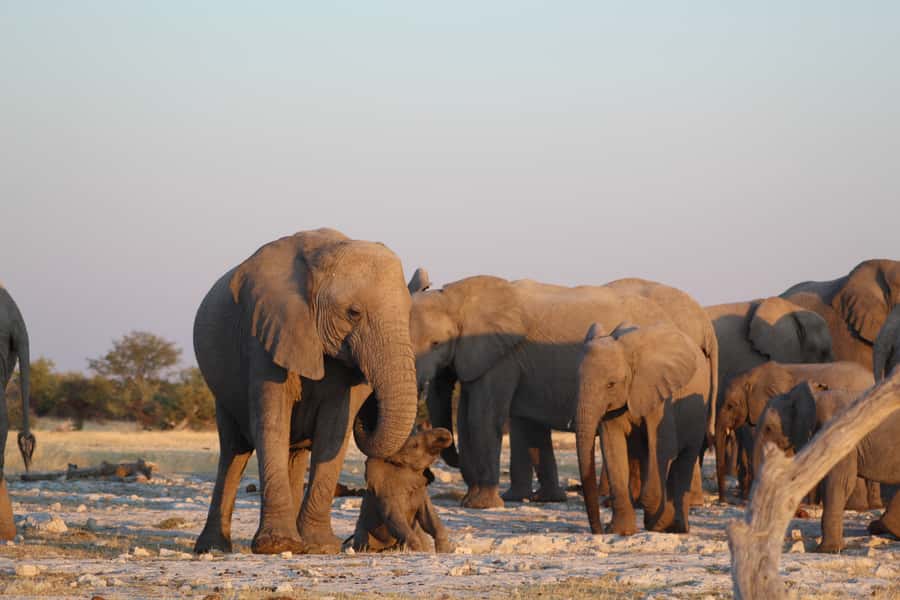
- Elephants at or near waterholes (including bathing behavior)
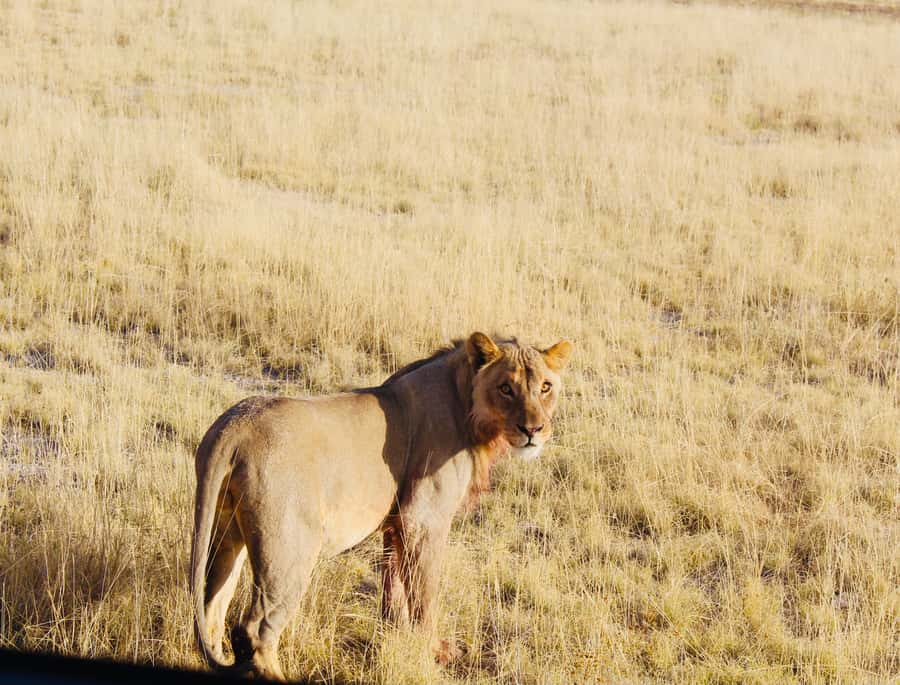
- Lions and lion families when conditions line up
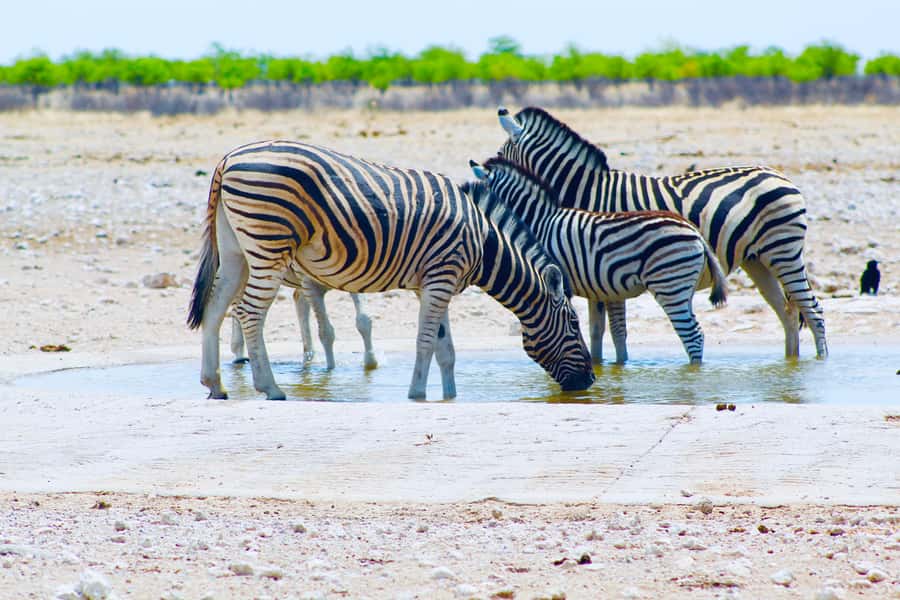
- Giraffes and zebras moving between feeding and resting zones
- Rhinos and antelope species like springboks and oryx
- Sometimes cheetahs or leopards, depending on what’s happening that day
One more practical detail: you begin at park opening, which gives you a stronger starting point for all of this route logic. The earlier you enter, the more options the guide has as animals are still shifting across the park.
The midday break inside Etosha: why the timing feels smart
You’ll get a planned one-hour midday break at a restaurant inside the park. This isn’t just a rest stop. It’s a temperature-and-eyes reset.
The day’s rhythm in Etosha often means early action, a breather around midday, then a strong afternoon push. The break helps you stay sharp for the second half of the game drive instead of getting tired and cold enough to stop paying attention.
Meals are not included. You can bring your own lunch or eat at the restaurant, but you’ll want to plan for that ahead. Water is also not included, so bring what you’ll need. A small note from the reality of wildlife days: you’ll often want water even when you think you’re fine, because wind and time outside add up.
Afternoon game drive: calmer roads, stronger behavior, better patience
After lunch, the second part of the safari continues in the afternoon. This is where behavior can get more readable. You’ve already seen the early movement, and now you’re watching how animals respond to heat, light changes, and the constant traffic of other sightings.
Because the guide keeps adjusting based on current sightings, you’re more likely to find fresh activity rather than re-visiting a spot where animals already moved on. If your morning was heavy on elephants and antelope, your afternoon might bring more focus on big cats. If your morning was a big cat stretch, the afternoon may be about finishing with rhinos or gathering one last set of waterhole moments.
You return late afternoon to either Anderson Gate or your lodge if that’s been arranged for your pick-up option. The late-afternoon timing is useful. Light tends to get kinder for photography, and animals sometimes become more visible as the day cools off.
Price and value: what $123 buys (and what it doesn’t)
At $123 per person for a 5–10 hour experience, you’re paying for more than a seat in a vehicle. You’re paying for the guide’s day-to-day decision-making and for the advantage of entering right at park opening.
Here’s what you actually get in the price:
- Safari in an open 4×4
- An experienced local guide born and raised in Etosha
- Binoculars on board (shared)
- A warm fleece poncho for cold mornings
- Fuel costs
And here’s what you should budget separately:
- Etosha National Park entrance fee: NAD 150 per person, paid on site in cash
- Lunch and drinking water (not included)
So the value question becomes: are you buying the right kind of odds? With open viewing, flexible routing, and a guide who’s active in the day’s spotting decisions, this tends to be a strong value move—especially compared to cheaper options that might run a more rigid route or offer less expert guidance.
Also, the cancellation terms and pay-later style booking can reduce stress if you’re still locking in Namibia logistics. It won’t change your safari once you’re in the park, but it helps you manage uncertainty before you go.
What to pack for Etosha in an open vehicle
This is a practical safari. Your comfort affects your focus, and your focus affects your spotting.
Bring:
- Warm clothing (layers beat one heavy item)
- A windbreaker (the open-vehicle air is the real enemy)
- Water
- Cash for the entrance fee
- Binoculars if you have your own (optional, since shared binoculars are provided)
Not allowed:
- Drones
One more tip that comes straight from the vibe of open-safari reality: dress for the morning, not for what you think noon feels like. Ponchos help, but wind chill is still wind chill.
Who this safari suits best
This is ideal if you:
- Want the Etosha experience with an open 4×4 rather than a closed vehicle
- Appreciate a guide who can explain behavior and guide you to sightings
- Like early starts and photo windows before the park fills up
- Don’t mind planning for cold mornings and bringing your own water or lunch
It may be less ideal if you’re expecting luxury comforts or included meals. Lunch and water aren’t covered, and the vehicle is open, so you need to dress for it.
For half-day options, one key rule: there’s no pick-up. You meet directly at Anderson Gate, and you’ll want to make sure you’re ready for a shorter slice of the park.
Should you book this Etosha game drive?
Yes, if your main goal is to maximize wildlife odds with a guide who can read the day. The combination of open viewing, early entry, and flexible routing is the recipe that tends to deliver the sightings you dream about in Etosha.
I’d especially book it if you value the guide’s role in fine-tuning where you spend your hours. Multiple guide names connected to this experience—like Ben, Amone, and Matias—show up tied to strong spotting and solid animal explanations, and that’s exactly what matters in Etosha.
If you’re sensitive to cold and don’t want to layer up, think twice. You can handle it with the right clothing, but this safari is not built around comfort in a chilly morning wind.
If you’re ready to dress warm, bring cash for the entrance fee, and plan for water and lunch, this is a smart way to experience Etosha National Park from the start.
FAQ
Where is the meeting point?
The safari meets at Anderson Gate (inside the park entrance area) where there is free parking.
Is the Etosha entrance fee included?
No. The Etosha National Park entrance fee is NAD 150 per person, paid on site in cash.
Does the tour include lunch and drinking water?
No. Lunch and drinking water are not included. You can bring your own lunch or eat at the park restaurant during the planned break.
What about pick-up for half-day tours?
Half-day tours do not include pick-up. You meet directly at Anderson Gate.
What time does the safari start?
The safari starts at park opening time, which is intended to help you see wildlife with fewer crowds and better photo moments.
What should I bring for cold mornings?
Bring warm clothing and a windbreaker, plus water. The safari also provides a warm fleece poncho, but layering is still important.
Are binoculars and drones included or allowed?
Binoculars are available on board (shared use). Drones are not allowed.