REVIEW · JODHPUR
Bishnoi Village Safari Private Half Day Tour
Book on GetYourGuide →Operated by Balaji Forex Tours And Travels · Bookable on GetYourGuide
Desert wildlife meets village life. This Bishnoi Village Safari is a short, focused way to see how people live alongside Rajasthan’s animals, with a private jeep and an English-speaking guide.
I especially like two things: the chance to spot desert wildlife along the drive and paths near the villages, and the way the tour builds in time to interact with Bishnoi families rather than only snapping photos from a distance.
One heads-up: depending on how your guide paces it, you may spend more time in the vehicle than you expect, and the village stops can feel less like a structured walk and more like quick visits to specific households or workshops.
In This Review
- Key highlights you’ll actually feel
- A half-day safari built for people who hate rushing
- From Jodhpur to Gudha Bishnoiyan: the drive is part of the show
- Gudha Bishnoiyan village: meeting families, not just looking at houses
- Kankani block printers village: turning cloth into a story
- Potter stop: watching hands build something from clay
- Salawas and interlock carpet weaving: the craft you can see move
- When your guide makes or breaks the day
- Price and logistics: why $20 can be a good deal or a letdown
- What to bring (and what to avoid) for a smooth safari day
- Who this Bishnoi Village Safari is best for
- Should you book this tour?
- FAQ
- FAQ
- How long is the Bishnoi Village Safari Private Half Day Tour?
- Where does pickup happen?
- What villages and stops are included?
- Is there an English-speaking guide?
- What can I expect to see wildlife-wise?
- Are entrance fees included?
- Is food included?
- What should I bring for the tour?
- Is it suitable for everyone?
Key highlights you’ll actually feel
- Private jeep from Jodhpur keeps this half-day safari moving and reduces hassle
- Wildlife spotting en route can mean seeing animals wander near the route, not just at a single point
- Guda Bishnoiyan village time gives you a chance to connect with Bishnoi families and their daily living
- Kankani (block printer) stop lets you watch handprint/cloth craft in a village setting
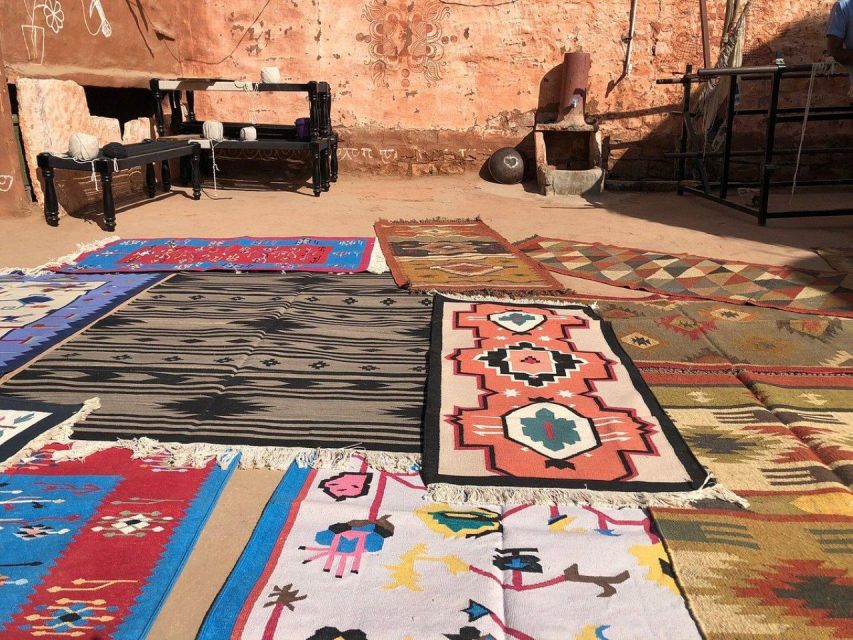
- Pottery + Salawas weaving adds real hands-on craft viewing, including interlock carpet weaving
- English guide helps you make sense of what you’re seeing as you go
A half-day safari built for people who hate rushing
This tour works best if you want more than a quick city detour but you also don’t want to sacrifice a whole day. It’s designed as a 3-hour experience (with the feel of a longer outing, sometimes up to 3 to 4 hours), starting with pickup from your Jodhpur hotel and ending with a drop-off back in town.
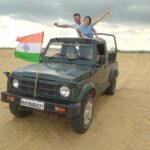
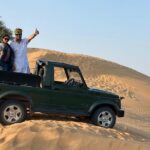
You’ll travel by private jeep, which matters here. Safari-style wildlife viewing doesn’t work well if you’re stuck waiting around in a crowded bus. With a jeep, the driver and guide can respond faster when there’s animal activity along the route. And it also changes the rhythm of the day: you’re not just visiting; you’re constantly transitioning between roadside sightings and village craft moments.
Pricing also fits the vibe. At $20 per person, this is priced more like an affordable local experience than a luxury excursion. That doesn’t automatically guarantee perfection, but it does signal you’re buying an efficient route plus access to village stops, not a full-day itinerary with endless stops.
You can also read our reviews of more tours and experiences in Jodhpur.
From Jodhpur to Gudha Bishnoiyan: the drive is part of the show
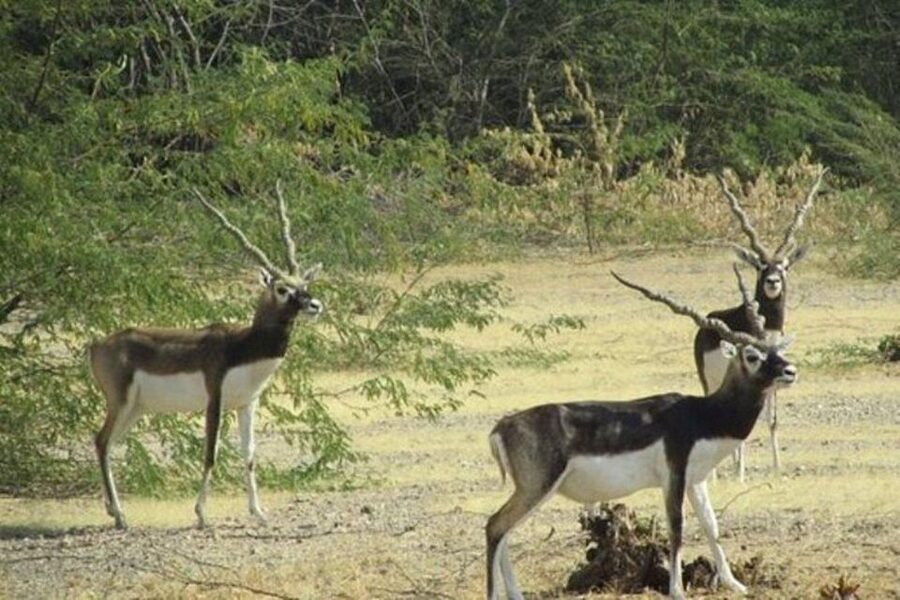
You’ll begin with pickup from your Jodhpur hotel, airport, or station, then drive out toward the Guda Bishnoiyan area. This stretch is not just transportation. The tour is built around the idea that wildlife can appear along the way—animals moving in groups, sometimes right by paths where you’re likely to slow down.
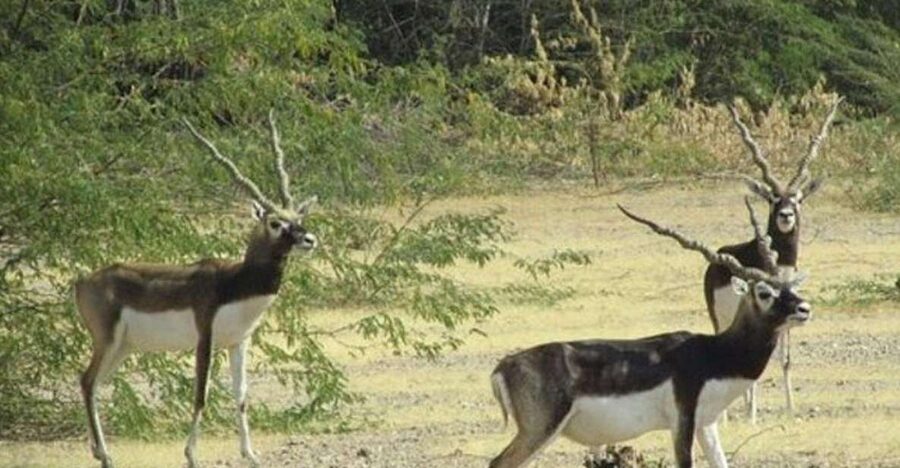
What makes this exciting is the variety. You’re not only dealing with one type of sighting. The tour description points to a range of desert and wildlife species around the route. One traveler specifically noted seeing blackbucks (Schwarzböcke). Even if your sightings aren’t identical, the structure is meant to increase your odds by keeping you out in the right places at the right times.
Practical tip: wear comfortable shoes and keep water on hand if you tend to get thirsty. The tour isn’t promising meals or drinks. With a short schedule, small comfort issues can snowball fast.
Gudha Bishnoiyan village: meeting families, not just looking at houses
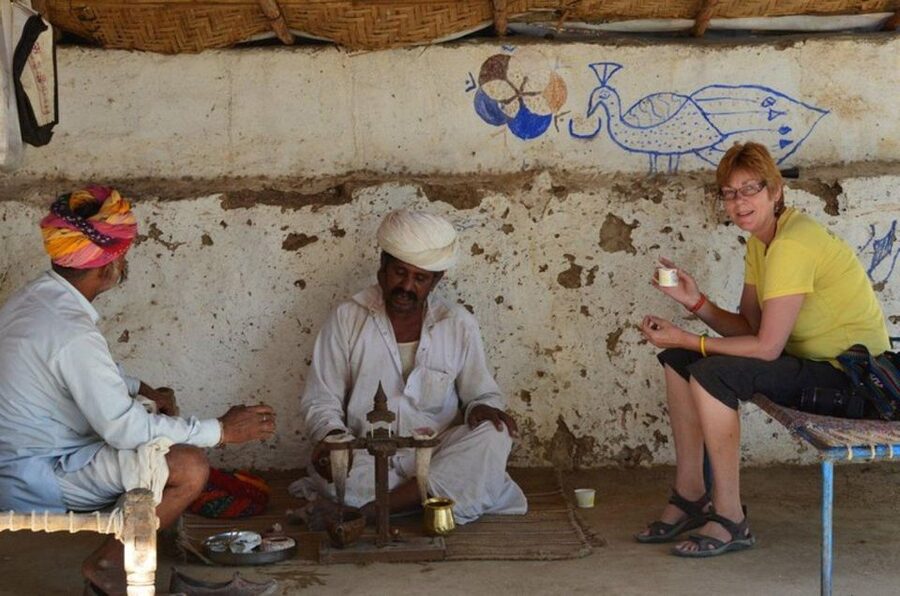
Once you’re in the Guda area, the focus shifts to people. You’re there to interact with Bishnoi families and see living conditions up close. This is where the experience becomes more than wildlife watching and craft viewing. You get a chance to build an emotional connection with how village life works.
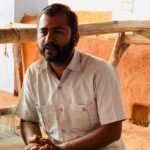
In a best-case scenario, your guide can translate what you’re seeing in a human way. One English-speaking guide highlighted in the available information is Om, who comes from generations living in the village. That kind of local background can help you ask better questions, and it often changes the quality of the conversation. Instead of just being shown a few things, you can connect dots between daily life and the desert environment around the community.
That said, consider how village visits work in reality. A short tour doesn’t always allow for a long guided walking route. If you’re expecting a sweeping walk-through of the village streets, you might feel a mismatch. Some visits can be more like targeted stops—specific spaces tied to a demonstration or household activity. The emotional tone is still there, but the time may be tighter than you hoped.
Also watch for the cultural stop types. There’s mention of a farmer performing an opium ceremony during one stop. That sort of moment can be fascinating and respectful, but it can also feel unusual if you’re not expecting a private ceremony setup. If you’re sensitive to that, tell your guide you prefer open-air demonstrations rather than anything that feels too private.
Kankani block printers village: turning cloth into a story
Next comes Kankani, also referenced as a block printers village stop. This is one of the more straightforward craft experiences on the itinerary because you’re dealing with something visible and step-by-step: making impressions with blocks on fabric and working with handprint-style designs.
What I like about this stop is that it’s not just a photo opportunity. You get to encounter the workspace where people do handprints on fabrics, and that makes the craft feel real. You can usually tell right away whether a place is active and working, or simply set up for visitors. With block printing, you want to see the process, not just finished products.
If you’re the type who likes to understand technique, ask the guide (in English) what’s happening at each stage. The tour is designed for guided interpretation, so use it. If your guide spends the time explaining, you’ll leave feeling like you learned something, not just visited a workshop.
Downside to consider: with short tours, these craft stops can be time-boxed. If you want a deeper lesson (like how patterns are planned or how long certain steps take), this may only scratch the surface. Still, it’s a solid cultural check-in without taking over your whole day.
Potter stop: watching hands build something from clay
Between the block printing and the later Salawas stop, you’ll visit a potter’s village area. Here, you can watch people work on pottery and potentially try your hands at creating something small. Even when you don’t get to personally do the crafting, watching the process is valuable because it shows you the pace and skill behind the work.
The practical value of a pottery stop in a safari-style day is simple: it creates a change of pace. You go from animals and roadside drives into indoor or workshop-level activity where you can slow down mentally. That matters when your day is only about half a day. Your brain needs a break from scanning for animals.
One more thought: pottery can involve mess. Keep that in mind if you’re wearing light-colored clothes. The tour doesn’t promise protective aprons, so wear something you don’t mind getting slightly dusty.
Salawas and interlock carpet weaving: the craft you can see move
The final cultural cluster is Salawas, with a specific mention of interlock carpet weaving. This is the kind of craft where the final product makes sense only after you’ve seen how threads lock together. When you watch the weaving, you start understanding why certain patterns look the way they do.
This stop also pairs well with the earlier village interactions. You’ve already met people and seen craft work in block printing and pottery. Weaving completes the story by showing a different skill set: longer rhythm, repetitive motion, and a focus on consistent technique.
If you’re shopping-minded, go in with patience. A short tour means you’ll likely see the weaving work first, then have limited time to browse. Decide what you actually want to carry back. A woven piece from a village craft stop can be beautiful, but transport and cost can creep up quickly.
When your guide makes or breaks the day
The tour promises an English-speaking guide, and that can be the difference between a good half-day and one that feels rushed.
The best version of this tour is when your guide acts like a translator of village life and wildlife behavior. One guide connected the stops clearly and answered questions well. Another guide approach noted in the available information is that sometimes a friendly guide may end up acting more like a driver than a true guide, with limited cultural explanation.
So here’s what you can do to protect yourself:
- Ask early how the stop order works and what you should pay attention to.
- If wildlife sightings happen, ask what species you’re seeing and why they’re in that area.
- If you feel time pressure, tell the guide what you want most: wildlife, village interaction, or specific crafts.
If you get a guide like Om (mentioned as a village local with strong background), you’re likely to get better context and smoother storytelling. If your guide is more logistics-focused, you can still have a good time, but you’ll want to ask more questions to pull the cultural value forward.
Price and logistics: why $20 can be a good deal or a letdown
At $20 per person, this isn’t expensive for a private-vehicle village safari. You’re paying for:
- pickup and drop-off from Jodhpur
- transport by a private jeep
- taxes, fees, fuel surcharge, and handling charges
- an English-speaking guide
Entrance fees aren’t included, and the tour doesn’t include food or drinks unless specified. That means your real cost depends on what you personally add on the day.
Is it good value? Often, yes, because private jeep + multiple village stops + guided commentary in a short timeframe is typically more costly elsewhere. Where value can shrink is when the day feels too car-heavy or when fewer villages feel like they were actually visited in a meaningful way. One drawback described is that the tour lasted closer to 2.5 hours and much of the time was spent in the jeep, with stops described as only average interest.
My advice: treat it as a sampler. If you expect a deep cultural training session or a long village walk, you might feel shortchanged. If you want a fast, organized way to see wildlife activity and multiple craft communities within a morning or afternoon window, it’s a fair price.
What to bring (and what to avoid) for a smooth safari day
This is a sun-and-walk kind of half-day, even if you spend plenty of time in the jeep. Bring:
- Comfortable shoes
- Sunglasses
- A sun hat
- Sunscreen
Not allowed: pets.
Also plan around physical comfort. The tour is not suitable for:
- pregnant women
- people with mobility impairments
- wheelchair users
So if you’re choosing this for accessibility reasons, you should look for a different option in Jodhpur that matches your needs better. With village stops and uneven ground likely, it’s safer to assume movement will be required at some points.
Who this Bishnoi Village Safari is best for
This tour is a strong match if you:
- want wildlife spotting tied to village settings (not just a distant viewing point)
- like craft village stops (block printing, pottery, weaving)
- prefer a short, organized experience with English guidance
- are flexible about how much time you’ll spend in the jeep versus out walking
It may not be the right fit if you:
- need a long village walk or detailed cultural lectures
- hate any possibility of a private household ceremony setting
- expect unlimited time at each craft stop
Should you book this tour?
Book it if you want an efficient half-day in Jodhpur that combines desert wildlife chances with village craft and real human interaction. At $20 per person with hotel pickup and a private jeep, it’s good value—especially if you’re okay treating it as a “see and learn a bit” day rather than a deep cultural immersion.
Skip it or consider a different format if you’re very time-sensitive, expecting extensive walking, or you know you need more detailed guided storytelling than a short safari schedule usually allows. And if you’re sensitive to private ceremony moments, communicate that preference early so your guide can choose the least uncomfortable setup.
If your goal is a practical Jodhpur experience with animals nearby and village life on display, this is one of the simpler ways to get there without overplanning your day.
FAQ
FAQ
How long is the Bishnoi Village Safari Private Half Day Tour?
The duration is listed as 3 hours (with the experience described as 3 to 4 hours depending on timing).
Where does pickup happen?
Pickup is included from your Jodhpur hotel (and it may also include pickup from the airport or station in Jodhpur).
What villages and stops are included?
You’ll visit Guda Bishnoiyan, Kankani (block printers village), and Salawas, with additional stops that include a potter section.
Is there an English-speaking guide?
Yes, the tour includes a live guide who speaks English.
What can I expect to see wildlife-wise?
You’ll have chances to spot wildlife along the way and in the village-area environment, including desert animals. Wildlife sightings can vary.
Are entrance fees included?
Entrance fees are not included.
Is food included?
Food and drinks are not included unless specifically stated. It’s smart to plan for this if you’ll be out during a meal time.
What should I bring for the tour?
Bring comfortable shoes, sunglasses, a sun hat, and sunscreen.
Is it suitable for everyone?
It’s not suitable for pregnant women, people with mobility impairments, or wheelchair users. Pets are not allowed.