REVIEW · BYRON BAY
Byron Bay: Full-Day Wildlife Safari
Book on GetYourGuide →Operated by Vision Walks - Eco Tours · Bookable on GetYourGuide
A wildlife day near Byron Bay beats a zoo visit. You’re driven to where animals actually live, with an environmental scientist guide and a small group size that keeps things respectful. I like the promise of real sightings (koalas, kangaroos, and a flying fox colony), plus the hands-on skill-building like learning flying fox types. One thing to keep in mind: you do need to be okay with some driving and short walks, and the goal is observing, not feeding or patting.
If you’re after Aussie wildlife without the crowds, this safari is built for that. I especially like the three-habitat plan (eucalyptus forest, rainforest, and grassland) because it increases the odds you’ll see different animals and birds in the right setting. My other big win is the picnic: locally-sourced, easygoing, and timed into the day so you can recharge. A possible drawback is that you’ll be blending in with dark clothing requests, so it’s not a tour for anyone who wants loud, hands-on animal interaction.
In This Review
- Key highlights at a glance
- Why a wildlife safari beats a zoo near Byron Bay
- Three habitats you’ll cover: eucalyptus forest, rainforest, and grassland
- Spotting skills with an environmental scientist guide
- The day’s rhythm: drives, short walks, and smart pacing
- What the picnic lunch feels like in the bush
- What wildlife you can realistically expect (and what depends on conditions)
- Transport and comfort: hybrid vehicle or 12-seat bus
- Binoculars, photos, and how to get better results
- The eco rules that keep this tour ethical
- Price and value: is $133 a fair deal?
- Who this tour suits best (and who should choose differently)
- Should you book this Byron Bay Wildlife Safari?
- FAQ
- Is this a zoo or a wildlife sanctuary?
- How long is the Byron Bay wildlife safari?
- What wildlife will I see?
- What habitats do you visit?
- What’s included in the price?
- Is bottled water included?
- What kind of transport will you use?
- Are there walks during the tour?
- Can you accommodate dietary requirements?
- What’s the cancellation policy?
- What should I bring?
Key highlights at a glance
- Three habitats: eucalyptus forest, rainforest, and grassland for a wider mix of wildlife
- Environmental scientist guidance: learn what you’re seeing and why it’s there
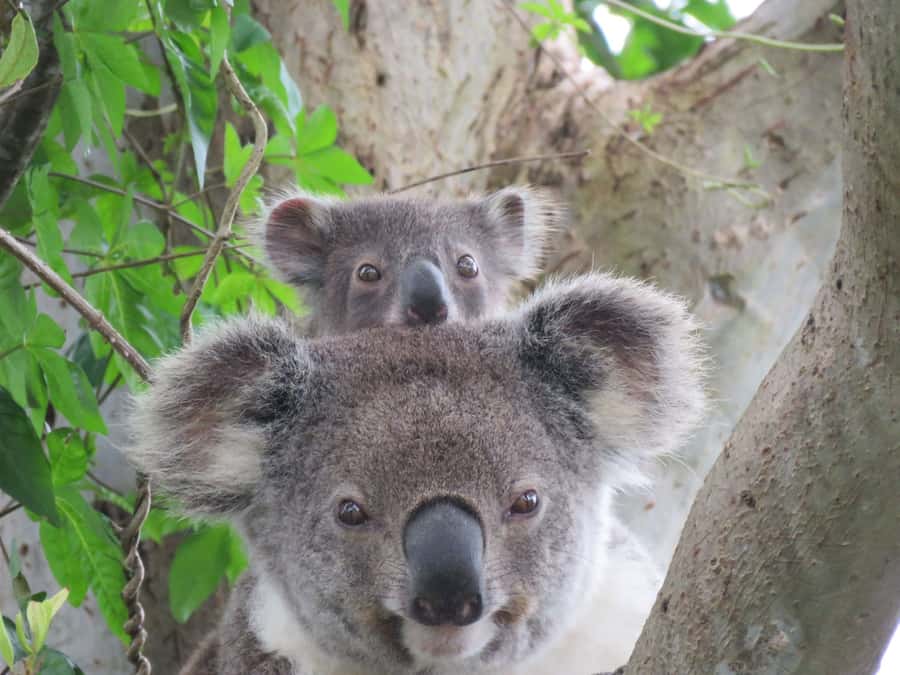
- Guaranteed-style sightings: koalas, kangaroos, flying foxes, and lots of birds
- Real wildlife rules: observe and do not disturb (no feeding or patting)
- Comfort-focused small groups: max 10 people, either an 8-seat hybrid vehicle or a 12-seat bus
- Bush picnic lunch: locally sourced, plus water refills and binoculars included
Why a wildlife safari beats a zoo near Byron Bay
This kind of day out works because it’s built around habitat, not cages. Instead of waiting behind fences, you move between eucalyptus forest, rainforest, and grassland areas where wildlife naturally feeds, shelters, and travels.
What makes it feel genuinely “Aussie” is how much you learn while you look. Guides such as Tom and Wendy (and others like Skye) are the type to explain what you’re seeing, then teach you how to spot more. It’s not just a wildlife spotting contest. It’s a slow, respectful search guided by science.
One practical point: this is an observation-first tour. The operator’s rule is clear—don’t feed or pat wildlife. If that matters to your travel style, you’ll want to keep expectations aligned.
You can also read our reviews of more tours and experiences in Byron Bay.
Three habitats you’ll cover: eucalyptus forest, rainforest, and grassland
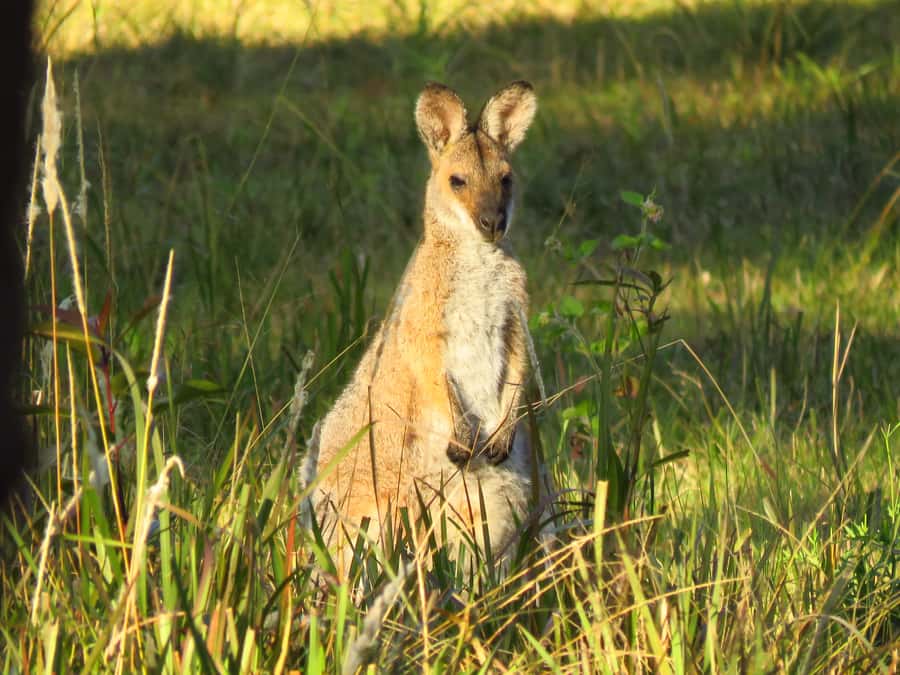
You’ll visit three different natural habitats near Byron Bay in one full day. That matters because many animals are habitat specialists. If you only stay in one environment, your wildlife options shrink fast.
Here’s how the habitats help your odds:
- Eucalyptus forest is where you’re most likely to focus on koalas and lots of tree-and-branch bird activity. Even when you don’t spot one immediately, the guide’s habitat knowledge helps you scan smarter.
- Rainforest often changes the soundscape and movement patterns. Birds can be active at different heights, and you may see wildlife that prefers thicker cover.
- Grassland is where you commonly find the grazing-and-roaming animals. Kangaroos are usually more visible here, and the open space helps you read behavior from a distance.
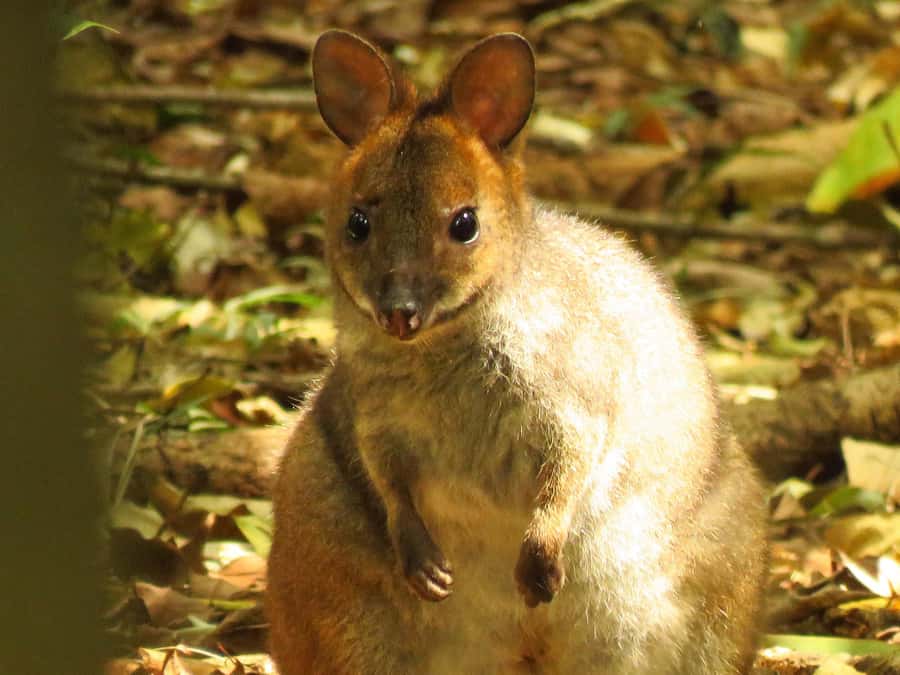
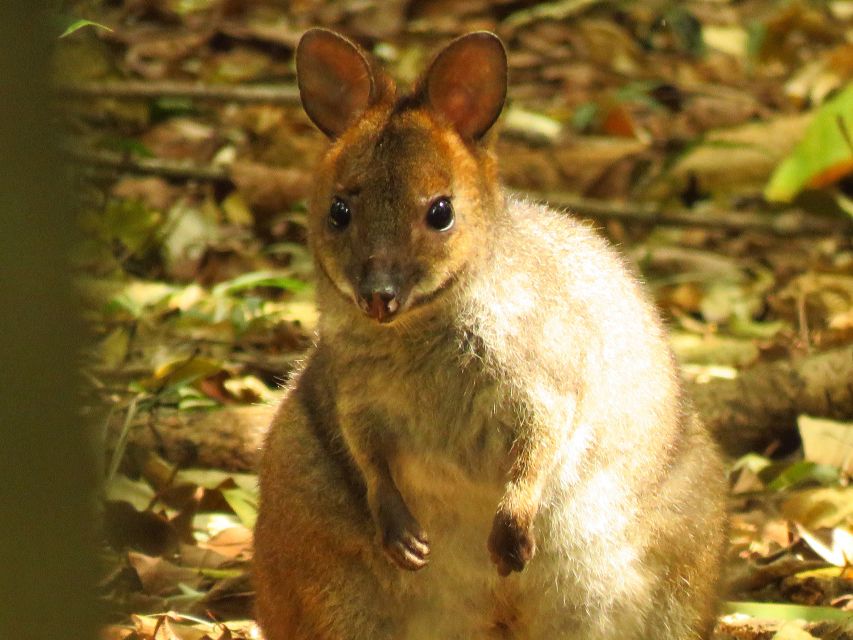
The tour also aims at a mix of animals beyond the headline species. If conditions are right, you might find pademelon, echidna, tawny frogmouth, and water dragons. You may even add surprises—one guide-led day included a carpet python sighting, which is exactly the kind of “wild, not staged” moment people hope for on a safari like this.
Spotting skills with an environmental scientist guide
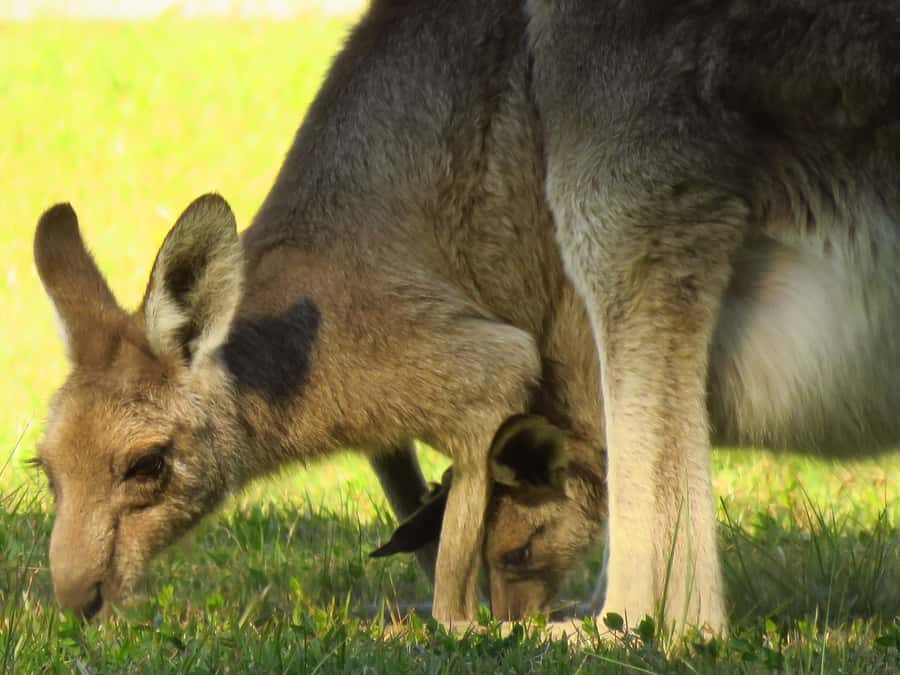
The big upgrade on this tour is the guide. You’re not just getting a driver with a camera habit. You’re traveling with an environmental scientist guide who helps you understand what’s happening in the ecosystem.
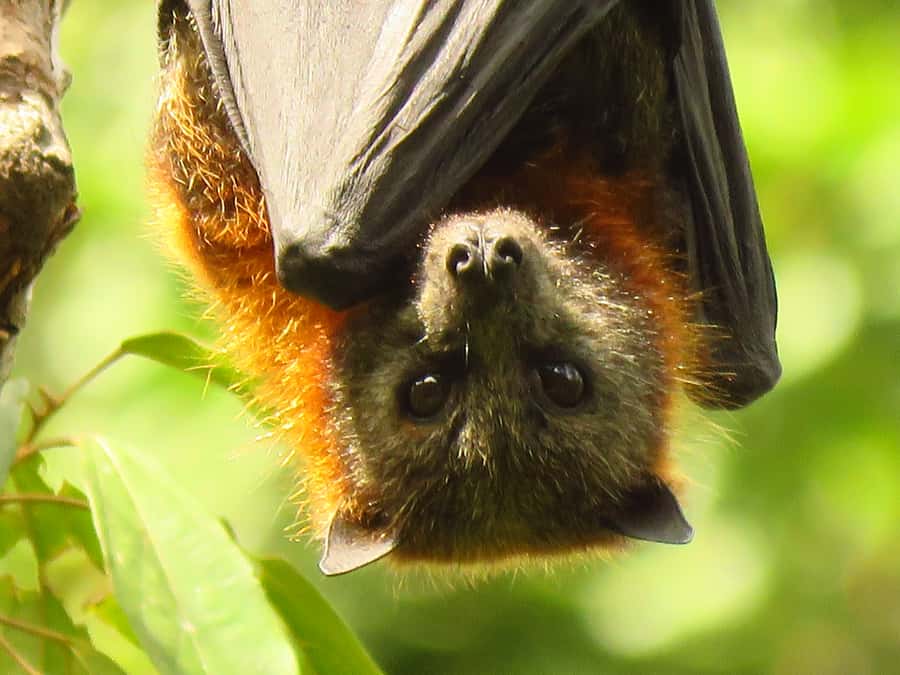
You’ll learn practical identification skills, too—things like the difference between a kangaroo and a wallaby. Another taught skill is distinguishing flying fox types, including the contrast between grey-headed and black flying foxes. Even if you never become a wildlife expert back home, these small lessons change your whole day. You stop calling everything by the same general name and start noticing details.
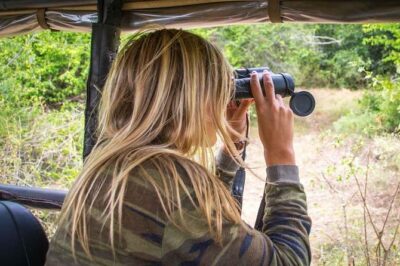
Binoculars are included, which is a big deal for birding and for animals that stay a respectful distance away. The tour also includes access to photographs, so you get a safety net if you miss focus or the animal moves right when you lift your phone.
Guides also keep the day grounded in conservation behavior. The goal is to observe but not disturb. That shows up in how you’re positioned and how the group is asked to act around wildlife.
The day’s rhythm: drives, short walks, and smart pacing
This is a 7-hour tour, and the timing works like this: you’ll start with a 45-minute drive to the first habitat stop, then spend the day doing short drives and walks between areas, and finish with about a 1-hour drive back to Byron Bay.
That driving time isn’t wasted. It’s the point. Wildlife isn’t parked next to the highway, and the tour’s promise of sightings depends on reaching the right places at the right time.
What you should know before you go:
- The walks are fairly easy and can be adapted to your group’s abilities.
- You’re moving at a wildlife-reading pace, not a rushing “check-the-box” pace.
- If you’re prone to car sickness, bring your motion sickness pills. One rider flagged that the vehicle rides can trigger nausea.
I like this pacing because it gives you time to look without feeling trapped. It’s also more comfortable than a hike-heavy wildlife day if you want to stay active but not exhausted.
What the picnic lunch feels like in the bush
Lunch is a major part of why this tour feels relaxed instead of exhausting. You’ll stop for a locally-sourced picnic lunch, and water refills are included.
From the experience details, here’s what’s built in:
- Picnic-style setup (not a rushed grab-and-go)
- Locally sourced meal options
- Water refills during the day
One helpful detail from real examples: lunch has included chicken sandwiches for some groups and vegan rice/couscous for vegetarians. Another day included a nicer picnic touch like a gingham tablecloth. That’s not just cute. It tells you they’re trying to make the middle of the day enjoyable, not a chore.
If you have dietary requirements, tell the team when booking so you’re not stuck improvising.
What wildlife you can realistically expect (and what depends on conditions)
Let’s talk straight odds. The tour states you’ll see:
- Koalas (they guarantee you’ll see a koala or two)
- Kangaroos (a mob)
- A colony of flying fox and many bird species
That headline list is the reason this tour is so popular for first-timers. You’re not hoping for a once-in-a-blue-moon sighting. You’re going to places where those animals are likely to be found.
Beyond that, what you might add if conditions line up includes:
- Pademelon
- Echidna
- Tawny frogmouth
- Water dragons
And if you’re one of the lucky ones, you could get unexpected extras. People have reported seeing bats in a big way, and seeing joey-aged animals with their mothers. Those kinds of sightings are the reason the day feels special—it’s the difference between spotting an animal and catching a moment of behavior.
A quick reality check: wildlife is wildlife. The tour does what it can to stack the odds, but animals don’t run on schedules. Still, the combination of habitat variety, binoculars, and scientific scanning should dramatically improve what you see.
Transport and comfort: hybrid vehicle or 12-seat bus
You’ll travel in style and comfort, based on your group size:
- an 8-seater hybrid vehicle
- or a 12-seater bus
Small group matters here. Maximum group size is 10, with a minimum of 2. That keeps the guide’s attention more focused and helps with quieter wildlife observation.
Transport quality has been a strong point in the feedback pattern too, with many people rating it highly. On a tour that involves lots of scanning out windows and occasional road shifts, comfort isn’t a small detail.
Still, remember: you will be in a vehicle for part of the day. If you’re sensitive to motion, plan ahead.
Binoculars, photos, and how to get better results
A lot of wildlife tours fail because they give you a vague “look over there” instead of real help. This one gives you tools:
- binoculars included
- access to photographs
Those two items are practical. Binoculars help you see eye-level bird behavior and track animals without approaching. Photos help you learn from the day later, especially if the light was tricky or the animal moved quickly.
Add in the guide’s habitat scanning skills—like how to tell flying fox types apart—and you’ll come away feeling more confident about what you noticed, not just what you hoped to see.
The eco rules that keep this tour ethical
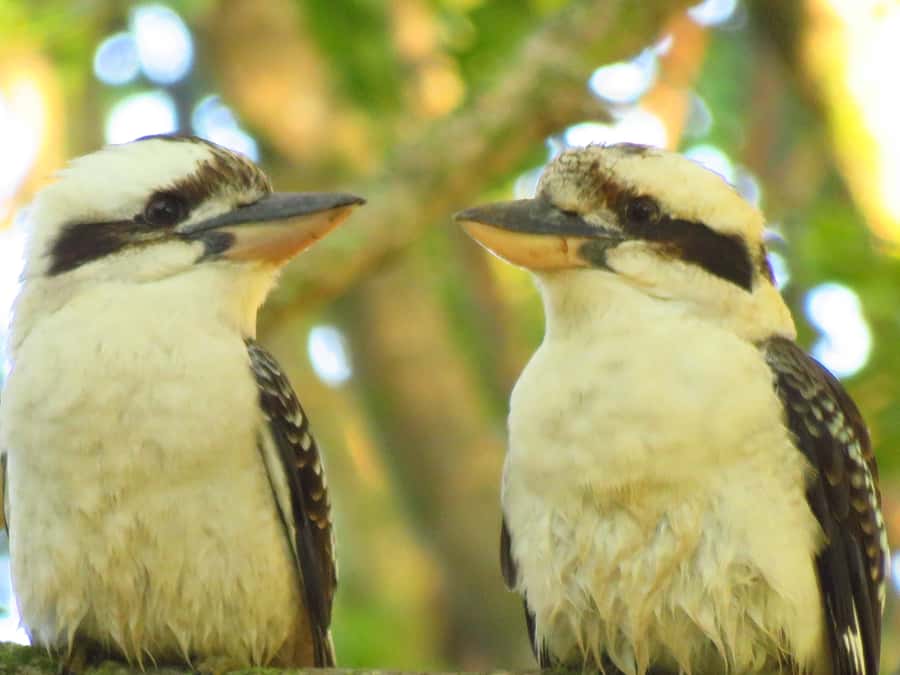
This is an eco-tour company focused on observing wildlife without disturbing it. The message is consistent: don’t feed or pat wildlife.
That matters for two reasons:
- It protects the animals and their natural routine.
- It also helps you keep the best chance of seeing wildlife repeatedly during the day. When animals are stressed, they move away or freeze into behavior that’s hard to observe.
You’ll also be asked to wear dark clothing if possible. The idea is simple: reduce attention, blend in, and let the animals carry on. It’s not about fashion. It’s about how you affect visibility and animal comfort.
Price and value: is $133 a fair deal?
At $133 per person for a 7-hour full-day tour, the value comes from what’s included and how much effort goes into your odds.
You get:
- hotel pickup and drop-off
- an environmental scientist guide
- binoculars
- picnic lunch
- water refills
- access to photographs
What’s not included: bottled water.
If you compare this to the cost of doing wildlife viewing on your own—fuel, time, parking, and the learning curve of where to look—this price starts to make sense. The guide’s role is the multiplier: they know where to scan, what signs to watch for, and how to interpret animal behavior without crowding it.
The small group cap (10 people) is also a value signal. It usually means less chaos and fewer distractions when wildlife starts moving.
Who this tour suits best (and who should choose differently)
This safari fits best if you:
- want koalas and kangaroos in the wild, with a habitat-based plan
- like structured learning from a science-led guide
- prefer respectful viewing over hands-on animal interaction
- enjoy birds and are happy to use binoculars
You might want to choose another option if you:
- want guaranteed close-up photo opportunities or the chance to touch wildlife (this tour does not offer feeding or patting)
- dislike driving and short walks
- have strong motion sickness and can’t manage it with medication
Should you book this Byron Bay Wildlife Safari?
I’d book it if your top priority is seeing Aussie animals in their natural environment with a guide who can point out what you’re actually looking at. The day is built for results: three habitats, a small group, binoculars, and an environmental scientist guide, plus a picnic lunch that keeps energy up instead of letting the day drag.
Skip it if your dream day is hands-on animal time. This is observation-first. That’s a dealbreaker for some people and a huge win for others. If you’re in the second group, this is a strong pick for Byron Bay.
One last practical tip before you go: pack closed-toe shoes, bring a reusable water bottle, and wear dark clothes if you can. It makes a difference out there.
FAQ
Is this a zoo or a wildlife sanctuary?
No. This is a wildlife safari focused on observing animals in their natural habitat. It’s not designed around a zoo-style setup.
How long is the Byron Bay wildlife safari?
The tour duration is 7 hours.
What wildlife will I see?
The tour states it guarantees you’ll see a koala or two, a mob of kangaroos, a colony of flying fox, and many bird species. You might also see pademelon, echidna, tawny frogmouth, and water dragons if conditions are right.
What habitats do you visit?
You visit three habitats near Byron Bay: eucalyptus forest, rainforest, and grassland.
What’s included in the price?
Included are hotel pickup and drop-off, an environmental scientist guide, binoculars, a picnic lunch, water refills, and access to photographs.
Is bottled water included?
No. Bottled water is not included.
What kind of transport will you use?
Depending on group size, you’ll travel either in an eight-seater hybrid vehicle or a 12-seater bus.
Are there walks during the tour?
Yes, there are walks, but they’re described as fairly easy and can be adapted to the group’s abilities.
Can you accommodate dietary requirements?
The tour asks you to let them know about special dietary requirements when you book.
What’s the cancellation policy?
You can cancel up to 24 hours in advance for a full refund.
What should I bring?
Bring a water bottle, closed-toe shoes, and a jacket if the weather calls for it. Dark clothing is requested if possible.