REVIEW · STOCKHOLM
Stockholm: Evening Wildlife Safari with Midsummer Meal
Book on GetYourGuide →Operated by Stockholm Adventures · Bookable on GetYourGuide
A sunset trip outside Stockholm is a rare mix of nature and history, all in one evening. I like that it’s only about 20 minutes from the city, yet you still get real forest time, and I also like the way the evening builds toward your meal at an outdoor camp. There’s also a big focus on looking, not just walking, with binoculars and a guide who helps you read the woods.
One thing to consider: animal sightings are never guaranteed. Some nights bring moose, some nights bring deer, hares, and birds instead, and the timing matters with sunset and the route your guide chooses.
In This Review
- Key points to know
- Why This Sunset Safari Feels Like Rural Sweden Without the Distance
- Price and What You Actually Get in Four Hours
- From Kungsbrostrand to the Forest: How the Evening Works
- Midsummer Meal at an Outdoor Camp, Plus the Wildlife Lesson
- Spotting Moose, Deer, and Wild Boar: What Your Guide Looks For
- Weather, Animal Odds, and What If You Don’t See a Moose
- Viking Runestones and Old Cottages Along the Route
- Small Group Size, Minivan Comfort, and Practical Tips
- Who This Tour Suits Best (and Who Might Want to Skip It)
- Should You Book This Tour or Choose Another Stockholm Plan?
- FAQ
- FAQ
- How long is the Stockholm evening wildlife safari with midsummer meal?
- Where do I meet the group?
- What time do tours depart?
- How big is the group?
- What’s included besides the wildlife tour?
- What wildlife am I likely to see?
- What type of transportation is used?
- What language is the guide?
- What should I bring?
- Is this tour suitable for children?
Key points to know
- Small group (up to 8) means more attention and easier spotting in the darkening woods
- Binoculars included so you can actually scan meadows and treelines
- Midsummer meal outdoors adds culture instead of making this a drive-and-hope tour
- A forest portion plus a drive balances walking time with wildlife-searching
- Viking runestones and historic homes turn the route into a mini history lesson
- English-speaking guide with practical habitat talk while you’re right there
Why This Sunset Safari Feels Like Rural Sweden Without the Distance
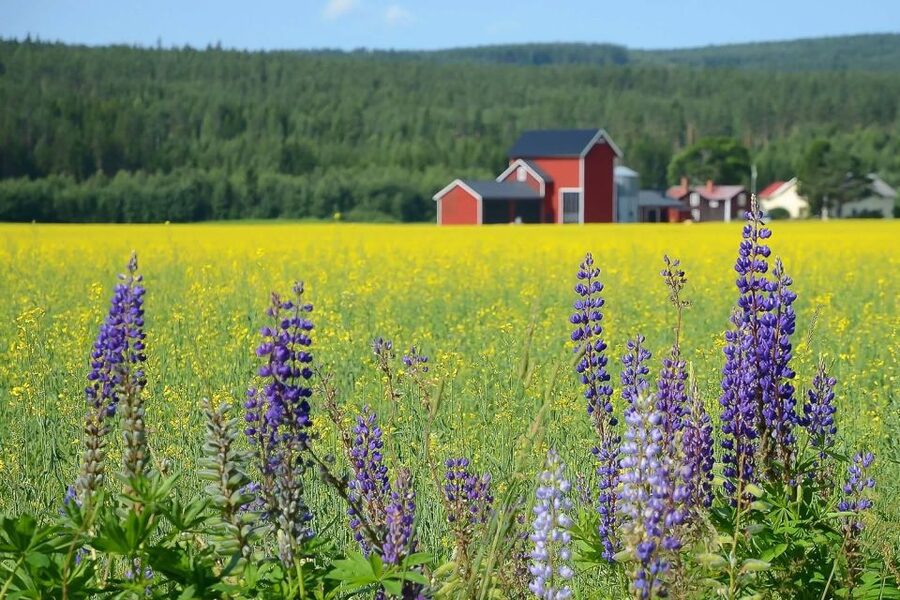
Stockholm is compact, which makes this kind of excursion tempting: you want the countryside, but you don’t want to spend your whole day traveling. This one starts close to the city and then shifts you into rural Sweden as the light changes. The result is that you get the best part of the day—when wildlife is more active and the forest feels alive—without needing a long commute.
I also like the pacing. It’s not a marathon. It’s designed around short stretches of movement and lots of stopping, looking, and learning. That fits how wildlife viewing really works: patience beats speed.
And the midsummer angle matters. Sweden’s summer traditions are best experienced in the open air, and this tour uses that idea well by pairing the meal with habitat talk. Instead of treating dinner like a separate event, it becomes part of the evening’s theme: the land, the animals, and the human rhythms that happen there.
You can also read our reviews of more tours and experiences in Stockholm.

Price and What You Actually Get in Four Hours
At $177 per person, this is not a budget add-on. But it’s also not just “transport plus a snack.” You’re paying for a full evening experience that includes round-trip transportation from central Stockholm, a guided wildlife search, a traditional Swedish midsummer meal, and binoculars.
The four-hour length is a sweet spot. You get enough time to leave the city, reach the rural wildlife area, eat, search, and still make it back after sunset. If you’ve only got an evening free—or you want something more memorable than another museum—this format makes sense.
Value-wise, the real question is whether you enjoy nature “on the move.” If you like forests, countryside drives, and listening for what your guide notices, the price starts to feel fair. If you want a guaranteed animal show, you should know this isn’t that kind of tour.
From Kungsbrostrand to the Forest: How the Evening Works
You meet at Kungsbrostrand 21 at the ICEguide/Stockholm Adventure shop. Tours run from about 3:30 PM to 8:30 PM, depending on when sunset hits. That timing detail isn’t random; it shapes your chances of seeing animals as the light drops.
Once you’re aboard, you’ll ride in a small minivan to the wildlife-rich areas outside Stockholm. Before you start the safari portion, you’ll get to know your group and fellow safari companions. That small-group feel matters in practice. When you’re scanning open meadows or edges of woodland, it’s easier when the group isn’t large and everyone can hear the guide’s instructions.
You’ll also do a short hike in the forest before the main viewing moments. Comfortable shoes are the only clothing advice you’re given, and I agree with it. You’ll want traction and support, because you’re walking on uneven ground in an active, outdoor setting.
Then the tour settles into its main rhythm: move when it makes sense, stop when it matters, and watch when the woods get quiet enough to reveal something.
Midsummer Meal at an Outdoor Camp, Plus the Wildlife Lesson
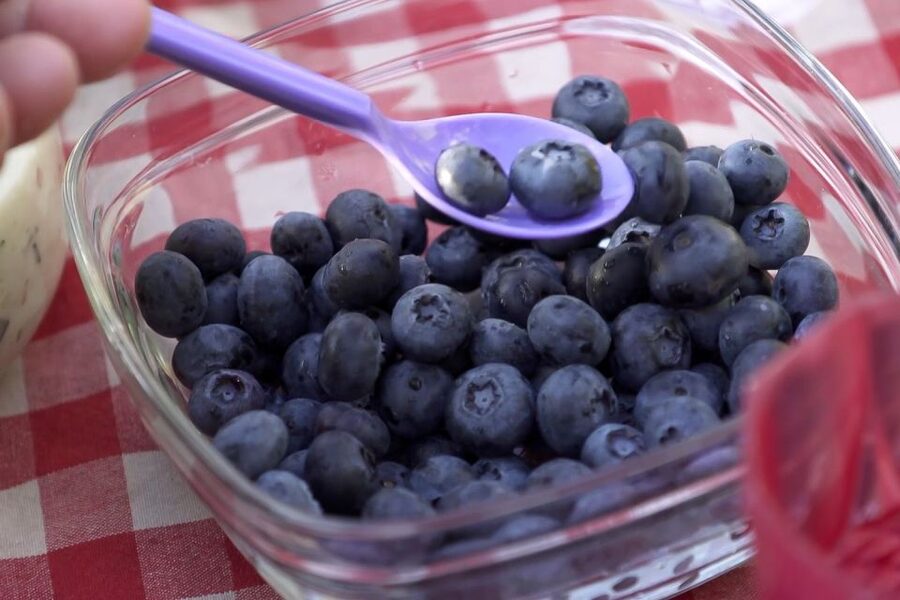
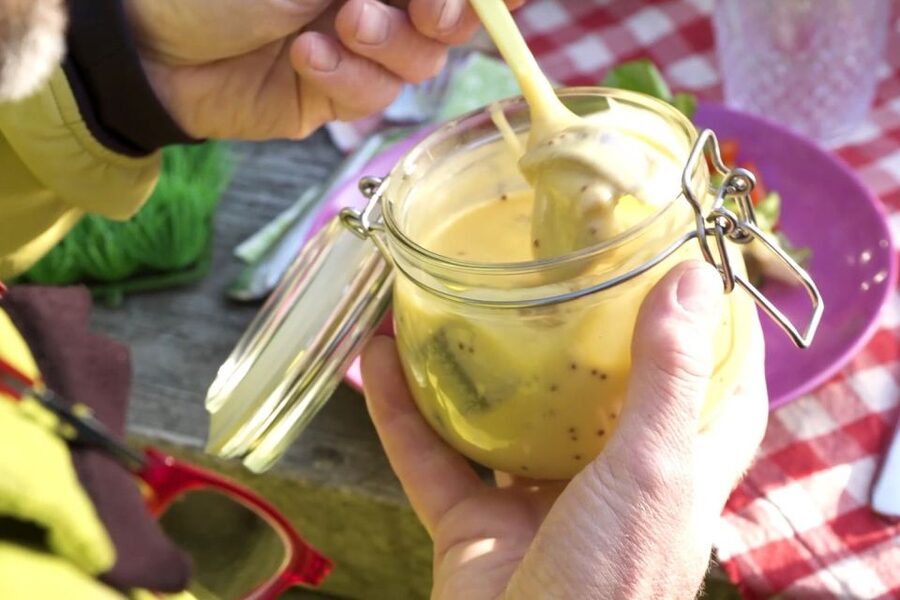
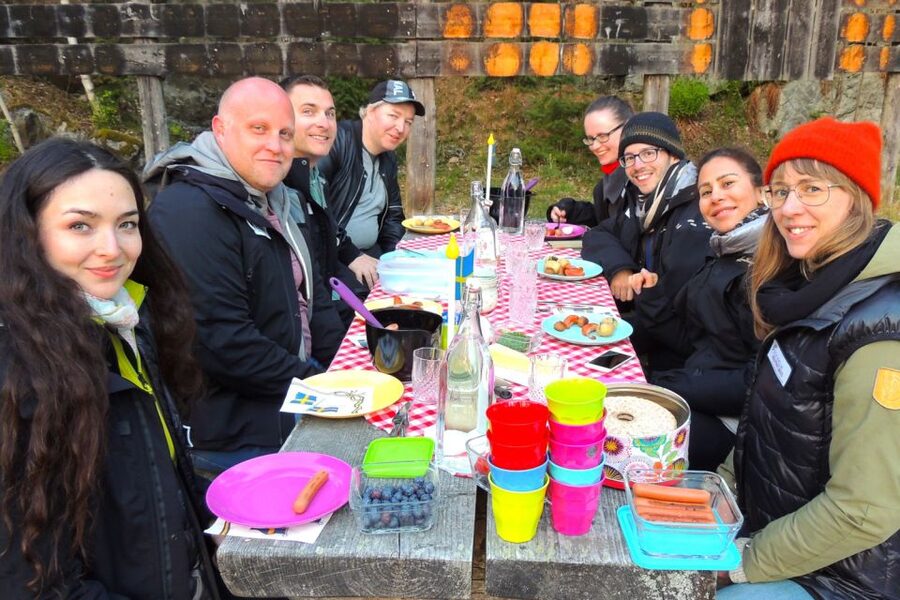
The midsummer meal is one of the most appealing parts of the evening because it’s not staged in a restaurant. It’s served at an outdoor camp, which makes the meal feel like part of the setting instead of an interruption.
Equally important: your guide uses the meal time to explain the habitat around you and how the animals use the land. That means you’re not just eating and then forgetting everything. You go back outside with better context—why you’re stopping where you are, what signs to watch for, and what behaviors might show up as evening settles.
From the reviews, guides like Francisco and Naomi stand out for making the meal feel cozy and social. People also highlighted how the guides are patient and good at explaining what’s happening in the environment. There’s a big difference between a guide who talks and a guide who helps you look.
So if you love cultural experiences that come with a little knowledge, this camp meal works well. If you mainly want wildlife and could care less about food and tradition, it still offers value because it’s paired with the habitat lesson, not just a break.
Spotting Moose, Deer, and Wild Boar: What Your Guide Looks For
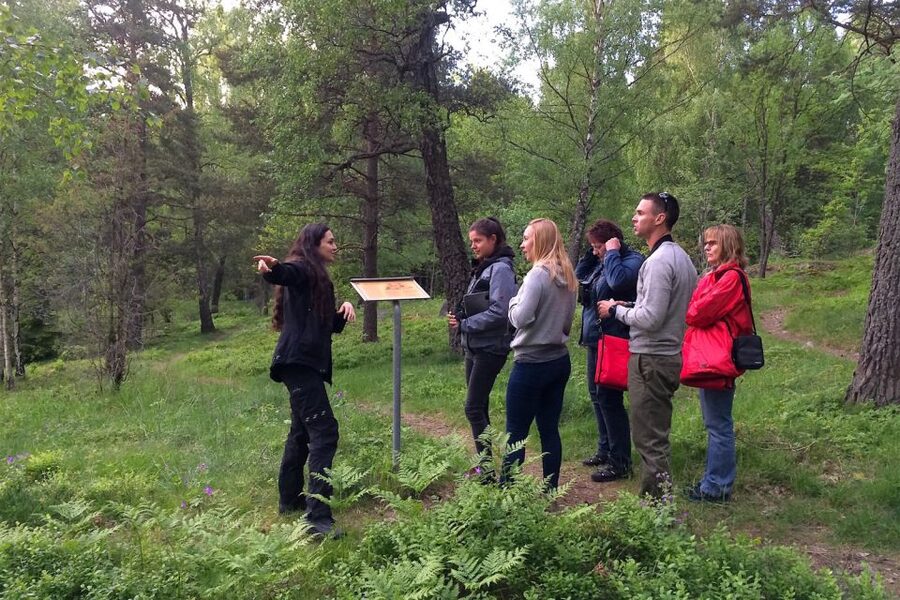
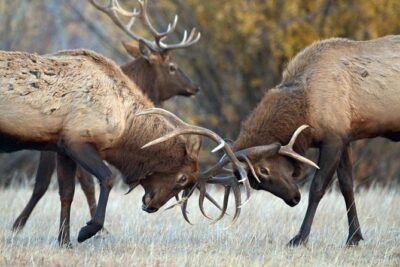
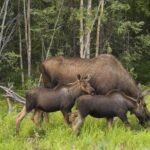
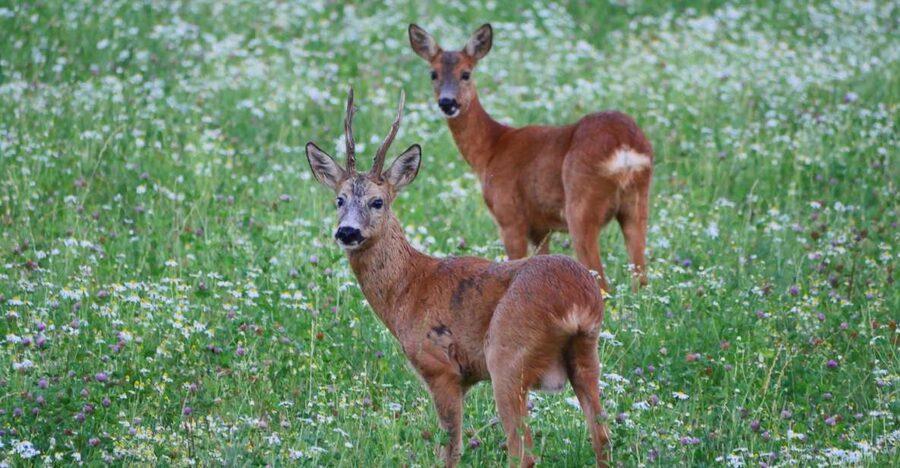
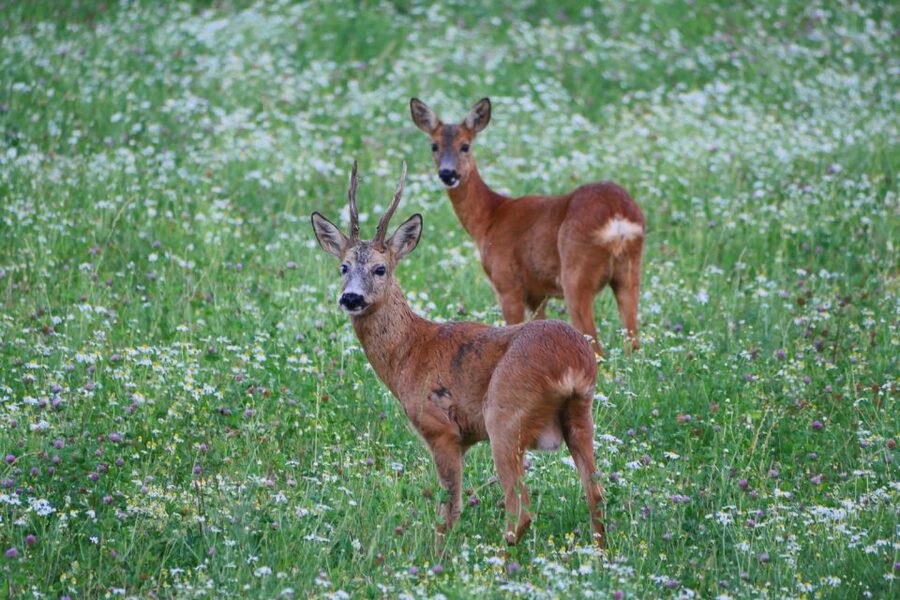
This safari is built around realistic animal-search behavior: meadows, woodlands, and the edges where animals move. You’ll be on the lookout for moose, roe deer, wild boar, and hare, plus the kind of birds you might spot along the route.
Your guide is doing more than pointing and hoping. The tour includes binoculars, and that changes the viewing experience. With binoculars, you can scan distant movement and focus on details you’d miss with the naked eye—especially as light fades.
What I like most is how the tour accepts unpredictability without losing structure. In real wildlife watching, some nights are moose nights and some nights are deer nights. Reviews reflect that range: one group saw a moose (described as a lonely moose), while others had plenty of deer even when moose didn’t show up.
That’s where a good guide earns their fee. Guides such as Ben and Misa were praised for being knowledgeable and kind, and for English that makes instructions easy to follow. The best moments tend to come when your guide explains what you’re seeing and why it matters—so even if the highlight animal doesn’t appear, you still walk away with a better understanding of the area.
Weather, Animal Odds, and What If You Don’t See a Moose
Let’s be honest: moose are not a vending machine. The tour keeps the expectations practical. You’re searching in a natural setting, so outcomes vary by season, timing, and luck.
The upside is that you’re not only chasing one animal. Even on nights without moose, people report seeing deer and other wildlife. That means the tour can still feel like a win because wildlife viewing isn’t just one species—it’s the whole living system around you.
Also, sunset matters. The tour departure window adjusts to sunset times, and that likely influences animal activity. If you’re deciding between start times, I’d generally choose the one that fits your energy and lets you stay alert during darker stretches. Your guide will run the route based on conditions, but your ability to keep scanning helps.
If you’re the type who gets disappointed easily by uncertainty, set your mindset beforehand: go for the process—forest hike, camp meal, scanning with binoculars, and the guide’s observations. The moose, if it shows up, becomes a bonus rather than the whole point.
Viking Runestones and Old Cottages Along the Route
This is one of those tours where the ride isn’t dead time. Part of the experience includes seeing Viking runestones and 17th-century manor houses and cottages as you travel through rural areas.
That history piece gives your evening a second layer. When you stop for wildlife viewing, you’re not surrounded only by trees—you’re also seeing how people have lived in and shaped this countryside for centuries. It turns the evening into something more interesting than a simple search route.
In practice, this also helps break up the evening. You’re not just waiting in silence for an animal. You’re getting visual cues from the countryside and the historic markers your guide points out.
It’s a nice fit if you like Sweden beyond the obvious postcard scenes, especially if you’re already doing city attractions and want something more grounded in where people actually live.
Small Group Size, Minivan Comfort, and Practical Tips
The group limit is 8 participants, which is a real plus for wildlife tours. Smaller groups mean less noise and easier listening. It also makes it more likely you’ll catch what the guide is explaining while you’re standing still with binoculars.
The activity is van-based, so you aren’t doing a long trek through rough terrain. Still, there is that short forest hike before the main viewing moments. Comfortable shoes are the only specific item listed, and it’s enough advice.
Timing matters. You’re told to arrive 15 minutes early, and I take that seriously. With a minivan pickup and an active schedule, arriving late can mean you miss the departure.
If you’re sensitive to cold, Sweden in the evening can feel cooler than you expect, even in summer. The tour doesn’t list extra gear, but you’ll likely want layers so you can stay outside longer without rushing to warm up.
Who This Tour Suits Best (and Who Might Want to Skip It)
This tour fits well if you want a balanced mix: wildlife viewing plus a midsummer tradition, with history along the way. It’s also a good choice for people who don’t want to plan a complicated day trip themselves.
It’s not suitable for children under 10, so plan this as an adult-focused outing or a teen-friendly one (depending on your family). It also requires a willingness to be outdoors in the evening, with some standing and slow scanning.
If you hate waiting and want constant action, you might find it slower than you prefer. Wildlife safaris work best when you’re curious and okay with quiet moments.
On the flip side, if you love nature, enjoy local food traditions, and appreciate a guide who can explain what you’re seeing, this is the kind of evening you’ll remember.
Should You Book This Tour or Choose Another Stockholm Plan?
I think this booking makes sense when you check a few boxes: you want to leave the city in the evening, you’re interested in Swedish midsummer traditions, and you’re excited to scan for wildlife with binoculars instead of just chasing one guaranteed sighting.
The price is significant, but the ingredients are too: guided wildlife search, meal, transport, and historic countryside stops, all wrapped into a four-hour window. If you’re already spending a lot of time in central Stockholm, this gives you a different kind of Sweden—practical, outdoorsy, and genuinely local.
If moose sightings are your only goal, you’ll want to temper expectations. But if your goal is to spend a memorable evening outside the city with a small group, good guidance, and a traditional meal, this tour delivers the kind of experience that feels worth dressing up for.
FAQ
FAQ
How long is the Stockholm evening wildlife safari with midsummer meal?
The tour runs for about 4 hours.
Where do I meet the group?
Meet at Kungsbrostrand 21 at the ICEguide / Stockholm Adventure shop.
What time do tours depart?
Departures vary between about 3:30 PM and 8:30 PM depending on sunset timing.
How big is the group?
It’s a small group limited to 8 participants.
What’s included besides the wildlife tour?
You get a guided wildlife tour, a traditional Swedish midsummer meal, round-trip transportation from Stockholm, and binoculars.
What wildlife am I likely to see?
The tour focuses on spotting moose, roe deer, wild boar, and hare, plus other animals and birds you might encounter.
What type of transportation is used?
It’s a van-based activity.
What language is the guide?
The live tour guide is in English.
What should I bring?
Wear comfortable shoes for walking in the forest.
Is this tour suitable for children?
No, it’s not suitable for children under 10.