REVIEW · PRETORIA
From Johannesburg: Kruger National Park 3-Day Safari
Book on GetYourGuide →Operated by Africa Moja Tours & Safaris · Bookable on GetYourGuide
Kruger National Park is one of those places you feel immediately. This 3-day safari runs from Johannesburg into the park area, with a small group capped at 15 and a focused schedule designed around seeing the Big Five (lion, leopard, elephant, rhino, buffalo) on game drives across the day, and at night when conditions allow.
I like the rhythm here: a first game drive after you settle in, then a true dawn start when animals are most active. You also get a classic Kruger-style break that includes a local watering-hole stop where hippos and crocodiles are the main event, plus lunch by the Sabie River.
The main drawback to watch is cost beyond the base price. Alcohol is extra, and while your day plan includes lunch/breakfast stops, the trip info also says food and drinks may not be fully included—so plan a food budget to avoid surprises.
In This Review
- Key things that make this safari worth your time
- Three days in Kruger: what this package really delivers
- The Johannesburg to Kruger transfer: Elands Valley citrus and real time saved
- Lunch inside Kruger and your first afternoon game drive
- Tembo Guest Lodge in Hazyview: a comfortable base between park days
- Sunrise and the Big Five window: how the dawn drive pays off
- Watering-hole viewing for hippos and crocodiles, plus midday recovery
- Skukuza Camp lunch by the Sabie River: where breaks turn into a moment
- Second afternoon drive and the hunt for elusive wildlife
- Budget reality: price, included items, and the cost surprises to plan for
- Guides and driving skill: why names like Given, Muzi, Nic, Ben, and Gilbert matter
- What to bring (and what to skip) for a Kruger safari
- Who should book this safari, and who might want a different pace
- Should you book the Johannesburg to Kruger 3-Day Safari?
- FAQ
- How long is the safari?
- How many nights do I stay in the area?
- What animals are you aiming to see?
- Are there game drives during both day and night?
- Is there a live guide and is it English?
- What’s the group size?
- What’s included in the price?
- Are meals and drinks included?
- What should I bring for the safari?
- Is it safe to travel during malaria season?
Key things that make this safari worth your time
- Big Five focus across multiple drives so you do not get stuck with just one chance at the moment everything happens
- Dawn departure for the morning wildlife window when visibility and animal activity tend to be best
- Watering-hole stop aimed at hippos, crocodiles, and water birds
- Sabie River lunch break in a well-known camp area rather than just eating on the go
- Experienced guides with real fan knowledge (people have named guides like Given, Muzi, Nic, Ben, and Gilbert)
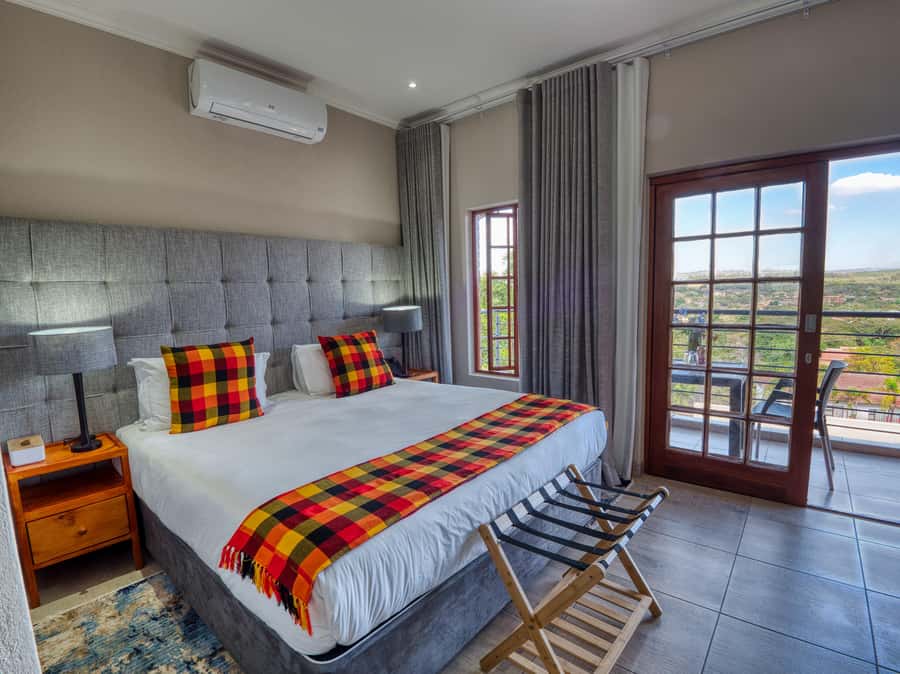
- Comfort meets practicality with bungalow/chalet-style lodge stays in Hazyview between park days
Three days in Kruger: what this package really delivers
A short Kruger safari is all about odds and timing. You will not cover the entire park, and you are not doing long self-drive days, so the value comes from getting multiple game drives in different light conditions. This is the difference between seeing “some animals” and having a realistic shot at the full Big Five checklist.
I like how the schedule is built to keep you moving through the day. You start with travel and park entry, then you stack drives: an afternoon drive on day one, a sunrise drive on day two, and another morning drive plus an extra afternoon drive on the way back. That pattern matters because animal behavior shifts fast—especially lions and leopards, which can be either lounging in plain sight or completely gone when you arrive at the wrong hour.
And because the group stays small (max 15), you’re less likely to feel like you’re watching the savanna through a crowd. You can actually hear your guide’s observations, and you get more time to line up for photos when the vehicle stops.
The Johannesburg to Kruger transfer: Elands Valley citrus and real time saved
The safari begins with pick-up from hotels or Johannesburg Airport. You travel by air-conditioned van through Elands Valley toward Nelspruit, with citrus groves along the route. It’s not the point of the trip, but it does set the tone: you’re transitioning from city life into farming country, and then toward the park.
Two practical notes I’d take seriously before you go:
- Plan for the lobby timing. You’re asked to be ready about 5 minutes early in your hotel lobby. That’s a small thing, but it prevents delays and stress.
- Keep your camera and sun gear within reach. The ride is long enough that you’ll want easy access without unpacking everything in transit.
This transfer approach is also a value move. Instead of spending your limited safari hours fighting logistics, you’re already in motion toward game-drive routes.
Lunch inside Kruger and your first afternoon game drive
After entering the park, you stop for lunch in Kruger National Park. That matters because you’re not rushing straight into the vehicle for hours. You get a chance to settle, use the restrooms, and start the afternoon drive with less crankiness and more patience for spotting wildlife.
Then comes your first game drive—an afternoon session focused on elephants, giraffes, and antelopes at minimum, with the Big Five in mind. Afternoon drives can be a sweet spot: the animals may be moving between feeding areas, and the light is often good for photography without the harshest mid-day glare.
One thing to remember: Kruger sightings are never guaranteed. What you’re paying for is a system designed to maximize your chances—routes, timing, and a guide scanning continuously rather than treating each stop like a quick photo break.
Tembo Guest Lodge in Hazyview: a comfortable base between park days
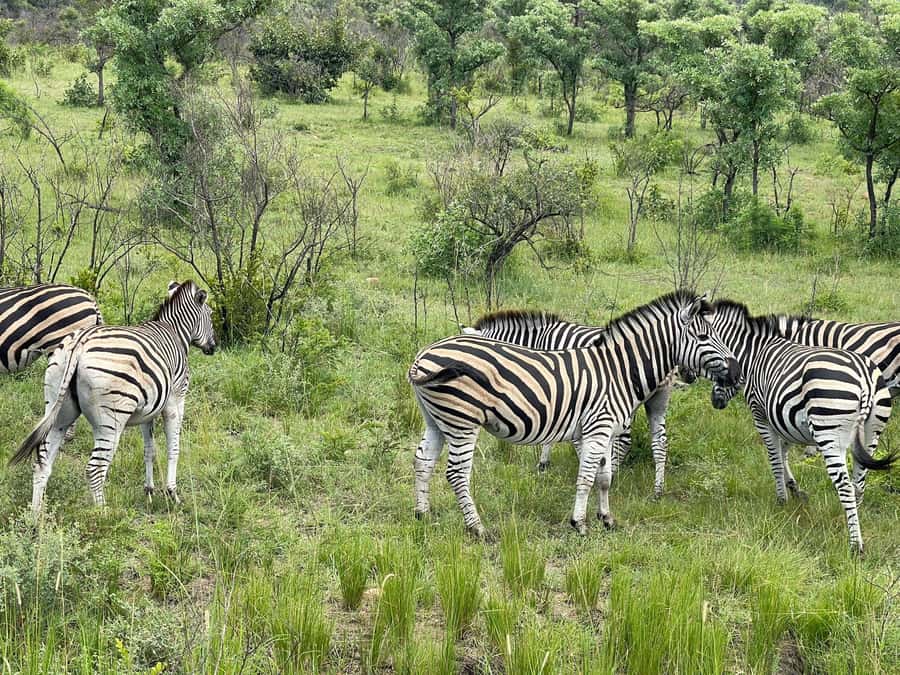
After the first drive, you check in for the night at Tembo Guest Lodge in Hazyview. The included accommodation is described as a bungalow or chalet style stay, and the vibe that comes through is clean and comfortable rather than flashy.
Why I think this matters: a safari day can be long. You want a place to cool down, shower, and recharge your battery gear. If the accommodation is comfortable, you’ll actually enjoy the next early morning drive instead of feeling wrecked.
Also note that the lodge area (Hazyview) is close to the Kruger region, which helps keep travel time from stealing your wildlife hours.
Sunrise and the Big Five window: how the dawn drive pays off
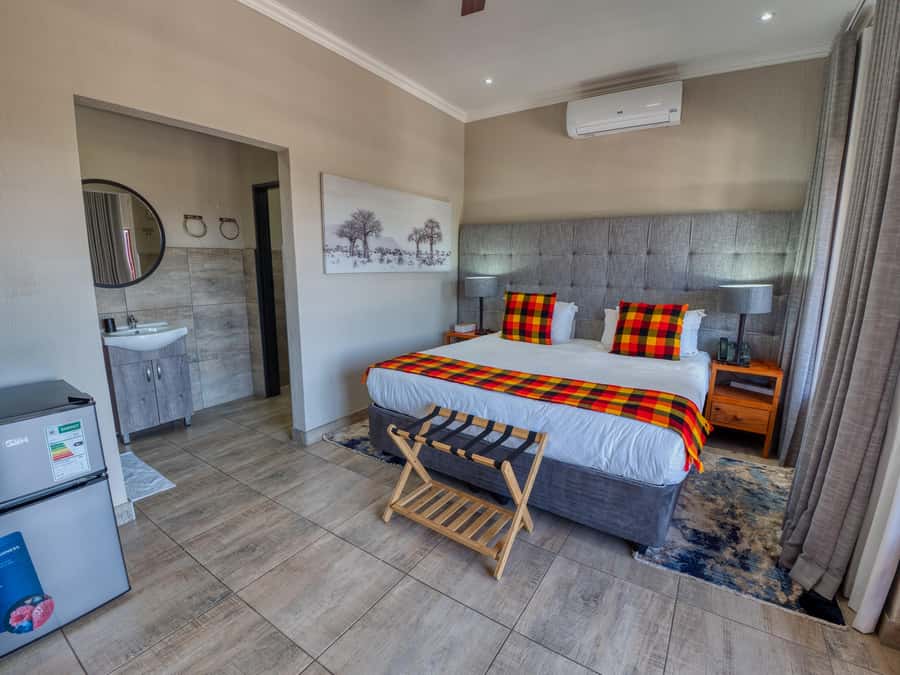
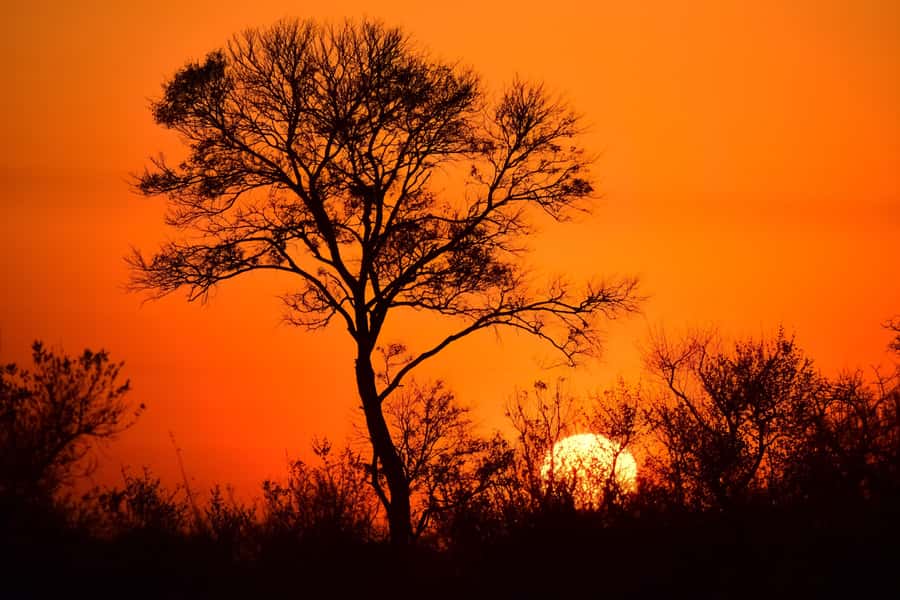
Day two starts with sunrise and a morning game drive. This is where the schedule earns its keep. At dawn, the bush often feels calmer, and animals tend to show themselves more—either because they’re active or because they’re simply easier to spot in softer light.
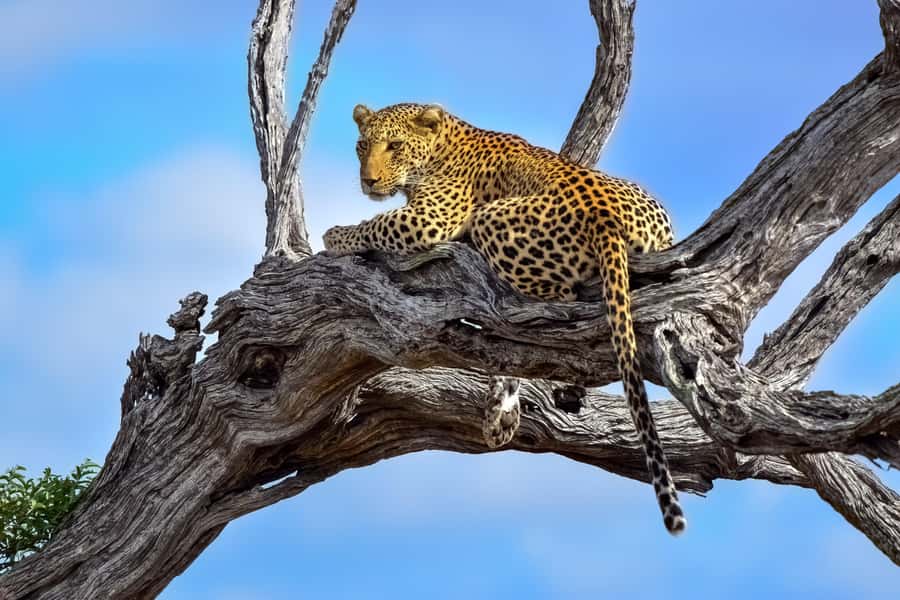
The guide-led search aims at the Big Five: lion, leopard, elephant, rhino, and buffalo. Even if you do not get all five in one day (that would be luck on top of good planning), you’re getting repeated chances across the full safari length rather than one all-or-nothing morning.
From what people emphasize about guides on this kind of route, a skilled driver and a sharp spotter can change your day. Names that have come up include Given, Muzi, Nic, Ben, and Gilbert, with praise for hard work to find animals and for patient photo time when something catches your eye.
Watering-hole viewing for hippos and crocodiles, plus midday recovery
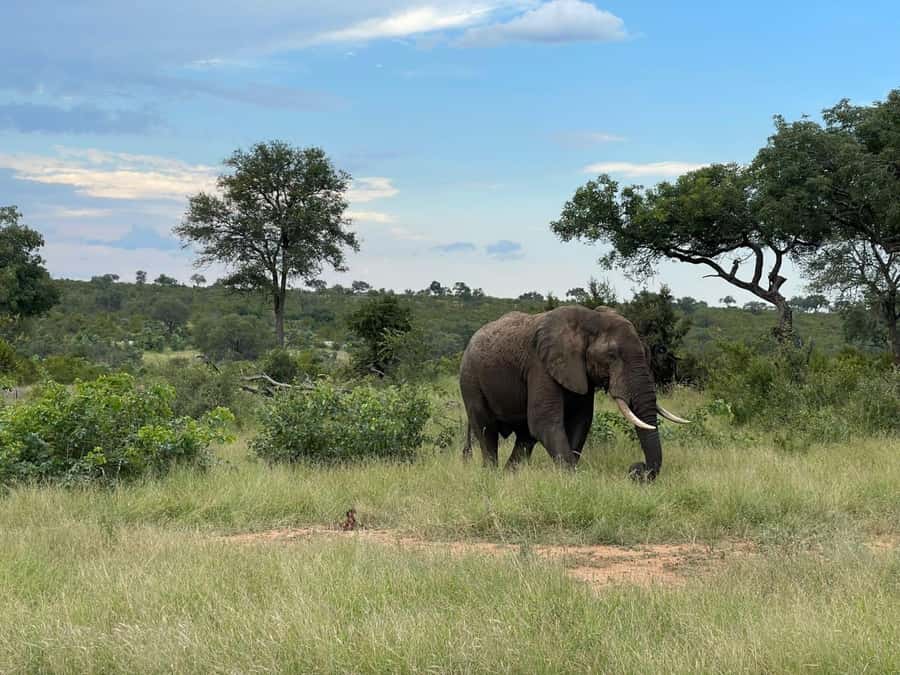
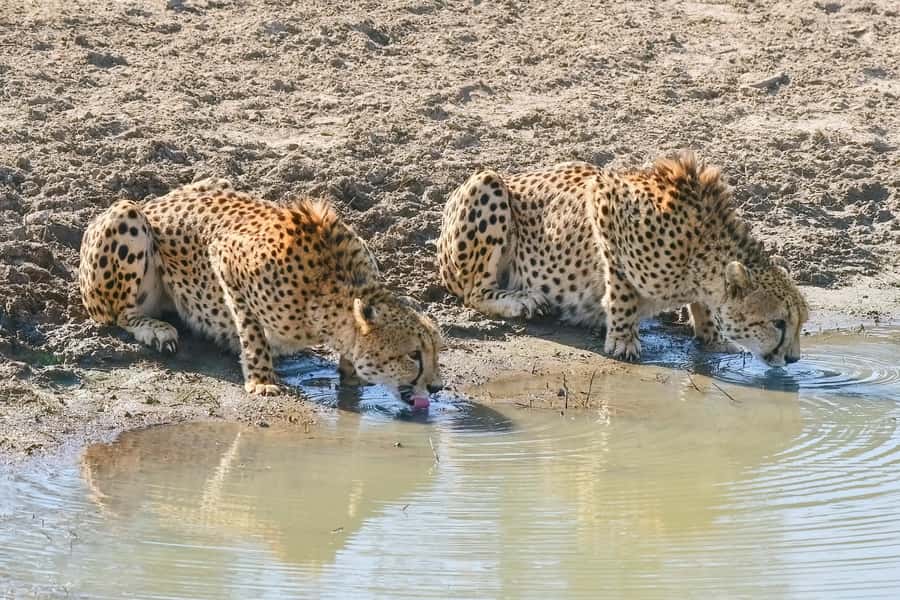
After the morning drive, you eat breakfast in the park and then head to a local watering hole. This is the part of the schedule that feels most “Kruger classic.”
You’re set up to look for:
- hippos
- crocodiles
- water birds
Watering holes can be unpredictable, but that unpredictability is part of the appeal. If animals are around, they usually show up with strong “watch me for 20 minutes” energy. If they are not, your guide can shift your focus to what is available nearby.
Then you get a midday rest—smart planning, because the heat and fatigue can hit hard between morning and afternoon. A break also helps you stay sharp, which you need for spotting more elusive wildlife later.
Skukuza Camp lunch by the Sabie River: where breaks turn into a moment
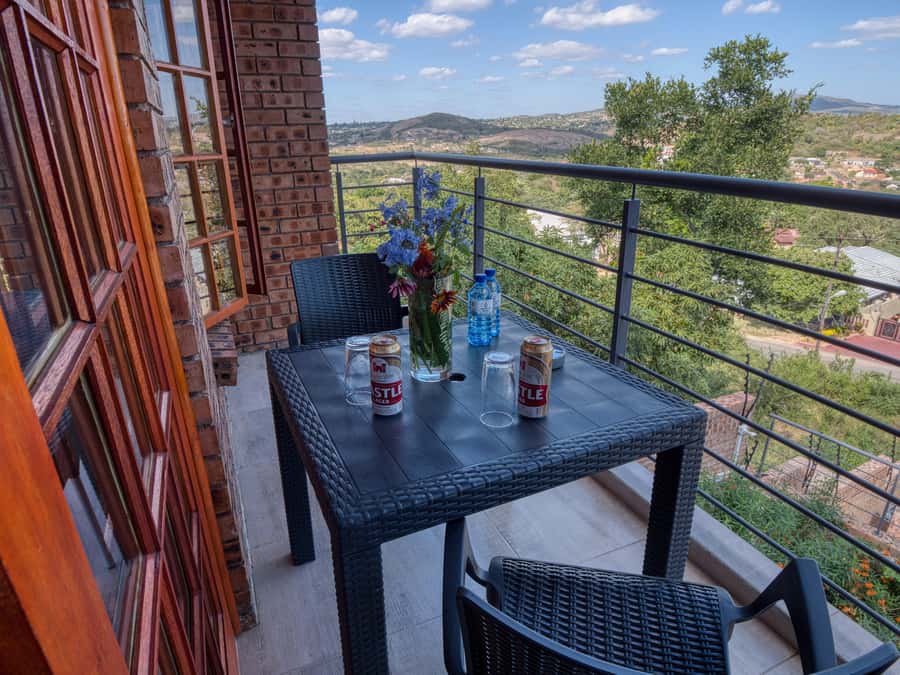
After rest, you have lunch at Skukuza Camp along the Sabie River. This is one of those advantages you do not always get on short safaris: you’re not just eating quickly somewhere random. The Sabie River area is known for wildlife and scenery, and the camp stop gives you a more relaxed, sit-down reset.
One cost caution here: your package includes park fees and game drive fees, and it includes accommodation, but it does not promise all food and drinks. The day plan includes meals as part of the flow, yet the tour info says food and drinks are not included unless specified. So if lunch here is not included in your specific booking, treat it as an extra you should budget.
Second afternoon drive and the hunt for elusive wildlife
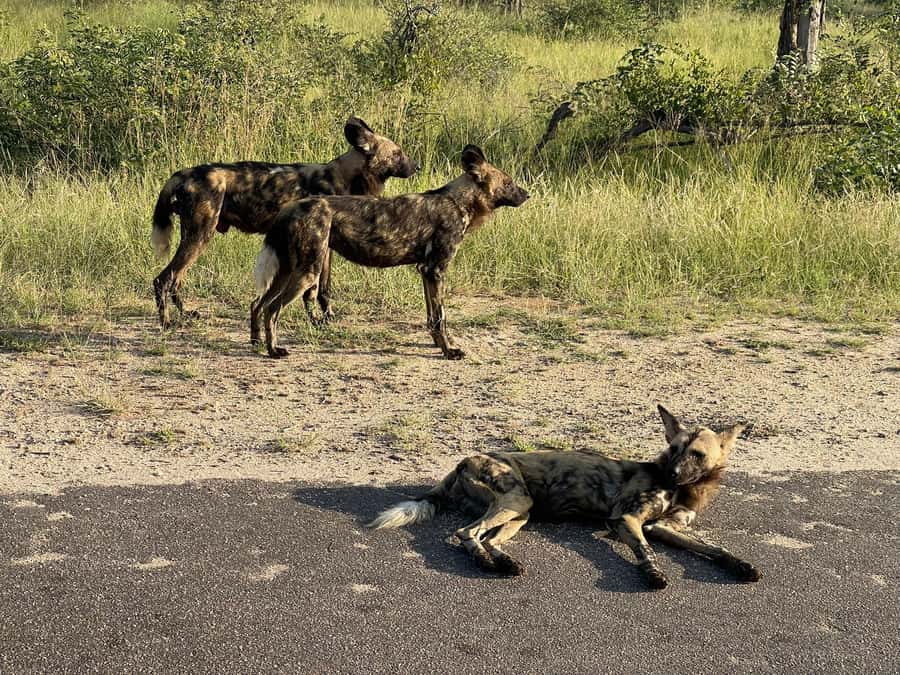
After lunch, you go out again for an afternoon game drive. This is your follow-up shot—different animals behave differently depending on heat and time of day, and predators can shift after the earlier sightings calm down.
Later, you also get an early morning game drive focused on elusive wildlife hiding in the bush. That phrase matters in plain terms: not every Big Five sighting is a “walk outside and they’re right there” situation. A lot of the best moments are about reading the land through binoculars, watching movement behind branches, and having the patience to keep scanning.
This is where the small-group format helps. You can keep your eyes on what your guide is pointing out instead of competing with a crowded vehicle stop.
Budget reality: price, included items, and the cost surprises to plan for
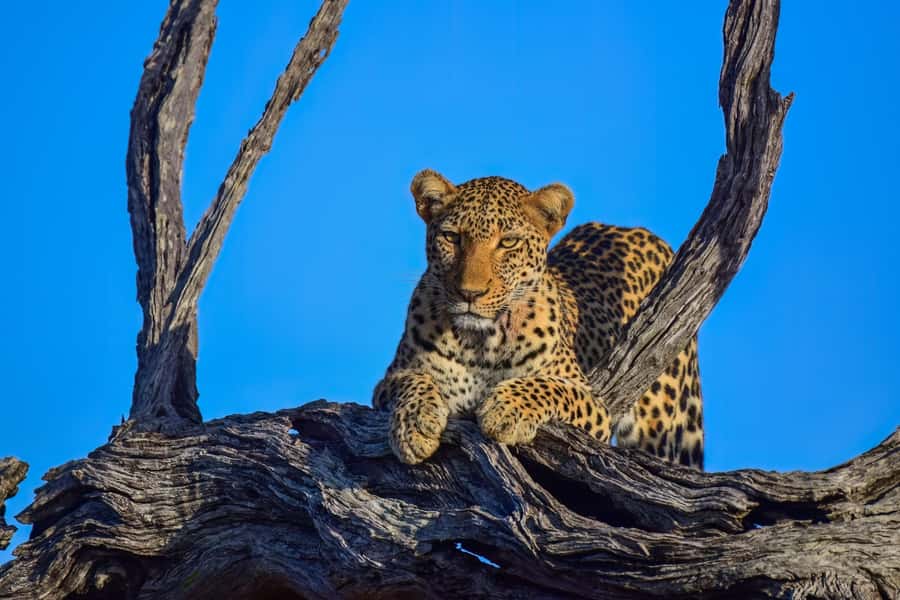
The price is $825 per person for 3 days. That’s a solid price point for a guided, park-fee-covered safari with accommodation included.
Here’s what the trip info says is included:
- pick-up and drop-off at hotels and Johannesburg Airport
- national park fees
- game drive fees
- accommodation in a bungalow or chalet
What is not included:
- alcoholic drinks
- food and drinks unless specified
- personal expenses
So the big money question is food and drinks. Your schedule includes lunch and breakfast stops, but you should confirm what portion of those meals is included in your booking price. People have pointed out that for the price, they expected more meals to be included, and that some dining options can feel more limited if meals are ordered a la carte.
My practical advice: set aside extra cash for meals and drinks, and plan one clear splurge or two, not ten small purchases. Also bring water and snacks only if your operator allows it—your day plan includes stops, so you may not need to “hack” the food system.
Guides and driving skill: why names like Given, Muzi, Nic, Ben, and Gilbert matter
In wildlife spotting, the driver and guide are not background characters. They’re the engine of the day.
From details people have shared, the guides on this safari style are praised for:
- sharing lots of knowledge about birds and animals
- working hard to maximize Big Five chances
- knowing where to position the vehicle for sight lines
- staying patient when you want extra time for photos
Guide names that have been mentioned include Given, Muzi, Nic, Ben, and Gilbert. Even if your guide is someone else, the pattern is what you’re looking for: calm competence and real spotting skill.
And here’s a helpful expectation-management tip I’d use: before you go, send a message asking for a plain breakdown of pick-up time, drop-off time, and what counts as full vs half day for meal planning. One person noted they wished more info was shared ahead of time, and you can avoid that hassle by asking early.
What to bring (and what to skip) for a Kruger safari
You’ll want the basics that make a difference in comfort and photo quality:
- comfortable shoes
- sunglasses
- sun hat
- sunscreen
- camera
Bring your passport, and wear clothing suitable for safari conditions.
Also, make the malaria planning part real. The tour info says most malaria cases occur in the wet season between October and May, with the highest risk period between February and May. You should talk to your doctor or a local travel clinic about prophylactics before you go.
One more important safety note: the safari is not suitable for pregnant women, so don’t try to force-fit it to your travel plan.
Who should book this safari, and who might want a different pace
This is a good fit for you if you:
- want a guided safari without self-driving
- like the structure of multiple drives in a short window
- want a real chance at the Big Five plus classic Kruger waterhole sightings
- prefer a small group (15 or fewer) so the experience stays personal
This may not be the best fit if:
- you need fully included meals and drinks with no extra spending
- you want total freedom to change schedules on the fly
- you’re looking for a luxury, all-inclusive resort-style experience rather than a safari-focused one
If you’re a first-time safari person, this plan is especially friendly because it gives you both the Big Five pursuit and the “everyday wildlife” stuff like elephants, giraffes, hippos, crocodiles, and water birds.
Should you book the Johannesburg to Kruger 3-Day Safari?
I’d book it if you want a compact, guided safari that spends real time on the ground and is designed around sightings. The value is strongest when you treat the price as covering park access, game drives, and your lodge base—then you handle the extras like food and drinks with a bit of budgeting.
But you should decide based on two things:
1) Are you okay with extra spending for meals and drinks if they are not included in your specific package?
2) Are your dates in a higher malaria-risk month? If yes, do the medical planning step early.
If those check out, you’re set up for a memorable Kruger experience: dawn wildlife time, an afternoon rhythm, waterhole drama, and the chance to chase the Big Five with a guide who knows how to work for sightings.
FAQ
How long is the safari?
It runs for 3 days.
How many nights do I stay in the area?
You get 2 nights, with an overnight at Tembo Guest Lodge in Hazyview.
What animals are you aiming to see?
The focus is on the Big Five: lion, leopard, elephant, rhino, and buffalo, plus other wildlife like hippos, crocodiles, water birds, giraffes, and antelopes.
Are there game drives during both day and night?
The experience is described as including game drives at night and during the day, with specific drives scheduled across afternoon and morning times.
Is there a live guide and is it English?
Yes. The live tour guide is English, and an audio guide is also included in English.
What’s the group size?
It’s a small group limited to 15 participants.
What’s included in the price?
Included are hotel (and Johannesburg Airport) pick-up and drop-off, national park fees, game drive fees, and accommodation in a bungalow or chalet.
Are meals and drinks included?
Food and drinks are not included unless specified. The schedule includes breakfast and lunch stops, but you should confirm what your booking covers. Alcoholic drinks are available to purchase.
What should I bring for the safari?
Bring comfortable shoes, sunglasses, a sun hat, sunscreen, and a camera.
Is it safe to travel during malaria season?
Malaria risk is highest during the wet season between October and May, especially February to May. Ask your doctor or a travel clinic about prophylaxis before you go. Also, the safari is not suitable for pregnant women.