REVIEW · MOSHI
Safari in Tanzania 5 days: Manyara, Ngorongoro, Serengeti
Book on Viator →Operated by Safari Crew Tanzania · Bookable on Viator
Wildlife shows up fast in this Tanzania circuit. I like the tight route—Lake Manyara to Ngorongoro to Serengeti—because you get totally different animal worlds in just a few days. I also like that they handle the heavy logistics up front, including park fees, full board meals, transfers, and water on board, so your planning brain gets a break. One drawback to plan for: international/local flights, visa, and lodge drinks are not included, and game viewing still depends on season and luck.
This is a private setup, meaning it’s only your group. That usually means less waiting around and more focused time with your guide and ranger. The tradeoff is you should be ready for long days in a 4×4 as you chase the best light and sightings.
In This Review
- Key things I’d mark on your Tanzania checklist
- Entering The Circuit: Moshi as Your Base for Manyara, Ngorongoro, and Serengeti
- Lake Manyara: Monkeys, Elephants, and the Rift Wall Bird Show
- Ngorongoro Crater Fotosafari: The Volcanic Frying Pan Full of Animals
- Serengeti National Park: Why the Numbers Still Feel Real
- Day 3 Into Day 4: Two Serengeti Days and the Shift Toward Ngorongoro Plains
- Day 5 Back to Arusha: Rift-Wall Road Views and a Final Tanzania Meal
- What’s Included (and Why That Changes Your Actual Trip Feel)
- Price and Logistics: Is $3,050 Good Value Here?
- Who This Safari Suits Best
- Should You Book Safari Crew Tanzania’s 5-Day Safari?
- FAQ
- Where does this safari start and end?
- How long is the safari?
- Which parks are included?
- Is this tour private?
- What is included in the price?
- What is not included?
- Are guide languages included?
- How do I confirm my booking?
- What if I need to cancel?
Key things I’d mark on your Tanzania checklist
- 4×4 safari circuit with park fees and full board included, so you’re not doing surprise budgeting mid-trip
- Lake Manyara habitats in one stop (forest, savannah, marsh) with a big bird-and-monkey scene
- Ngorongoro’s volcanic caldera with serious wildlife density and dramatic rim-to-floor views
- Two Serengeti days that give you more chances to catch predators and river activity
- AMREF insurance + water on board built into the package
- Guides often work in Italian (and sometimes French), which makes it easier to ask real questions
Entering The Circuit: Moshi as Your Base for Manyara, Ngorongoro, and Serengeti
This safari is built around a classic Northern Tanzania combo. You start in the Moshi area, and the route hits three of the most talked-about places for a reason: different ecosystems, big wildlife energy, and unforgettable scenery from the vehicle.
In a 5-day window, you get a sensible rhythm. You’re not trying to cram every park in the country. Instead, you focus on the places that change the story fast: Lake Manyara’s mixed habitats, Ngorongoro’s crater bowl, then Serengeti’s huge open system with predators and big herds.
What you’ll feel most is how much the parks differ. The animals may overlap, but the stage doesn’t. That’s why this itinerary works so well for first-time safari travelers: it helps you understand Tanzania, not just tick off names.
One more practical point: the whole trip is private transportation, and the package is designed around full days in vehicles. If you’re the type who hates long drives, plan to treat the bumpy bits as part of the price of admission.
You can also read our reviews of more tours and experiences in Moshi.
Lake Manyara: Monkeys, Elephants, and the Rift Wall Bird Show
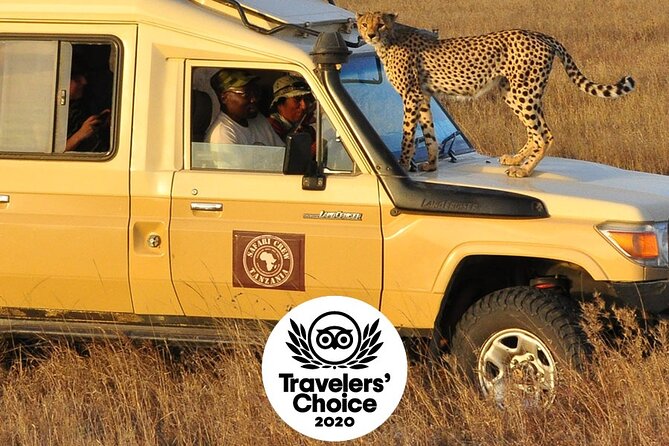
Lake Manyara National Park is small on paper (about 330 km², with roughly 200 km² taken by the lake) but it packs variety. You’re under the Rift Valley escarpment, which helps create a mix of environments close together. One moment you can be looking at forest-fed areas fed by resurging water at the foot of the Rift wall. The next, you’re in savannah country or marshy lake zones.
That variety matters because wildlife isn’t spread the same way everywhere. Manyara is known for primates and birds, and the park’s listed bird numbers are huge: up to 380 bird species. If you like photographing small moments—monkeys working the branches, flocks changing direction, birds popping up where you didn’t expect them—this stop pays off.
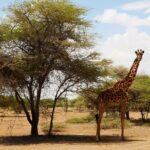
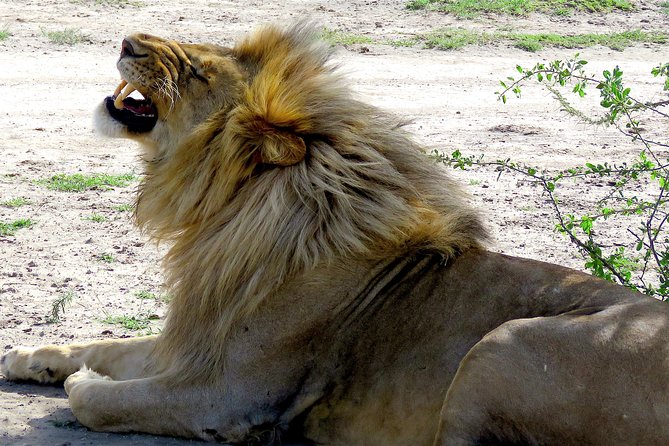
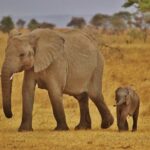
And yes, there’s a classic primate vibe here: baboons, vervet monkeys, and other monkey species. Elephants, giraffes, and lots of other animals are also part of the picture, depending on where you’re driving that day.
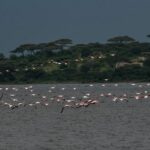
Season tip that actually helps: the tour info calls out pink flamingos from December to March. If your trip falls in that window, don’t treat flamingos as a random bonus. It’s the kind of seasonal detail that can turn a normal drive into a standout memory.
Downside to keep in mind: because Manyara blends habitats tightly, sightings can be location-dependent. You might get the day you want for birds and primates, or you might get a day where the animals are somewhere else. That’s not the tour’s fault. It’s park life.
Ngorongoro Crater Fotosafari: The Volcanic Frying Pan Full of Animals
Ngorongoro is where Tanzania turns dramatic. The crater started as a volcanic cone, and the summit collapsed about 2.5 million years ago, leaving the caldera you see today. The tour describes it like a huge bowl: roughly 16 to 20 km across, with raised edges about 600 m above the crater floor.
That geometry is more than geology trivia. It shapes how you view wildlife. From above, you can often see where animals have been moving, and down in the bowl you get that “everyone’s here” feeling. The provided info says there are more than 25,000 large animals living in the crater savannah—so the odds are usually better than in a park where animals are spread thin.
This is also the place where your expectations should be slightly adjusted. The tour notes that giraffes don’t find nourishment here, so they’re not among the crater’s typical big sightings. That matters if giraffes are your must-see. You’ll want to enjoy giraffes when they’re available in the route’s other settings, not assume they’re guaranteed inside the crater.
Altitude is another big part of Ngorongoro’s feel. The edges reach about 2,300 m above sea level. Practically, that can mean cooler air and quicker weather shifts. You’ll want to dress for comfort so you don’t spend your best photo time fighting the cold.
The “frying pan” effect is a real reason this stop stays famous. You’re not just driving around a flat reserve. You’re in a naturally contained stage, where your view can include herds, predators, and water sources in the same general area.
Serengeti National Park: Why the Numbers Still Feel Real
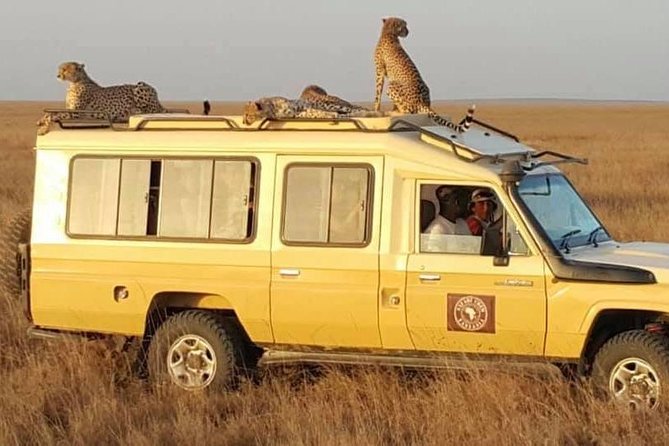
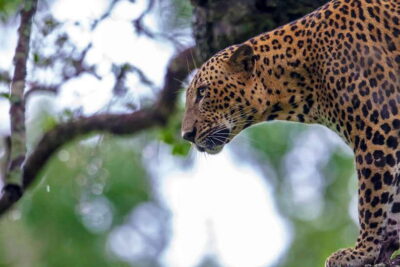
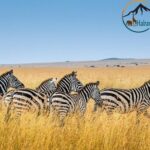
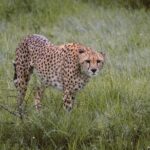
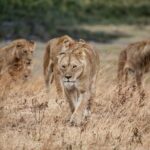
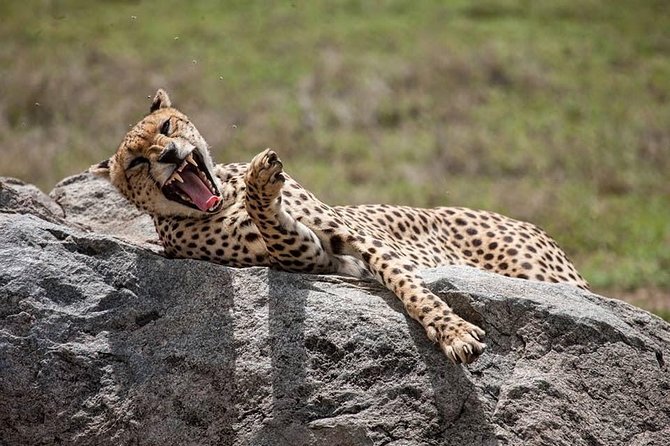
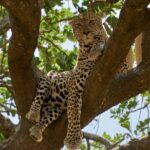
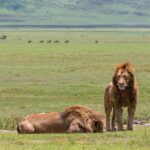
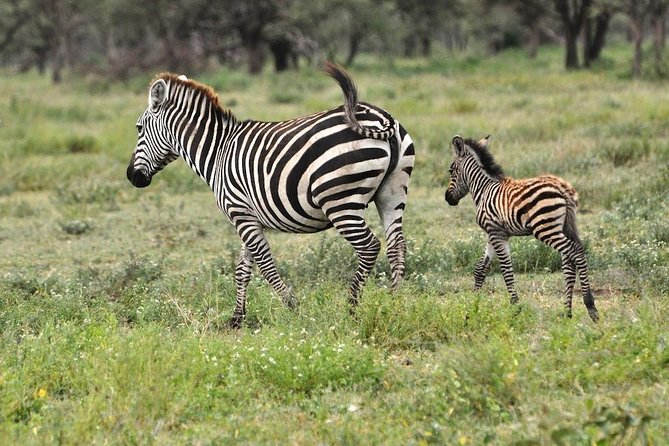
Serengeti is famous for a reason, and this itinerary leans into what makes it work: density, predators, and river-edge drama. The provided details list huge ecosystem numbers—more than 1,500,000 wildebeests, about 300,000 zebras, and about 500,000 Thompson’s gazelles, plus predators like more than 2,700 lions, around 1,000 leopards, and about 500 cheetahs.
Those totals can sound like a brochure, but in the field they translate into probability. You’re more likely to see the animals that make Serengeti feel like a documentary: big herds moving across open ground, and hunters positioned where the prey funnels.
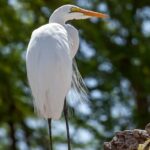
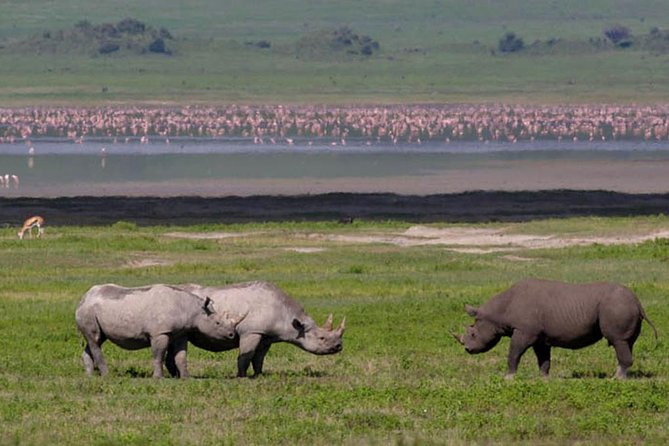
This is also one of the best places in the route to spot animals tied to water and shade. The tour info notes streams with crocodiles and hippos, and it calls out 400+ bird species too. If you enjoy photographing animals near water rather than only in open grassland, Serengeti can give you that balance.
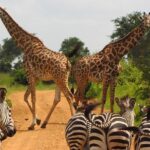
Another reason this works for first-timers is variety of signature species. You’re not just chasing the “big cat moment.” The tour description includes elephants, elands, impalas, water antelopes, giraffes, ostriches, and more. That spread of species helps you enjoy the day even if the perfect predator scene doesn’t happen at the exact second you imagine.
You’ll have two days here, which is a smart move. One day can be great. Two days improves your odds in a more realistic way, because animals don’t follow your schedule. The parks do.
Day 3 Into Day 4: Two Serengeti Days and the Shift Toward Ngorongoro Plains
Day 3 is a dedicated Serengeti day: about 8 hours of fotosafari time. Day 4 is another 8 hours, again built around photography and game viewing. Then you shift direction—moving toward the Ngorongoro Plains and eventually reaching Karatu in the evening.
That last part is useful to understand. This route isn’t “see Serengeti and never look back.” It’s designed so that you can keep your momentum while still connecting the dots between ecosystems. The Serengeti ecosystem and the Ngorongoro Plains connect in real ways, which is why the transition doesn’t feel like an unrelated travel day.
Practical takeaway: if you’re the kind of person who wants a smooth pace for photos, two Serengeti days give you time to build your rhythm. You learn where the vehicles tend to stop, how quickly animal behavior changes, and how to react fast without getting frantic.
Also, your last Serengeti day sets you up for the next morning’s exit plan, so you don’t end the trip exhausted in the same way you might if you tried to drive back immediately after a long day.
Day 5 Back to Arusha: Rift-Wall Road Views and a Final Tanzania Meal
The final day is designed as a clean landing. From Karatu, you drive back toward Arusha along a scenic route that “descends winding along the Rift wall.” You’ll have lunch in the city, then a transfer to Kilimanjaro/Arusha Airport.
Why I like this setup: it gives you closure without rushing every detail. After days of game drives, it’s nice to end with something predictable—one last meal, then travel to the airport. You’ll also have a chance to collect your thoughts and sort photos without the pressure of another full safari day.
If your flight timing is tight, this is still a long travel chunk. But the day is structured around that movement, not surprise side trips.
What’s Included (and Why That Changes Your Actual Trip Feel)
The included package matters because it covers the stuff that normally turns “planning” into stress.
Here’s what you can count on being part of the safari experience:
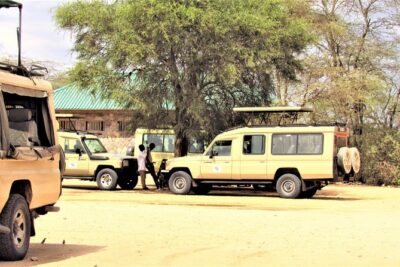
- Safari circuit in 4×4 with private transportation
- Full board meals (breakfast, lunch, dinner) and water on board
- Transfers
- Park fees and all fees and taxes
- AMREF insurance
- Paper ticket
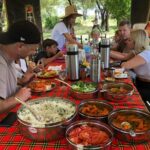
The “full board” point is bigger than it sounds. When meals are handled, you can focus on when the animals are most active and when it makes sense to drive. It also keeps your budget calmer, because you’re not deciding meal-by-meal during a day that’s already moving fast.
The water-on-board detail is also practical. You’re doing long hours in the vehicle and you’ll want steady hydration without constant stops.
And about AMREF insurance: you’re getting included coverage as part of the package. That’s not a guarantee against any problems, but it does reduce the number of things you must arrange yourself.
The main “not included” items are equally important:
- International and local flights
- Entry visa
- Drinks at lodges
- Personal extras
- Tips/mance
So yes, you should keep some cash aside for drinks and tipping. It’s not listed as included, so it’s on you.
Price and Logistics: Is $3,050 Good Value Here?
At $3,050 per person, this isn’t a cheap safari. But the value equation changes when you see what’s included.
This price covers the 4×4 circuit, park fees, full board meals, transfers, private transportation, and AMREF insurance—plus it includes all fees and taxes. Those items add up fast in Tanzania when you start separating them out. If you were to price them individually, you’d likely find the bundle is doing real work for you.
What isn’t included is also clear: your flights and visa, plus lodge drinks and personal extras. Those are the parts that can move your total cost up at the end, so it helps to plan for them early.
One more practical advantage: the company offers pickup and mentions group discounts. Even though the tour is private for your group, that discount structure can still affect how the overall package is priced depending on how your group is arranged.
If you’re hunting the cheapest safari possible, you might compare alternatives. But if you want fewer moving parts and you value meals, transfers, and park fees being handled, this package pricing starts to look more logical.
Who This Safari Suits Best
This is a good fit if you:
- Want the big Tanzania highlights in five days
- Prefer a private experience over crowded group schedules
- Like having your days structured around photography time (photosafari focus is built in)
- Want guides who often use Italian and sometimes French, based on previous experiences
It can also work well for families and multi-generation groups. The tour info says most travelers can participate. Just remember: you’re doing long days and spending time in a vehicle.
If you hate early starts and motion, you might find safari pacing tiring. But if you’re excited by the idea of seeing Lake Manyara’s habitat mix, then stepping into Ngorongoro’s crater bowl, then spending multiple days in Serengeti’s predator country, this route matches that dream cleanly.
Should You Book Safari Crew Tanzania’s 5-Day Safari?
I’d book this if you want a classic Northern circuit with fewer planning headaches. The strongest reasons are the mix of parks in a short time, the fact that park fees and full board meals are included, and the private, 4×4 structure that keeps your time focused.
Before you commit, be honest about the tradeoffs: you’re paying a premium, and you still need to budget for visa, flights, lodge drinks, and tipping. Also, wildlife viewing is never guaranteed. What you control is how prepared you are, and this tour gives you a lot of the planning load for free.
One last note to help your decision: their terms allow cancellation up to 6 days in advance for a full refund, which gives you a little flexibility if your plans change.
If your goal is to experience Tanzania’s most famous wildlife areas with smart logistics and solid support, this itinerary is a strong match.
FAQ
Where does this safari start and end?
The trip is based around Moshi, Tanzania. It includes transfers, and on the final day you’ll be transferred to Kilimanjaro/Arusha Airport after lunch in Arusha.
How long is the safari?
The duration is about 5 days.
Which parks are included?
You’ll visit Lake Manyara, Ngorongoro Crater, and Serengeti National Park. The route also mentions the Ngorongoro Plains and an overnight in Karatu on the way to the finish.
Is this tour private?
Yes. It’s listed as a private tour/activity, meaning only your group participates.
What is included in the price?
The package includes a 4×4 safari circuit, full board, transfers, park fees, AMREF insurance, and water on board. It also includes private transportation, all fees and taxes, and meals including breakfast, lunch, and dinner.
What is not included?
Not included are international and local flights, entry visa, drinks at lodges, personal extras, and mance/tips.
Are guide languages included?
The tour info doesn’t list languages directly, but provided past experiences mention guides speaking Italian and sometimes French, which can make the trip easier.
How do I confirm my booking?
Confirmation is provided within 48 hours of booking, subject to availability. Reservations and purchases are handled via email, and you’ll need to share details such as your mobile phone number, passport data, and arrival/departure flight data.
What if I need to cancel?
You can cancel up to 6 days in advance for a full refund. Cancellation within 2 days does not receive a refund, based on the start time in local time.