REVIEW · ARUSHA
7 days great migration safari
Book on Viator →Operated by safari soles tours · Bookable on Viator
Big herds and flamingos in one week. This safari strings together Northern Serengeti, the Ngorongoro rim, and the offbeat Rift Valley side trip to Lake Natron—where flamingos breed on a hyper-alkaline shoreline.
I like that the trip runs as a private experience, so your guide can chase what you’re actually into without crowd math. I also like the built-in comfort of lodges plus full meal coverage (breakfast, lunch, and most dinners), with roundtrip airport transfer handling your start and finish. The main downside is the pace: it’s a full-on route with long driving days, so plan for lots of time on safari.
In This Review
- Key highlights worth planning around
- Why this Great Migration safari feels less crowded
- Price and what $4,514 buys you in real terms
- Start in Arusha: pickup, timing, and how the day begins
- Day 1 at Lake Natron: pink shores and a bush walk
- Days 2–3 in Northern Serengeti near Kleins Gate
- Day 4 Seronera Valley: predators, gazelle spotting, and full-day time
- Day 5 Ngorongoro Crater: rim views and Maasai alongside wildlife
- Day 6 Lake Eyasi and the crater-floor approach for Big Five chances
- Day 7 Lake Eyasi communities: Hadzabe and Datoga real-life moments
- The guide factor: the names that show up with strong results
- Making the Great Migration timing work for you
- Should you book this 7-day safari?
- FAQ
- What time does the safari start?
- Is pickup from the airport included?
- Is this a private safari or a group tour?
- Which major areas are included during the 7 days?
- What meals are included?
- What lodging is included?
- Are park fees and other entry fees included?
- Is a restroom available on the vehicle?
- What happens if weather is poor or the minimum number of travelers isn’t met?
Key highlights worth planning around
- Lake Natron bush walk with pink soda-lake shores and a flamingo breeding scene
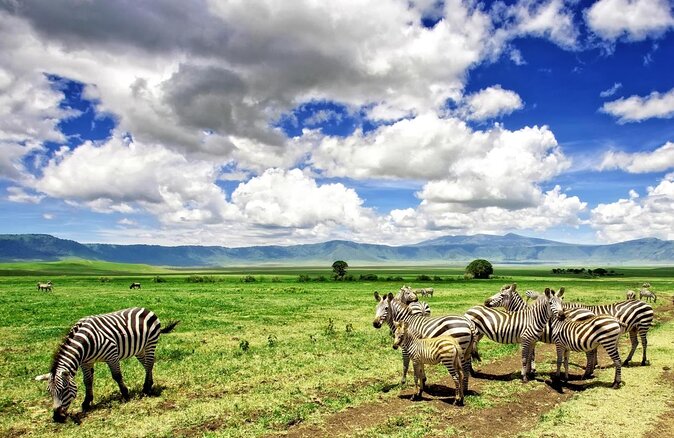
- Northern Serengeti focus on dry-season wildlife and migration activity near Kleins Gate
- Seronera Valley day built for predator sightings and year-round animal variety
- Ngorongoro Conservation Area with crater country where Maasai communities live alongside wildlife
- Black rhino odds in the crater (the only place you’re likely to hear about it in Tanzania)
- Lake Eyasi village visit to see Hadzabe and Datoga life, including traditional dances
Why this Great Migration safari feels less crowded
The biggest reason this one works is control. It’s a private lodge safari, and that means you’re not stuck inside a big pile of vehicles all hunting the same animals at the same time. Your driver-guide can adjust pacing and stops based on what’s happening that day, not what an itinerary demands.
It also helps that the route mixes “headline” parks with a true detour. After Serengeti, you’re not just repeating the most obvious Tanzania highlights. Lake Natron brings a totally different vibe—hot, stark Rift Valley scenery, soda-lake pinks, and the kind of birdlife you remember even if you’re not a bird person.
You can also read our reviews of more tours and experiences in Arusha.
Price and what $4,514 buys you in real terms
At $4,514 per person, you’re paying for more than a seat in a vehicle. You’re getting private transportation, a professional driver/guide, binoculars, and the safari gear they include (camping equipment is listed as part of the package). You also get roundtrip airport transfer, plus the meals that keep the day-to-day stress low.
Where the value really shows up is in the “all-in” nature of the package:
- accommodation is included (with specific named stays on day 1 and day 2–4),
- breakfast, lunch, and most dinners are included,
- fees and taxes are included in the package totals,
- and you’re covering multiple protected areas in a single week.
The caution: this price is for a trip with real driving time and multiple ecosystems. If you’re hoping for a slower, more relaxed itinerary with fewer long transfer days, you may want to shop for a shorter route or a more focused park-only safari.
Start in Arusha: pickup, timing, and how the day begins
The safari start time is 7:30 am, and pickup is handled from the airport on day 1 (or you can be picked up a day prior, based on what you choose). You’ll also have roundtrip airport transfer, which matters more than it sounds. In Tanzania, that first logistics day can either be calm or chaotic. This one tries to keep it calm.
You’ll also get a mobile ticket, plus group discounts are mentioned. Since this is private, those group discounts would only matter if your operator can match your dates with other bookings.
One practical note: a restroom on board is listed as not included. On safari vehicles, that usually means plan breaks around the schedule and don’t assume you’ll have constant access whenever you want it.
Day 1 at Lake Natron: pink shores and a bush walk
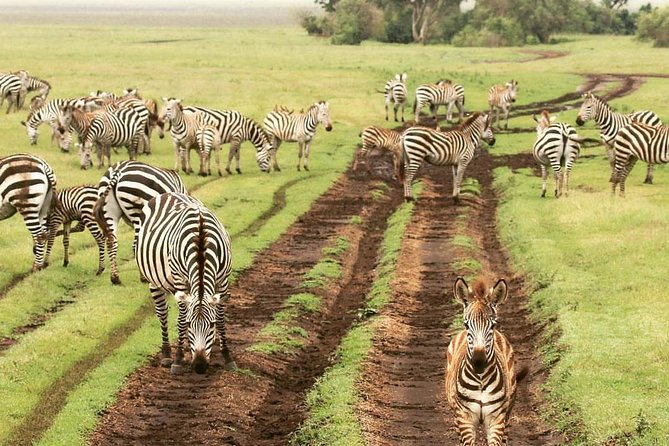
Day 1 is where the safari starts feeling different. After breakfast, you head off the main route toward Lake Natron, following the Rift Valley Escarpment northwards. Along the way, your drive passes through Masai land, and Ol’doinyo Lengai—the holy mountain of the Masai—appears in the distance before you reach the small village of Ngare Sero.
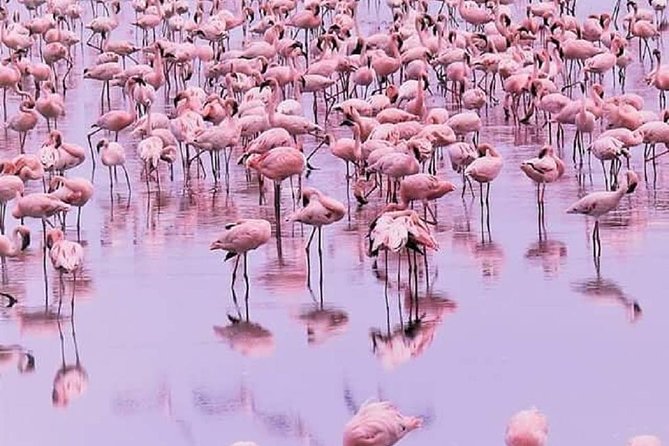
Then comes the part many people remember: a guided bush walk to the lake. Lake Natron is famous for its alkaline conditions, and the shoreline can shimmer pink as thousands of flamingos come to breed. If you’d rather not do the walk, there’s an alternative built in: you can wander toward a nearby waterfall and take a refreshing bath.
You overnight at Lake Natron Tented Camp, so you’re sleeping close to the mood of the place rather than rushing through it.
Days 2–3 in Northern Serengeti near Kleins Gate
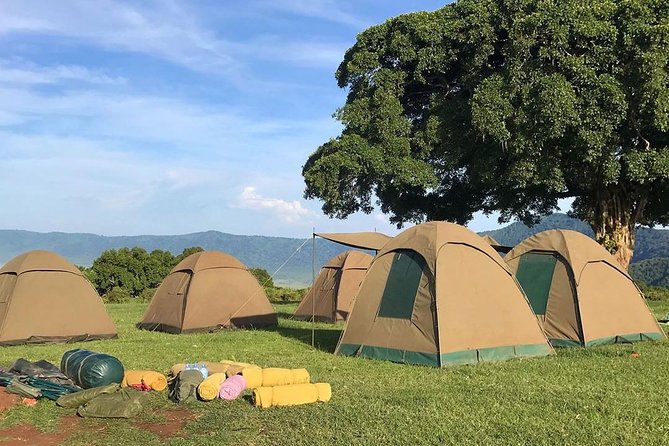
These days are your core Great Migration focus, but with an important reality check: migration is seasonal. The safari is set up for what happens when herds are concentrated in the Northern Serengeti during the dry season.
Day 2 starts early and continues north with a long drive that climbs along the Rift Valley, then leaves that region behind. You enter Serengeti by midday at Kleins Gate, then go straight into your first game drive in the Lobo area. The Lobo region is described as supporting resident wildlife because of permanent springs and open grass plains with kopjes (those rocky outcrops that turn into natural viewing platforms).
Between October and December, the package notes large wildebeest herds crossing back to the southern plains. If you’re traveling in that window, that matters—because you’re planning for motion, not just static viewing.
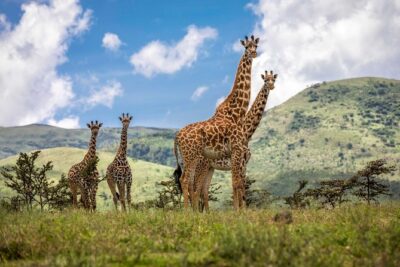
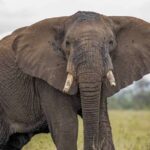
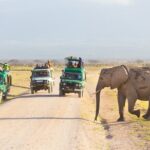
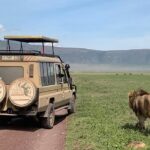
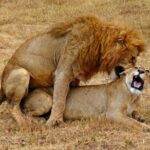
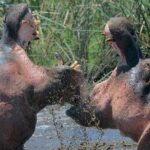
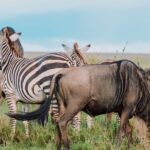
Day 3 leans harder into the dry-season theme: migratory herds of wildebeest and zebra are the main show, with resident animals also common, including lions, elephants, hippo, giraffe, crocodile, and oribi antelope (listed as rare).
You stay at Lobo Wildlife Lodge, which is convenient for maximizing time in the field the next day.
Day 4 Seronera Valley: predators, gazelle spotting, and full-day time
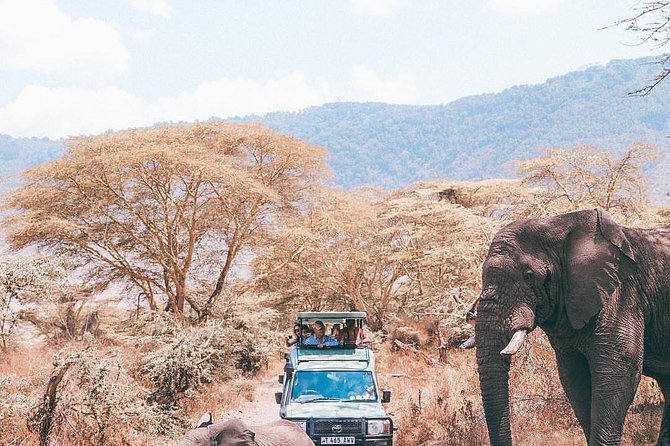
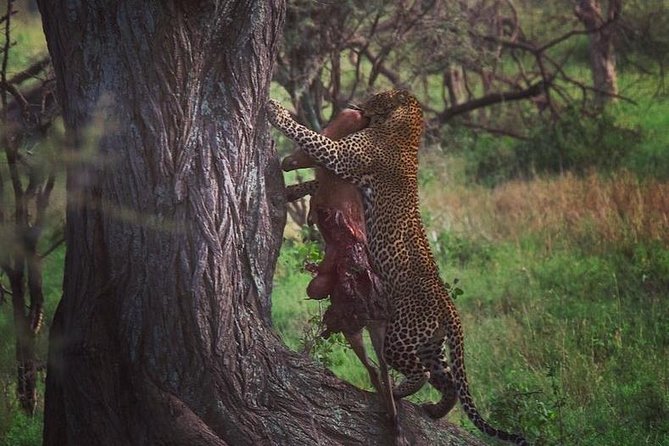
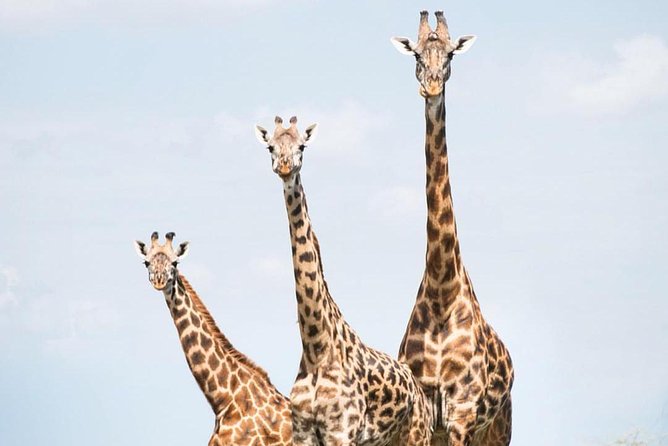
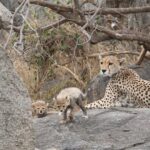
On Day 4, you shift toward Central Serengeti and spend the day in the Seronera Valley. This is one of those places where you don’t need a specific “migration moment” to see plenty. The valley offers wildlife throughout the year, including carnivores like cheetahs, hyenas, leopards, and lions, plus plenty of ungulates such as buffaloes, giraffes, hippopotami, impalas, topi, warthogs, and zebras.
I like how this day is framed with practical wildlife noticing. For example, there’s a simple tip built into the day’s guidance: learn how to tell Grant gazelles from Thomson gazelles based on the white rump patch and the thin black stripe on the Thomson. It’s a small thing, but it makes you feel smarter in the moment.
The practical takeaway: this is a long day. The timing listed is 12 hours, so pack your patience, keep your water in reach, and treat midday breaks as part of the rhythm rather than an interruption.
Day 5 Ngorongoro Crater: rim views and Maasai alongside wildlife
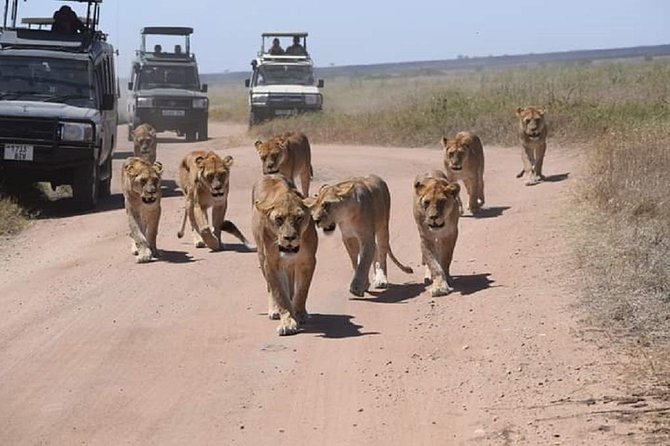
Day 5 moves you to the Ngorongoro Conservation Area, after another Serengeti game drive. The area matters because it’s separate from Serengeti and includes the Ngorongoro crater country plus multiple topographical features. The package notes there are nine different craters within the conservation boundaries.
One of the most interesting angles here is the human-wildlife mix. The guide context is that Maasai communities in Serengeti National Park were relocated to the Ngorongoro Conservation Area and still live there today in harmony with wildlife and nature.
You’ll stay on the crater rim, which is the setup for those famous down-looking views over the crater floor. Expect another long safari-style day with high-value viewing time.
Day 6 Lake Eyasi and the crater-floor approach for Big Five chances
From the Ngorongoro crater rim, the route descends toward the Lake Eyasi area. The day includes an adventurous path down into the crater floor, which is where the view quality tends to spike—because you’re looking into a bowl that collects life around water sources.
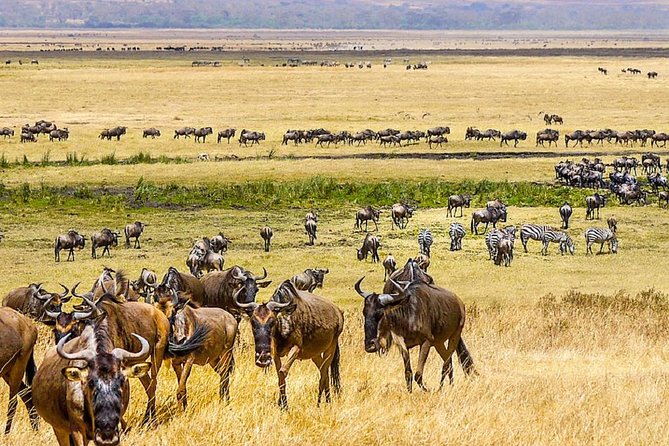
The crater is described as reliable for animals because water availability stays steady. During dry season, wildebeests and zebras increase; during wet season, numbers of elands, elephants, and water-bucks are noted to rise.
The safari’s wording also pushes you toward the Big Five approach—buffalo, elephant, leopard, lion, and the black rhinoceros. It also states the crater is one of only two places in Tanzania where you can still observe the highly threatened back rhinoceros.
Important: the Big Five is an ambition, not a guarantee. But Ngorongoro is still the best Tanzania bet for making your odds of a black rhino sighting feel realistic.
Day 7 Lake Eyasi communities: Hadzabe and Datoga real-life moments
Day 7 brings the cultural layer. Lake Eyasi is a soda lake fed by the Sibiti and Baray Rivers, and it’s presented as a different kind of safari experience than the big park-only trips.
This region is home to the Hadzabe and Datoga communities. The focus here is on daily life—hunting-gathering traditions for Hadzabe and pastoralism for Datoga. You might get village visits that feel intimate rather than staged, with opportunities to learn about family structures and participate in traditional dances.
The day is listed as about 9 hours, and it’s a smart closer. By this point, you’ve already chased the animals for days. Finishing with people and place makes the week feel rounded.
The guide factor: the names that show up with strong results
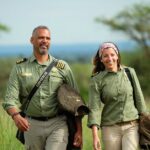
This safari’s success depends heavily on your guide’s ability to find animals without rushing. In the feedback tied to this experience, certain guide names show up repeatedly with praise for hard work and excellent driving skills.
You may be guided by people like Estomih, Isaac, Christian, Innocent, Simon (aka Safari Monster), Sanke, Johnathan, or others. What’s consistent across these names is the focus on action: getting you on the right side of the vehicle angle, staying patient when animals are distant, and using knowledge of wildlife and plants to make the day more than just spotting.
Practical move for you: once you’re on the road, ask your guide what they think the best target is for the next two hours. You’ll feel the difference when your time is spent chasing, not just driving.
Making the Great Migration timing work for you
A Great Migration safari is always “watch and wait” at some level. Even when you book a migration-focused trip, the animals don’t arrive on a calendar.
Here’s what the package explicitly supports:
- Northern Serengeti is a dry-season hotspot for migratory herds.
- October–December is called out for large herds of wildebeest crossing back to the southern plains.
So if you’re traveling in that October to December window, this itinerary aligns well with the kind of motion you came for. If you’re traveling outside it, you should still expect lots of wildlife—just think more “migration country” than “guaranteed moment.”
Also note: the experience requires good weather, and if it’s canceled due to poor weather, you’ll be offered a different date or a full refund. That’s your signal to pack for variable conditions and keep your schedule flexible.
Should you book this 7-day safari?
Book it if you want a week that actually covers different worlds: Serengeti migration country, a full day in the Serengeti’s Seronera Valley, the dramatic Ngorongoro crater setting, and an offbeat Lake Natron stop with flamingos that feel almost unreal.
Don’t book it if your top priority is a relaxed pace. The route is built for maximum variety in limited days, which means plenty of long drives and early starts. Also, if you’re extremely budget-sensitive, the price is steep enough that you’ll want to compare against shorter or more single-park itineraries.
My take: if you’re ready for intensity and you care about seeing more than just one iconic park, this is a strong way to use a single week in Tanzania.
FAQ
What time does the safari start?
The start time is 7:30 am.
Is pickup from the airport included?
Yes. Roundtrip airport transfer is included, with pickup on day 1 or possibly a day prior to your tour start.
Is this a private safari or a group tour?
It’s private. Only your group participates.
Which major areas are included during the 7 days?
You’ll visit Lake Natron, Lake Eyasi, Serengeti National Park, and the Ngorongoro Crater/Conservation Area.
What meals are included?
Breakfast is included for 7 days, lunch for 7 days, and dinner for 6 days.
What lodging is included?
Accommodation is included throughout the trip. The specifics named include Lake Natron Tented Camp on day 1 and Lobo Wildlife Lodge for days 2–4. The crater rim and Lake Eyasi nights are described as accommodations on those areas, but not named in the provided details.
Are park fees and other entry fees included?
Yes. The package states all fees and taxes are included.
Is a restroom available on the vehicle?
Restroom on board is not included.
What happens if weather is poor or the minimum number of travelers isn’t met?
If it’s canceled due to poor weather, you’ll be offered a different date or a full refund. If it’s canceled because the minimum number of travelers isn’t met, you’ll also be offered a different date/experience or a full refund.