REVIEW · ARUSHA
4 Days Tarangire, Serengeti and Ngorongoro Mid-Range Group Safari
Book on Viator →Operated by Suricata Safaris · Bookable on Viator
Sunrise at Ngorongoro turns the whole trip on. This 4-day safari strings together Tarangire, Serengeti, and Ngorongoro with certified guiding, included meals, and a small group size that makes it easier to get real attention when animals show up. Guides named in feedback like Felix, Damien, Rocky, and Frederick are repeatedly praised for spotting ability and clear explanations.
I also like how the pacing builds in the big wildlife moments. You get a Tarangire game drive with baobabs and elephants, a Serengeti day with an early start, and a crater morning planned for the light that makes sightings feel extra crisp. One possible drawback: this is sold as mid-range, but at least one guest reported being paired with a more budget-style camping group, so it’s smart to confirm your exact accommodation style before you lock it in.
In This Review
- Key things I’d circle before you book
- Tarangire to Serengeti to Ngorongoro: the trip’s smart wildlife rhythm
- Day 1 in Tarangire: elephants, baobabs, and a picnic lunch
- Day 2 in Serengeti: long plains, big-cat tension, and a hot lunch break
- Day 3 in Serengeti, then to Ngorongoro: the early drive payoff
- Ngorongoro Crater on Day 4: sunrise, guided crater time, and that one-of-a-kind habitat mix
- Comfort, food, and what mid-range really means on the ground
- Price and value: is $1,450 a fair deal for 4 days?
- Guides make (or break) the sightings: what you can look for
- Who should book this safari (and who should double-check)
- Should you book this 4-day Tarangire, Serengeti & Ngorongoro safari?
- FAQ
- How many people are in the group?
- What does the tour include?
- Are park admission tickets included?
- What days can I travel?
- Is pickup offered?
- Can I cancel for a full refund?
Key things I’d circle before you book
- Maximum 7 travelers keeps the safari feeling like a real group, not a cattle line
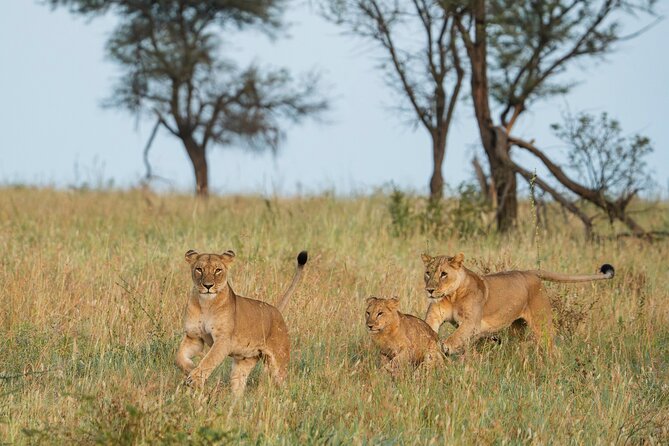
- Early timing in Serengeti and Ngorongoro increases your odds of top sightings and cooler drives
- Certified guide included, with feedback calling out drivers and spotters like Felix, Rocky, Frederick, and Damien
- Meals are built in (breakfast, lunch, and dinners across the days), so you’re not hunting food mid-drive
- Admission is listed as free on the day-by-day schedule, which helps you budget
- Mid-range comfort, with possible variation in camp or lodging setup—worth confirming in advance
Tarangire to Serengeti to Ngorongoro: the trip’s smart wildlife rhythm
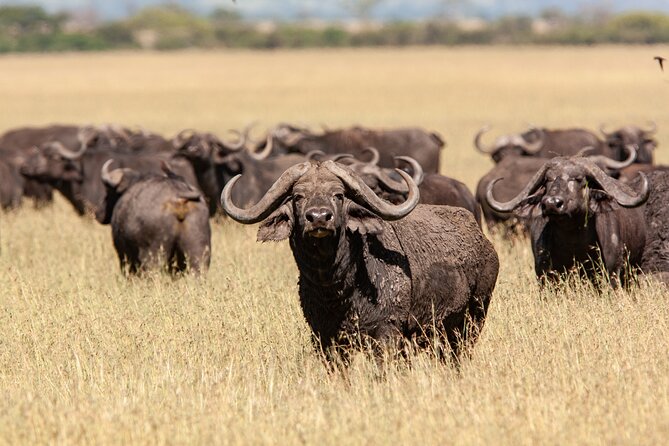
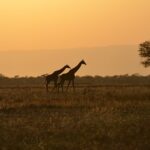
This safari hits three of Tanzania’s signature wildlife areas in four days: Tarangire for elephants and baobabs, Serengeti for big-cat country and rolling plains, and Ngorongoro for that rare “one crater, many habitats” feeling. The value is in the rhythm. You’re not spending your whole trip stuck in transit; you’re spending most of each day actively searching for animals.
The small group size (up to 7) matters more than it sounds. In wildlife viewing, who sits where and how quickly your guide can find the right angle can change your whole experience. With fewer people, it’s easier to move the vehicle into a better position when a lion, herd, or herd edge appears.
You’re also getting a clear structure to help you enjoy it. There’s a proper early drive in Serengeti and a planned sunrise moment at Ngorongoro. Those are the parts that tend to feel most magical—and they’re built into the schedule, not left to chance.
You can also read our reviews of more tours and experiences in Arusha.
Day 1 in Tarangire: elephants, baobabs, and a picnic lunch

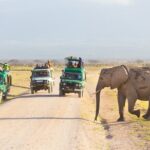
You start from Arusha after breakfast, with about a two-hour drive to Tarangire National Park. Tarangire is one of those places where the scenery does the work for you: you see the baobabs, then you see why the park is famous—elephants. This day is designed to get you out on safari soon after arrival, so you don’t waste the first afternoon.
The core of the day is a game drive with chances to spot elephants, zebras, and giraffes, followed by a picnic lunch inside the park. That lunch stop isn’t just food—it’s part of the safari flow. You stay in the viewing mood instead of taking a break that turns the day into “drive, arrive, drive, eat, drive” fatigue.
In the afternoon, you continue the safari and then head to your lodge for the night. You get the feel of being in the bush after the dust settles—exactly what most people hope for when they book a short safari. This is the day to lean into patience: Tarangire rewards slow scanning of edges and water areas, not just big, obvious sightings.
Day 2 in Serengeti: long plains, big-cat tension, and a hot lunch break
Day 2 moves you from Tarangire to Serengeti National Park. The schedule lists a total day of about 8 hours, which means you’re looking at a real travel day plus a full game-drive block.
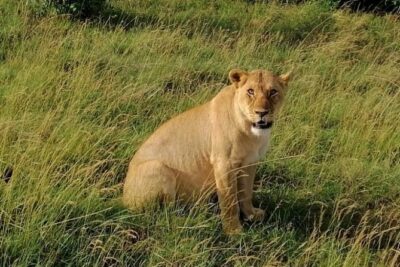
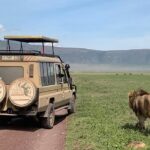
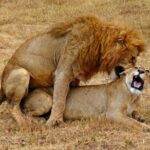
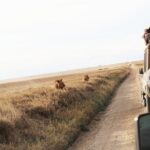
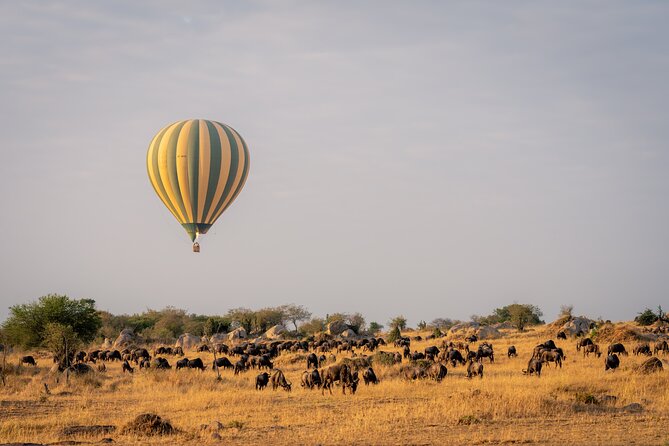
On the Serengeti side, you’ll spend time on the plains looking for iconic wildlife: lions, elephants, and giraffes are specifically called out in the plan. The hot picnic lunch gives you a break without breaking the momentum, then you head back out for more driving and searching.
Here’s the practical takeaway: Serengeti is about timing and temperature. When you’re out early enough, animals tend to feel more active, and your guide has more control over where you position the vehicle. Even without a guaranteed “Big Five” moment on every day, your odds improve when you have enough time on the ground to wait for things to cross the road—or the grass to move.
If you care about seeing multiple species in one day, this is where the schedule helps. You’re not rushing only one short drive; you get a full day experience.
Day 3 in Serengeti, then to Ngorongoro: the early drive payoff
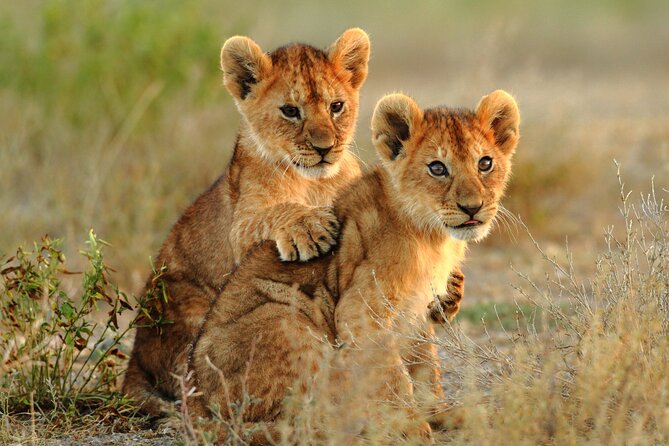
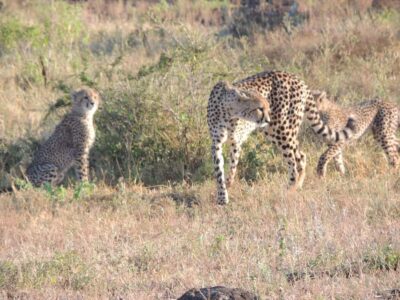
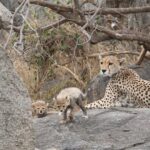
Day 3 is built around the kind of morning that wildlife tours live for. After breakfast, you start with an early game drive in Serengeti, covering the park’s different sections and looking for animals like lions, elephants, cheetahs, and zebras. Cheetah sightings are explicitly mentioned here, and that’s a sign the guide will be actively hunting for those faster, more watchful moments.
Then you switch gears. After a hot lunch, you continue on safari before late-afternoon travel toward Ngorongoro Conservation Area. The plan has you arriving at your lodge near the crater rim for the night. That last detail is useful: it saves you time and effort on the next morning, when you’ll want to be in position early.
The timing also affects how the crater day feels. If you arrive late, you sleep, you wake, you go. That’s a clean flow. It reduces stress and gives you less chance of missing the sunrise window that makes Ngorongoro so iconic.
Ngorongoro Crater on Day 4: sunrise, guided crater time, and that one-of-a-kind habitat mix
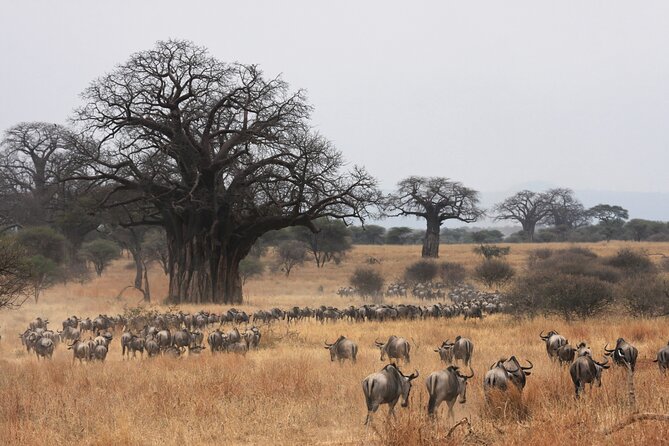
Day 4 is the headline. You wake up early to catch sunrise over the Ngorongoro Crater, then you go into the crater with a guided tour. The plan notes that you can see a wide variety of animals, and it specifically mentions the Big Five as a possibility in the crater’s natural habitat.
What makes Ngorongoro different is the density of chances. Even when sightings are spaced out, you’re not driving hours between totally separate zones. Within the crater, multiple habitats exist in one bowl—forests, open grasslands, and areas that pull different animals into view. Your guide’s job here is to keep you in the right spot for the right animal, and to manage timing when conditions change.
You’ll spend the day exploring, then you have a hot picnic lunch inside the crater area. In the afternoon, you travel back to Arusha, finishing a total day of about 7 hours.
If you want one reason this trip is worth your time, it’s this: your “big nature moment” is not just a late-day drive-by. It’s a scheduled sunrise and a full crater day with guided searching.

Comfort, food, and what mid-range really means on the ground
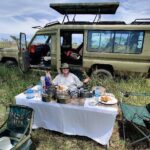
This is listed as mid-range and includes 3 nights of accommodation plus all the core meals: dinner (4), lunch (4), and breakfast (3). That’s a big value point for two reasons. First, it reduces logistical friction—no decisions about restaurants during long park days. Second, it keeps your schedule consistent, which helps you stay focused on sightings.
Feedback you’ll see around this safari style often mentions comfy accommodation and that food is a real strength. There are also mentions of tents and sleeping bags being provided, which suggests some groups may stay in camp-style setups rather than only permanent lodge buildings. That’s the part I’d treat as the key “confirm this” item before you book.
On comfort, you should also think about sleep quality and shower reality, because an early wake-up in the crater is part of the deal. If your accommodation type is more basic, ask how it’s set up. If it’s lodge-style, ask what room configuration looks like for the group size you’ll join.
The best-case outcome is that you get mid-range comfort close to the action—good enough to recharge, but not so fancy that you feel disconnected from the wild.
Price and value: is $1,450 a fair deal for 4 days?
At $1,450 per person for about 4 days, this is not a budget safari. It’s mid-range group travel. The value is in what’s bundled:
- Certified guide and transportation
- 3 nights of accommodation
- 4 dinners, 4 lunches, 3 breakfasts
- Park admission listed as free in the day-by-day schedule
When you compare safari costs, meals and admission are often where the “extra fees” sneak in. Here, they’re shown as included. That helps you budget realistically and makes the price feel less like a mystery number.
The other value driver is time. This itinerary plans real game-drive hours in Tarangire and Serengeti, plus a sunrise crater day. Short safaris can feel rushed, but this one tries to protect the important windows—especially in Serengeti and at Ngorongoro.
That said, your best “value judgment” depends on what you consider mid-range comfort. If you want lodges that feel consistently upgraded, verify the accommodation setup for your group. If you’re fine with a camping-style night as long as it’s well managed, this price can look even stronger.
Guides make (or break) the sightings: what you can look for
This safari’s standout strength in feedback is the guide experience. Names like Felix, Damien, Rocky, Frederick, Shaban, and Amiri show up in the guidance style people praised. The themes are consistent: strong wildlife knowledge, careful driving, and real effort to find the best sightings.
One small but important detail mentioned in feedback: car positioning for photos. That tells you the guide isn’t only searching; they’re also thinking about how you’re viewing what you’re seeing. In safari terms, that’s about angles, not luck.
It also sounds like communication matters before the trip begins. A team member named Grace is mentioned as helpful during the selection process, and that kind of support tends to reduce stress when you arrive in Arusha and want everything to feel clear.
When you book, I’d ask what the guide’s style is: are they focused on quick driving between spots, or do they wait and watch? For many people, the best safaris are the ones that balance motion with patience—and feedback here strongly leans that way.
Who should book this safari (and who should double-check)
This trip is a great fit if you want:
- A short, high-impact safari across three iconic areas
- A group size that stays small (up to 7)
- Included meals and guiding, so you don’t have to manage daily logistics
- A schedule that prioritizes early starts for Serengeti and sunrise for Ngorongoro
You might want to double-check accommodations if you’re very sensitive to the difference between lodge-style comfort and camp-style setups. The mid-range label is generally appealing, but at least one person reported being paired with a more budget camping group, which could affect the overall feel of the trip.
You’ll also want to make sure the timing works for you. The departure window listed runs from 11/16/2024 to 06/18/2026, Monday through Sunday, and the experience can be scheduled within those broad daily hours. In real terms, most people still plan their Arusha arrival and departure around the safari dates.
Should you book this 4-day Tarangire, Serengeti & Ngorongoro safari?
If you want the classic Tanzania hit-list in just four days, I’d say this is a smart booking—especially because it protects the key wildlife windows: Serengeti early driving and Ngorongoro sunrise crater time. The package also feels practical for first-timers because meals, guiding, and transportation are handled, and the admission is shown as free on the itinerary days.
The decision hinge is comfort consistency. If mid-range means the accommodation style you’re picturing, this can be excellent value at $1,450. If you’re unsure what your lodging setup will be (lodge vs camp-style), confirm before you pay so there are no surprises when the schedule turns into sleep-time.
If you like guided structure, small-group attention, and a clear path to the crater day, book. If you want total freedom and zero structured timing, you might prefer a different format.
FAQ
How many people are in the group?
The tour lists a maximum group size of 7 travelers, which usually keeps the safari more personal than larger group trips.
What does the tour include?
It includes a certified guide, transportation, 3 nights of accommodation, and meals: dinner (4), lunch (4), and breakfast (3).
Are park admission tickets included?
The itinerary shows Admission Ticket Free for each day’s park time, which suggests park admission is included in the trip cost.
What days can I travel?
The experience is available Monday through Sunday during the listed validity window (11/16/2024 to 06/18/2026).
Is pickup offered?
Pickup is offered as part of the tour, and it also notes that the meeting point is near public transportation.
Can I cancel for a full refund?
Yes. You can cancel up to 24 hours in advance for a full refund. If you cancel less than 24 hours before the start time, the amount paid is not refunded.