REVIEW · GQEBERHA
Full-Day All Inclusive Safari with Traditional Braai Lunch
Book on GetYourGuide →Operated by Addo Game Drives Pty Ltd · Bookable on GetYourGuide
Elephants really do steal the show at Addo. In a small group, you’ll spend the day on two game drives in the Eastern Cape hunting for Big Five sightings, with a traditional South African braai lunch built into the schedule.
What I like most is the focus on spotting animals where they’re actually moving and feeding, plus the fact you get time in the park for real lunch-break comfort instead of a rushed snack. One thing to keep in mind: seeing every Big Five animal is never guaranteed, even with two drives.
I also appreciate the way the guide turns a drive into an actual nature lesson. The best moments come from hearing why you’re seeing what you’re seeing—watching behavior at watering holes and learning how animals share space and react to each other. The small group size (up to 9 people) helps you stay connected to the guide and the action, not stuck in a herd.
In This Review
- Key highlights worth packing your curiosity for
- Addo Elephant National Park: a full-day safari that actually fits
- The morning game drive: where sightings often start fast
- The 10:30 tea-and-coffee pause and why watering holes matter
- Traditional braai lunch inside Addo: the midday reward
- Afternoon drive: turning elephant sightings into a story
- What makes the guide matter more than you expect
- Small group (up to 9): the comfort that improves wildlife focus
- Not ideal for mobility impairments: plan around the safari format
- Price and value: what you’re really paying for at $186
- Practical tips so you get more from every game drive hour
- Should you book this Addo safari with braai lunch?
- FAQ
- How long is the safari?
- Where does pickup happen?
- How big is the group?
- Is the guide included, and what language do they speak?
- What’s included in lunch?
- Are drinks included?
- Is park entrance included?
- What animals can I expect to see?
- Is this tour suitable for people with mobility impairments?
- What’s the cancellation policy?
Key highlights worth packing your curiosity for
- Big Five focus with two drives across the day to boost your odds
- Traditional braai lunch inside Addo with 3 meats plus sides and bread cooked on the fire
- Refreshing stops and drinks included: tea and coffee, then meals with wine, beer, juice, and mineral water
- Small-group safari style limited to 9 participants for better attention and photo stops
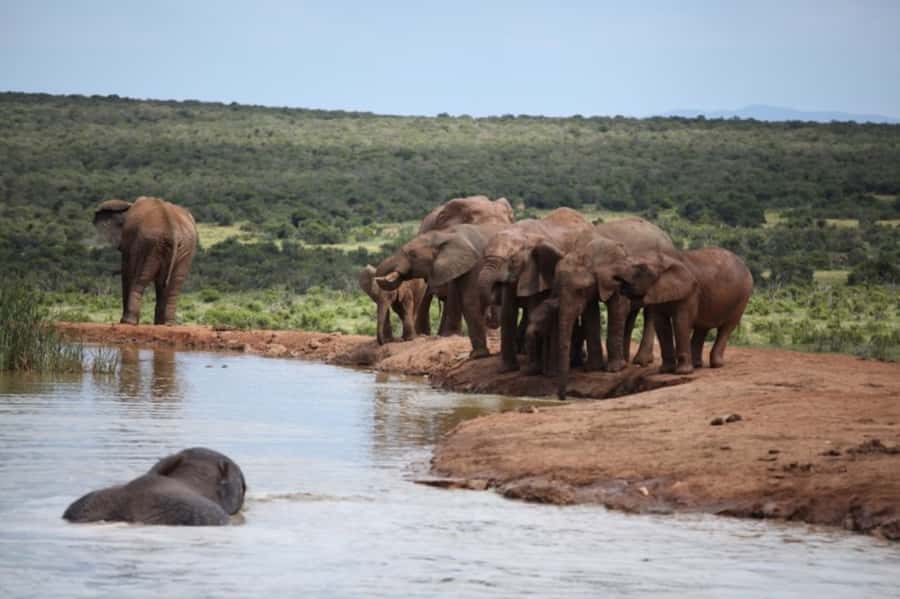
- Real park time with morning sightings and an afternoon push for elephants and buffalo at watering holes
Addo Elephant National Park: a full-day safari that actually fits
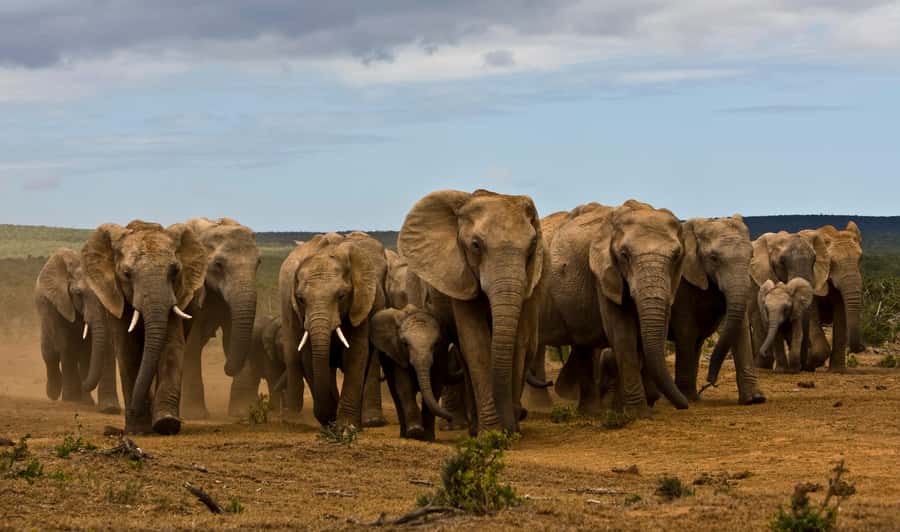
Addo Elephant National Park is one of those places that rewards patience. You don’t just roll through the bush looking for a quick photo moment—you get the chance to watch animals at different times of day, when behavior shifts. That matters in Addo, where elephant movement, grazing, and waterhole routines can give you some of the most memorable encounters.
This tour is built around that idea. You’ll do two game drives—a morning drive and an afternoon drive—so you’re not stuck only in one lighting window. You also get a proper break midday, because lunch isn’t an afterthought. It’s a traditional braai served inside the park, with drinks included. That combination is exactly why this format feels like good value compared with tours that cram everything into a half-day.
You can also read our reviews of more tours and experiences in Gqeberha.
The morning game drive: where sightings often start fast
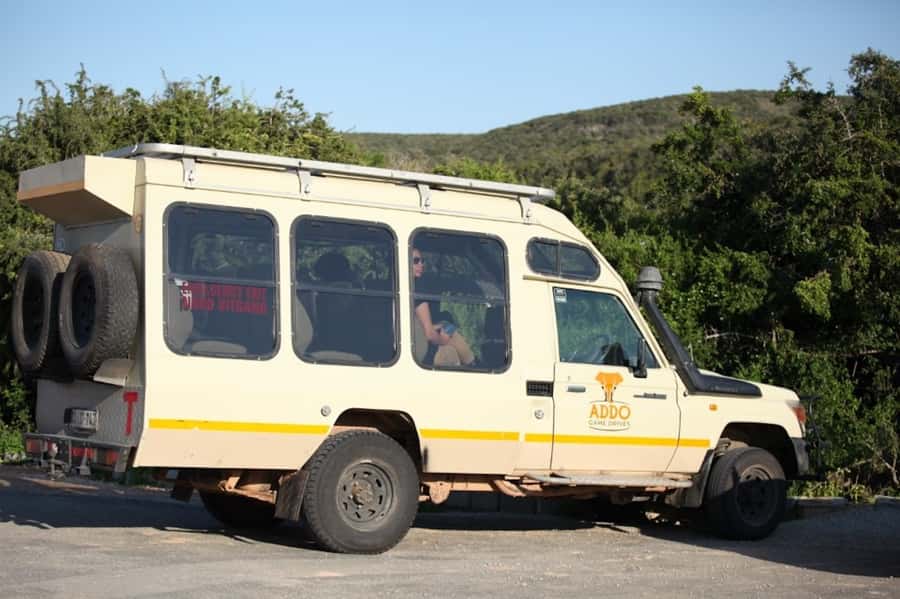
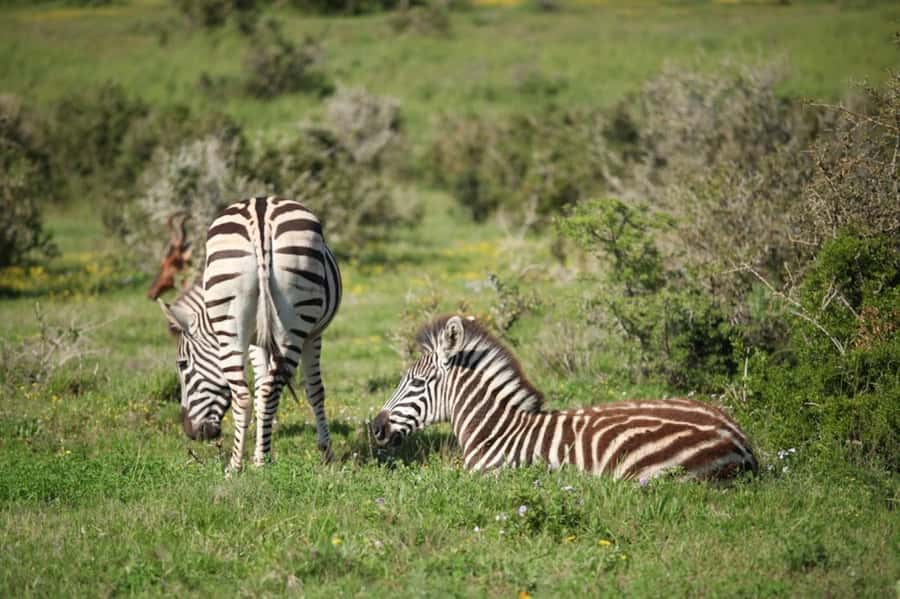
The day begins with an experienced, energetic guide who’s there to find animals and explain what you’re seeing. During the first hours, you should have a strong chance of spotting animals like antelope and zebra, and—depending on where the guide leads—lion can show up too. Lions are never guaranteed, but the guide’s job is to put you where odds are better based on current conditions.
What I like about this part is the rhythm. You’re not waiting around for the first big animal. You’re moving, scanning, and learning how to read the scene. The guide pays attention to behavior, not just the view. If you’re new to safaris, that turns a drive into something you can follow: why an animal is lingering, why another is moving closer, and how the group dynamics shift when something larger passes nearby.
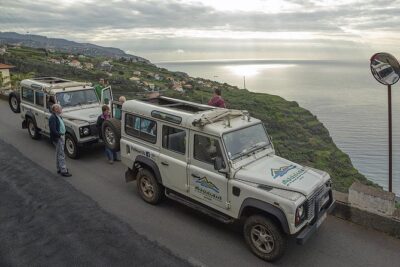
Also, the vehicle setup helps. You might find the safari is run in a 4×4, which matters when conditions change and the roads aren’t perfect. It’s the kind of practical detail that keeps the day comfortable and lets the guide focus on wildlife rather than bouncing you around.
The 10:30 tea-and-coffee pause and why watering holes matter
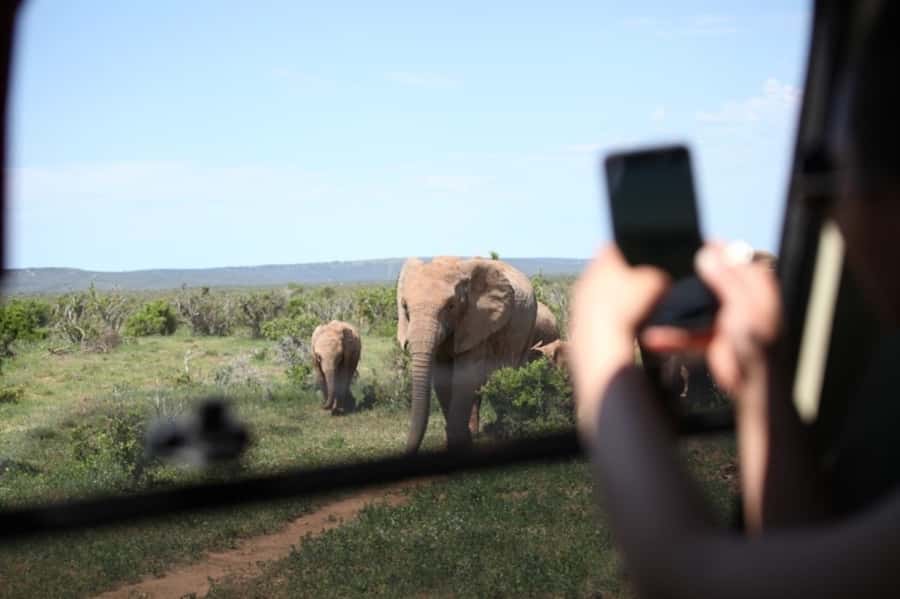
Around 10:30 AM, there’s a tea and coffee break. It’s simple, but it’s timed well. You’ve had enough time on the road to start building momentum and spotting patterns, and you’re not yet so tired that the rest of the day feels like a grind.
Then you continue the drive with an emphasis on the type of animal sightings that Addo is famous for. You’ll be looking for elephants and buffalo near watering holes. In practice, waterholes are wildlife magnets. Animals come there because resources are predictable, and the same logic plays out across the whole day: when you learn where the water is, you start to understand why certain areas fill up.
Here’s a tip that follows from that: keep your eyes moving, but don’t only stare at the obvious open spaces. The guide is there to interpret what’s happening. When you’re near a watering point, you’ll often see activity that looks subtle at first—movement behind brush, a slow shift in position, or signs of another herd approaching.
Traditional braai lunch inside Addo: the midday reward
Lunch is the moment you stop being a spectator and start being comfortable. It’s a traditional South African braai (BBQ) served inside the park with an assortment that’s meant to feel like a real meal, not a token stop.
Here’s what’s included:
- 3 meats
- salads
- rooster brood (bread cooked on the open fire)
- vegetarian options available on request
Drinks are part of the lunch setup too: juice, mineral water, beer, and white wine. That’s a nice touch because it keeps the whole day’s rhythm going. You’re not hunting down extra cash for a basic drink while everyone else is eating.
From what I’ve seen work best on safari days, this kind of lunch slot does two things well. First, it gives you a chance to reset your ears and eyes for the afternoon push. Second, it reduces the pressure to rush wildlife viewing, which can be tough when you’re with a tight timetable. With this tour, you get a solid meal and then get back to driving.
One extra detail I really like: even though this is a braai, vegetarian options are available if you request them. That’s the kind of planning that prevents a lot of safari-day stress.
Afternoon drive: turning elephant sightings into a story
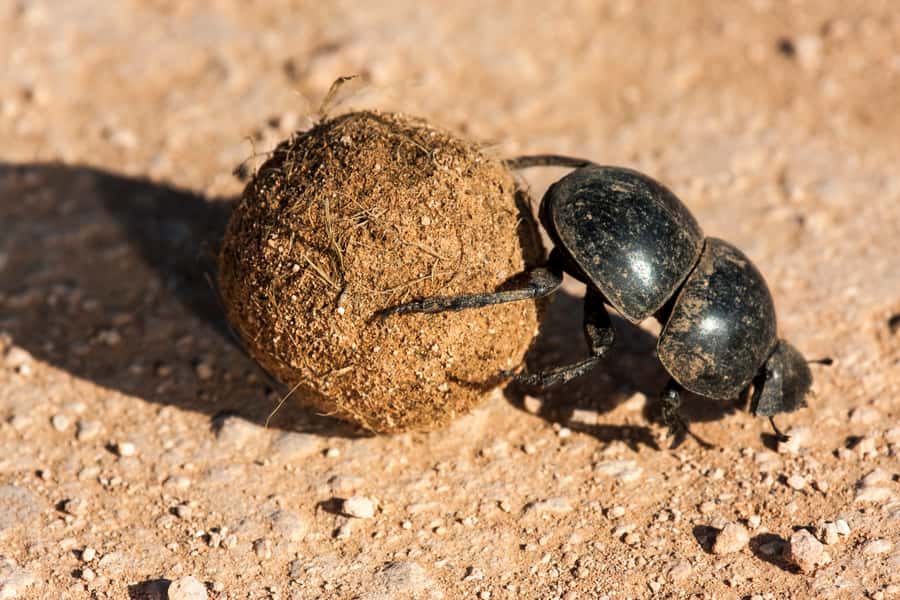
After lunch, you head back out for more wildlife time. This is where a lot of safari days rise or fall, because the animals can change their patterns after the heat settles differently and after the midday pause.
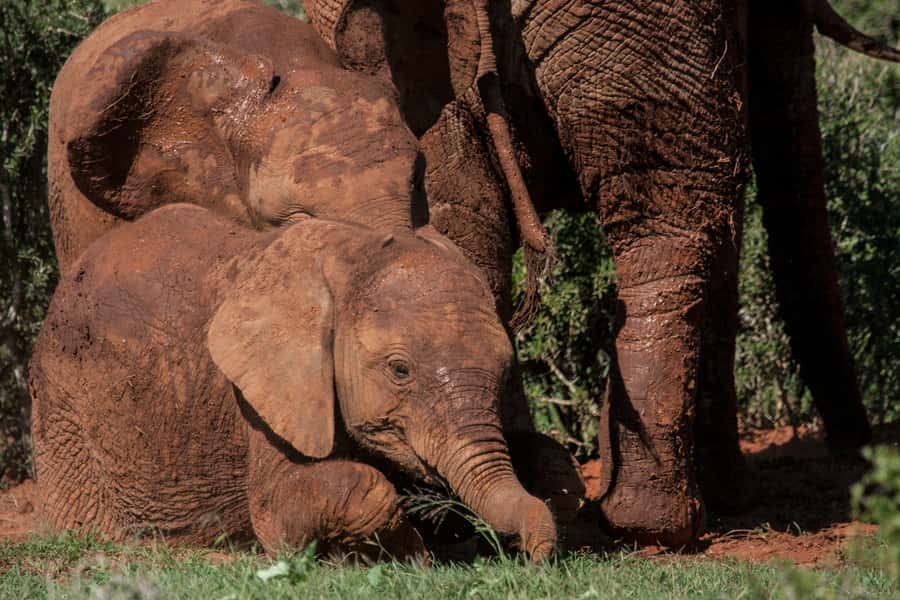
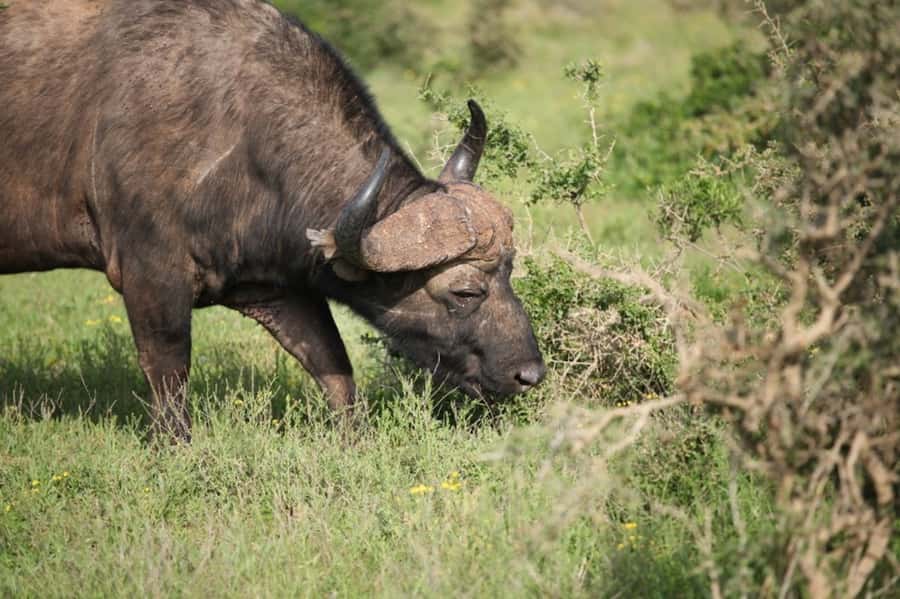
In Addo, elephants are the headline. You’ll keep an eye on elephants and buffalo again around watering holes, but the bigger win is how the guide keeps reading the landscape of movement. You don’t just hope for another sighting—you follow the clues that suggest where wildlife is likely to show up next.
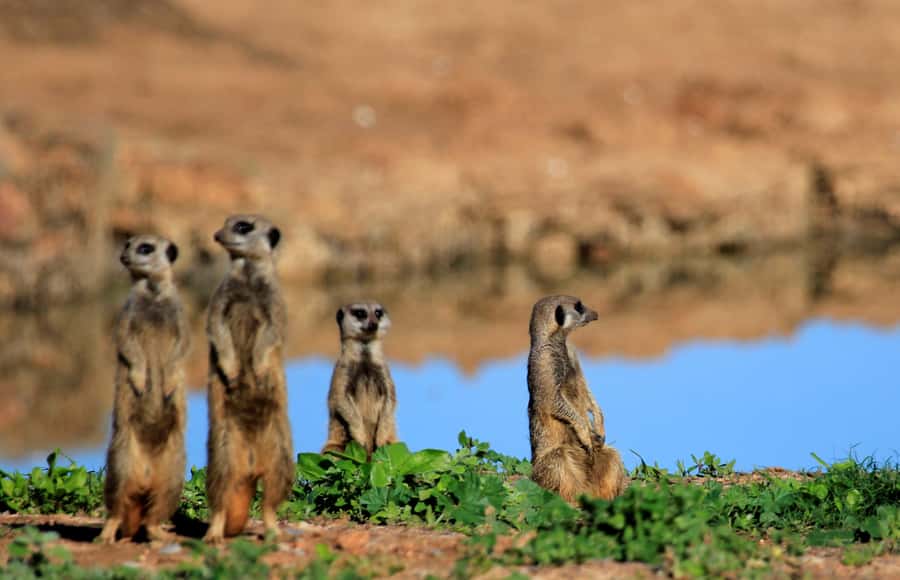
A few animals people have reported seeing on this tour include meerkats, turtles, birds, jackal, and warthogs. That mix is part of the appeal of a guided day: you’re not only targeting the headline species. You’re also learning to notice the small and mid-size wildlife that makes the park feel alive.
And yes, lions can still happen. You might see them, but the guide’s real job is to keep the day productive even when a big cat stays hidden. That’s also why the Big Five promise is framed as an effort to locate as much game as possible—not a guarantee. You’re in the wild, not a zoo, and animals don’t follow timetables.
What makes the guide matter more than you expect
On a safari, the guide can either be a passenger in the vehicle with you, or the person guiding the whole experience. This tour clearly leans toward the second option.
Guides on this kind of route do a few key jobs:
- finding where animals are active right now
- explaining behavior so you learn something while you watch
- adjusting the plan as sightings happen
In the provided info, guides named Steven/Steve and Mostaff are both associated with excellent days, and multiple accounts highlight that the guide worked hard to show as much as possible. You’ll also notice a recurring theme: the guide doesn’t just announce animals—they explain what they mean. That turns a quick sighting into an experience you can actually remember with details.
There’s also a practical side to good guiding: photo opportunities. People have noted that the guide offers stops for better viewing and can pause as long as you want. When you’re staring at elephants at close range, that extra minute isn’t a luxury—it’s often the difference between a blurry glance and a photo you’ll keep.
Small group (up to 9): the comfort that improves wildlife focus
You might not realize how much the group size changes your day until you’re in it. This safari is limited to 9 participants, which matters because:
- the guide can talk to everyone
- vehicle space and sightlines are better
- fewer people means less distraction during scanning
When the group is big, one person’s question can derail the entire moment. With a smaller headcount, the guide’s attention stays on wildlife. You’re more likely to catch key instructions quickly—where to look, when to pause, and what behavior signals that another animal might arrive.
It also makes lunch and breaks feel calmer. A braai day is a nice change of pace, and you’ll appreciate not feeling packed in like you’re on a shuttle bus.
Not ideal for mobility impairments: plan around the safari format
This tour isn’t suitable for people with mobility impairments. The reason is straightforward: game drives and time on safari routes usually involve uneven terrain and getting on and off vehicles in ways that may be difficult if you need specific accessibility supports.
If mobility is a concern for you, it’s worth double-checking alternatives that offer a more accessible setup in the area. Don’t force it—on a day that’s long and wildlife-dependent, comfort and safety come first.
Price and value: what you’re really paying for at $186
At $186 per person for a 9-hour full-day safari, you’re paying for three major things: park access, guided wildlife driving, and a full lunch with drinks.
Let’s break down the value:
- Entrance fees are included, so you don’t get hit with add-ons once you arrive.
- You get a live guide for both morning and afternoon drives, not just a short introduction.
- Lunch is a full braai with 3 meats, sides, fire-bread, plus beer/wine/juice/mineral water.
If you compare this to DIY costs (fuel, vehicle rental, your own navigation, and the cost of a proper lunch once you’re in the park), the math often looks better when you factor in time and stress. The biggest value is the guide’s effort to find animals and keep the day moving with purpose.
There’s also the value of two drives. On a safari, changing time periods changes your odds. Even when you don’t see every Big Five animal, a well-run second drive can still deliver standout moments—especially around waterholes.
Practical tips so you get more from every game drive hour
You don’t need special gear to enjoy Addo, but a few practical choices can make the day smoother.
- Dress for sun and mild chill. Safari days can feel warm, then cool down when you’re out longer.
- Bring a hat and sunglasses. You’ll be scanning for movement, often against bright light.
- Have your camera ready before the guide calls a stop. If you wait until the last second, you miss the first seconds of the action.
- Stay present when the guide explains behavior. When the guide points out what you should look for, it turns a sighting into an understanding.
- If you’re hoping for Big Five sightings, keep expectations flexible. The guide works to locate them, but lion and other rarer sightings depend on where animals choose to be.
A small note: one account mentioned a distraction with a phone at one point. That’s not the overall pattern, but it’s a reminder that safari focus matters. If you want the smoothest experience, pick a time when the group is ready and you’re set mentally to scan often.
Should you book this Addo safari with braai lunch?
If you want a one-day safari that balances wildlife time with a real sit-down meal, I think this is a strong pick. You’re getting two chances inside Addo, a traditional braai you won’t forget, and a guide who aims to interpret behavior—not just drive past animals.
Book it if:
- you want a guided day rather than self-driving
- you like small-group tours (up to 9)
- you want the best odds possible with two drives
- you’re excited by the idea of elephants close up, plus the chance of other species like zebra, buffalo, jackal, and more
Skip it if:
- mobility limitations could make vehicle movement uncomfortable
- you need a guaranteed Big Five result (wildlife doesn’t work like that)
FAQ
How long is the safari?
The full-day experience runs for 9 hours.
Where does pickup happen?
Pickup is optional from Port Elizabeth or Colchester guest houses or hotels, based on the option you choose.
How big is the group?
The tour is a small group limited to 9 participants.
Is the guide included, and what language do they speak?
Yes. You’ll have a live tour guide and the tour language is English.
What’s included in lunch?
Lunch is a traditional South African braai with 3 meats, salads, rooster brood (bread cooked on the open fire), and vegetarian options available on request.
Are drinks included?
Yes. You’ll have mineral water, juice, white wine, and beer, plus tea and coffee during the day.
Is park entrance included?
Yes. Addo National Park entrance fees are included.
What animals can I expect to see?
You’ll be trying for Big Five sightings. You should have good odds for animals like antelope, zebra, and lion, and you’ll focus on elephants and buffalo around watering holes. People have also reported sightings such as meerkats, turtles, birds, jackal, and warthogs.
Is this tour suitable for people with mobility impairments?
No. It is not suitable for people with mobility impairments.
What’s the cancellation policy?
You can cancel up to 24 hours in advance for a full refund.