REVIEW · GQEBERHA
Addo Elephant Park:Safari Tour meet Big 5 to be satisfied
Book on GetYourGuide →Operated by OTTOURS Trading Enterprise CC · Bookable on GetYourGuide
A cruise day can still feel like a real safari. This Addo Elephant Park tour runs about 6 hours and starts right from the PE Harbour dock, with you meeting OTTOURS at the gate before heading into the park for wildlife searching and a proper break for lunch.
What I like most is the hands-on searching. Your guide, Otto, keeps working to spot animals until you’re satisfied, not just ticking boxes from one quick stop.
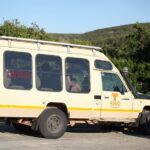
One thing to keep in mind: this is a set-time daytime safari, so night hunters are not the main expectation, and the vehicle is not always the open/off-road style many people dream about for Addo.
In This Review
- Key highlights at a glance
- From cruise dock to Addo Gate: how the day actually starts
- Otto’s safari style: why the searching feels personal
- A practical expectation to set
- Wildlife searching before lunch: what to watch for
- The Interpretation Centre stop: learning without turning it into school
- Picnic lunch inside the park: the meal that keeps the day going
- After lunch: second round searching and why it matters
- Transport, inclusions, and what you’re really paying for
- What to bring (and what to leave behind)
- Who this safari fits best
- Suitability reality check
- Should you book this Addo Elephant Park safari?
- FAQ
- FAQ
- Where does the tour start?
- How long is the experience?
- What do I need to bring?
- Is food included?
- What is included in the price?
- What’s not included?
- What language is the guide?
- Is the tour wheelchair accessible?
- Are pets allowed?
- Can I cancel or book without paying immediately?
- Who is the tour not suitable for?
Key highlights at a glance
- Meet OTTOURS at PE Harbour and transfer straight to Addo so you lose less time in transit
- Otto’s persistent animal-spotting approach focused on getting you good sightings
- Picnic lunch with refreshments at a designated spot inside the park
- Interpretation Centre stop for context on what you’re seeing
- Time for photos and repeat searching after lunch to keep the day moving
- Entry fees included along with transport and service, so the price feels more complete
From cruise dock to Addo Gate: how the day actually starts
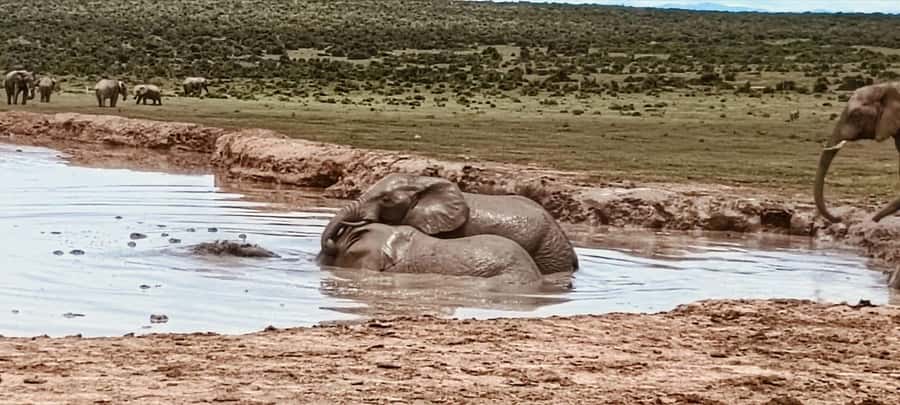
If you’re docking in Port Elizabeth, the biggest win here is simple: you don’t spend your precious day figuring out how to get to Addo. You dock at PE Harbour, then walk to the gate to meet OTTOURS. The whole point is to get you moving quickly from the cruise side of the day into the park experience.
There’s a bit of prep before the drive: you’ll carry your passport or ID for the registration and entry process. It’s not glamorous, but it’s one of those small things that prevents delays later, especially when you’re working on cruise timing.
The transfer to the park entrance is part of the experience too. It gives you a clean mental shift from “port day” to “wildlife day.” If you’re bringing a camera, this is also when you can set it up—check batteries, lenses, and how you’ll handle binoculars once you’re out searching.
You can also read our reviews of more tours and experiences in Gqeberha.
Otto’s safari style: why the searching feels personal
The tour is built around one main idea: you go into Addo and look for animals, then you keep going until you’re happy with what you’ve seen. The guide’s role is not just to point; it’s to help you track where animals might be, based on what’s happening during the drive and your time in each area.
Otto is the name you’ll hear. People are impressed by how engaged and friendly he is, and how hard he tries to locate animals for the group. That matters because Addo is not a theme park where you’re guaranteed a perfect parade of sightings every minute. Good wildlife days come from patient searching and smart guidance, and that’s exactly what you’re buying here.
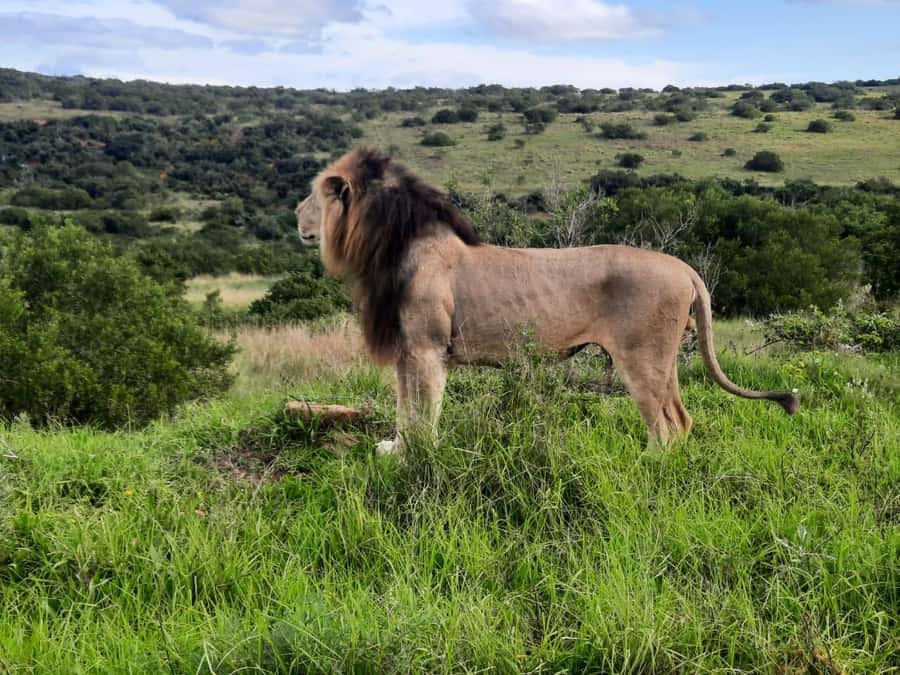
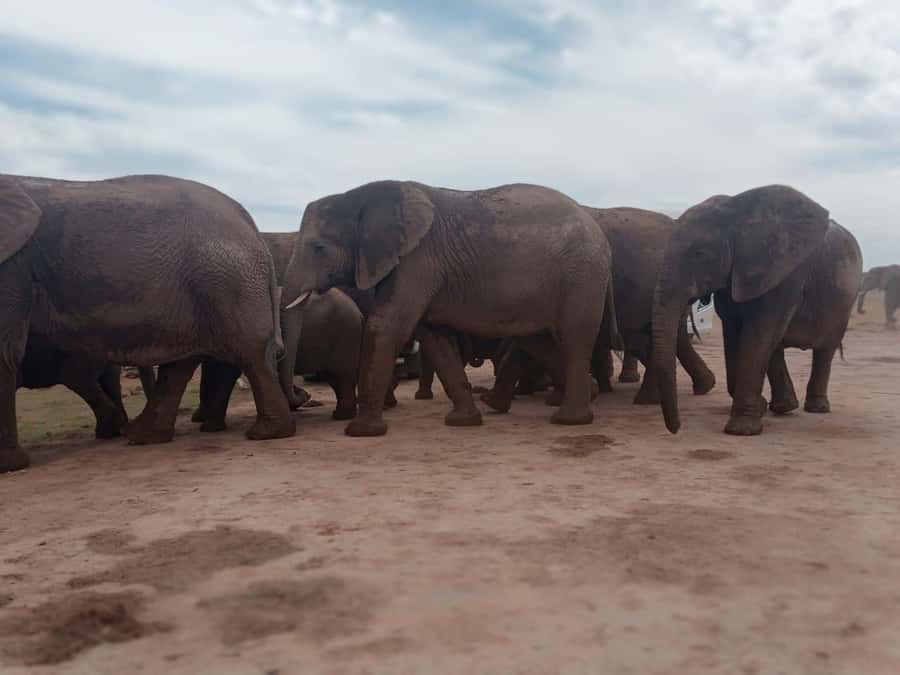
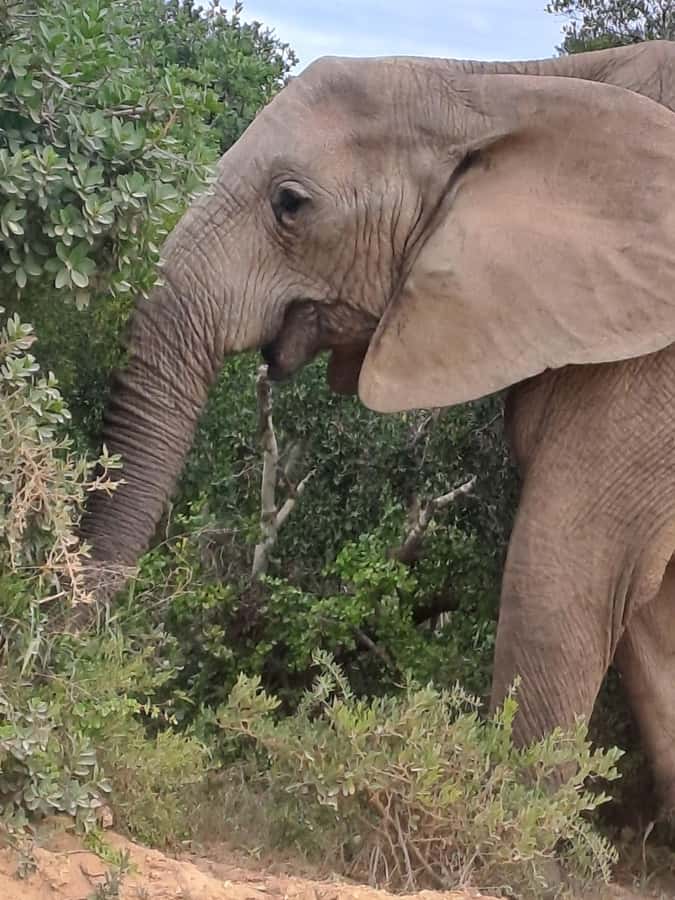
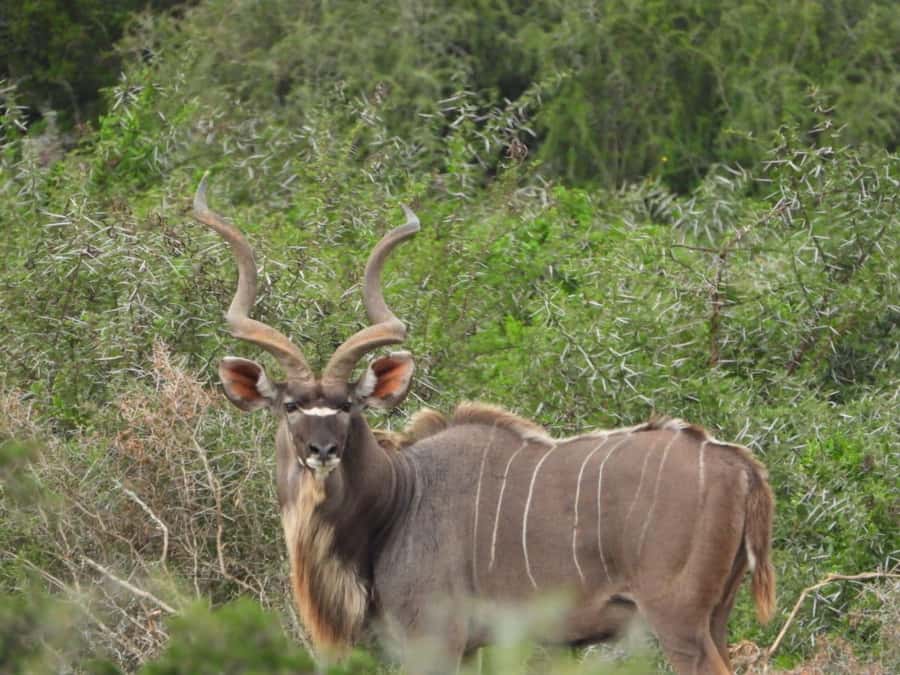
The park also isn’t only about one species. You’ll be searching for Big Five plus smaller wildlife, and you may get a mix—elephant groups are a common highlight, and other animals you could spot include water buffalo, zebras, and antelope. That variety is one reason this kind of tour stays fun even if a favorite animal takes a while to show up.
A practical expectation to set
Because the tour runs during daytime hours, you should treat night hunting as an unlikely bonus. If you’re hoping for nocturnal action, this isn’t marketed as a night safari. The trade-off is that you’ll have better daylight for photography and clearer viewing of animals that are active in the day.
Wildlife searching before lunch: what to watch for
Once you’re in Addo and the real driving starts, the rhythm is straightforward: you search around the park for animals, stop when there’s a good chance, and keep moving when it’s time to look again. The goal is that you don’t feel rushed out of the game after one short stretch.
Bring your binoculars if you have them, and use your camera early. Elephants and other large animals can be spotted at different distances depending on the terrain, and daylight gives you the best shot at sharper photos. If the group gets a chance to view elephants in clusters, that’s when you’ll likely get the strongest memories of the day.
What I like about this format is that it keeps your attention on the present. You’re not sitting through constant talking time. You’re scanning, adjusting your stance for the best angle, and learning from the guide’s direction as sightings happen.
The Interpretation Centre stop: learning without turning it into school
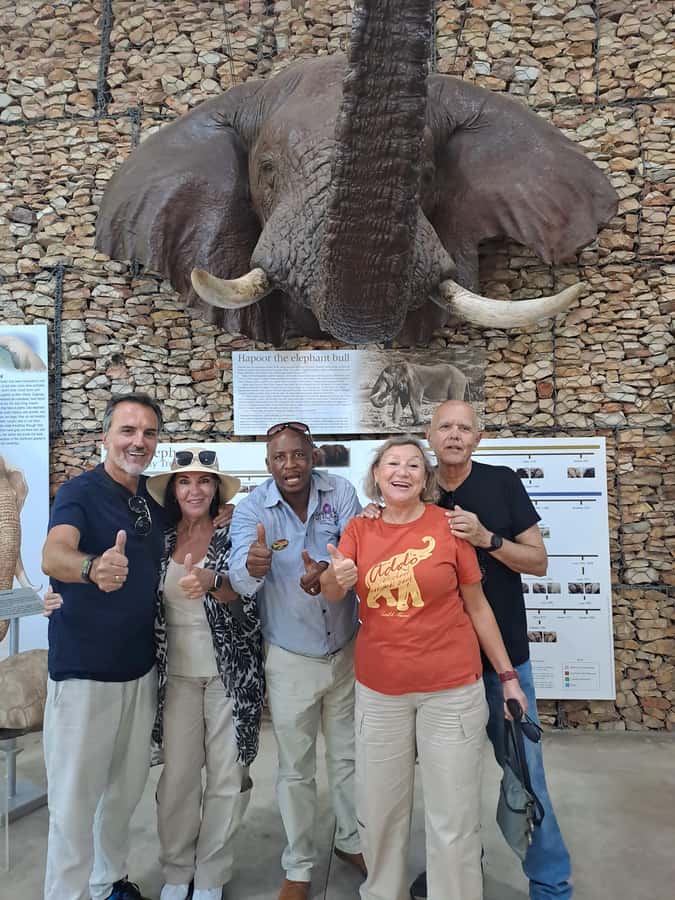
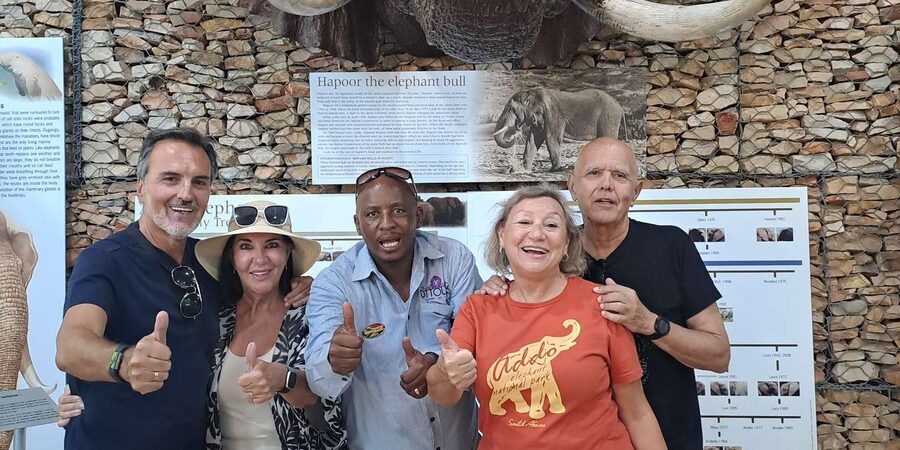
There’s a planned visit to the Interpretation Centre during the day. This is one of those stops that can make the whole safari click for you. When you’re out searching, you notice movement, tracks, and behavior—but without a bit of context, it can feel like random luck.
Here, you get information about the park and what you’re seeing. It’s not about memorizing facts; it’s about giving your eyes something to look for. After you leave the centre, it’s easier to understand why you might be seeing animals in certain areas, and what makes Addo’s ecosystem distinctive.
This stop also breaks up the day nicely. Even a great safari can be tiring under sun and open air. The centre gives you a mental and physical reset before the afternoon searching begins again.
Picnic lunch inside the park: the meal that keeps the day going
Lunch is not an afterthought. You’ll get a picnic and drinks served at a designated place in the park. It’s a welcome change from the typical “grab something fast and go” style tour meals.
Practically, this works in your favor. When you eat inside the park environment, you’re less likely to lose time to driving back and forth just for lunch. You also get a calmer stretch of the day where you can review photos, swap camera settings, and get your energy back for the second round of searching.
If you care about comfort, consider this: you’ll likely be spending a lot of time in the sun or cool air depending on the weather. You’ll want comfortable clothing and a warm jacket since conditions can shift during the day.
After lunch: second round searching and why it matters
The tour doesn’t stop after lunch. You go back out searching again, which is a big deal. It’s easy for safari days to fade after a long morning, especially if the first half doesn’t produce the sightings you hoped for.
Here, the structure gives you another chance. If you missed elephants (or didn’t get the views you wanted) earlier, the afternoon might deliver. And if you did see elephants earlier, the second round can still bring variety—other groups, different species, and better photo opportunities depending on light and position.
The best sightings usually feel like a mix of luck and timing. Having a second block of searching improves your odds while keeping the day from feeling over too soon.
Transport, inclusions, and what you’re really paying for
At $221 per person for a 6-hour experience, the value comes from what’s included, not just the wildlife search. The tour includes:
- transport
- service
- entry fees at the gates
- refreshments and food
That matters because it reduces the hidden costs that pop up with many tours. You don’t need to budget separately for park entry, and you don’t have to arrange transportation on your own if you’re short on time, like many cruise passengers are.
Also, the tour includes a live English guide, which makes a difference in a park setting. Wildlife viewing is all about small cues—behavior, movement direction, and where animals might be. Having guidance in your language helps you turn sightings into real understanding and better photos.
What to bring (and what to leave behind)
This is a simple list, and it’s worth following because Addo days can be dusty and changeable.
Bring:
- Camera
- Binoculars
Wear:
- comfortable clothing
- a warm jacket depending on weather
Know what’s not allowed:
- pets
- weapons or sharp objects
- alcohol and drugs
That policy isn’t just rules for rules’ sake. It helps keep the park environment safe and keeps everyone’s day focused on wildlife viewing.
Who this safari fits best
This tour is a strong match if you:
- are a cruiser with limited time and want a smooth start from PE Harbour
- want a guided safari where searching continues until you’re satisfied
- enjoy a mix of wildlife viewing plus a stop at the Interpretation Centre
- want lunch handled for you (picnic and drinks included)
It may be a poor fit if you:
- strongly prefer an open off-road safari vehicle for the closest “wild” photo angles (some people feel the vehicle style is not ideal compared with off-road options)
- are aiming for night-safari sightings, since the tour is daytime-focused
- have age or health limitations listed by the tour’s suitability rules
Suitability reality check
The tour notes it’s not suitable for:
- children under 2 years
- babies under 1 year
- people with altitude sickness
- people over 95 years
Should you book this Addo Elephant Park safari?
I’d book this if you want an efficient, well-led Addo day that’s designed for real wildlife searching, not just a rushed drive-through. The biggest reason is the guide’s approach—Otto tries hard to find animals, and you get repeat searching after lunch, plus a picnic and an Interpretation Centre stop.
Skip it (or at least lower expectations) if vehicle style is your top priority or if you’re hunting for nocturnal wildlife. This is a daytime experience with daylight photo value and a straightforward safari rhythm.
If your goal is elephants and a mix of other park animals, and you want the day to run smoothly from PE Harbour with entry fees and lunch handled, this tour is a sensible pick.
FAQ
FAQ
Where does the tour start?
You meet OTTOURS at the gate after docking at PE Harbour, then you’re driven to Addo Elephant Park.
How long is the experience?
The duration is 6 hours.
What do I need to bring?
Bring a camera and binoculars.
Is food included?
Yes. Lunch is served as a picnic with refreshments and drinks.
What is included in the price?
Transport, service, entry fees at the gates, refreshments, and food.
What’s not included?
The tour info specifically notes that weapons and drugs are not included, and it also lists weapons as not allowed.
What language is the guide?
The live tour guide is English.
Is the tour wheelchair accessible?
Yes, the tour is listed as wheelchair accessible.
Are pets allowed?
No, pets are not allowed.
Can I cancel or book without paying immediately?
The tour offers free cancellation up to 24 hours in advance for a full refund, and it also offers reserve now & pay later.
Who is the tour not suitable for?
It’s not suitable for children under 2 years, babies under 1 year, people with altitude sickness, and people over 95 years.