REVIEW · MPUMALANGA
Kruger Safari Tour – Full Day
Book on Viator →Operated by Legend Safaris · Bookable on Viator
Big Five chances start before sunrise. This full-day Kruger safari is built around long time in the park on an open-vehicle ride, guided by a ranger who’s hunting for the right animals in the right places.
I especially like the pickup and drop-off convenience from Hazyview or Phabeni Gate, so you’re not wasting your morning figuring out logistics. I also love that the day runs about 10 hours 30 minutes, which gives you far more sighting time than the short “few-hours-and-out” formats.
One thing to weigh: the start is 5:00 am, and food/entry details can be a little confusing (water is included, but food and some fees may not be). Bring layers and plan your budget carefully.
In This Review
- Key things to know before you go
- A 10-hour Kruger safari is the whole point
- Pickup from Hazyview or Phabeni Gate: start smart, start early
- How the day plays out inside Kruger
- Big Five chances—and the value of aiming beyond them
- Open-vehicle reality: great views, bring the right gear
- What’s included (and what you should double-check)
- How guides make or break the day
- Group size and comfort: max 20 is a sweet spot
- Price value: $77.64 for a full-day Kruger drive
- Who this Kruger safari suits best
- Should you book this Kruger Safari Tour?
- FAQ
- What time does the safari start?
- How long is the Kruger safari tour?
- Where is pickup available?
- Is food included in the tour price?
- What’s included with the ticket?
- Is the safari affected by weather?
Key things to know before you go
- 5:00 am departure means early eyes and real “first light” wildlife odds
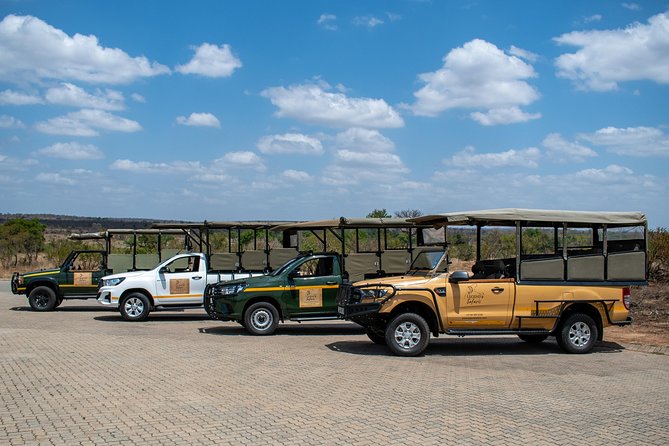
- Open safari vehicle gives you great viewing angles, but it can get windy—dress for it
- Big Five focus, plus more: you’re not only chasing elephant, lion, leopard, buffalo, and rhino
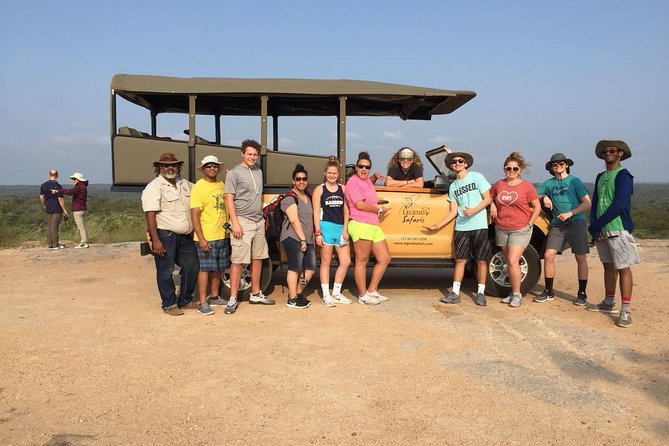
- Small group (max 20) helps keep the day feeling organized and personal
- Included extras: bottled water and a USB charging port on your seat
- Rangers coordinate: guides use park communication to help find animals
A 10-hour Kruger safari is the whole point
Kruger is not a theme-park where animals sit still on schedule. The best wildlife sightings often happen when you’re in the right area at the right time. That’s why a full-day safari matters.
With roughly 10 hours 30 minutes on the go, you get multiple chances to catch animals moving between watering holes, feeding spots, and resting areas. Short safaris are fine, but they put you under time pressure. Here, you can slow down when the ranger finds something good.
And because this trip is on an open vehicle, you’ll feel more connected to the moment—sound carries, sightlines are wide, and you’re watching the same landscape the animals are using.
You can also read our reviews of more tours and experiences in Mpumalanga.
Pickup from Hazyview or Phabeni Gate: start smart, start early
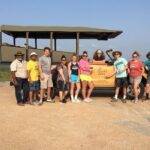
This is a hotel-friendly setup. You get pickup and drop-off from designated points, including Hazyview and near Phabeni Gate. That matters because Kruger days are won or lost in the first hour: once you’re on the road and rolling into the park, your day gets momentum.
The start time is 5:00 am, so you’ll want to pack the night before. Do not rely on sleep that’s “almost” good enough—you need the energy for long drives and early sightings.
One small caution: a booking feedback note included a pickup timing miscommunication. That doesn’t mean it’s common, but it’s worth taking seriously. Confirm your exact pickup details, double-check the meeting time, and make sure your phone battery is topped up.
How the day plays out inside Kruger
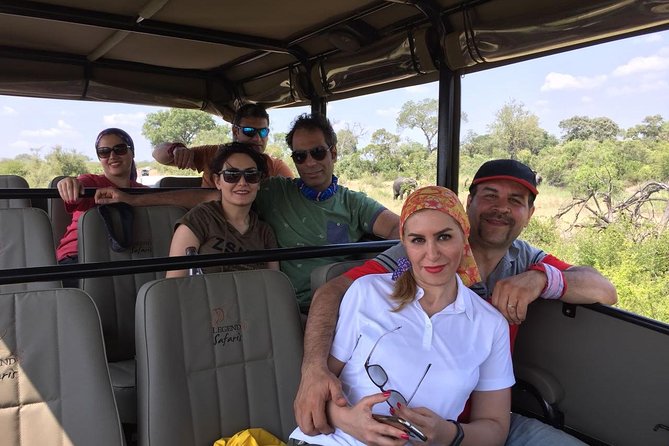
The main chunk of the itinerary is your time in Kruger National Park, lasting about 10 hours. You’ll ride in a comfortable open safari vehicle with a ranger guide who’s there to spot animals and explain what you’re seeing.
In real safari terms, your day usually runs in cycles:
- scan for movement (especially near roads and open areas)
- stop when something looks promising
- adjust your angle and distance so you get good views
- move on quickly if the ranger hears or spots something else
This tour is designed so you don’t just do one drive and call it a day. The goal is to keep you constantly in position for sightings, not parked far too long in a single place.
Also, expect breaks. One feedback example specifically mentioned breaks for breakfast and lunch, which can help you stay focused rather than getting cranky after hours in the vehicle. Just remember: food inclusion can vary, so treat meal planning as a “bring what you can” situation.
Big Five chances—and the value of aiming beyond them
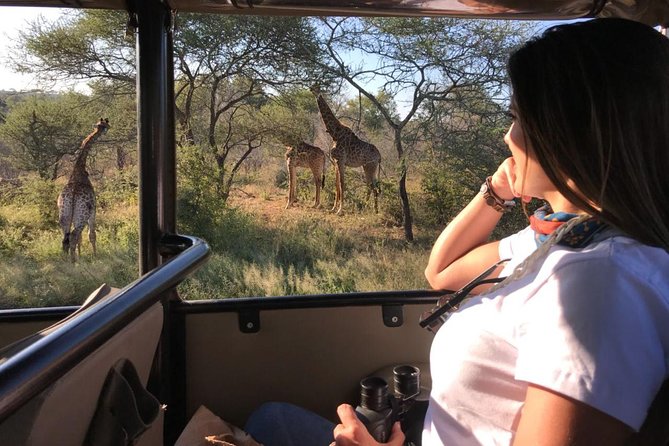
Yes, the Big Five are the headline: elephant, leopard, lion, buffalo, and rhino. This safari is structured to maximize your odds of ticking several of them off—something you’ll feel because the day is long and the ranger is actively searching.
But what makes this tour more fun than a checklist is the emphasis on “and more.” The tour description calls out targets like cheetah and wild dog, plus a broad range of other wildlife you might spot along the way.
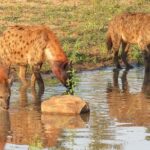
In the feedback, guides like Stephan, Bradley, Sipho, and Remember get praised for keeping up the energy and using strong animal-spotting skills. You’ll also see patterns in what people remember: lions and elephants often happen early, while other sightings—like hyenas, giraffes, zebras, and rare species—show up when the ranger is reading the landscape and moving with purpose.
That’s the real safari lesson here: animals aren’t random. If the ranger is good, you’ll start to notice signs—tracks, calls, fresh activity, and where prey tends to be.
Open-vehicle reality: great views, bring the right gear
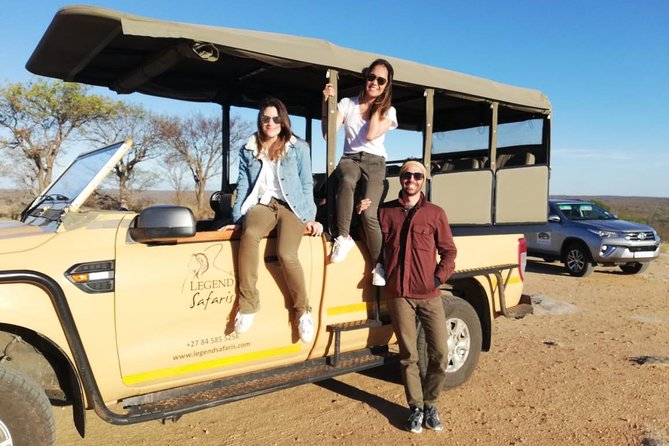
An open safari vehicle is awesome for photos and eyes-on wildlife. You also feel every change in wind and temperature. Kruger mornings can be cool, and open drives can turn breezy.
One feedback note mentioned blankets when the safari truck was windy. Don’t count on them as your only defense, though. Treat this as a “dress in layers” day:
- a warm top for early morning
- a windproof layer you can keep on in the vehicle
- comfortable shoes for getting in and out at stops
- a hat and sunglasses (sun can hit hard once the day warms up)
And because it’s about being outside for a long stretch, pack patience. When the ranger stops, you’ll want your body ready—quick reactions help you get the best views when an animal appears.
What’s included (and what you should double-check)
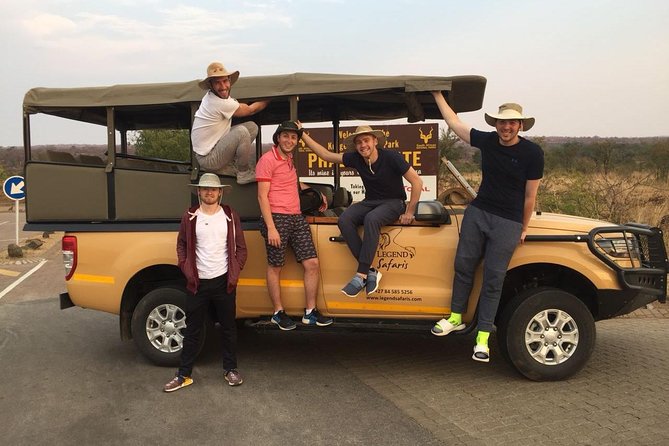
Here’s what the tour includes based on the details you were given:
- bottled water
- professional ranger guide
- hotel pickup and drop-off
- pickup/drop-off from designated meeting points
- USB charging port on your seat
That USB port is more valuable than it sounds. A long safari drains phone batteries, and you’ll want power for photos, maps, and keeping your timing straight.
What’s not included:
- food and drinks unless specified
- breakfast and lunch
- entry fees
One tricky line in the information is that admission ticket is listed as free, yet entry fees are also listed as not included. I’d treat this as a “confirm before you go” situation. If you want a smooth day, ask the operator what fees you actually need to cover on arrival.
How guides make or break the day
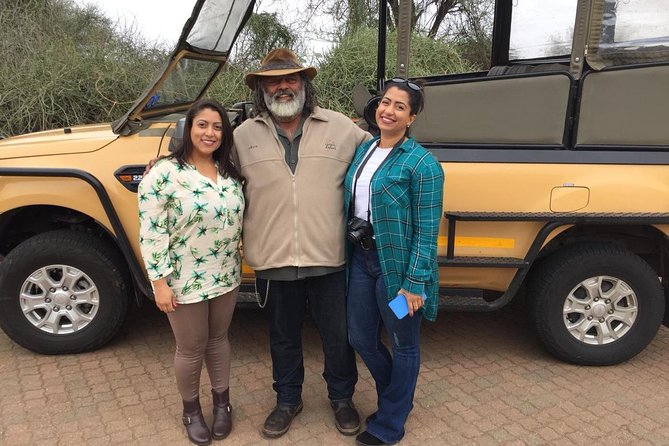
The ranger guide is the difference between seeing animals and understanding animals. This tour leans into that: your guide shares insights into behavior so you’re not just watching a moving dot.
In feedback, guides are repeatedly praised for:
- finding animals and keeping communication with other spotters in the park
- being on time and organized
- having a fun personality without turning the day into a lecture
- explaining what you’re seeing, from birds to animal movement to tree and habitat cues
Names that show up include Bradley, Sipho, Stephan, and Remember, with multiple mentions of guides helping people see Big Five animals and also rare sightings like African wild dog.
So if you care about learning as much as seeing, this is a strong fit.
Group size and comfort: max 20 is a sweet spot
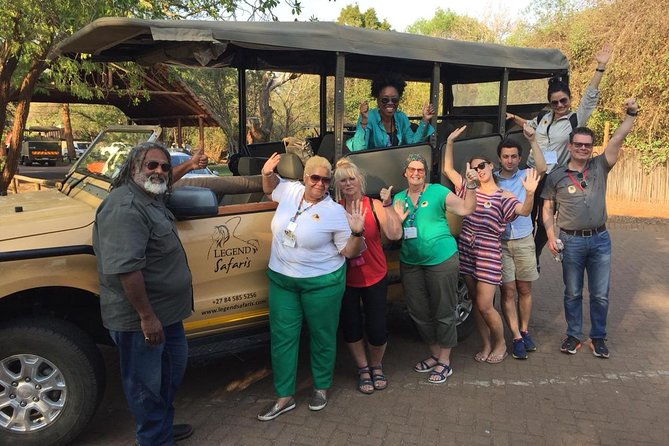
This safari caps at 20 travelers. That helps keep the vehicle from feeling chaotic when the ranger spots something.
In practical terms, a smaller group means:
- easier viewing when animals are close to the road
- less crowding around windows or seat sides
- smoother coordination when you make quick stops
You’re still in a shared vehicle, so you won’t have private safari treatment. But for value-focused wildlife days, max 20 is often a good balance.
Price value: $77.64 for a full-day Kruger drive
At $77.64 per person, the big value is not just the safari ride—it’s the combination of:
- long time in Kruger (about 10.5 hours total)
- hotel pickup/drop-off from Hazyview or Phabeni Gate
- an open safari vehicle with a ranger guide
- included water and USB charging
You do give up some comforts. Food isn’t guaranteed in the included price, and entry/fee details need a quick confirmation because the information is slightly inconsistent. Still, compared to many Kruger day tours that cost much more for short time inside the park, this pricing looks aimed at giving you a real day for your money.
The best way to judge value for you: if you’re trying to see more than one or two major animals, full-day time is money well spent.
Who this Kruger safari suits best
This tour fits best if you:
- are in the Kruger area and want one strong day in the park
- want Big Five odds, but also care about cheetah, wild dog, and other wildlife
- prefer guided spotting over DIY driving
- like learning what you’re seeing from a ranger
It can also work well for first-timers. In feedback, people describe it as a great intro to Kruger because the ranger keeps you moving toward sightings instead of guessing.
Families should note the basic rule: children must be accompanied by an adult. And since it runs early and long, it’s best for kids who can handle an all-day outdoor rhythm.
Should you book this Kruger Safari Tour?
Book it if you want your Kruger day to feel like a real wildlife hunt, not a quick drive. The biggest selling points are long time in the park, pickup convenience, and a ranger-guided approach that focuses on Big Five sightings plus harder-to-find animals.
Skip or rethink it if:
- you can’t do a 5:00 am start
- you need full meals included in the price
- you’re the kind of traveler who hates budget ambiguity and wants total certainty on fees
My practical advice: confirm what you’ll pay for on the day (especially entry fees and meals), then dress for wind and early cold. If you do that, this is a strong value way to experience Kruger properly.
FAQ
What time does the safari start?
The tour starts at 5:00 am.
How long is the Kruger safari tour?
It runs for about 10 hours 30 minutes (approx.), with the main park time listed as 10 hours.
Where is pickup available?
Pickup and drop-off are offered from Hazyview or Phabeni Gate (and from designated meeting points).
Is food included in the tour price?
Food and drinks are listed as not included unless specified. The information also notes breakfast and lunch are not included.
What’s included with the ticket?
You get hotel pickup and drop-off, bottled water, a professional guide, and a USB charging port on your seat.
Is the safari affected by weather?
It operates in all weather conditions, so you should dress appropriately for the conditions.