REVIEW · MPUMALANGA
Kruger National Park Morning Safari 2 people minimum
Book on Viator →Operated by Kruger Via Canyon Safaris · Bookable on Viator
Big cats start with an alarm clock. This private Kruger National Park morning safari runs about 5 hours with a guide who does most of the spotting and explains animal behavior as you go. You also get bottled water, but Kruger entrance fees are not included.
I love that it’s set up for a small group. With 2 people minimum, it feels more flexible than a cattle-car approach. Guides like Selby and Lindokhule come up in feedback as well informed and on time, which matters a lot when you’re chasing wildlife before the park wakes up.
In This Review
- Key highlights
- Why the 5:00 AM Start Is the Whole Point
- What You’re Really Buying With a Private Safari
- How the Morning Game Drive Works (Without the Confusing Stuff)
- Stop 1 at Kruger National Park: Your First Big Shot at the Big Five
- A practical drawback to keep in mind
- Stop 2: A Second Chance to Find Different Animals
- Big Five Odds: The Reality Check (That Helps You Enjoy It)
- Vehicle Comfort, Safety, and the Guide You Depend On
- Water and What You Should Plan For
- Price: Is $46.01 a Good Deal?
- Timing and What to Do With Your Day After
- Who This Kruger Morning Safari Fits Best
- Should You Book This Kruger Morning Safari?
- FAQ
- What time does the Kruger National Park morning safari start?
- How long is the safari?
- Is bottled water included?
- Are Kruger entrance fees included in the price?
- Is this tour private, and is there a minimum group size?
- What happens if the weather is poor?
- Where does the tour end?
Key highlights
- 5:00 am start for prime morning activity and cooler, easier game viewing
- Guide-led spotting so you’re not just scanning in silence for hours
- Bottled water included for a more comfortable early start
- Private group experience (2 people minimum) instead of one big crowd
- Big 5 chances, plus real odds of other great sightings even when one of the Big 5 is missing
Why the 5:00 AM Start Is the Whole Point
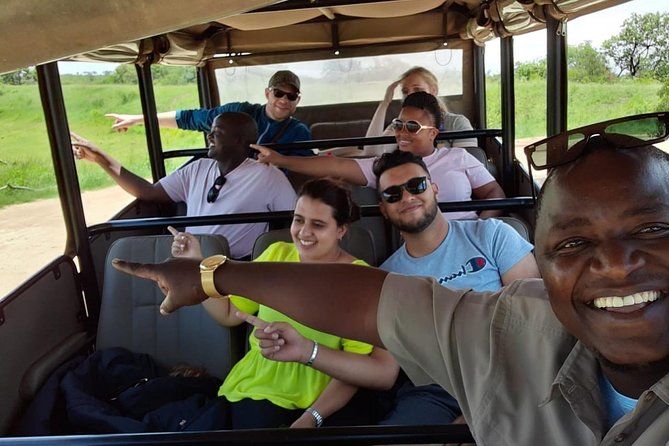
Kruger is best early. Not because you’re brave, but because animals move more in the morning and the light is gentler for spotting. Starting at 5:00 am also gives you a longer slice of active wildlife time before the day gets hot and jumpy.
You’ll be out there for about 5 hours, so you’re not doing a quick drive-by and calling it a safari. This is structured like a real morning outing: you start early, ride while the park is lively, and then you get another chance to pick up different sightings rather than repeating the same roads endlessly.
You can also read our reviews of more tours and experiences in Mpumalanga.
What You’re Really Buying With a Private Safari
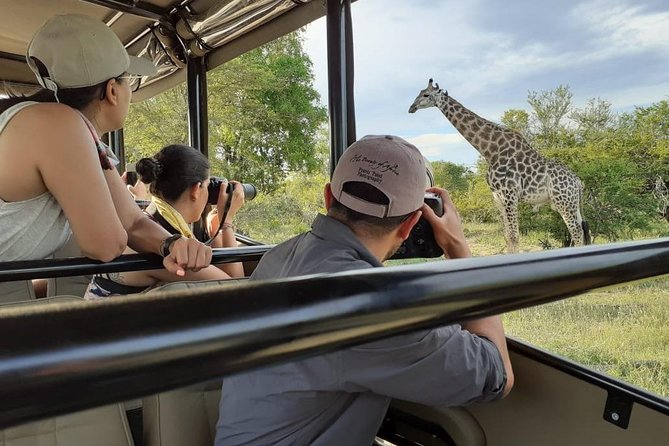
At $46.01 per person, this is priced like a value-focused half-day safari. The key is what’s included versus what’s not.
Included is simple and useful: bottled water, plus the guide’s work in finding animals and explaining what you’re seeing. Not included: Kruger entrance fees (so plan for that). And based on what people experienced, don’t assume snacks are part of the deal unless your booking clearly states it.
The private setup is a big deal for quality. You’re told it’s private for your group, not shared with strangers. For two travelers, that usually means less waiting, fewer awkward “who’s next?” moments, and more attention from your guide. One review noted a comfortable vehicle and a feeling of safety throughout, which helps because you’ll be sitting and scanning for long stretches.
How the Morning Game Drive Works (Without the Confusing Stuff)
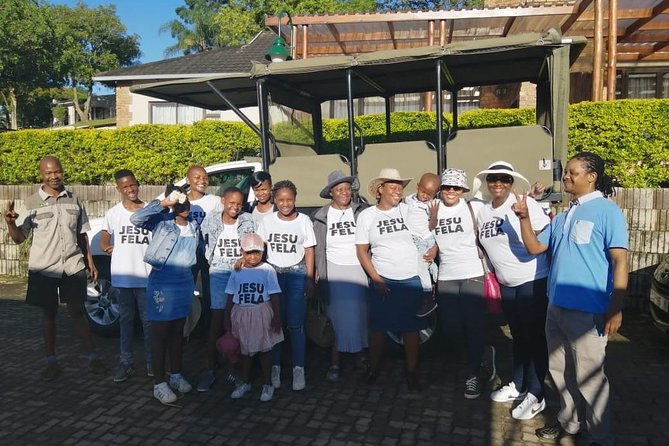
This safari is guided, not self-guided. Your guide does most of the spotting and interpretation. That matters because wildlife isn’t always where your eyes want to look. Elephants might be half hidden. A lion could be just a shape in dry grass. Even when animals are visible, behavior is the difference between seeing and understanding.
The tour also focuses on giving you multiple chances. After the first big viewing stretch, you move on for a second set of animal opportunities. That’s exactly what you want in a park as large as Kruger: you don’t get stuck in one zone hoping for magic.
Stop 1 at Kruger National Park: Your First Big Shot at the Big Five
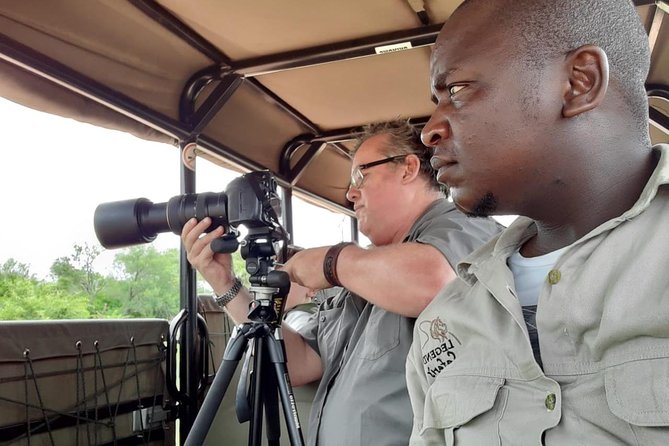
Your first stop is the core of the experience: Kruger National Park with a chance to see the Big Five (along with other animals). In real-world outcomes from past trips, people reported strong results, including seeing 4 out of 5 Big Five in one outing.
This is also where your guide earns their paycheck. One feedback thread praised guides for being highly informed, checking in, and making sure guests were okay. Another mentioned a fun, capable guide (Selby was specifically named). You want that energy early, because morning sightings often come fast and then vanish just as quickly.
What to expect from this first stretch:
- More time spent driving and searching in the park’s best morning conditions
- The guide calling out animals and explaining behaviors instead of just pointing
- Higher chance of getting a standout moment (lions, elephants, buffalo, rhinos, and sometimes the big surprises)
A practical drawback to keep in mind
Not every safari guide is equally easy to hear from every seat. One review complained that from the back of the vehicle, the guide was hard to hear because of a small window separating the front and back. If you’re sensitive to audio, it’s worth aiming for a seat closer to the guide when you can.
Stop 2: A Second Chance to Find Different Animals
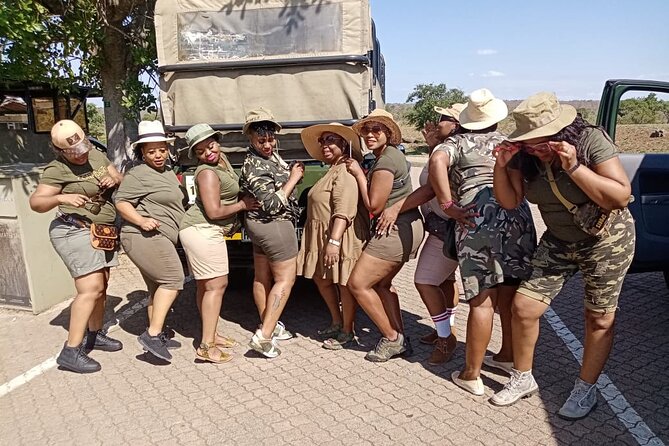
The second stop is still within Kruger National Park, and it’s aimed at seeing different kinds of animals. The itinerary lists it as 5 minutes, which suggests a quick repositioning or a short additional viewing push rather than a long separate activity.
Even if it’s short, this part can be valuable. Wildlife sightings aren’t guaranteed, and Kruger rewards variety. If you leave the first stretch without the big moment you wanted, the second stop can be where you catch something else—another pride, fresh tracks, a different species, or a calmer animal that lets you really watch.
This is also where you’ll feel the benefit of a good guide: they’re not just driving, they’re making decisions. They’ll do most of the spotting and guide you toward where the action is, based on what’s showing up.
Big Five Odds: The Reality Check (That Helps You Enjoy It)
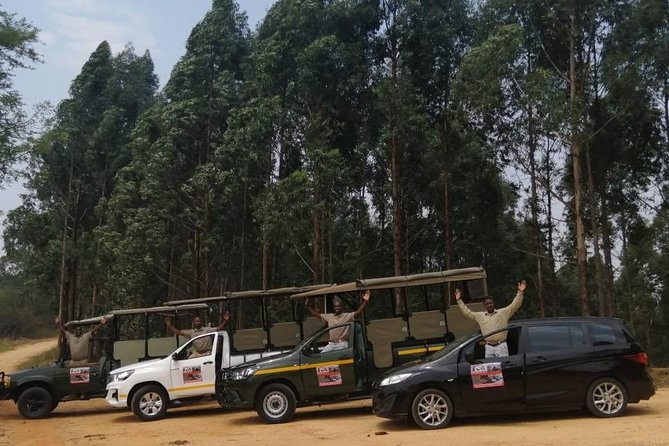
This safari markets Big Five chances, and you do get the shot. But the park is not a vending machine.
Past experiences show how unpredictable it can be:
- One person saw 4 of the Big Five, missing the leopard.
- Another described nearly spotting all five, but a tiger hid with her cubs.
- Lions showed up in multiple accounts, including one standout story about walking side to side with three lions for about a kilometer.
That last detail is exactly why you should book Kruger with flexible expectations. Yes, it’s possible to have an unforgettable encounter. No, it’s not something you should plan your day around.
If you’re pinning your hopes on one specific animal (especially leopard or tiger), remember: you might get it—or you might not. The smartest move is to stay excited about anything you see. Elephants, buffalo, antelope, birds, and predators all tell you a story about the ecosystem, and your guide is the one turning random sightings into something you can actually understand.
Vehicle Comfort, Safety, and the Guide You Depend On
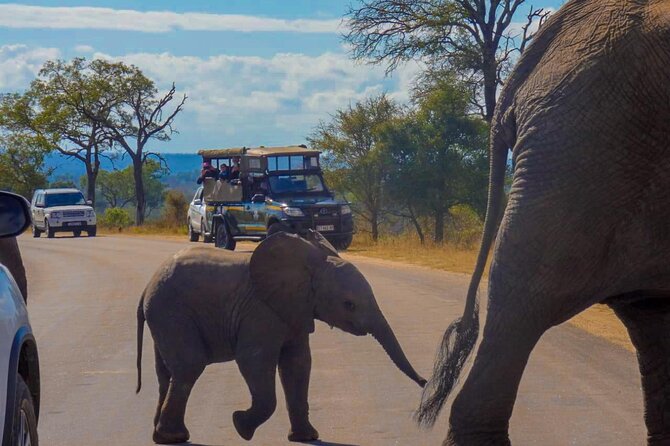
In a wildlife safari, your body and your ears matter. You’ll spend a chunk of time seated, scanning, and reacting to quick changes. Feedback includes that the vehicle was comfortable and felt safe.
On the flip side, the earlier note about hearing is worth repeating: if you end up farther back in the vehicle, you might struggle to catch commentary if the setup blocks audio. If you like learning while you watch, ask your operator about seating when you check in.
The best part of this safari is that it’s not just driving. Your guide explains behavior, not only animal names. That turns a sighting into an “I get what’s happening here” moment.
Water and What You Should Plan For
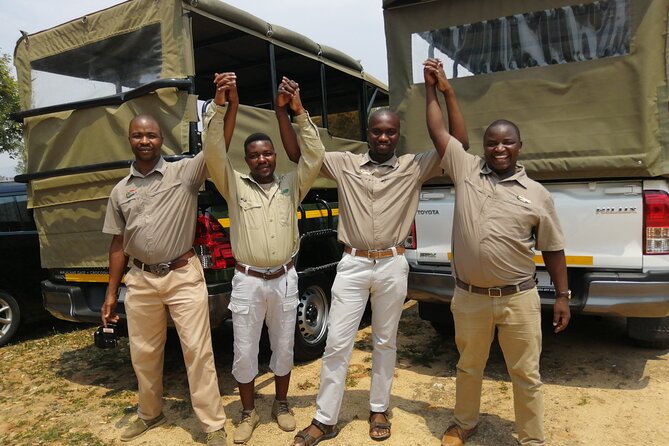
Bottled water is included, which is helpful because you start at 5:00 am and you’re out in the field. It also reduces one small point of stress: you don’t have to guess whether you’ll be thirsty mid-drive.
What isn’t included is Kruger entrance fees. That’s the biggest “surprise” category people run into when planning the total cost. If you’re building a day-by-day budget, you’ll want to account for park entry on top of the tour price.
Snacks were mentioned as missing in one experience where the package wording suggested otherwise. This isn’t listed as included in the provided tour details, so treat snacks as a question to confirm before you go.
Price: Is $46.01 a Good Deal?
For $46.01 per person, you’re paying for:
- a guided, early 5-hour safari window
- bottled water
- a private-group experience with 2 people minimum
- a guide who does the spotting and explains what you’re seeing
The big cost you still handle is Kruger entrance fees, so your true total will be higher once you factor that in. Still, even with park entry added, this pricing often compares well to safaris that feel more like a long bus tour with little explanation.
The “value” also depends on expectations. If you want a chilled, flexible morning with real guidance, this price can feel fair. If you expect everything to be bundled with entrance and food with zero additional costs, you’ll want to double-check what your booking covers.
Timing and What to Do With Your Day After
This tour starts at 5:00 am and runs about 5 hours, then ends back at the meeting point. That means you usually get the rest of your day free for other activities, rest, or exploring nearby areas.
The early departure can be a shock if you like sleep. But the trade is real: you’re out when the park is waking up, not when everyone else is scrambling for late-morning crowds. If you’re the kind of traveler who enjoys being in the field before it turns into a heat haze, you’ll likely love this rhythm.
Who This Kruger Morning Safari Fits Best
This tour is a strong match if you:
- have two people and want a private feel
- like guided explanations, not just seat time
- want a morning adventure that doesn’t swallow your whole day
- want Big Five chances while still enjoying other wildlife if the Big Five don’t line up perfectly
It may be less ideal if you:
- hate very early starts
- need a clear audio setup from your seat (since hearing the guide can vary by where you sit)
- expect snacks or full meal service unless your confirmation says so
Should You Book This Kruger Morning Safari?
I’d book it if you want an early, guided Kruger experience with a small group and you’re okay with the normal safari truth: animals follow their own schedule.
Before you hit reserve, do two quick checks:
- Confirm what you’re responsible for paying separately, especially Kruger entrance fees.
- If you care about snacks, make sure your booking clearly includes them, since water is the one thing explicitly listed as included.
If you get matched with a guide like Selby or Lindokhule, based on names that show up in strong feedback, you’re likely in for a more satisfying outing—where you don’t just spot animals, you understand what you’re seeing as the morning unfolds.
FAQ
What time does the Kruger National Park morning safari start?
It starts at 5:00 am.
How long is the safari?
The duration is about 5 hours.
Is bottled water included?
Yes. Bottled water is included.
Are Kruger entrance fees included in the price?
No. Entrance fees into Kruger are not included.
Is this tour private, and is there a minimum group size?
Yes, it’s a private tour/activity, and it requires a minimum of 2 people.
What happens if the weather is poor?
The experience requires good weather. If it’s canceled due to poor weather, you’ll be offered a different date or a full refund.
Where does the tour end?
It ends back at the meeting point.