REVIEW · MPUMALANGA
Marloth Park: Kruger National Park Safari Game Drives
Book on GetYourGuide →Operated by Inn Africa Camp & Tours- Game drives · Bookable on GetYourGuide
Kruger’s sunrise hits different. This guided safari from Marloth Park is built for early animal action, with open-vehicle comfort and guides who explain what you’re seeing as you go.
What I like most: you can clock real sightings fast (impalas, wildebeest, zebra show up early), and you get that cat-focused morning energy with guides like Jerry, Lucky, and Sibo earning high praise for their animal-and-plant spotting. One consideration: the drive starts very early (5:00 AM), and sightings can slow down on hot, tough-weather days.
You’ll also appreciate how the timing works. After the first stretch, there’s time for breakfast before the safari continues, plus the option to stretch into a full day until 4:00 PM. The only real trade-off is cost math: the park entrance fee is extra and paid in cash on arrival, so your final total isn’t just the headline price.
In This Review
- Key things you’ll notice on this Kruger game drive
- Marloth Park to Kruger at dawn: why this drive works
- The ride itself: open-vehicle comfort and what to pack
- Morning timing: 5:00 AM start, stacked sightings, then breakfast
- The breakfast break: a real reset
- Half-day vs full-day: how to choose without overpaying
- Half-day (ends around 12:00)
- Full-day (lunch around 12:30, ends about 16:00)
- Big Five expectations: what you can realistically hope for
- Cats early on
- The guides: interpretation that turns spotting into understanding
- Roads, elephants, and why the bush looks the way it does
- When things don’t go perfectly: weather and comfort reality
- Park entrance fee: the one extra cost to plan for
- Is this safari worth $61: value check for your time
- Should you book this Marloth Park to Kruger game drive?
- FAQ
- What time does the morning safari start?
- Is there an afternoon option?
- How long is the experience?
- What are the half-day and full-day end times?
- What’s included in the price?
- What isn’t included?
- What should I bring?
- Are there any restrictions on the drive?
Key things you’ll notice on this Kruger game drive
- Very early start (5:00 AM) geared toward active animals and cooler viewing
- First-minute sightings are common, then the drive keeps stacking up encounters
- Guide interpretation on every stop, with people repeatedly highlighting guides like Jerry and Sibo
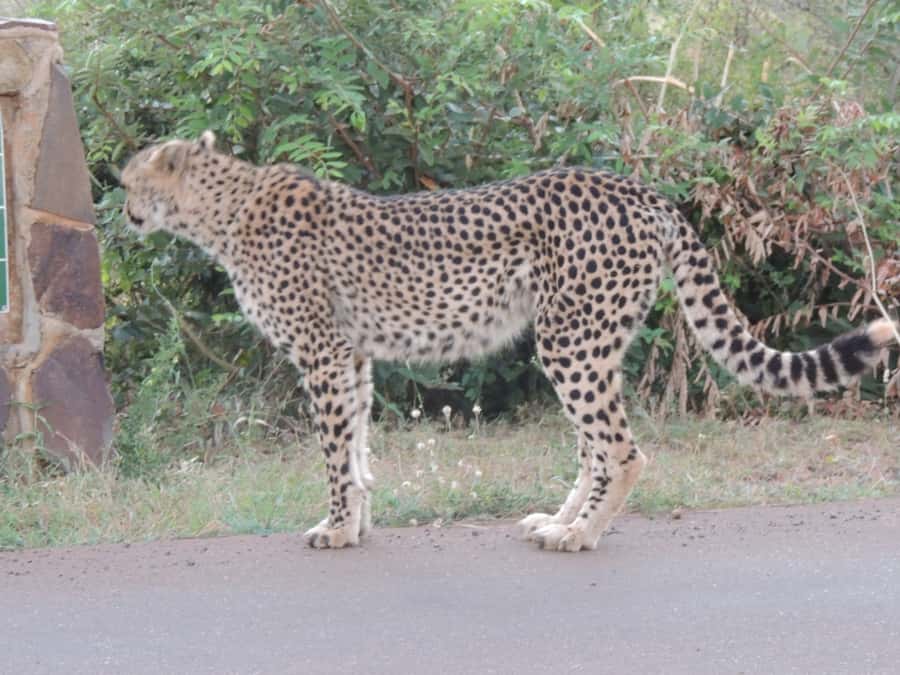
- Big-cat odds early on, especially when you enter through Crocodile Bridge gate
- Open safari vehicle that’s high and comfortable, built for scanning and photos
- Hippo and crocodile country showing up during the morning loop (when conditions line up)
Marloth Park to Kruger at dawn: why this drive works
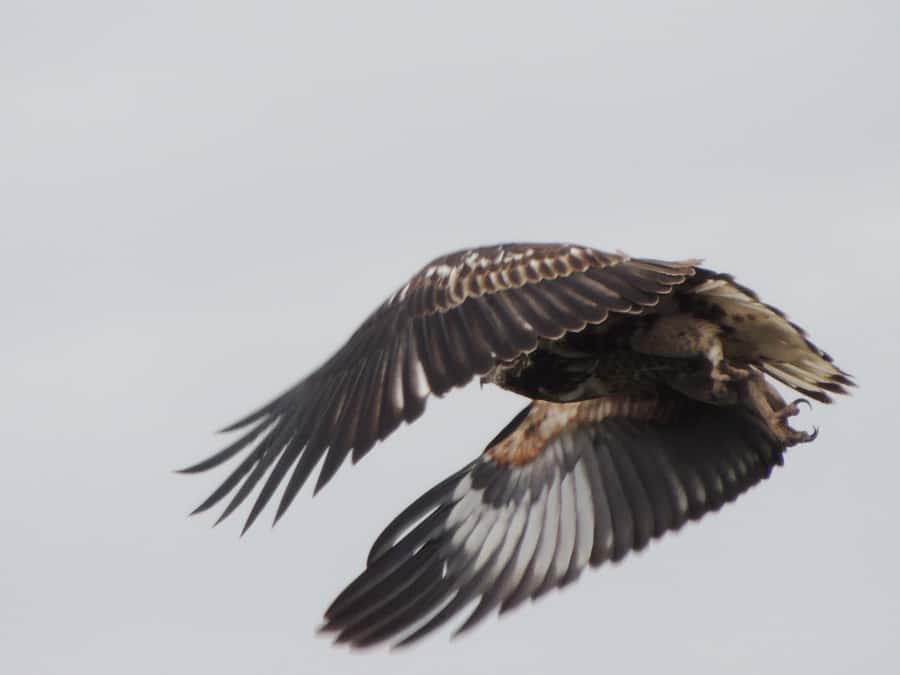
Coming from Marloth Park into Kruger for a guided game drive is a smart way to see the park without the stress of self-driving all day. The tour starts in the morning at 5:00 AM, when animals are usually moving and when you get that first light that makes everything feel sharper: colors, dust, silhouette shapes, and the whole rhythm of the bush.
What makes this experience especially practical is the mix of timing and instruction. You’re in the vehicle early enough to catch the morning wave of activity, then you’re not just sitting around waiting for luck. Guides are expected to interpret what you’re seeing as you go, and in the feedback, names like Advocate, Max, Lucky, and Jerry come up for knowing where to look and how to read animal behavior.
One more detail that matters: you’re picked up at lodge or a designated area, and the vehicle is branded with a company logo or sign. That sounds small, but it reduces confusion, especially if you’re already tired from an early wake-up call.
You can also read our reviews of more tours and experiences in Mpumalanga.
The ride itself: open-vehicle comfort and what to pack
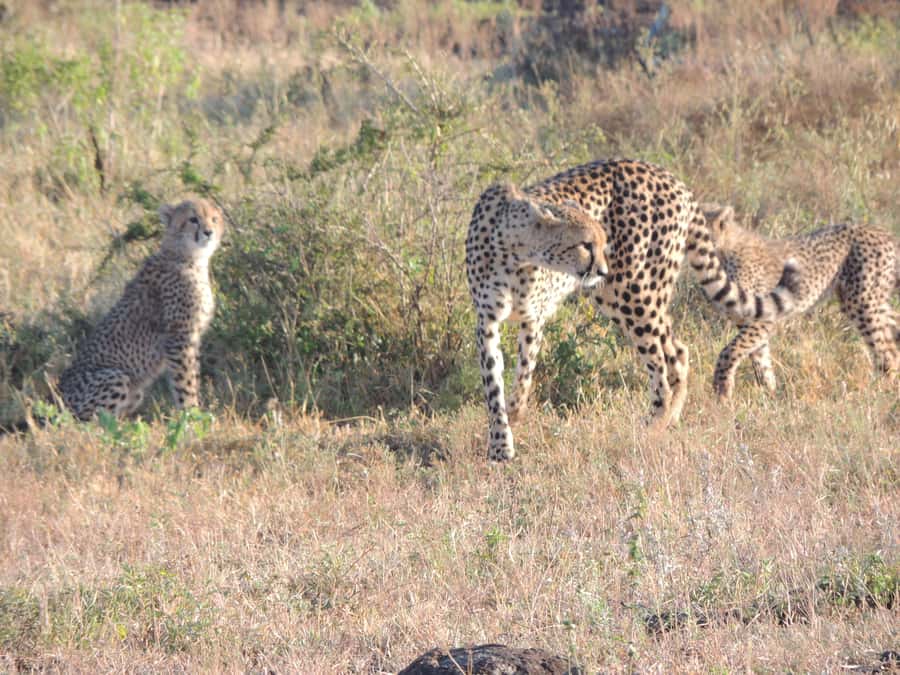
You’ll travel in an open safari vehicle. It’s described as being high and comfortable, which is exactly what you want for Kruger—higher sightlines mean you can scan quickly for movement, and comfortable seating helps when the drive includes lots of short stops.
Bring what actually helps outdoors at sunrise. The tour calls out:
- Passport or ID card
- Sunglasses
- Hat
- Jacket
- Binoculars
That jacket note is not filler. Early morning in this part of South Africa can feel chilly, and at least one guest reported that a guide even provided blankets for the early drive. Even if you don’t get a blanket, layers are a good move because the temperature can swing.
One thing to plan around: alcohol and drugs are not allowed. If you were thinking of treating the day like a relaxed bar crawl, skip the idea. This is a nature-focused drive where your best photos and best spotting happen when you’re alert.
Morning timing: 5:00 AM start, stacked sightings, then breakfast
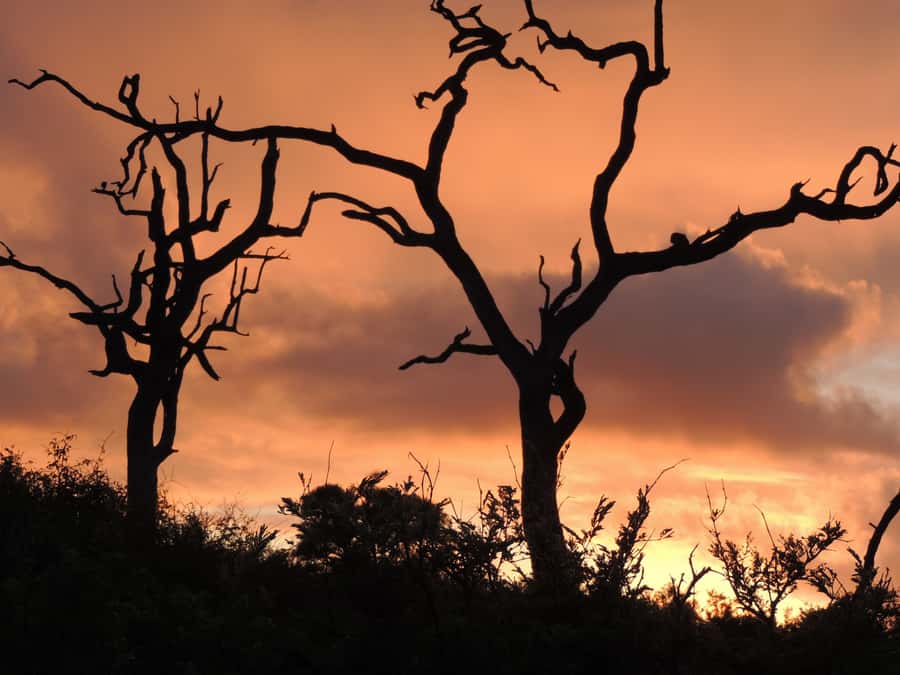
The tour begins in the morning at 5:00 AM. That early departure isn’t just a “because safari” cliché. It’s when the bush often gives you the best payoff for the effort you put in.
In the description, you can expect plenty of sightings almost immediately—impalas, wildebeest, and zebra can show up within the first minute or so of entering the Kruger area. That matters because it sets the tone: you’re not searching for a long time before anything happens.
After that, the drive is designed to keep pushing your luck in the right places:
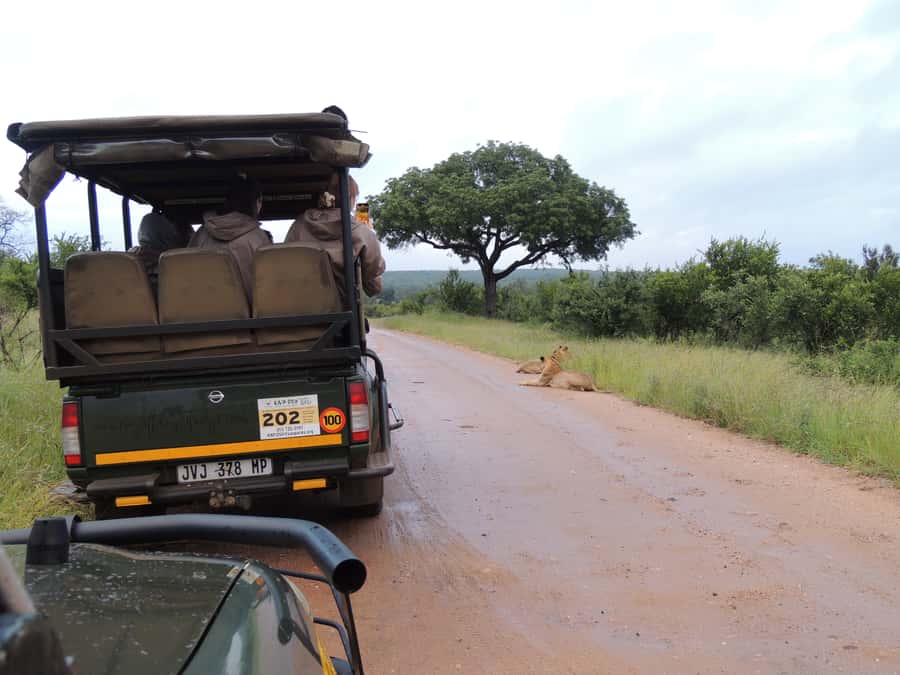
- You may see elephants and lions sleeping along roads in the early morning.
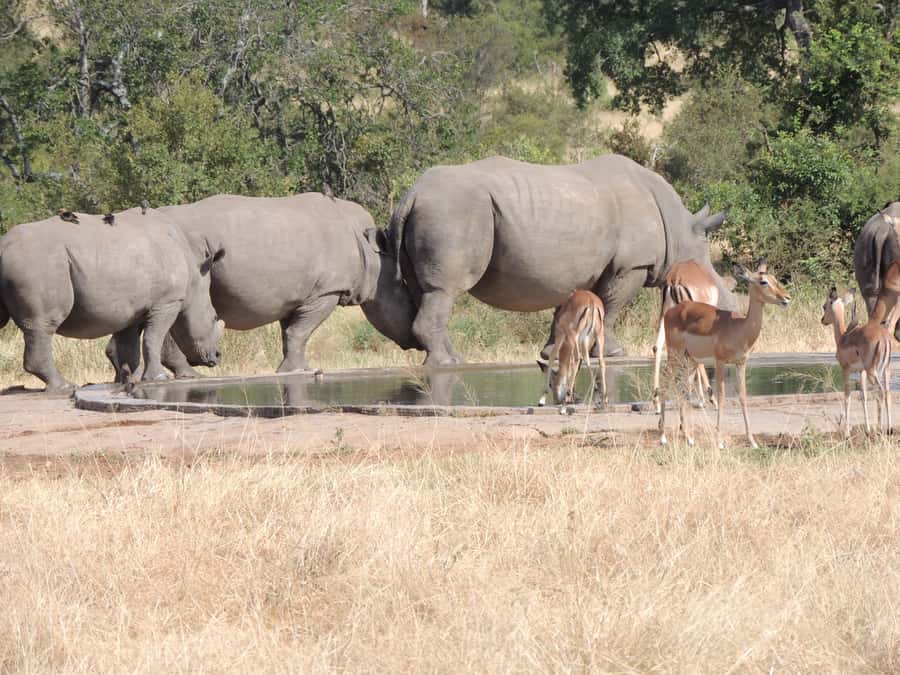
- You can encounter hipopotamus and crocodiles during the drive.
- If you’re entering through Crocodile Bridge gate, cheetahs are considered likely.
Here’s the practical value: animals in Kruger don’t arrive on schedule, but the morning creates the best odds. And when you’re with a guide who knows what to watch for, you spend more time looking at actual animals and less time driving past them.
The breakfast break: a real reset
The morning portion runs about 3 hours, and then you get time for breakfast. That is a big deal on safaris because your attention span matters. If you’re out there from before sunrise and you’re hungry, you miss small details. The break helps you recharge before the drive continues until about 12:00 on a half-day schedule.
If you choose the full day, you’ll still get the morning stretch, then the day continues after lunch at 12:30 with about an hour for the meal, and the safari ends around 16:00.
Half-day vs full-day: how to choose without overpaying
If you’re doing the math, the difference isn’t about whether you see animals—it’s about how much time your guide can work the park’s patterns. With limited time, you want the route to focus on higher-probability zones. With more time, the guide can adjust when animals show up in unexpected areas.
Half-day (ends around 12:00)
Half-day is attractive if:
- You want a strong morning hit and still want the afternoon free.
- You’re already doing other activities nearby.
- You’re sensitive to very long days in the field.
Just be aware: the most intense animal action can be clustered in the morning hours. If midday is hot and visibility drops, you might get fewer “big drama” moments.
Full-day (lunch around 12:30, ends about 16:00)
Full-day makes sense if:
- You want more chances to find big cats and other species that may not appear right away.
- You prefer to slow down and let spotting take its time.
- You’re the type who enjoys watching behavior—resting, feeding, moving—rather than only rushing to a checklist.
One guest described upgrading on the day because their group was small and they wanted more time. That’s a reminder that flexibility can matter, though you’ll want to check availability when you book.
Big Five expectations: what you can realistically hope for
This safari is marketed around seeing Big Five animals, and the feedback reflects that many people feel they hit major targets. In the ratings, multiple guests mention seeing most of the Big Five within a half-day or full day, with one person calling out 4 out of 5 and another describing a one-day hit that included lions, leopard, cheetah, and elephants in their report.
Still, here’s the balanced truth that helps you enjoy it: Kruger is not a zoo. Sometimes you get lions napping roadside, sometimes you get a close call with a cheetah sighting, and sometimes the bush is quiet longer than you want. The guide’s job is to keep searching smarter, not to manufacture sightings.
Cats early on
Several highlights focus on early-morning cat sightings, and cheetah luck is specifically linked to entering through Crocodile Bridge gate. If seeing predators is your main goal, you’ll want to be ready for the cold start and not treat it like an optional sunrise.
Also pay attention to behavior. One review described a guide stopping for questions and taking time to position the group for better viewing, which is what turns a random sighting into a moment you actually remember.
The guides: interpretation that turns spotting into understanding
If you care about more than photos, the guides are the biggest value multiplier here. The tour runs with a live English guide, and the descriptions and guest feedback both point to interpretation during the drive—explaining what you’re seeing and why it matters.
Names that show up repeatedly in strong feedback include:
- Jerry (frequently praised for friendliness, punctuality, and detailed knowledge of animals and plants)
- Gerry (praised for helping guests into good viewing spots and for delivering lots of info)
- Lucky (praised for patient driving choices, flexibility, and finding big sightings like leopard and cheetah)
- Sibo (praised for explaining the park and answering questions on species you spot)
- Advocate and Max (praised for animal and plant info, plus a relaxed vibe)
I especially like how some feedback describes guides who don’t just point. They stop, answer questions, and help you understand trees, not only animals. That makes the whole drive feel less like ticking boxes and more like learning how Kruger works.
Roads, elephants, and why the bush looks the way it does
One interesting detail in the tour description is the idea of savannah woodland areas being affected by elephants. That matters because elephants change the landscape—moving through, breaking branches, opening pathways, and shaping how other animals use the area.
When your guide explains this while you’re actually seeing the evidence, you get context fast. You start recognizing patterns: where there are paths, where there’s fresh browsing, where animals might be traveling, and why certain spots feel “alive” even when you don’t see a big animal immediately.
This is also where the early hour helps. When it’s still cool, animals sometimes stay closer to routes and water access patterns. That can translate into better odds of seeing the less-expected species too, like hippos and crocs.
When things don’t go perfectly: weather and comfort reality
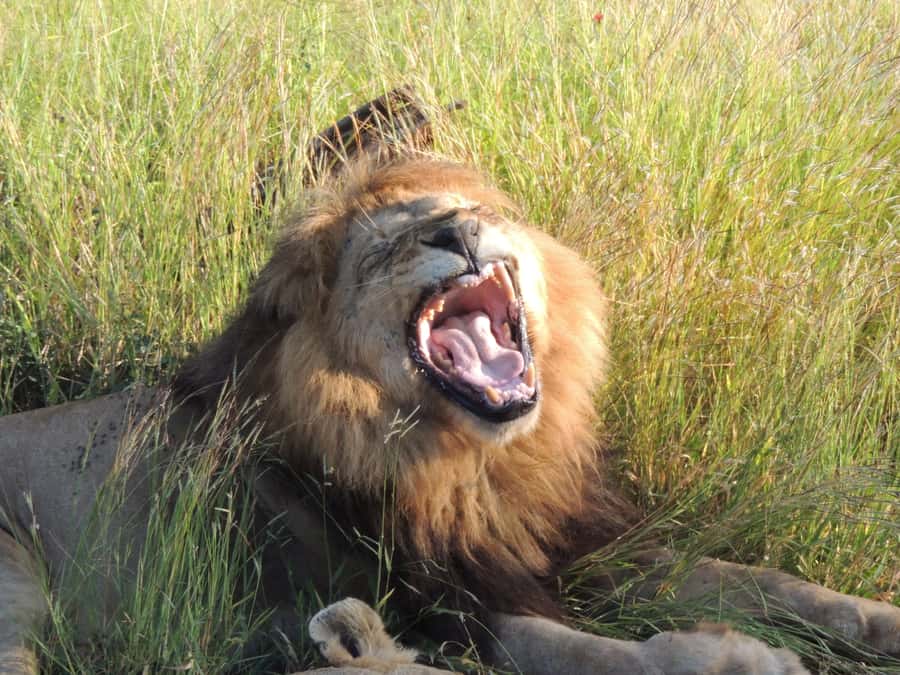
Even with great guides, weather can affect sightings. One guest noted a hot day where they felt animal viewing was slower. That’s not a tour failure; it’s just how wildlife behaves in heat. Predators and other animals may conserve energy and stay less obvious during the hottest hours.
Your best defense is attitude plus preparation:
- Wear your jacket (you’ll likely need it early).
- Use sunglasses and a hat once the sun climbs.
- Bring binoculars so you can scan effectively without moving your whole body around.
Also remember: this is an early start and an outdoor ride. If you’re expecting a leisurely morning with no movement, pick the right days and sleep schedule.
Park entrance fee: the one extra cost to plan for
The tour price is listed at $61 per person, but park entrance is not included. The entrance fee is 440 ZAR, and it’s payable in cash upon arrival.
To judge value, look at what you’re paying for:
- Guide interpretation during the drive
- Pickup and drop-off from lodges
- Water provided during the tour
- The vehicle and time on the ground in Kruger
Then add the entrance fee as a separate line item. If you want a clean budget, take the ZAR fee into account upfront so you’re not surprised at the gate.
Is this safari worth $61: value check for your time
For many people, the best value is simple: you’re buying time and reduced stress. Kruger is big, and self-driving can work—until you miss how guides spot animals and how they position the vehicle for viewing. Here, you’re paying for a structured route, regular scanning, and interpretation, which can turn a slow day into a useful one.
If you’re the kind of traveler who enjoys learning while watching, this is a good spend. If you mainly want a checklist and you don’t care about explanation, you might feel the guide time is less essential. But even then, the early start and the open-vehicle viewing height can still make this a practical choice.
Should you book this Marloth Park to Kruger game drive?
I’d book this safari if:
- You want predator odds early and you can handle the 5:00 AM start.
- You care about learning what you’re seeing, not only photographing it.
- You like the idea of getting picked up and dropped back without organizing your own route.
I’d think twice if:
- You strongly prefer late starts or you hate cold mornings.
- Your main plan is a flexible “we’ll see what happens” day with no structure. Kruger is wild and unpredictable, and this experience is intentionally structured around early wildlife activity.
- You’re sensitive to the extra cash entrance fee you’ll need to budget.
Bottom line: this is a solid, guide-led way to experience Kruger’s action in the hours that matter most. If you go in with layers, binoculars, and a calm mindset, you’ll leave with a lot more than just animal photos.
FAQ
What time does the morning safari start?
The morning activity starts at 5:00 AM.
Is there an afternoon option?
Yes. The afternoon activity starts at 14:30.
How long is the experience?
It’s listed as valid for 6 hours from the first activation.
What are the half-day and full-day end times?
Half-day continues until around 12:00. Full day includes lunch and ends around 16:00.
What’s included in the price?
The tour includes water and lodge pickup and drop-off.
What isn’t included?
Food isn’t included, and the park entrance fee is not included. The entrance fee is 440 ZAR, payable in cash upon arrival.
What should I bring?
Bring your passport or ID card, sunglasses, a hat, a jacket, and binoculars.
Are there any restrictions on the drive?
Alcohol and drugs are not allowed, and the tour is not suitable for people over 95 years.