REVIEW · CAPE TOWN
Marine Big 5 Safari with transport from Cape Town
Book on Viator →Operated by Marine Dynamics Whale Tours · Bookable on Viator
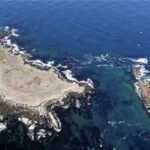
Dyer Island feels like a living aquarium. I like that you go out with an onboard biologist who turns random sightings into real science, and I also like the practical comfort touches like hot soup waiting after the boat. One thing to weigh: this is a long day, with very early pickup and a good chunk of time spent driving before you even hit the water.
The route runs between Cape Town and the Gansbaai area, so you should plan for start times that can feel unusually early. Also watch the wording: the listed departure time is tied to when the boat leaves, not when the van picks you up, so give yourself a buffer and set your alarm like a pro.
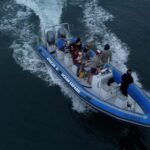
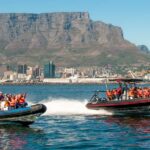
On the positive side, you’re not packed in. The boat runs a max group size of 45, and crew support is set at roughly one crew member for every 6–7 guests, with life-jackets and wet weather gear provided for the choppier moments.
In This Review
- Quick hits before you go
- Marine Big 5 from Cape Town: what this day actually delivers
- Dyer Island boat time versus van time (and why you should plan your day right)
- The harbor routine: safety briefing, conservation talk, and morning snacks
- Onboard marine biologist: what the guide helps you notice
- What you’re actually hunting: whales, great whites, seals, penguins, and dolphins
- Whales (season matters)
- Great white sharks around Shark Alley
- Cape fur seals
- African penguins
- Dolphins
- The Great White House: coffee early, then warm food after
- APSS penguin sanctuary: the conservation side in a short stop
- Rough seas reality check: how to make the boat ride easier
- Value and price: is $181.74 a fair trade?
- Who this Marine Big 5 safari suits best
- Should you book this Marine Big 5 safari from Cape Town?
- FAQ
- How long is the tour from Cape Town?
- What’s included during the day?
- Do I get to visit the African Penguin & Seabird Sanctuary?
- Is the tour dependent on weather?
- What’s the maximum group size?
- Is there an extra cost called a conservation fee?
Quick hits before you go
- Marine Big 5 focus on African penguin, Cape fur seal, great white shark, dolphins, and whales (none are guaranteed)
- Onboard marine biologist guidance that explains behavior, not just names
- Shark Alley area is part of the plan when conditions and sightings line up
- Meals that help you last the day: coffee/tea and muffins on arrival, plus warm food after
- APSS penguin sanctuary visit included with free entry and a short, meaningful stop
- Small-ish group, attentive crew with life-jackets and wet weather gear included
Marine Big 5 from Cape Town: what this day actually delivers
This is a guided marine safari built around one big goal: giving you your best shot at seeing Africa’s Marine Big 5. On the list are the African penguin, Cape fur seal, great white shark, dolphins, and whales. The important word is best shot. Nature decides what you get, and the ocean has moods.
Where this trip earns its place is how it treats every sighting. You’re not just out there hoping for the right animals to appear; you get an onboard marine biologist and an experienced crew who explain what you’re seeing and why it’s happening. That changes the experience from a checklist to something you can actually understand while it unfolds.
I also like how the day is structured to keep you going. On arrival, you get coffee/tea and muffins, then after the boat you get warm soup and bread or lasagne. When you’re dealing with cool sea air and possible spray, that food matters more than it sounds.
You can also read our reviews of more tours and experiences in Cape Town.
Dyer Island boat time versus van time (and why you should plan your day right)
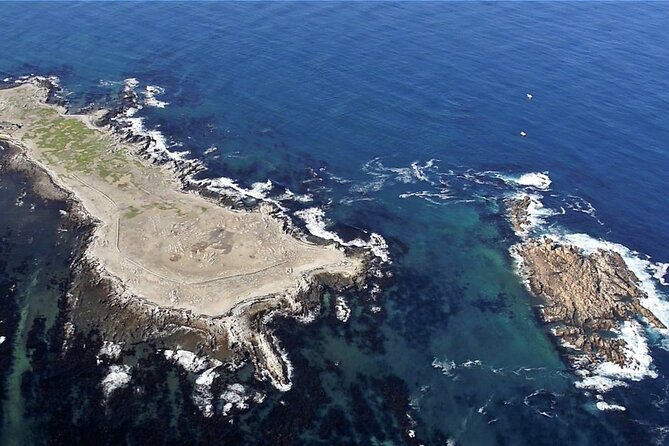
This is a 10-hour experience on paper, but what you really need to plan around is the split between road time and water time. The boat portion is roughly 2–2.5 hours, while the rest is the drive and briefings. In real-world terms, you should expect a major portion of the day to be spent in the vehicle.
That’s the tradeoff. The reward is access to Dyer Island cruises, which operate from the Gansbaai area. If you’re trying to squeeze this into a tight itinerary in Cape Town, it’s tough. If you’re giving the full day to the ocean, it becomes much easier to enjoy.
Timing can also trip people up. You might see a departure time listed for the boat that’s later than you think relative to pickup. For your sanity, treat your pickup as the first alarm of the day, and treat “boat departure” as a separate thing you’ll experience after you reach the harbor.
Finally, be ready for weather. This experience requires good weather, and if it’s canceled due to poor conditions, you’ll be offered another date or a full refund. That’s fair—rougher water is part of marine life here—but you should plan for the possibility of a change.
The harbor routine: safety briefing, conservation talk, and morning snacks
Before you ever head out, there’s a smart rhythm at the marina. You arrive, get coffee or tea and muffins, then you hear a dedicated safety and conservation briefing. The conservation angle isn’t just a poster on the wall; the focus is on how to watch wildlife responsibly and what the animals need from us.
The “Great White House” stop is part of that early setup. It’s where the day gets organized, and it’s also where the crew sets expectations so you’re not trying to figure things out while you’re cold and tired.
In practice, this matters for two reasons:
- You’ll know the rules onboard before the boat starts moving.
- The explanations about species and behavior land better when your brain is still fresh.
Onboard marine biologist: what the guide helps you notice
The onboard marine biologist and experienced crew are the heart of the experience. They help you read the ocean. Instead of only spotting animals, you learn what you’re likely seeing and what behaviors mean.
You can expect the discussion to connect the species in front of you with the ecosystem around Dyer Island—why certain animals show up when they do, and what their presence suggests about feeding and movement in the area.
This kind of guiding helps most on the days when sightings are mixed. If you don’t get every animal, the tour doesn’t fall apart. You still come away with an explanation for what happened, what to look for next, and how the day’s sightings fit into the bigger story of marine wildlife off South Africa.
And yes, there are crew members known for solid communication. One biologist named Kelly is specifically mentioned as part of the onboard experience. That’s a nice detail to know if you’re the type who remembers names and wants to feel like you met a real person, not just a job title.
What you’re actually hunting: whales, great whites, seals, penguins, and dolphins
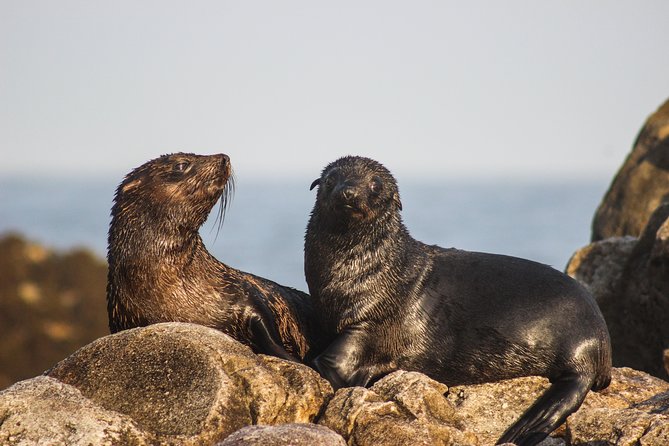
This trip is built around Marine Big 5 possibilities, and Dyer Island is the stage where sightings are most likely when conditions align.
Here’s what to keep in your expectations:
Whales (season matters)
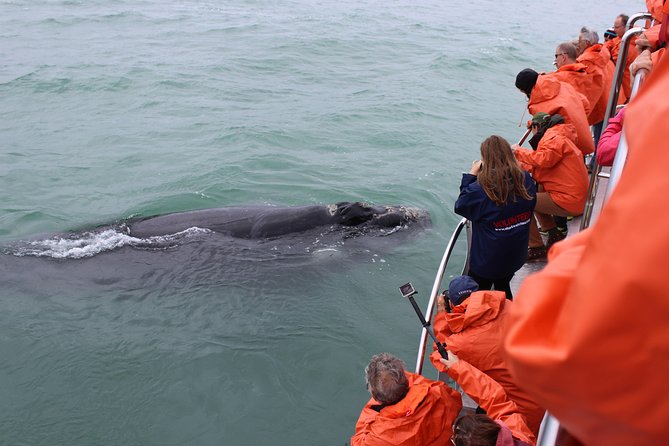
The plan includes whales that may show up around the region. The Southern Right Whale season is generally June to December, while in the rest of the year humpback and Bryde’s whales can also occur occasionally. Translation: if you’re traveling outside peak months, you might still see whales, but your odds shift with season and sea conditions.
When whales do show up, watch how the crew positions the boat and how they explain what you’re seeing. It’s one thing to spot a blow; it’s another to understand the context of surfacing patterns and behavior.
Great white sharks around Shark Alley
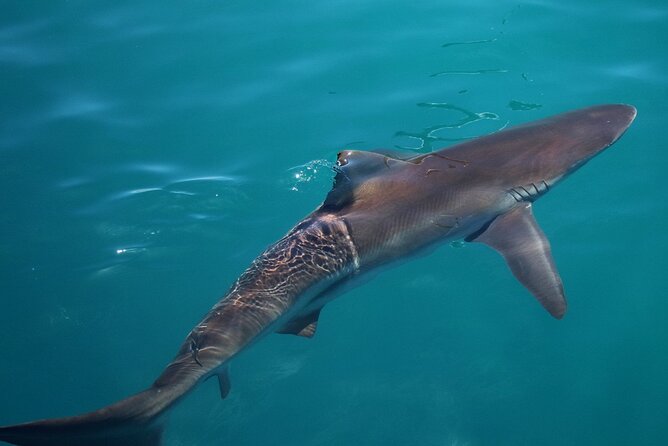
Great white sharks are part of the core targeting here, and Shark Alley is named as the famous area in the route. The ocean doesn’t promise sightings, but this is one of the reasons people book this specific cruise zone.
If your priority is sharks, this is where the tour spends its effort and attention. You’ll hear the conservation and safety messaging before you go looking, and the crew runs the experience with that wildlife-respect focus.
Cape fur seals
Cape fur seals are another of the likely species. When seals are active near the viewing areas, you’ll usually find them easier to spot than the more distant creatures. Their presence is a good sign you’re in a lively patch of the ecosystem.
African penguins
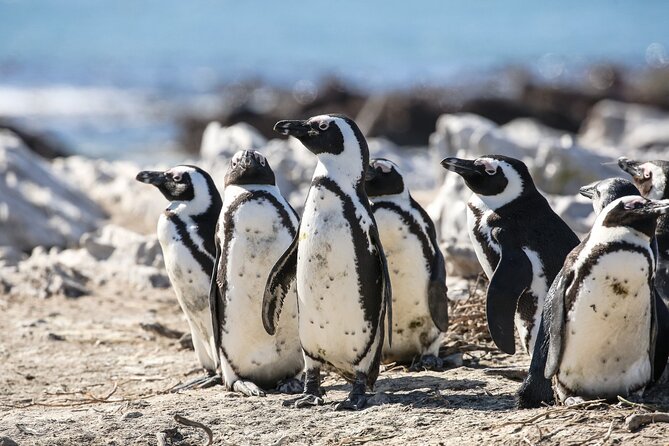
African penguins are the easiest to connect with real conservation outcomes because you also visit the African Penguin & Seabird Sanctuary (APSS). On the island side, penguin sightings can happen depending on the day, but the sanctuary visit is the reliable part of the penguin story.
Dolphins
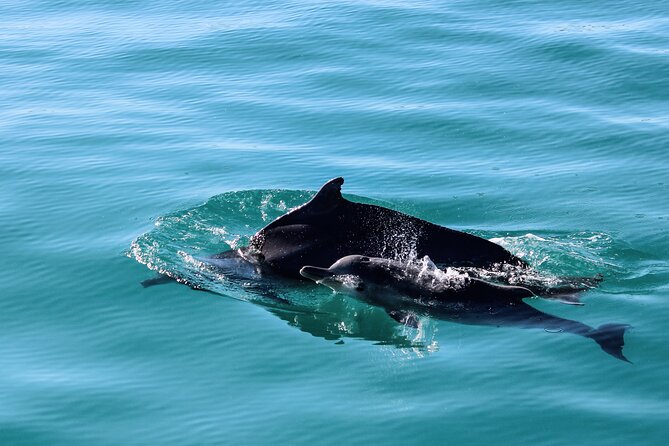
Dolphins are on the Marine Big 5 list, but they’re not something you can bank on. Some days they’re active in the water; other days they’re quieter or elsewhere. The important thing is that the tour’s intention is to search for them as part of the overall marine wildlife experience.
The Great White House: coffee early, then warm food after
I love that the day doesn’t leave you hunting for calories. You get coffee/tea and muffins when you arrive, and after the boat you get warm soup and bread/lasagne.
Warm food is not a small detail here. Even when the day goes smoothly, sea air can leave you chilled. Soup and bread is a simple way to help you reset your body after being out on the water.
The experience also includes bottled water for hydration. Between cold wind and possible movement on the boat, hydration is an easy thing to neglect unless it’s right there for you.
APSS penguin sanctuary: the conservation side in a short stop
One of the best add-ons in the package is the free visit to the African Penguin & Seabird Sanctuary (APSS). This isn’t just a photo stop.
APSS is a marine bird rehabilitation centre in the Overstrand area. The focus is on temporary care for diseased, displaced, injured, oiled, and abandoned marine birds, with special emphasis on the endangered African penguin. Rescue, rehabilitation, and release are part of the conservation management plan.
The education and awareness component is also part of the mission—meant to reduce human impacts on penguin colonies. Even though the visit is short (about 15 minutes), it gives the day more meaning. You get to connect what you see in the ocean with what happens on land when animals need help.
Rough seas reality check: how to make the boat ride easier
Even in good weather, this is South Africa’s open-water environment. A rough ride doesn’t mean the tour is unsafe—it means you should respect the conditions and plan for motion.
The tour includes inflatable life-jackets and wet weather gear, which helps a lot. But for many people, the bigger issue is not cold gear—it’s seasickness. If you’re sensitive, bring anti-sickness pills and consider taking them as directed before you head out. The crew also handles people who feel unwell and keeps the trip operating safely.
A practical tip: dress in warm layers, and don’t rely on a single light jacket. The boat ride is only a couple hours, but it can feel longer when you’re battling wind and spray.
Also pack motion-proof accessories. Phone cameras are great until your hands feel like jelly. If you plan to shoot video or photos, keep it simple and stabilize it whenever possible.
Value and price: is $181.74 a fair trade?
The price is $181.74 per person, and bookings average about 41 days in advance. The big question is value: what you pay for isn’t only boat time. You’re also paying for the long logistics from Cape Town, a guided learning format, food and drinks, and a free sanctuary visit.
Here’s what supports the value:
- Guiding with an onboard marine biologist plus experienced crew
- Meals included, including warm food after the trip
- Boat safety gear and wet weather gear
- APSS included, so the day has a conservation and education component beyond just spotting animals
- Small-group structure (max 45 travelers) and a good crew-to-guest ratio
What challenges the value for some people is the drive time. If you hate long road days or you’re expecting the day to feel mostly like “on the boat,” you may feel the cost more sharply. But if you accept it as a full-day marine outing and treat the drive as part of the journey, the included extras start to make a lot more sense.
Also note the conservation fee is compulsory. That’s common for wildlife-focused operations, and it helps keep the model running.
Who this Marine Big 5 safari suits best
This is a strong match if you want:
- A focused wildlife experience with learning built in
- A chance to see whales, sharks, seals, and penguins in one longer day
- A guided, safety-first boat outing with gear provided
- The added meaning of an APSS penguin sanctuary visit
It’s less ideal if you:
- Can’t handle early mornings and long driving days
- Need an itinerary that stays flexible without any potential for weather-related changes
- Are mainly chasing one species and dislike “best shot” outcomes
Should you book this Marine Big 5 safari from Cape Town?
If your idea of a great day is a guided, conservation-aware boat outing plus a real penguin sanctuary stop, I’d say yes—you’ll likely find it worth the effort. The combination of the onboard biologist, the targeted marine areas, and the included warm food makes it feel like more than a typical “drive out and hope” tour.
Book it when you can give it the full attention of a day. Go in with realistic expectations about sightings, especially for dolphins and whales outside peak season. And plan for rougher water by dressing for the wind and being ready for motion.
If you do those things, you’ll end up with a day that’s both exciting and easier to understand—two things that matter when you’re chasing Africa’s Marine Big 5.
FAQ
How long is the tour from Cape Town?
The experience is about 10 hours total, and the boat portion runs roughly 2 to 2.5 hours excluding travel and briefing time.
What’s included during the day?
Bottled water, coffee/tea and muffins on arrival, warm soup and bread or lasagne after the trip, hotel pickup and drop-off, inflatable life-jackets and wet weather gear, and a professional guide are included.
Do I get to visit the African Penguin & Seabird Sanctuary?
Yes. You get a free visit to the African Penguin & Seabird Sanctuary (APSS). The stop is about 15 minutes.
Is the tour dependent on weather?
Yes. This experience requires good weather. If it’s canceled due to poor weather, you’ll be offered a different date or a full refund.
What’s the maximum group size?
The maximum is 45 travelers.
Is there an extra cost called a conservation fee?
Yes. The conservation fee is compulsory.