REVIEW · MOSHI
5-Day Majestic Tanzania Safari – High End All Inclusive
Book on Viator →Operated by Gosheni Safaris (T) Limited · Bookable on Viator
Balloon light over Ngorongoro hits different, and this high-end loop packs Serengeti game drives plus Lake Manyara bird-and-lion country into five days from Moshi.
I love the safari pace: full-day game drives paired with hot lunches set up during the day, then proper downtime with drinks and comfort back at camp. I also love the human factor—guides who are sharp at spotting animals and great at keeping the hunt productive, like Rodrick for photo timing and Samir for finding action even from farther out.
One possible drawback is the schedule pressure: expect early mornings and long days on the road, and you’ll want to confirm which specific “high-end” lodges you’ll stay at.
In This Review
- Quick hits from this 5-day Serengeti and Ngorongoro safari
- Tanzania safari from Moshi: what this 5-day route actually delivers
- Entering Lake Manyara: tree-climbing lions and 400+ bird species from the driver’s seat
- Serengeti Seronera game drives: hot lunch, long sightings, and habitat variety
- Central Serengeti sundowners: why the long day is worth it
- Ngorongoro balloon and champagne celebration: the early morning reality check
- Crater-floor day in Ngorongoro: full game drive plus Lake Magadi flamingos
- Guides and drivers matter: what the praised names tell you to watch for
- Price and value: what you’re really paying for at $9,359 per person
- Timing, weather, and wildlife: how to set expectations for the best odds
- Who should book this Moshi to Serengeti plus Ngorongoro safari
- Should you book this tour? My take on the call
- FAQ
- Where does the safari start?
- What parks are included?
- Is pickup offered?
- Is the hot air balloon included?
- What meals are included?
- Are park fees included?
- What about tips?
- What if weather affects the experience?
- Is this tour private?
Quick hits from this 5-day Serengeti and Ngorongoro safari
- Lake Manyara night game drive after a full day of wildlife and birds
- Seronera-based Serengeti days with hot lunch setups and repeat chances to spot big mammals
- Hot-air balloon over Ngorongoro plus a champagne-style breakfast celebration
- Crater-floor game drive and Lake Magadi visit for flamingos, hippos, and waterbirds
- Private tour setup with a professional driver-guide focused on sightings
- All-inclusive meal plan with multiple lunches and dinners inside the parks
Tanzania safari from Moshi: what this 5-day route actually delivers
This is a tight wildlife loop that leans hard into the big Tanzanian highlights without pretending they’re all interchangeable. You’ll start in the Moshi/Arusha area, then spend your days in three very different ecosystems: the bird-and-woodland world of Lake Manyara, the wide-open variety of Serengeti (Seronera/Central), and the geology-packed density of Ngorongoro Crater.
What makes the plan feel “high end” in real life is how the day is managed. Instead of leaving you to figure out food, timing, and transitions, it’s set up around long viewing windows with hot lunch served during game drives and downtime built in at the lodge (dinner, drinks, and rest). That matters because safari quality is often less about luck and more about staying ready.
You’re also not doing a vague “see animals” itinerary. You’re hitting specific places known for particular kinds of sightings—tree-climbing lions at Manyara, and the crater-floor concentration at Ngorongoro—plus a day that explicitly includes Lake Magadi for waterbird viewing.
You can also read our reviews of more tours and experiences in Moshi.
Entering Lake Manyara: tree-climbing lions and 400+ bird species from the driver’s seat
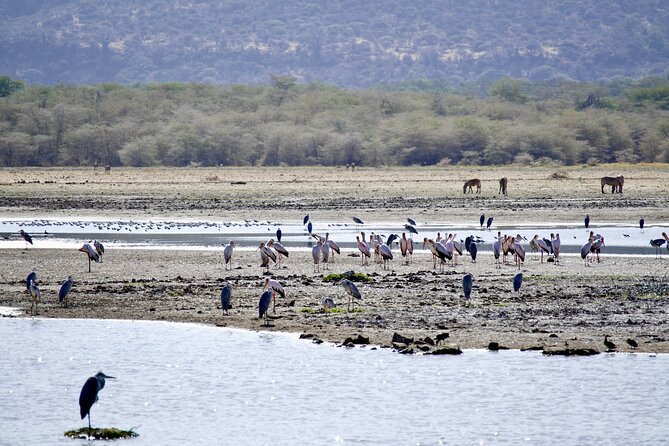
Lake Manyara is a smart first stop because it eases you into safari rhythms fast. After leaving Arusha after breakfast, you’ll drive into the park for a full day of game drives. Then you’ll return for dinner, and the day doesn’t end there: you’ll enjoy a night game drive before sleeping at the lodge.
The reason Manyara often feels special is that it’s not only about the big mammals. The park has recorded more than 400 bird species, and the expectation is you can spot around 100 in a single day. That means even if the large predators are quiet at some moments, you still have plenty of action—especially in the way birds cluster near water and woodland edges.
Two Manyara highlights you should keep your eye on:
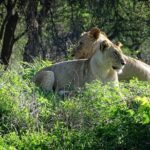
- Tree-climbing lions. This is one of Tanzania’s signature behaviors, and the acacia woodland is the kind of habitat where it can actually happen.
- Large-tusked elephants in the acacia woodland. These encounters are often dramatic because elephants show up where the structure of the landscape gives them space to move calmly.
Practical note: Manyara is also a place where a good guide changes your experience. A driver who knows when to slow down near likely bird corridors (and when to scan for movement in the trees) can turn “a nice day” into “how did we see that?”
Serengeti Seronera game drives: hot lunch, long sightings, and habitat variety
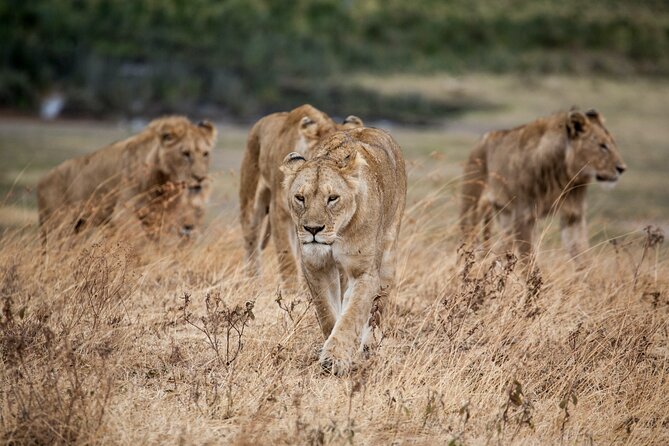
From Lake Manyara, you’ll drive toward Serengeti National Park, using an en-route game drive before arriving in the afternoon. Once you’re in, the schedule keeps you moving: there’s a hot lunch set up by your driver, then more game drive time through the evening, followed by lodge dinner and an overnight stay.
The Serengeti angle here is that you’re not just passing through. You get into the Seronera area and then return again for another full game-drive day. That repetition matters because animal movement is constant, but sightings often depend on the time of day and where the habitat pulls them.
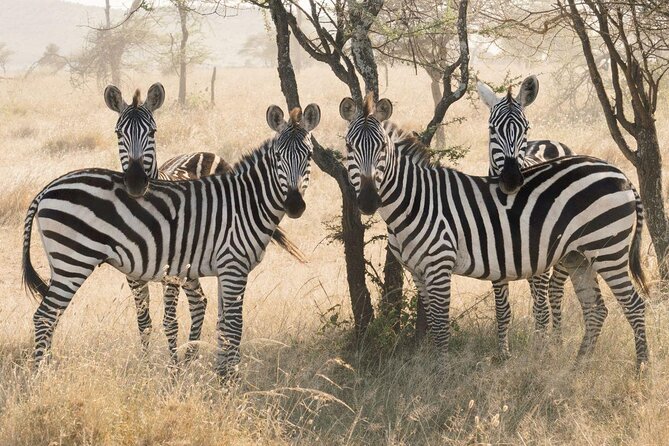
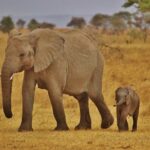
In Serengeti, you should expect a wide range of animals across different habitats—swamps, soda lakes, woodland, and short grassplains. The variety is part of why Serengeti keeps earning its reputation. On your drives, you’re likely to see mixes such as buffalo and elephants alongside giraffe, zebra, eland, wildebeest, and multiple kinds of antelope.
On Day 2 specifically, the afternoon arrival plus evening driving can feel like the best kind of “second shift”—you’re not spending the whole day in transit, and you still get real viewing hours once you reach the park.
Central Serengeti sundowners: why the long day is worth it
Day 3 is built around a full-day game drive in Central Serengeti. You’ll start with breakfast at the lodge, then head out for game viewing all day, with a hot lunch served during the drive. In the afternoon, the day transitions into a classic safari moment: you’ll return for sundowner refreshments, then enjoy dinner and another lodge overnight.
This is the day where you feel what a strong guide strategy does. When you’re out for that long, the goal isn’t to chase every rumor. It’s to position well, then adjust as sightings develop. That kind of driving is exactly what people praised in guides like Samir (sharp animal-finding and proactivity) and Edward Masaki (picking the right spots and reading animal behavior).
Why sundowners matter here: they give you time to decompress without giving up the best hours. You’re not rushing straight back to camp the moment the light changes. You’re letting the day run on its own terms, which often improves how the next day’s viewing goes.
Ngorongoro balloon and champagne celebration: the early morning reality check
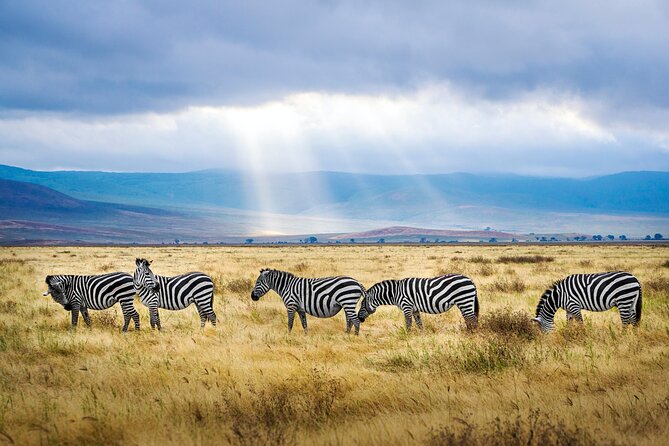
Ngorongoro Crater is the centerpiece, and the program treats it like one. Day 4 starts with a hot air balloon safari early in the morning, then you’ll go into a calmer pace afterward with breakfast at leisure and a champagne celebration.
It’s a great setup because balloon time is about patience. You’ll likely feel the early start, but you’re trading sleep for a view that’s hard to get any other way. From your perspective, the balloon experience also changes how you understand the crater floor: the scale becomes obvious. That’s useful once you’re back in the vehicle and trying to decide where to look.
After breakfast, the schedule continues with game drive time around the Serengeti Central Seronera area, then you transition toward Ngorongoro. In the evening you’ll do an evening crater rim walk, then check in for dinner and overnight at the lodge.
A realistic consideration: balloon days depend on weather. This isn’t a “schedule always wins” type of plan. If conditions aren’t right, the experience can shift, which is exactly why the program notes good weather requirements.
Crater-floor day in Ngorongoro: full game drive plus Lake Magadi flamingos
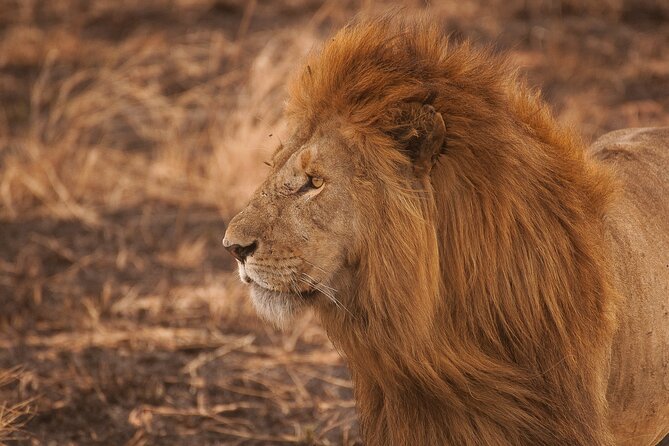
Day 5 is where Ngorongoro delivers its concentration. After breakfast, you’ll head out for a full-day game drive inside the crater. This is the deep volcanic caldera world that’s described as the largest unflooded and unbroken caldera on Earth—big words, but the feeling is simple: it’s enclosed, dense, and visually dramatic.
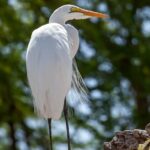
The itinerary also includes a specific wildlife target outside the standard crater sweep: you’ll visit Lake Magadi, a shallow alkaline lake inside the crater. Lake Magadi is the reason this final day isn’t just “big mammals.” It’s also about birds and water life, with flamingos, hippos, and other waterbirds around the lake.
You’ll have a hot lunch served in the crater, then later in the afternoon you’ll drive back for drop-off in Arusha.
If you’re deciding between this kind of crater-focused day and a more general safari, consider what you like seeing. Big mammals are the headline, but Lake Magadi gives you a second story line. That keeps the day from becoming one long wait in a single habitat.
Guides and drivers matter: what the praised names tell you to watch for
This tour leans heavily on one thing that can’t be faked: your guide’s ability to find and interpret wildlife. The strongest praise across guide names like Godlisten, Rodrick, Samir, Hassan, Edward Masaki, George, William, Habibu, Bariki, and Francis points to a few clear traits.
Here’s what to look for (and what you can ask your operator to prioritize when possible):
- Sight-finding at distance: people repeatedly highlighted guides who can detect animals farther out and still keep you positioned well.
- Good timing and photo spots: Rodrick’s name comes up in connection with photo timing and best-position planning.
- Animal behavior explanations: Edward Masaki and others were praised for explaining what animals were doing, not just naming them.
- Punctual, organized driving: multiple guides were praised for being on time and managing the day smoothly.
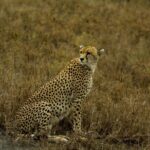
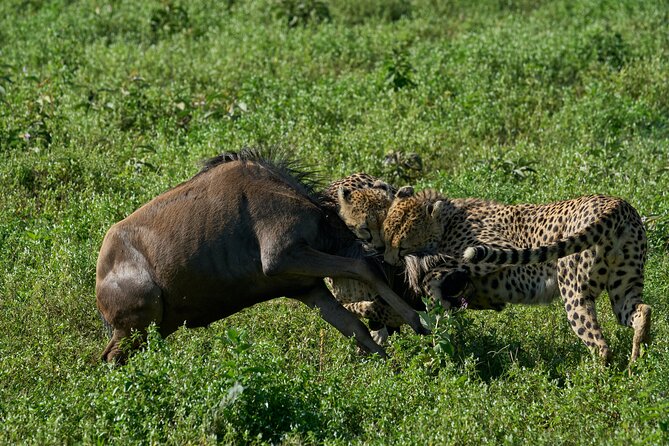
Even if two safari trips visit the same parks, these guide skills are what separate “we saw animals” from “we saw meaningful moments”—a cheetah crouch posture, a predator reaction, the way herds move through cover. So when you’re choosing your travel party and travel style, treat the driver-guide as a core part of the product.
Price and value: what you’re really paying for at $9,359 per person
At $9,359 per person, this is a premium safari. The key question isn’t just whether it’s expensive; it’s whether the inclusions reduce the hidden costs that often show up on the ground.
Based on what’s included, you’re paying for:
- Park fees for non-residents
- A hot air balloon safari
- A professional driver/guide
- Meals inside the program: lunches (5), breakfasts (4), dinners (4)
That matters because balloon safaris alone can be a large ticket item, and park entry + guide time are costs you feel immediately if you’re DIY. Also, the all-inclusive meal structure is a quality-of-life win. You’re not scrambling for lunch spots near remote wildlife routes.
What’s not included (and you should budget for) includes international flights and tips. The tour gives a tipping guideline of US$10 per person per day, which is helpful for planning. Personal items and visa fees are also not included.
One more value angle: this tour is private for your group. Private means you’re not negotiating with other vehicles over timing, and your guide can focus on your pace and interests.
Timing, weather, and wildlife: how to set expectations for the best odds
Safari days have two realities:
1) Wildlife doesn’t run on a calendar.
2) Weather affects what you can safely do.
This experience explicitly requires good weather, which is especially relevant because a balloon is part of the program. So if you’re traveling during a season where weather can be finicky, go in knowing the schedule may be adjusted to protect the experience.
The good news is that the route gives you multiple chances to see animals across different parks and habitats. Manyara offers tree and woodland action, Serengeti gives you broad habitat variety, and Ngorongoro gives you a concentrated crater environment. That means one slower moment doesn’t erase everything else.
Also, the timing helps. Serengeti is split across two viewing days plus a long central day. Ngorongoro has both balloon viewing (upper air scale) and crater-floor driving (close-to-real-life action), plus Lake Magadi for waterbird rhythm.
Who should book this Moshi to Serengeti plus Ngorongoro safari
This fits best if you:
- Want a high-end lodge style safari with meals handled and fewer logistics headaches.
- Like the idea of seeing different ecosystems in a short time: woodland birds at Manyara, open variety in Serengeti, and the crater’s density at Ngorongoro.
- Value guide-driven spotting and planning as much as the parks themselves.
- Prefer a private-group experience where your time isn’t shared with strangers’ pace.
It might feel less perfect if you’re trying to keep costs down or if you strongly dislike early starts, because the balloon day and long driving structure are baked in.
Should you book this tour? My take on the call
If you’re looking at this price and asking whether it’s worth it, here’s my straight answer: book it if you want a premium, structured safari where balloon + Ngorongoro crater focus + guided spotting are the main event, not a side note.
I’d book it particularly if you want fewer moving parts. The combination of park fees, balloon, professional guiding, and meals inside the program removes a lot of the guesswork that makes safari planning stressful.
But I’d pause and confirm lodge details if that’s important to you, since the program description calls them high end without listing specific property names here. Also, if you’re the type who hates schedule risk, remember the balloon depends on weather.
If you want, tell me your travel month and whether you prefer more predator-focused days or more birds-and-habitats. I can help you sanity-check whether this route matches your priorities.
FAQ
Where does the safari start?
The tour starts at Kilimanjaro Airport (meeting point).
What parks are included?
You’ll visit Lake Manyara National Park, Serengeti National Park (Seronera/Central), and Ngorongoro Crater, with a visit to Lake Magadi inside the crater.
Is pickup offered?
Yes, pickup is offered.
Is the hot air balloon included?
Yes, the hot air balloon safari is included.
What meals are included?
Lunch, breakfast, and dinner are included during the program (lunches 5, breakfasts 4, dinners 4).
Are park fees included?
Yes. Park fees for non-residents are included.
What about tips?
Tips are not included. The provided tipping guideline is US$10 per person per day.
What if weather affects the experience?
The experience requires good weather. If it’s canceled due to poor weather, you’ll be offered a different date or a full refund.
Is this tour private?
Yes. It’s private, so only your group participates.