REVIEW · NAIROBI
Samburu/ Aberdare/ Lake Nakuru/ Masai Mara 7 Days Safari
Book on Viator →Operated by Explorer Kenya Tours and Travel Limited · Bookable on Viator
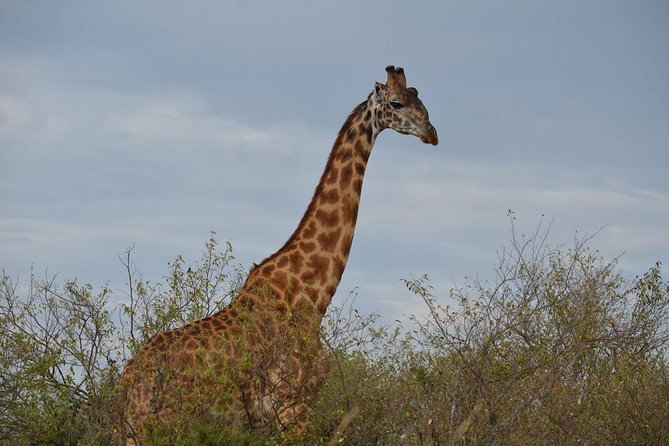
Kenya’s animals change moods fast. This 7-day safari stitches together Samburu National Reserve, Aberdare, Lake Nakuru, and Masai Mara, so you’re not stuck in one ecosystem. I especially like the chance to spot northern specialties such as reticulated giraffes and Grevy’s zebras in Samburu, then shift to Aberdare’s close-up waterhole action from the lodge decks.
Two more things I really like: you get a pop-up roof 4×4 Land Cruiser for better viewing on game drives, and the schedule is built around actual viewing windows (late lunches, afternoon drives, and lodge-based evening viewing). One thing to consider is that this is a fast-paced circuit with long travel days between parks, and the booking is non-refundable, so you’ll want to lock in your dates with confidence.
In the feedback, the guide names that pop up most include James Karithi, John Kariuki, and Sammy, often praised for spotting animals and explaining what you’re seeing. That matters, because on a safari, the difference between a good sighting and a great one is usually tracking skill plus patience.
In This Review
- Key highlights you’ll care about
- Entering Kenya’s “four-park” safari rhythm
- Samburu National Reserve: river life, northern specialties, and Ashnil nights
- Aberdare National Park: the lodge deck experience that changes the vibe
- Lake Nakuru and Thompsons Falls: rhinos, flamingos, and a smart mid-trip shift
- Masai Mara National Reserve: Big Five chances plus two full viewing blocks
- Your lodges, your comfort level, and the day-by-day rhythm
- Price and logistics: what $1,935 includes, and what it doesn’t
- What “great guiding” looks like on this safari
- Who this safari fits best
- Should you book this Samburu to Masai Mara safari?
- FAQ
- What time is pickup in Nairobi?
- Which parks does the safari visit?
- What kind of vehicle is used for game drives?
- Are park fees and tickets included?
- What meals are included during the safari?
- What’s not included in the price?
- Can I get a refund or make changes after booking?
Key highlights you’ll care about
- Samburu’s special mix of species: you’re in a harsh, dramatic reserve with wildlife concentrated along the Engare Uaso Nyiro River.
- Aberdare lodge deck viewing: Treetops Lodge’s waterhole set-up makes evening game viewing feel unusually close and calm.
- Lake Nakuru stop with a purpose: rhinos and flamingos are the headline, and you also pass Thompsons Falls on the way in.
- Masai Mara with real Big Five odds: two days of morning and afternoon game drives gives you more chances to find the full cast.
- Private setup, not a cattle-car tour: it’s designed so only your group participates, using a 4×4 with a pop-up roof.
- Price includes the park-related costs: all fees and taxes are part of the package, plus meals and bottled water while on safari.
Entering Kenya’s “four-park” safari rhythm
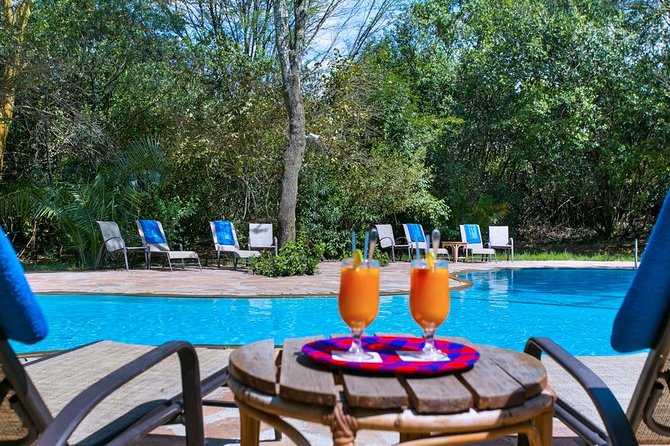
This route makes sense if you like variety but still want a proper safari feel. In a single week, you shift from river country in Samburu to forest and lodge-deck viewing in Aberdare, then to a lake-ecosystem focused on rhinos and flamingos, and finally to the classic savannah drama of Masai Mara.
The pacing is practical: you’re usually arriving in time for lunch, then getting an afternoon or evening wildlife block. That structure helps because animals don’t cooperate on a neat timeline. You’re building in enough time at each stop to catch the day’s most active hours without turning the whole trip into one long drive.
You can also read our reviews of more tours and experiences in Nairobi.
Samburu National Reserve: river life, northern specialties, and Ashnil nights
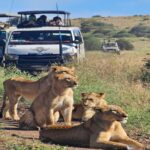
Samburu starts strong because the reserve feels rugged and alive at the same time. You’ll pick up in Nairobi at 7:00 AM and reach Samburu in time for a late lunch, then ease into your first afternoon game drive from there. Staying at Ashnil Samburu Camp also helps, since you’re not spending extra time commuting between sightings and dinner.
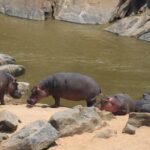
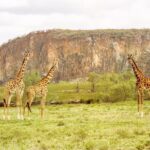
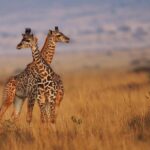
What makes Samburu worth your effort is the species mix. On the game-viewing days, you’re looking for animals tied to the Engare Uaso Nyiro River corridor—places where wildlife funnels in search of water. The safari info for this trip specifically flags wildlife like lions, elephants, hippos, leopards, crocodiles, plus the northern “standouts” such as reticulated giraffes, Grevy’s zebras, and even bongos.
A personal tip for how you should approach Samburu: don’t chase only Big Five headlines. Focus on behavior. With river-based viewing, animals often feel more predictable than in open grassland, so you can read patterns: who’s moving, who’s feeding, and what’s drawing predators closer.
Possible drawback: Samburu can be visually intense without being “wide open.” If you want maximum long-distance savannah panoramas all day, you may feel a little more “river and brush” than you expected. Still, for wildlife variety, it’s a smart use of time.
The practical win for you: two game-viewing days here means you’re not gambling on one sunset window. One day can be great for certain species; the next day can shift your luck to others.
Aberdare National Park: the lodge deck experience that changes the vibe
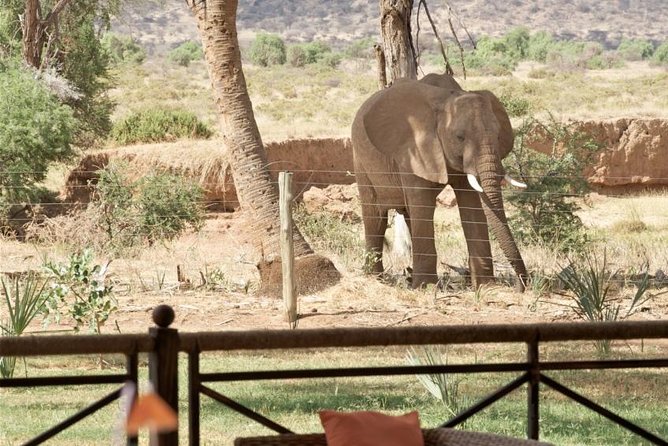
After Samburu, the Aberdare portion is a different kind of safari. You’ll take breakfast, then an en-route morning game drive as you leave the park, and stop for lunch at Outspan Lodge. The big highlight comes later: you transfer to Treetops Lodge and get evening game viewing at the water hole by the lodge.
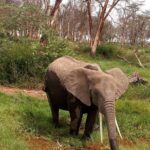
That waterhole setup changes everything. Instead of only viewing from a vehicle, you get a quieter, more immersive “watch from the deck” rhythm. Animals emerge from the surrounding forest to drink, and that repeated pattern is exactly what makes this park-style of safari so relaxing. You can slow down, keep your eyes on movement, and let the wildlife come to you for a while.
Aberdare also gives your trip a mental reset. You’re still doing game viewing, but the tempo is different. Instead of scanning for sightings while bouncing in a 4×4, you’re watching a natural repeat performance from a fixed spot.
One thing to plan for: evening viewing can mean cooler air and long sits, even if daytime weather feels warm. Pack layers you can manage easily.
Lake Nakuru and Thompsons Falls: rhinos, flamingos, and a smart mid-trip shift
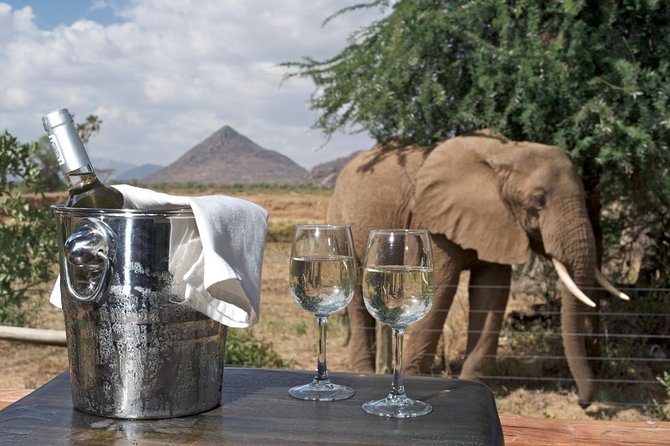
Lake Nakuru is the one-stop “specialty stop” in this itinerary. You’ll have breakfast at Treetops Lodge, then transfer via Thompsons Falls to Lake Nakuru, arriving in time for lunch. After that, it’s afternoon game viewing, dinner, and an overnight at Lake Nakuru Lodge.
Thompsons Falls is included as part of the drive, so you get a quick scenic change before you arrive at the park. Then Lake Nakuru does what it’s known for: rhinos and flamingos take center stage. That combo is why this stop fits well after Aberdare. You’ve moved from forest edge behavior to a lake ecosystem where you can sometimes spot the stars of the region without needing to search for hours.
If you’re the type who likes clear goals, Lake Nakuru helps. You don’t need to pretend the park is only about “maybe Big Five.” The wildlife here is distinct, and it gives you variety right when many safari circuits start to blend together.
Possible consideration: this is only one full day of game viewing at Lake Nakuru in the schedule you’re considering. That’s still often enough for a strong experience, but if you’re traveling during peak birding or peak rhino activity, you may wish you had extra time. The upside is you move on to Masai Mara while the safari energy is still high.
Masai Mara National Reserve: Big Five chances plus two full viewing blocks
Masai Mara is where the trip earns its reputation. You’ll have breakfast and an en-route morning game drive as you leave, then arrive in time for lunch. After lunch, you get an afternoon game viewing, dinner, and an overnight at Mara Simba Lodge. Day two in the Mara continues with both morning and afternoon game drives.
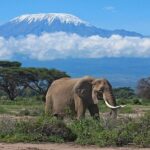
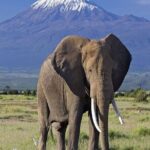
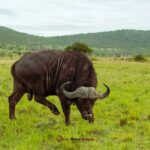
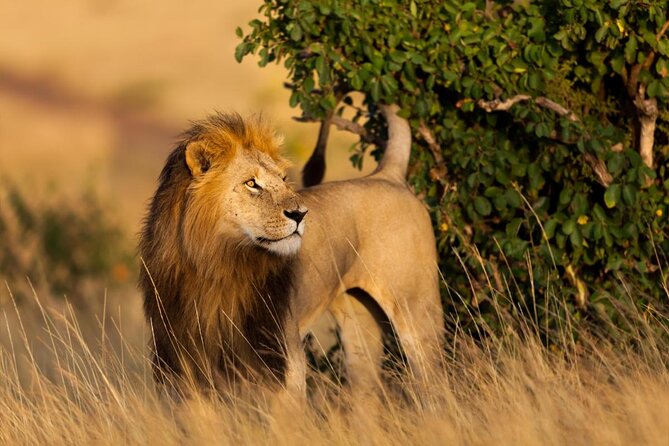
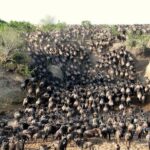
The safari focus here is straightforward: Masai Mara is famous for wildebeest migration, and it’s also a top place to look for the Big Five—leopard, lion, elephant, rhino, and buffalo—along with many other species. With two separate driving sessions, you’re giving yourself more chances to find what luck decides to show you on a given day.
How to make Masai Mara work best for you: keep your expectations flexible. Big Cats can take time, rhinos can appear in clusters, and buffalo often hold down a few “go-to” areas. When you have two game drives on two different days, you can adjust your mental model from day one to day two instead of feeling like every moment must be perfect.
One practical note: the itinerary doesn’t promise the migration timing. What it does provide is time in the ecosystem that’s famous for it, plus the viewing structure that helps you see a range of wildlife behaviors regardless of season.
Your lodges, your comfort level, and the day-by-day rhythm
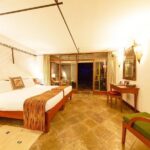
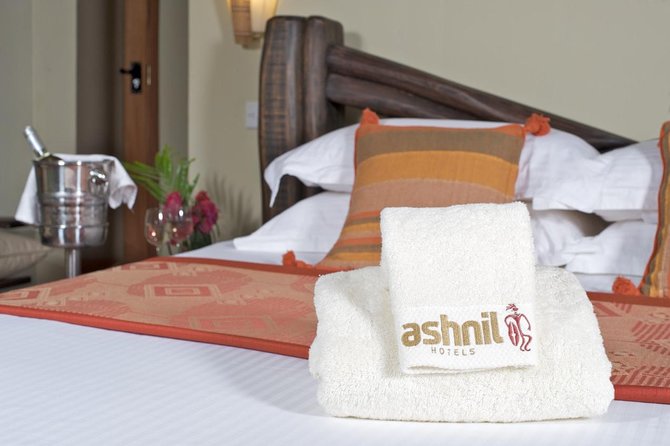
This safari’s comfort factor is built around real stays, not constant packing and unpacking. You’ll sleep at Ashnil Samburu Camp in Samburu, then move to Treetops Lodge for the Aberdare nights, Lake Nakuru Lodge for the Nakuru night, and Mara Simba Lodge for your Masai Mara nights.
You also get a clear meal plan structure:
- Lunch included (7)
- Breakfast included (6)
- Dinner included (6)
And you get 1 liter of bottled drinking water per person per day while on safari.
That matters more than it sounds. When your food and water are handled, you spend your brainpower on the sightings. You also avoid the awkward “what do we do for lunch” moments that can throw off a safari’s timing.
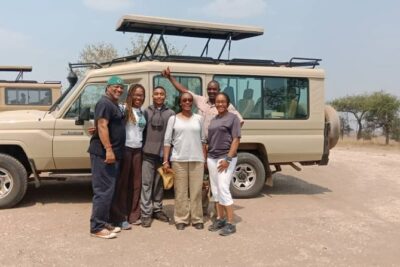
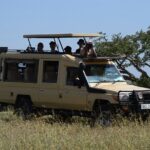
Vehicle note: you’ll use a 4×4 safari Land Cruiser with a pop-up roof. That’s a big help for spotting wildlife from higher up, especially when the vegetation is thick or the animals are moving through brush.
Possible drawback: this is still a car-based safari with long stretches. Even with great viewing windows, you should expect a “safari day body” afterward. If you hate sitting for hours, you’ll want to plan for downtime when you’re back in Nairobi.
Price and logistics: what $1,935 includes, and what it doesn’t
At $1,935 per person for 7 days, you’re paying for a full safari circuit with private transport, lodging, meals, and park-related costs. The important part for value is what’s included:
- private 4×4 transport with a pop-up roof
- all fees and taxes
- bottled water during safari days
- all meals listed above
- admission tickets covered in the package
That’s why this price can feel fair compared with “pay-as-you-go” safaris. You don’t have to chase add-ons mid-trip, and you’re not constantly doing mental math between parks.
What’s not included is also clear:
- personal travel insurance
- domestic and international flights and flight taxes
- gratuities for drivers and hotel staff
One more logistics point: the operator marks the tour as non-refundable and not changeable for any reason. That doesn’t mean it’s bad, but it does mean you should only book if you’re comfortable that your travel dates are real and fixed.
One caution from the broader feedback: most ratings are excellent, but at least one traveler expressed serious disappointment with what was promised versus what happened. The lesson isn’t to panic; it’s to ask for written clarity before you pay final money and make sure your dates, lodges, and inclusions match what you’re expecting.
What “great guiding” looks like on this safari
Good guiding is not just knowing names of animals. It’s knowing where to look next, when to stop, and how to explain what you’re seeing so the drive doesn’t become silence with cameras.
In the feedback included with this safari, guides such as James Karithi, John Kariuki, and Sammy are repeatedly highlighted for being:
- highly informative about countryside and wildlife
- skilled at finding animals and positioning the vehicle
- excellent drivers with strong tracking instincts
You’ll also notice a pattern: communication and flexibility are praised. That shows up in how people describe the planning process and how smooth start-date adjustments were. Even if you’re not changing your dates, that kind of process usually reflects better trip control once you’re in Kenya.
My advice: if you have names of guides you’d like to see, ask. You might not get a choice, but requesting can’t hurt. And if you get one of the guides that repeatedly appears in top feedback, you’re likely in for a safari where the information matches the spotting.
Who this safari fits best
This trip fits you best if you want:
- a week that hits Samburu, Aberdare, Lake Nakuru, and Masai Mara without wasting days in transit
- a mix of vehicle drives and a lodge-deck wildlife experience
- Big Five time in Masai Mara plus a northern-species taste in Samburu
It may not be the best match if:
- you want maximum time in one park (this circuit is efficient, not slow)
- you need a fully flexible itinerary (the booking is non-refundable and cannot be changed)
- you dislike long drives between destinations
Should you book this Samburu to Masai Mara safari?
I’d book it if your goal is to see a wide slice of Kenya in one week, with enough time in Masai Mara to make Big Five sightings realistic, plus the special-feeling Aberdare waterhole viewing. The combination of private transport, pop-up roof game viewing, and meals and park costs covered is a practical value play.
I’d hesitate if your travel dates aren’t stable. The non-refundable rule is the biggest deal-breaker. Also, if you’re chasing only Big Five on every day, you’ll need to enjoy the fact that some days are about other stars too, like rhinos and flamingos at Lake Nakuru, or river-focused behavior in Samburu.
If you’re organized with your dates and you like variety, this is a strong, well-paced safari circuit.
FAQ
What time is pickup in Nairobi?
Pickup is at 7:00 AM in Nairobi on the first day.
Which parks does the safari visit?
The safari covers Samburu National Reserve, Aberdare National Park, Lake Nakuru National Park, and Masai Mara National Reserve, with the trip ending back in Nairobi.
What kind of vehicle is used for game drives?
You travel in a 4×4 safari land cruiser with a pop up roof.
Are park fees and tickets included?
Yes. All fees and taxes are included, and admission tickets are listed as free.
What meals are included during the safari?
Lunch is included for 7 lunches, breakfast is included for 6 breakfasts, and dinner is included for 6 dinners. Bottled water is also included at 1 liter per person per day while on safari.
What’s not included in the price?
Not included are personal insurance, domestic and international flights and their taxes, and gratuities for drivers and hotel staff.
Can I get a refund or make changes after booking?
No. The experience is non-refundable and cannot be changed for any reason, and you will not receive a refund if you cancel or request an amendment.